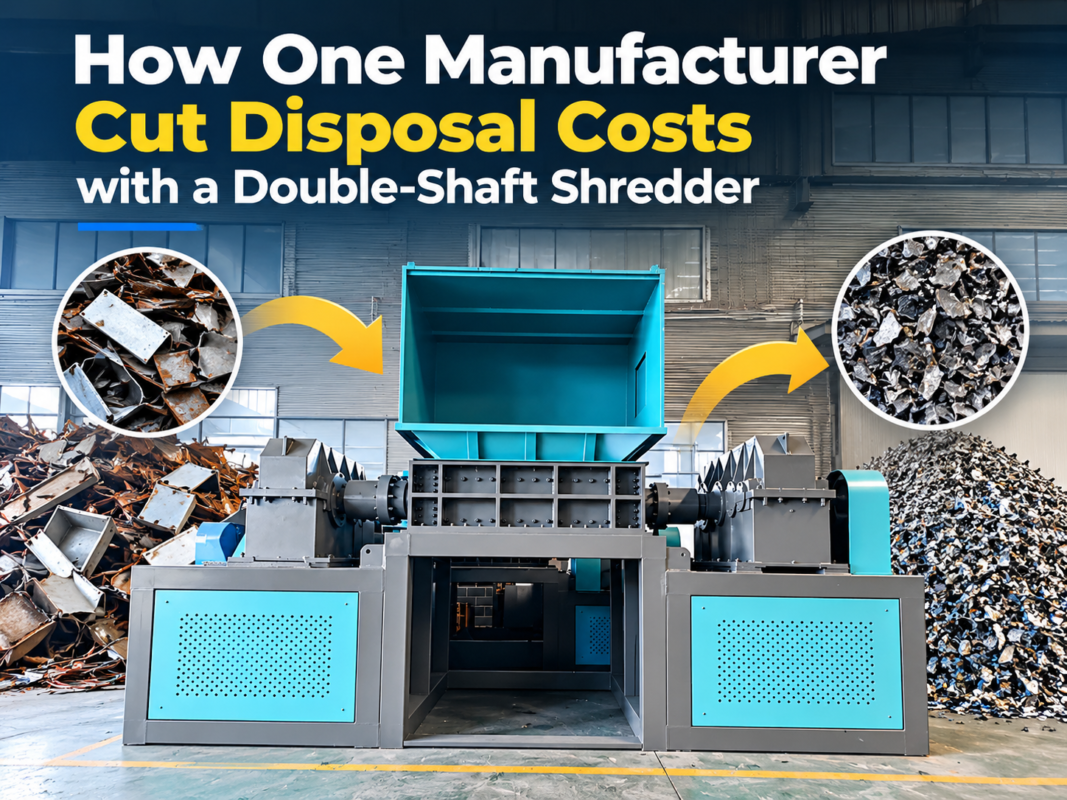
Understanding Tonnage Requirements An Aluminium Extrusion Press: A Comprehensive Engineering Guide

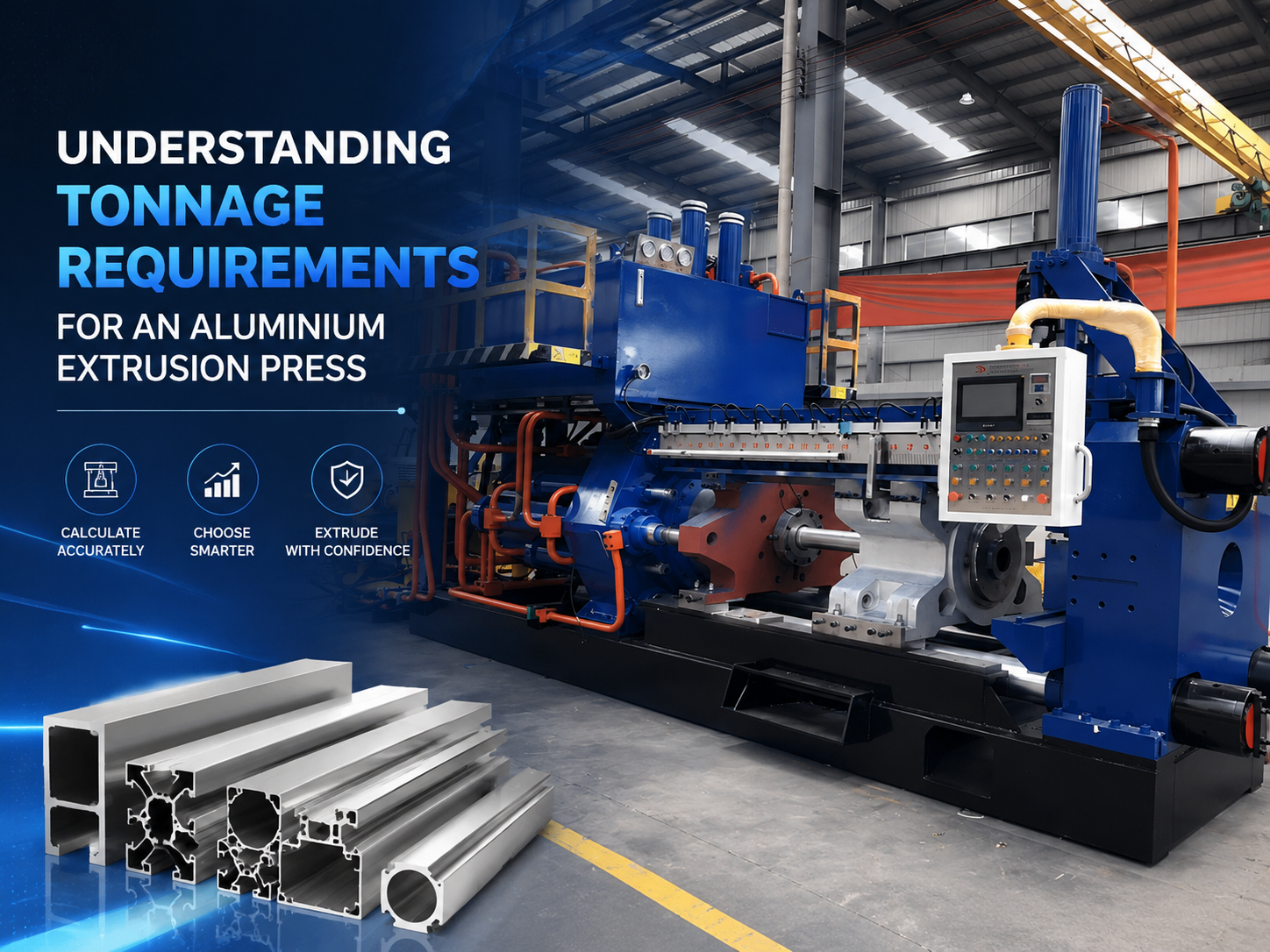
Technical Overview: The Mechanics of Aluminium Extrusion
At the heart of modern metal fabrication lies the aluminium extrusion press, a sophisticated piece of industrial machinery designed to transform aluminium billets into complex cross-sectional profiles. Understanding tonnage requirements an aluminium extrusion press is not merely a mathematical exercise; it is the fundamental prerequisite for ensuring structural integrity, surface finish quality, and operational longevity. When a billet is forced through a die, the press must exert sufficient force to overcome the material’s resistance to deformation, which is influenced by temperature, alloy composition, and the complexity of the profile shape.
The extrusion process involves heating an aluminium billet to a plastic state—typically between 400°C and 500°C—and then applying immense hydraulic pressure to push the metal through a shaped opening. The tonnage of the press represents the total force available to perform this work. If the tonnage is insufficient, the material will fail to flow through the die, leading to stalled production, potential damage to the die, and significant downtime. Conversely, excessive tonnage without proper control can lead to structural fatigue in the press frame and unnecessary energy consumption.
HARSLE engineering standards emphasize that the extrusion ratio is the primary driver of force requirements. The extrusion ratio is defined as the ratio of the cross-sectional area of the container to the cross-sectional area of the final profile. As this ratio increases, the resistance to flow increases exponentially. Therefore, engineers must carefully balance the press capacity with the specific geometry of the profiles being produced to maintain a consistent and high-quality output.
Furthermore, the friction between the billet and the container wall plays a critical role in the total force required. As the ram moves forward, the billet shortens, and the frictional surface area changes, necessitating a dynamic understanding of pressure management. Modern HARSLE extrusion presses utilize advanced hydraulic systems that allow for precise control over these variables, ensuring that the tonnage applied is exactly what is needed for the specific stage of the extrusion cycle.
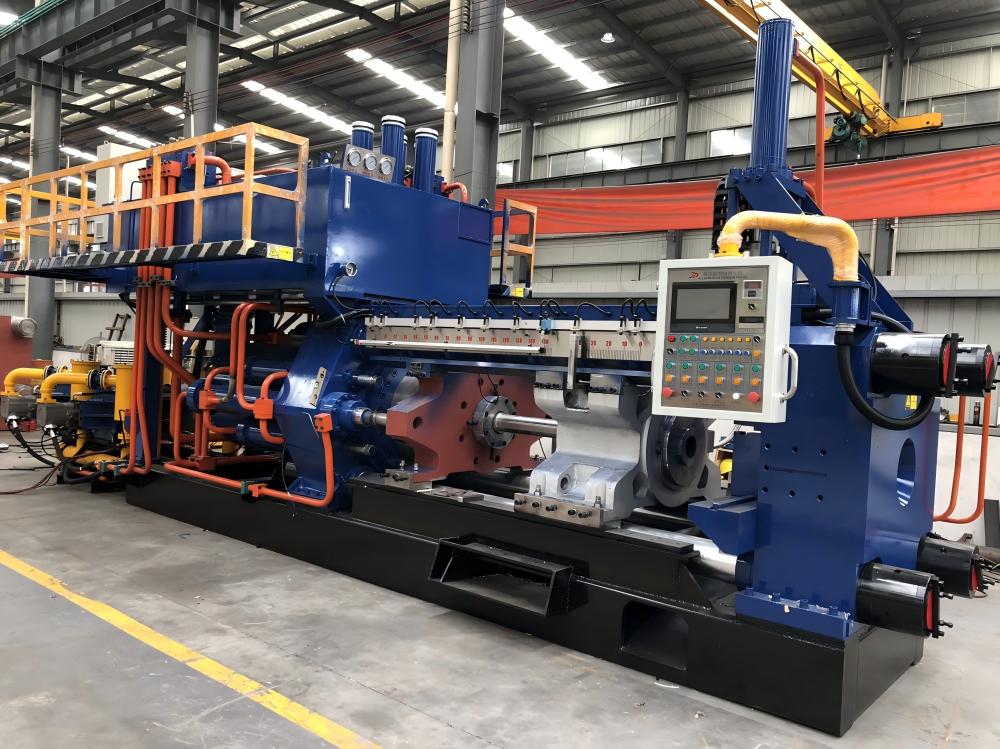
Core Parameters Influencing Tonnage
When evaluating the tonnage requirements for an aluminium extrusion press, one must first consider the alloy type. Different aluminium alloys possess varying flow stresses. For instance, the 6000 series alloys, commonly used for architectural profiles, have different deformation characteristics compared to the high-strength 7000 series alloys used in aerospace applications. The higher the alloy strength, the greater the tonnage required to achieve the same extrusion speed and profile complexity.
Temperature control is the second pillar of tonnage management. Aluminium becomes significantly more malleable as it approaches its melting point. However, there is a delicate balance: if the temperature is too high, the surface finish of the profile may suffer due to ‘tearing’ or ‘pick-up’ defects. If the temperature is too low, the required tonnage skyrockets, potentially exceeding the press’s rated capacity. Maintaining a consistent billet temperature is therefore essential for predictable tonnage requirements.
The complexity of the profile shape, often measured by the ‘shape factor’ or ‘circumscribing circle diameter’ (CCD), is another vital parameter. A simple solid bar requires significantly less force than a thin-walled, multi-void hollow profile. The friction generated as the metal flows through the intricate channels of a complex die creates a substantial increase in the required extrusion pressure. Engineers must account for these geometric constraints during the initial design phase to ensure the press can handle the load without stalling.
Finally, the lubrication and container condition cannot be overlooked. A well-maintained container with proper lubrication reduces the frictional resistance between the billet and the container liner. Over time, wear and tear on the liner can increase the force required to move the billet, effectively ‘stealing’ available tonnage from the extrusion process. Regular maintenance of the HARSLE press components ensures that the calculated tonnage remains accurate and that the machine operates within its optimal efficiency range.
Calculation Method: Determining Necessary Force
Calculating the required tonnage for an aluminium extrusion press involves a multi-step engineering formula that accounts for the specific pressure required to deform the alloy and the total area of the billet. The basic formula is: F = P × A, where F is the total force, P is the specific extrusion pressure, and A is the cross-sectional area of the container. However, determining the value of P is where the complexity lies.
The specific pressure (P) is influenced by the extrusion ratio (R), which is the ratio of the container area to the profile area. A common empirical formula used in the industry is P = K × ln(R), where K is the deformation resistance constant of the specific alloy at a given temperature. By calculating the natural logarithm of the extrusion ratio and multiplying it by the alloy constant, engineers can derive a baseline pressure requirement. This value must then be adjusted for frictional losses and the specific geometry of the die.
It is also important to consider the ‘breakthrough pressure’—the initial force required to start the flow of metal. This is typically the highest pressure point in the entire extrusion cycle. The press must be sized not just for the steady-state extrusion pressure, but for this peak breakthrough force. HARSLE recommends a safety margin of at least 15-20% above the calculated peak force to account for variations in billet temperature and alloy consistency.
For complex hollow profiles, the calculation must also include the force required to overcome the resistance of the mandrel and the bridge structure of the die. These internal components create additional drag that must be factored into the total tonnage. Utilizing simulation software alongside manual calculations allows for a more precise estimation, ensuring that the chosen press is perfectly matched to the production requirements of the facility.
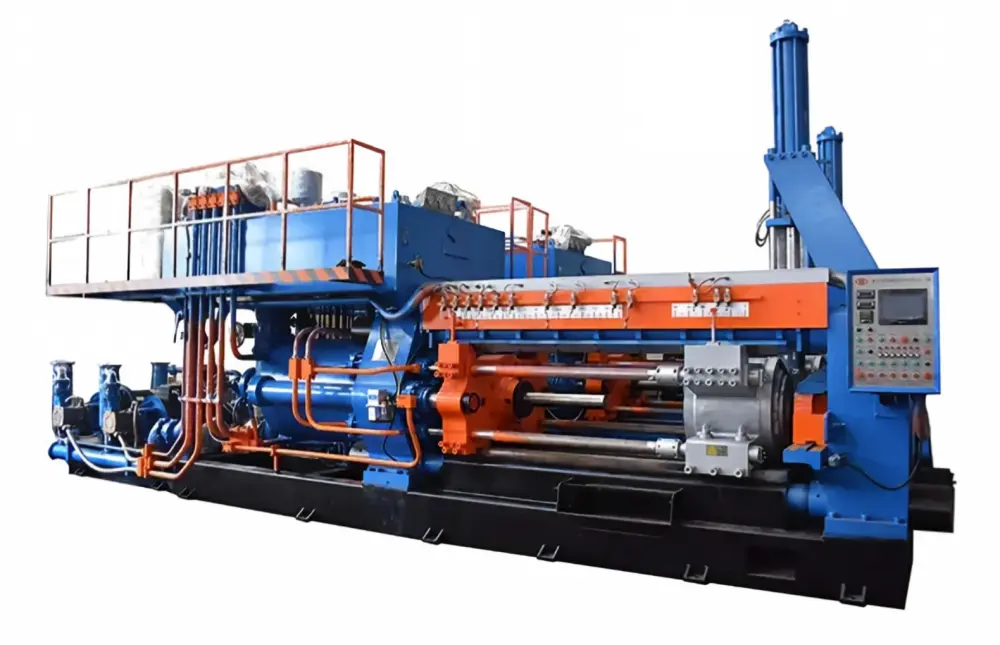
Parameter Table: Tonnage vs. Application
| Press Tonnage (T) | Typical Billet Diameter (mm) | Primary Application | Alloy Suitability |
|---|---|---|---|
| 600 – 1000 | 100 – 150 | Small architectural profiles, window frames | 6063, 6061 |
| 1200 – 2000 | 150 – 200 | Automotive components, structural tubing | 6061, 6082 |
| 2500 – 4000 | 200 – 300 | Large structural beams, industrial extrusions | 6000, 7000 series |
| 5000 – 12000 | 300 – 600+ | Heavy aerospace, large-scale infrastructure | 7075, 2024, 5000 series |
Common Engineering Mistakes
One of the most frequent mistakes in understanding tonnage requirements an aluminium extrusion press is the failure to account for the ‘dead cycle’ time and its impact on billet temperature. If the cycle is too slow, the billet loses heat while waiting, which increases the flow stress and the required tonnage. This creates a vicious cycle where the press struggles to push the cooler, harder metal, leading to potential equipment strain.
Another common error is ignoring the impact of die wear. As dies wear down, the flow characteristics change, often requiring more pressure to achieve the same profile quality. Operators who do not adjust their tonnage expectations or maintenance schedules accordingly may find themselves pushing the press to its limits, which can lead to premature hydraulic seal failure or structural cracking in the press platen.
Underestimating the importance of the extrusion ratio is also a critical oversight. Many new operators assume that if a press can handle a certain billet size, it can handle any profile shape. However, a very thin-walled profile with a high extrusion ratio can require more force than a solid bar of the same material. Always verify the extrusion ratio against the press’s maximum capacity before attempting a new die setup.
Finally, neglecting the calibration of pressure transducers can lead to inaccurate readings. If the control system reports a lower pressure than what is actually being exerted, the operator might inadvertently overload the press. Regular calibration of all sensors and gauges is mandatory for maintaining the safety and accuracy of the extrusion process. HARSLE provides comprehensive maintenance protocols to help operators avoid these common pitfalls.
Selection Checklist for Aluminium Extrusion Presses
- Define Maximum Profile Size: Determine the largest cross-section and the highest extrusion ratio you intend to produce.
- Assess Alloy Range: Identify the hardest alloys you will process, as these dictate the maximum tonnage needed.
- Evaluate Billet Diameter: Ensure the press container size matches your standard billet supply chain.
- Check Hydraulic Capacity: Verify that the hydraulic system can sustain the required pressure for the duration of the extrusion stroke.
- Review Automation Features: Consider how integrated control systems can help manage tonnage dynamically during the cycle.
- Verify Safety Standards: Ensure the press meets all local and international safety regulations for high-pressure industrial equipment.
- Consult Manufacturer Support: Partner with HARSLE experts to perform a feasibility study based on your specific product portfolio.
FAQ: Understanding Tonnage Requirements
Why is the breakthrough pressure higher than the steady-state pressure?
The breakthrough pressure is the force required to initiate the flow of the billet through the die. At this moment, the metal is at its coldest and most resistant state, and the friction between the billet and the container is at its peak. Once the flow is established, the metal heats up slightly due to deformation, and the friction becomes more dynamic, resulting in a lower steady-state pressure.
Can I use a higher tonnage press for smaller profiles?
Yes, you can use a higher tonnage press for smaller profiles, but it is often inefficient. Using a 3000T press for a job that only requires 800T leads to higher energy consumption and may make it difficult to control the extrusion speed precisely. It is always best to match the press size as closely as possible to the intended application.
How does billet temperature affect tonnage?
Billet temperature is inversely proportional to the required tonnage. Higher temperatures make the aluminium more plastic, reducing the flow stress and the force required to extrude it. However, excessive temperature can compromise the mechanical properties and surface finish of the final product.
What is the role of the extrusion ratio in tonnage calculation?
The extrusion ratio is the primary factor in determining the resistance to flow. A higher ratio means the metal must be compressed more significantly to fit through the die opening, which requires a proportional increase in the force applied by the ram.
How often should I calibrate my press tonnage sensors?
HARSLE recommends calibrating pressure sensors and hydraulic gauges at least every six months, or more frequently if the press is operating at maximum capacity for extended periods. Accurate data is essential for both quality control and machine protection.