
Hammer Shredder Maintenance Guide for Higher Throughput and Longer Service Life

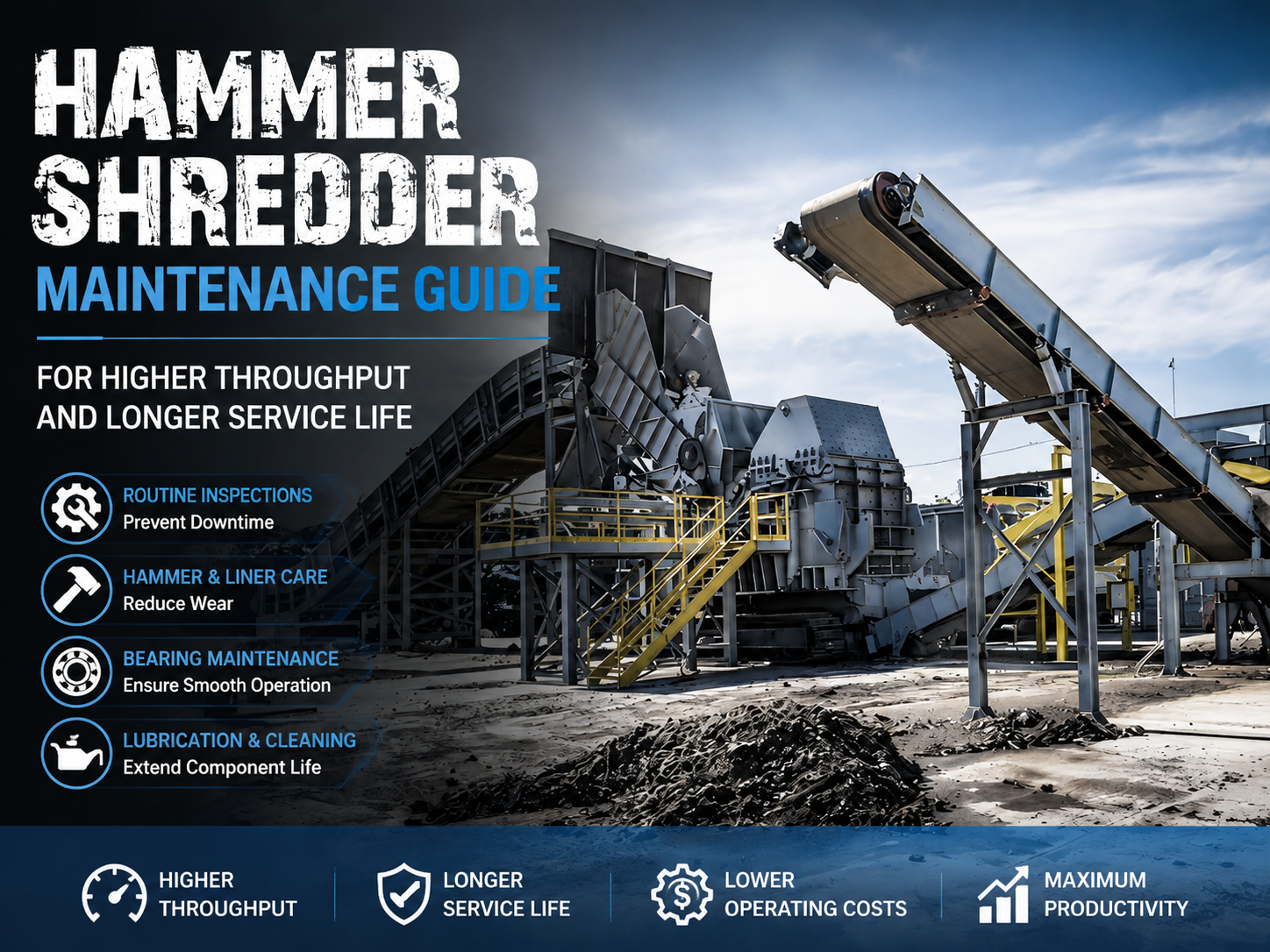
Technical Overview of Hammer Shredder Operations
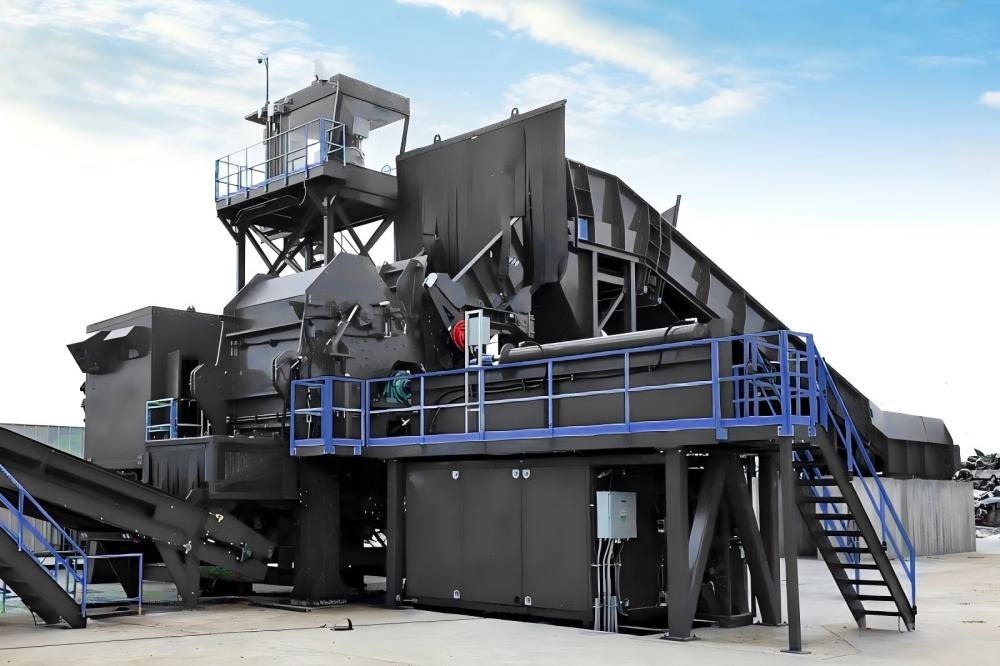
The hammer shredder, often referred to as a hammer mill in specific industrial contexts, is the workhorse of the scrap metal and waste processing industry. Its primary function is to reduce large, bulky materials into smaller, uniform pieces through the application of high-velocity kinetic energy. At the heart of the machine is a heavy-duty rotor assembly, which houses a series of free-swinging hammers. As the rotor spins at high speeds, these hammers strike the incoming material, shattering it against internal breaker plates and grates until the particles are small enough to pass through the discharge screen. HARSLE hammer shredders are engineered to handle everything from aluminum profiles and electronic waste to light ferrous scrap, providing a versatile solution for modern recycling facilities.
Understanding the physics behind the shredding process is essential for effective maintenance. The efficiency of a hammer shredder is directly proportional to the kinetic energy delivered by the hammers. This energy is a function of the hammer’s mass and the square of the rotor’s velocity. Therefore, even a slight decrease in rotor speed or a reduction in hammer mass due to wear can significantly impact the machine’s ability to process material. A well-maintained shredder ensures that this energy transfer remains optimal, preventing material buildup and reducing the mechanical stress on the motor and drive train. By focusing on Hammer Shredder Maintenance Higher Throughput Longer Service Life, operators can maximize their return on investment and minimize unplanned downtime.
The internal environment of a hammer shredder is incredibly harsh. The constant impact, abrasion, and heat generation require a robust design and a disciplined maintenance schedule. HARSLE utilizes high-manganese steel and specialized alloys for wear parts to withstand these conditions. However, no material is immune to wear. The goal of a technical maintenance program is not just to replace parts when they break, but to monitor wear patterns and intervene before a component failure leads to catastrophic damage to the rotor or the main housing. This proactive approach is what separates high-efficiency operations from those plagued by frequent breakdowns.
Core Parameters Influencing Performance
To achieve Hammer Shredder Maintenance Higher Throughput Longer Service Life, one must first understand the core parameters that define the machine’s performance envelope. The first and most critical parameter is the Tip Speed. This is the linear velocity of the hammer’s outer edge as it rotates. For metal shredding, tip speeds typically range between 50 and 90 meters per second. If the speed is too low, the hammers will not have enough energy to fracture the material; if it is too high, excessive heat and premature wear of the hammers and liners will occur. Maintaining the correct drive belt tension and ensuring the motor is operating within its rated RPM is vital for keeping the tip speed consistent.
The second parameter is Hammer Mass and Geometry. Hammers come in various shapes—bell-shaped, rectangular, or offset—each designed for specific material types. As hammers wear down, they lose mass, which directly reduces the kinetic energy available for shredding. This leads to “rounding,” where the sharp striking edge becomes blunt, causing the material to slide past the hammer rather than being impacted. This not only reduces throughput but also increases the recirculating load within the chamber, leading to higher temperatures and increased power consumption. Regular inspection of hammer profiles is a cornerstone of effective maintenance.
The third parameter is the Grate Opening Size. The grates act as a sizing screen; material stays in the shredding chamber until it is small enough to fall through. If the grates are clogged or if the openings have been deformed by heavy impacts, the throughput will drop significantly. Conversely, if the grates are worn thin, they may allow oversized material to pass through, compromising the quality of the final product. Maintenance teams must regularly check for grate integrity and ensure that the clearance between the hammer tips and the grates is within the manufacturer’s specified range to maintain optimal shearing action.
Calculation Method for Shredder Efficiency
Quantifying the performance of your hammer shredder allows for data-driven maintenance decisions. One of the most useful calculations is the Specific Energy Consumption (SEC), which measures how much energy is required to process a ton of material. The formula is: SEC (kWh/t) = Total Power Consumed (kW) / Throughput (t/h). A rising SEC over time, assuming the feed material remains constant, is a clear indicator that the hammers are worn or the internal clearances have increased, necessitating maintenance to restore efficiency.
Another critical calculation is the Kinetic Energy (KE) of the hammers. The formula is: KE = 0.5 × m × v², where ‘m’ is the mass of the hammer and ‘v’ is the tip velocity. Because the velocity is squared, even a small drop in rotor RPM (perhaps due to a slipping belt) has a massive impact on the shredding force. For example, a 10% drop in speed results in a 19% drop in kinetic energy. Maintenance crews should use tachometers to verify rotor speeds under load to ensure the machine is hitting its theoretical energy targets.
Finally, estimating the Wear Rate helps in planning part replacements. This is usually calculated as Grams of Metal Lost per Ton of Throughput (g/t). By weighing a set of hammers when new and again when they are retired, and dividing the weight difference by the total tons processed during their life, operators can predict when the next change-out should occur. This prevents the “run-to-failure” mentality that often results in damaged rotors or broken grates, directly supporting the goal of Hammer Shredder Maintenance Higher Throughput Longer Service Life.
Hammer Shredder Technical Parameter Table
The following table outlines the typical specifications for HARSLE hammer shredders across different scales of operation. These values serve as a benchmark for maintenance teams to ensure their equipment is performing within design limits.
| Parameter | Small Scale (HS-800) | Medium Scale (HS-1200) | Large Scale (HS-2000) |
|---|---|---|---|
| Rotor Diameter (mm) | 800 | 1200 | 2000 |
| Motor Power (kW) | 45 – 75 | 110 – 250 | 400 – 800+ |
| Hammer Tip Speed (m/s) | 45 – 55 | 55 – 70 | 70 – 90 |
| Number of Hammers | 12 – 20 | 24 – 36 | 48 – 72 |
| Throughput (t/h) | 2 – 5 | 8 – 15 | 30 – 60+ |
| Typical Hammer Weight (kg) | 15 – 25 | 40 – 60 | 100 – 150 |
| Grate Clearance (mm) | 10 – 20 | 15 – 30 | 25 – 50 |
Comprehensive Maintenance Strategies
Daily Inspection and Lubrication
The foundation of Hammer Shredder Maintenance Higher Throughput Longer Service Life is the daily inspection routine. Before starting the shift, operators must check for loose bolts, especially on the main bearing housings and the motor mounts. Vibration is the enemy of precision machinery; a loose bolt can quickly lead to fatigue failure. Lubrication is equally critical. The main rotor bearings operate under extreme loads and temperatures. Using the correct high-temperature, extreme-pressure (EP) grease and ensuring the automatic lubrication system (if equipped) is functioning correctly is non-negotiable. Over-greasing can be just as harmful as under-greasing, as it can cause seal failure and internal friction heat.
Hammer Rotation and Replacement
Hammers typically wear on one leading edge. To extend their life, HARSLE recommends a systematic rotation schedule. Depending on the material being processed, hammers should be flipped (turned 180 degrees) to utilize the fresh trailing edge. Once both edges are worn, they can often be moved from the center of the rotor to the outside positions, where wear patterns differ. This “staggered wear” management ensures that the rotor remains balanced. An unbalanced rotor creates harmonic vibrations that can destroy bearings and crack the machine’s frame. Always replace hammers in complete, weight-matched sets to maintain dynamic balance.
Liner and Breaker Plate Maintenance
While the hammers do the primary work, the internal liners and breaker plates take a significant beating. These components protect the main structural shell of the shredder. If a liner wears through, the material will begin to erode the frame, leading to expensive structural repairs. During weekly shutdowns, the interior should be cleaned of debris and the liners inspected for thinning or cracks. HARSLE designs these liners to be easily replaceable, but they must be checked regularly. Pay close attention to the “hot spots”—areas where the material flow is most concentrated, usually directly opposite the feed chute.
Drive System and Belt Tension
The transfer of power from the motor to the rotor is a critical link. V-belts must be kept at the proper tension to prevent slipping. Slippage not only reduces throughput by lowering rotor RPM but also generates heat that can damage the belts and sheaves. Conversely, over-tensioning puts excessive radial load on the motor and rotor bearings, leading to premature failure. Use a sonic tension meter for accuracy. Additionally, ensure the cooling fans on the motor are clean; a shredder motor working at peak capacity generates significant heat, and proper airflow is essential for its longevity.
Common Engineering Mistakes in Shredder Operation
One of the most frequent mistakes is Overfeeding the Shredder. Operators often believe that cramming the hopper will increase throughput. In reality, overfeeding leads to “slugging,” where the rotor speed drops significantly, and the hammers become buried in material. This forces the motor to draw excessive current, potentially tripping breakers or causing windings to overheat. It also increases the wear rate per ton because the material is being ground against itself rather than being cleanly impacted by the hammers. A consistent, metered feed is always superior to batch loading.
Another common error is Ignoring Rotor Balance. Some maintenance teams replace only the most worn hammers to save money. This is a recipe for disaster. Even a few hundred grams of weight difference at high RPM creates massive centrifugal forces. These forces lead to vibration that loosens fasteners, misaligns couplings, and causes premature bearing fatigue. Always use a scale to weigh hammers before installation and follow the manufacturer’s balancing pattern. If the machine starts to vibrate more than usual, stop immediately and investigate; ignoring vibration is the fastest way to shorten the service life of the equipment.
Finally, Neglecting Material Pre-Sorting is a major engineering oversight. While hammer shredders are tough, they are not indestructible. Allowing “unshreddables”—such as heavy steel shafts, large engine blocks, or thick structural beams—into a machine not rated for them can cause catastrophic failure. These items can break hammer pins, shatter grates, or even bend the main rotor shaft. Implementing a robust pre-sorting process or using a primary shear before the hammer shredder protects the high-speed machinery and ensures Hammer Shredder Maintenance Higher Throughput Longer Service Life.
Selection Checklist for New Hammer Shredders
When looking to add a HARSLE hammer shredder to your facility, consider the following technical checklist to ensure the machine matches your operational needs:
- Material Compatibility: Does the hammer alloy and geometry match your primary feedstock (e.g., manganese for work-hardening metals)?
- Motor Torque vs. Horsepower: For heavy scrap, high torque is more important than raw horsepower to maintain rotor speed during peak loads.
- Maintenance Accessibility: Does the design allow for easy access to the rotor? Look for hydraulic opening housings that simplify hammer and liner changes.
- Vibration Monitoring: Is the machine equipped with integrated vibration sensors to provide early warning of imbalance or bearing failure?
- Grate Design: Are the grates modular and easy to replace? Can the opening size be changed to meet different product specifications?
- Bearing Protection: Does the machine feature advanced sealing to keep fine dust and metallic particles out of the rotor bearings?
- Structural Integrity: Check the thickness of the main housing and the quality of the welds; a heavier frame absorbs vibration better and lasts longer.
Frequently Asked Questions (FAQ)
How often should I lubricate the rotor bearings?
For most HARSLE models, bearings should be lubricated every 8 to 24 hours of operation, depending on the environment and load. Using an automated lubrication system is highly recommended to ensure a consistent, small amount of grease is delivered, which is better than a large manual application once a week.
What causes the hammers to wear unevenly?
Uneven wear is usually caused by inconsistent feeding. If the material is always fed to one side of the hopper, the hammers on that side will wear faster. Ensuring a centered or spread-out feed distribution will help the hammers wear at a uniform rate, maintaining rotor balance for longer periods.
Can I weld or hard-face worn hammers to save costs?
While hard-facing is possible, it is technically challenging. The heat from welding can change the metallurgy of the hammer, making it brittle and prone to shattering under impact. Furthermore, it is very difficult to maintain the exact weight required for rotor balance. HARSLE generally recommends replacing hammers rather than refurbishing them to ensure safety and performance.
Why is my shredder throughput decreasing even though the motor is at full power?
This is a classic sign of “rounding” hammers or clogged grates. When hammers lose their sharp edges, they consume more power to achieve less breakage. Additionally, if the grates are partially blocked or the clearance between the hammer and grate has increased too much, the material stays in the chamber longer, consuming energy without being discharged.
What is the typical lifespan of a HARSLE hammer shredder?
With a rigorous maintenance program following the Hammer Shredder Maintenance Higher Throughput Longer Service Life principles, the main structure and rotor of a HARSLE shredder can last 15-20 years. Wear parts like hammers, liners, and grates are consumables and will be replaced many times during the machine’s life, depending on the abrasiveness of the material processed.


