How to Choose the Right Hammer Shredder for Metal Scrap Processing

Technical Overview of Hammer Shredders in Metal Recycling
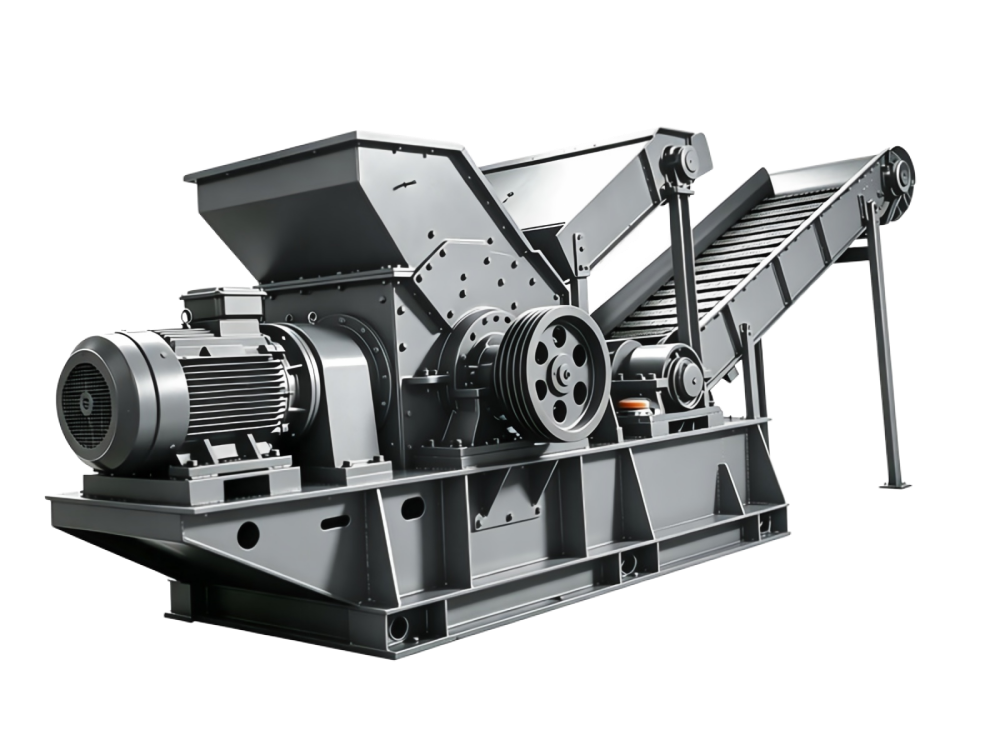
In the modern industrial landscape, the efficiency of metal recycling is largely dictated by the quality of the primary reduction equipment. A hammer shredder, often referred to as a hammer mill in larger contexts, is the workhorse of the scrap processing industry. Its primary function is to reduce bulky metal waste—ranging from aluminum extrusions and copper wire to end-of-life vehicle (ELV) components—into dense, high-purity nuggets or fragments. This process is achieved through high-velocity kinetic energy transfer rather than simple shearing. When you choose hammer shredder metal scrap processing solutions, you are investing in a system that relies on the centrifugal force of rotating hammers to pulverize material against internal liners and grates.
The technical sophistication of a HARSLE hammer shredder lies in its rotor assembly. The rotor is the heart of the machine, consisting of a heavy-duty shaft, discs, and free-swinging hammers. Unlike fixed-blade shredders, the swinging hammers can retract when they encounter un-shreddable objects (tramp metal), which significantly reduces the risk of catastrophic mechanical failure. This design is essential for processing mixed scrap where the consistency of the input material cannot be guaranteed. The impact force generated by these hammers not only breaks the metal but also ‘cleans’ it by knocking off paint, rust, and non-metallic attachments, resulting in a premium end product that fetches higher prices at foundries.
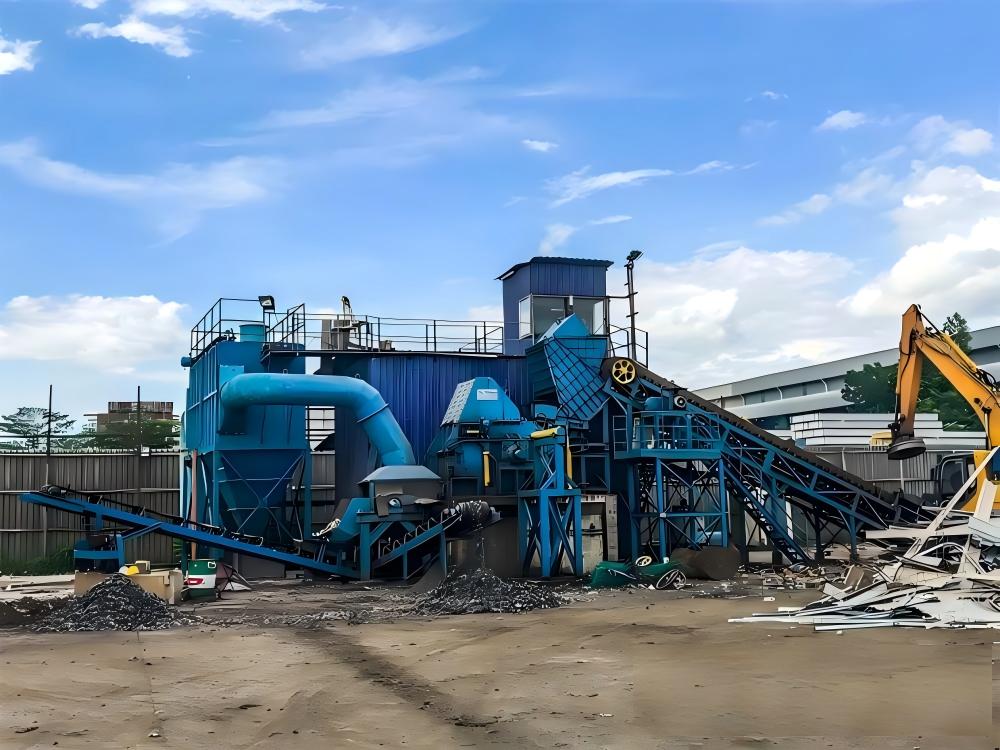
Furthermore, the housing of a professional-grade hammer shredder is lined with replaceable wear plates made from high-manganese steel or specialized alloys. These liners protect the structural integrity of the machine from the constant bombardment of metal fragments. The geometry of the crushing chamber is engineered to create a ‘vortex’ effect, ensuring that material remains in the impact zone until it is small enough to pass through the discharge grates. Understanding these mechanical nuances is the first step in making an informed procurement decision for your recycling facility.
Core Parameters to Consider When Selecting a Shredder
Selecting the right machine requires a deep dive into technical specifications. The most critical parameter is the Rotor Diameter and Width. These dimensions determine the ‘bite’ of the machine. A larger diameter rotor provides higher peripheral speed and greater kinetic energy, which is necessary for processing thicker steel scrap. For instance, a rotor diameter of 1000mm is standard for light-to-medium scrap, whereas heavy-duty industrial applications may require 1600mm or more. The width of the rotor dictates the volume of material that can be fed into the machine at any given time, directly impacting the hourly throughput.
Motor Power (kW/HP) is the next vital metric. In the context of metal scrap processing, power is not just about speed; it is about torque and the ability to maintain RPM under heavy load. Under-powering a shredder leads to frequent stalls and increased wear on the drive belts or couplings. HARSLE recommends calculating power requirements based on the toughest material in your scrap stream. For example, processing thin aluminum cans requires significantly less wattage per ton than processing steel engine blocks or structural beams. A typical mid-range hammer shredder might utilize a 110kW to 250kW motor, while massive scrap yards often employ multi-megawatt systems.
The Hammer Weight and Material are also paramount. Hammers are the primary consumables in this process. They are usually cast from Mn13 or Mn18Cr2 (Manganese steel with Chromium) to provide a balance between hardness and toughness. Heavier hammers (ranging from 15kg to over 100kg each) are used for heavy scrap to ensure the impact force is sufficient to fracture the metal. The number of hammers on the rotor also affects the ‘fineness’ of the output; more hammers generally result in a more uniform and smaller grain size, though this comes at the cost of higher energy consumption and maintenance frequency.
Calculation Method for Shredder Capacity and Power
To choose hammer shredder metal scrap processing equipment accurately, engineers often use empirical formulas to estimate performance. The theoretical capacity (Q) of a hammer shredder can be estimated using the following logic: Q = k × n × L × D² × ρ, where ‘k’ is a material coefficient, ‘n’ is the rotor speed, ‘L’ is the rotor length, ‘D’ is the rotor diameter, and ‘ρ’ is the bulk density of the material. While this provides a baseline, real-world factors like moisture content and the presence of non-metallics will influence the actual output.
Another critical calculation involves the Kinetic Energy (E) of a single hammer: E = ½mv². Here, ‘m’ is the mass of the hammer and ‘v’ is the velocity at the tip of the hammer. To successfully shred a specific grade of steel, the kinetic energy of the hammer must exceed the fracture toughness of the material. If the energy is too low, the hammer will simply bounce off the scrap, leading to ‘polishing’ rather than shredding, which generates excessive heat and wastes electricity. HARSLE engineers assist clients by matching these energy calculations to the specific Mohs hardness and tensile strength of their primary scrap source.
Finally, consider the Reduction Ratio. This is the ratio of the maximum input size to the desired output size. If you are feeding a 1-meter wide scrap piece and require a 50mm output, the reduction ratio is 20:1. High reduction ratios often require a multi-stage approach or a larger crushing chamber with specific grate configurations. Calculating the required grate opening size is essential; smaller holes produce a cleaner, denser product but significantly reduce the throughput (tons per hour) and increase the wear rate per ton processed.
Technical Parameter Table for HARSLE Hammer Shredders
The following table provides a comparative look at common configurations for hammer shredders used in metal scrap processing. These values are representative of industrial standards and HARSLE’s engineering benchmarks.
| Model Series | Rotor Diameter (mm) | Motor Power (kW) | Hammer Count | Throughput (t/h) | Max Feed Size (mm) |
|---|---|---|---|---|---|
| HARSLE-S800 | 800 | 75 – 110 | 12 – 16 | 3 – 5 | < 400 |
| HARSLE-S1200 | 1200 | 160 – 250 | 20 – 24 | 8 – 12 | < 700 |
| HARSLE-S1600 | 1600 | 315 – 500 | 28 – 36 | 15 – 25 | < 1000 |
| HARSLE-S2000 | 2000 | 630 – 1000+ | 40 – 60 | 30 – 60 | < 1500 |
Common Engineering Mistakes in Shredder Selection
One of the most frequent mistakes in the industry is Underestimating the ‘Tramp Metal’ Factor. Many buyers choose a machine based on their ‘clean’ scrap but fail to account for the occasional heavy axle or thick plate that accidentally enters the feed. Without a robust hydraulic rejection system or a heavy-duty rotor, these items can cause massive internal damage. Always choose a shredder with a ‘safety margin’ in its structural design and motor torque to handle these outliers without catastrophic failure.
Another common error is Ignoring the Cooling and Lubrication Systems. Hammer shredders generate immense heat due to friction and metal deformation. If the bearing lubrication system is not pressurized or cooled, the bearings will fail prematurely under the high-vibration environment. Furthermore, in high-capacity operations, the air inside the chamber must be managed. Neglecting a proper dust extraction and air-cooling system leads to increased fire risks (especially with magnesium or aluminum dust) and accelerated wear on the internal components due to the ‘sandblasting’ effect of fine particulates.
Finally, many operators fail to consider the Total Cost of Ownership (TCO), focusing only on the initial purchase price. A cheaper shredder often uses inferior alloy for hammers and liners, requiring replacements every few hundred tons instead of every few thousand. The downtime associated with changing hammers can quickly eclipse the initial savings. When you choose hammer shredder metal scrap processing equipment, evaluate the ease of maintenance—such as whether the machine has a hydraulic housing opening system—which can reduce hammer changeover time from days to hours.
Selection Checklist for Metal Scrap Processing
- Material Analysis: Define the chemical composition, thickness, and dimensions of your primary scrap. Is it ferrous, non-ferrous, or mixed?
- Capacity Requirements: Determine your required daily and hourly throughput. Factor in an 80% efficiency rate for real-world operations.
- Output Specification: What is the target size and density? Does the material need to be ‘balled’ for specific furnace requirements?
- Power Supply: Ensure your facility’s electrical grid can handle the high starting current of a large shredder motor (consider Soft Starters or VFDs).
- Space and Logistics: Measure the footprint for the shredder, the in-feed conveyor, the discharge conveyor, and the magnetic separation line.
- Maintenance Access: Ensure there is enough overhead and lateral space for cranes to lift out the rotor or for technicians to access the grates.
- Environmental Compliance: Check local regulations regarding noise levels and dust emissions; you may need an enclosure or a wet-scrubbing system.
- After-Sales Support: Verify the availability of wear parts (hammers, liners, grates) in your region to minimize downtime.
Frequently Asked Questions (FAQ)
How long do the hammers typically last?
Hammer lifespan varies greatly depending on the material being processed. For light aluminum scrap, hammers may last 1,000+ hours. For heavy steel scrap or contaminated construction waste, they might need flipping or replacement every 100 to 200 hours. HARSLE uses high-manganese alloys to maximize this interval.
Can a hammer shredder handle stainless steel?
Yes, but with caution. Stainless steel is significantly harder and work-hardens during the shredding process. This increases the wear rate on the hammers and requires a machine with higher motor torque and more robust internal liners compared to standard carbon steel processing.
What is the difference between a shredder and a granulator?
A hammer shredder uses impact force to break material into relatively coarse pieces (20mm-100mm), whereas a granulator uses sharp knives and a shearing action to produce very fine, uniform granules (often <10mm). Shredders are better for heavy, bulky metal scrap, while granulators are typically used for thin wires or plastics.
Is a magnetic separator necessary?
In almost all metal scrap processing applications, yes. After the hammer shredder breaks the material down, a magnetic drum or overband separator is used to pull ferrous metals away from non-ferrous metals and waste, which is essential for creating a sellable, high-purity product.
How does HARSLE ensure the safety of the operator?
HARSLE integrates multiple safety layers, including emergency stop circuits, vibration sensors that shut down the motor if an imbalance is detected, and hydraulic locking pins that prevent the housing from closing during maintenance. Additionally, heavy-duty ballistic curtains are used at the feed chute to prevent ‘fly-back’ of metal fragments.