
Four-Shaft Shredder Operation Guide: Startup, Feeding, and Shutdown Procedures

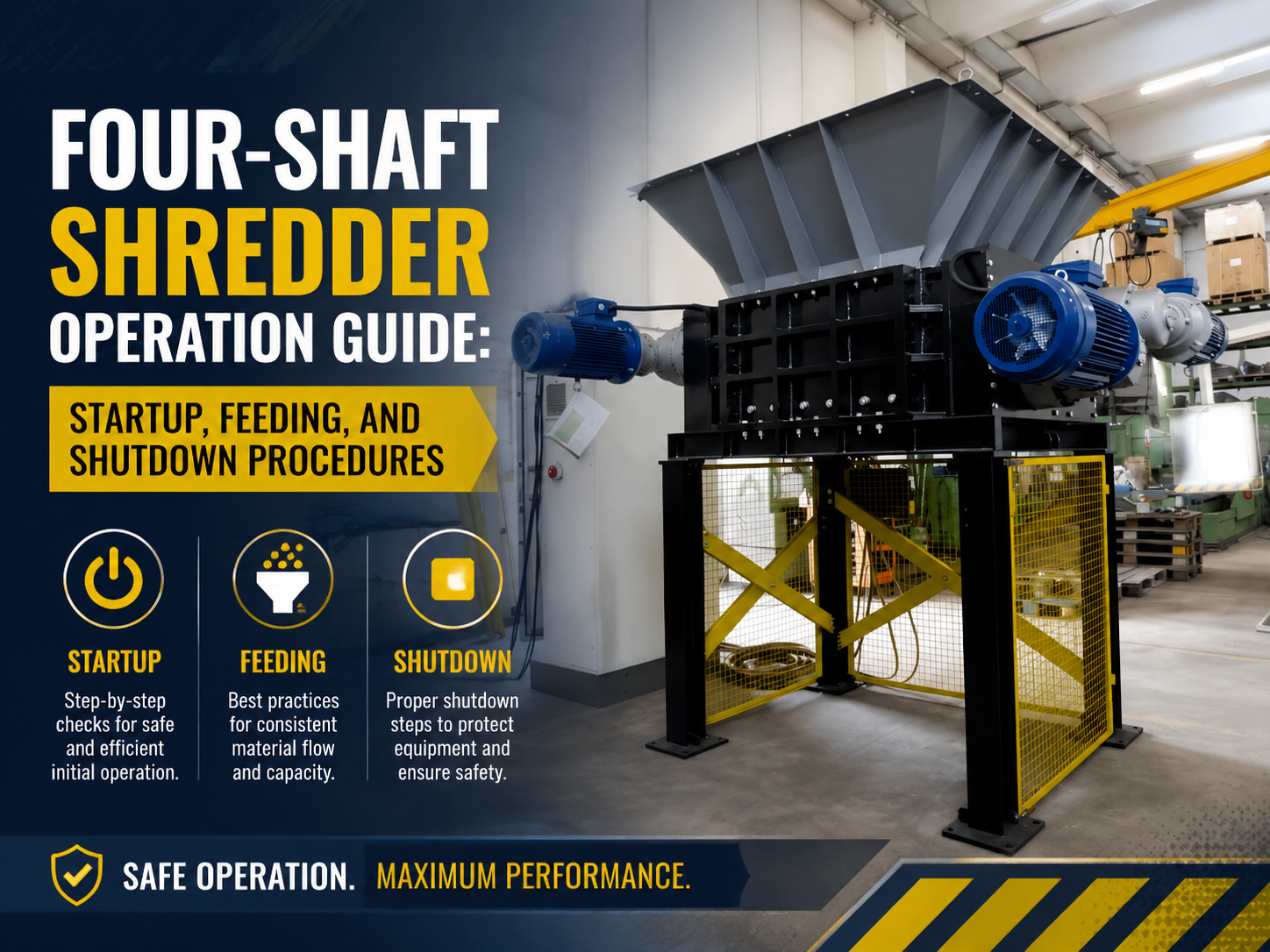
Technical Overview of Four-Shaft Shredder Technology
The four-shaft shredder represents the pinnacle of size reduction technology in the industrial recycling and metal fabrication sectors. Unlike traditional single or double-shaft models, the four-shaft configuration utilizes two main cutting shafts and two auxiliary shafts. This design allows for a more aggressive grab on bulky materials and ensures a consistent output size through the integration of a screen located beneath the cutting chamber. At HARSLE, our four-shaft shredders are engineered to handle the most demanding materials, including electronic waste, automotive scrap, plastics, and heavy-duty industrial refuse.
The mechanical advantage of a four-shaft system lies in its ability to recirculate material. The upper shafts act as feeders, pulling material into the primary cutting zone, while the lower shafts perform the heavy-duty shearing. If the material is not small enough to pass through the screen, the blades carry it back up to the top for another pass. This internal recycling mechanism eliminates the need for external conveyors to return oversized pieces, significantly increasing operational efficiency. The high-torque, low-speed operation ensures that the machine can process tough materials without the excessive noise or dust associated with high-speed grinders.
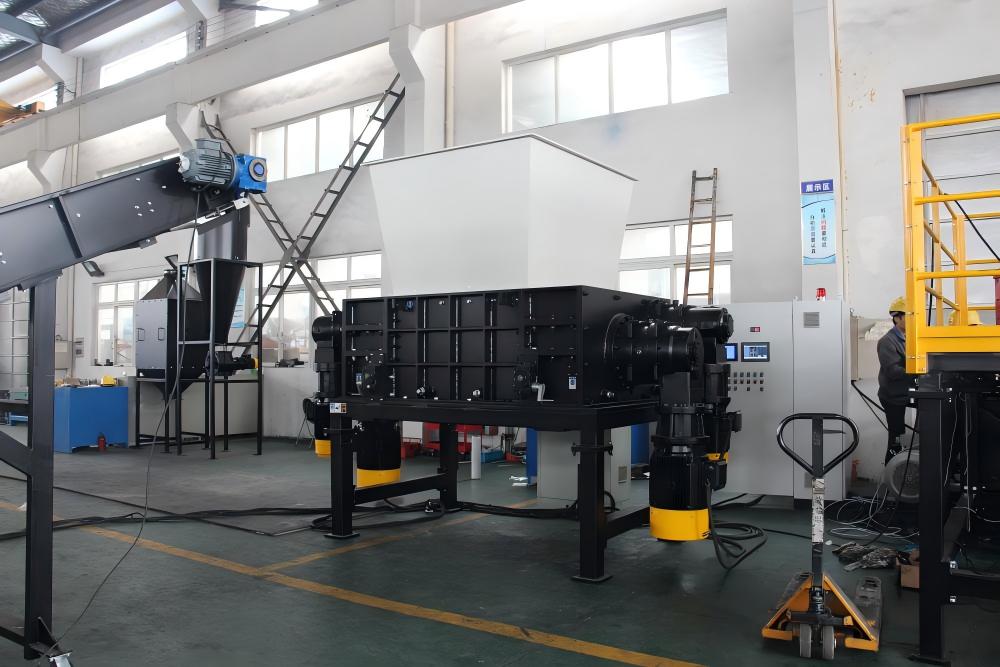
From a structural perspective, these machines are built with high-strength alloy steel shafts and precision-machined cutting discs. The blades are typically made from specialized tool steel, heat-treated to achieve a balance between hardness and toughness. This ensures that the edges remain sharp even when processing abrasive materials. The housing is reinforced to withstand the immense radial and axial forces generated during the shredding process. Understanding the technical foundation of these machines is the first step in mastering the Four-Shaft Shredder Operation : Startup, Feeding, Shutdown Procedures.
Core Parameters and Performance Metrics
To operate a four-shaft shredder effectively, one must understand the core parameters that dictate its performance. The most critical factor is torque. Torque is the rotational force that allows the blades to shear through material. In a four-shaft system, torque is distributed across the shafts, often with independent drive systems for the primary and secondary sets. This allows for variable speed control, which is essential when dealing with heterogeneous waste streams where material density can vary wildly.
Another vital parameter is the blade profile and thickness. The number of hooks on each blade and the thickness of the cutting disc determine the final particle size and the machine’s throughput. Thinner blades allow for more cutting edges per shaft, increasing the frequency of cuts but potentially reducing the individual impact strength of each blade. Conversely, thicker blades are used for heavy metal scrap where structural integrity is paramount. The screen mesh size also plays a decisive role; a smaller mesh ensures a finer output but reduces the overall capacity (tons per hour) as material spends more time in the chamber.
Motor power and transmission efficiency are also key metrics. HARSLE utilizes high-efficiency motors coupled with heavy-duty planetary gearboxes. This combination ensures that the maximum amount of electrical energy is converted into mechanical shearing force. The PLC (Programmable Logic Controller) monitors these parameters in real-time, adjusting the shaft rotation and triggering auto-reverse functions if a jam is detected. Monitoring the amperage draw of the motors is a standard practice for operators to gauge whether the machine is being fed at its optimal rate.
Calculation Method for Shredder Throughput and Torque
Calculating the expected throughput of a four-shaft shredder involves several variables, including shaft speed (RPM), blade volume, and material density. A simplified formula used by engineers to estimate theoretical capacity (Q) is: Q = n × V × ρ × η. In this equation, ‘n’ represents the number of cuts per minute (determined by RPM and the number of blade hooks), ‘V’ is the volume of material removed per cut, ‘ρ’ is the bulk density of the material, and ‘η’ is the efficiency factor (usually between 0.6 and 0.8 depending on the material’s flowability).
Torque requirements (T) are calculated based on the shear strength (S) of the material being processed. The formula T = F × r, where ‘F’ is the force required to shear the material and ‘r’ is the radius of the cutting blade, is fundamental. The force ‘F’ is derived from the cross-sectional area of the material being cut multiplied by its shear strength. For example, shredding 5mm thick steel plate requires significantly more torque than shredding 5mm thick HDPE plastic. Operators must ensure that the machine’s rated torque exceeds the maximum shear force required by the toughest material in the batch.
Furthermore, the relationship between power (P), torque (T), and angular velocity (ω) is expressed as P = T × ω. This means that for a fixed motor power, increasing the torque requires a proportional decrease in shaft speed. This is why industrial shredders operate at low RPMs (typically 10-40 RPM) to maximize the shearing force available for tough industrial waste. Understanding these calculations helps in selecting the right machine and setting the correct operational parameters for specific projects.
Four-Shaft Shredder Parameter Table
The following table provides a general overview of the technical specifications for standard HARSLE four-shaft shredder models. These values are indicative and can be customized based on specific material requirements.
| Model Series | Motor Power (kW) | Shaft Speed (RPM) | Cutting Chamber (mm) | Blade Thickness (mm) | Throughput (kg/h) |
|---|---|---|---|---|---|
| H4S-800 | 30 – 45 | 15 – 25 | 800 x 700 | 20 – 40 | 800 – 1500 |
| H4S-1000 | 55 – 75 | 12 – 22 | 1000 x 850 | 30 – 50 | 1500 – 3000 |
| H4S-1200 | 90 – 110 | 10 – 20 | 1200 x 1000 | 40 – 60 | 3000 – 5000 |
| H4S-1500 | 132 – 160 | 8 – 18 | 1500 x 1200 | 50 – 80 | 5000 – 8000 |
Detailed Startup Procedures
The Four-Shaft Shredder Operation : Startup, Feeding, Shutdown Procedures begin with a rigorous pre-start inspection. Before any power is applied, the operator must visually inspect the cutting chamber for any foreign objects or tools left behind during maintenance. Check the tension of all drive belts and the oil levels in the planetary gearboxes. Lubrication is the lifeblood of the shredder; ensure that the automatic lubrication system is filled with the correct grade of industrial grease and that all lines are clear of obstructions.
Once the physical inspection is complete, proceed to the electrical startup. Turn on the main power isolator and check the PLC interface for any active fault codes. If the system is clear, start the auxiliary systems first, such as the discharge conveyor and the dust extraction unit. This ensures that as soon as shredding begins, the material has a clear path out of the machine. Starting the shredder shafts should be done in a specific sequence, often managed automatically by the PLC to reduce the initial current surge (Star-Delta or Soft Start).
After the shafts reach their operational speed, listen for any unusual noises. Grinding, clicking, or excessive vibration can indicate loose blades or bearing issues. It is recommended to let the machine run empty for 3-5 minutes to allow the lubricants to circulate and the components to reach a stable operating temperature. During this time, verify that the cooling system (if applicable) is functioning correctly. Only after these steps are completed should the feeding process commence.
Feeding Procedures and Material Management
Feeding a four-shaft shredder is an art as much as a science. The goal is to maintain a consistent load on the motors without causing over-current trips. The most effective method is “metered feeding,” where material is introduced at a steady rate via a conveyor or vibrating feeder. “Batch feeding,” where a large grapple-load of material is dumped into the hopper at once, should be avoided as it creates massive torque spikes and can lead to frequent auto-reversing, which reduces overall throughput and increases wear on the drive train.
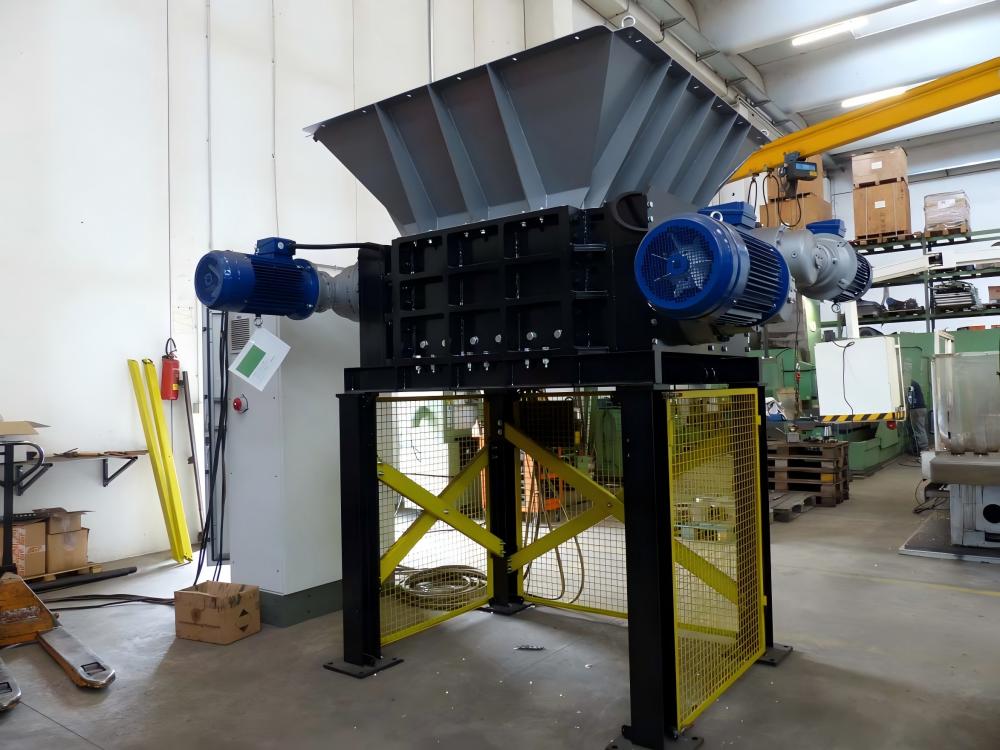
Operators must be vigilant about “unshreddable” items. While four-shaft shredders are incredibly robust, massive solid steel blocks or heavy engine cranks can damage the blades or snap a shaft. If the machine’s PLC triggers an auto-reverse, the operator should observe the material behavior. If the machine reverses three times on the same object, it is likely an unshreddable item that must be manually removed. Always follow Lock-Out Tag-Out (LOTO) procedures before entering the hopper or chamber area.
Material orientation also matters. For long, thin items like pipes or timber, feeding them perpendicular to the shafts can improve the “grab” and prevent the material from simply riding on top of the blades. For bulky hollow items like plastic drums, the four-shaft design is particularly effective as the auxiliary shafts will crush the item, allowing the primary shafts to engage the material. Monitoring the discharge is equally important; if the output size suddenly changes, it may indicate a hole in the screen or a broken blade hook.
Shutdown Procedures and Post-Operational Care
Properly shutting down the equipment is critical for maintaining the Four-Shaft Shredder Operation : Startup, Feeding, Shutdown Procedures. Never stop the shredder while there is still material in the cutting chamber. This can cause the material to settle and harden (in the case of certain plastics or resins), making it nearly impossible to restart the machine without manual cleaning. Stop the feeding system first and allow the shredder to run until the discharge conveyor is empty and no more material is passing through the screen.
Once the chamber is clear, initiate the stop sequence on the control panel. The PLC will typically ramp down the motor speeds to a controlled halt. After the shafts have stopped rotating, turn off the discharge conveyors and dust extraction systems. It is a best practice to perform a post-operation inspection. Check the temperature of the bearing housings and gearboxes; excessive heat can be an early warning sign of mechanical failure. Clean any accumulated dust or debris from the motor cooling fins to prevent overheating during the next shift.
Daily maintenance should conclude with a quick check of the blade edges. While you don’t need to sharpen them daily, identifying chipped or rounded hooks early allows for planned maintenance rather than emergency repairs. Record the hours of operation and any observations in the machine’s logbook. This data is invaluable for predicting when the next major service interval (such as oil changes or blade rotations) should occur. Finally, isolate the power if the machine will be idle for an extended period.
Common Engineering Mistakes in Shredder Operation
One of the most common mistakes is bypassing the PLC safety parameters. Some operators, in an attempt to increase speed, might adjust the auto-reverse sensitivity. This is dangerous and often leads to catastrophic shaft failure or gearbox damage. The factory settings are designed to protect the machine’s structural integrity; they should only be modified by qualified technicians after consulting with HARSLE support.
Another frequent error is the neglect of the screen. The screen is a wear part, and as the holes enlarge due to abrasion, the output quality drops. Conversely, if the screen becomes partially blinded (clogged) with sticky material, the internal heat in the chamber will rise, potentially melting the material and creating a solid mass that can seize the shafts. Regular cleaning and timely replacement of the screen are essential for maintaining the machine’s design performance.
Inadequate lubrication is perhaps the most preventable cause of shredder failure. Industrial shredders operate under extreme pressure, and the bearings require constant, fresh grease to purge contaminants. Using the wrong type of grease—one that cannot handle high temperatures or extreme pressures—is just as bad as no grease at all. Always adhere to the lubricant specifications provided in the HARSLE technical manual. Lastly, ignoring the “empty run” at the end of the shift is a mistake that leads to difficult startups and unnecessary strain on the motor and drive belts.
Selection Checklist for Four-Shaft Shredders
- Material Compatibility: Does the blade metallurgy and hook profile match the specific hardness and elasticity of your waste stream?
- Throughput Requirements: Have you calculated the required capacity including a 20% safety margin for peak loads?
- Screen Size: Is the screen mesh appropriate for the desired end-product size without causing excessive recirculation?
- Drive System: Do you require a hydraulic drive for maximum torque or an electric drive for energy efficiency and easier maintenance?
- Maintenance Access: Does the machine design allow for easy removal of the screen and quick access to the shafts for blade replacement?
- Safety Features: Does the machine include emergency stops, safety interlocks on access doors, and a robust auto-reverse logic?
- Footprint and Integration: Will the shredder fit into your existing facility, and is it compatible with your current loading and discharge conveyors?
Frequently Asked Questions
How often should the blades be sharpened?
The frequency of blade sharpening or replacement depends entirely on the material being processed. For soft plastics, blades may last thousands of hours. For abrasive materials like glass-filled polymers or contaminated metal scrap, they may need attention every 500-1000 hours. Monitoring the amperage draw is the best way to tell; as blades dull, the motor will require more current to cut the same amount of material.
Can a four-shaft shredder handle wet material?
Yes, but it requires specific considerations. Wet material can be heavier and stickier, which may necessitate a different screen design to prevent blinding. Additionally, the bearings and seals must be checked more frequently to ensure that moisture is not contaminating the lubrication system. HARSLE offers specialized configurations for wet processing applications.
What is the advantage of four shafts over two?
The primary advantage is the integrated sizing. A two-shaft shredder produces long strips, whereas a four-shaft shredder, thanks to its screen and recirculation capability, produces a consistent, small-sized particle in a single pass. It is also much better at handling bulky, hollow objects that might just “bounce” on top of a two-shaft system.
What should I do if the machine jams?
The PLC’s auto-reverse function should handle most jams. If the machine stops and alarms, do not attempt to force it. Follow LOTO procedures, open the inspection hatch, and identify the cause. It is usually an unshreddable object or an over-fed chamber. Clear the obstruction manually before restarting the startup sequence from step one.
Is training required for operators?
Absolutely. While the PLC automates much of the process, an untrained operator can still cause damage through poor feeding habits or by ignoring warning signs. HARSLE provides comprehensive training modules covering the Four-Shaft Shredder Operation : Startup, Feeding, Shutdown Procedures to ensure safety and machine longevity.


