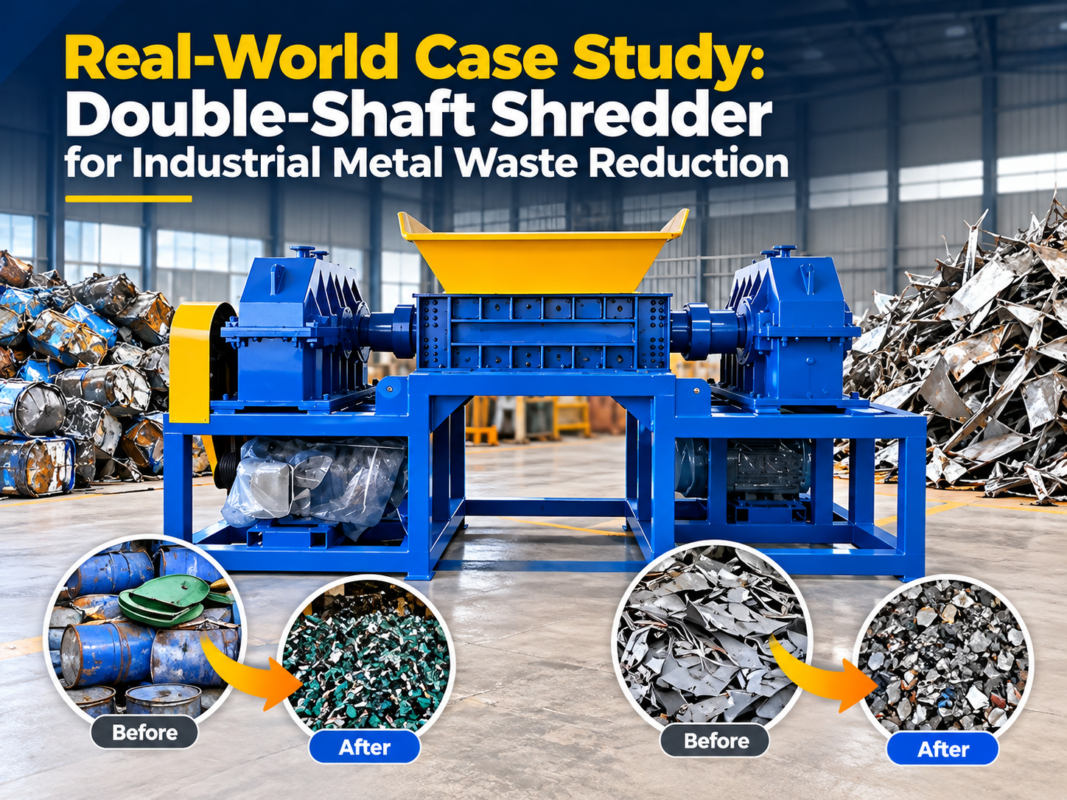
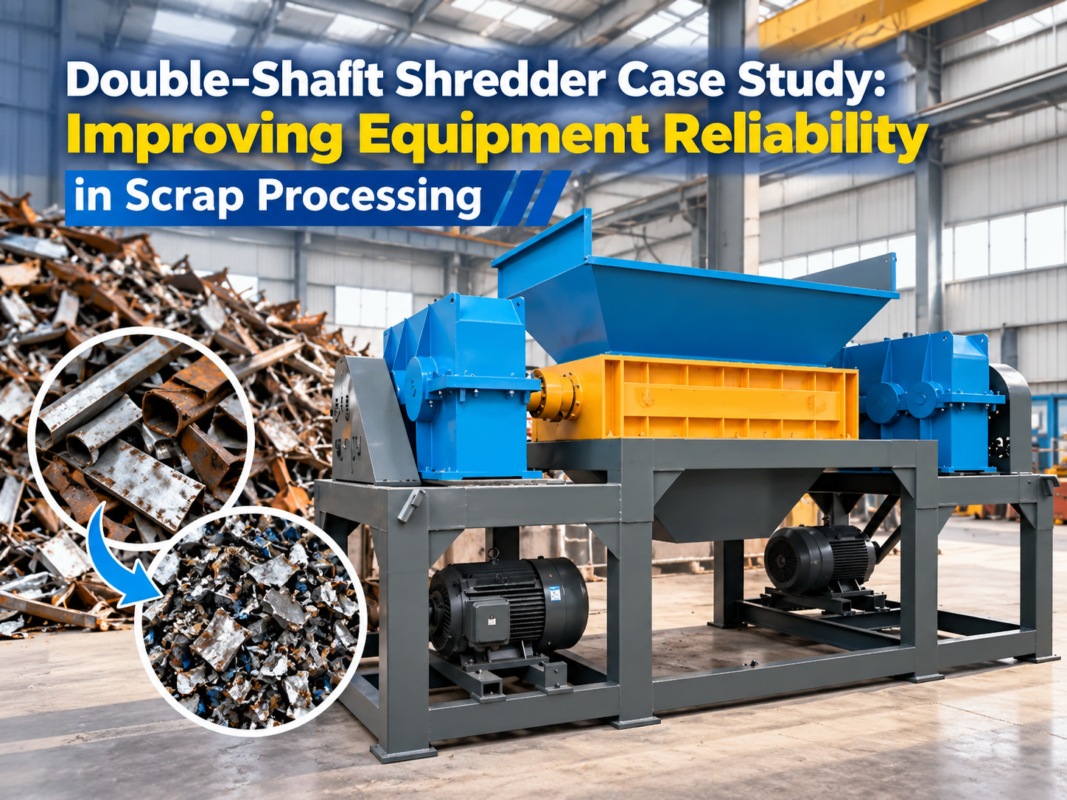
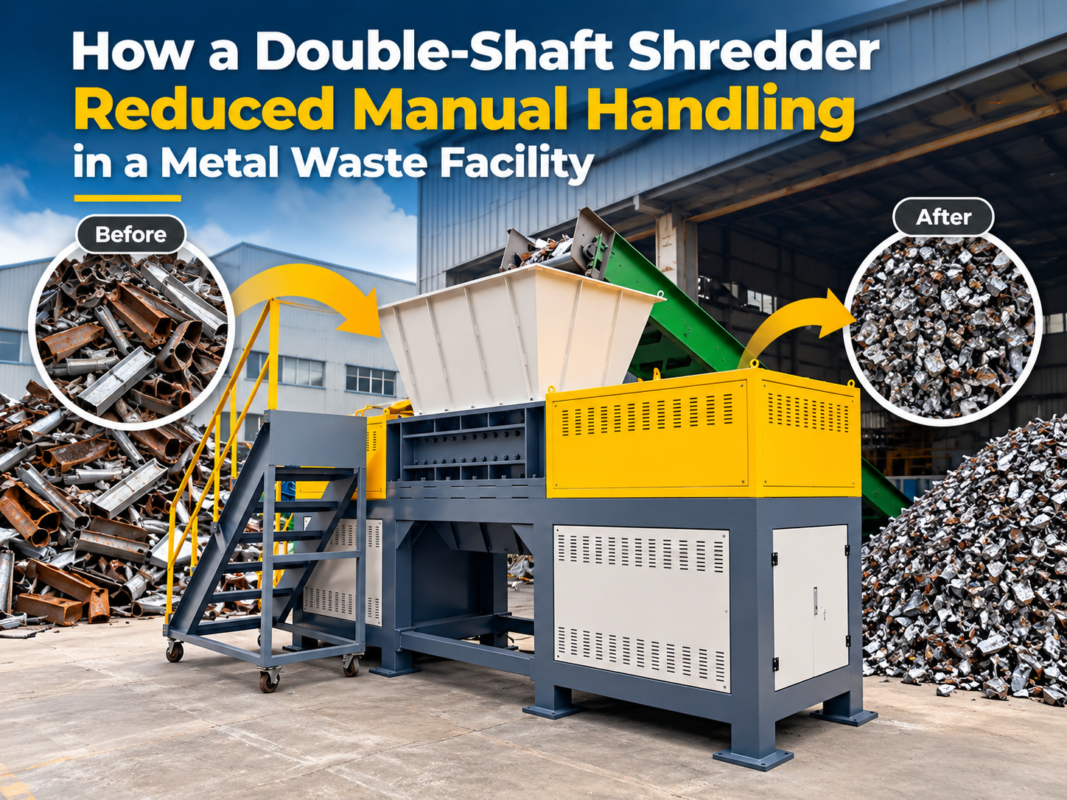
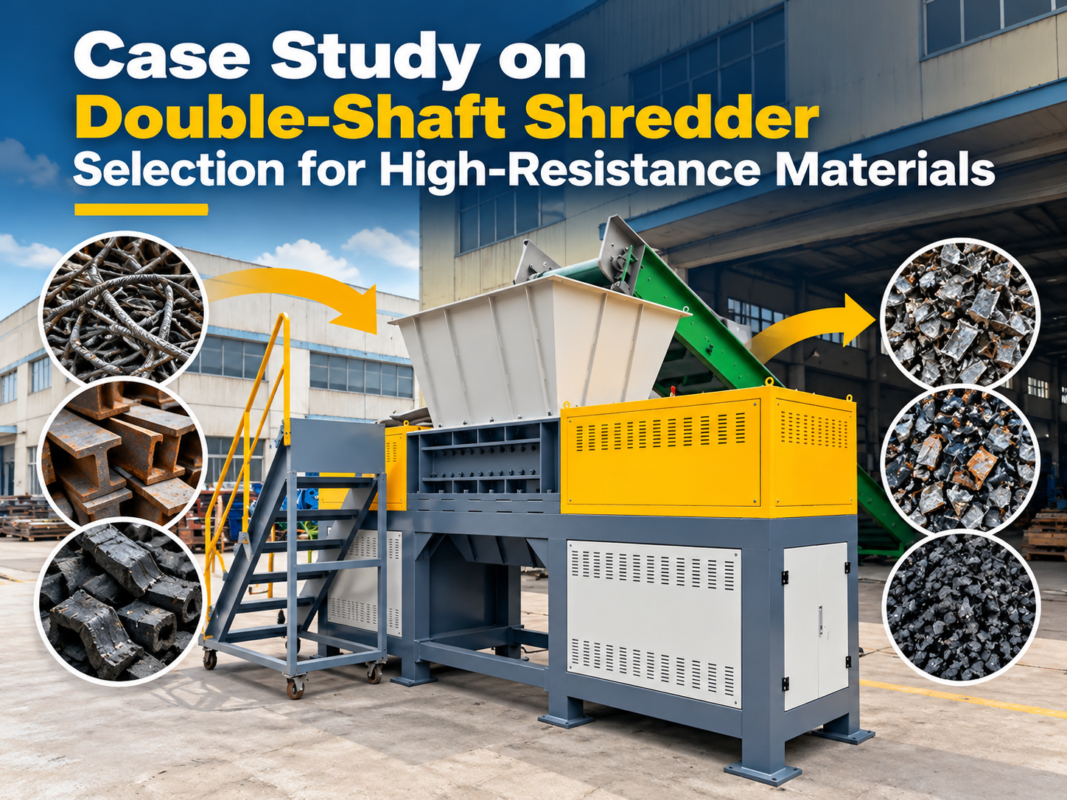
Double-Shaft Shredder Process Integration Guide for Recycling and Size Reduction Lines

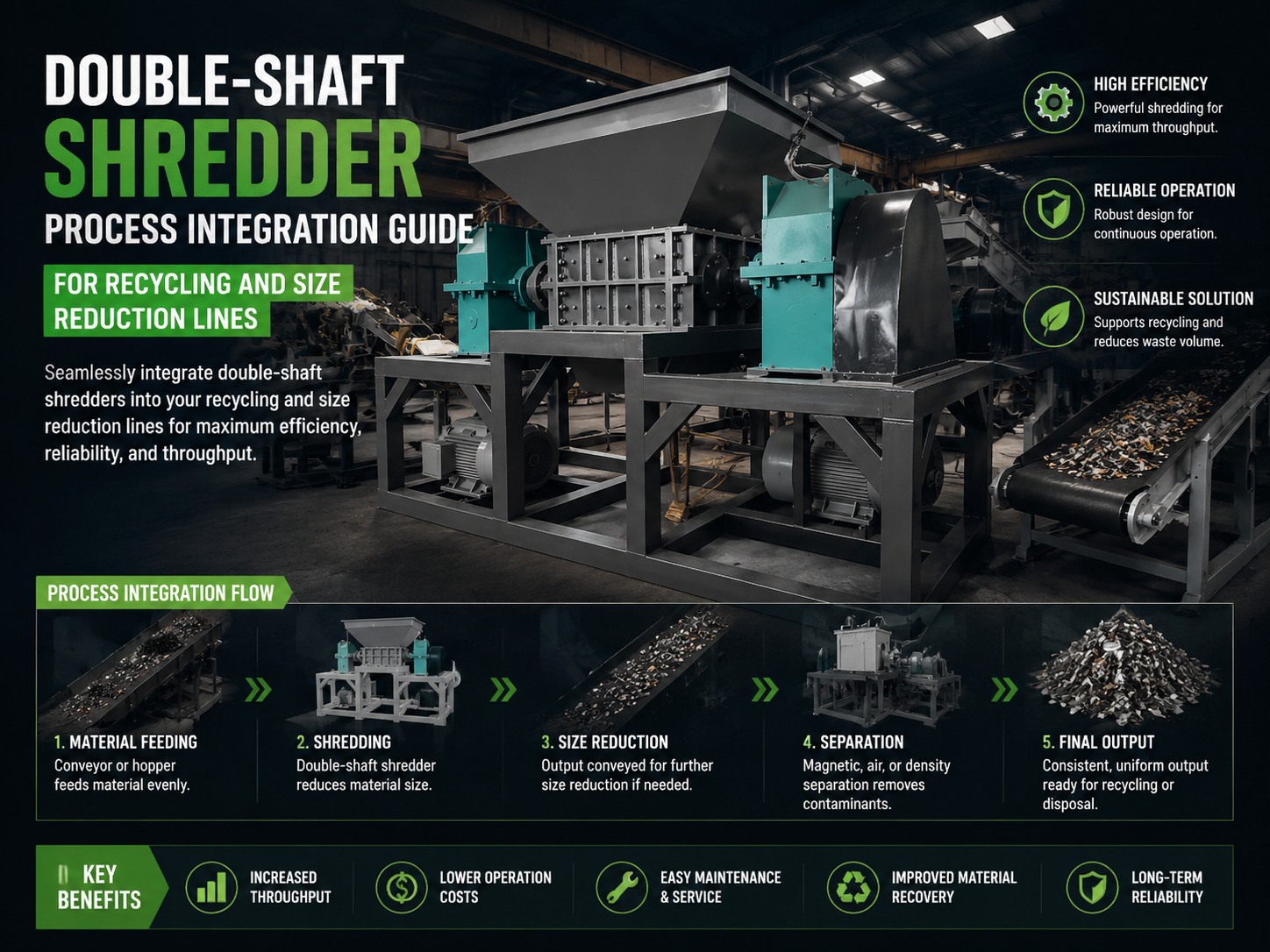
Technical Overview of Double-Shaft Shredder Systems
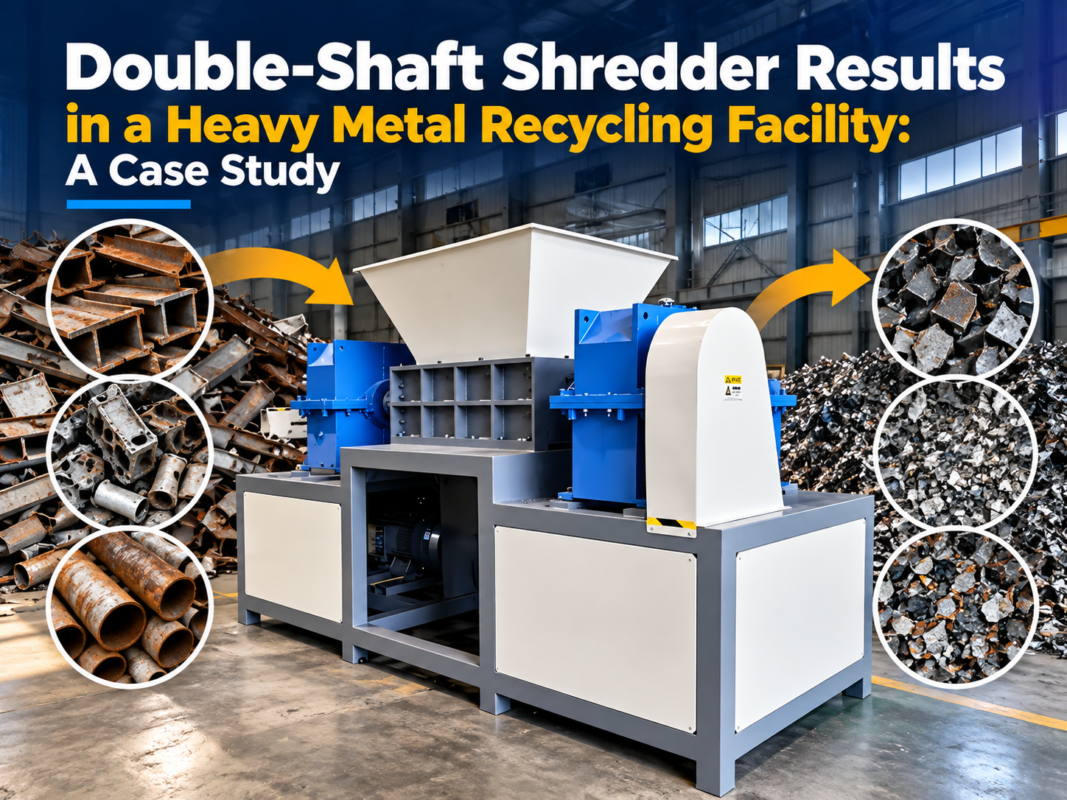
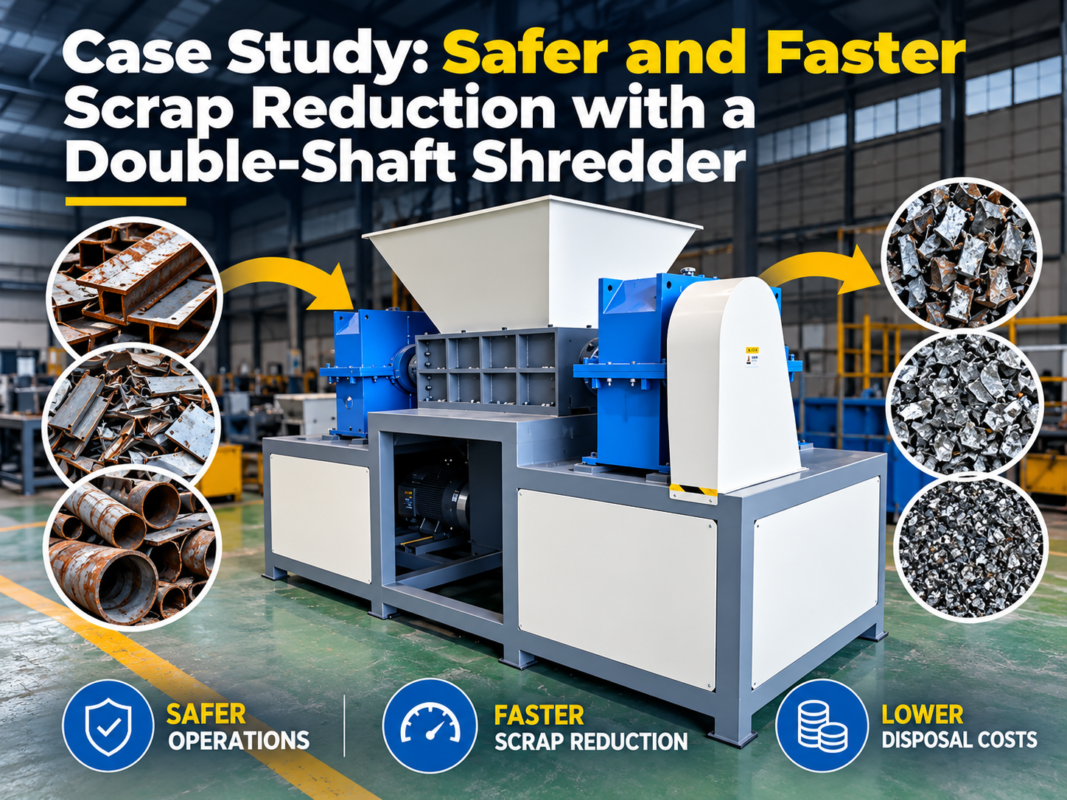
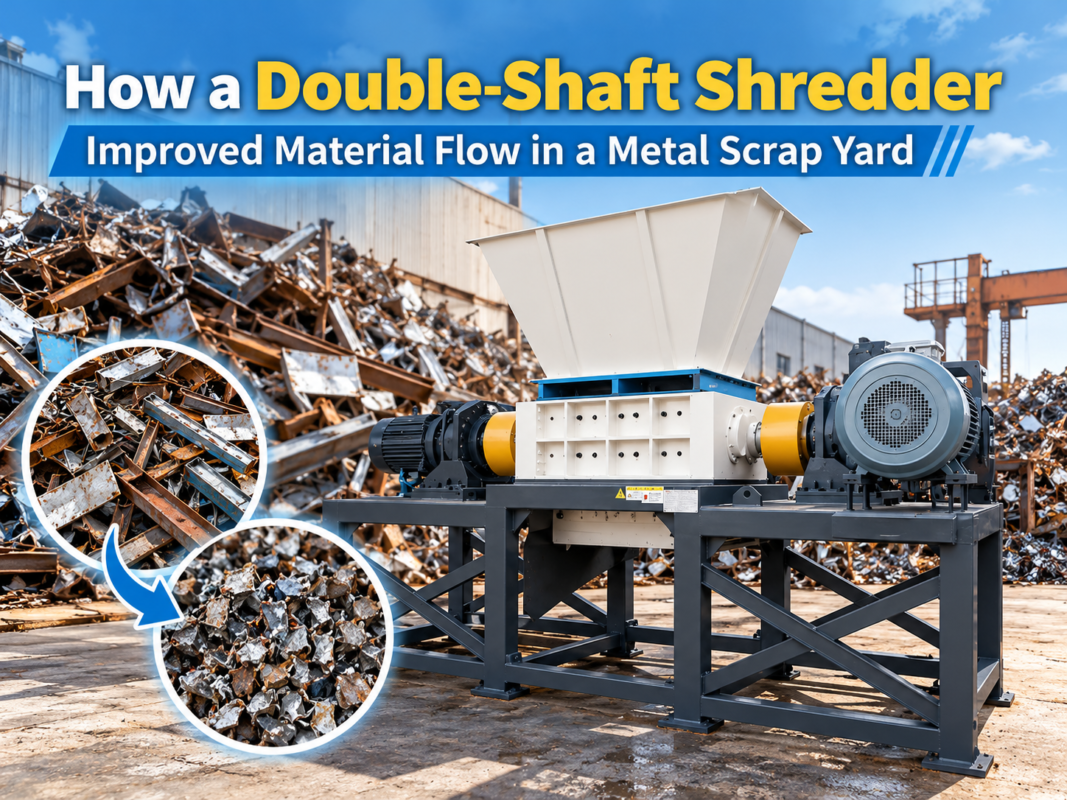
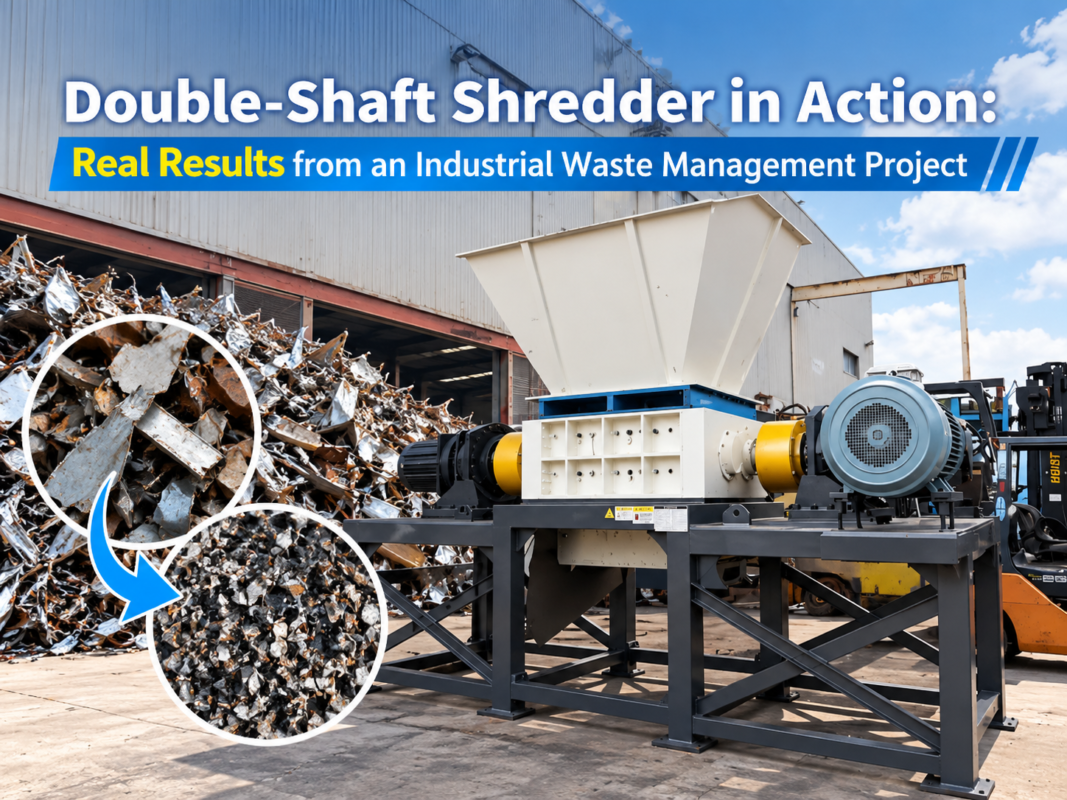
The double-shaft shredder, often referred to as a twin-shaft or dual-shaft shredder, is the cornerstone of modern industrial recycling and size reduction lines. Unlike high-speed granulators that rely on impact and centrifugal force, the double-shaft shredder operates on a low-speed, high-torque principle. This mechanical advantage allows it to process a vast array of materials—from bulky plastics and rubber tires to light metals and electronic waste—with minimal noise, dust, and energy consumption. At its core, the machine consists of two parallel shafts equipped with interlocking cutting disks. As these shafts rotate toward each other, the material is drawn into the cutting chamber, where it is subjected to intense shearing, tearing, and crushing forces.
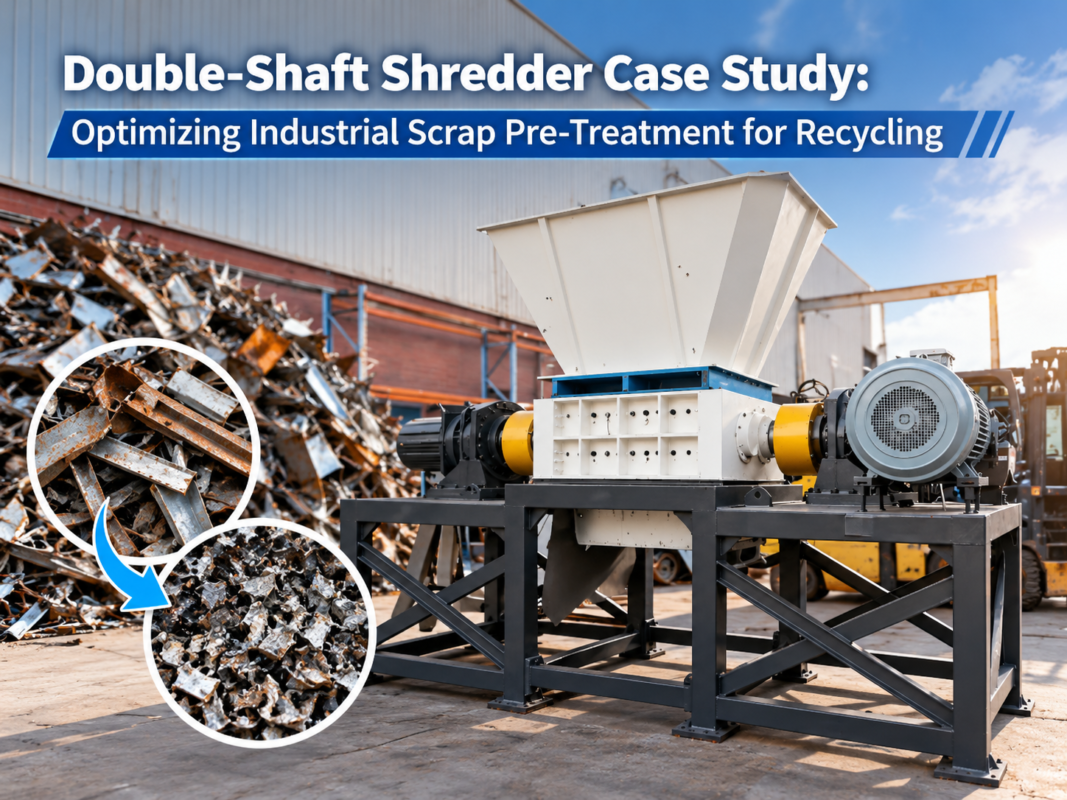
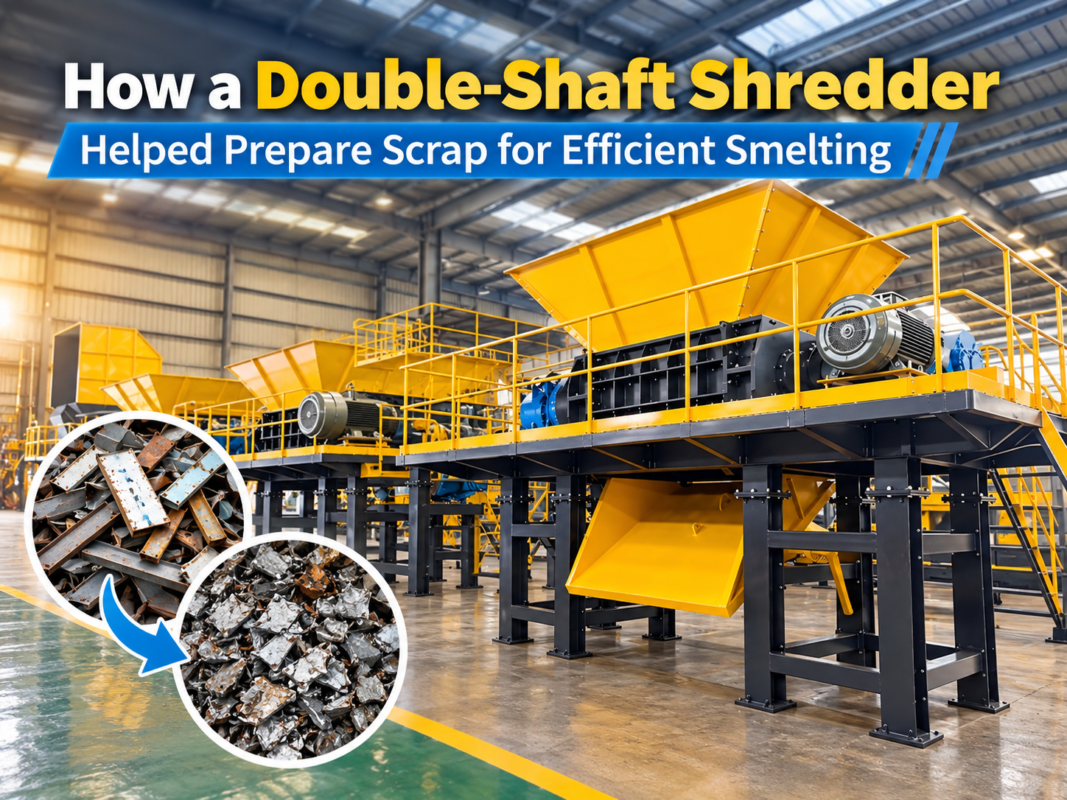
Integration of a double-shaft shredder into a larger process line requires a deep understanding of material flow dynamics. In a typical recycling circuit, the shredder acts as the primary reduction stage, preparing the feedstock for secondary processing such as magnetic separation, air classification, or fine granulation. The efficiency of the entire line often hinges on the shredder’s ability to maintain a consistent output size and throughput rate. HARSLE engineering focuses on the synergy between the mechanical components and the electronic control systems, ensuring that the shredder can adapt to varying material densities without stalling or causing downstream bottlenecks.
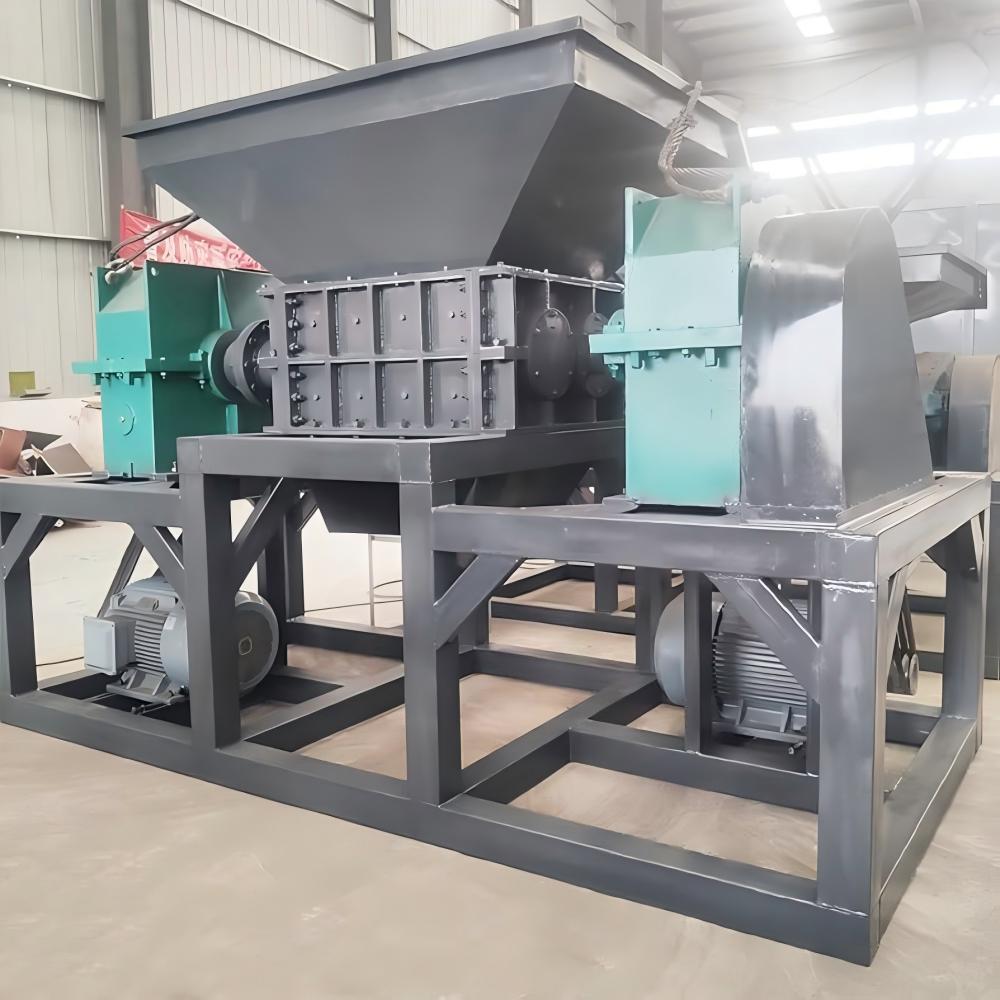
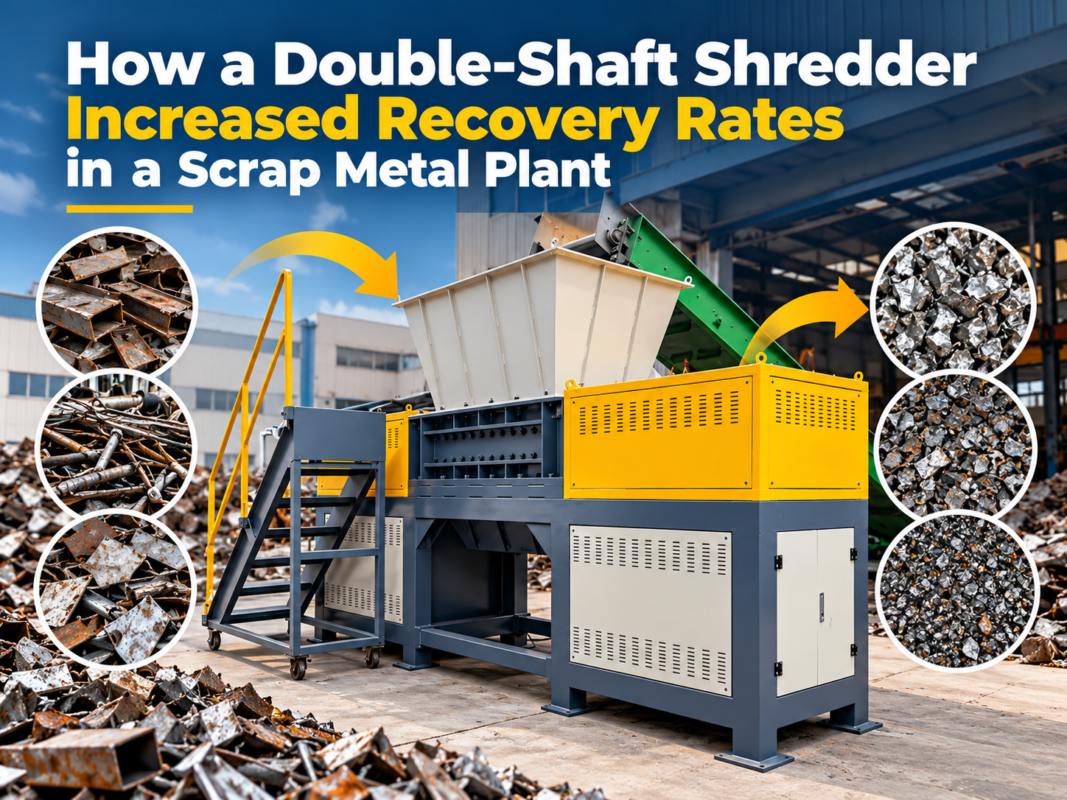
The cutting geometry is perhaps the most critical aspect of the technical overview. The blades, or cutters, are designed with specific hook profiles and thicknesses tailored to the target material. For instance, shredding scrap metal requires high-alloy, heat-treated steel blades with a aggressive hook design to ‘grab’ the material, whereas shredding plastic film might require a different tooth configuration to prevent wrapping. The spacing between the blades and the precision of the cleaning fingers (which prevent material from sticking to the shafts) are vital for maintaining continuous operation in a 24/7 industrial environment.
Furthermore, the drive system—whether hydraulic or electric—plays a pivotal role in process integration. Electric drives with planetary gearboxes are common for their efficiency and ease of maintenance, while hydraulic drives offer superior shock absorption for heavy-duty applications like car body shredding. Modern HARSLE systems utilize Variable Frequency Drives (VFDs) to allow operators to fine-tune the shaft speed based on the specific requirements of the recycling line, optimizing the balance between throughput and energy expenditure.
Core Parameters for Process Integration
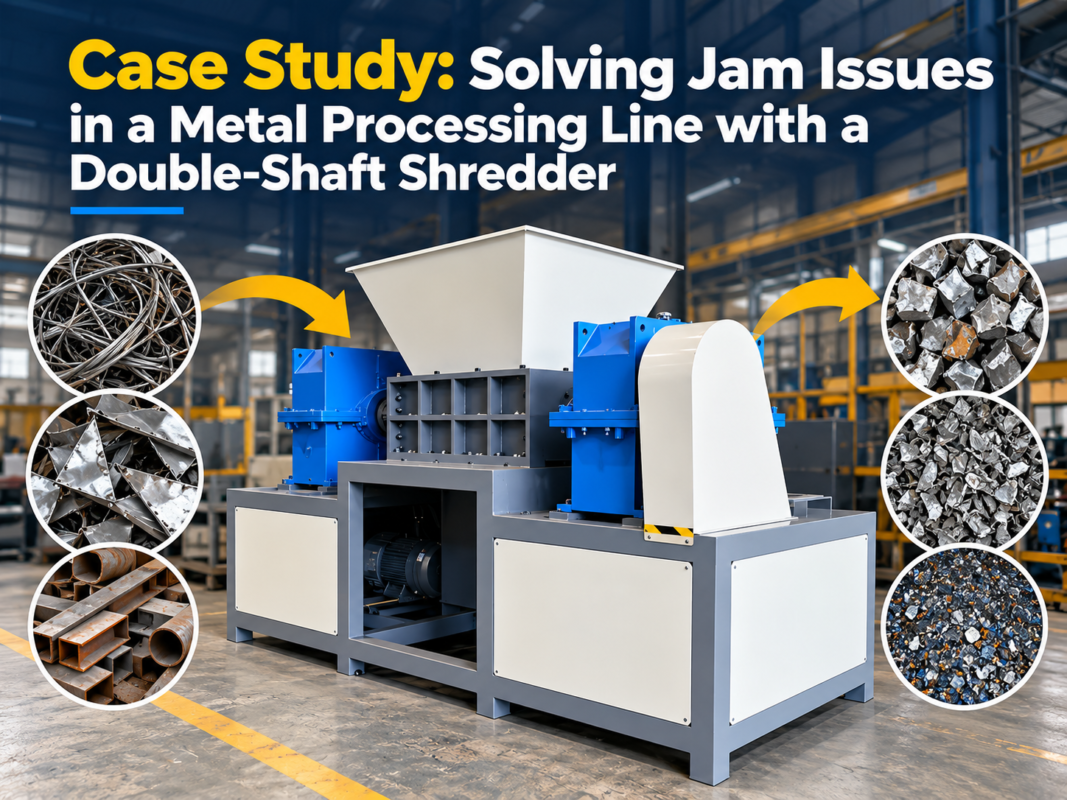
When integrating a double-shaft shredder into a size reduction line, several core parameters must be analyzed to ensure system compatibility. The first is Torque Capacity. Torque is the rotational force that performs the actual shearing. In recycling lines, the peak torque requirement is determined by the toughest component in the waste stream. If the shredder lacks sufficient torque, it will frequently enter ‘reverse mode’ to clear jams, significantly reducing the overall line efficiency. Engineers must calculate the required torque based on the material’s shear strength and the blade diameter.
The second parameter is Shaft Speed (RPM). Double-shaft shredders typically operate between 10 and 40 RPM. While higher speeds increase throughput, they also increase the risk of blade damage and heat generation. For heat-sensitive materials like certain polymers, a lower RPM is preferred to prevent melting. In a synchronized recycling line, the shredder’s RPM must be balanced with the speed of the infeed conveyor and the capacity of the discharge system to prevent surging.
Blade Thickness and Tooth Count are the primary determinants of the output particle size. In a primary shredding stage, wider blades (e.g., 50mm to 100mm) are used to achieve high volume reduction. If the downstream process requires a smaller fraction, thinner blades with more teeth are employed. However, thinner blades are more susceptible to damage from tramp metal (unshreddable items). Therefore, the selection of blade geometry is a trade-off between output precision and mechanical durability.
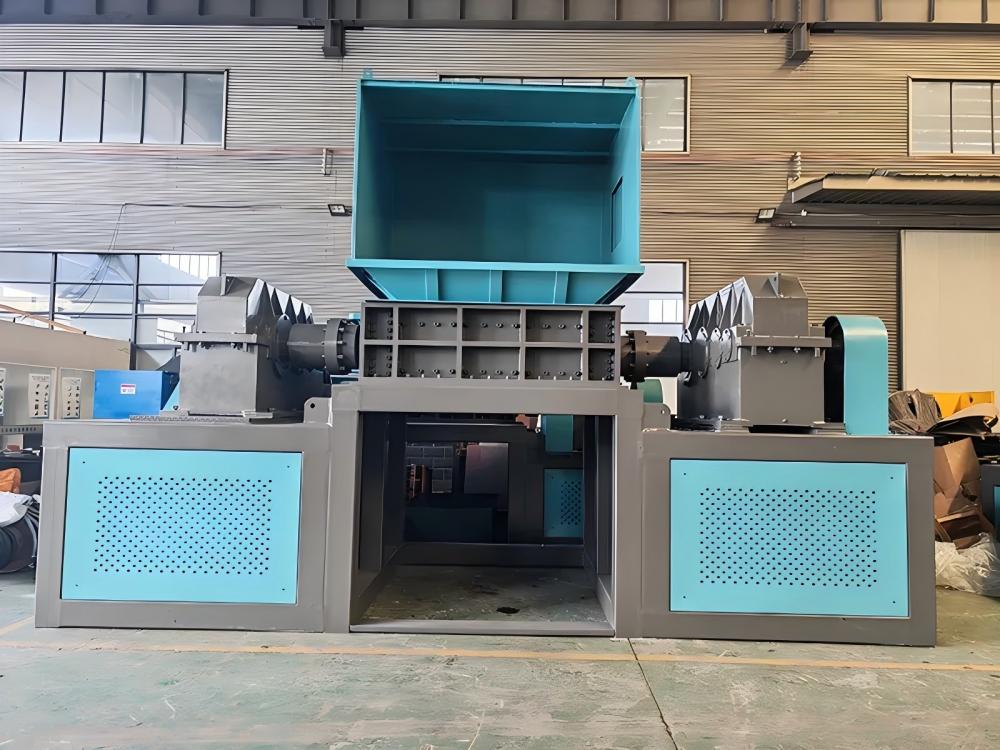
Finally, Motor Power (kW) and Chamber Dimensions define the physical limits of the machine. The chamber must be large enough to accept the largest expected input piece (e.g., a whole tractor tire or a refrigerator) without bridging. Bridging occurs when material rests on top of the shafts without being grabbed by the teeth. HARSLE designs often incorporate hydraulic rammers or hoppers with specific angles to force bulky materials into the cutting zone, ensuring the motor power is effectively utilized.
Calculation Method for Shredder Performance
To accurately integrate a shredder, engineers use specific formulas to predict performance. The most fundamental calculation is the Required Torque (T), which is derived from the motor power (P) and the shaft speed (n):
T (Nm) = (P (kW) × 9550) / n (RPM)
This formula helps in selecting the appropriate gearbox ratio. However, to determine if the shredder can actually cut the material, we must calculate the Shear Force (Fs) at the tip of the blade. This is done by dividing the torque by the radius of the blade (r): Fs = T / r. This force must exceed the shear resistance of the material being processed.
Throughput Calculation (Q): Estimating the hourly capacity is essential for sizing downstream conveyors. Throughput is influenced by the bulk density of the material (ρ), the volume of the cutting chamber (V), the shaft speed (n), and a filling efficiency factor (η):
Q (kg/h) = V × n × 60 × ρ × η
The filling efficiency factor (η) typically ranges from 0.2 to 0.5, depending on how well the material feeds into the teeth. For example, uniform plastic crates will have a higher η than tangled wire scrap. When designing a recycling line, it is standard practice to size the discharge conveyor for 120% of the shredder’s theoretical maximum throughput to handle momentary surges.
Double-Shaft Shredder Parameter Table
| Model Series | Motor Power (kW) | Shaft Speed (RPM) | Torque (Nm) | Chamber Size (mm) | Typical Throughput (t/h) |
|---|---|---|---|---|---|
| HSS-800 | 30 – 45 | 15 – 25 | 12,000 – 18,000 | 800 x 600 | 1.5 – 3.0 |
| HSS-1000 | 55 – 75 | 12 – 20 | 25,000 – 35,000 | 1000 x 800 | 3.0 – 6.0 |
| HSS-1200 | 90 – 110 | 10 – 18 | 45,000 – 60,000 | 1200 x 1000 | 6.0 – 10.0 |
| HSS-1500 | 132 – 160 | 8 – 15 | 80,000 – 110,000 | 1500 x 1200 | 10.0 – 20.0 |
Note: Throughput values are estimates based on mixed municipal solid waste (MSW). Actual performance varies significantly with material type and blade configuration.
Common Engineering Mistakes in Process Integration
One of the most frequent mistakes in shredder integration is Inadequate Infeed Control. Many operators assume that a shredder can be ‘choke-fed’ (filled to the top of the hopper) at all times. However, without a metered feeding system (like a vibrating feeder or a speed-controlled conveyor), the shredder may experience frequent over-torque events. This leads to constant reversing cycles, which not only reduces throughput but also causes excessive wear on the motor starters and gearboxes.
Another common error is Ignoring Downstream Capacity. A double-shaft shredder produces material in ‘pulses’ rather than a perfectly steady stream. If the discharge conveyor or the subsequent granulator is sized exactly to the shredder’s average output, it will inevitably overflow during a pulse. Integration guides recommend a buffer zone or a high-capacity discharge belt to smooth out these fluctuations.
Poor Tramp Metal Protection is a critical failure point in many recycling lines. While double-shaft shredders are robust, non-shreddable items like heavy steel shafts or large die-cast blocks can break blades or twist shafts. Failing to include a magnetic separator or a manual sorting station upstream of the shredder is a recipe for high maintenance costs. Furthermore, the PLC logic must be programmed to detect a ‘hard stop’ and shut down the system immediately if the torque spikes beyond a safety threshold that the reverse cycle cannot resolve.
Finally, Neglecting Maintenance Access is a design flaw that haunts plant managers. Shredder blades are wear parts and will eventually need replacement or hard-facing. If the shredder is tucked away in a tight corner of the plant or surrounded by permanent ductwork, a simple blade change that should take 8 hours might take 3 days. Proper integration includes leaving sufficient overhead space for cranes and side access for shaft removal.
Selection Checklist for Recycling and Size Reduction Lines
- Material Characterization: Define the maximum dimensions, moisture content, and bulk density of the input material. Is it abrasive? Is it prone to wrapping?
- Output Requirements: What is the required particle size for the next stage? Does the material need to be ‘liberated’ (e.g., separating plastic from metal in E-waste)?
- Throughput Targets: Calculate the required tons per hour, accounting for a 15-20% safety margin for downtime and maintenance.
- Drive Type Selection: Choose between electric (standard) or hydraulic (extreme shock loads) based on the feedstock.
- Blade Material and Geometry: Select the appropriate alloy (e.g., D2, SKD-11) and tooth profile. Consider ‘bolt-on’ teeth for easier maintenance on larger models.
- Control System Integration: Ensure the shredder’s PLC can communicate with the rest of the line (e.g., via Profinet or Modbus) to allow for emergency stops and load-dependent speed adjustments.
- Environmental Factors: Does the application require dust suppression (water misting) or explosion-proof motors (for volatile materials)?
- Space and Logistics: Verify floor loading capacity and ceiling height for installation and future maintenance.
Frequently Asked Questions (FAQ)
1. How often do the blades on a double-shaft shredder need sharpening?
The frequency of blade maintenance depends entirely on the material being processed. For clean plastics, blades may last 1,000 to 2,000 hours. For abrasive materials like glass-filled polymers or contaminated scrap metal, they may need attention every 400 to 600 hours. Many HARSLE blades are designed to be hard-faced (welded) and reground several times before needing full replacement.
2. Can a double-shaft shredder produce a uniform 20mm output?
Generally, no. Double-shaft shredders are primary size reducers. The output is typically strip-shaped or irregular chunks. If a precise, small fraction like 20mm is required, the shredder should be followed by a secondary granulator or a single-shaft shredder equipped with a sizing screen.
3. What happens if an unshreddable object enters the machine?
Modern HARSLE shredders are equipped with an automated reverse function. When the PLC detects a torque spike, the shafts stop and rotate in reverse to reposition the material. If the object remains unshreddable after three attempts, the machine will shut down and trigger an alarm for manual intervention, protecting the shafts and gearbox from catastrophic failure.
4. Is water cooling necessary for the shredder?
For most standard recycling applications, water cooling is not required for the cutting chamber. However, the gearboxes may require cooling in high-ambient-temperature environments, and some specialized applications involving heat-sensitive materials may use water-cooled shafts or housing to prevent material degradation.
5. How do I choose between a single-shaft and a double-shaft shredder?
Double-shaft shredders are better for bulky, hollow, or elastic materials (tires, drums, large crates) because the two shafts grab and pull material in. Single-shaft shredders are better for solid, dense materials (purging, wood, paper) where a precise screen-controlled output size is needed in a single pass.
6. What is the typical lead time for a custom-integrated shredder system?
Depending on the complexity of the integration and the specific material requirements, lead times typically range from 8 to 14 weeks. This includes the engineering phase, component sourcing, assembly, and factory acceptance testing (FAT) to ensure the machine meets the specified throughput targets.