Double-Shaft Shredder Selection Guide: Materials, Throughput, and Blade Configuration

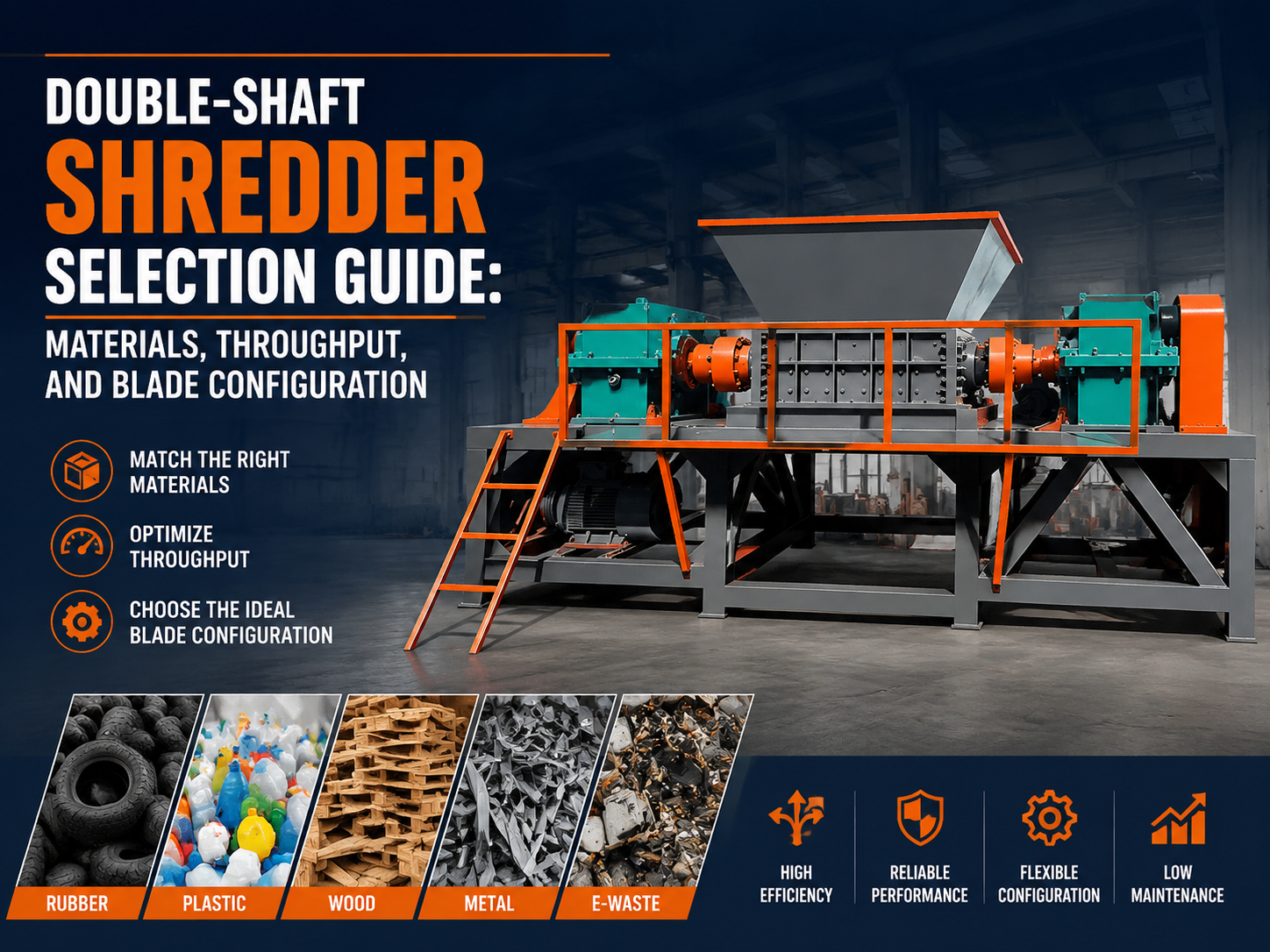
Technical Overview of Double-Shaft Shredders
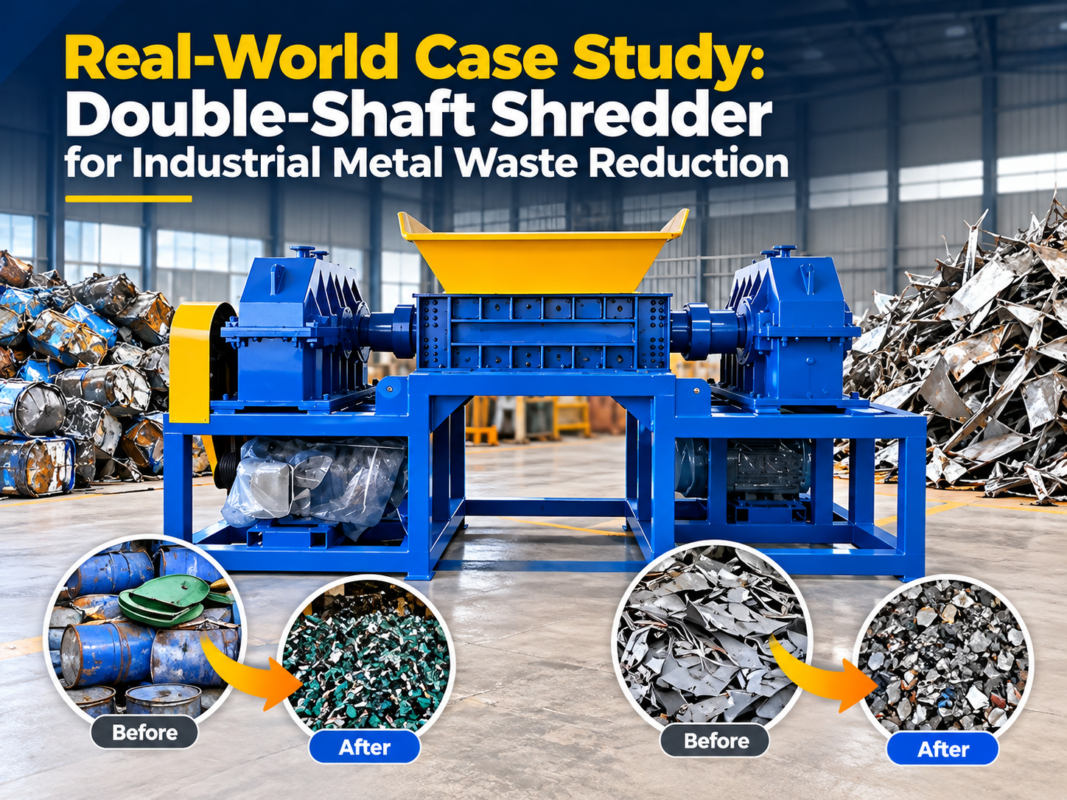
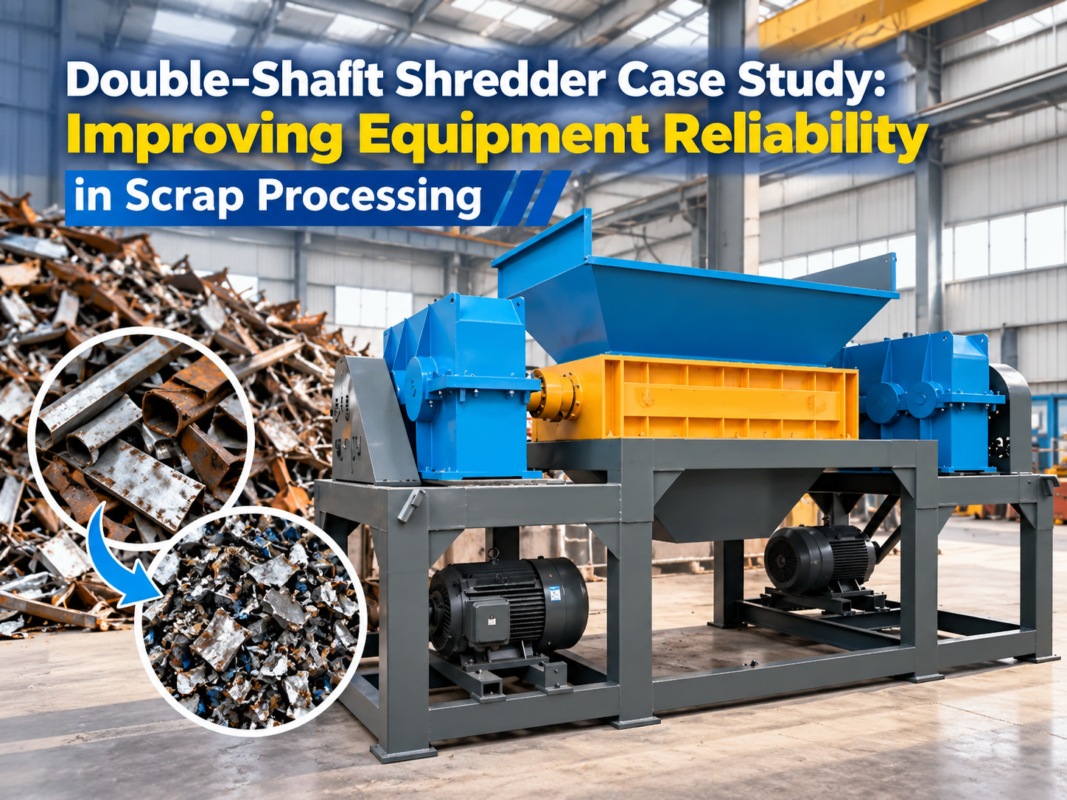
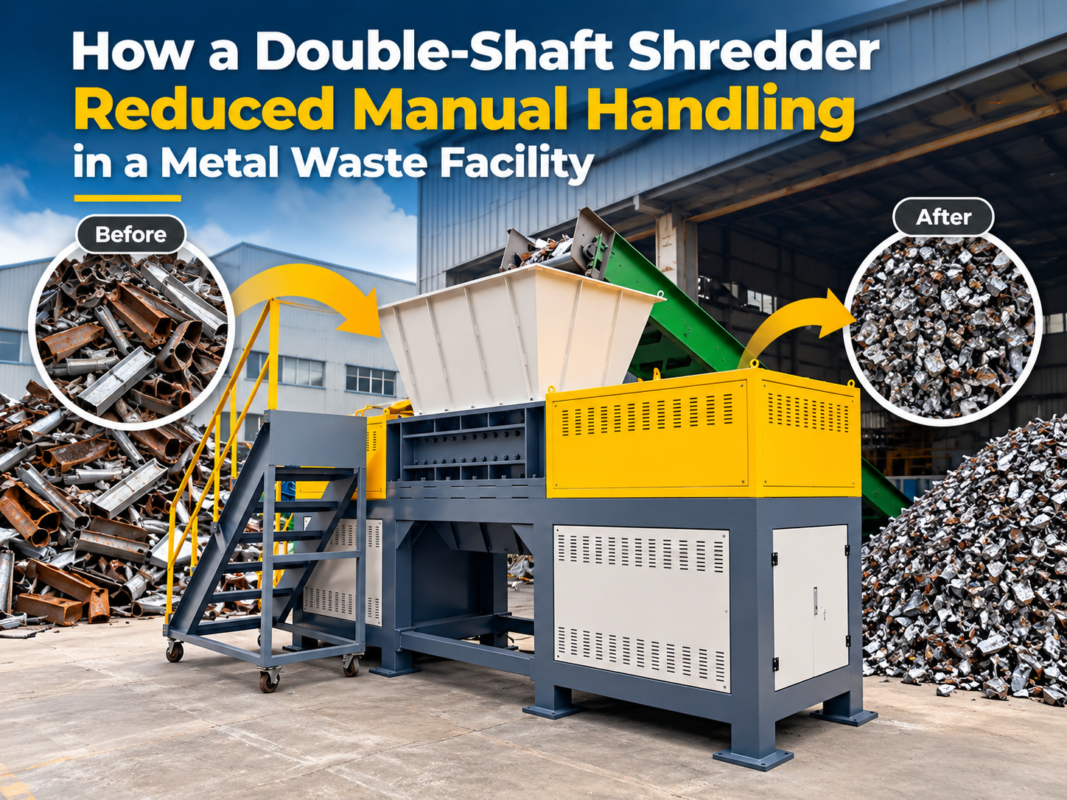
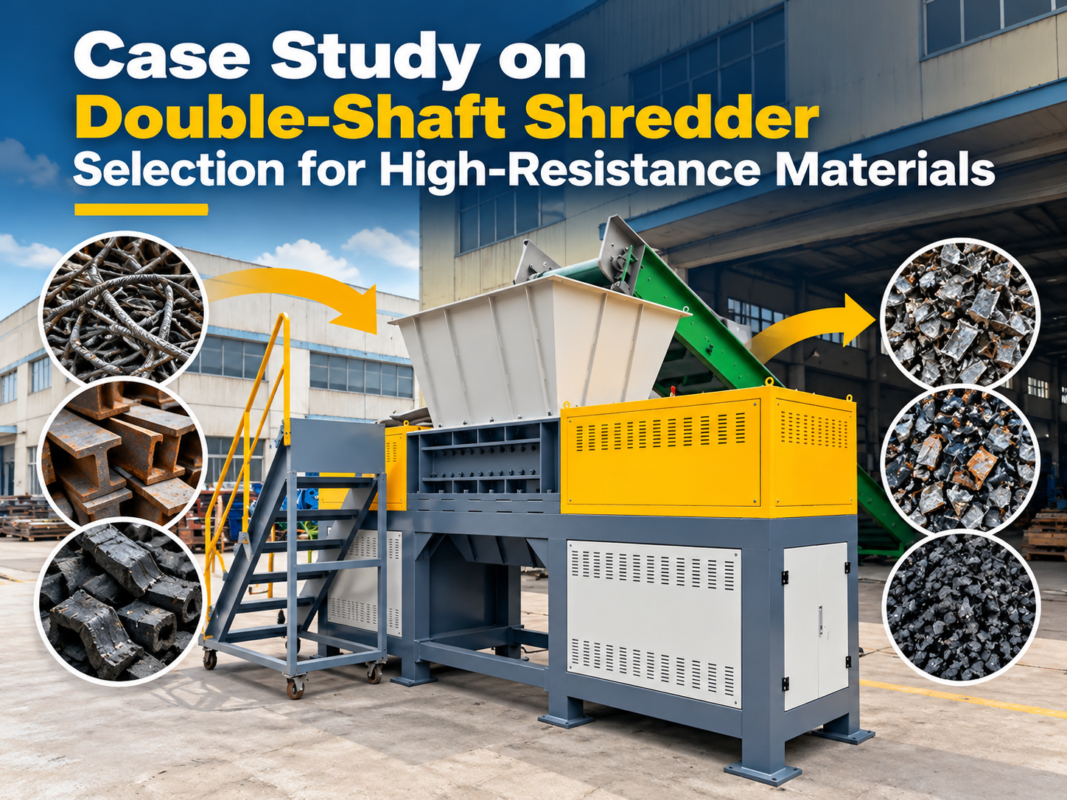
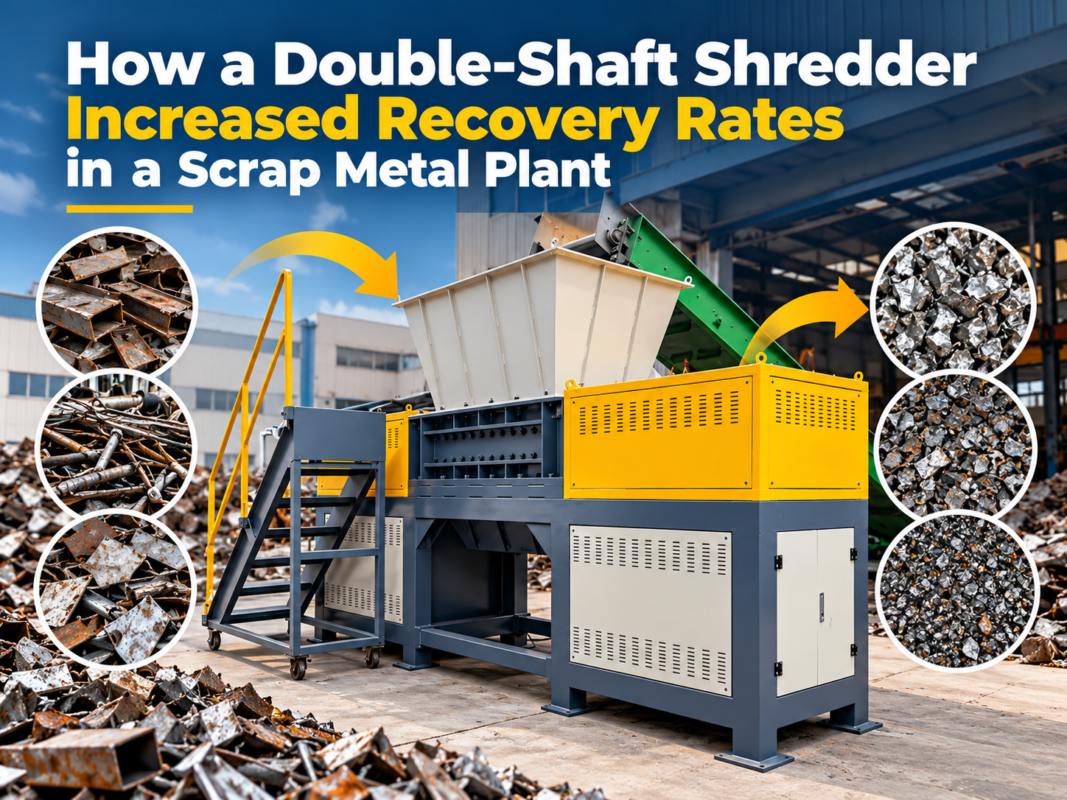
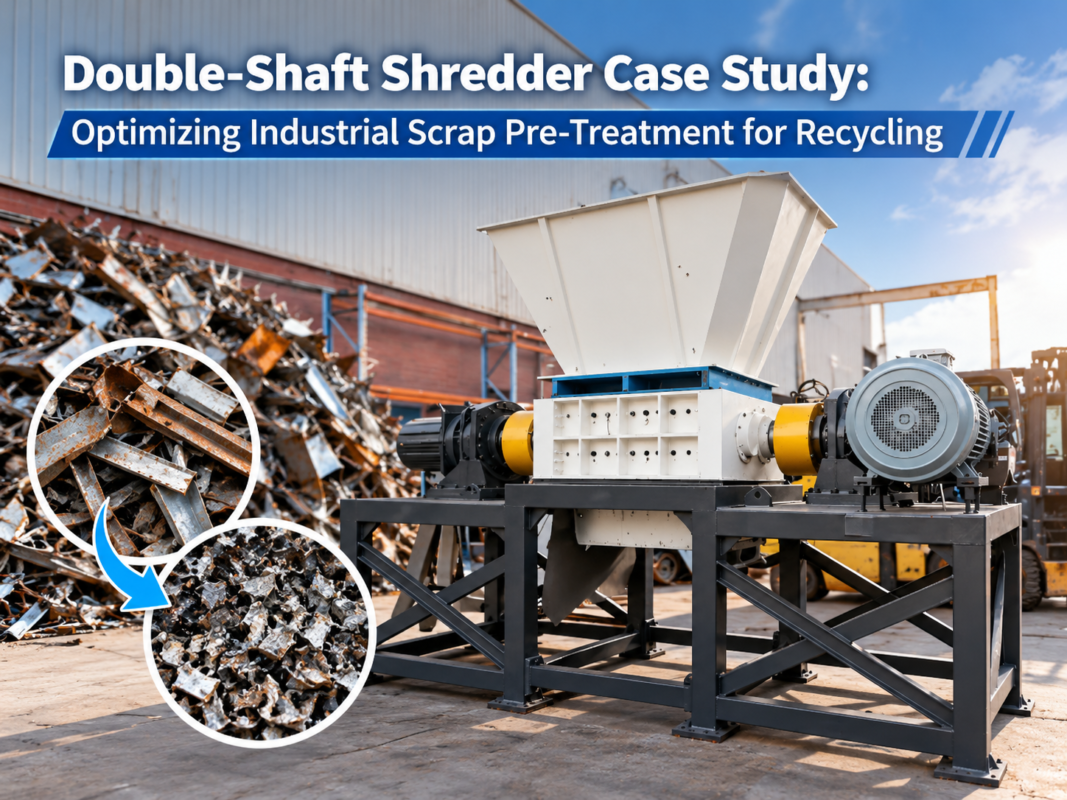
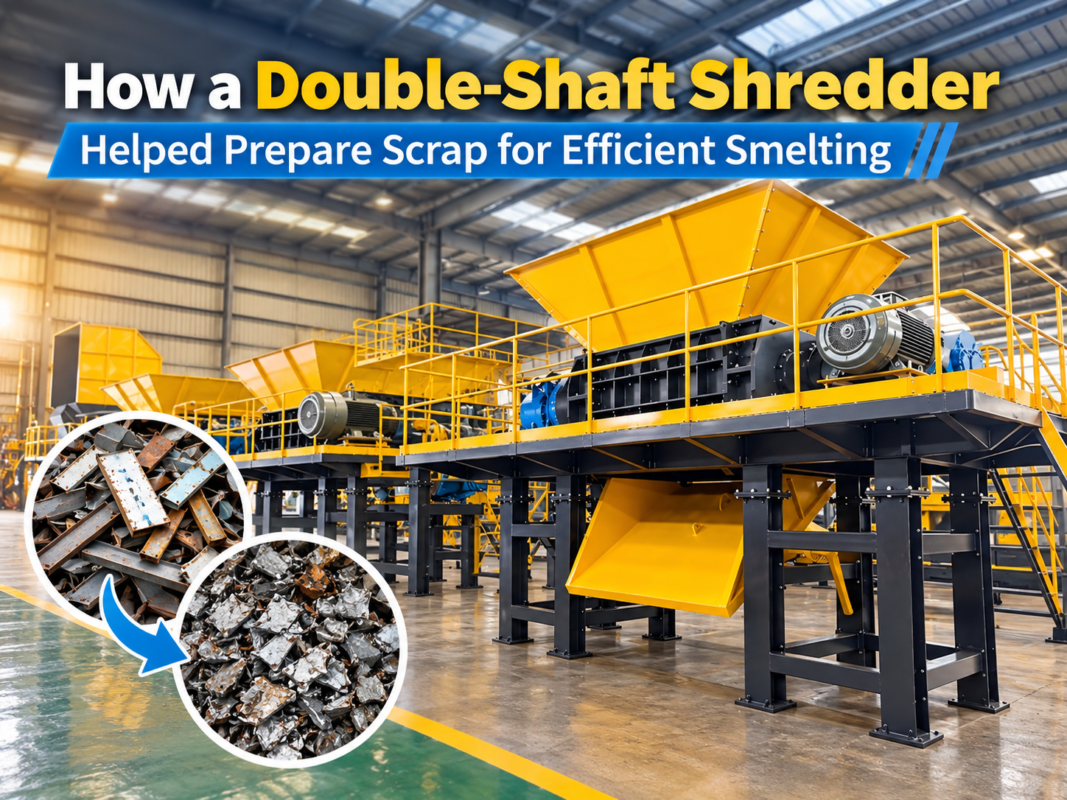
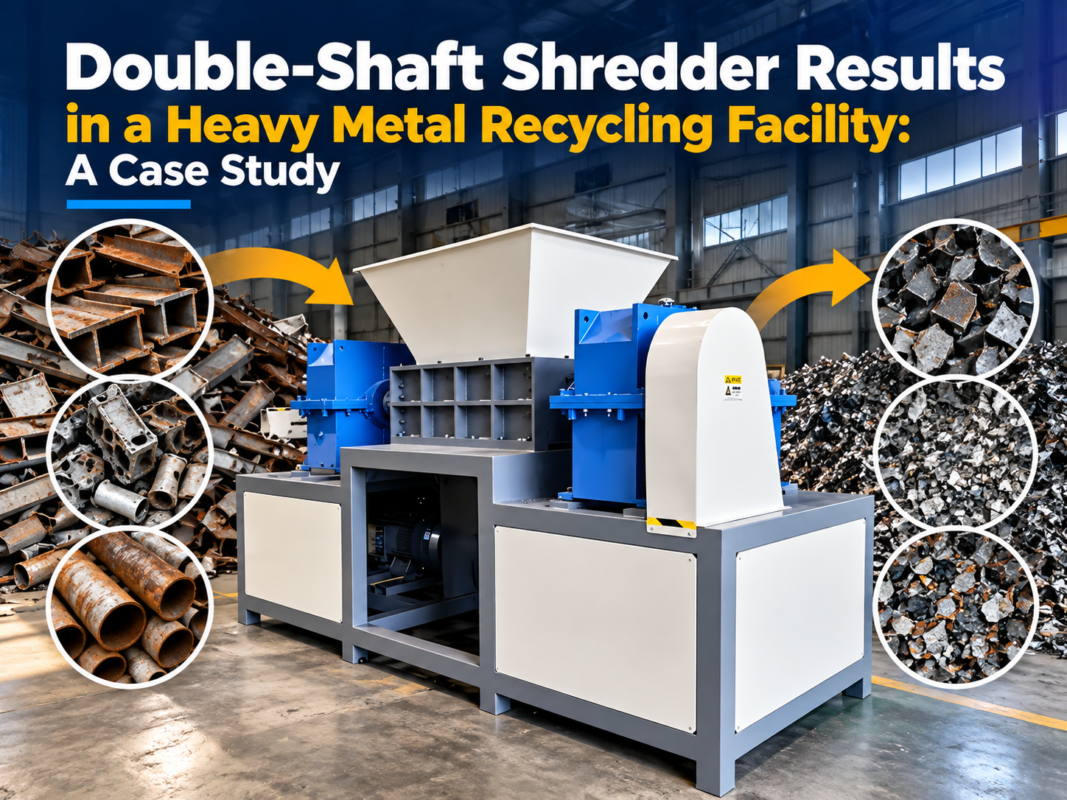
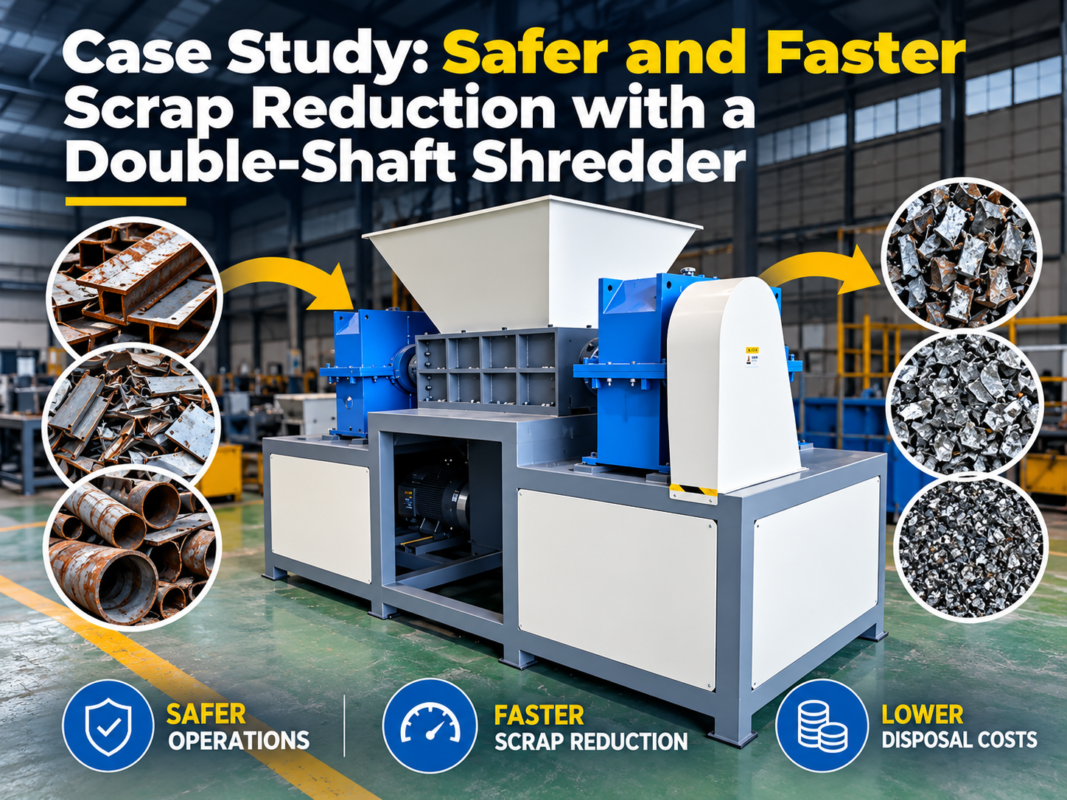
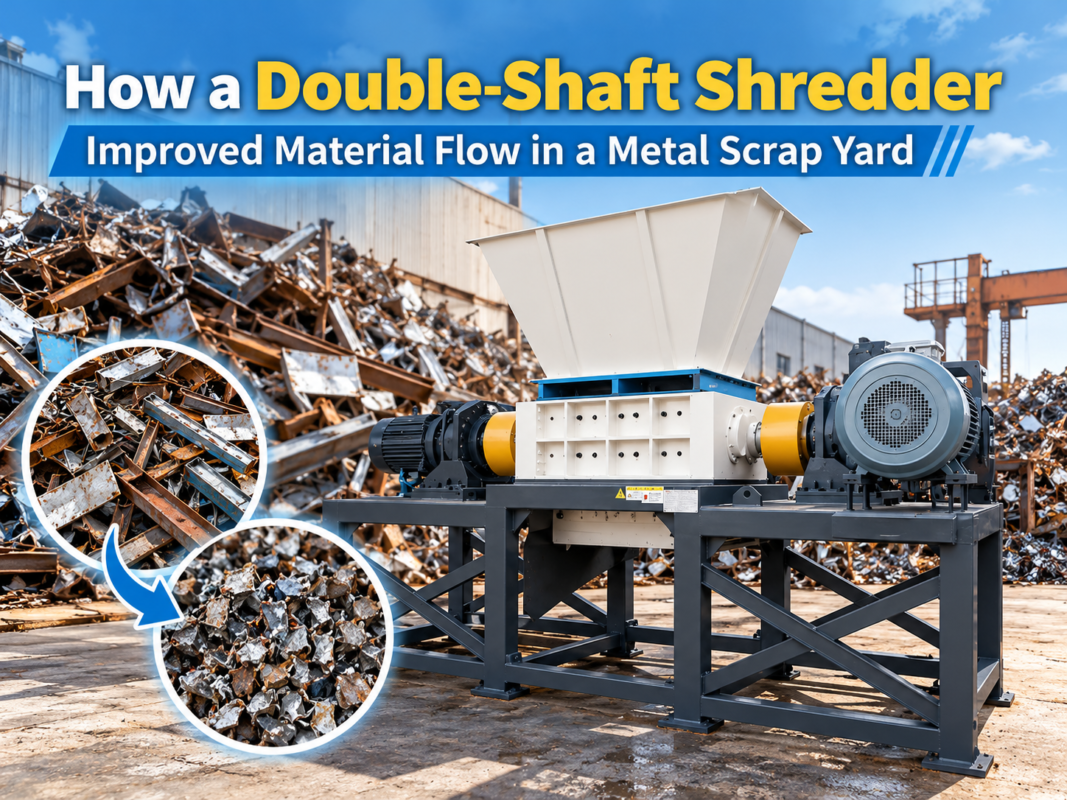
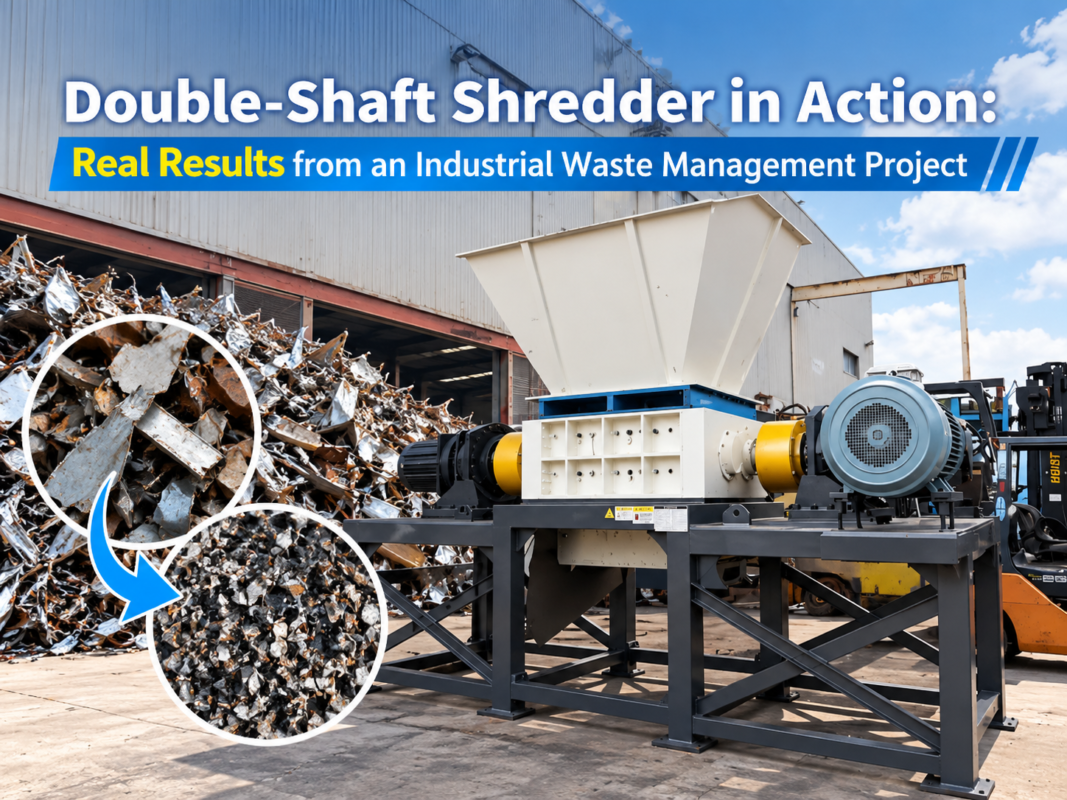
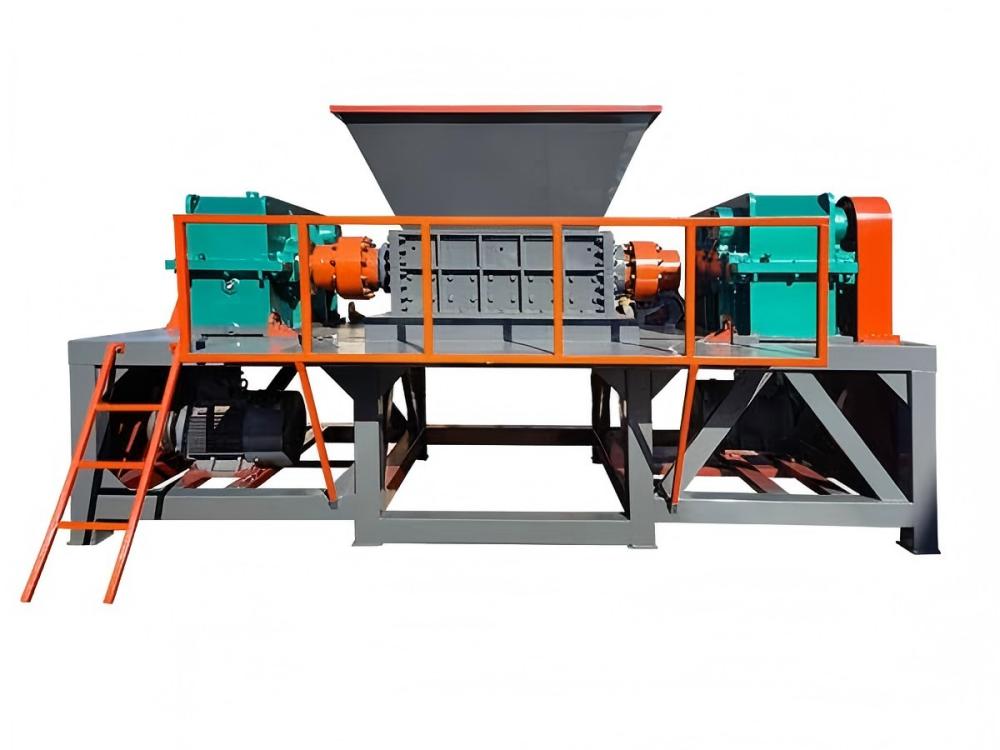
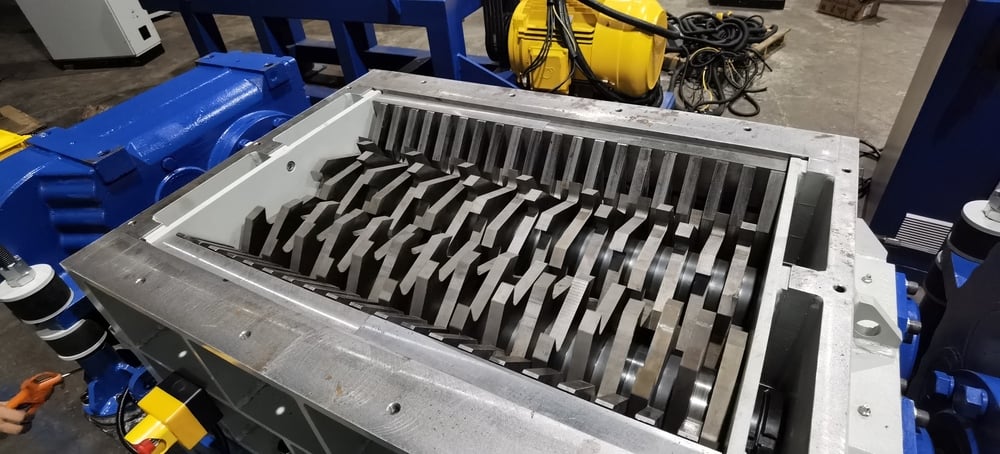
The double-shaft shredder, often referred to as a shear-type shredder, is the workhorse of the modern recycling and waste processing industry. Unlike high-speed granulators that rely on impact and centrifugal force, the double-shaft shredder operates on a low-speed, high-torque principle. This mechanical advantage allows it to process bulky, tough, and heterogeneous materials that would otherwise stall or damage lighter equipment. At its core, the machine consists of two parallel shafts equipped with interlocking cutting disks. As these shafts rotate toward each other, the hooks on the blades grab the material and pull it into the cutting chamber, where it is sheared, torn, and compressed between the blade edges.
HARSLE’s engineering approach to double-shaft shredders emphasizes structural rigidity and modularity. The drive system typically involves a high-power electric motor or hydraulic motor coupled with a planetary gearbox. This configuration is essential for multiplying torque, enabling the machine to overcome the resistance of dense materials like steel drums, thick plastics, or automotive tires. The low RPM (typically ranging from 10 to 40 RPM) ensures that the machine generates minimal dust, noise, and heat, which is a critical safety factor when processing volatile materials or polymers that might melt under high friction.
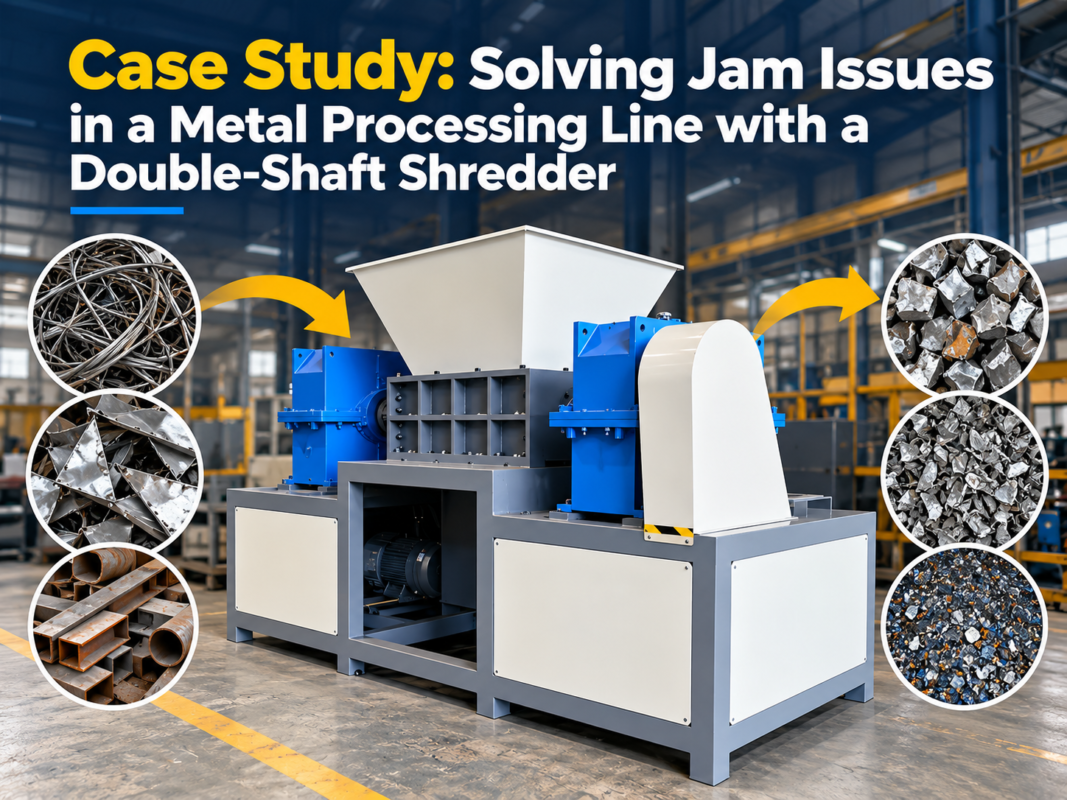
One of the defining characteristics of the double-shaft design is its ability to handle “unshreddable” objects. Most modern systems are equipped with a PLC-controlled auto-reverse function. When the sensors detect a torque spike—indicating a jam or an oversized metal fragment—the shafts momentarily reverse to reposition the material before attempting to shear it again. This protective mechanism significantly extends the lifespan of the motor and the gearbox, reducing unplanned downtime in high-volume industrial environments.
Core Parameters for Selection
1. Material Characteristics
The first step in any selection process is a comprehensive analysis of the input material. Not all shredders are created equal, and a machine optimized for wood will fail miserably when faced with reinforced rubber or aluminum scrap. You must consider the material’s physical properties: hardness, elasticity, density, and moisture content. For instance, brittle materials like glass or hard plastics require sharp, high-carbon steel blades that can snap the material. In contrast, elastic materials like tires or textiles require a shearing action with tight tolerances between the blades to prevent the material from simply folding or jamming the shafts.
Furthermore, the size of the input material dictates the dimensions of the hopper and the cutting chamber. If you are feeding whole cars or large industrial crates, the shaft length and the distance between the shafts must be sufficient to “bite” the material. If the material is too large for the hooks to grab, it will simply bounce on top of the shafts, leading to zero throughput and excessive wear on the blade tips.
2. Throughput Requirements
Throughput is measured in tons per hour (t/h) or cubic meters per hour (m³/h). It is a function of the cutting chamber volume, shaft speed, and blade configuration. To calculate the required throughput, you must account for both the average and peak loads of your facility. A common mistake is sizing the machine for the average load, only to have it become a bottleneck during peak production hours. It is generally recommended to select a machine with a rated capacity 20-30% higher than your actual requirement to account for material variability and potential future expansion.
3. Blade Configuration and Geometry
The blades are the primary wear parts of the shredder and the most critical factor in determining the final output size. Blade configuration involves three main variables: thickness, number of hooks, and material alloy. Thicker blades (e.g., 50mm to 100mm) are used for heavy-duty applications like metal scrap, while thinner blades (20mm to 40mm) are suitable for achieving a smaller output size in plastics or paper. The number of hooks on each blade (ranging from one to several) determines how aggressively the machine pulls material in. A single-hook design is excellent for large, bulky items, whereas multi-hook designs are better for smaller, consistent feedstocks.
Calculation Method for Shredder Performance
To ensure the selected shredder can handle the intended load, engineers use several key calculations. The most vital is the Torque Calculation. Torque ($T$) is the rotational force required to shear the material. It is calculated using the formula:
T = (9550 × P × η) / n
Where:
P = Motor Power in kilowatts (kW)
n = Shaft speed in revolutions per minute (RPM)
η = Efficiency of the gearbox (typically 0.90 to 0.95 for planetary gears)
If you are processing high-strength materials like alloy steel, the required shearing force can be immense. The force ($F$) exerted by the blade hook is $F = T / r$, where $r$ is the radius of the blade. By comparing this force to the shear strength of the material, you can determine if the motor and gearbox combination is sufficient. If the force is too low, the machine will frequently trigger its auto-reverse mechanism, leading to inefficient processing and potential motor burnout.
Another important calculation is the Theoretical Throughput ($Q$). This is estimated by:
Q = V × n × k
Where $V$ is the volume of material displaced by the blades in one revolution, $n$ is the RPM, and $k$ is a filling factor (usually between 0.2 and 0.5 depending on material density and flowability). This calculation helps in matching the shredder to the upstream and downstream conveyor systems.
Parameter Table for Selection Reference
The following table provides a general guideline for selecting a double-shaft shredder based on common industrial applications. Note that these values are indicative and should be verified with a HARSLE technical consultant for specific projects.
| Material Type | Recommended Blade Thickness (mm) | Typical Motor Power (kW) | Shaft Speed (RPM) | Target Throughput (t/h) |
|---|---|---|---|---|
| Plastic Film/Bags | 20 – 30 | 30 – 45 | 25 – 40 | 1.5 – 3.0 |
| Hard Plastics (HDPE/PET) | 30 – 50 | 45 – 75 | 20 – 30 | 2.0 – 5.0 |
| E-Waste (Computers/PCBs) | 30 – 40 | 55 – 90 | 15 – 25 | 1.0 – 3.0 |
| Wood Pallets/Crates | 40 – 60 | 75 – 110 | 20 – 35 | 3.0 – 8.0 |
| Car Tires (TDF) | 50 – 80 | 110 – 220 | 10 – 20 | 5.0 – 15.0 |
| Metal Drums/Light Scrap | 60 – 100 | 132 – 315 | 10 – 15 | 2.0 – 6.0 |
Common Engineering Mistakes in Shredder Selection
One of the most frequent mistakes in shredder procurement is undersizing the motor to save on initial capital expenditure (CAPEX). While a smaller motor might handle the average material stream, it will struggle with “slugs” or surges in material density. This leads to excessive heat generation in the electrical system and premature wear on the gearbox bearings due to constant shock loading. It is always more cost-effective in the long run to invest in a robust drive system that operates comfortably within its limits.
Another common error is neglecting the metallurgy of the blades. Using standard carbon steel for abrasive materials like glass-filled plastics or contaminated construction waste will result in the blades dulling within weeks. For these applications, blades should be manufactured from high-alloy tool steels like D2 (DIN 1.2379) or even specialized hard-facing alloys. Furthermore, the clearance between the blades and the spacers must be precision-machined. If the gap is too wide, thin materials like film or paper will simply pass through without being cut, leading to “wrapping” around the shafts, which can cause catastrophic seal failure.
Finally, many buyers overlook the importance of the feeding and discharge systems. A double-shaft shredder is only as efficient as the equipment surrounding it. If the infeed conveyor cannot provide a consistent flow, the shredder will spend half its time idling. Conversely, if the discharge conveyor is too narrow or slow, shredded material will back up into the cutting chamber, causing unnecessary friction and potential jams. A holistic view of the entire processing line is essential for a successful installation.
Selection Checklist for Industrial Buyers
- Define the Input: What is the toughest material the machine will encounter? What are the maximum dimensions of the feed items?
- Determine Output Size: Does the material need to be 50mm, 100mm, or just “volume reduced”? This dictates blade thickness and hook count.
- Verify Power Supply: Does your facility have the electrical capacity for high-kilowatt motors and the associated starting currents (Soft starters or VFDs are recommended)?
- Maintenance Access: Does the machine design allow for easy blade removal and shaft maintenance? Look for “split-block” bearing housings.
- Safety Features: Ensure the machine includes emergency stops, safety interlocks on the hopper, and a robust PLC with overload protection.
- Wear Part Availability: Are the blades and spacers standard sizes, or are they proprietary? Ensure a reliable supply chain for consumables.
- Environmental Factors: Will the machine be outdoors? Does it need a dust suppression system or a specialized paint coating for corrosive environments?
Frequently Asked Questions (FAQ)
Q1: Can a double-shaft shredder produce a uniform particle size?
A: Generally, no. Double-shaft shredders are designed for primary shredding and volume reduction. The output is typically strips or irregular chunks. If you need a precise, uniform particle size (e.g., 10mm minus), you will need a secondary process, such as a single-shaft shredder with a screen or a granulator, following the primary double-shaft shredder.
Q2: How often do the blades need to be sharpened?
A: This depends entirely on the material. For clean plastics, blades may last 1,000+ hours. For abrasive materials or metals, they may need inspection every 200-400 hours. Many HARSLE blades are designed to be weld-repaired and reground several times before requiring full replacement, which significantly lowers operating costs.
Q3: Is a hydraulic drive better than an electric drive?
A: Hydraulic drives offer superior torque control and are virtually immune to shock loads, making them ideal for extremely heavy-duty metal or tire shredding. However, they are more complex and expensive to maintain. Electric drives with planetary gearboxes are more efficient and easier to maintain for 80% of standard industrial recycling applications.
Q4: What is the purpose of the “hooks” on the blades?
A: The hooks are designed to grab and pull material into the cutting zone. The number of hooks determines the “bite” size. Fewer hooks mean a deeper bite and more aggressive feeding, while more hooks result in a shallower bite and a more controlled throughput, which is useful for preventing motor overloads.
Q5: How do I prevent material from wrapping around the shafts?
A: Wrapping is usually caused by processing thin, elastic materials (like plastic film) with blades that have too much lateral clearance. Ensuring tight tolerances and using specialized “cleaning fingers” or scrapers that sit between the blades can prevent material from accumulating on the shafts.