Double-Shaft Shredder Technical Guide: Working Principle, Key Components, and Applications

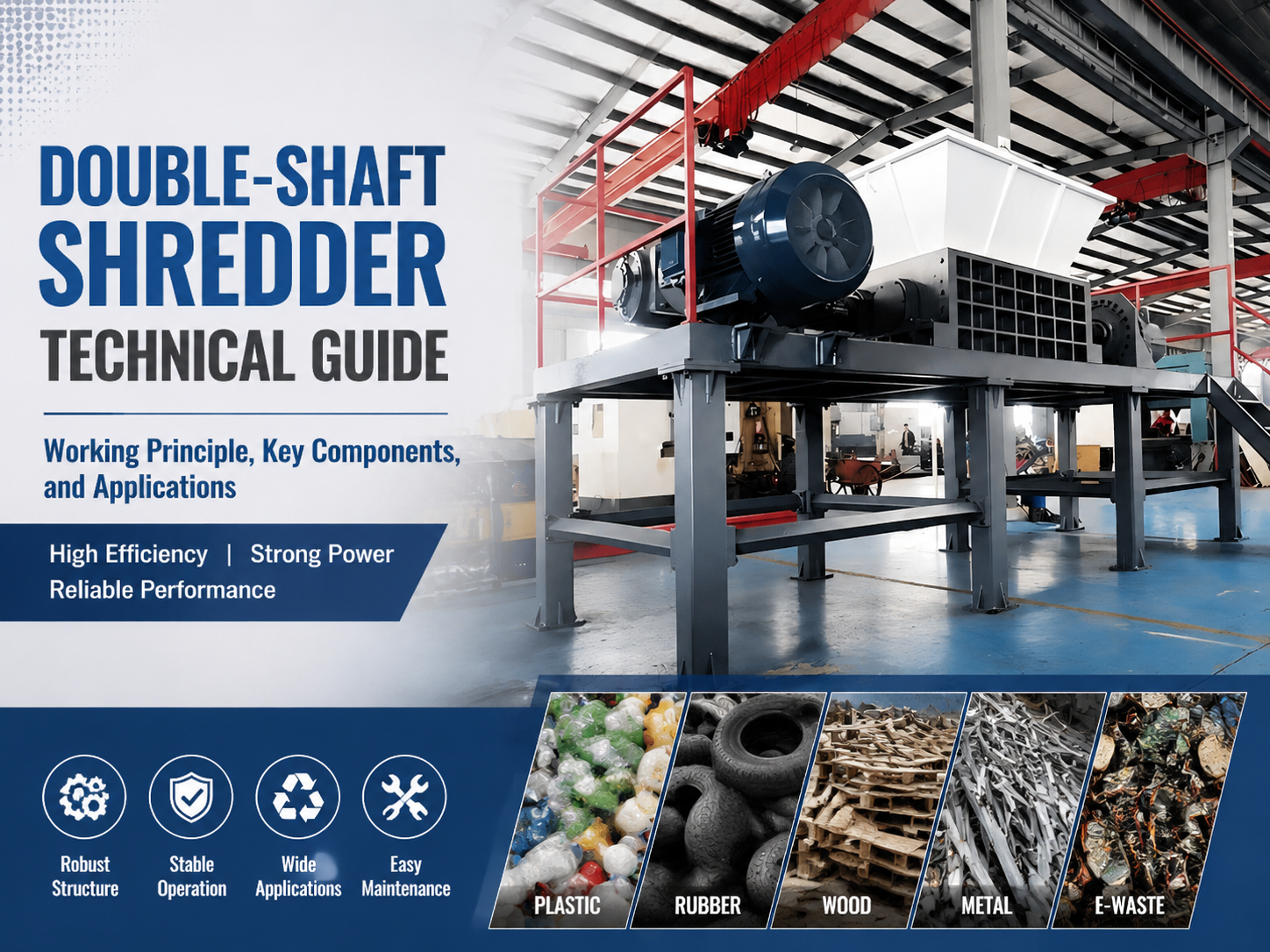
Technical Overview of Double-Shaft Shredders
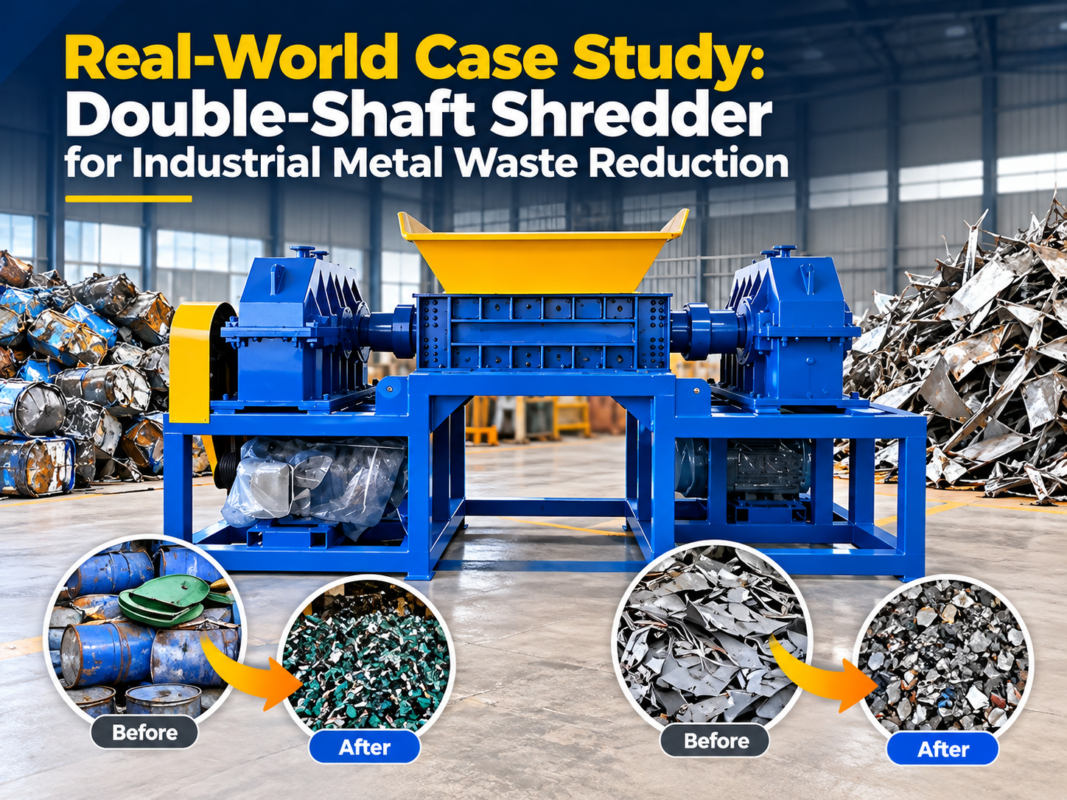
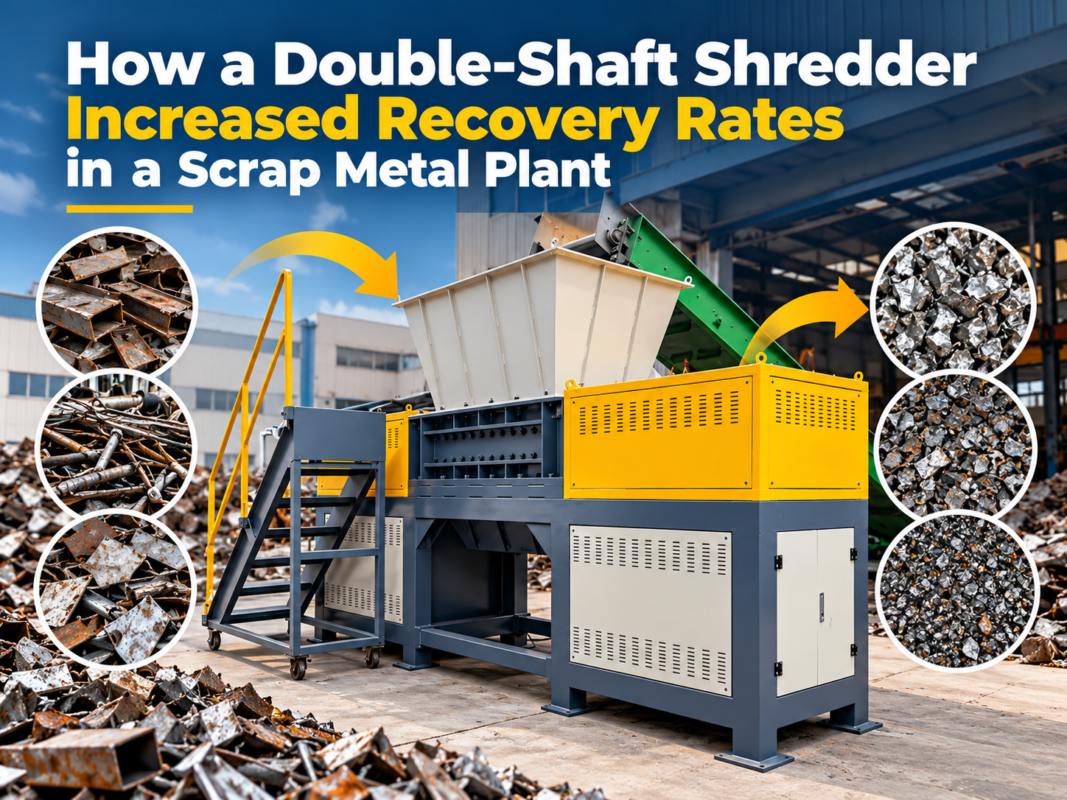
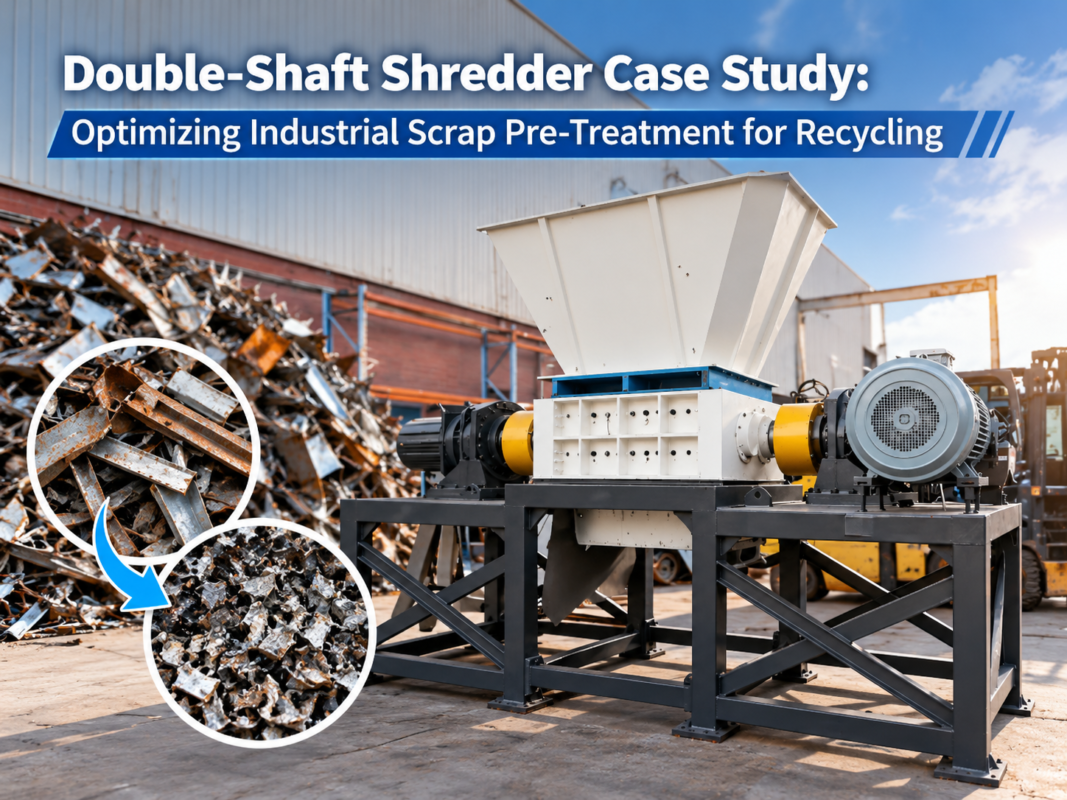
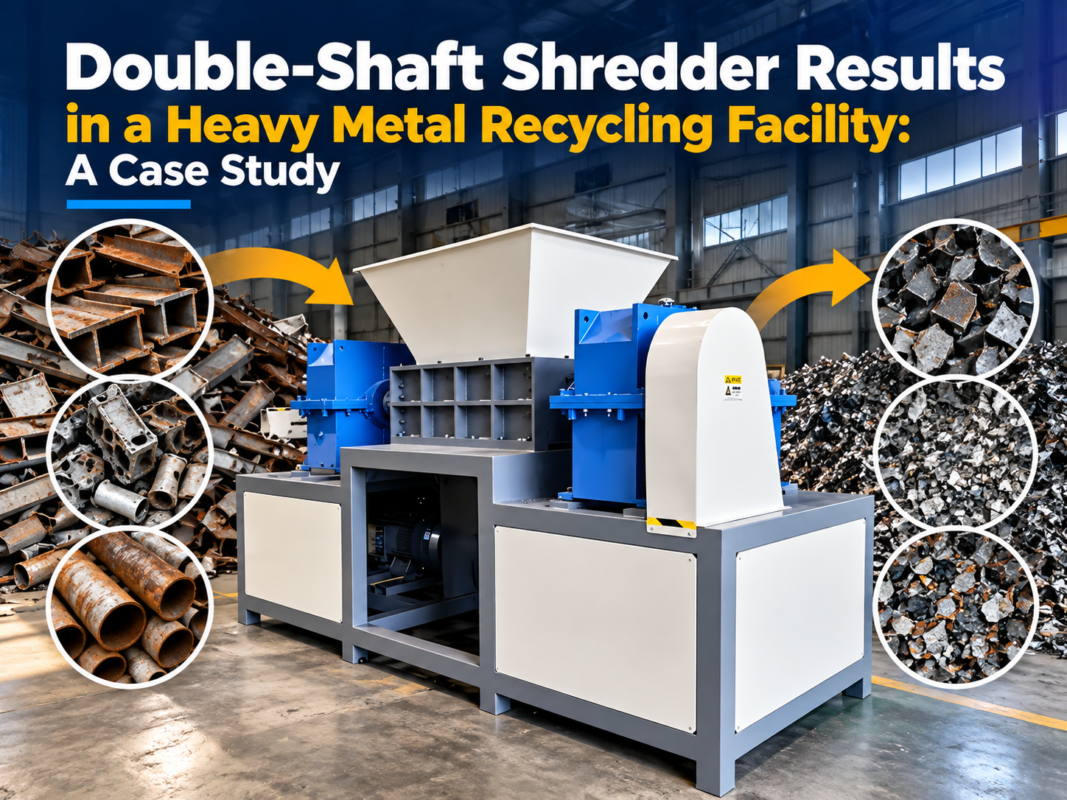
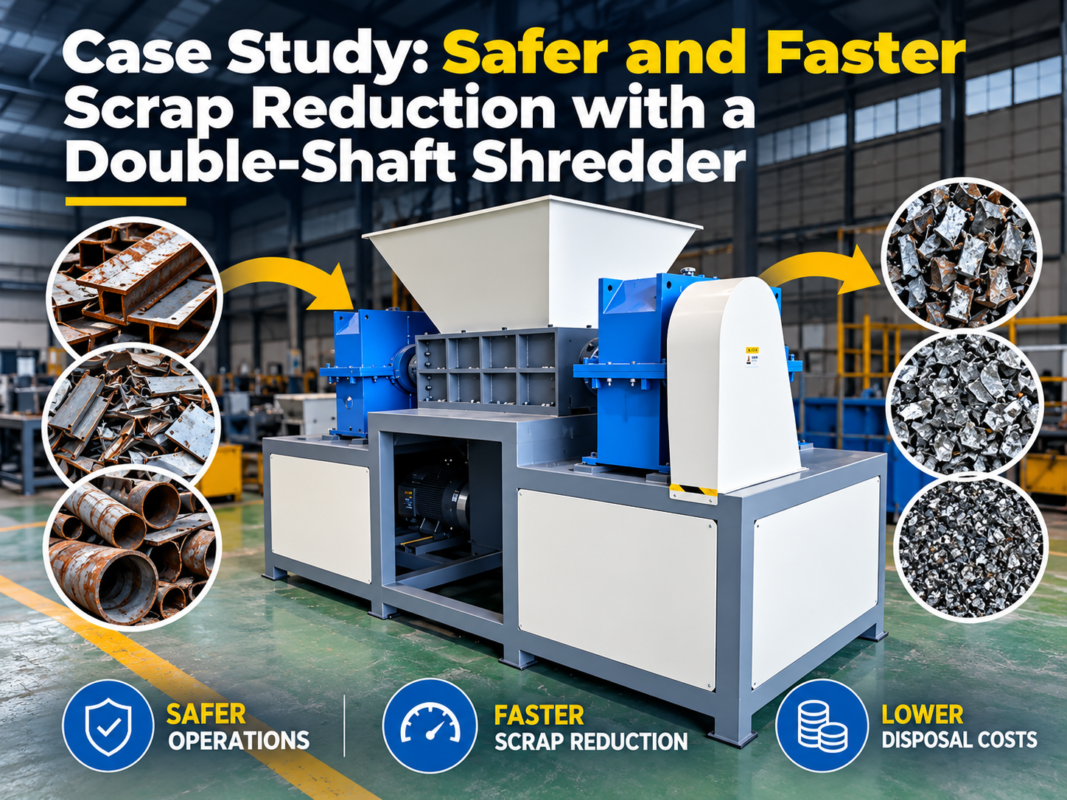
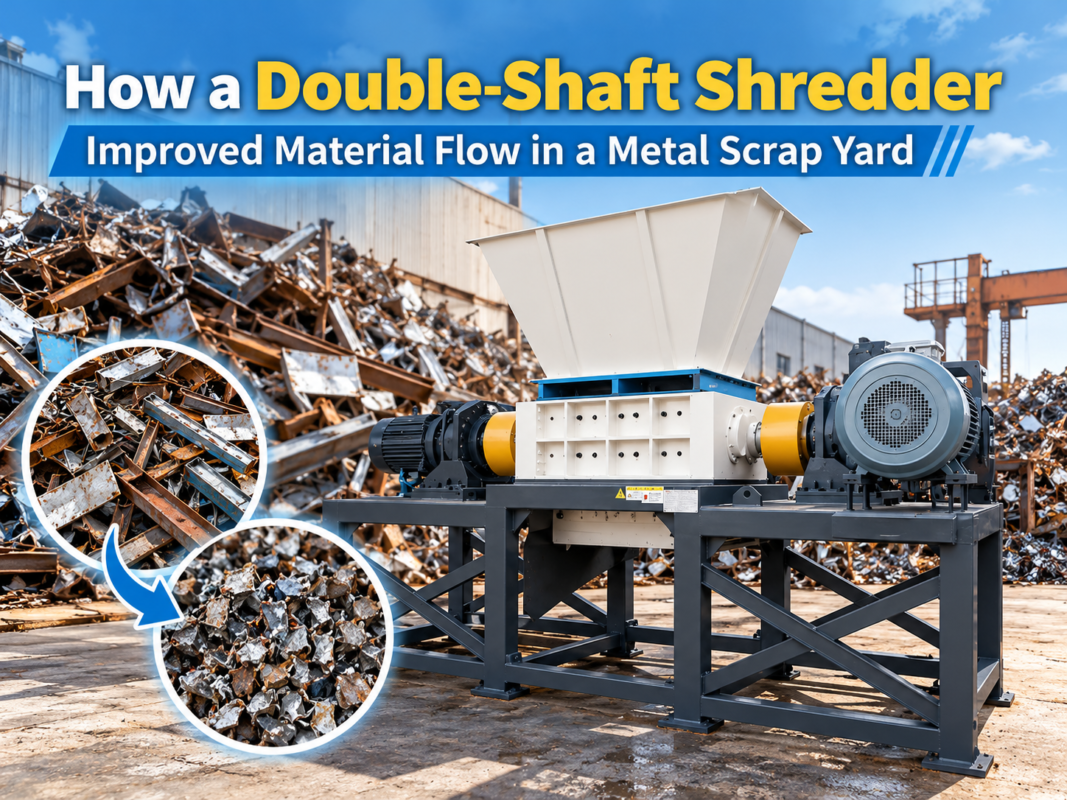
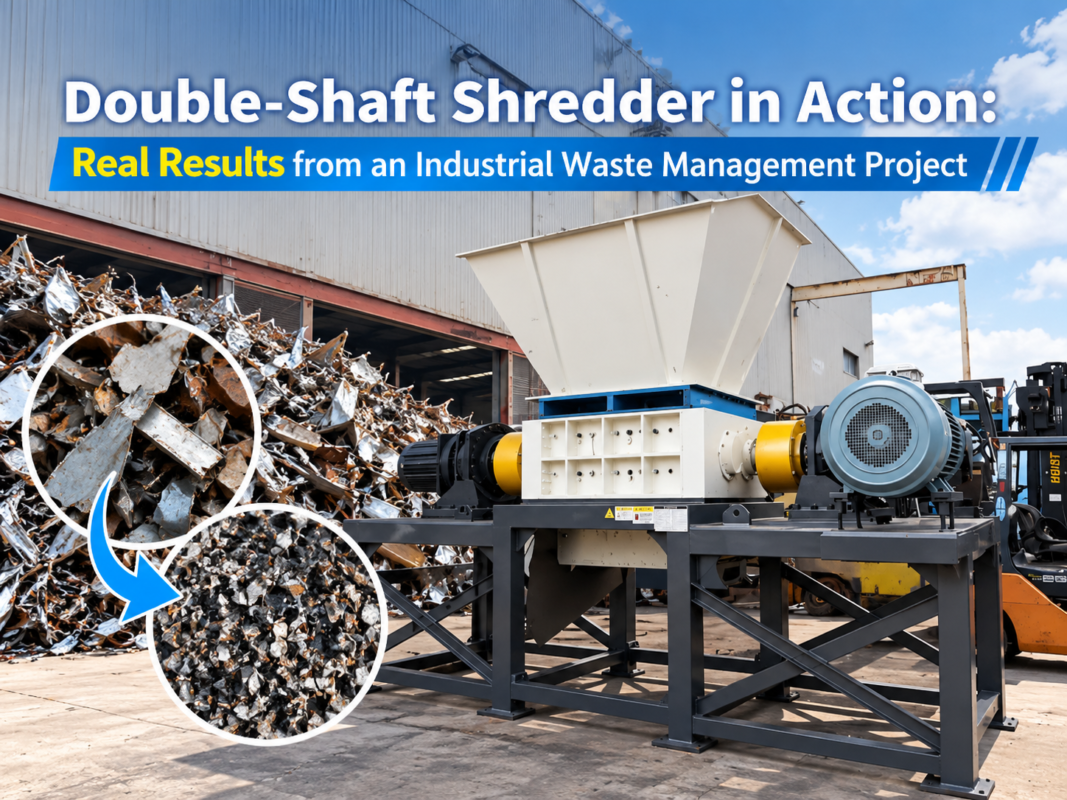
The double-shaft shredder, often referred to as a dual-shaft or twin-shaft shredder, represents a cornerstone in modern industrial recycling and waste reduction. Unlike high-speed granulators that rely on impact, the double-shaft shredder operates on the principle of low-speed, high-torque shearing. This technical approach allows the machine to process incredibly dense and bulky materials—ranging from scrap metal and rubber tires to electronic waste and industrial plastics—with minimal noise, dust, and energy consumption. At HARSLE, we engineer these machines to withstand the rigors of continuous industrial operation, ensuring that the mechanical integrity remains uncompromised even under extreme load conditions.
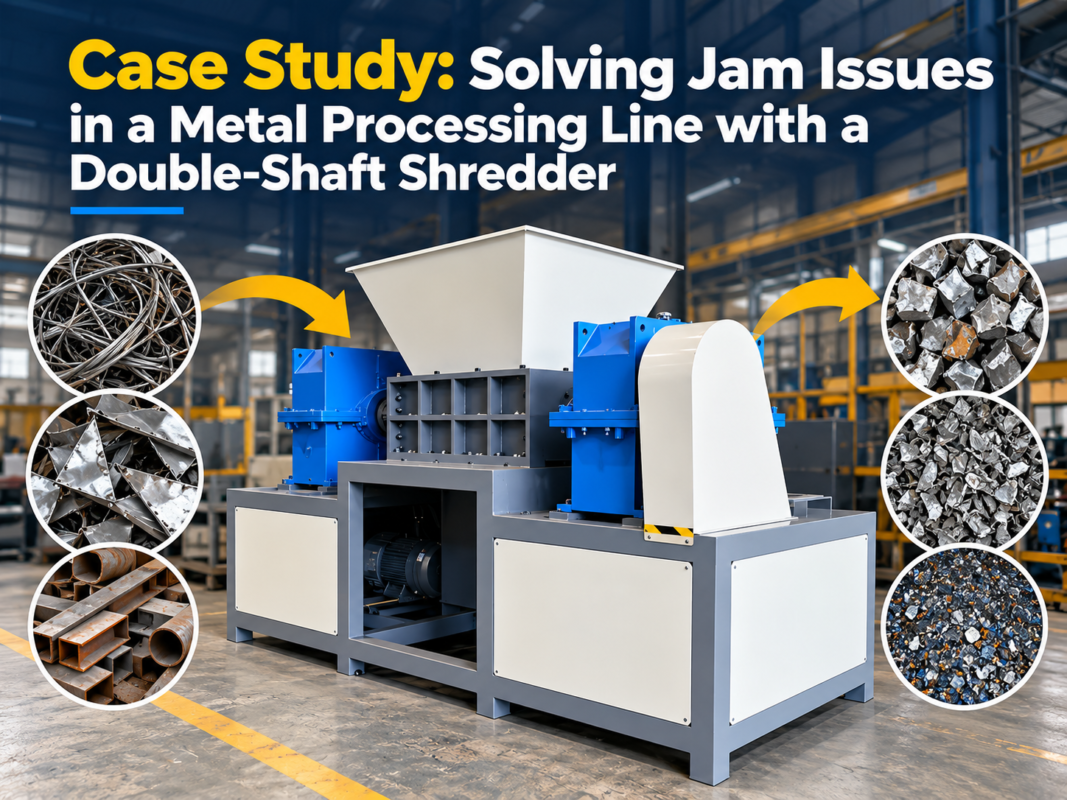
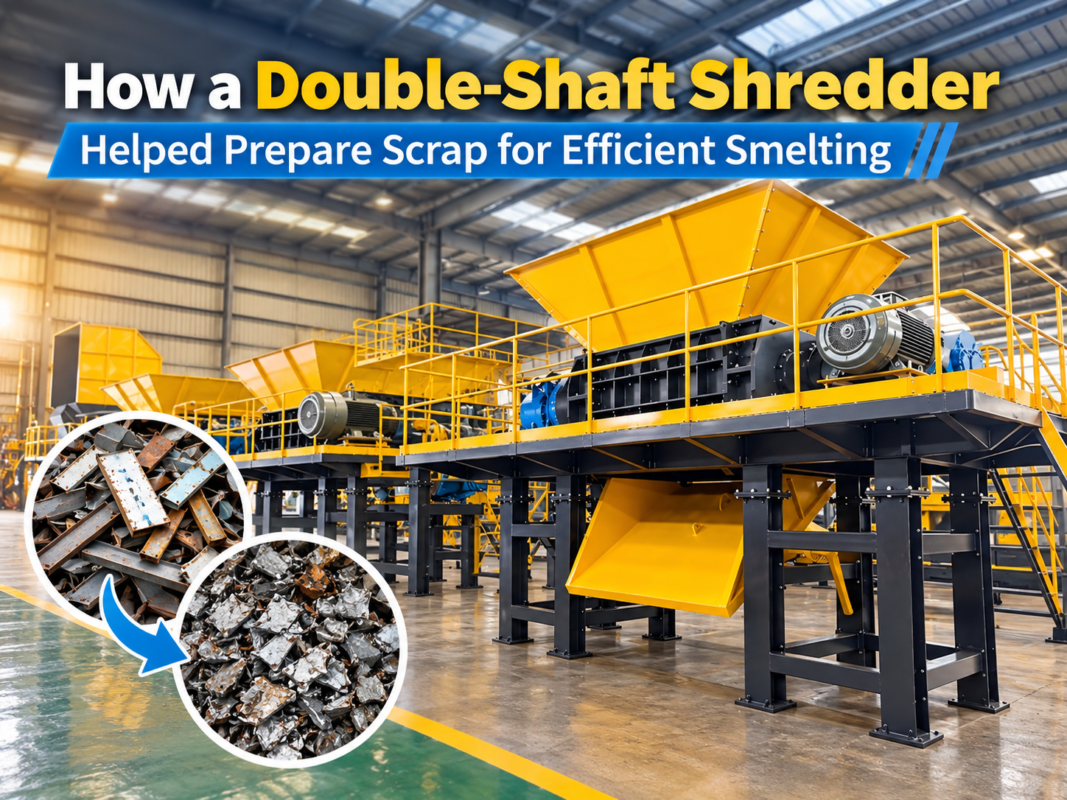
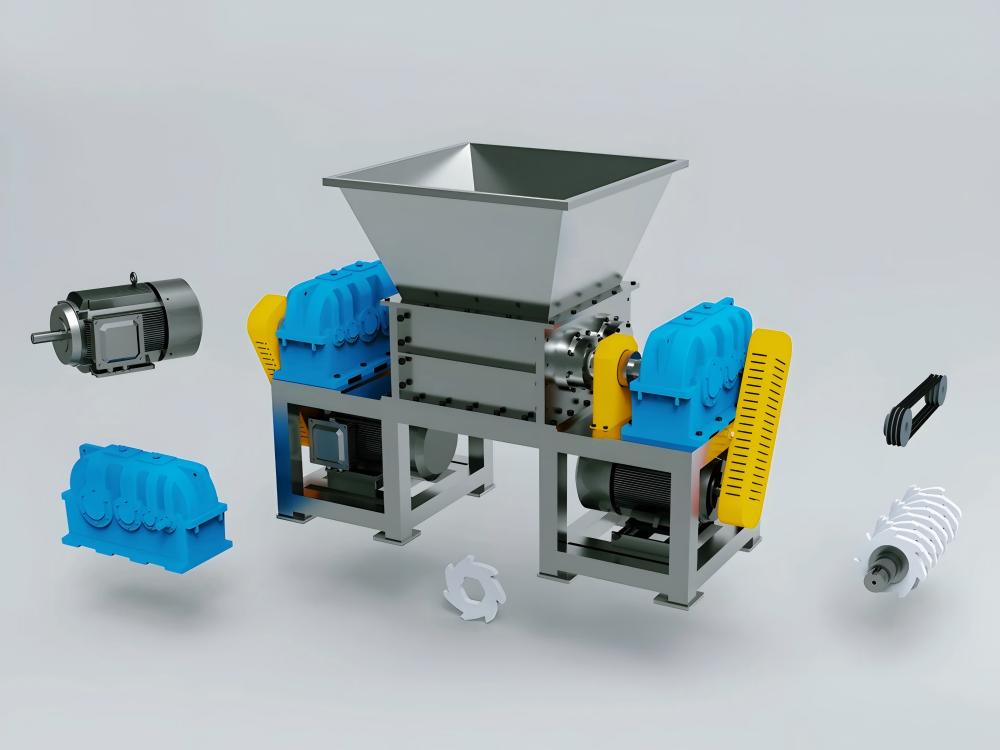
The fundamental architecture of a double-shaft shredder consists of two parallel shafts equipped with interlocking cutting discs. As these shafts rotate toward each other at relatively low speeds (typically between 10 to 40 RPM), the hooks on the blades grab the material and pull it into the cutting chamber. The material is then subjected to intense shearing forces between the edges of the opposing blades. This ‘shear and tear’ mechanism is exceptionally efficient for materials that are difficult to process via traditional crushing methods. Because the shafts rotate at slightly different speeds or are synchronized via a heavy-duty gearbox, the material is constantly agitated, preventing clogging and ensuring a consistent throughput.
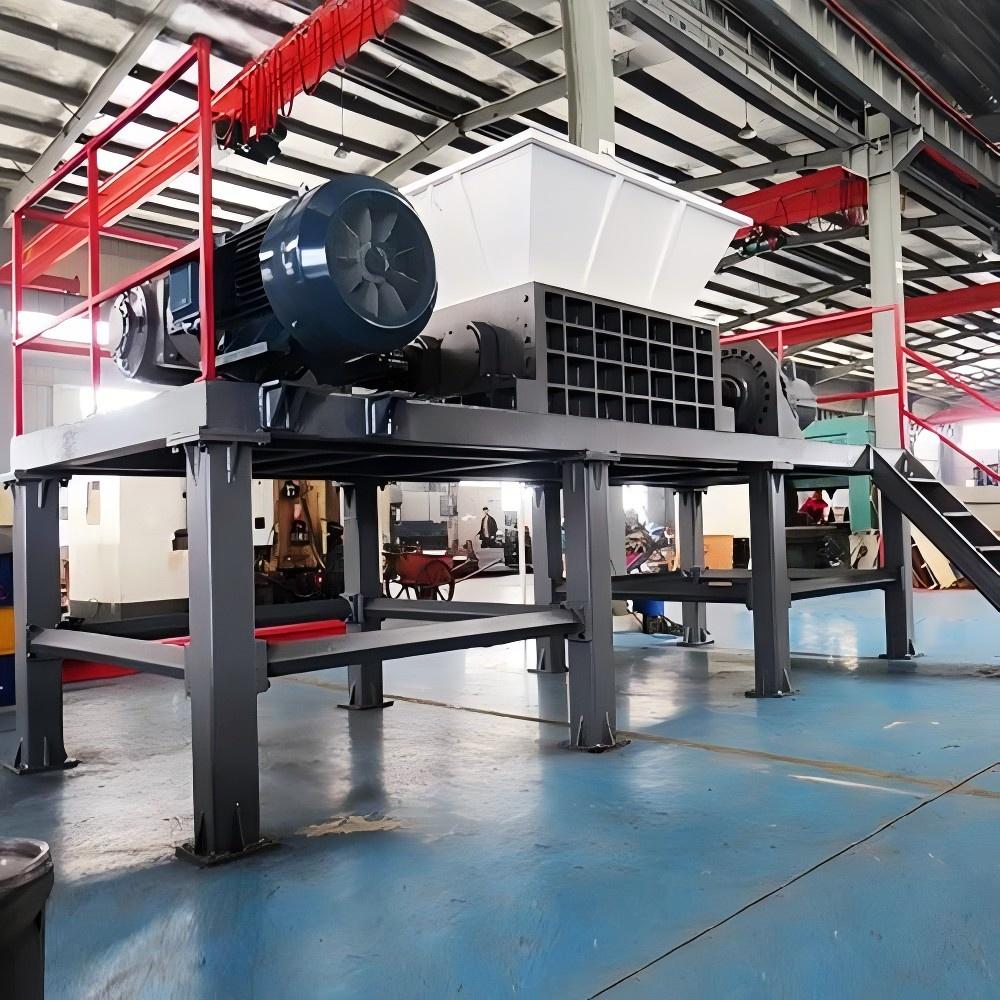
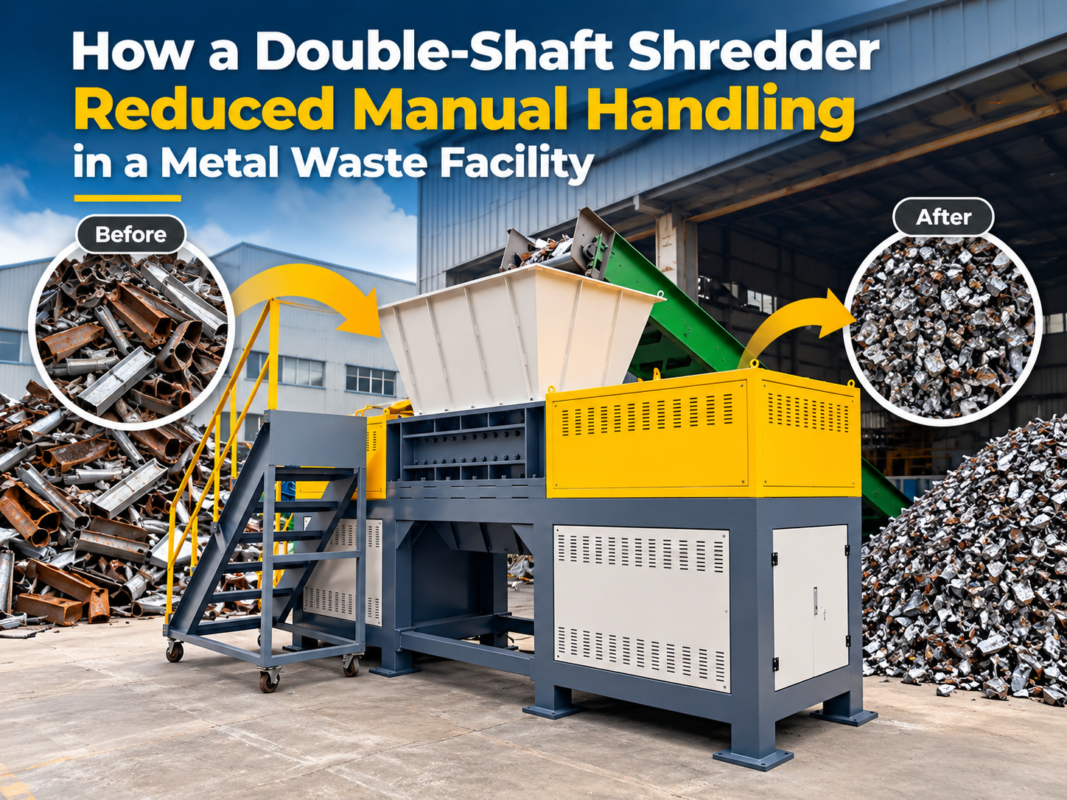
From a structural standpoint, the machine frame is usually constructed from high-strength, welded steel plates to absorb the massive vibrations and torsional stresses generated during the shredding process. The heart of the machine—the cutting chamber—is designed for easy maintenance, allowing for the replacement of individual blades or the entire shaft assembly without dismantling the entire unit. This modularity is a critical technical feature for industrial facilities where downtime translates directly into lost revenue. Furthermore, the integration of advanced PLC (Programmable Logic Controller) systems allows for automated reversing of the shafts if an unbreakable object is detected, protecting the motor and gearbox from catastrophic failure.
Core Parameters and Technical Specifications
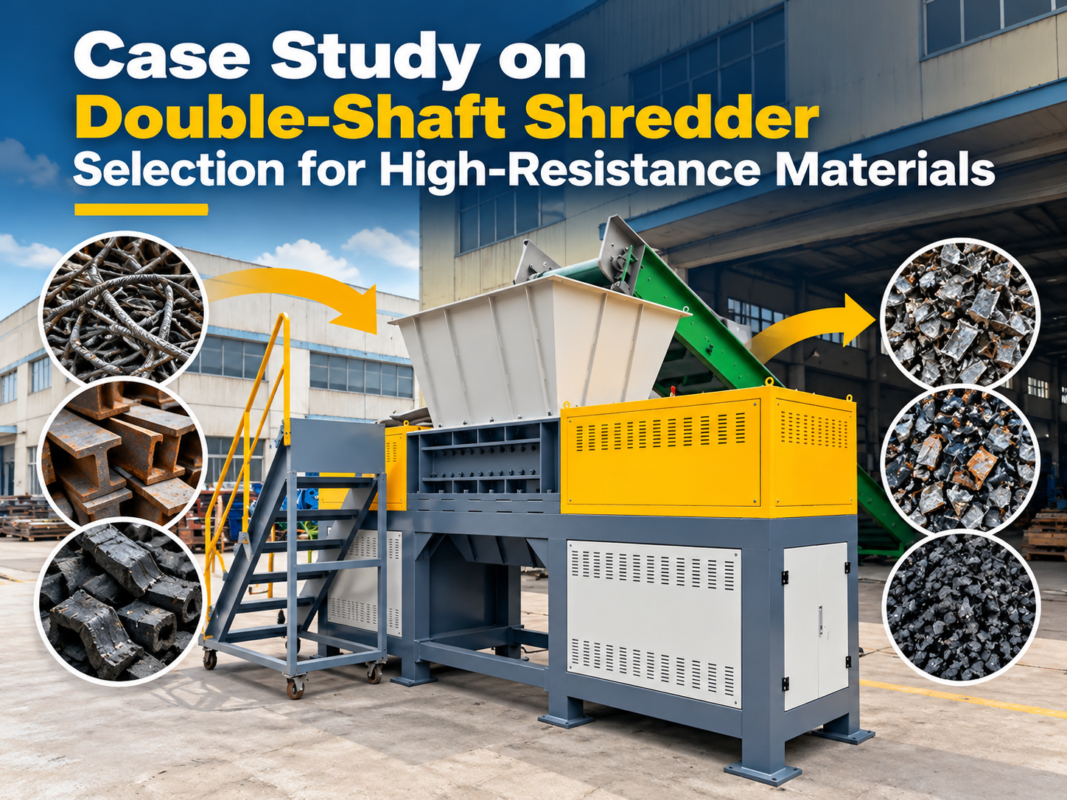
Understanding the core parameters of a double-shaft shredder is essential for optimizing performance and selecting the right equipment for specific material streams. The primary technical specifications include torque, blade geometry, shaft diameter, and motor power. Torque is perhaps the most critical factor; it determines the machine’s ability to shear through tough materials like steel reinforcement or thick-walled plastic pipes. High torque is achieved through a combination of high-power electric or hydraulic motors and multi-stage planetary gearboxes that significantly reduce the output speed while multiplying the rotational force.
Blade geometry is another vital parameter. The number of ‘hooks’ or ‘teeth’ on each blade, as well as the thickness of the blade itself, dictates the final output size of the shredded material. For instance, a blade with more hooks will provide a more aggressive bite, which is ideal for bulky items like furniture or large drums. Conversely, thinner blades are used when a smaller output fraction is required. The material of the blades is typically a high-alloy tool steel, such as D2 or SKD-11, which has been vacuum heat-treated to achieve a hardness of 55-60 HRC. This ensures a long service life and the ability to maintain a sharp cutting edge despite the abrasive nature of many waste materials.
Shaft diameter and spacing are engineered to handle specific volumetric capacities. A larger shaft diameter allows for larger bearings and a more robust drive train, which is necessary for heavy-duty applications. The spacing between the blades (the clearance) must be precisely calibrated; too much clearance leads to inefficient shearing and material ‘wrapping’ around the shafts, while too little clearance increases friction and heat generation. Modern HARSLE shredders utilize precision-machined spacers to maintain these tolerances within microns, ensuring that the shearing action remains crisp and effective throughout the life of the blades.
Calculation Method for Shredder Performance
To accurately size a double-shaft shredder for a specific application, engineers must calculate the required torque and power based on the physical properties of the material to be processed. The primary calculation involves determining the shear force required to cut through the material’s cross-section. The formula for the required torque (T) can be simplified as follows:
T = F × r
Where F is the shear force and r is the radius of the blade (from the center of the shaft to the tip of the hook). The shear force F is further defined by the material’s shear strength (τ) and the area of the cut (A):
F = τ × A
For example, if you are shredding a steel plate with a shear strength of 250 MPa and the blade is engaging a cross-sectional area of 200 mm², the force required is 50,000 Newtons. If the blade radius is 0.25 meters, the required torque at that specific point of contact is 12,500 Nm. However, since multiple blades may engage the material simultaneously, a safety factor (usually 1.5 to 2.0) is applied to account for peak loads and material inconsistencies.
Power (P) in kilowatts can then be calculated using the torque and the rotational speed (n) in RPM:
P (kW) = (T × n) / 9550
This calculation helps in selecting the appropriate motor size. If the calculated power requirement exceeds the motor’s capacity, the operator must either reduce the shaft speed (increasing torque but decreasing throughput) or opt for a more powerful drive system. At HARSLE, our technical team uses these calculations to customize the gearbox ratios and motor configurations for every client, ensuring that the machine operates within its most efficient power band while providing enough overhead to handle unexpected surges in material density.
Detailed Parameter Table
The following table provides a technical comparison of standard double-shaft shredder configurations used in various industrial sectors. Note that these values are indicative and can be customized based on specific material requirements.
| Model Series | Motor Power (kW) | Shaft Speed (RPM) | Blade Diameter (mm) | Torque (Nm) | Throughput (t/h) |
|---|---|---|---|---|---|
| HSS-800 | 30 – 45 | 15 – 25 | 300 | 15,000 – 25,000 | 1.5 – 3.0 |
| HSS-1000 | 55 – 75 | 12 – 20 | 400 | 35,000 – 50,000 | 3.0 – 6.0 |
| HSS-1200 | 90 – 110 | 10 – 18 | 450 | 60,000 – 85,000 | 6.0 – 10.0 |
| HSS-1500 | 132 – 160 | 8 – 15 | 550 | 90,000 – 120,000 | 10.0 – 20.0 |
| HSS-2000 | 200+ | 5 – 12 | 650+ | 150,000+ | 25.0+ |
Common Engineering Mistakes in Shredder Operation
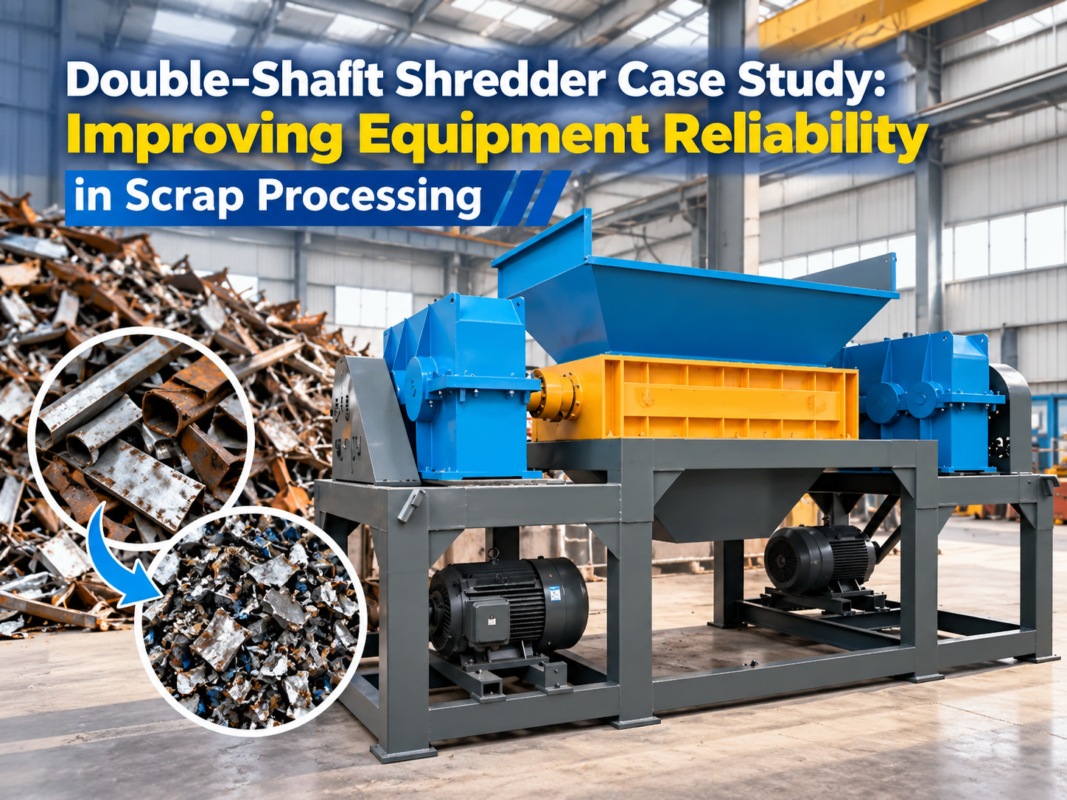
One of the most frequent engineering mistakes in the operation of double-shaft shredders is neglecting the importance of blade maintenance and gap adjustment. As blades wear down, the clearance between the interlocking teeth increases. This leads to ‘material bypass,’ where the shredder fails to cut the material and instead simply rolls it between the shafts. This not only reduces throughput but also significantly increases the heat generated by friction, which can lead to premature bearing failure or even damage to the shaft itself. Operators should implement a strict inspection schedule to check for blade rounding and ensure that spacers are tightened to the manufacturer’s specifications.
Another common error is the improper feeding of the machine. While double-shaft shredders are designed for heavy-duty work, ‘slug-feeding’ (dumping a massive, concentrated load all at once) can create instantaneous torque spikes that exceed the structural limits of the gearbox or the shear pins. A consistent, metered feed is always preferable. Furthermore, ignoring the presence of ‘unshreddables’—such as massive solid steel shafts or large chunks of hardened tool steel—can cause catastrophic damage. While PLC-controlled auto-reverse functions provide a safety net, they should not be relied upon as a primary method of material sorting.
Finally, many facilities fail to account for the thermal expansion of the shafts during prolonged operation. In high-capacity environments, the friction generated during the shredding process can raise the temperature of the shafts and blades significantly. If the cooling system (if equipped) is inadequate or if the machine is not allowed to reach a stable operating temperature before full-load processing begins, the resulting thermal expansion can reduce the clearances to zero, causing the blades to gall or seize. Proper lubrication of the bearings with high-temperature grease and ensuring adequate ventilation around the drive motors are essential steps that are often overlooked.
Selection Checklist for Industrial Buyers
Choosing the right double-shaft shredder requires a systematic evaluation of your operational needs. Use the following checklist to ensure all technical bases are covered:
- Material Characterization: Define the toughest material the machine will encounter. Is it elastic (rubber), brittle (glass/hard plastic), or ductile (metal)? This determines the blade hook profile.
- Output Size Requirements: Do you need a rough shred for volume reduction or a specific size for downstream processing? This dictates blade thickness and the number of hooks.
- Throughput Volume: Calculate your required tons per hour. Ensure the motor power and hopper size can accommodate this volume without constant overloading.
- Drive System Choice: Decide between electric drives (more energy-efficient, easier maintenance) or hydraulic drives (better for handling extreme shock loads and variable speeds).
- Blade Material and Coating: For abrasive materials like glass-filled plastics or sandy tires, consider specialized coatings or higher-grade alloys to extend blade life.
- Maintenance Accessibility: Ensure the machine design allows for easy access to the cutting chamber. Can the shafts be removed vertically or horizontally?
- Control System Features: Look for PLCs with remote monitoring capabilities, data logging for torque peaks, and customizable auto-reverse logic.
- Safety Compliance: Verify that the machine meets local safety standards, including emergency stop placement, hopper guarding, and lockout/tagout provisions.
Frequently Asked Questions (FAQ)
1. What is the main advantage of a double-shaft shredder over a single-shaft shredder?
The main advantage is the ability to handle bulky, hollow, and mixed materials more effectively. Double-shaft shredders use a high-torque shearing action that ‘grabs’ material better than single-shaft units, which often require a hydraulic ram to push material against the rotor. Double-shaft machines are generally better for primary shredding and volume reduction of large items like drums, tires, and furniture.
2. How often do the blades need to be sharpened or replaced?
Blade life depends entirely on the material being processed. For clean plastics, blades may last thousands of hours. For abrasive materials like scrap metal or contaminated tires, they may need attention every 500-1,000 hours. Many HARSLE blades are designed to be weld-repaired and reground several times before a full replacement is necessary, significantly lowering the total cost of ownership.
3. Can a double-shaft shredder handle wet materials?
Yes, double-shaft shredders are quite capable of handling wet or contaminated materials. However, it is crucial to ensure that the bearings are properly sealed (often using multi-labyrinth seals) and that the drive system is protected from moisture. If the material is highly corrosive, stainless steel components or specialized coatings may be required for the cutting chamber.
4. What happens if a piece of solid steel enters the shredder?
Modern double-shaft shredders are equipped with PLC-controlled sensors that monitor the motor current or hydraulic pressure. If a sudden spike is detected (indicating an unshreddable object), the machine will automatically stop and reverse the shafts to dislodge the object. If the object remains stuck after several attempts, the machine will shut down and trigger an alarm for manual intervention.
5. Is it possible to control the final particle size?
In a standard double-shaft shredder, the width of the blades determines one dimension of the output, and the hook reach determines the other. While not as precise as a granulator with a screen, you can achieve a relatively consistent size by selecting the appropriate blade configuration. For very specific sizing, a double-shaft shredder is often used as a primary shredder, followed by a secondary granulator or refiner.
6. What kind of maintenance is required for the gearbox?
The gearbox is the most stressed component of the drive train. Regular maintenance includes monitoring oil levels, performing oil analysis to check for metal shavings (indicating gear wear), and ensuring that the cooling system is functioning. High-quality synthetic gear oil is recommended to handle the high pressures and temperatures generated during heavy-duty shredding cycles.