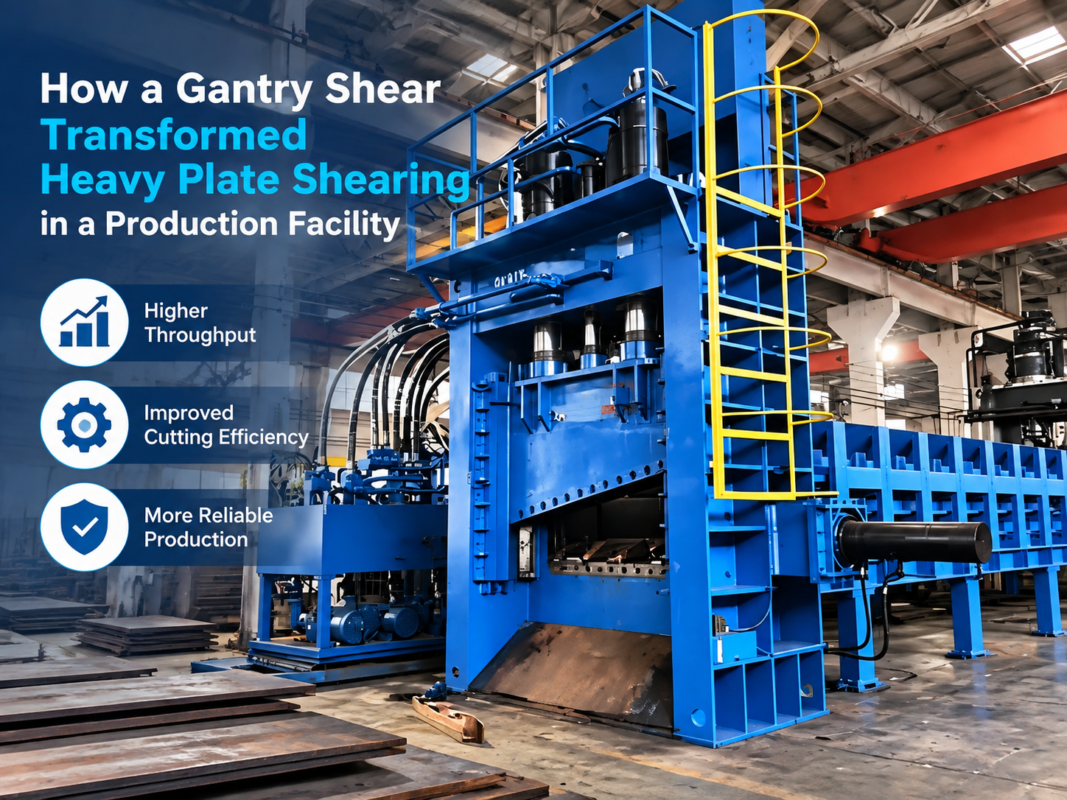
How to Set Up a Gantry Shear for Efficient Plate Cutting: A Comprehensive Technical Guide

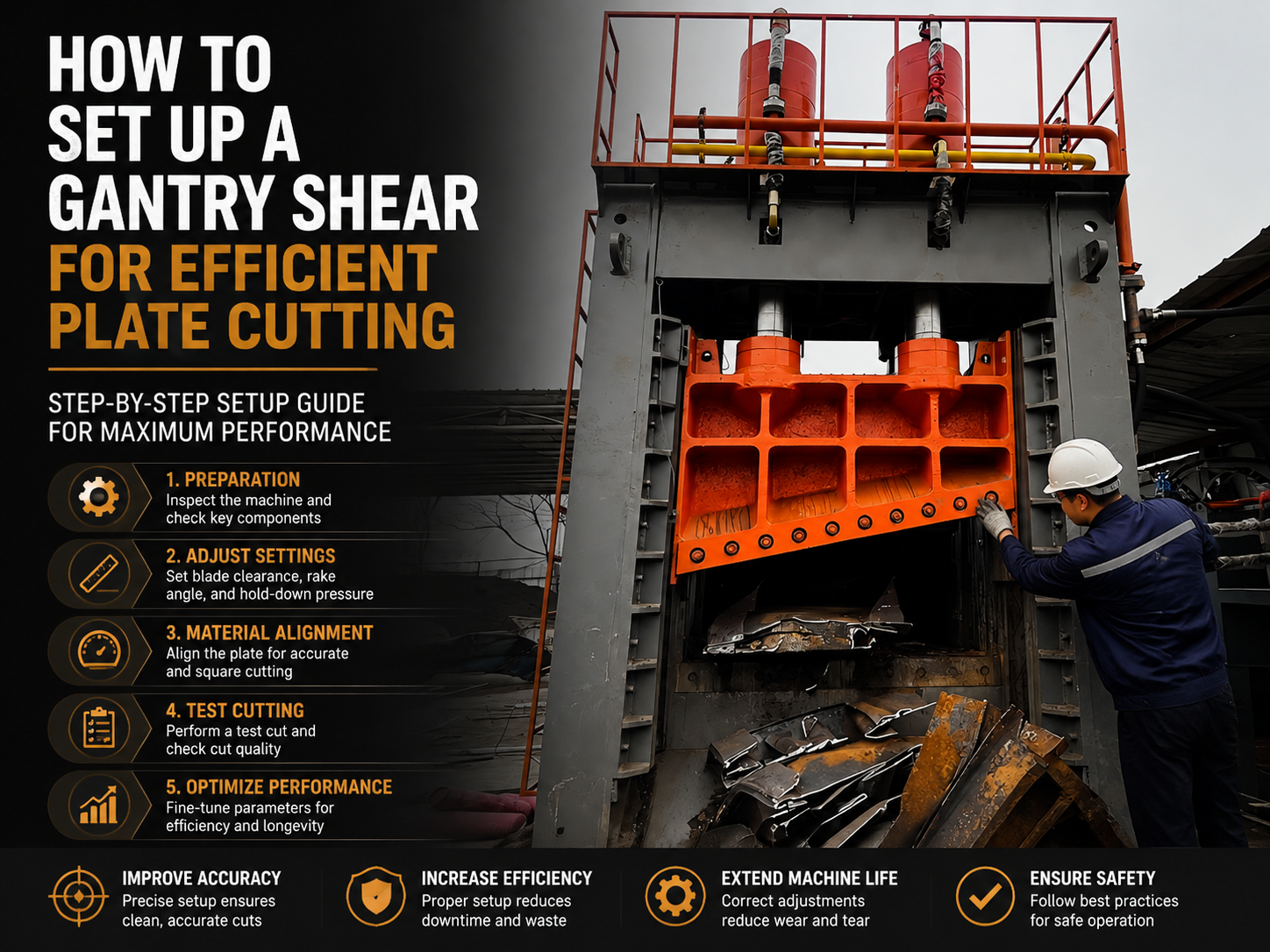
Technical Overview of Gantry Shear Systems
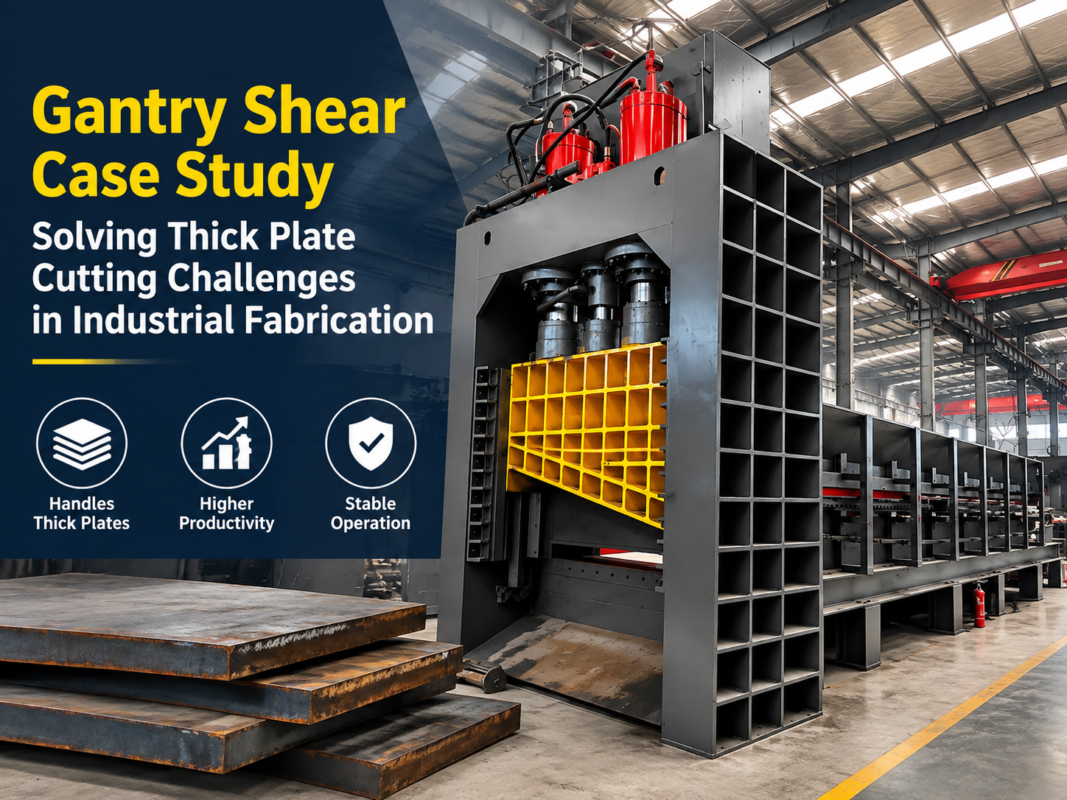
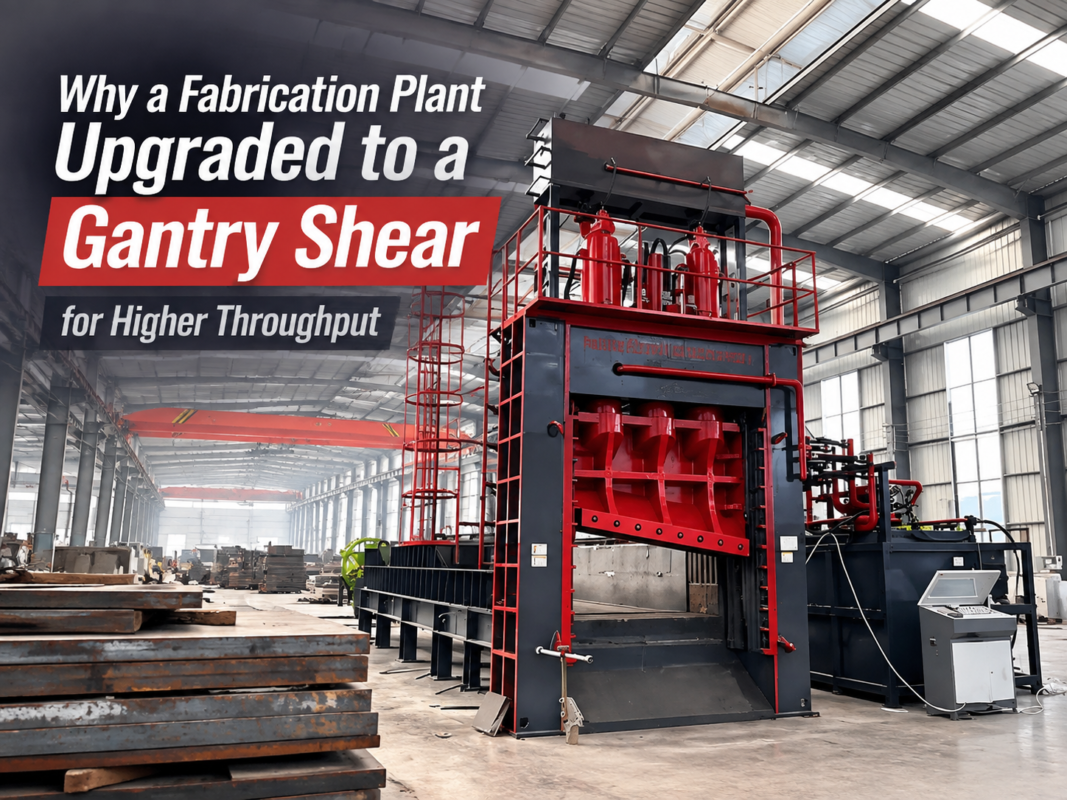
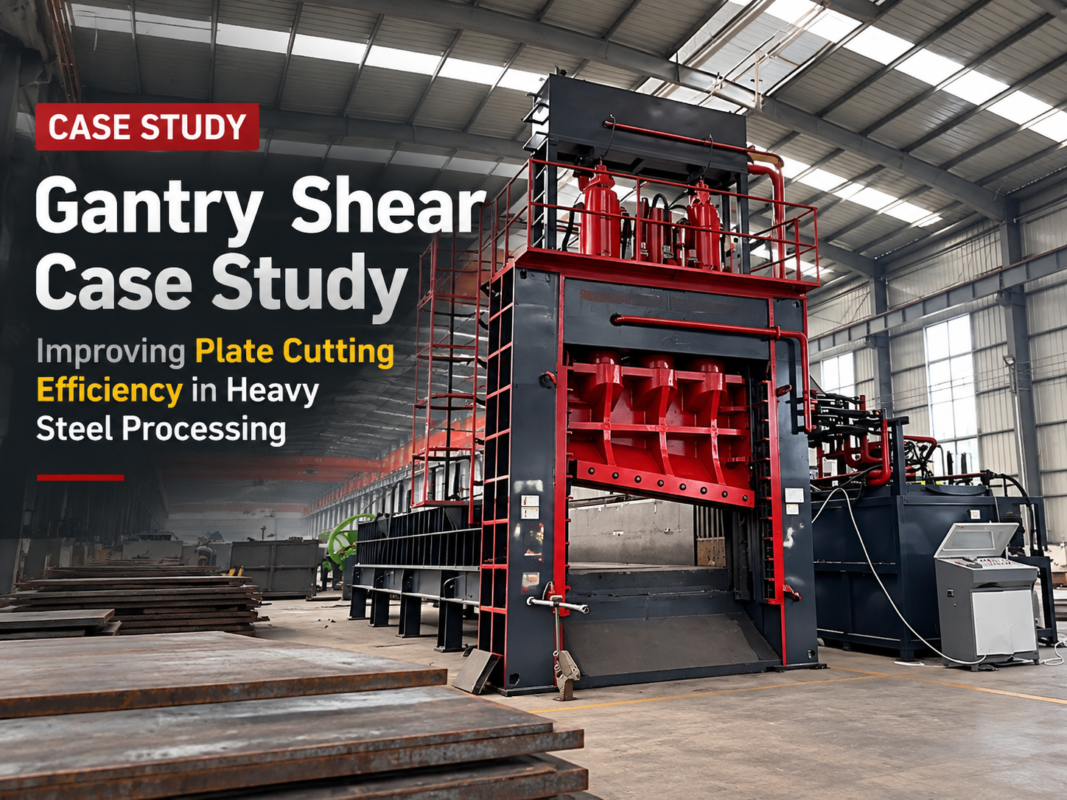
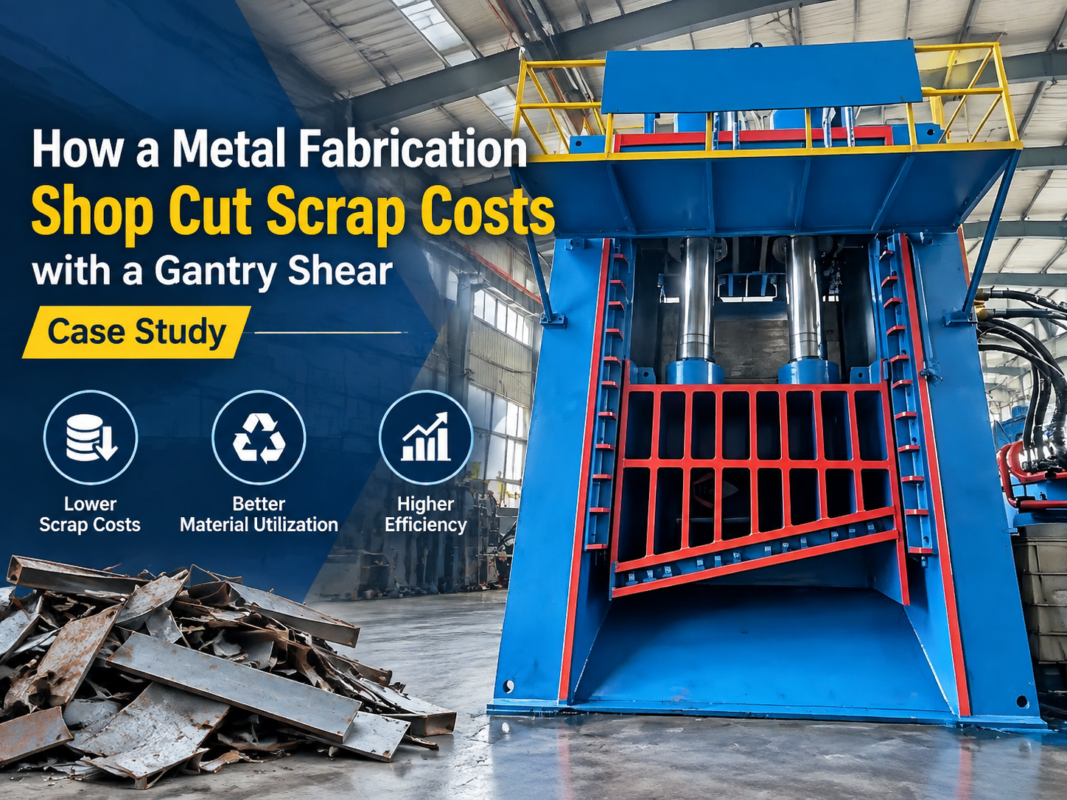
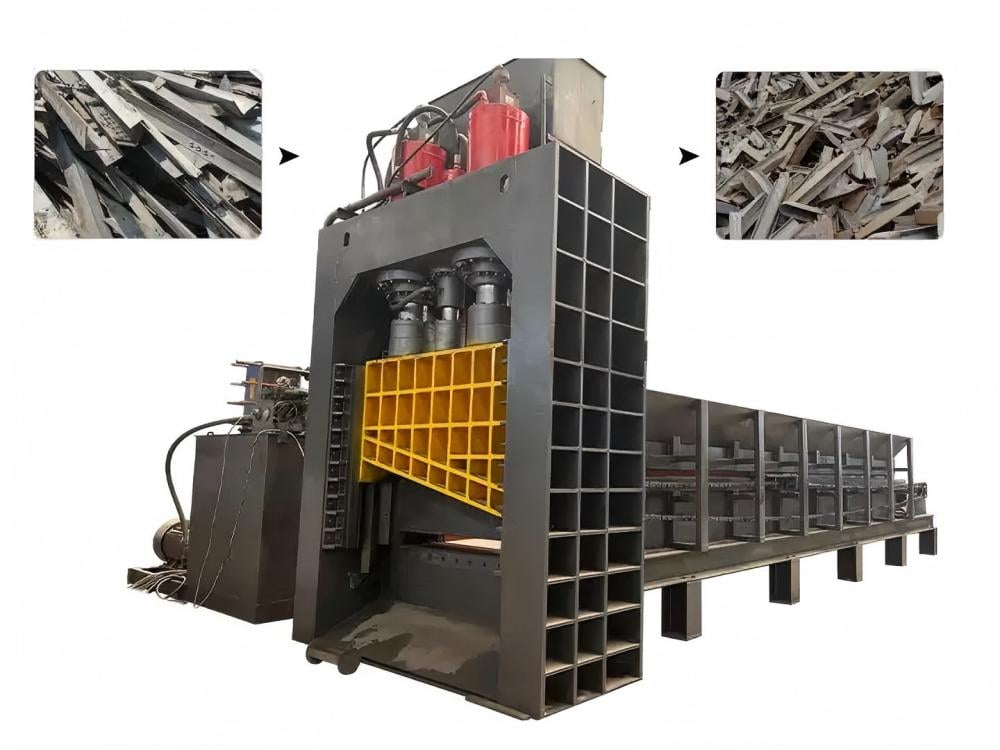
The gantry shear is a cornerstone of heavy-duty metal fabrication and scrap processing. Unlike smaller swing-beam or guillotine shears, the gantry shear is designed for high-tonnage applications, capable of processing thick steel plates, structural beams, and large-scale industrial scrap. To Set Up A Gantry Shear Efficient Plate Cutting operation, one must first understand the structural integrity of the machine. The ‘gantry’ design refers to the bridge-like structure that houses the upper blade carrier, providing immense rigidity and ensuring that the cutting force is distributed vertically and evenly across the workpiece.
Modern gantry shears, such as those manufactured by HARSLE, utilize advanced hydraulic systems to drive the cutting ram. These systems are characterized by high-pressure cylinders, precision manifold blocks, and sophisticated PLC (Programmable Logic Controller) interfaces. The technical advantage of a gantry shear lies in its ability to maintain a constant cutting angle throughout the stroke, which minimizes plate distortion and maximizes the life of the blades. When you set up a gantry shear for efficient plate cutting, you are essentially synchronizing the mechanical alignment with hydraulic timing.
Efficiency in plate cutting is not merely about speed; it is about the quality of the edge, the reduction of secondary processing, and the longevity of the machine components. A poorly configured gantry shear will result in excessive burrs, rapid blade wear, and unnecessary strain on the hydraulic pumps. Therefore, the setup process involves a meticulous calibration of the blade gap, the stroke length, and the material positioning systems. By focusing on these technical nuances, operators can achieve a throughput that meets industrial demands while maintaining a safe working environment.
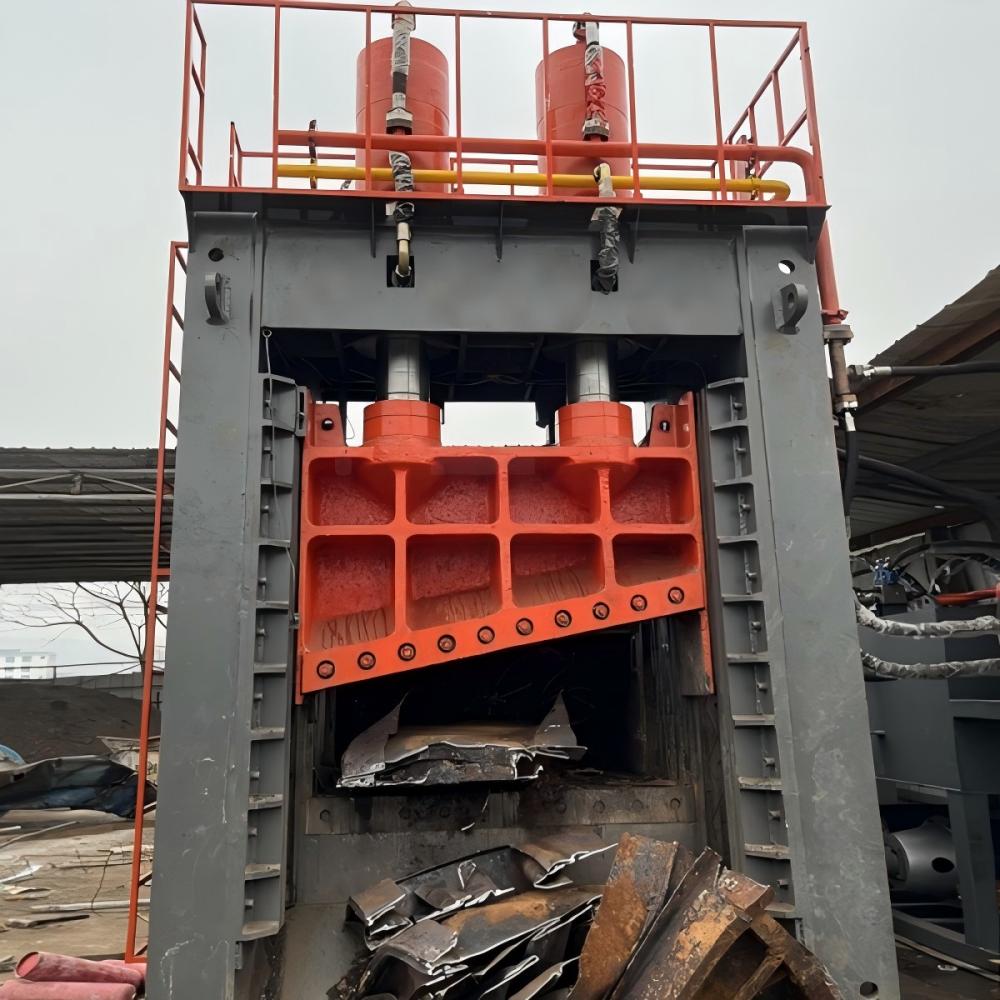
Furthermore, the integration of automated feeding systems, such as vibrating conveyors or hydraulic pushers, plays a vital role in the overall setup. These auxiliary components must be aligned with the shear’s throat to ensure that the material enters the cutting zone at the correct orientation. In the following sections, we will delve into the specific parameters and calculations required to optimize this powerful machinery for peak performance.
Core Parameters for Optimal Setup
To successfully Set Up A Gantry Shear Efficient Plate Cutting workflow, several core parameters must be precisely adjusted. The first and most critical parameter is the Blade Gap (Clearance). The gap between the upper and lower blades must be adjusted based on the thickness and tensile strength of the material being cut. If the gap is too narrow, the blades will experience excessive friction and potential chipping; if it is too wide, the material will ‘fold’ or ‘tear’ rather than shear, leading to a heavy burr and poor edge quality.
The second parameter is the Cutting Angle (Rake Angle). While many gantry shears have a fixed angle for maximum stability, some high-end models allow for adjustment. A higher rake angle reduces the required shearing force, allowing the machine to cut thicker materials than its nominal capacity might suggest. However, a high rake angle can also cause the plate to twist or bow. For efficient plate cutting, the angle should be set to the lowest possible value that still allows the machine to complete the cut without exceeding its hydraulic pressure limits.
Thirdly, the Hold-down Pressure is essential for stability. Before the blades engage the metal, hydraulic hold-down cylinders must secure the plate firmly against the table. If the hold-down pressure is insufficient, the plate may shift during the cut, leading to inaccurate dimensions and potential damage to the backgauge. Conversely, excessive pressure can mar the surface of sensitive materials. Balancing this pressure is a key step in the setup process, particularly when dealing with varying material grades.
Finally, the Stroke Length should be optimized for the width of the material. There is no need for the ram to travel its full distance if you are only cutting narrow strips. By adjusting the stroke limit switches or PLC settings, you can reduce cycle times significantly. This optimization is a hallmark of an efficient setup, as it reduces energy consumption and minimizes wear on the hydraulic seals and guides.
Calculation Method for Shearing Force and Blade Gap
Engineering a precise cut requires more than intuition; it requires mathematical accuracy. To Set Up A Gantry Shear Efficient Plate Cutting routine, operators should use standard formulas to determine the required shearing force (F). The general formula for shearing force is:
F = 0.5 × L × T² × UTS / (tan(α))
Where:
L = Length of the cut (mm)
T = Thickness of the material (mm)
UTS = Ultimate Tensile Strength of the material (N/mm²)
α = Rake Angle of the blade
By calculating the force, you can ensure that the gantry shear is operating within its 80% load capacity, which is the ‘sweet spot’ for machine longevity. If the calculated force exceeds the machine’s rating, you must either increase the rake angle or reduce the length of the cut per stroke.
Regarding the Blade Gap Calculation, a common rule of thumb for mild steel is to set the gap at 7% to 10% of the material thickness. For harder materials like stainless steel, the gap should be tighter (around 5% to 6%), whereas for softer materials like aluminum, a slightly wider gap (10% to 12%) may be necessary to prevent material buildup on the blade edges. Precise adjustment of the blade gap is typically performed using a feeler gauge or an electronic adjustment dial provided on HARSLE gantry shears.
Parameter Table for Different Material Grades
The following table provides a reference guide for setting up your gantry shear based on common industrial materials. These values are optimized for a standard 20mm capacity gantry shear.
| Material Type | Thickness (mm) | Recommended Blade Gap (mm) | Rake Angle (Degrees) | Shear Strength (MPa) |
|---|---|---|---|---|
| Mild Steel (A36) | 10 | 0.7 – 0.9 | 1.5 – 2.0 | 400 |
| Mild Steel (A36) | 20 | 1.4 – 1.8 | 2.5 – 3.0 | 400 |
| Stainless Steel (304) | 10 | 0.5 – 0.6 | 2.0 – 2.5 | 520 |
| Stainless Steel (304) | 16 | 0.8 – 1.0 | 3.0 – 3.5 | 520 |
| Aluminum (6061) | 10 | 1.0 – 1.2 | 1.0 – 1.5 | 200 |
| Hardened Scrap Steel | 12 | 1.0 – 1.3 | 3.0 – 4.0 | 600+ |
Note: Always refer to the specific machine manual provided by HARSLE, as hydraulic pressures and frame rigidity can influence these recommended settings.
Common Engineering Mistakes in Gantry Shear Setup
Even experienced operators can make mistakes when they Set Up A Gantry Shear Efficient Plate Cutting operation. One of the most common errors is neglecting the foundation and leveling. A gantry shear exerts massive downward forces. If the machine is not perfectly level on a reinforced concrete pad, the frame can flex slightly during high-tonnage cuts. This flex leads to blade misalignment, which causes uneven wear and can eventually crack the blade seats.
Another frequent mistake is improper hydraulic oil management. Hydraulic shears rely on the viscosity and cleanliness of the oil to maintain consistent pressure. Using the wrong grade of oil or failing to change filters can lead to ‘spongy’ ram movement or overheating. Overheating causes the oil to thin, which changes the timing of the hold-downs and the shear ram, resulting in inconsistent cut quality. Always monitor the oil temperature and ensure the cooling system is functioning during high-volume shifts.
Incorrect Blade Rotation is also a significant issue. Most gantry shear blades have four cutting edges. Operators often wait too long to rotate the blades, leading to rounded edges. Cutting with dull blades increases the required shearing force by up to 30%, putting unnecessary strain on the motor and pump. A proactive maintenance schedule that includes regular blade inspection and rotation is essential for maintaining efficiency.
Finally, many fail to calibrate the backgauge after changing blade sets. Even a 1mm discrepancy in the backgauge zero-point can lead to significant material waste over a production run. Whenever blades are sharpened or replaced, the ‘zero’ position must be mechanically and electronically verified to ensure the accuracy of the plate dimensions.
Selection Checklist for Efficient Plate Cutting
When selecting or preparing to Set Up A Gantry Shear Efficient Plate Cutting system, use this checklist to ensure all technical requirements are met:
- Tonnage Capacity: Does the machine have at least 20% overhead capacity for your thickest material?
- Blade Material: Are the blades made of high-chromium (Cr12MoV) or similar shock-resistant tool steel?
- Hydraulic Logic: Does the system feature a rapid-return valve to minimize idle time?
- Control System: Is the PLC capable of storing multiple programs for different plate thicknesses?
- Safety Features: Are light curtains, emergency stops, and hydraulic interlocks fully operational?
- Lubrication: Is the automatic lubrication system reaching all the slide-ways and pivot points?
- Throat Depth: Is the throat deep enough to accommodate the maximum plate width required for your projects?
- Cooling System: Is there an integrated air or water cooler for the hydraulic fluid to support continuous operation?
Frequently Asked Questions (FAQ)
1. How often should I check the blade gap on my gantry shear?
The blade gap should be checked at the start of every shift and whenever you change the material thickness or type. Even if you are cutting the same material, vibration over time can cause slight shifts in the adjustment mechanism. Regular checks prevent burrs and protect the blades.
2. Why is my gantry shear making a loud ‘banging’ noise during the cut?
A loud banging noise usually indicates that the blade gap is too wide, causing the material to fracture suddenly rather than shear smoothly. It could also mean the hold-downs are not engaging before the blade, allowing the plate to ‘kick’ upward. Check your hydraulic timing and gap settings immediately.
3. Can I cut stainless steel on a shear designed for mild steel?
Yes, but you must derate the machine’s capacity. Stainless steel is much harder and has a higher tensile strength. Generally, a shear rated for 20mm mild steel should only cut up to 12-14mm of stainless steel. You must also tighten the blade gap to ensure a clean shear.
4. What is the best way to extend the life of my shear blades?
The best way to extend blade life is to maintain the correct gap, ensure the material is clean (free of sand, scale, or weld slag), and never exceed the machine’s rated capacity. Additionally, keeping the blades lubricated and rotating them as soon as the edge shows signs of rounding will maximize their lifespan.
5. How does the rake angle affect the quality of the cut?
A higher rake angle makes it easier for the machine to cut thick metal but increases the ‘twist’ in the off-cut piece. If you are cutting narrow strips, a high rake angle will cause them to curl like a corkscrew. For flat, high-quality plates, use the lowest rake angle possible.
6. What type of hydraulic oil is recommended for HARSLE gantry shears?
Most HARSLE gantry shears use ISO VG 46 or VG 68 anti-wear hydraulic oil. The specific grade depends on your ambient operating temperature. In colder climates, VG 46 is preferred for better flow, while in hotter environments, VG 68 provides better viscosity stability.