Comprehensive Guide: How to Reduce Wear and Extend the Service Life of a Container Shear

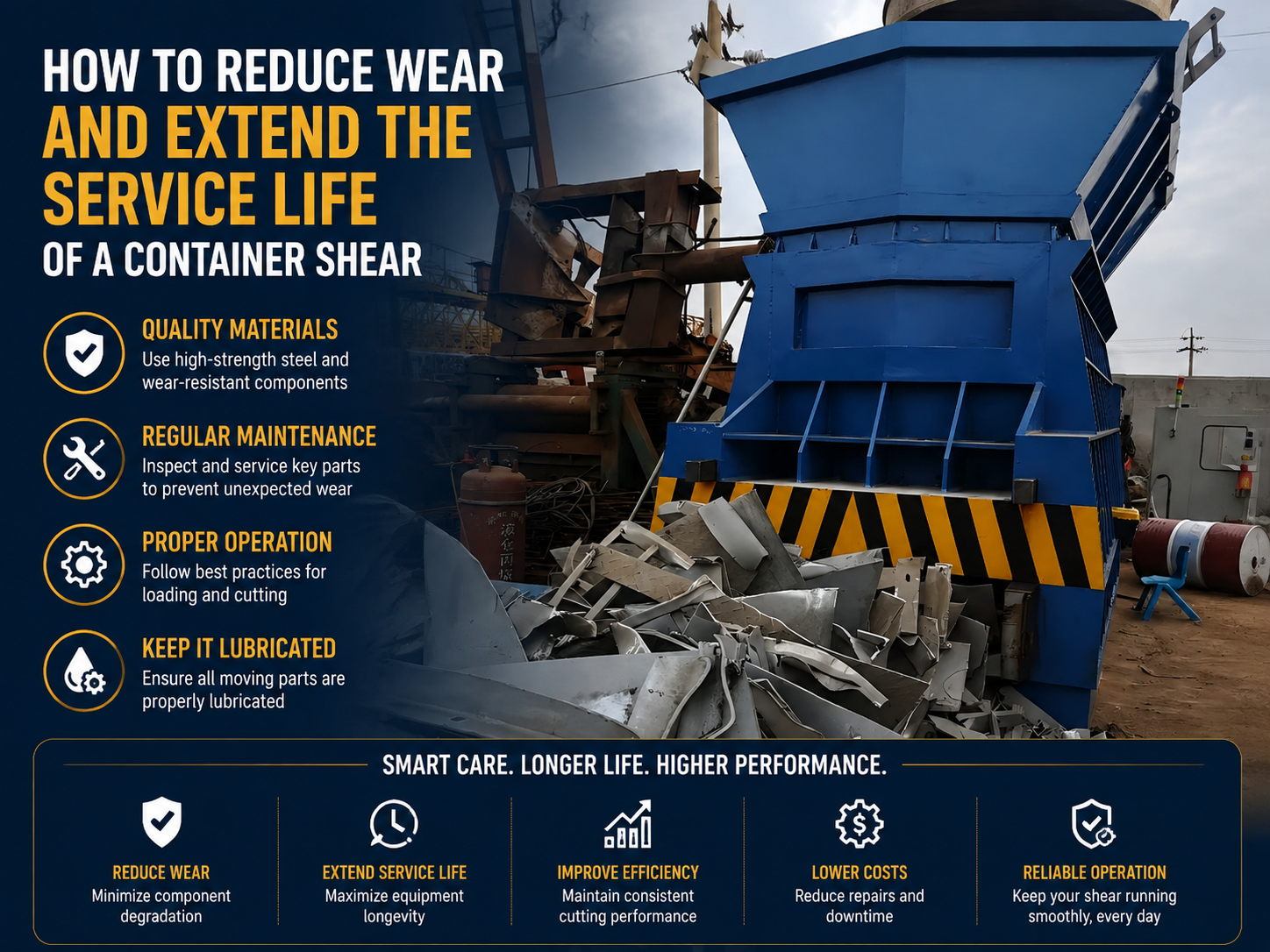
Technical Overview of Container Shear Longevity
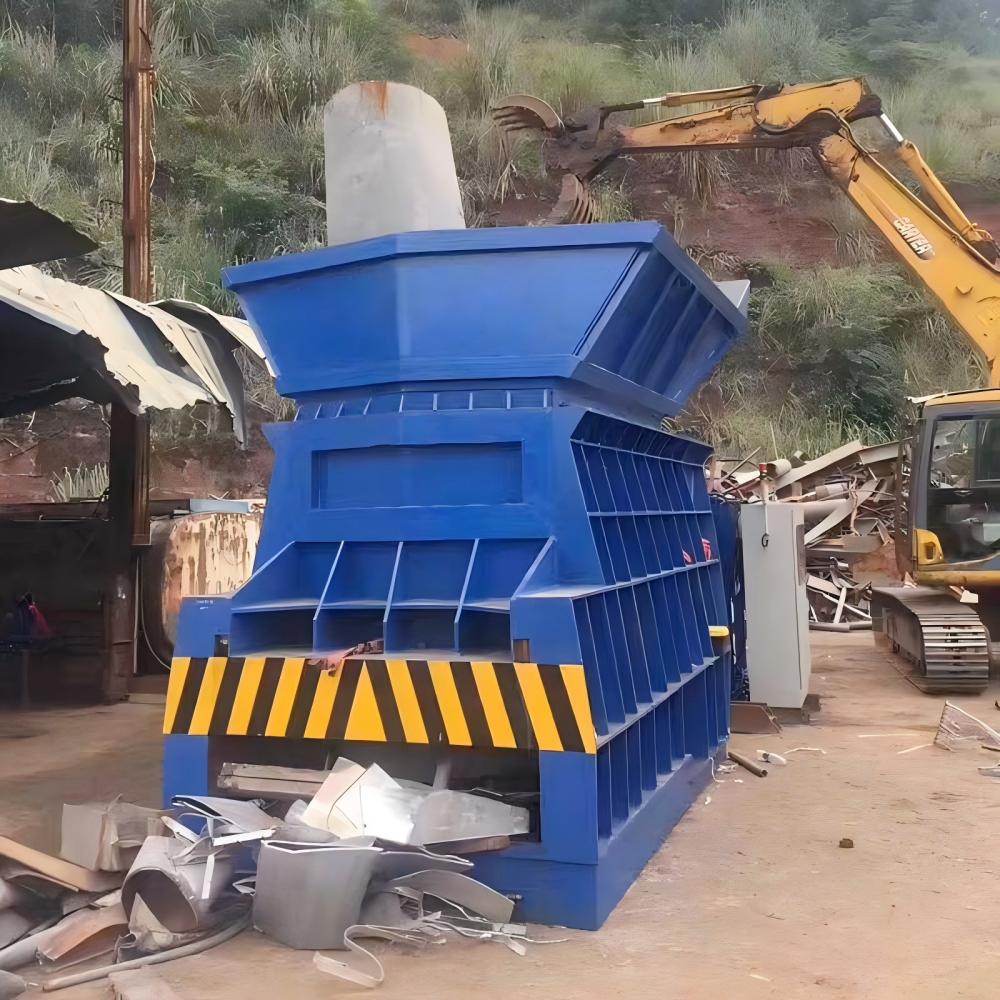
In the demanding world of scrap metal processing, the container shear stands as a cornerstone of efficiency. These massive machines are designed to process large volumes of metal scrap, transforming bulky materials into manageable, high-density pieces suitable for smelting. However, the sheer force required to cut through structural steel, pipes, and heavy plates subjects the machine to extreme mechanical stress. Understanding how to reduce wear and extend the service life of a container shear is not merely a matter of maintenance; it is a critical strategy for maximizing Return on Investment (ROI) and ensuring operational safety.
The primary wear factors in a container shear include abrasive wear on the cutting blades, hydraulic fatigue within the cylinders, and structural stress on the main frame. Because these machines operate in environments filled with dust, scale, and metal fragments, contamination is a constant threat. A proactive approach to wear reduction involves a combination of precision engineering, high-quality consumables, and disciplined operational protocols. By addressing these factors, operators can significantly decrease downtime and prevent catastrophic failures that often result from neglected minor issues.
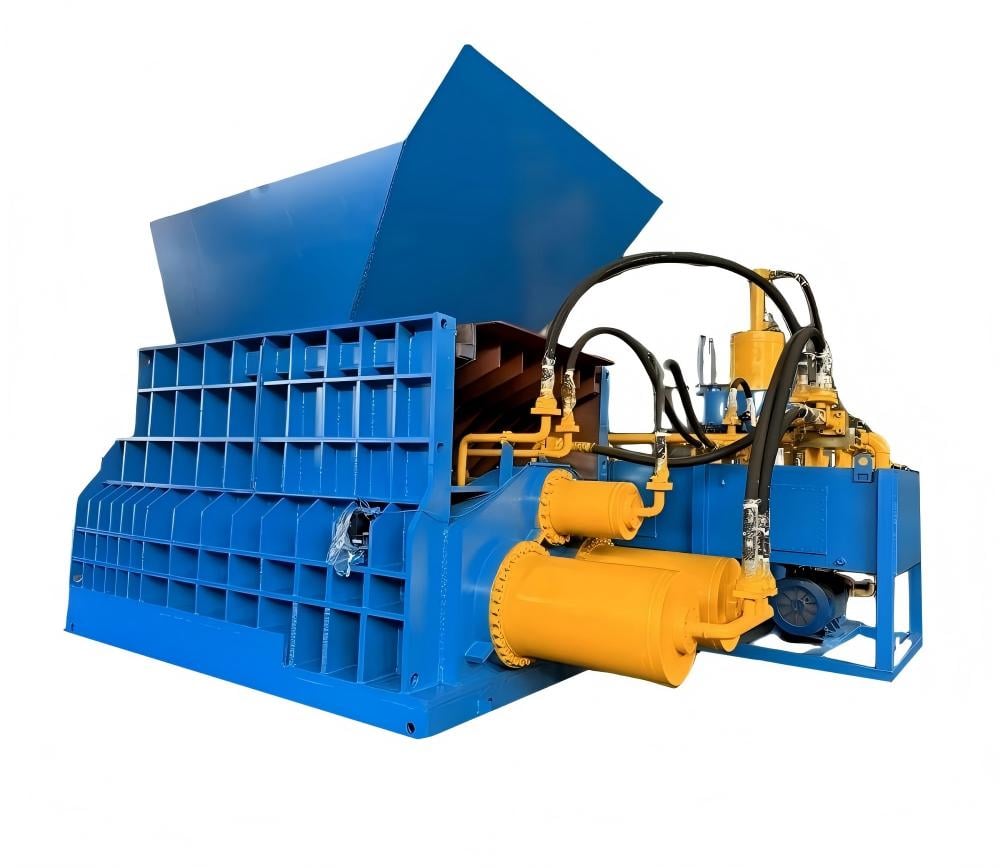
HARSLE container shears are engineered with durability in mind, utilizing high-strength alloys and advanced hydraulic circuits. However, even the most robust machine requires careful management to reach its full potential lifespan. This guide explores the technical nuances of wear patterns and provides actionable insights into maintaining the structural and functional integrity of your equipment over decades of service.
Core Parameters Influencing Machine Wear
To effectively reduce wear and extend the service life of a container shear, one must first understand the core parameters that dictate its performance. These parameters are the ‘vital signs’ of the machine, and any deviation from their optimal ranges can accelerate the degradation of internal components.
1. Cutting Force and Pressure Settings
The cutting force is the primary driver of work, but it is also the primary driver of wear. Operating at maximum pressure constantly can lead to seal failure and structural fatigue. It is essential to match the pressure settings to the material being processed. Over-pressurizing the system to cut material that exceeds the machine’s rated capacity is the fastest way to induce premature wear in the hydraulic pumps and cylinders.
2. Cycle Time and Heat Generation
Efficiency is often measured by cycle time, but rapid cycling generates significant heat. High temperatures thin the hydraulic oil, reducing its lubricating properties and leading to increased friction between moving parts. Monitoring the oil temperature and ensuring the cooling system is functioning optimally is paramount for protecting the hydraulic manifold and valves.
3. Blade Clearance and Alignment
The gap between the upper and lower blades is a critical parameter. If the clearance is too wide, the material will ‘fold’ rather than cut, creating immense lateral pressure on the shear head and guides. If it is too tight, the blades may clash, leading to chipping or catastrophic breakage. Regular measurement and adjustment of blade clearance are mandatory for extending the life of both the blades and the shear housing.
4. Filtration and Oil Cleanliness
Hydraulic systems are sensitive to microscopic contaminants. In a scrap yard environment, metal dust and grit can easily enter the system. The ISO 4406 cleanliness code should be strictly adhered to. High-quality filtration systems that capture particles down to 5-10 microns are necessary to prevent abrasive wear on pump pistons and valve spools.
Calculation Method for Operational Optimization
Optimizing the operation of a container shear requires a basic understanding of the physics at play. By calculating the required force and monitoring energy consumption, operators can avoid overloading the machine. The following calculation methods are essential for technical staff to ensure the machine stays within its design limits.
Shear Force Calculation
The theoretical shear force (F) required to cut a piece of metal can be calculated using the formula:
F = L × S × τ
Where:
– L is the length of the cut (mm).
– S is the thickness of the material (mm).
– τ is the shear strength of the material (N/mm²).
By calculating this before processing unfamiliar or exceptionally thick scrap, operators can determine if the container shear’s rated capacity is sufficient. If the calculated force exceeds 80% of the machine’s maximum capacity on a regular basis, it is advisable to pre-process the material or use a larger shear to reduce wear and extend the service life of a container shear.
Hydraulic Efficiency and Heat Load
The heat generated by the hydraulic system can be estimated to ensure the cooling system is adequate. Excessive heat is a sign of internal leakage or friction. Monitoring the temperature delta (ΔT) between the reservoir and the return line can help identify failing components before they cause a total system breakdown.
Container Shear Technical Parameter Table
The following table outlines the standard specifications for HARSLE container shears, providing a benchmark for operational limits and maintenance planning.
| Model Series | Shear Force (Tons) | Max Material Thickness (mm) | Cycle Time (s) | Motor Power (kW) | Blade Length (mm) |
|---|---|---|---|---|---|
| HCS-630 | 630 | 70 (Mild Steel) | 15-20 | 90 | 1200 |
| HCS-800 | 800 | 90 (Mild Steel) | 18-25 | 110 | 1500 |
| HCS-1000 | 1000 | 110 (Mild Steel) | 20-30 | 150 | 1800 |
| HCS-1250 | 1250 | 130 (Mild Steel) | 25-35 | 185 | 2000 |
Common Engineering Mistakes in Container Shear Operation
Even experienced operators can fall into habits that inadvertently damage the equipment. Identifying and correcting these common engineering and operational mistakes is vital to reduce wear and extend the service life of a container shear.
- Neglecting Blade Rotation: Container shear blades are typically four-sided. Many operators wait until the blade is completely rounded before rotating it. This forces the hydraulic system to work harder. Rotating the blades as soon as the edge shows signs of dulling maintains cutting efficiency and reduces stress.
- Improper Lubrication of Guideways: The shear head moves along heavy-duty guideways. If these are not lubricated with the correct extreme-pressure (EP) grease, the friction will cause galling and scoring of the surfaces, leading to expensive structural repairs.
- Ignoring Hydraulic Oil Color and Odor: Dark, burnt-smelling oil indicates oxidation and thermal breakdown. Continuing to operate with degraded oil will destroy seals and cause internal erosion in the pumps.
- Processing Unsortable Scrap: Attempting to shear hardened shafts, large engine blocks, or high-manganese steel that exceeds the machine’s hardness rating can cause immediate blade chipping and hydraulic spikes.
- Inconsistent Bolt Torquing: The vibrations from heavy shearing can loosen the bolts holding the blades and the main frame. If these are not checked and re-torqued regularly, the resulting ‘play’ will cause rapid wear of the bolt holes and misalignment.
Selection Checklist for Longevity and Durability
When purchasing or upgrading a container shear, certain features are non-negotiable if you want to ensure a long service life. Use this checklist to evaluate your options:
- Automatic Lubrication System: Does the machine include a centralized, automated system to ensure all pivot points and guides receive grease at the correct intervals?
- Advanced Cooling Capacity: Is the oil cooler sized for continuous operation in your specific climate? Look for oversized heat exchangers if operating in hot environments.
- High-Grade Blade Material: Ensure the blades are made from premium shock-resistant tool steel (like Cr12MoV or similar) that can withstand the impact of scrap processing.
- Robust Filtration: Does the machine have multi-stage filtration, including suction strainers and high-pressure return line filters?
- Smart Control Systems: Does the PLC include overload protection and real-time monitoring of pressure and temperature?
- Frame Construction: Is the frame stress-relieved after welding? A stress-relieved frame is much less likely to crack under the repetitive loading of a shear.
Frequently Asked Questions (FAQ)
How often should I change the hydraulic oil in my container shear?
Generally, hydraulic oil should be changed every 2,000 to 4,000 operating hours. However, this should be guided by regular oil analysis. If the analysis shows high levels of metal particles or moisture, the oil must be changed immediately, and the source of contamination investigated.
What is the best way to prevent blade chipping?
To prevent chipping, ensure the blade clearance is set correctly according to the material thickness. Additionally, avoid shearing materials that are harder than the blades themselves, such as certain types of stainless steel or hardened tool steels, without proper pre-heating or specialized blades.
Why is my container shear losing cutting power?
Loss of power is usually attributed to three things: internal leakage in the hydraulic cylinders (bypassing seals), a worn-out hydraulic pump that can no longer reach peak pressure, or extremely dull blades that require more force than the machine can provide. Check the system pressure with a manual gauge to diagnose the root cause.
Can I use any type of grease for the guideways?
No. You must use a high-quality Lithium-based grease with Extreme Pressure (EP) additives. The pressure between the shear head and the guides is immense, and standard grease will be squeezed out, leading to metal-on-metal contact.
How does temperature affect the service life of the shear?
High temperatures (above 60°C) accelerate the aging of hydraulic seals and hoses, making them brittle and prone to leaks. It also reduces the viscosity of the oil, which leads to increased wear on all moving hydraulic components. Maintaining an oil temperature between 35°C and 50°C is ideal for longevity.
Is it necessary to warm up the machine in winter?
Yes. In cold weather, hydraulic oil becomes thick and viscous. Starting the machine and immediately shearing at full load can cause cavitation in the pump and blow out seals. Run the machine in a bypass or low-pressure cycle for 10-15 minutes until the oil reaches at least 20°C before beginning work.
Conclusion
To reduce wear and extend the service life of a container shear, a holistic approach is required. It begins with selecting a high-quality machine like those offered by HARSLE, but it continues through every hour of the machine’s operation. By monitoring core parameters, performing rigorous maintenance, and training operators to recognize the signs of mechanical stress, you can ensure that your container shear remains a productive asset for decades. Remember, in the world of heavy machinery, an ounce of prevention is worth a ton of scrap.