How to Choose the Right Container Shear for Heavy-Duty Scrap Processing

Technical Overview of Container Shears in Modern Recycling
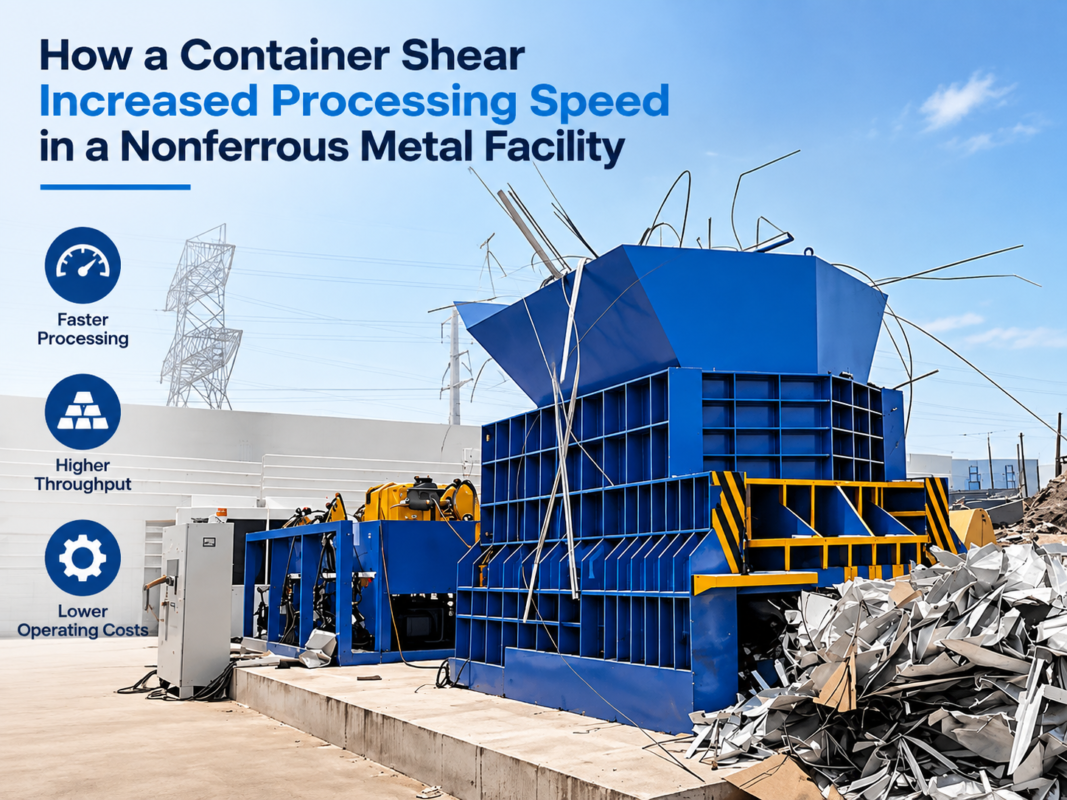
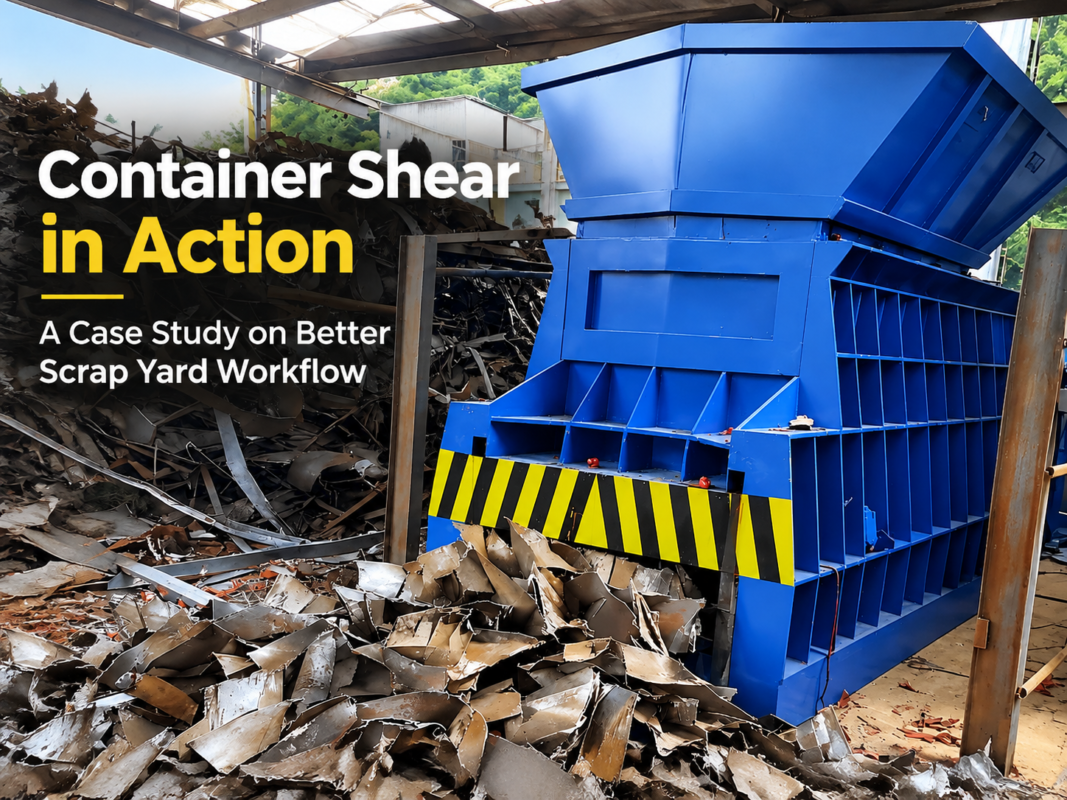
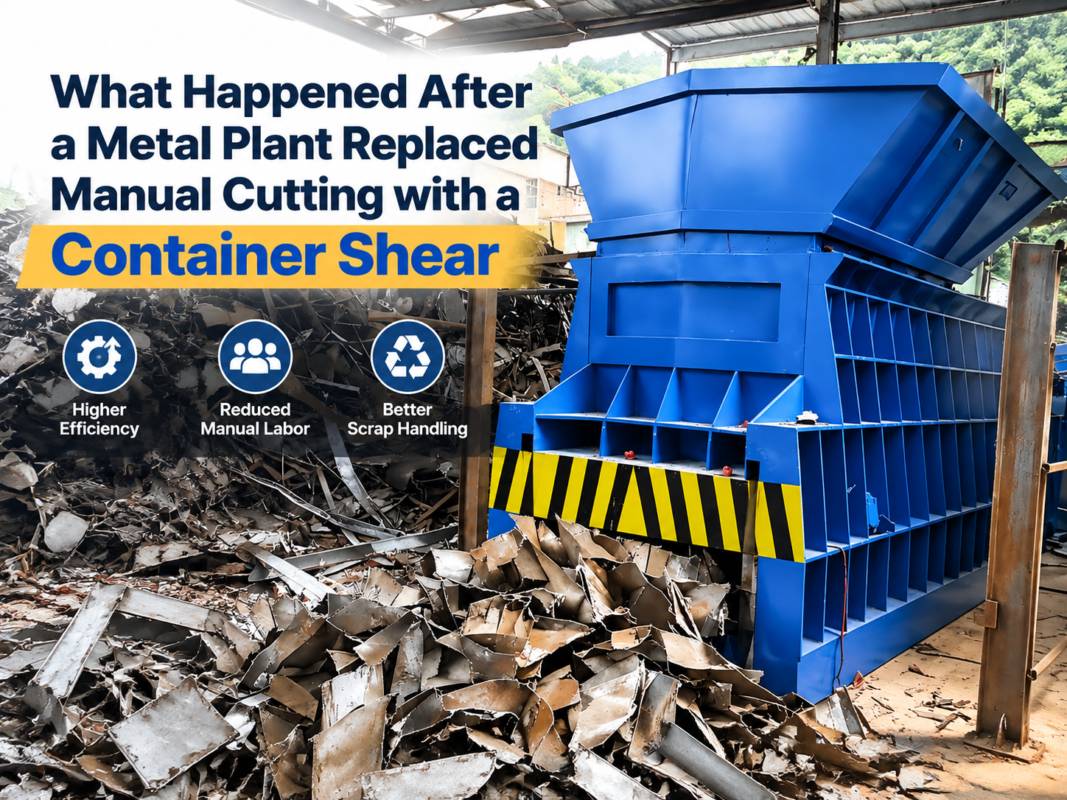
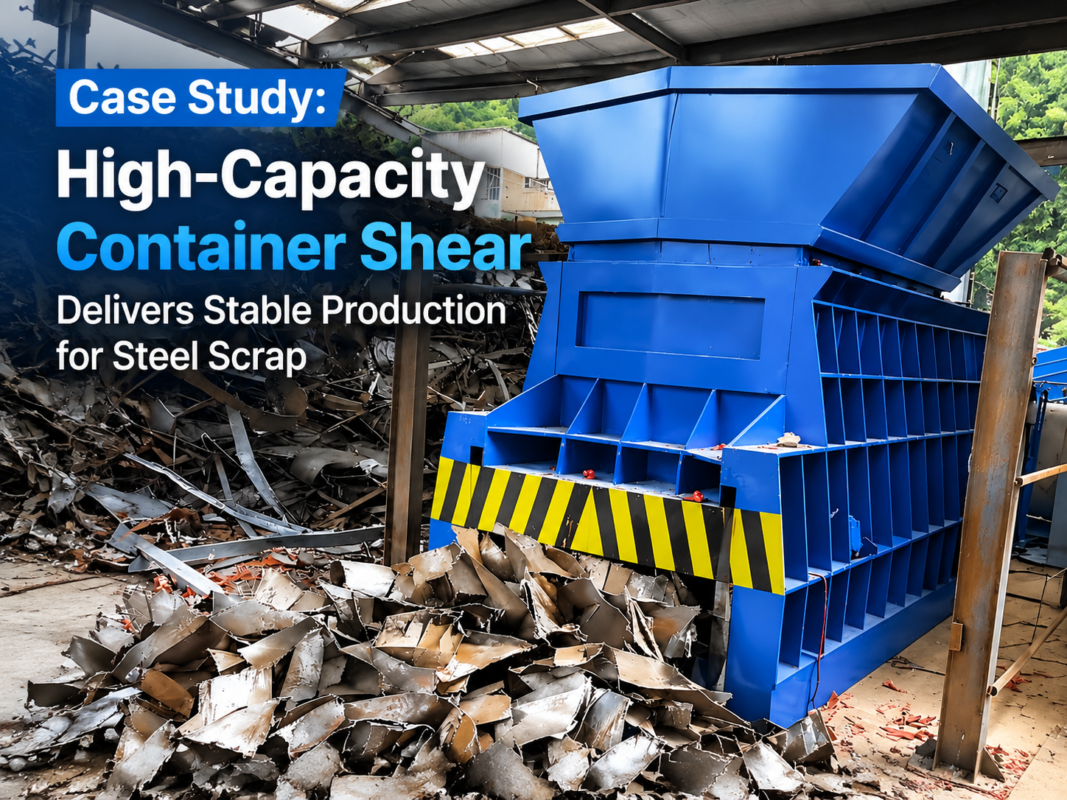
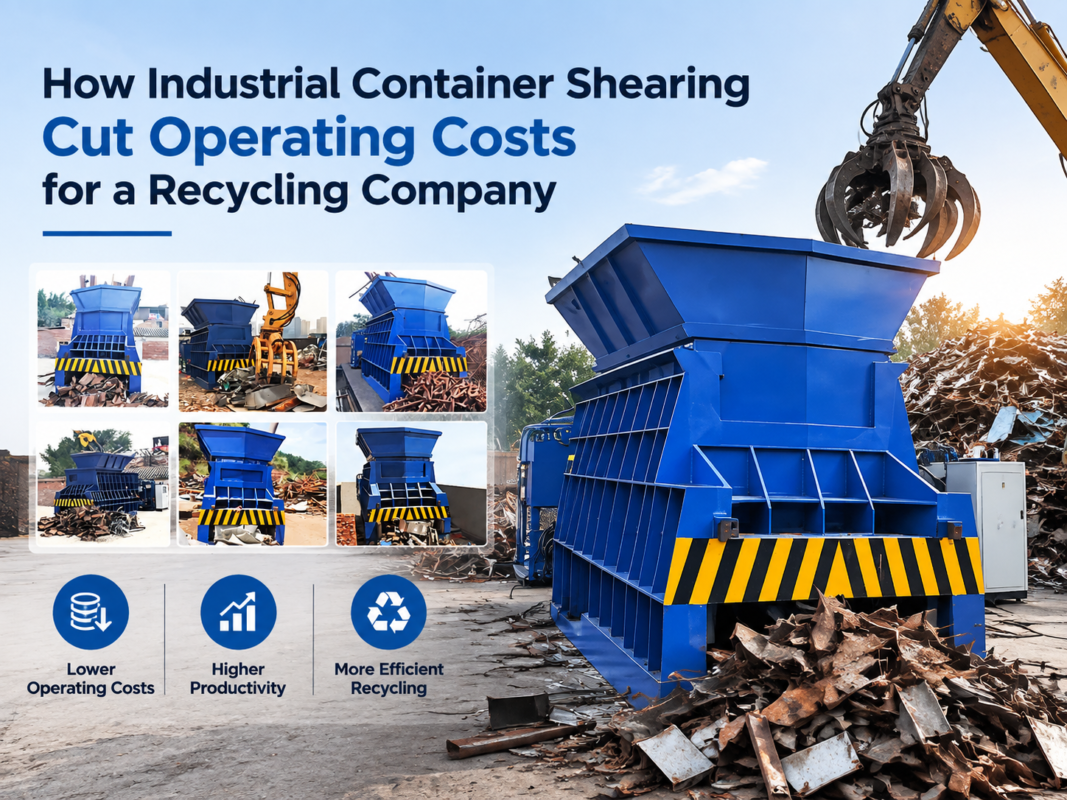
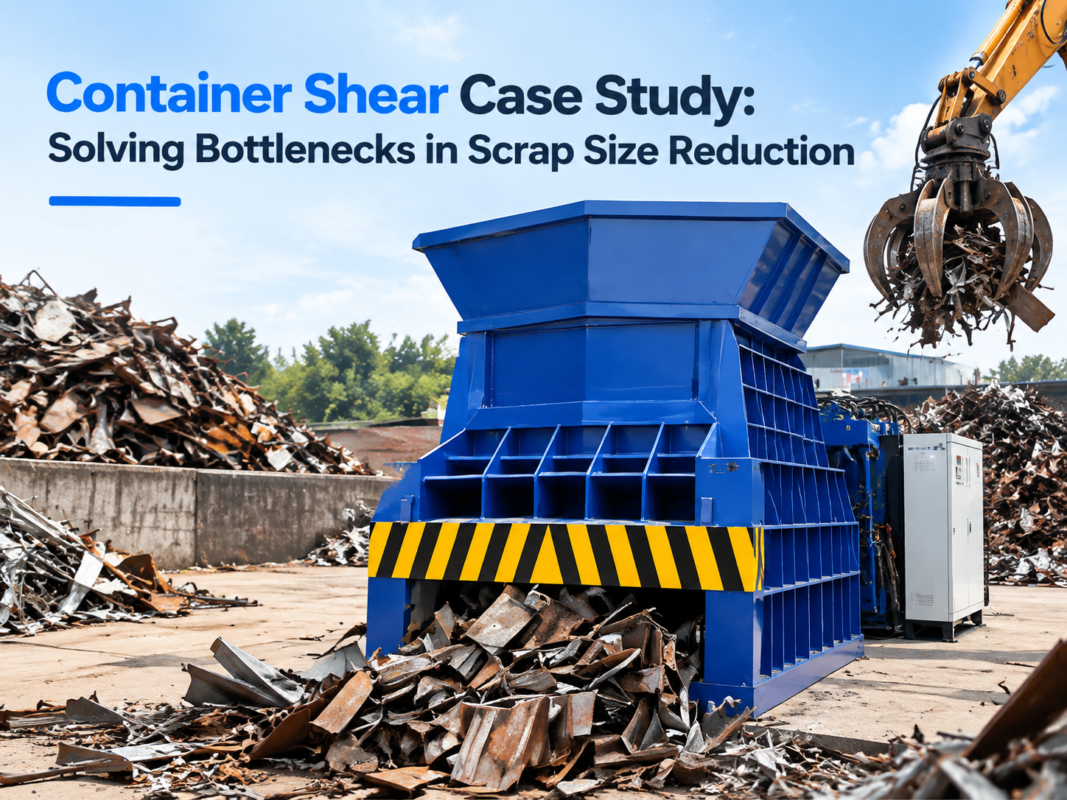
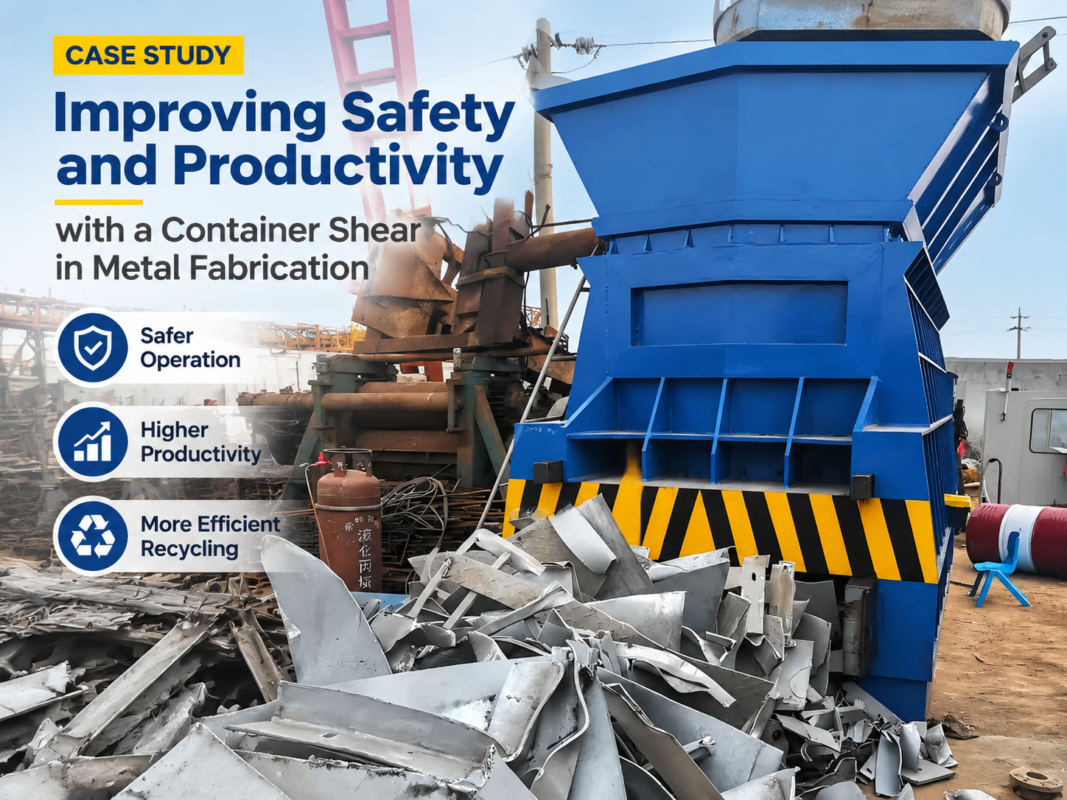
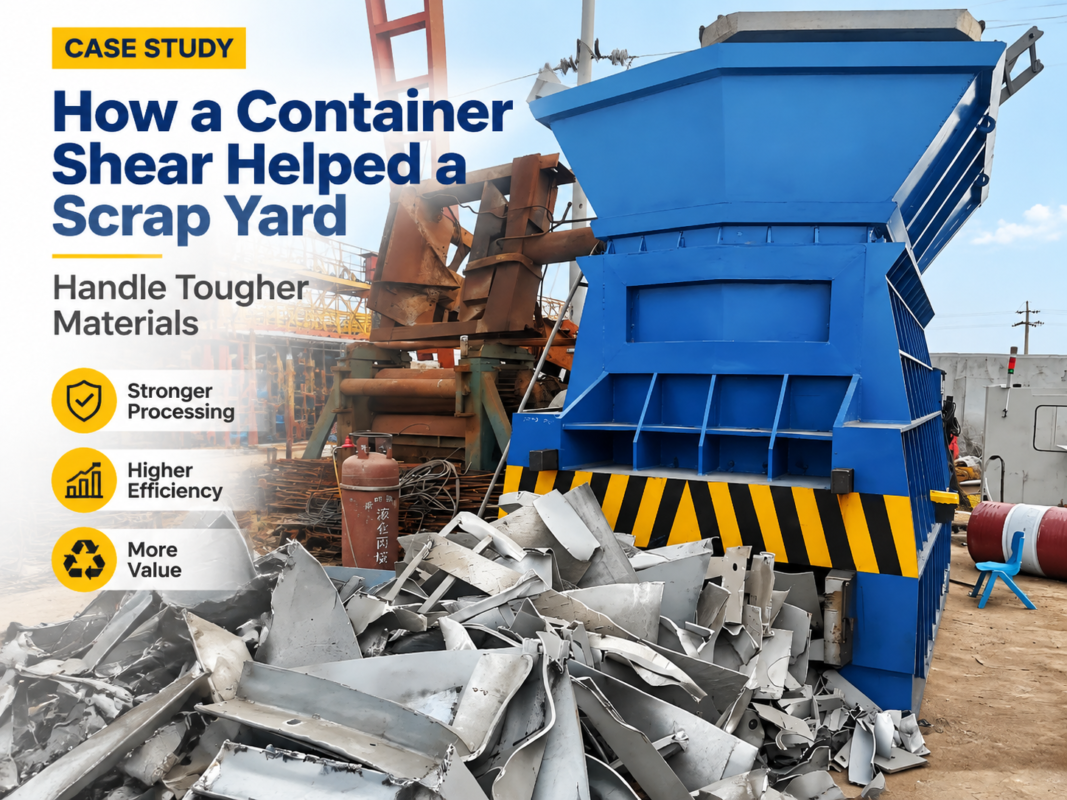
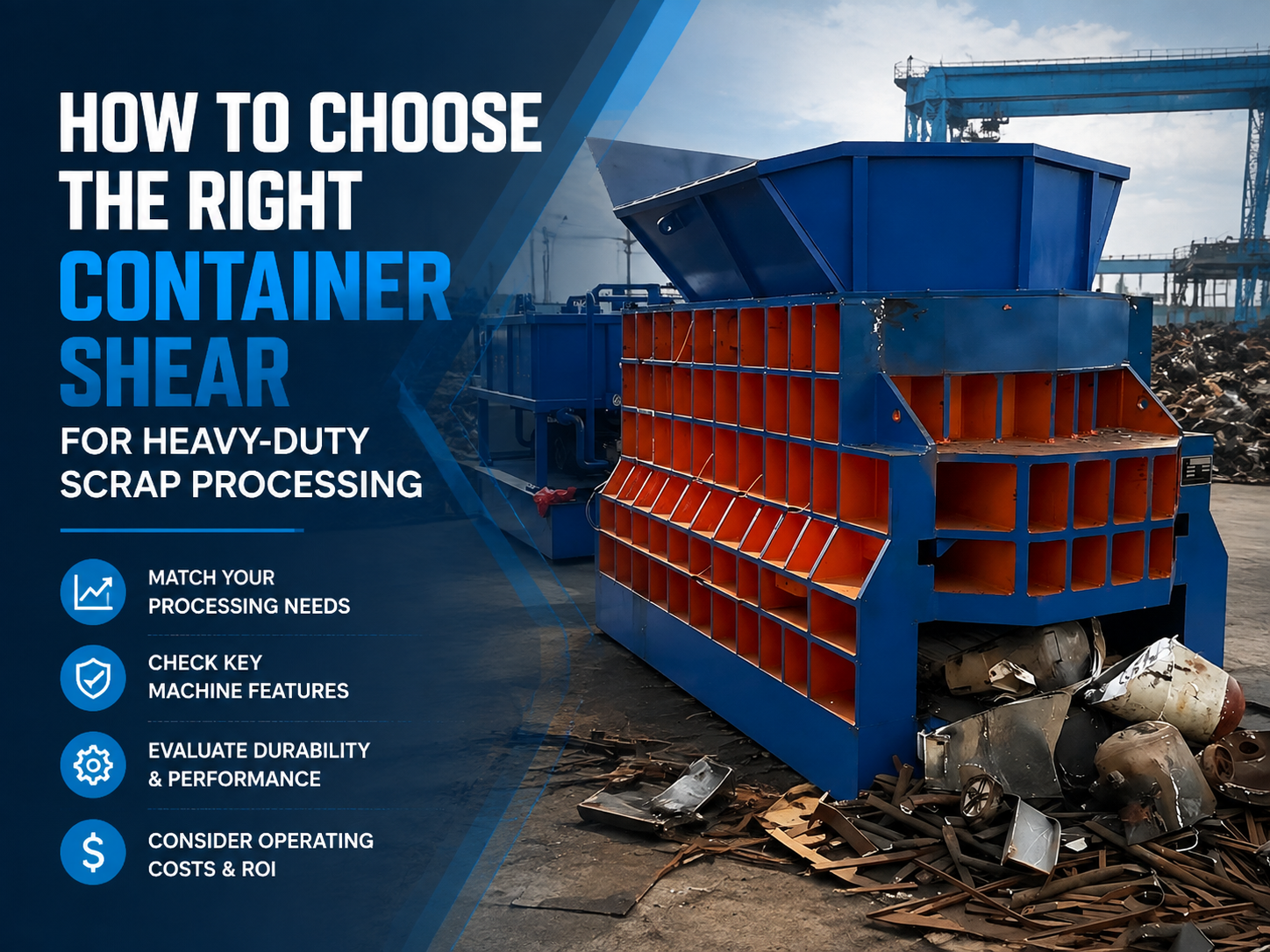
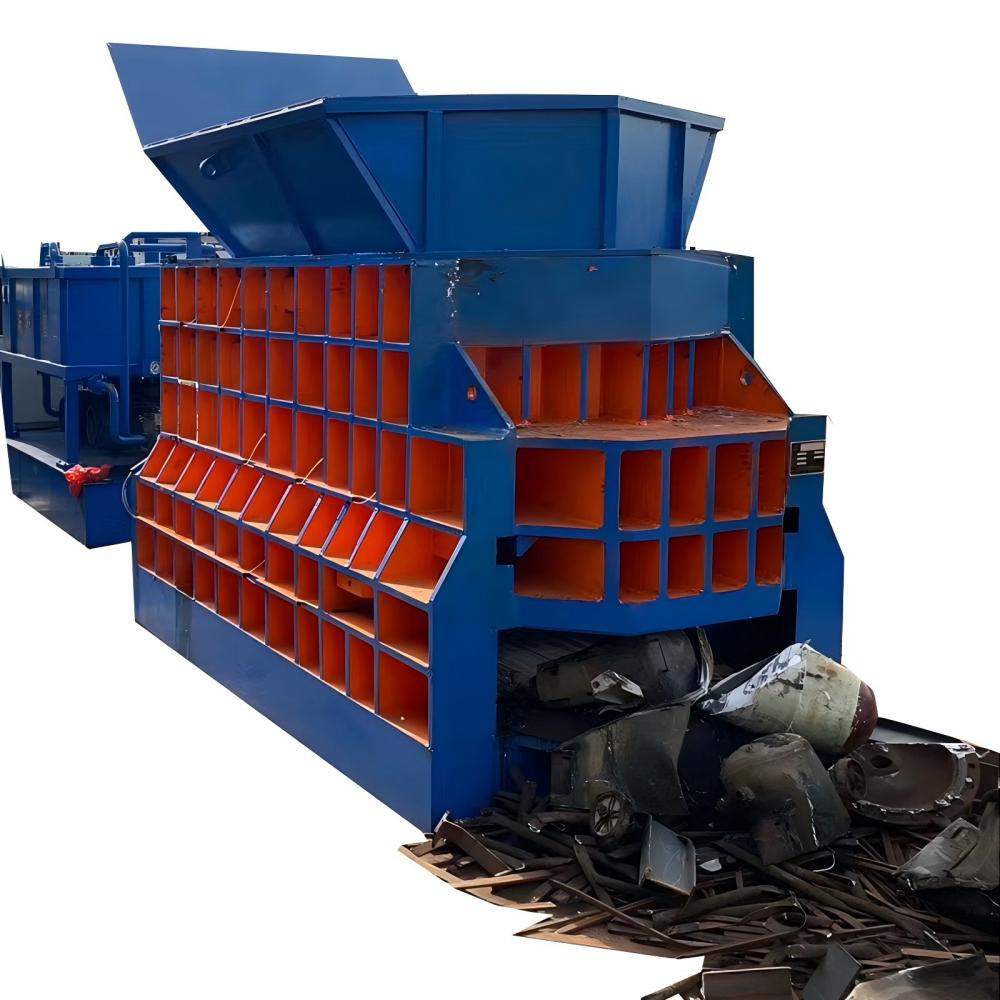
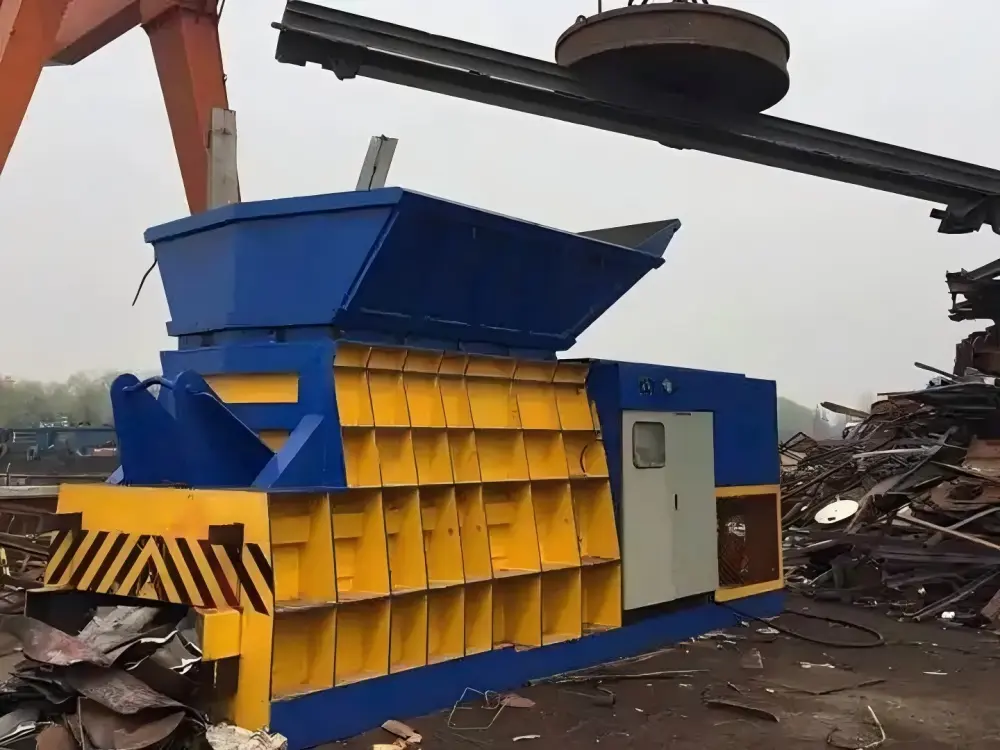
In the rapidly evolving landscape of metal recycling, the efficiency of scrap processing is directly tied to the capability of the shearing equipment used. A container shear, often referred to as a box shear or horizontal scrap shear, represents a significant leap in technology over traditional alligator or guillotine shears. Unlike stationary shears that require extensive foundation work and manual feeding, the container shear is designed for high-volume, continuous operation, often featuring a self-contained structure that allows for easier relocation within a scrap yard.
The fundamental engineering principle behind a container shear involves a large feeding box where scrap metal is loaded. A hydraulic pusher then moves the material toward a heavy-duty shearing head. This design minimizes the need for pre-sorting and manual cutting, significantly reducing labor costs. For heavy-duty scrap processing, these machines must withstand immense structural stress, requiring high-grade steel frames and precision-engineered hydraulic circuits. HARSLE container shears are built with these rigors in mind, utilizing advanced finite element analysis (FEA) to ensure the frame can handle the repetitive cycles of shearing reinforced steel, HMS1, and HMS2 scrap.
One of the primary advantages of choosing a container shear for heavy-duty scrap processing is the integration of the hydraulic system within the machine’s footprint. This ‘plug-and-play’ nature means that once the machine is leveled on a reinforced concrete pad, it can be operational in a fraction of the time required for traditional shear installations. Furthermore, the horizontal shearing action allows for gravity-assisted discharge of the processed material, which can be easily integrated into conveyor systems for automated loading into transport containers.
When we discuss heavy-duty applications, we are typically looking at processing capacities exceeding 10 tons per hour. This requires not just raw force, but a sophisticated control system that manages the flow of hydraulic oil to optimize cycle times. Modern container shears utilize PLC (Programmable Logic Controller) systems to monitor pressure, temperature, and stroke position, ensuring that the machine operates within its peak efficiency envelope while protecting the hydraulic pumps from cavitation or overheating.
Core Parameters for Heavy-Duty Performance
To choose the right container shear for heavy-duty scrap processing, one must look beyond the simple ‘tonnage’ rating. While the nominal shear force is a critical starting point, several other core parameters dictate the machine’s actual productivity in a real-world scrap yard environment. These parameters include the feeding box dimensions, the shear cycle time, the blade length, and the hydraulic system pressure.
The feeding box size is perhaps the most overlooked parameter. For heavy-duty scrap, such as dismantled vehicle frames or structural I-beams, a box that is too narrow will require extensive pre-processing with torches, defeating the purpose of the shear. A standard heavy-duty container shear should offer a box length of at least 5,000mm to 7,000mm. This allows for the loading of long structural members without the need for prior cutting. The width and depth of the box also determine the ‘charge’ volume, which directly impacts the number of cycles required to process a specific weight of material.
Shear force, measured in kilonewtons (kN) or tons, is the maximum pressure the blade can exert on the scrap. For heavy-duty processing, machines typically start at 400 tons and can exceed 1,250 tons. However, the distribution of this force is equally important. A machine with a high shear force but a weak pusher cylinder will struggle to move dense scrap into the cutting zone. Therefore, the ratio between the main shear cylinder force and the pusher cylinder force must be balanced to ensure smooth material flow.
Hydraulic system pressure and flow rate determine the speed of the machine. High-pressure systems (typically 25-31.5 MPa) allow for smaller cylinder diameters while maintaining high force, which can lead to faster cycle times. However, this puts more stress on seals and hoses. A robust heavy-duty shear will utilize multi-pump configurations, allowing for high-speed movement during the ‘idle’ part of the stroke and high-torque, low-speed movement during the actual cut. This variable displacement approach is essential for energy efficiency and component longevity.
Calculation Method for Required Shear Force
Determining the exact shear force required for your specific scrap mix is a scientific process. If you underestimate the force, the machine will frequently ‘stall’ on dense material, leading to increased wear and decreased throughput. If you overestimate, you are paying for excess energy consumption and a higher initial capital expenditure. The basic formula for calculating the required shearing force (F) is based on the cross-sectional area of the material and its ultimate shear strength.
The formula is generally expressed as: F = L × S × τ, where:
- L is the length of the cut (or the width of the material being sheared).
- S is the thickness of the material.
- τ (Tau) is the shear strength of the material (usually taken as 0.6 to 0.8 times the tensile strength).
For example, if you are processing structural steel with a thickness of 20mm and a width of 500mm, and the material has a shear strength of approximately 350 MPa, the calculation would look like this: 500mm × 20mm × 350 N/mm² = 3,500,000 Newtons, or approximately 350 tons. However, in heavy-duty scrap processing, you must account for the ‘bundle effect.’ Scrap is rarely a single flat plate; it is often folded, layered, or comprised of multiple pieces. Engineers typically apply a safety factor of 1.5 to 2.0 to account for these complexities. Therefore, for the aforementioned material, a 600-ton or 800-ton shear would be the appropriate choice to ensure reliable operation without constant hydraulic relief valve activation.
Additionally, the angle of the blade (the rake angle) plays a role. A higher rake angle reduces the peak force required but increases the stroke length needed to complete the cut. Most container shears use a fixed rake angle optimized for a balance between force and speed. When calculating, always use the maximum thickness of the hardest material you expect to process regularly, rather than the average thickness of your scrap pile.
Technical Parameter Comparison Table
The following table provides a comparison of typical HARSLE container shear models used in heavy-duty scrap processing. These values are representative of standard industrial configurations.
| Model Series | Nominal Shear Force (Tons) | Feeding Box Size (L×W×H mm) | Max Cutting Thickness (MS) | Cycle Time (Seconds) | Motor Power (kW) |
|---|---|---|---|---|---|
| HCS-400 | 400 | 5000 × 2000 × 1000 | 40mm | 60-90 | 45 – 75 |
| HCS-600 | 600 | 6000 × 2200 × 1200 | 60mm | 70-100 | 75 – 110 |
| HCS-800 | 800 | 7000 × 2400 × 1400 | 80mm | 80-120 | 110 – 160 |
| HCS-1000 | 1000 | 8000 × 2500 × 1500 | 100mm | 90-130 | 160 – 220 |
| HCS-1250 | 1250 | 10000 × 2600 × 1600 | 120mm+ | 100-150 | 220 – 315 |
Common Engineering Mistakes in Selection
One of the most frequent mistakes when choosing a container shear for heavy-duty scrap processing is focusing solely on the ‘Max Cutting Thickness’ listed in marketing brochures. This figure usually refers to mild steel plate. If your scrap stream includes alloy steels, stainless steel, or hardened shafts, the machine’s capacity will be significantly lower. Failing to account for material hardness can lead to premature blade chipping and hydraulic system fatigue.
Another common error is ignoring the cooling system’s capacity. Heavy-duty processing involves continuous cycles that generate significant heat within the hydraulic oil. In warmer climates or high-intensity shifts, a standard air-cooled heat exchanger may be insufficient. If the oil temperature exceeds 60°C, the viscosity drops, leading to increased internal leakage in pumps and valves, which reduces shear force and speeds up seal degradation. Always specify an oversized cooling system or a water-cooled heat exchanger if you plan on multi-shift operations.
Thirdly, many buyers overlook the importance of the ‘dead zone’ in the feeding box. This is the area where the pusher cannot reach, or where material can become wedged. A poorly designed box will result in ‘bridging,’ where scrap jams and requires manual intervention to clear. High-quality shears feature tapered box walls and high-torque pushers with replaceable wear plates to minimize these issues. Furthermore, neglecting the foundation requirements can be disastrous. Even though container shears are ‘portable,’ the dynamic loads during a 1000-ton shear stroke are immense. A thin or unreinforced concrete pad will crack, leading to machine misalignment and catastrophic frame failure over time.
Finally, underestimating the importance of filtration is a silent killer of heavy-duty machinery. Scrap yards are inherently dusty and dirty environments. If the container shear does not have a high-efficiency, multi-stage filtration system (including suction, pressure, and return line filters), metallic particles will quickly destroy the precision-machined surfaces of the hydraulic pumps. Choosing a machine with a built-in ‘kidney loop’ filtration system that runs independently of the main cycle is a wise investment for long-term reliability.
Comprehensive Selection Checklist
Before finalizing your purchase of a container shear for heavy-duty scrap processing, work through this technical checklist to ensure the machine meets your operational reality:
- Material Analysis: What is the maximum yield strength and thickness of the toughest 10% of your scrap? Ensure the shear force calculation accounts for this with a safety margin.
- Throughput Requirements: Calculate your required tons per hour. Divide this by the average weight per charge to determine the required cycle time. Does the motor power and pump flow support this?
- Blade Specification: Are the blades made from high-quality tool steel (like 6CrW2Si or H13)? Are they four-sided reversible to maximize service life?
- Hydraulic Component Brand: Does the machine use reputable valves and pumps (e.g., Rexroth, Parker, or high-end domestic equivalents)? Availability of spare parts is crucial for heavy-duty operations.
- Control System: Does the PLC offer remote diagnostics? In the event of a breakdown, can the manufacturer’s engineers log in to troubleshoot the sensors and logic?
- Wear Protection: Are the feeding box and shear throat lined with replaceable Hardox or similar high-abrasion-resistant plates? Heavy-duty scrap will grind through standard steel in months.
- Power Supply: Does your site have the kVA capacity to handle the startup current of the large electric motors? You may need soft-starters or VFDs (Variable Frequency Drives).
- Maintenance Access: Are the grease points easily accessible? Does the machine have an automatic lubrication system for the main slides?
Frequently Asked Questions (FAQ)
How often do the blades need to be changed in heavy-duty processing?
Blade life depends entirely on the material being processed. For standard mild steel scrap, you might get 2,000 to 4,000 tons per edge. Since most blades are four-sided, a total of 8,000 to 16,000 tons per set is possible. However, processing sandy, rusty, or alloy-heavy scrap can reduce this by 50% or more. Regular gapping (adjusting the clearance between blades) is essential to prolonging life.
Can a container shear be powered by a diesel engine?
Yes, many heavy-duty container shears can be equipped with a diesel power pack instead of electric motors. This is ideal for remote sites or yards with limited electrical infrastructure. However, diesel units require more maintenance and have higher operating costs per ton compared to electric versions.
What is the difference between a container shear and a horizontal shear?
The terms are often used interchangeably, but a ‘container shear’ specifically refers to the integrated, box-style design that fits within the dimensions of a standard shipping container (or close to it) for transport. It is a subset of horizontal shears designed for rapid deployment and minimal site prep.
Is automation possible with these machines?
Absolutely. Most modern HARSLE container shears feature an ‘Automatic’ mode where the pusher and shear head cycle based on pressure sensors. When the pusher reaches the end of its stroke, the machine can be programmed to stop and alert the operator to reload. Integration with grapple cranes and discharge conveyors is standard in high-volume facilities.
What kind of hydraulic oil should be used?
For heavy-duty scrap processing, high-quality anti-wear hydraulic oil (ISO VG 46 or 68, depending on ambient temperature) is required. In extreme environments, synthetic oils may be used to maintain viscosity stability and extend drain intervals.