Troubleshooting Common Horizontal Baler Problems: Causes, Fixes, and Prevention

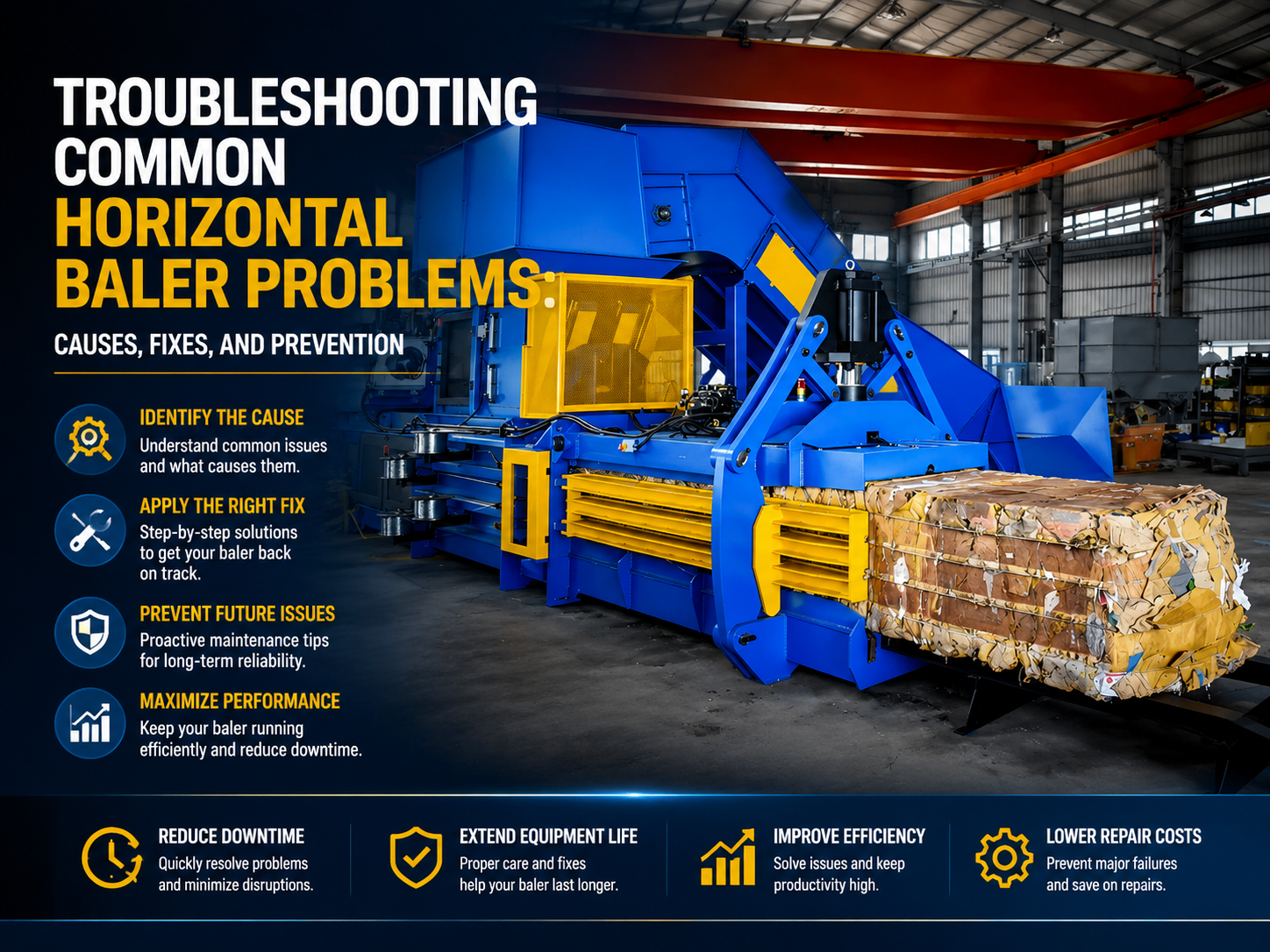
Technical Overview of Horizontal Baler Systems
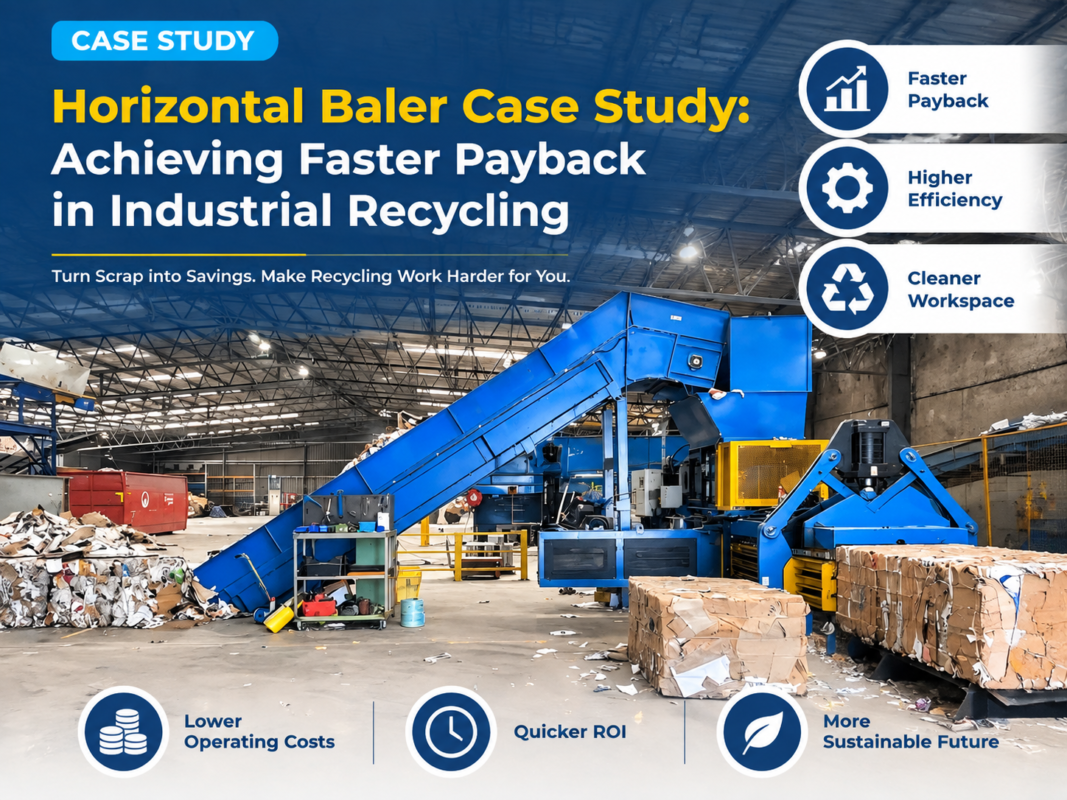
Horizontal balers are the workhorses of the recycling and waste management industries. Unlike their vertical counterparts, horizontal balers are designed for high-volume processing, utilizing a horizontal ram to compress materials like cardboard, plastics, and non-ferrous metals into dense, stackable bales. These machines integrate complex hydraulic systems, precision mechanical components, and advanced PLC (Programmable Logic Controller) electronics to ensure continuous operation. Understanding the technical synergy between these components is the first step in effective troubleshooting.
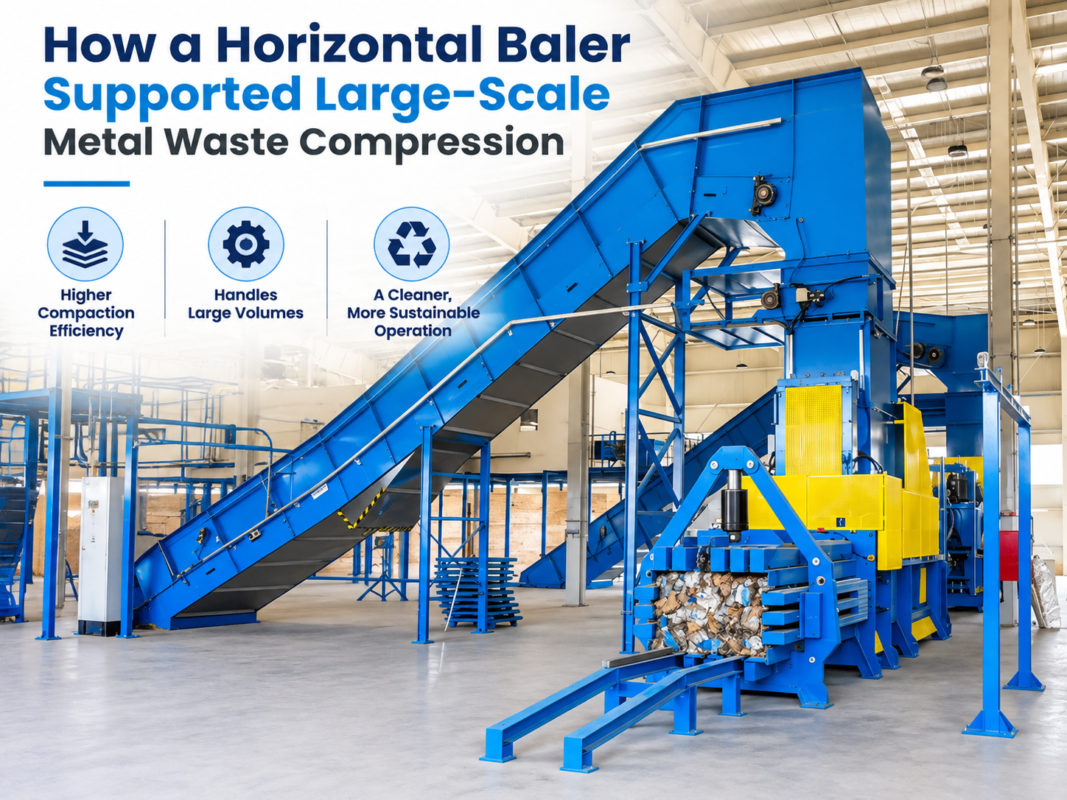
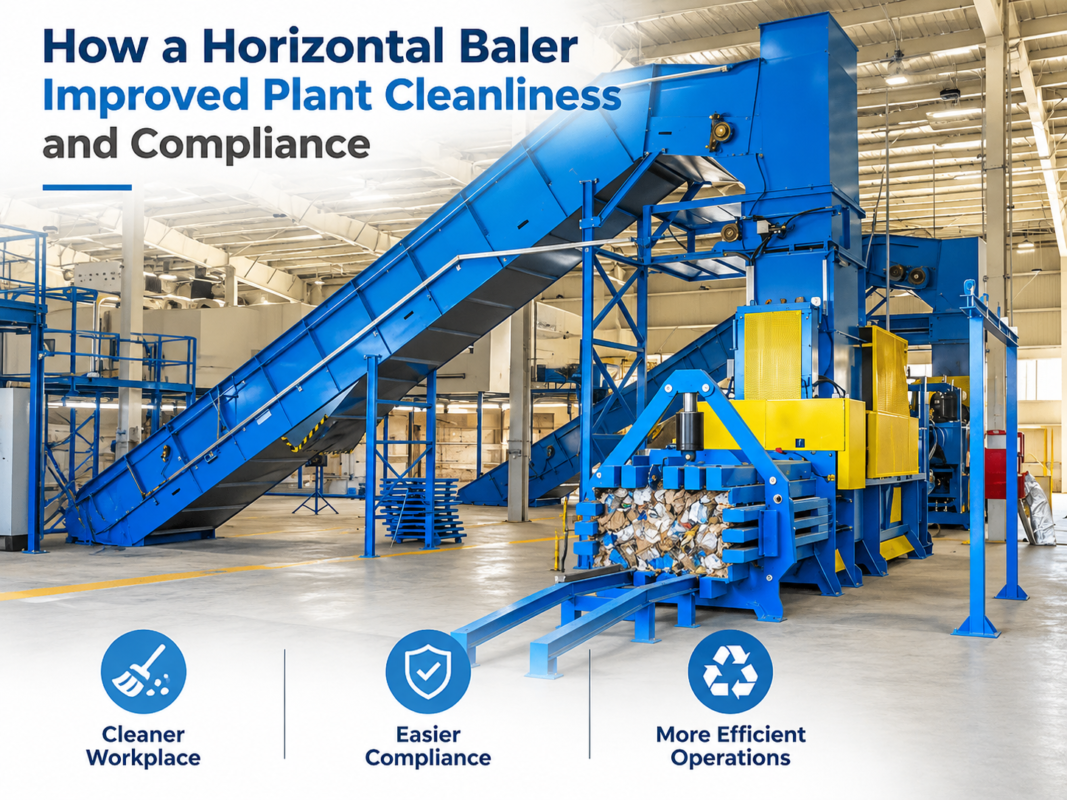
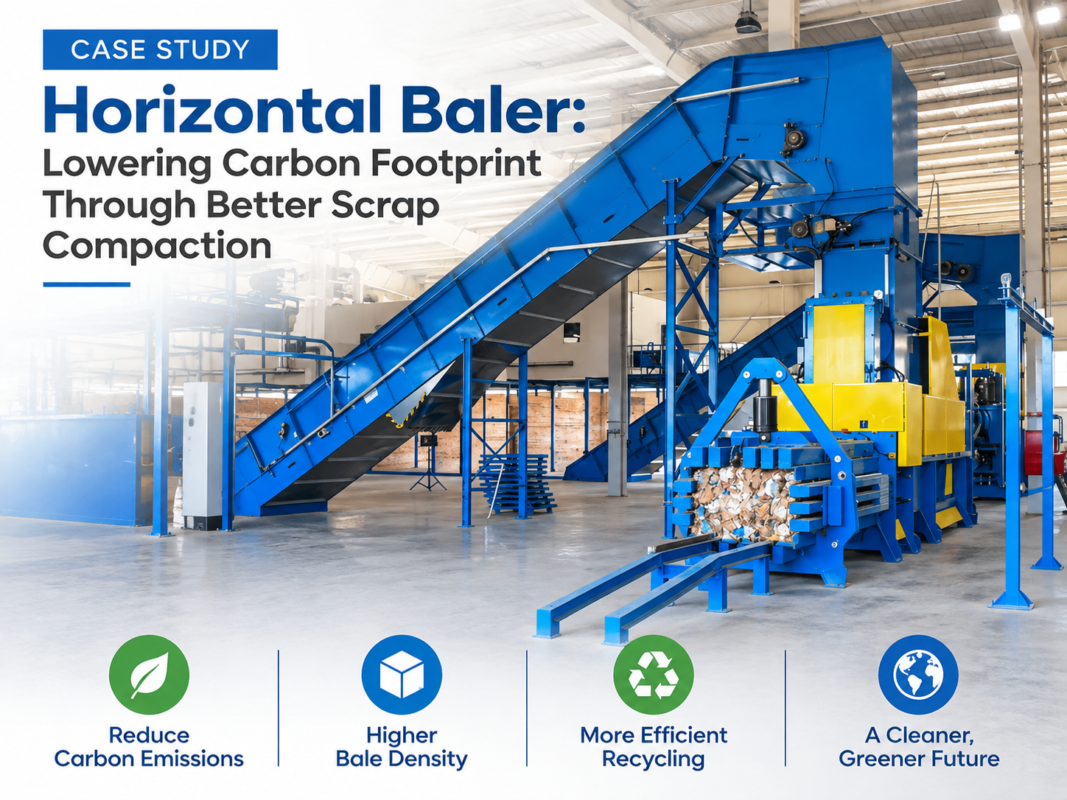
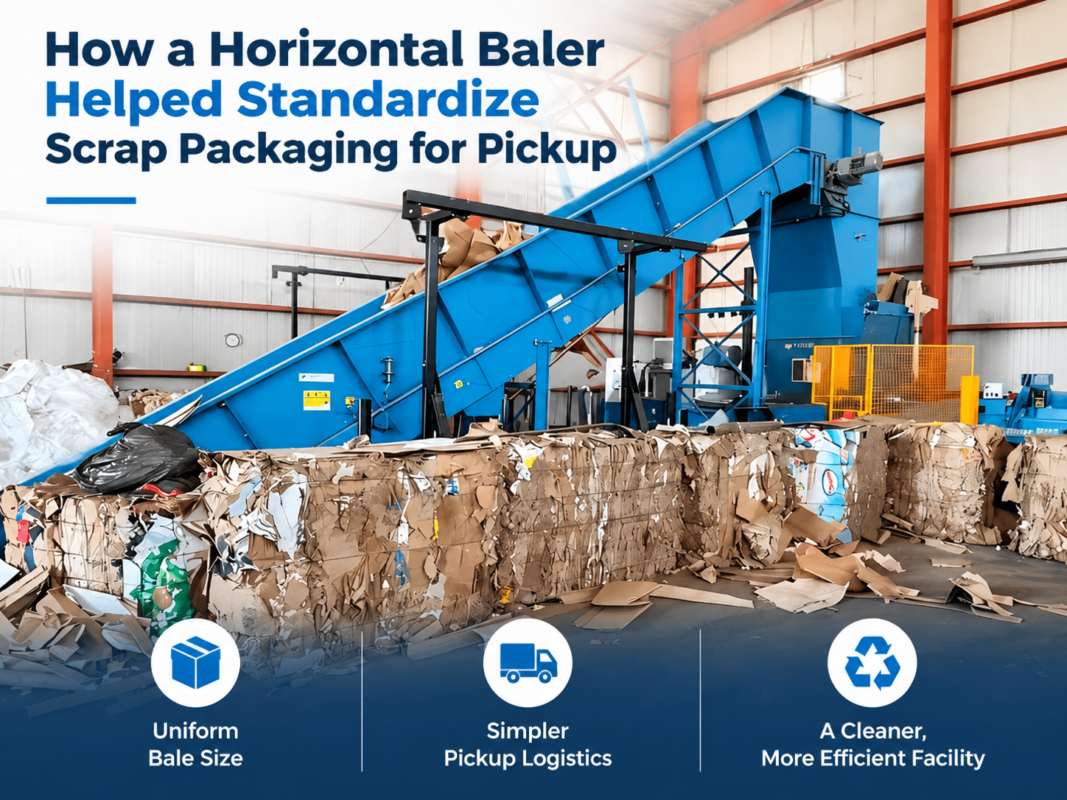
The core of a horizontal baler consists of a large charging hopper, a compression chamber, a hydraulic power unit (HPU), and a tying mechanism. The hydraulic system provides the massive force required to crush bulky materials, while the PLC manages the timing of the ram movement, the shear blades, and the auto-tie needles. Because these machines often operate in dusty, high-intensity environments, they are susceptible to wear and tear that can lead to operational downtime if not monitored closely.
Modern horizontal balers, such as those manufactured by HARSLE, feature sophisticated sensors that monitor oil temperature, pressure levels, and ram position. These sensors provide real-time feedback to the operator, often flagging issues before they result in a total machine shutdown. However, even with advanced monitoring, mechanical fatigue and hydraulic contamination remain the primary drivers of equipment failure. A technical understanding of the ‘cycle’—from feeding to ejection—is essential for diagnosing where a fault originates.
Furthermore, the structural integrity of the baler frame is designed to withstand hundreds of tons of pressure. Any misalignment in the ram guides or dulling of the shear blades can cause the machine to work harder than necessary, leading to premature component failure. By viewing the baler as an integrated system rather than a collection of isolated parts, maintenance teams can better identify the root causes of common horizontal baler problems.
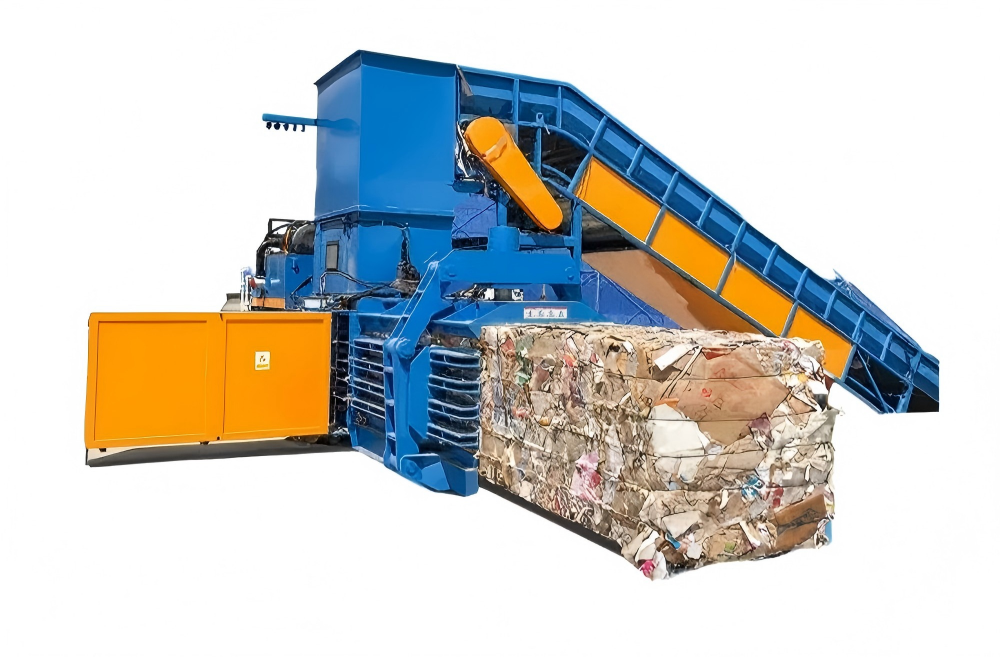
Common Horizontal Baler Problems: Causes and Fixes
1. Hydraulic System Failures and Pressure Drops
Hydraulic issues are perhaps the most frequent source of trouble in horizontal balers. A common symptom is the ram moving slowly or failing to reach full compaction pressure. This is often caused by hydraulic oil contamination. Over time, dust and microscopic metal particles can bypass filters, causing internal wear in the pump or sticking in the solenoid valves. To fix this, the hydraulic oil must be tested for purity, and filters should be replaced immediately if they show signs of clogging.
Another major hydraulic concern is overheating. When the oil temperature exceeds 60°C (140°F), its viscosity drops, leading to poor lubrication and potential seal damage. Overheating is typically caused by a malfunctioning cooling system or a pump that is constantly running under high load due to a bypass valve failure. Ensuring the heat exchanger is clean and the cooling fans are operational is the primary fix for temperature-related issues.
2. Mechanical Jams and Ram Misalignment
Mechanical jams often occur in the charging hopper or the compression chamber. If the material is fed too quickly or if non-compressible items (like heavy steel beams) enter the chamber, the ram may stall. The fix involves clearing the obstruction manually, but the prevention lies in better material pre-sorting. Additionally, the ram guides (wear liners) can wear down unevenly, causing the ram to tilt. This misalignment increases friction and can eventually score the chamber walls.
The shear blades, located at the top of the compression chamber, are critical for cutting off excess material as the ram moves forward. If these blades become dull or the gap between them becomes too wide, material will ‘fold’ rather than cut, leading to a massive jam known as a ‘bridge.’ Regular sharpening and adjustment of the blade gap (typically 0.5mm to 1.0mm) are essential to prevent these high-torque mechanical failures.
3. Auto-Tie System Malfunctions
For horizontal balers equipped with automatic tying systems, the ‘twister’ or ‘needle’ mechanism is a common point of failure. If the wire breaks or the knots fail to hold, the bale will expand and potentially damage the exit chute. This is often caused by incorrect wire tension or accumulated debris in the tying head. Cleaning the tying mechanism with compressed air daily and ensuring the use of high-quality, consistent-gauge baling wire can resolve most tying issues.
Sensor failure is another culprit in auto-tie problems. Proximity switches detect the position of the needles; if these sensors are covered in dust or are knocked out of alignment, the PLC will stop the cycle to prevent a mechanical crash. Regularly wiping down sensors and checking their mounting brackets ensures the tying cycle remains synchronized with the ram movement.
Core Parameters of Horizontal Balers
To effectively troubleshoot and operate a horizontal baler, one must understand the core parameters that define its performance. These parameters are not just numbers on a spec sheet; they are the benchmarks for healthy operation. If a machine is operating outside these parameters, it is a clear indicator that a problem is brewing.
- Pressing Force: Measured in tons, this is the total force the hydraulic cylinder exerts on the material. For horizontal balers, this typically ranges from 50 to 200 tons.
- Cycle Time: The time it takes for the ram to move from the home position, compress the material, and return. An increase in cycle time usually points to hydraulic pump inefficiency or internal leaks.
- Motor Power: Usually rated in kW or HP. The motor drives the hydraulic pump. If the motor is drawing excessive amperage, it may indicate a mechanical bind or a failing pump.
- Bale Density: The weight of the finished bale relative to its volume. Low density suggests insufficient pressure or poor material feeding.
- Oil Tank Capacity: Large horizontal balers require significant oil volumes to manage heat. Low oil levels can lead to pump cavitation and aeration.
Calculation Method for Baler Performance
Calculating the efficiency and force of your horizontal baler helps in diagnosing whether the machine is performing to its engineered standards. The most critical calculation is the Compaction Pressure, which is the force per square inch applied to the material face.
The formula for Total Force (F) is:
F = P × A
Where P is the hydraulic pressure (PSI or Bar) and A is the surface area of the cylinder piston. To find the pressure exerted on the material (Platen Pressure), divide the Total Force by the surface area of the ram face.
Another vital calculation is Throughput Capacity. This is determined by:
Throughput (tons/hr) = (Bale Weight × 3600) / (Cycle Time × Number of strokes per bale).
If your actual throughput is significantly lower than the calculated throughput, you should investigate the ‘dead time’ in the loading process or potential hydraulic lag during the ram return stroke.
Horizontal Baler Parameter Table
| Model Series | Pressing Force (Tons) | Bale Size (L*W*H mm) | Motor Power (kW) | Throughput (Tons/Hr) |
|---|---|---|---|---|
| HARSLE HB-60 | 60 | 1100 x 750 x 1000 | 15 | 2 – 4 |
| HARSLE HB-100 | 100 | 1100 x 1100 x 1300 | 30 | 5 – 8 |
| HARSLE HB-150 | 150 | 1100 x 1100 x 1500 | 45 | 8 – 12 |
| HARSLE HB-200 | 200 | 1100 x 1100 x 1800 | 75 | 12 – 20 |
Common Engineering Mistakes in Baler Operation
One of the most frequent engineering mistakes is the improper setting of relief valves. Operators sometimes increase the pressure settings beyond the factory limits to achieve denser bales. This leads to extreme stress on the hydraulic hoses, cylinder seals, and the structural frame, often resulting in catastrophic failure. Always adhere to the manufacturer’s pressure specifications to ensure the longevity of the machine.
Another mistake is ignoring oil filtration and cooling. In many industrial settings, the baler is treated as a ‘set and forget’ machine. However, hydraulic oil is the lifeblood of the system. Failing to change filters or ignoring a ‘high temp’ alarm can lead to pump cavitation, where air bubbles implode within the pump, pitting the metal surfaces and destroying the unit from the inside out.
Poor Lubrication of Moving Parts: While the hydraulic system is self-lubricating, the mechanical pivots, needle bearings, and ram tracks are not. Using the wrong type of grease or failing to lubricate on a weekly basis leads to increased friction, higher energy consumption, and eventual seizure of mechanical components. A centralized lubrication system is recommended for high-volume operations.
Finally, neglecting the shear blade gap is a critical error. As blades wear, the gap increases. This allows thin materials like plastic film or paper to wedge between the blades rather than being cut. This creates a massive side-load on the ram, which can bend the piston rod or crack the cylinder mountings. Regular inspection of the ‘shear zone’ is a fundamental engineering requirement.
Selection Checklist for Horizontal Balers
Choosing the right horizontal baler is the best way to prevent future troubleshooting headaches. Use this checklist when evaluating a new machine for your facility:
- Material Compatibility: Does the baler have the correct shear blade design for your specific waste stream (e.g., OCC vs. PET)?
- Throughput Requirements: Does the cycle time and hopper size match your peak hourly volume?
- Hydraulic Component Quality: Are the pumps and valves from reputable brands (like Rexroth or Vickers) that offer easy access to spare parts?
- PLC and Diagnostics: Does the control system offer clear error codes and remote diagnostic capabilities?
- Safety Features: Does the machine include e-stops, safety interlocks on all access doors, and pressure relief valves?
- Maintenance Access: Are the tying head and hydraulic power unit easily accessible for routine servicing?
- Frame Construction: Is the chassis heavy-duty and reinforced at high-stress points?
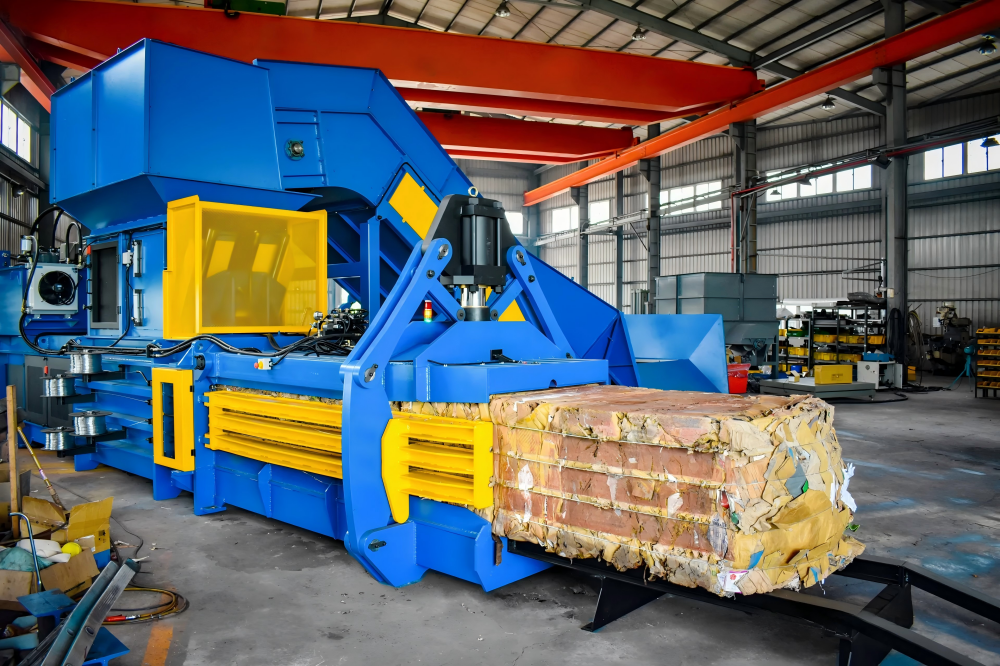
Prevention Strategies for Long-Term Reliability
Prevention is always more cost-effective than repair. Implementing a Total Productive Maintenance (TPM) program is the gold standard for horizontal baler care. This involves daily, weekly, and monthly checks performed by both operators and maintenance technicians. Daily tasks should include checking oil levels, inspecting for leaks, and cleaning the photo-eye sensors that trigger the ram cycle.
Weekly maintenance should focus on the mechanical aspects: checking the tension of the tying wire, lubricating the ram tracks, and inspecting the shear blades for nicks or dullness. Monthly, a deep dive into the hydraulic system is necessary. This includes taking an oil sample for analysis and checking the accumulator charge (if equipped). By catching small issues like a weeping seal or a loose bolt early, you prevent the ‘domino effect’ that leads to major system failures.
Training is the final pillar of prevention. Operators who understand how the machine works are more likely to notice subtle changes in sound or performance. HARSLE provides comprehensive training modules for all horizontal baler installations, ensuring that your team is equipped to handle the machine with the care it deserves. A well-trained operator is your first line of defense against downtime.
Frequently Asked Questions (FAQ)
Q1: Why is my horizontal baler making a loud banging noise during the compression stroke?
A: This is usually caused by ‘bridging’ or the shear blades failing to cut through the material. It could also indicate that the ram wear liners are completely worn out, allowing the metal ram to strike the chamber walls. Check the blade sharpness and the liner clearance immediately.
Q2: How often should I change the hydraulic oil in my baler?
A: Generally, hydraulic oil should be changed every 2,000 to 4,000 operating hours, or once a year. However, this depends on the environment. In very dusty or hot conditions, more frequent changes or high-efficiency filtration systems are required. Always perform an oil analysis before a full change.
Q3: The auto-tie system is missing knots. What should I check first?
A: Start with the wire tension. If the tension is too loose, the knotter cannot grip the wire; if too tight, it will snap. Next, check for debris in the twister hooks. Even a small piece of plastic or cardboard stuck in the tying head can prevent a successful knot.
Q4: Can I bale metal scraps in a horizontal baler designed for cardboard?
A: It depends on the machine’s rating. While some horizontal balers are multi-purpose, baling heavy metal scrap in a light-duty cardboard baler will cause structural damage, dull the blades instantly, and likely stall the hydraulic system. Always check the manufacturer’s material specifications.
Q5: What does a ‘High Pressure’ error on the PLC mean?
A: This usually means the ram has encountered an uncompressible object or the limit switches are not functioning, causing the ram to bottom out against the end of the cylinder. It can also indicate a blockage in the hydraulic lines or a faulty pressure transducer.
Q6: Why are my bales coming out loose or falling apart?
A: This is typically a result of insufficient ‘short-stroke’ cycles or the bale length being set too long for the material type. It can also be caused by low hydraulic pressure or using the wrong gauge of baling wire for the density of the material being processed.