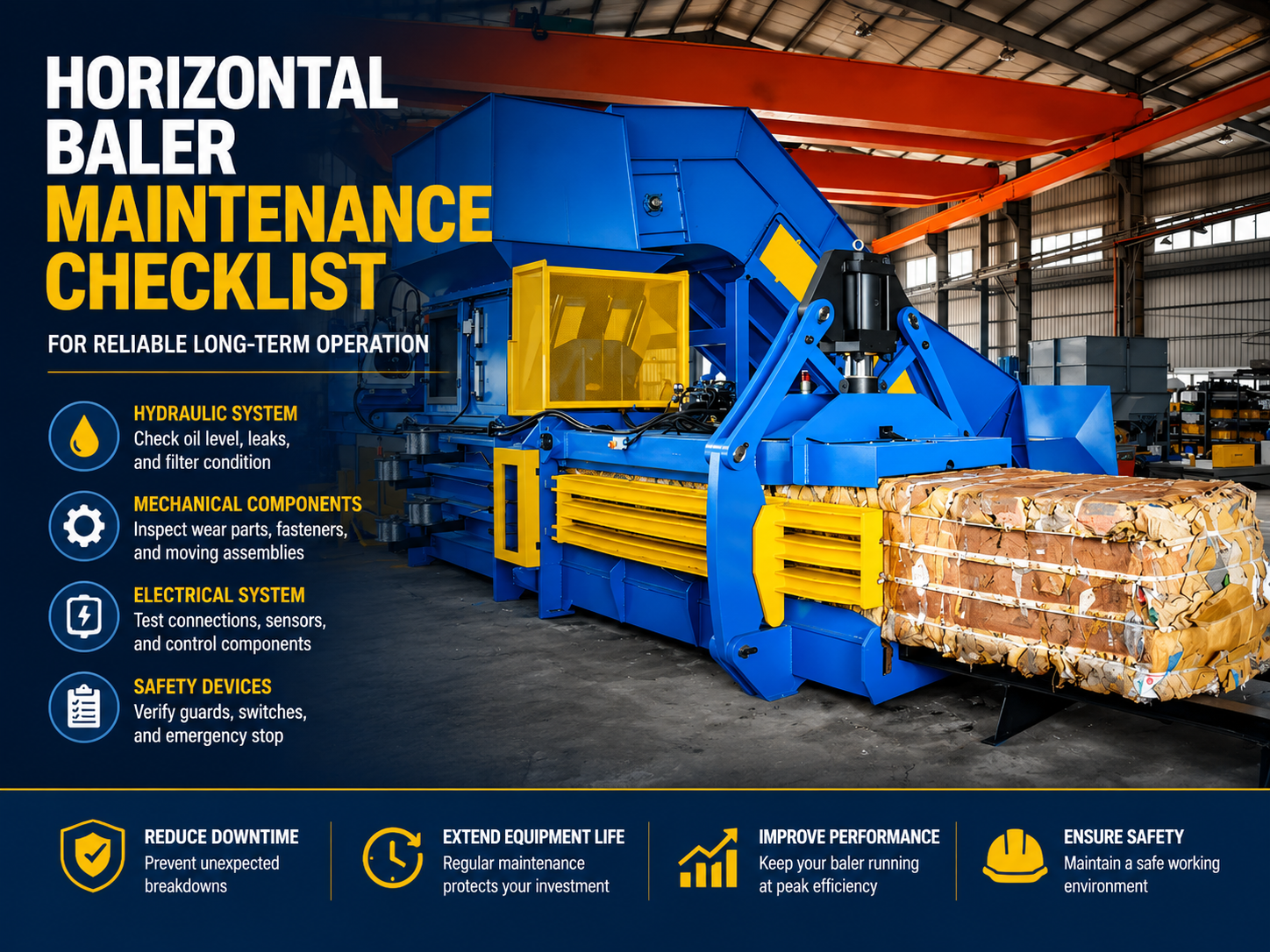
Horizontal Baler Maintenance Checklist for Reliable Long-Term Operation

Technical Overview of Horizontal Baler Systems
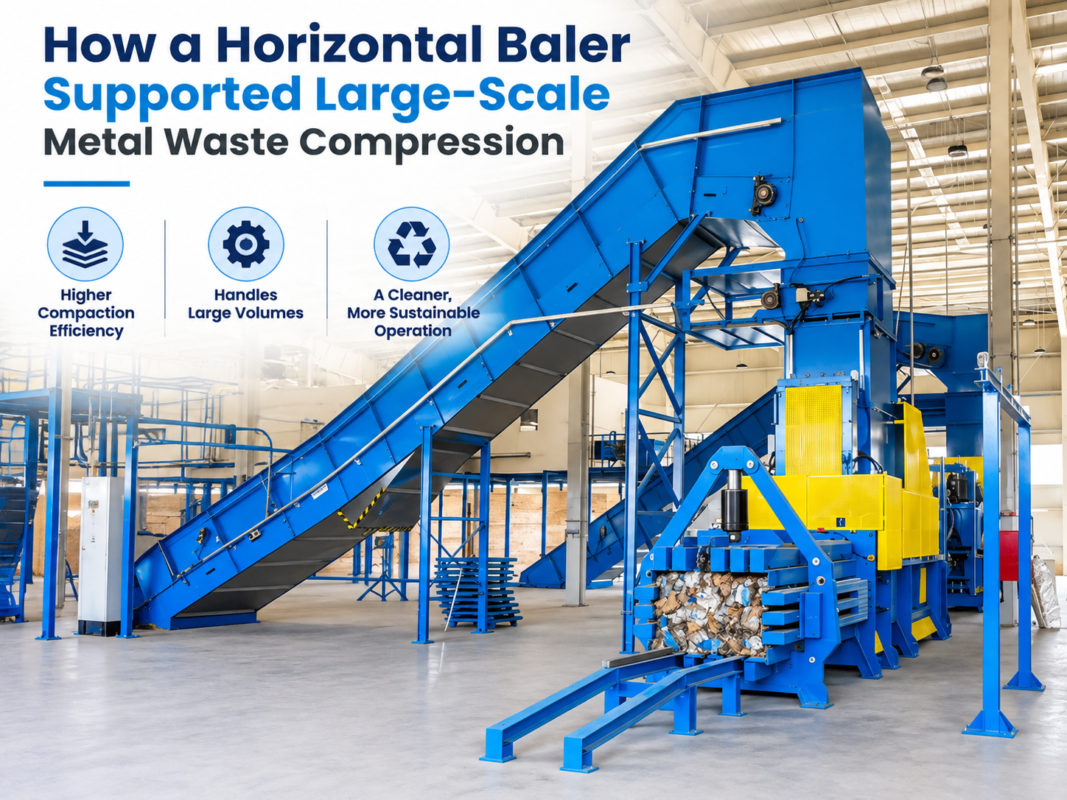
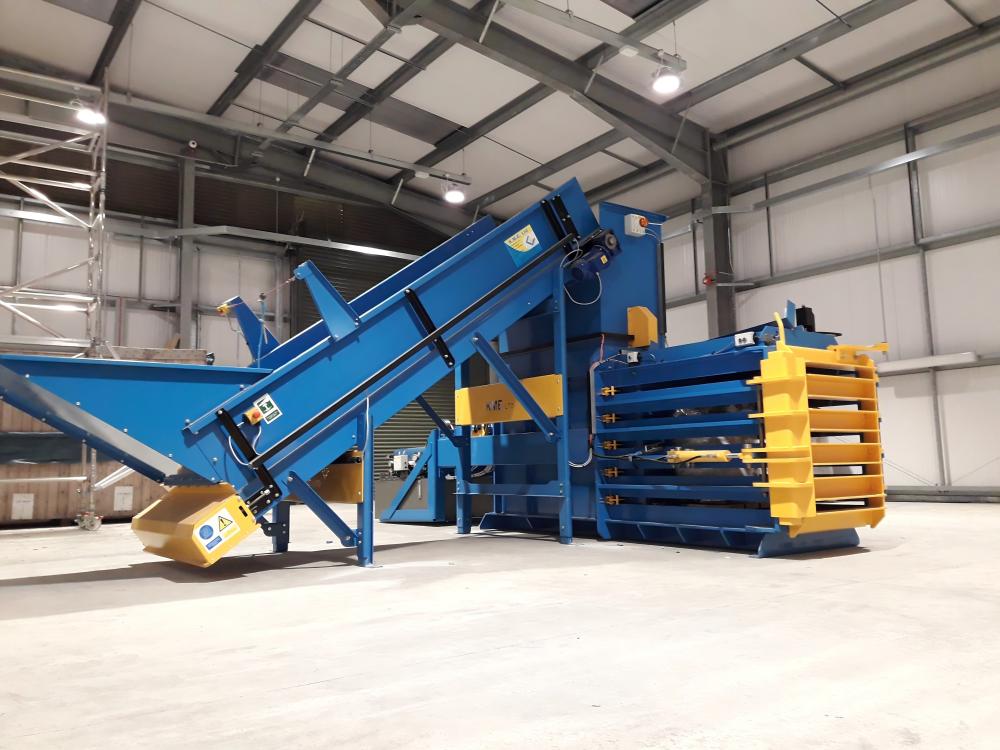
A horizontal baler is a cornerstone of modern waste management and recycling facilities, designed to compress large volumes of materials—such as cardboard, plastics, and non-ferrous metals—into dense, manageable bales. Unlike vertical balers, horizontal systems are built for high-capacity, continuous operation, often integrating conveyor belts for automated feeding. The core of these machines lies in their robust hydraulic systems, which generate the massive force required to achieve high-density compaction. For a Horizontal Baler Maintenance Checklist for Reliable Long-Term Operation to be effective, one must first understand the interplay between the structural frame, the hydraulic ram, the shear blades, and the automatic tying mechanism.
The structural integrity of a horizontal baler is paramount. These machines endure repetitive high-stress cycles that can lead to metal fatigue if not properly monitored. HARSLE horizontal balers are engineered with heavy-duty steel plates and reinforced welding to withstand these forces. However, even the most robust machine requires a systematic approach to maintenance. The hydraulic circuit, consisting of pumps, valves, cylinders, and oil reservoirs, acts as the circulatory system of the machine. Contamination in this system is the leading cause of component failure, making fluid management a top priority in any maintenance schedule.
Automation plays a significant role in modern horizontal balers. Programmable Logic Controllers (PLCs) manage the timing of the ram movement, the pressure thresholds, and the intricate wire-tying process. Maintenance is not merely about mechanical greasing; it involves ensuring that sensors are calibrated and electrical connections are secure. A failure in a single proximity switch can halt an entire production line, highlighting the need for a comprehensive checklist that covers both the physical and digital components of the machinery.
Core Parameters for Operational Excellence
Understanding the core parameters of your horizontal baler is essential for diagnosing issues before they lead to downtime. The primary metric is the Pressing Force, usually measured in tons. This force determines the density of the bale and the types of materials the machine can process. If the pressing force drops, it often indicates a leak in the hydraulic cylinder or a failing pump. Monitoring this parameter daily ensures that the machine is operating within its designed limits and prevents over-straining the motor.
Another critical parameter is the Cycle Time. This refers to the time it takes for the ram to extend and retract fully. An increase in cycle time is a red flag, suggesting hydraulic fluid bypass, clogged filters, or internal wear in the pump. By keeping a log of cycle times under standard loads, operators can detect gradual performance degradation. Additionally, the Bale Size and Weight parameters are vital for logistics and revenue. Inconsistent bale weights often point to issues with the feed sensing system or the shear blades failing to cut through excess material efficiently.
Motor power and oil capacity are also fundamental. A horizontal baler typically utilizes high-torque electric motors to drive the hydraulic pumps. The oil capacity must be maintained at optimal levels to ensure proper heat dissipation. Overheating is a common enemy of hydraulic systems, leading to the breakdown of oil viscosity and the premature failure of seals. Therefore, the Horizontal Baler Maintenance Checklist for Reliable Long-Term Operation must include regular checks of the oil cooling system and temperature gauges.
Calculation Method for Baler Performance
To maintain a horizontal baler effectively, engineers must be able to calculate key performance indicators. One of the most important calculations is the Hydraulic Pressure to Force Conversion. The force (F) exerted by the ram is a product of the hydraulic pressure (P) and the surface area (A) of the cylinder piston. The formula is F = P × A. If you know the required bale density, you can calculate whether the current pressure settings are sufficient or if the system is being overworked.
Throughput calculation is equally vital for operational planning. Throughput (T) can be estimated by the formula: T = (V × ρ × 60) / C, where V is the volume of the compression chamber, ρ is the material density before compaction, and C is the cycle time in seconds. By calculating the theoretical throughput and comparing it to actual output, maintenance teams can identify inefficiencies caused by mechanical drag or hydraulic lag.
Furthermore, calculating the Shear Blade Gap is a technical necessity. As blades wear down, the gap between the moving ram blade and the stationary frame blade increases. A gap that exceeds the manufacturer’s specification (typically 0.5mm to 1.0mm depending on the model) will result in material jamming and increased stress on the motor. Regular measurement and adjustment of this gap are critical components of the maintenance routine to prevent catastrophic structural damage.
Horizontal Baler Technical Parameter Table
The following table outlines the typical specifications for industrial-grade horizontal balers. These values serve as a benchmark for maintenance inspections.
| Parameter | Small-Scale (HBA-40) | Medium-Scale (HBA-80) | Heavy-Duty (HBA-120) |
|---|---|---|---|
| Pressing Force (Tons) | 40 – 60 | 80 – 100 | 120 – 200+ |
| Motor Power (kW) | 15 – 22 | 30 – 45 | 55 – 75+ |
| Bale Size (W*H*L mm) | 750*750*Variable | 1100*800*Variable | 1100*1100*Variable |
| Cycle Time (Seconds) | 25 – 35 | 20 – 30 | 15 – 25 |
| Oil Tank Capacity (L) | 400 | 800 | 1200+ |
| Throughput (Tons/Hr) | 2 – 4 | 5 – 8 | 10 – 15+ |
The Comprehensive Maintenance Checklist
Daily Maintenance Tasks
- Visual Inspection: Check for hydraulic oil leaks around hoses, fittings, and cylinders. Even a small drip can lead to significant fluid loss and environmental hazards.
- Oil Level Check: Ensure the hydraulic oil level is within the operating range on the sight glass.
- Safety Device Testing: Verify that all emergency stop buttons and safety interlocks on access doors are functioning correctly.
- Debris Removal: Clean out any loose material from the ram track and the tying mechanism area to prevent jams.
Weekly Maintenance Tasks
- Greasing: Lubricate all pivot points, ram guides, and the wire-tier assembly. Use high-quality lithium-based grease.
- Filter Inspection: Check the vacuum gauges on the suction and return line filters. Replace elements if they indicate a bypass condition.
- Blade Inspection: Check the sharpness of the shear blades and look for any chips or cracks.
- Bolt Tightening: Inspect high-vibration areas, such as the motor mounts and hydraulic pump couplings, for loose bolts.
Monthly and Quarterly Tasks
- Oil Analysis: Take a sample of the hydraulic oil for laboratory analysis to check for particulate contamination, water content, and additive depletion.
- Electrical Cabinet Cleaning: Use compressed air to remove dust from the PLC and contactors to prevent overheating and short circuits.
- Hydraulic Pressure Calibration: Use a certified pressure gauge to verify that the system relief valves are set to the correct manufacturer specifications.
- Wear Plate Inspection: Check the replaceable wear liners inside the baling chamber. Replace them if they have worn down to the minimum thickness.
Common Engineering Mistakes in Baler Operation
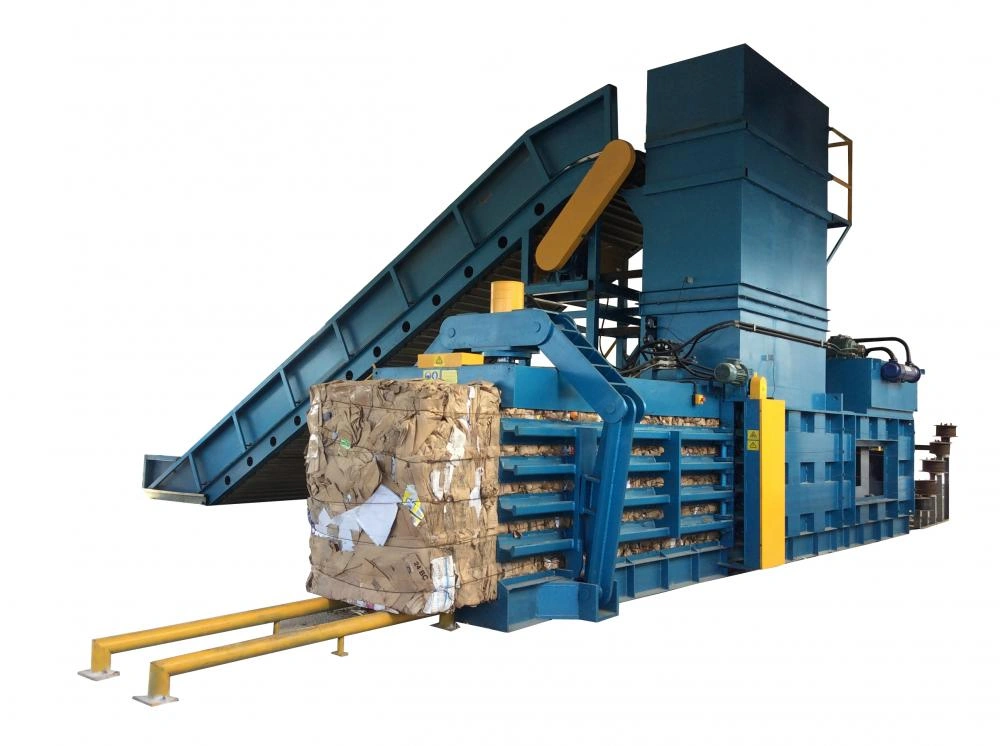
One of the most frequent mistakes in horizontal baler operation is Overloading the Feed Hopper. While these machines are designed for high volume, forcing too much material into the chamber at once can cause the ram to bridge or the shear blades to stall. This puts immense pressure on the hydraulic seals and can lead to “shuddering” in the pipes, which eventually causes fatigue cracks in the hydraulic lines. Operators should be trained on the specific volume limits of their machine model.
Another common error is Ignoring Hydraulic Oil Temperature. Many facilities operate balers in non-climate-controlled environments. In summer months, the oil can easily exceed 60°C (140°F). Operating at these temperatures thins the oil, reducing lubrication and causing seals to harden and leak. Failing to clean the oil cooler or replace a faulty cooling fan is a mistake that can lead to a total pump failure costing thousands of dollars.
Neglecting the Wire-Tying Mechanism is a third major pitfall. The auto-tier is a precision instrument. Using low-quality or incorrect gauge wire can cause the knotter to misfeed or break. Furthermore, failing to clean the “twister” hooks leads to a buildup of dust and metal shavings, which increases friction and wear. A Horizontal Baler Maintenance Checklist for Reliable Long-Term Operation must treat the tying system with the same level of detail as the main hydraulic ram.
Selection Checklist for Long-Term Reliability
When selecting a horizontal baler, the following checklist ensures you invest in a machine capable of reliable long-term operation:
- Frame Construction: Is the frame made of solid plate steel or hollow tubes? Solid plate is preferred for heavy-duty applications.
- Component Brand: Does the machine use reputable brands for hydraulics (e.g., Rexroth, Vickers) and electronics (e.g., Siemens, Schneider)? This ensures spare parts availability for years to come.
- Access for Maintenance: Are the hydraulic pumps and valves easily accessible, or are they buried inside the frame? Good design prioritizes ease of service.
- Shear Blade Design: Are the blades reversible? Reversible blades provide two cutting edges, effectively doubling the life of the component before sharpening is required.
- Cooling System: Does the machine include an air-cooled or water-cooled oil heat exchanger as standard?
- Safety Certifications: Does the machine meet CE or ANSI standards for baler safety?
Frequently Asked Questions (FAQ)
How often should I change the hydraulic oil in my horizontal baler?
Generally, hydraulic oil should be changed every 2,000 to 4,000 operating hours. However, this should be dictated by oil analysis. If the oil remains clean and the additive package is intact, you may extend the interval. Conversely, if the environment is very dusty, more frequent changes may be necessary.
Why is my baler making a high-pitched squealing noise?
A high-pitched squeal usually indicates “cavitation” in the hydraulic pump. This happens when the pump is starved of oil, often due to a clogged suction filter or a leak in the intake line. This is a critical issue that can destroy the pump in minutes; the machine should be stopped immediately.
Can I bale different materials (e.g., plastic and cardboard) at the same time?
While possible, it is not recommended. Different materials have different memory (spring-back) and density characteristics. Mixing them can lead to unstable bales that fall apart during transport. It is best to process materials in batches and adjust the pressure settings accordingly.
What is the most common cause of wire-tying failure?
The most common cause is accumulated debris in the knotter assembly. Dust and small fragments of material can prevent the needles from fully extending or the twister from completing its cycle. Regular cleaning with compressed air and proper lubrication usually solves 90% of tying issues.
How do I know when to replace the shear blades?
Blades should be replaced or sharpened when you notice “tailing” on the bales—where material is dragged rather than cut—or when the gap between the blades cannot be adjusted to within the manufacturer’s spec. Excessive noise during the shearing stroke is also a key indicator of dull blades.