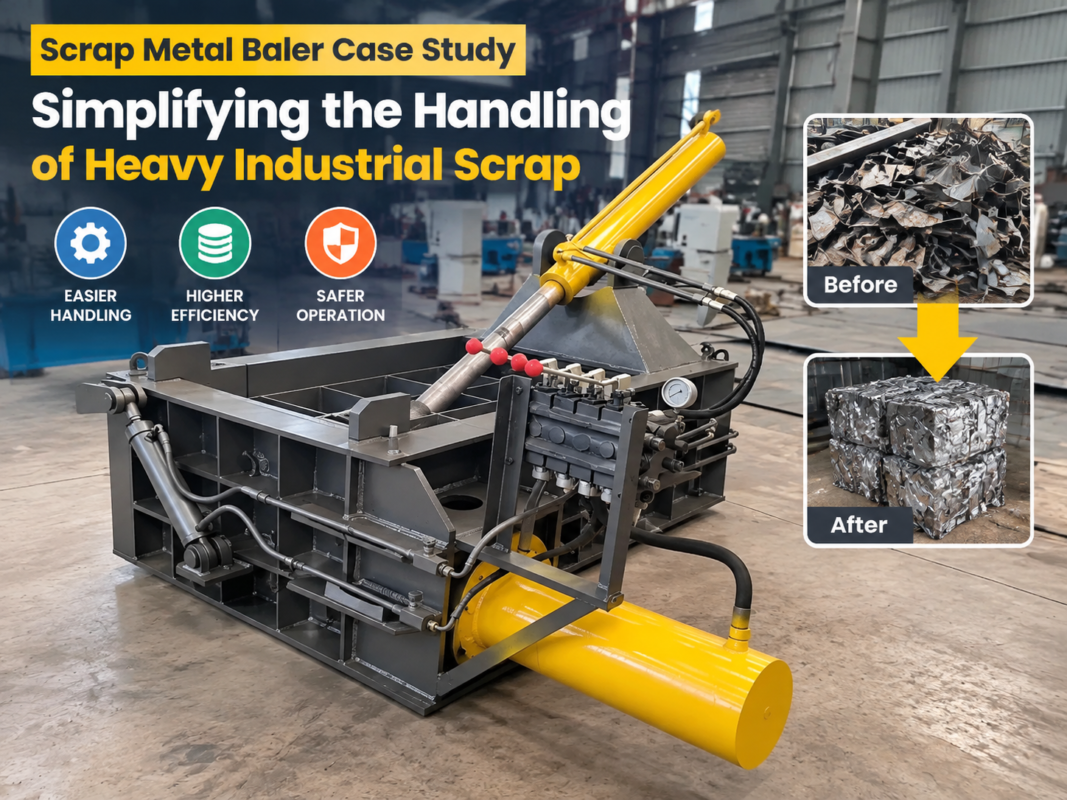
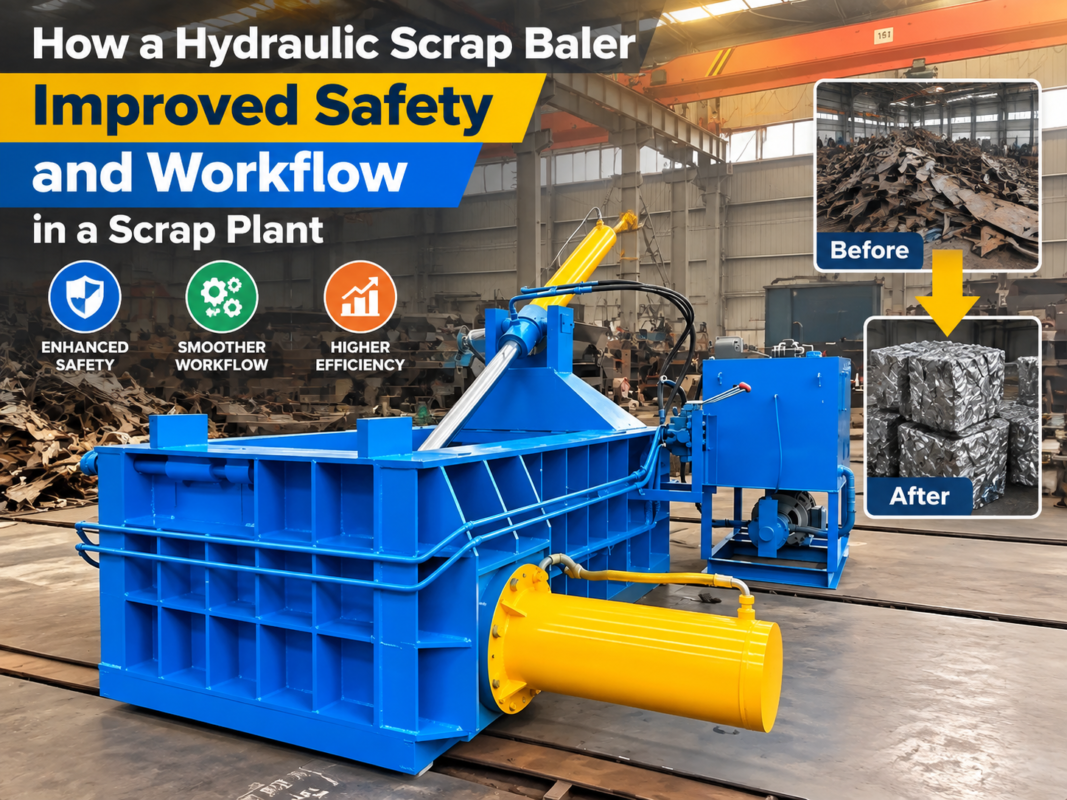
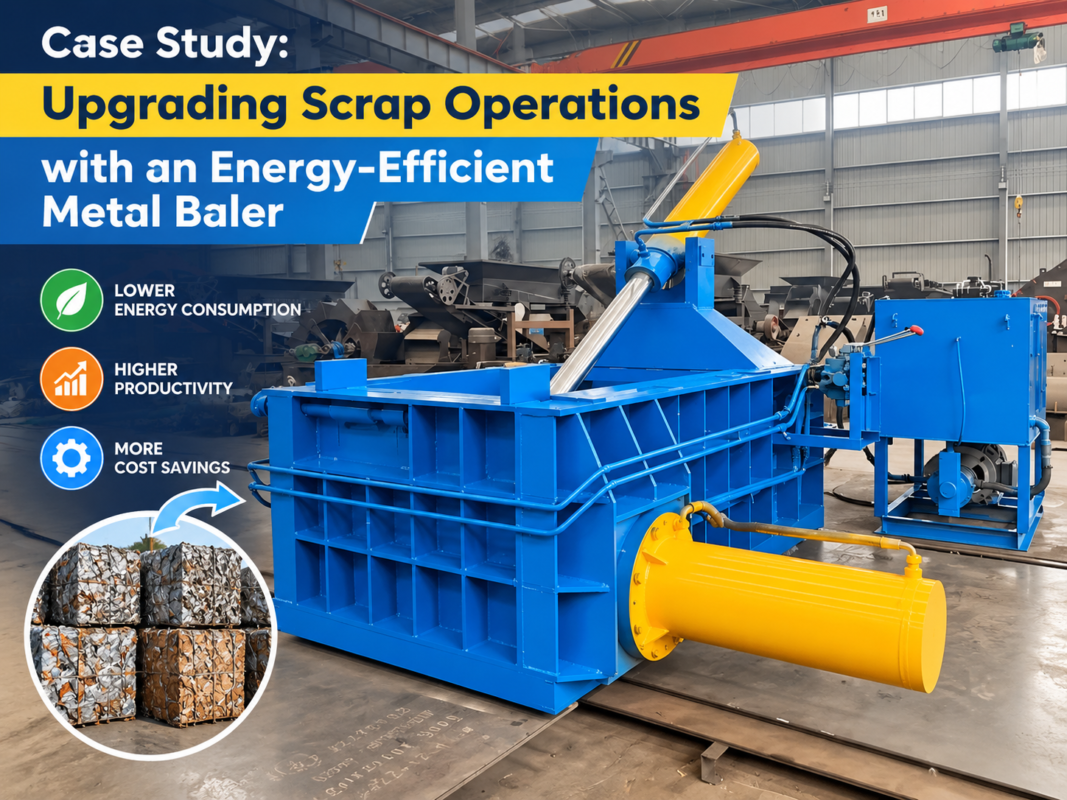
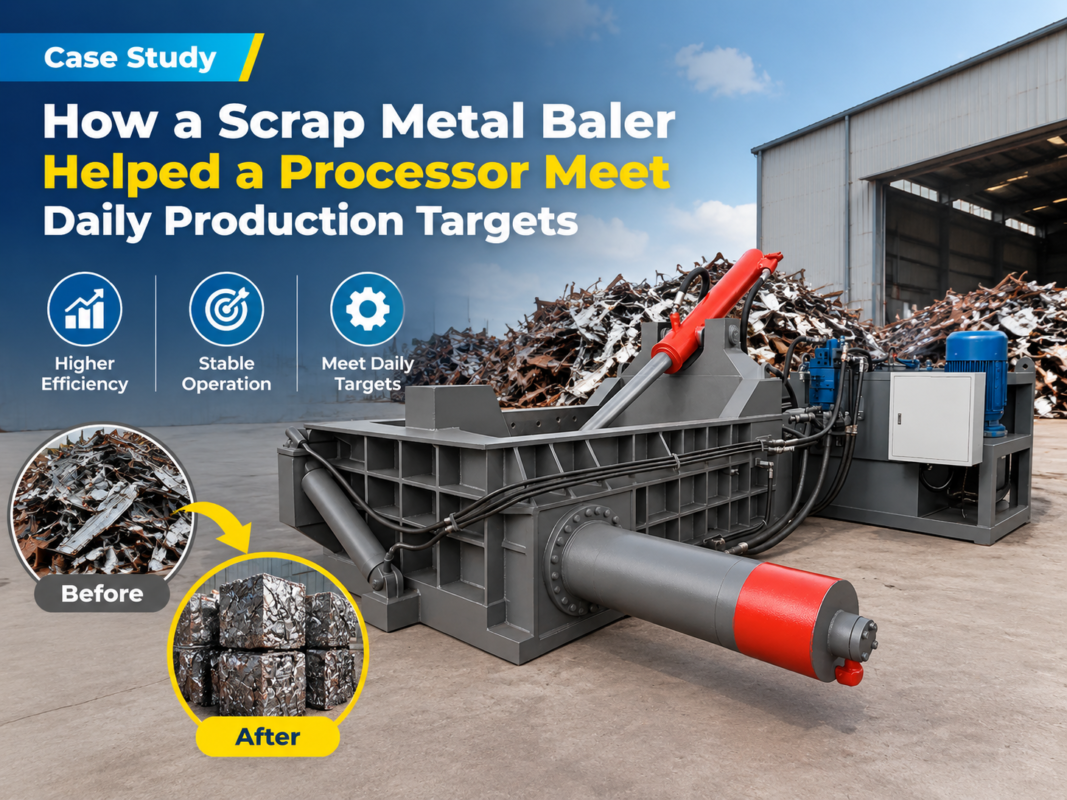
How to Match Scrap Metal Baler Specifications to Scrap Yard Output Targets

Technical Overview: The Science of Compaction and Throughput
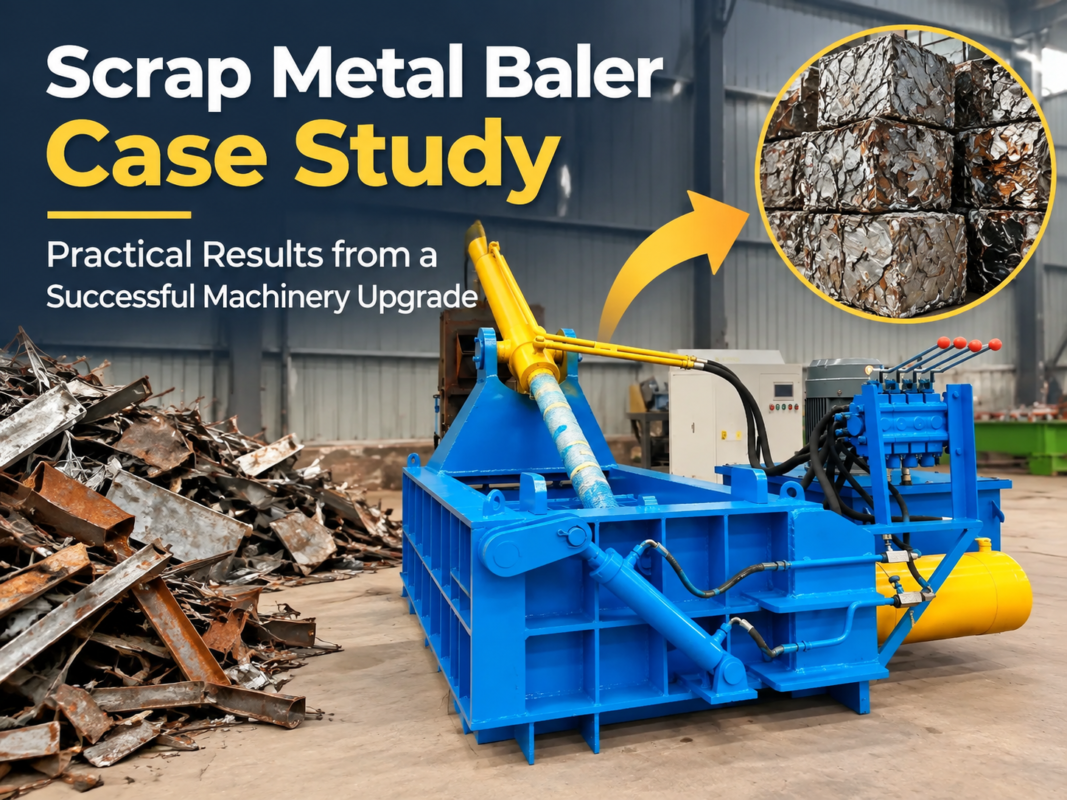
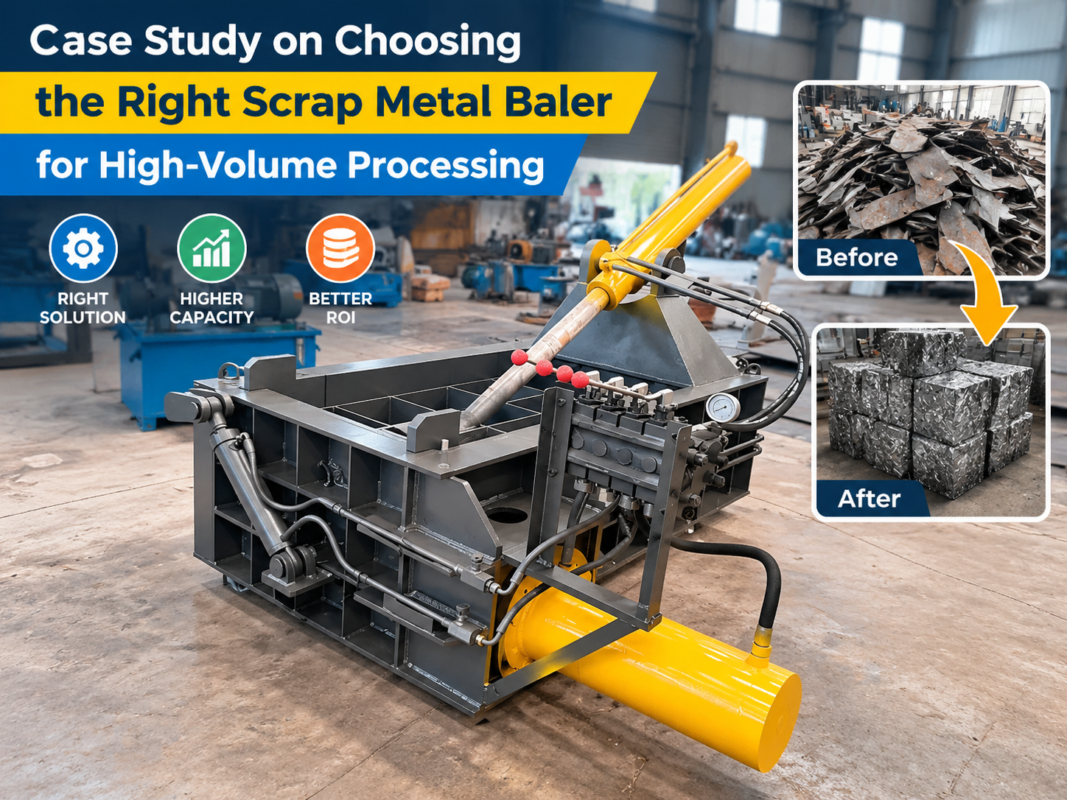
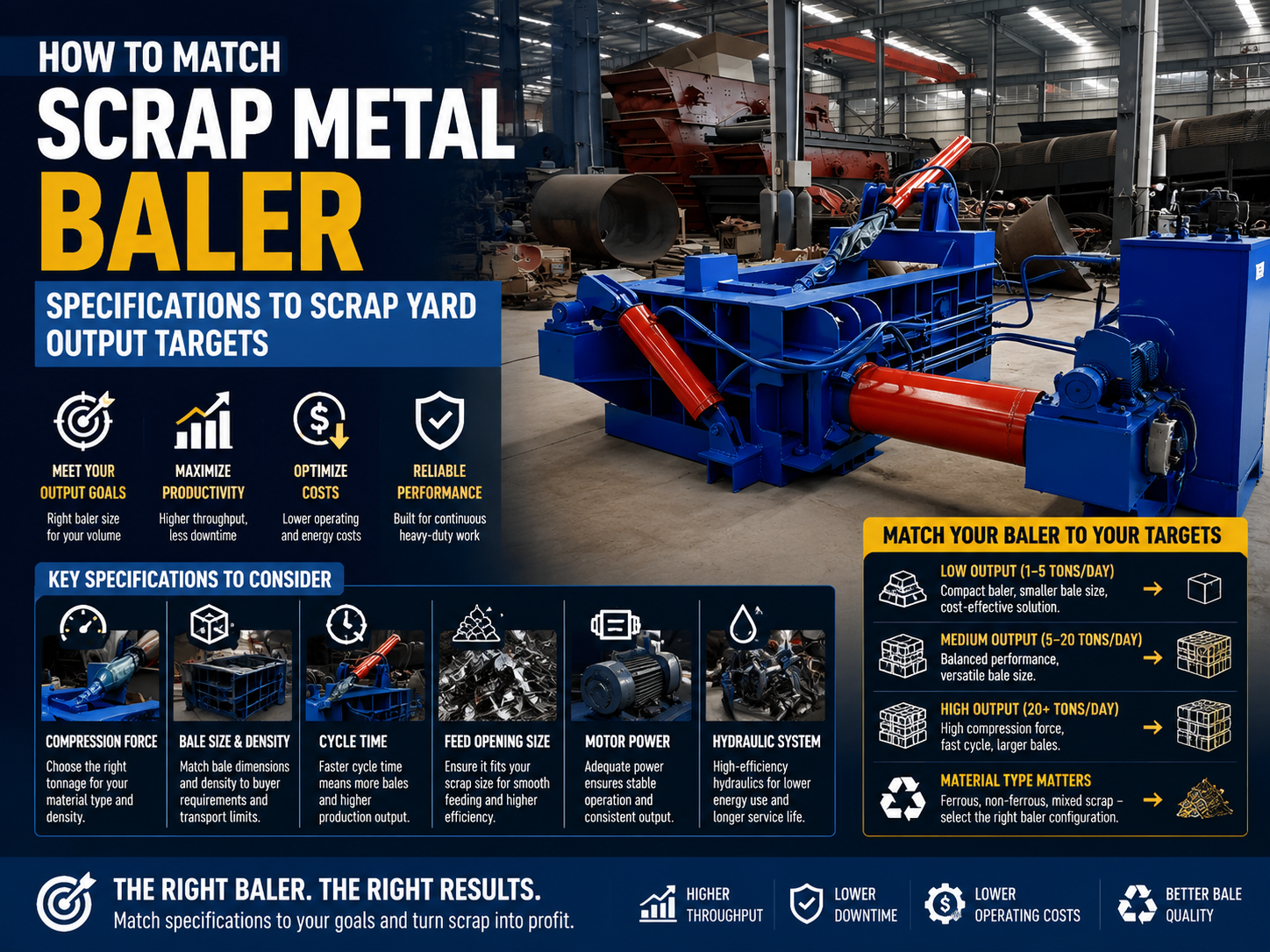
In the high-stakes world of metal recycling, the ability to match scrap metal baler specifications to scrap yard output targets is the difference between a profitable operation and a logistical bottleneck. A scrap metal baler is not merely a machine that squashes metal; it is a precision-engineered hydraulic system designed to transform loose, low-density scrap into high-density, transportable units. Understanding the technical synergy between machine capability and material volume is essential for any facility manager looking to optimize their ROI.
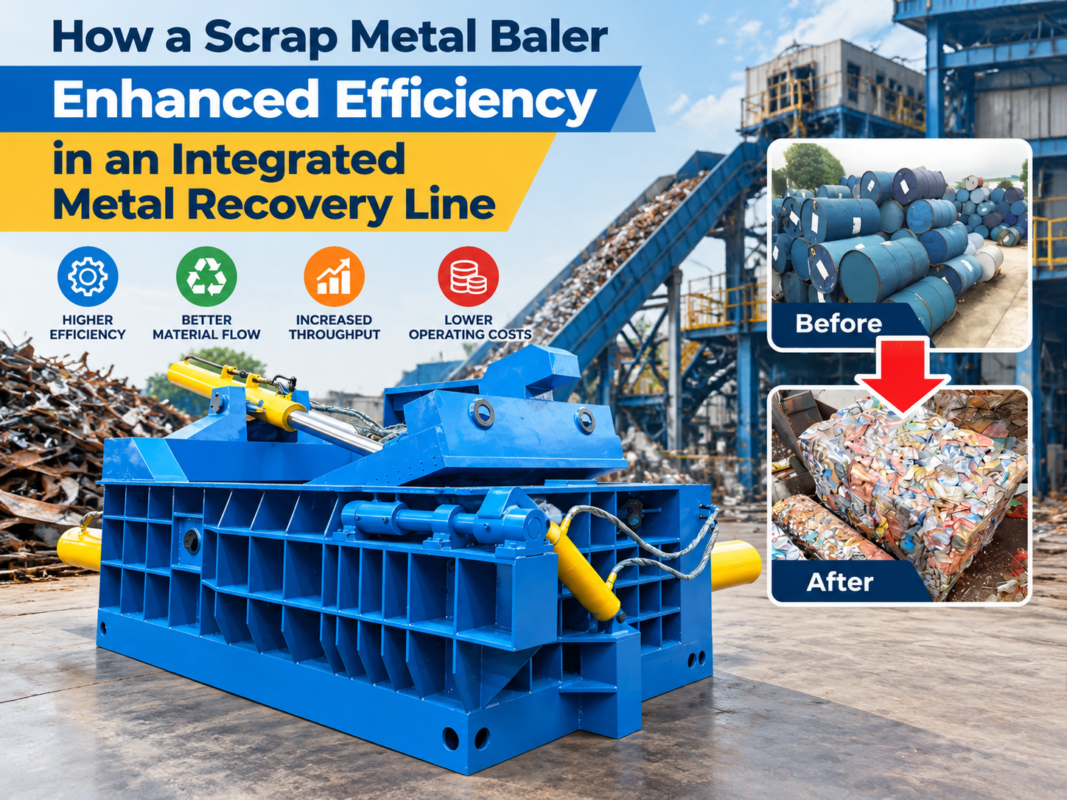
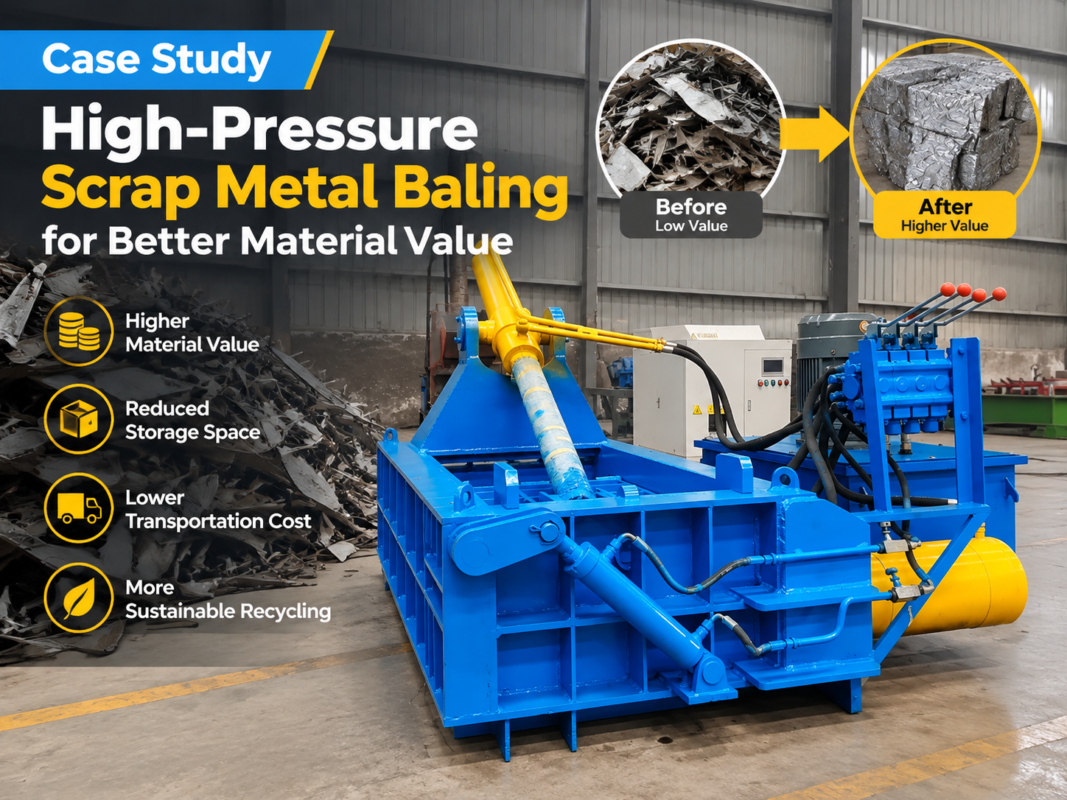
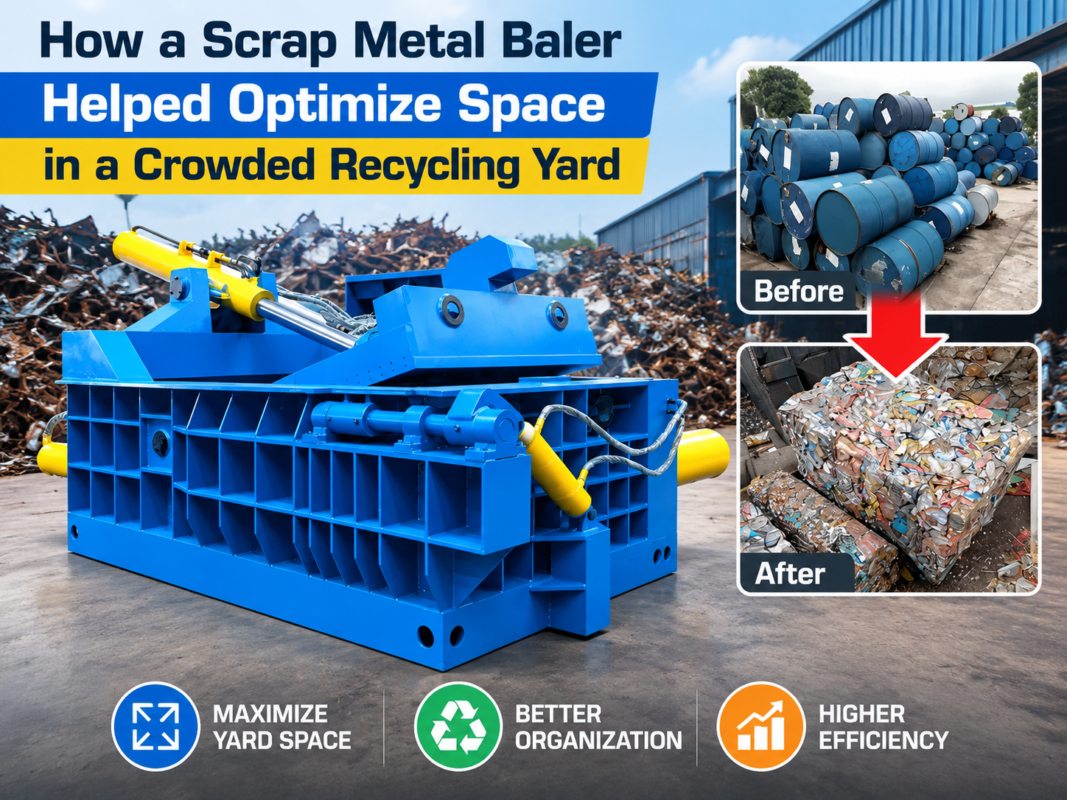
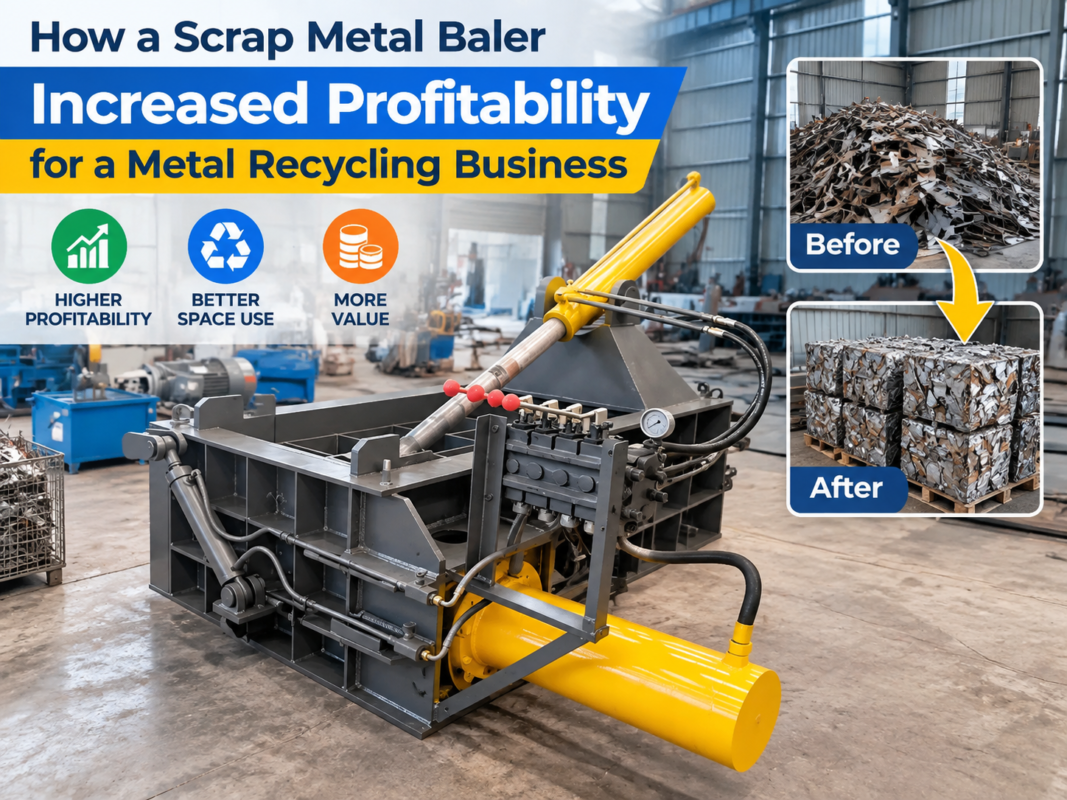
The primary objective of a baler is to increase the bulk density of scrap. This process reduces storage space requirements and, more importantly, minimizes transportation costs by ensuring that every truck or shipping container sent to a smelter is loaded to its maximum weight capacity. However, achieving this requires a deep dive into the mechanics of hydraulic force, cycle times, and material behavior. At HARSLE, we emphasize that a baler’s performance is defined by its ability to maintain consistent output under the varying stresses of different scrap grades.
When we talk about matching specifications to output targets, we are looking at a multi-variable equation. You must consider the physical dimensions of the scrap, the desired density of the final bale, and the total tonnage your yard needs to process per shift. If the baler is undersized, you face mechanical strain and missed deadlines; if it is oversized, you suffer from unnecessary capital expenditure and high energy costs. This guide provides the technical framework to find the ‘Goldilocks’ zone for your specific operation.
Modern scrap metal balers utilize advanced PLC (Programmable Logic Controller) systems to manage the sequence of the pressing rams. These systems allow for fine-tuning of the compaction process, ensuring that the machine adapts to the resistance of the material. Whether you are processing light aluminum extrusions or heavy HMS (Heavy Melting Scrap), the technical configuration of your baler—from the pump displacement to the cylinder bore—must align with your daily throughput goals.
Core Parameters: Understanding the Machine’s DNA
To accurately match scrap metal baler specifications to scrap yard output targets, one must first master the core technical parameters. The most prominent specification is the Nominal Pressing Force, usually measured in kilonewtons (kN) or tons. This force determines the maximum density the machine can achieve. For light metals like aluminum or thin-gauge steel, a lower tonnage might suffice, but for structural steel or thick plate scrap, high-pressure rams are non-negotiable to overcome the material’s yield strength.
Cycle Time is perhaps the most critical parameter for calculating output. This refers to the time it takes for the pressing rams to complete a full extension and retraction cycle, including the lid closure. A baler with a 60-second cycle time will inherently have a lower throughput than one with a 45-second cycle, assuming the chamber size is identical. However, cycle time is often a trade-off with motor power; faster cycles require larger hydraulic pumps and more robust electrical systems to move the fluid quickly.
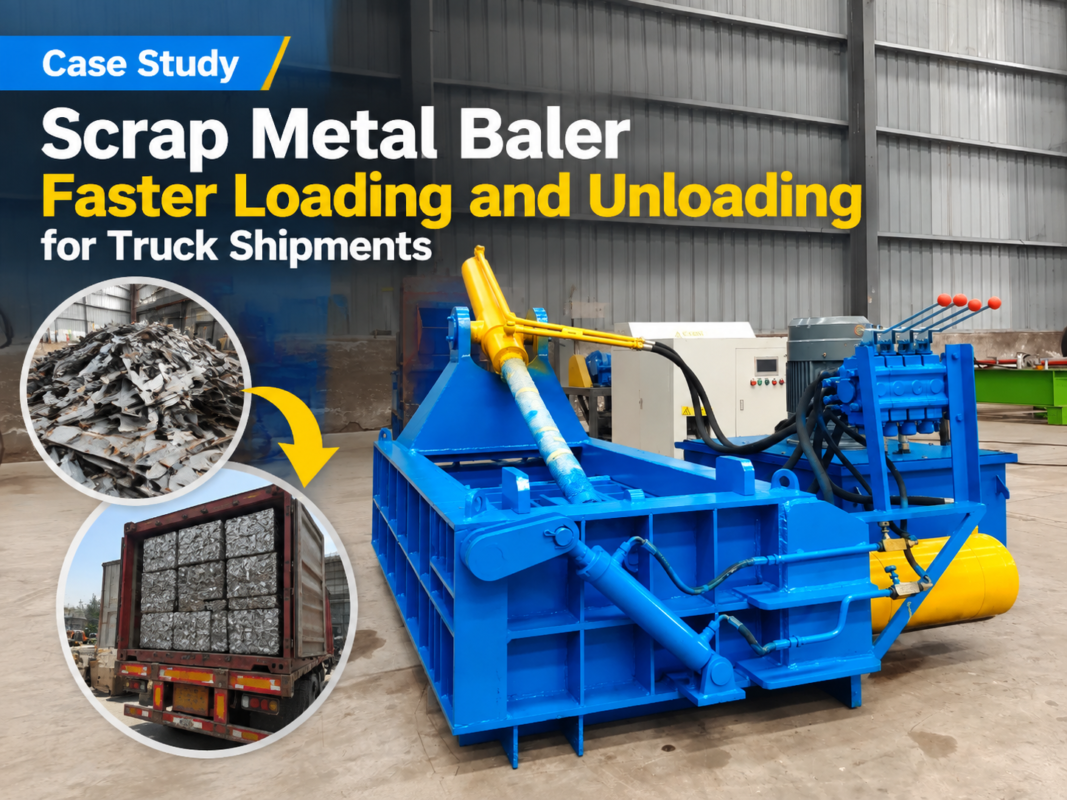
The Chamber Dimensions (Length x Width x Height) dictate the maximum size of the scrap pieces that can be fed into the machine without prior shearing. If your scrap yard receives large, bulky items like car body parts or long pipes, a large chamber is necessary to avoid the labor-intensive process of pre-cutting. Conversely, the Bale Size must be compatible with your downstream logistics. For instance, if you export via standard 20ft containers, your bale dimensions should allow for optimal stacking to reach the 25-28 ton weight limit per container.
Lastly, Motor Power and Hydraulic Pressure are the heart of the operation. The motor drives the hydraulic pump, which generates the flow and pressure required to move the rams. A high-efficiency motor paired with a variable displacement pump can significantly reduce energy consumption during the idle phases of the cycle, which is a vital consideration for yards operating multiple shifts. Understanding these parameters allows you to look beyond the marketing brochures and see the true mechanical potential of the equipment.
Calculation Method: Predicting Your Hourly Output
Calculating the theoretical and actual output of a scrap metal baler requires a systematic approach. The basic formula for hourly output is: (Bale Weight x Cycles Per Hour) = Total Throughput. However, this is often oversimplified. To get a realistic figure, you must account for the ‘Loading Factor’ and ‘Material Density’.
First, determine the Bale Weight. This is calculated by multiplying the bale volume (Length x Width x Height) by the target density. For example, a standard steel bale might have a density of 1,800 kg/m³ to 2,200 kg/m³. If your bale volume is 0.5 m³, your bale weight will be approximately 1,000 kg (1 ton). Next, calculate the Cycles Per Hour. If the machine has a 60-second cycle time, it can theoretically perform 60 cycles per hour. However, you must factor in the time it takes to load the chamber. In a manual loading scenario, you might only achieve 40 cycles per hour.
To match scrap metal baler specifications to scrap yard output targets effectively, use the following refined formula:
Output (Tons/Hour) = [Bale Volume (m³) × Material Density (kg/m³) × (3600 / (Cycle Time + Loading Time))] / 1000
Consider a scenario where a yard needs to process 40 tons of light steel scrap per 8-hour shift (5 tons/hour). If the baler has a cycle time of 50 seconds and a loading time of 20 seconds (total 70 seconds), and produces a bale of 0.4 tons, the calculation would be: (0.4 × (3600 / 70)) / 1000 = 20.5 bales per hour, or 8.2 tons per hour. This machine would comfortably meet the target, providing a safety margin for maintenance or unexpected downtime.
Parameter Table: Comparing Baler Classes
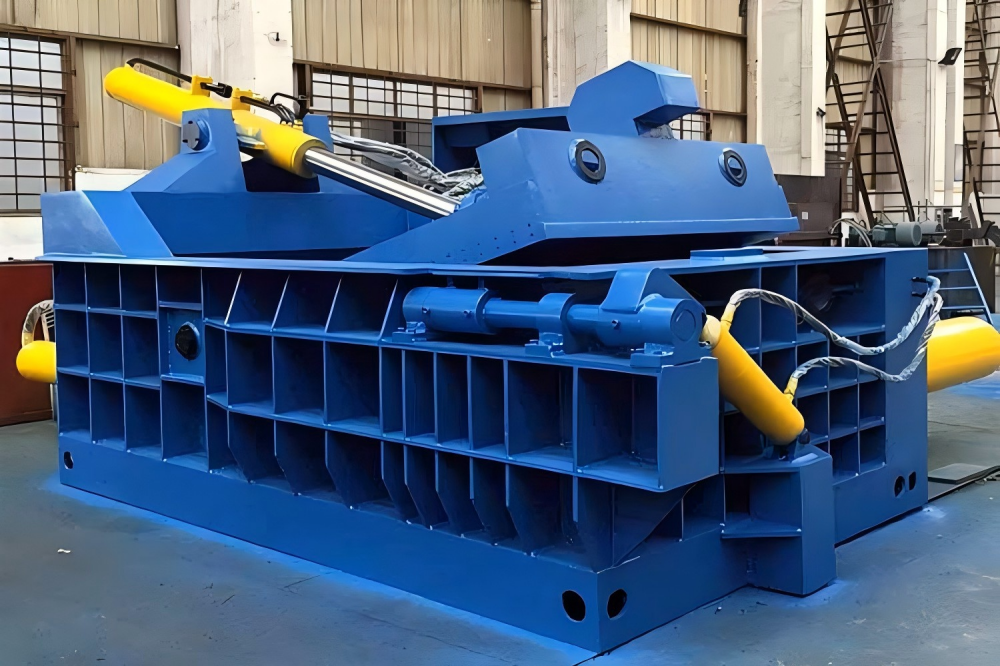
The following table illustrates how different specifications align with typical scrap yard output requirements. This serves as a general reference for selecting the right class of HARSLE machinery.
| Baler Class | Nominal Force (kN) | Chamber Size (mm) | Cycle Time (s) | Est. Output (Tons/Shift) | Primary Application |
|---|---|---|---|---|---|
| Light Duty (Y81F-125) | 1250 | 1200 x 700 x 600 | 60 – 80 | 8 – 12 | Aluminum cans, thin copper, light extrusions |
| Medium Duty (Y81-250) | 2500 | 2000 x 1400 x 900 | 50 – 70 | 25 – 35 | Sheet metal, car bodies, mixed light scrap |
| Heavy Duty (Y81-400) | 4000 | 2500 x 2000 x 1200 | 45 – 60 | 50 – 70 | HMS 1/2, structural steel, industrial waste |
| Industrial High-Speed | 6300+ | 3000 x 2500 x 1500 | < 45 | 100+ | Large-scale recycling centers, steel mills |
Common Engineering Mistakes in Baler Selection
One of the most frequent mistakes when trying to match scrap metal baler specifications to scrap yard output targets is the “Tonnage Trap.” Many buyers assume that higher tonnage always equals better performance. While tonnage is vital for density, it does not directly correlate to speed. A high-tonnage machine with a slow hydraulic system will fail to meet high-volume output targets. It is essential to balance the pressing force with the flow rate of the hydraulic pumps to ensure the machine can keep up with the pace of the yard.
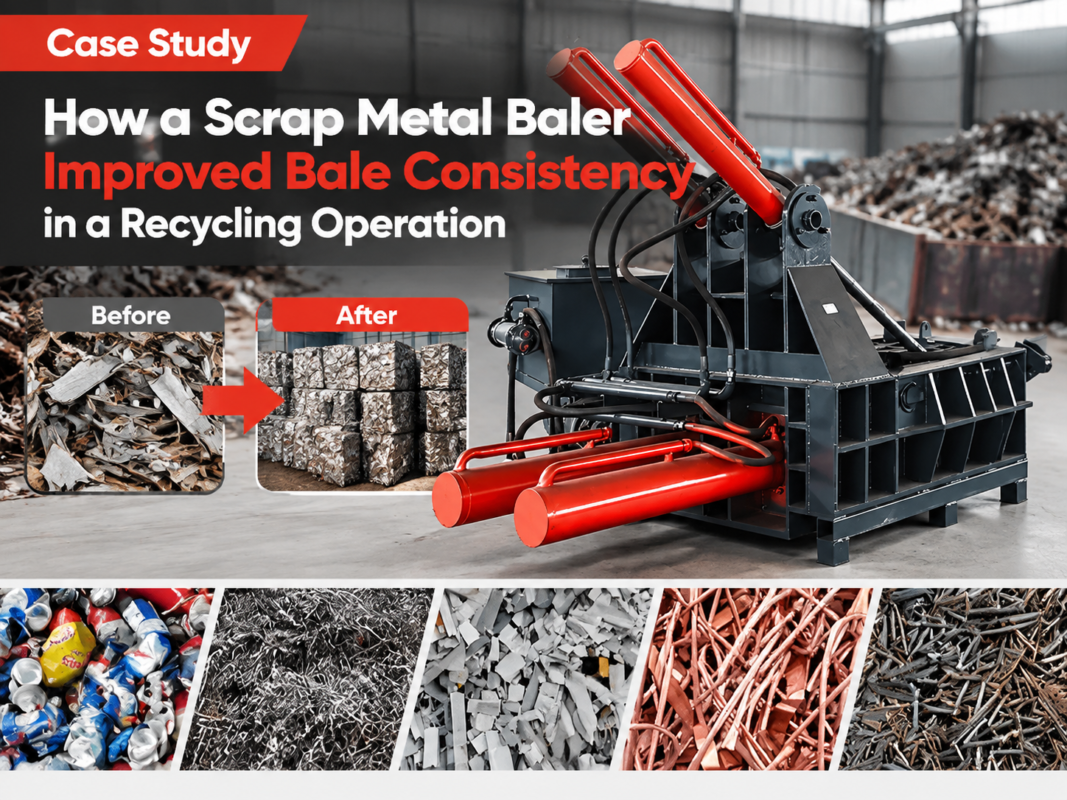
Another common error is neglecting the ‘Material Spring-back’ factor. Certain materials, such as high-tensile stainless steel or specific aluminum alloys, have a tendency to expand once the pressing ram retracts. If the baler’s specifications don’t include a sufficient ‘hold time’ or if the final pressure isn’t high enough to reach the material’s plastic deformation zone, the bales will be loose and unstable. This leads to safety issues during transport and potential rejection by the foundry.
Underestimating the importance of the cooling system is a technical oversight that often leads to mid-day shutdowns. Hydraulic systems generate significant heat, especially when operating at high cycle speeds in warm climates. If the baler is specified with a standard radiator but the yard’s output target requires 16 hours of continuous operation, the oil will overheat, lose viscosity, and damage the pumps. Always ensure the cooling capacity matches the expected duty cycle of the machine.
Finally, many yards fail to consider the ‘Feeding Method’ as part of the machine’s specification. A high-speed baler is useless if it is fed by a slow, undersized crane. The integration between the material handling equipment and the baler’s hopper size must be seamless. If the hopper is too small for the crane’s grapple, cycle times will be wasted on maneuvering rather than pressing. Engineering the entire workflow, rather than just the machine, is the key to hitting output targets.
Selection Checklist: Matching Specs to Your Yard
When you are ready to invest, use this checklist to ensure you match scrap metal baler specifications to scrap yard output targets accurately:
- Define Your Scrap Mix: Identify the percentage of HMS, UBC, and light gauge steel. This dictates the required nominal force and chamber lining durability.
- Calculate Peak vs. Average Throughput: Don’t just plan for your average day; ensure the machine can handle peak delivery days without creating a backlog.
- Verify Electrical Infrastructure: High-output balers require significant amperage. Ensure your yard’s power supply can handle the motor’s start-up current and continuous load.
- Assess Logistics Requirements: Measure your transport vehicles. Ensure the bale size produced by the machine maximizes the ‘cube-out’ or ‘weight-out’ of your trucks.
- Evaluate Maintenance Access: High-output targets mean more wear and tear. Choose a machine like HARSLE’s models that offer easy access to hydraulic manifolds and wear plates.
- Consider Automation: Would a remote-control system or an automatic bale-ejection system reduce your loading time and increase cycles per hour?
Frequently Asked Questions (FAQ)
1. How does material type affect the output target?
Material type significantly impacts output because of density and compressibility. For example, aluminum is light and easy to compress but requires more cycles to reach a one-ton weight compared to heavy steel. Therefore, a yard processing aluminum might need a faster cycle time, whereas a steel yard might prioritize higher pressing force.
2. Can I increase the output of my existing baler?
Output can sometimes be increased by upgrading the hydraulic pumps or the motor to improve cycle times, or by implementing more efficient loading practices. However, the structural frame and cylinder bore of the machine provide an absolute limit to the force it can safely apply.
3. What is the role of ‘Side Squeeze’ in baler specifications?
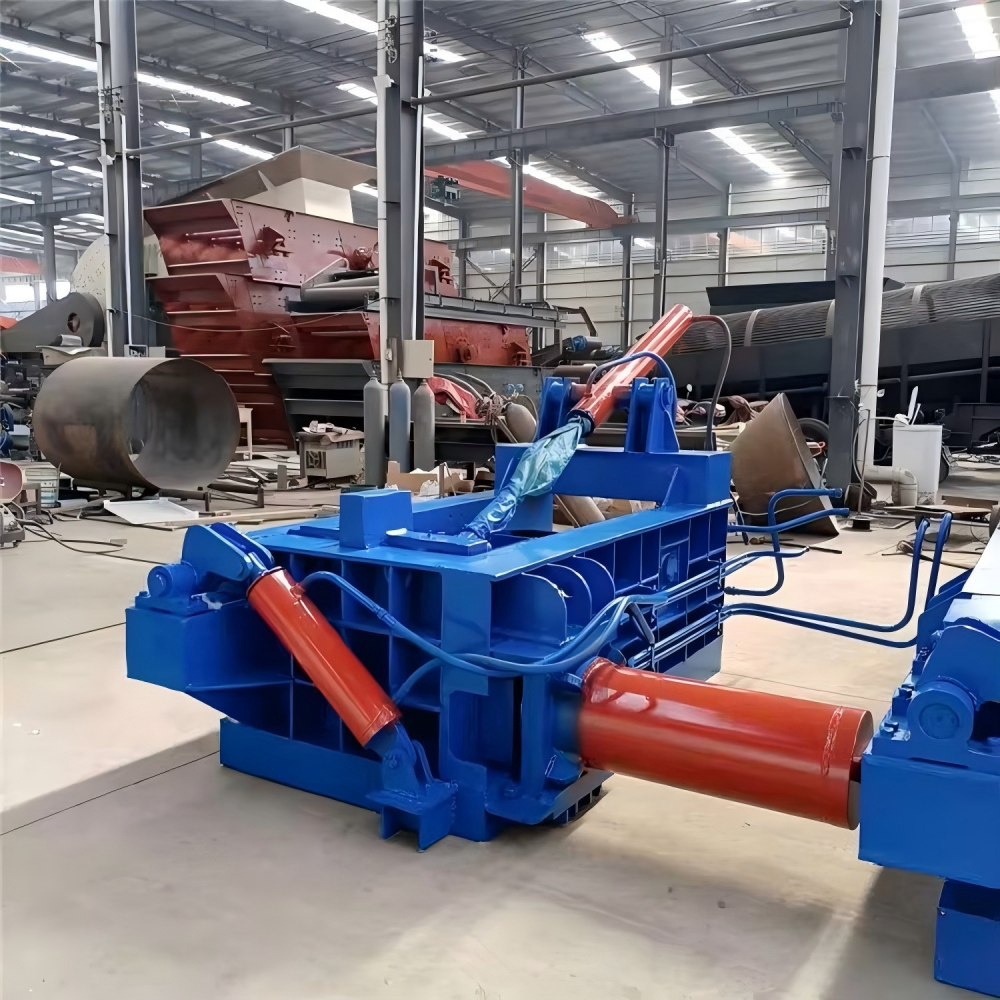
Many HARSLE balers feature a ‘triple compression’ design, including a side squeeze ram. This is crucial for achieving high density in bulky scrap. While it adds a step to the cycle time, the resulting increase in bale density often pays for itself through reduced transportation costs and higher scrap value.
4. How often should wear plates be replaced to maintain output?
Wear plates protect the chamber from the abrasive nature of scrap metal. If they become too worn, the friction increases, and the ram may become misaligned, slowing down the cycle and potentially damaging the machine. In high-volume yards, wear plates should be inspected weekly and typically replaced every 12-24 months depending on the material processed.
5. Why is the ‘Lid Shear’ feature important?
A lid shear allows the baler to cut through overhanging scrap as the lid closes. This eliminates the need for operators to perfectly level the scrap inside the chamber, significantly reducing loading time and helping the yard hit its hourly output targets more consistently.
By meticulously analyzing these technical factors and choosing a partner like HARSLE, scrap yard operators can ensure that their equipment is perfectly tuned to their business goals. Matching scrap metal baler specifications to scrap yard output targets is not just about buying a machine; it’s about engineering a solution for long-term industrial success.