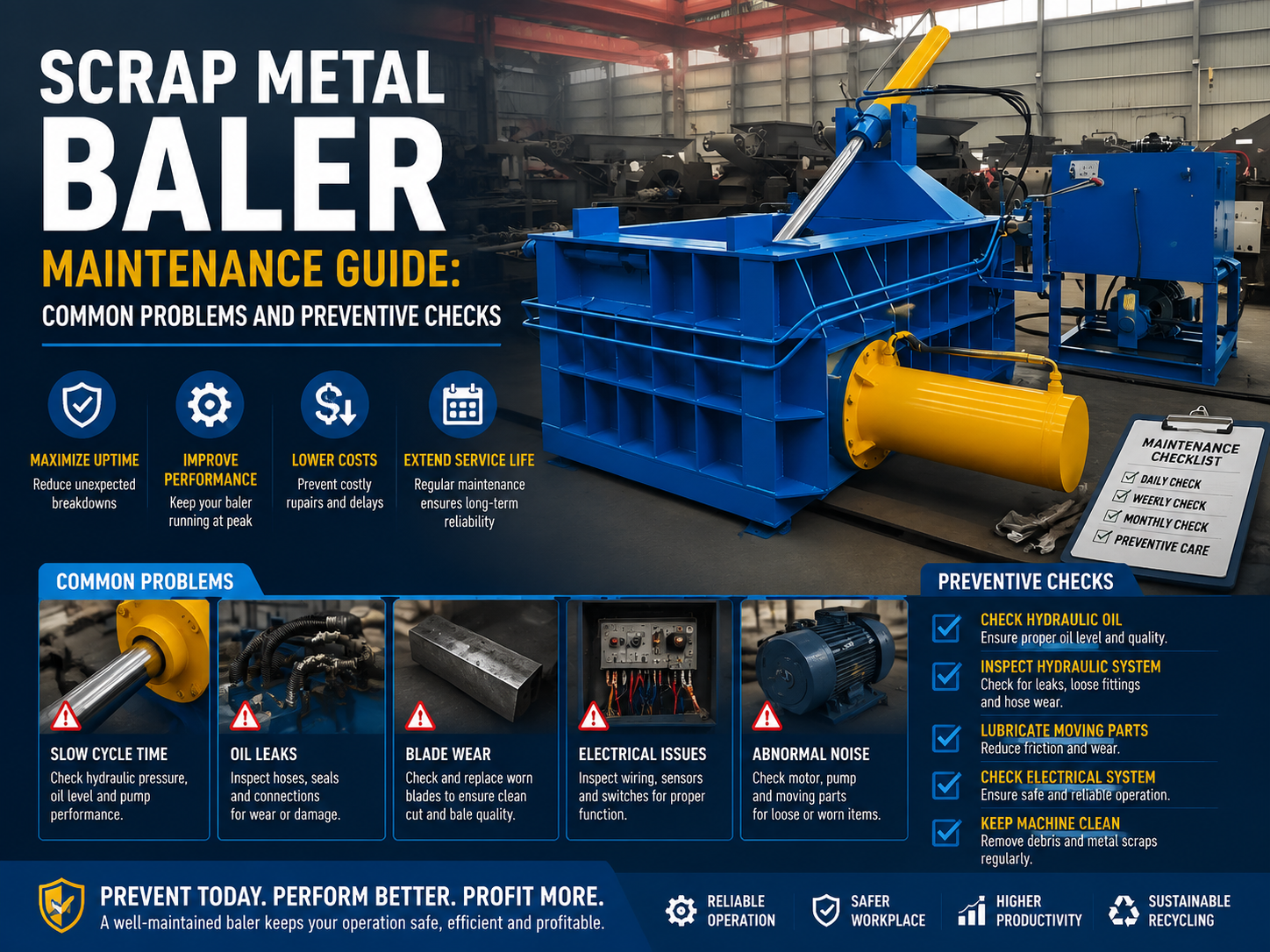
Scrap Metal Baler Maintenance Guide: Common Problems and Preventive Checks

Technical Overview of Scrap Metal Balers
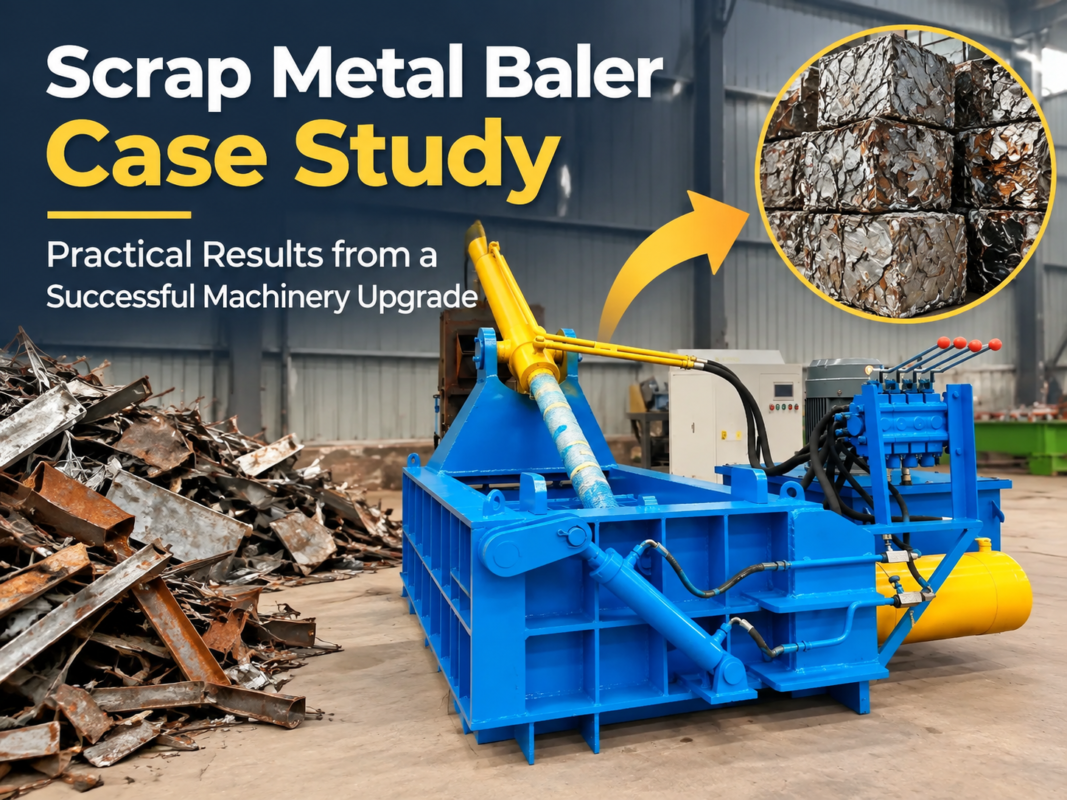
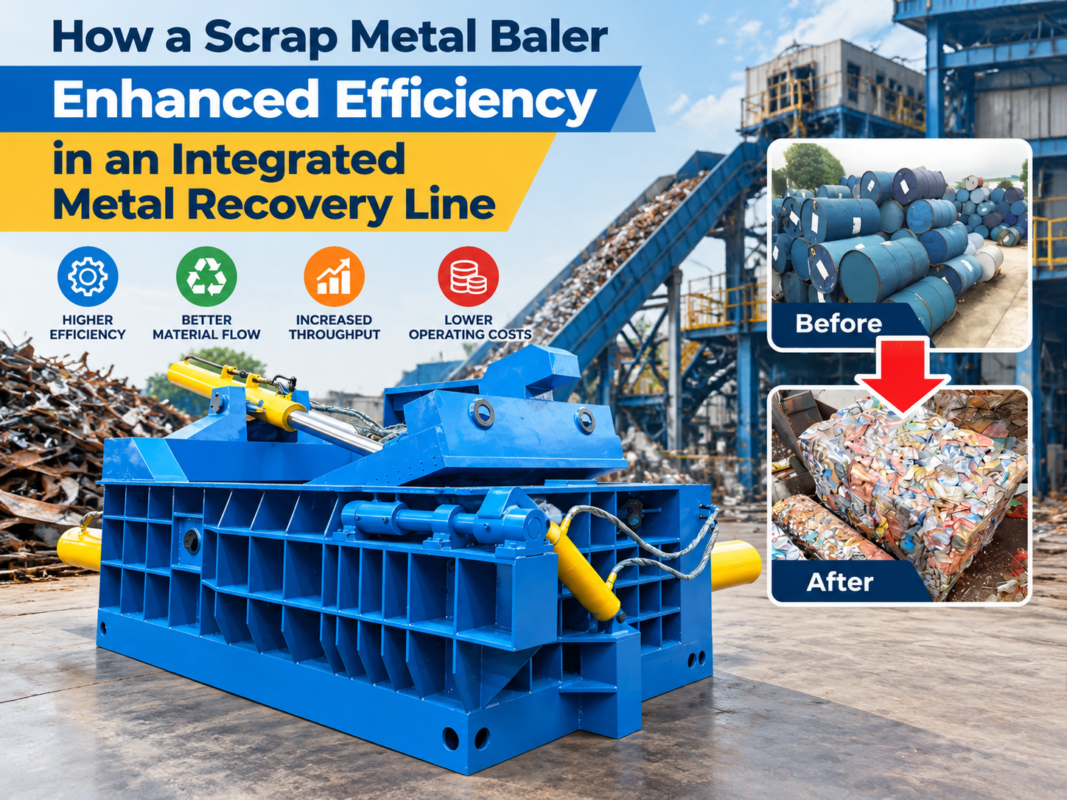
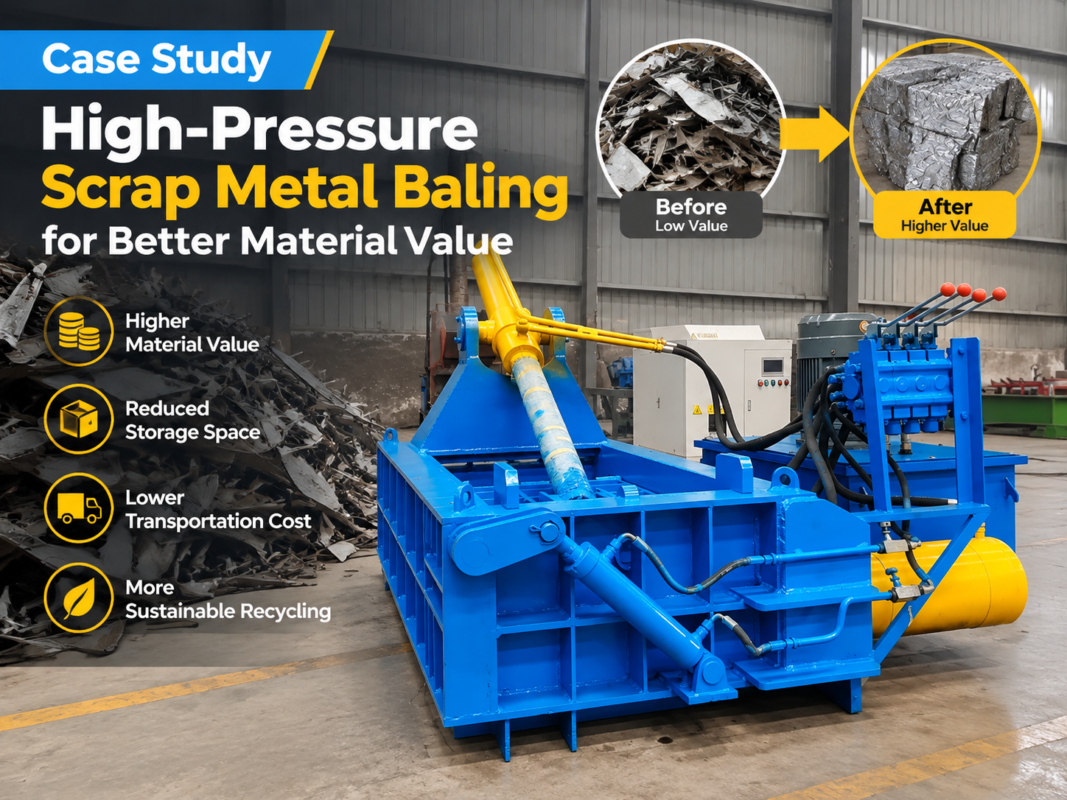
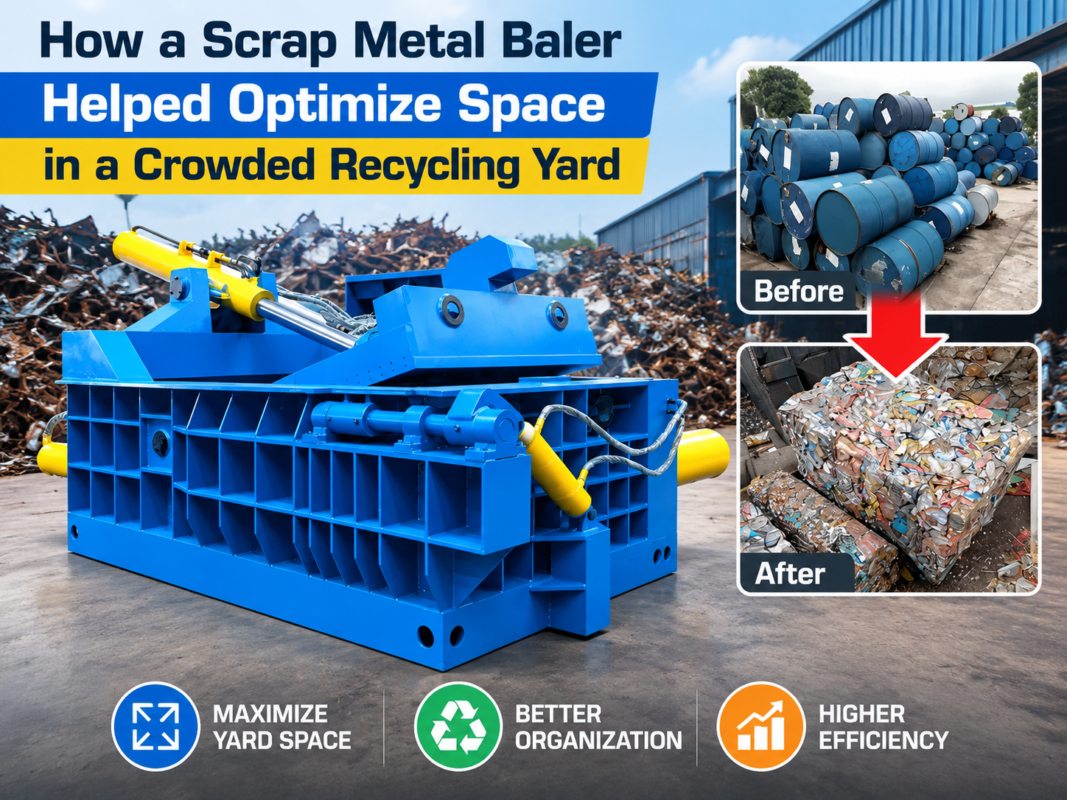
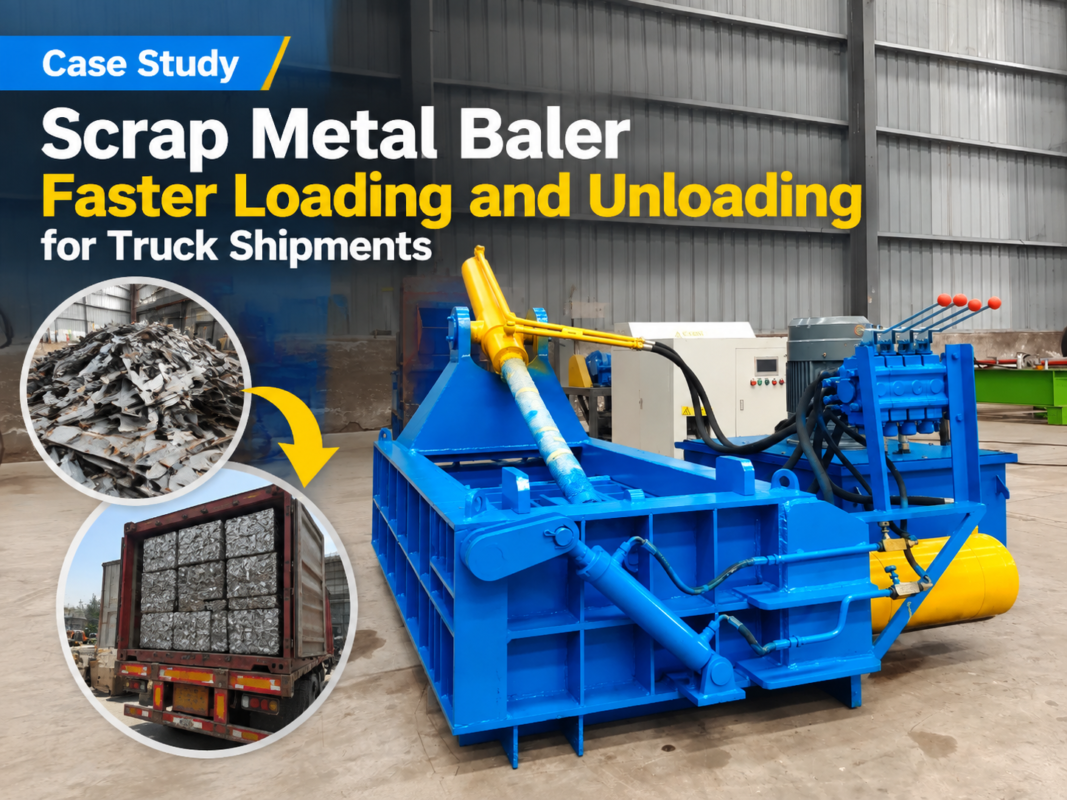
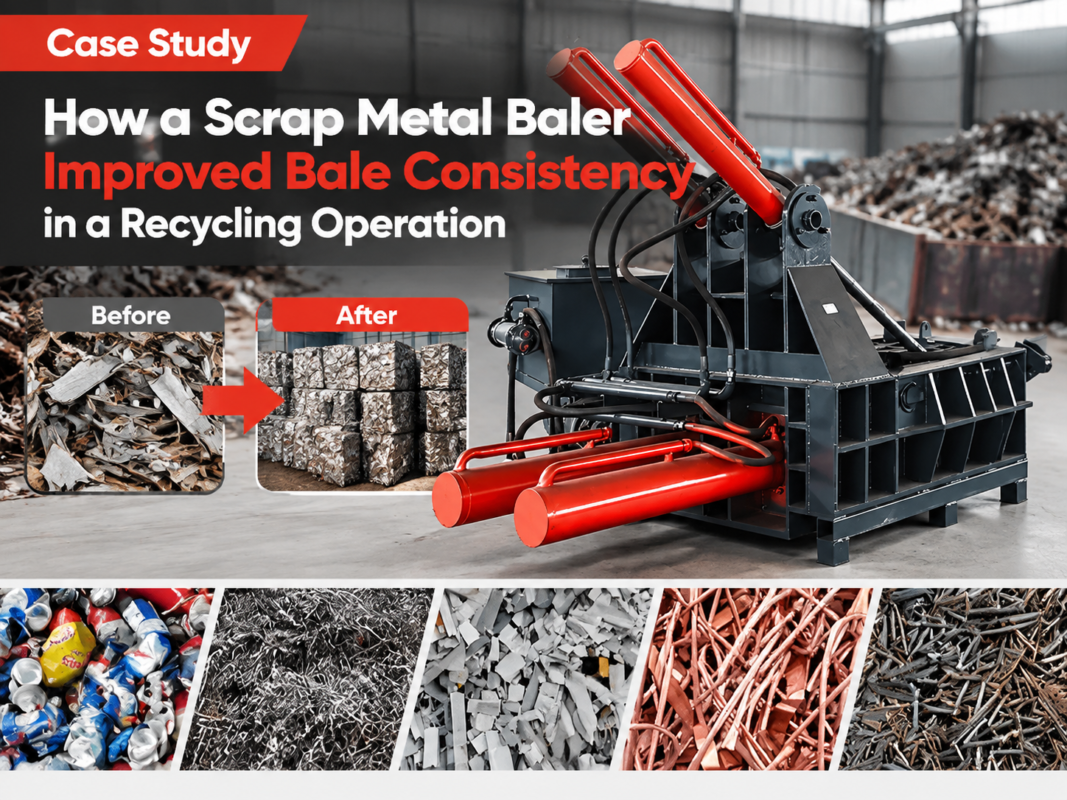
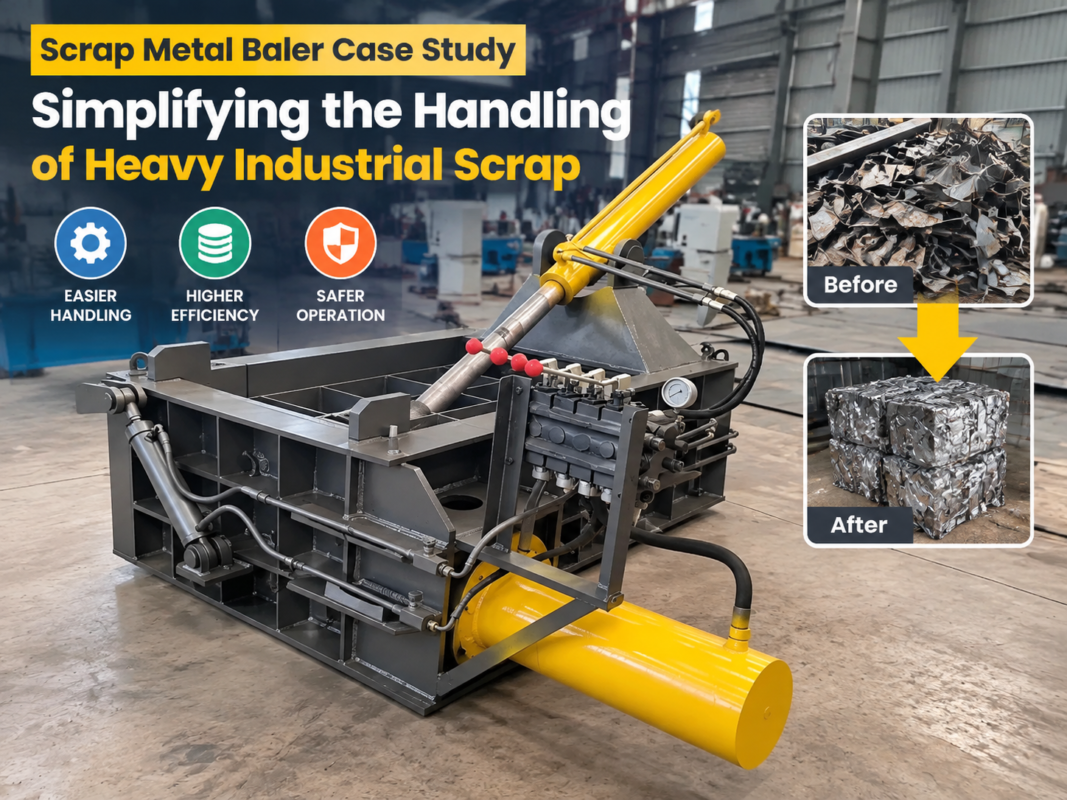
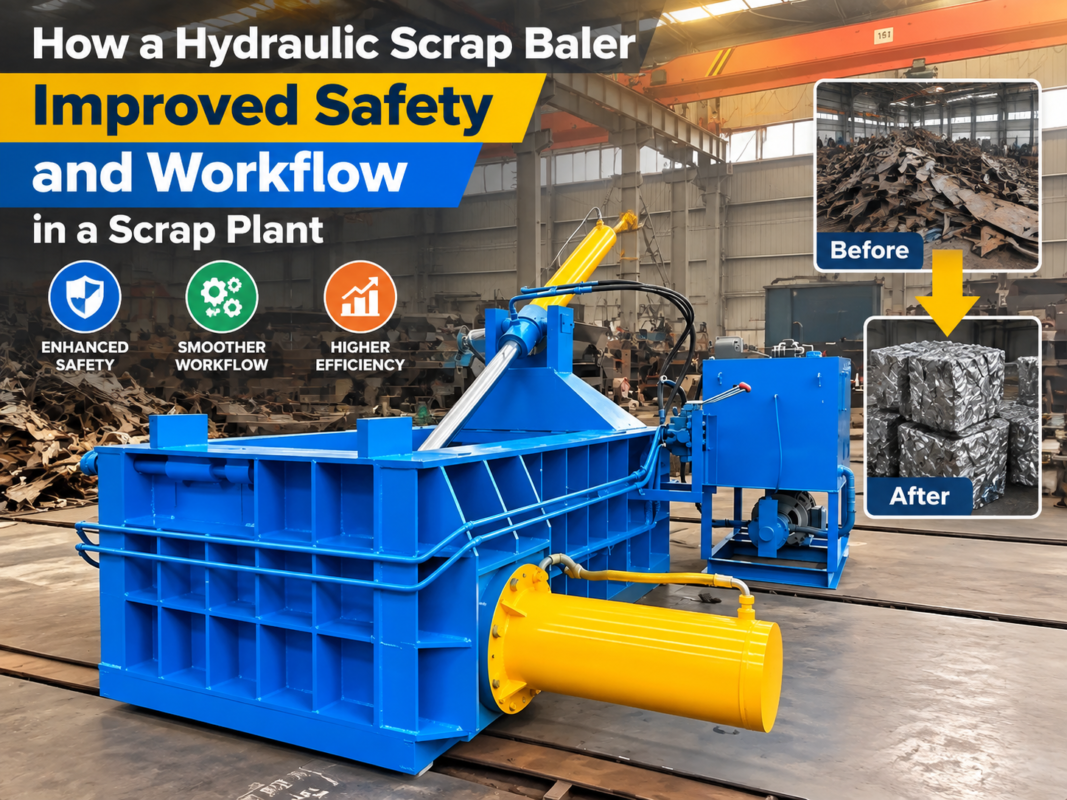
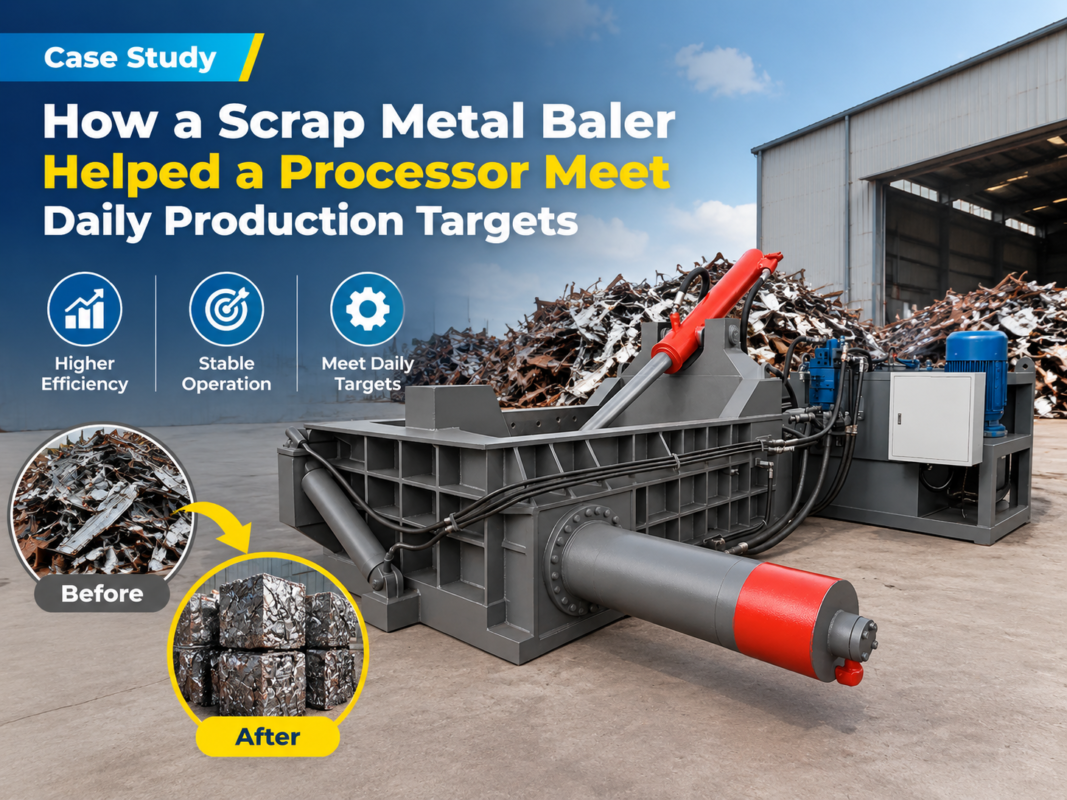
The scrap metal baler is a cornerstone of the recycling and metal fabrication industry. Its primary function is to compress bulky metal scrap—ranging from aluminum cans and copper wire to steel shavings and end-of-life vehicle parts—into dense, manageable blocks known as bales. This process significantly reduces transportation costs, optimizes storage space, and prepares the material for efficient smelting in furnaces. At its core, a scrap metal baler is a high-pressure hydraulic machine that utilizes one or more cylinders to exert massive force on the material within a reinforced compression chamber.
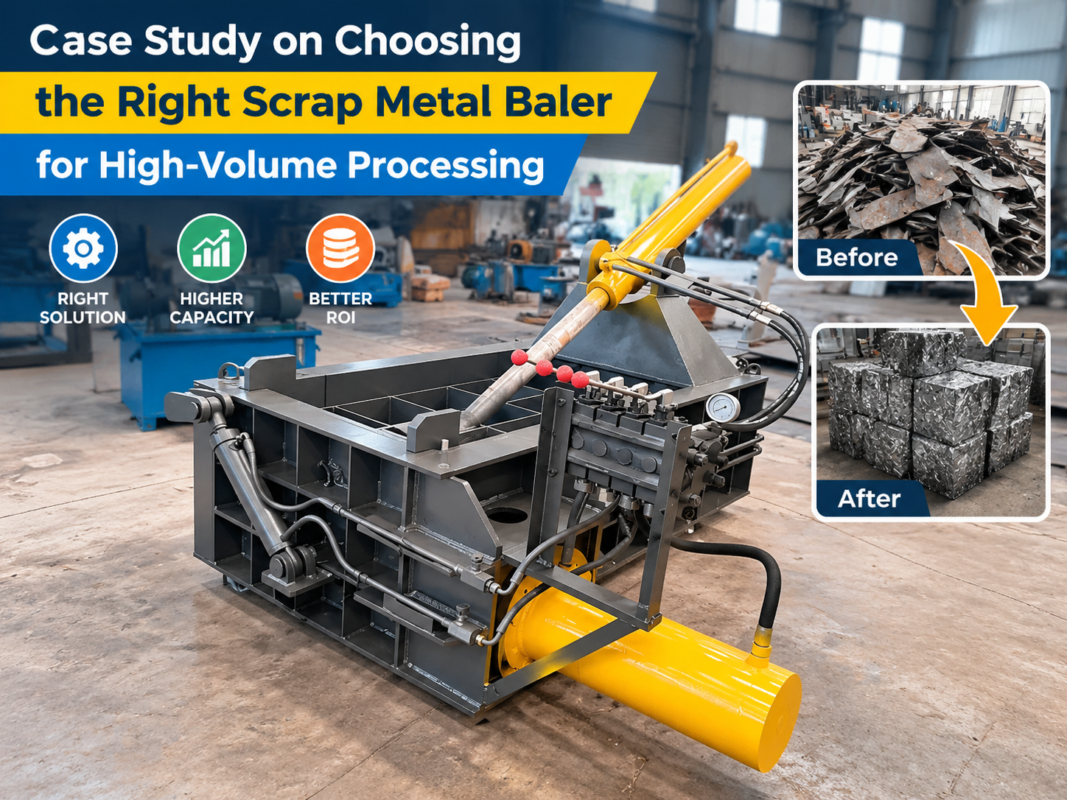
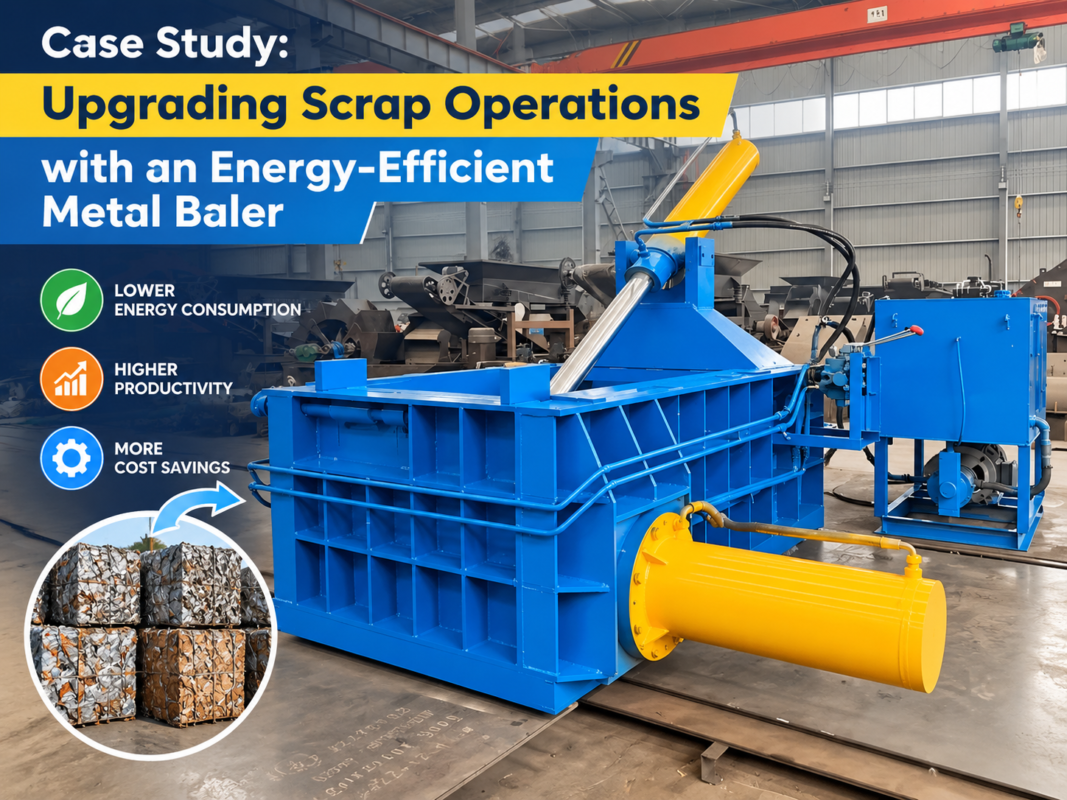
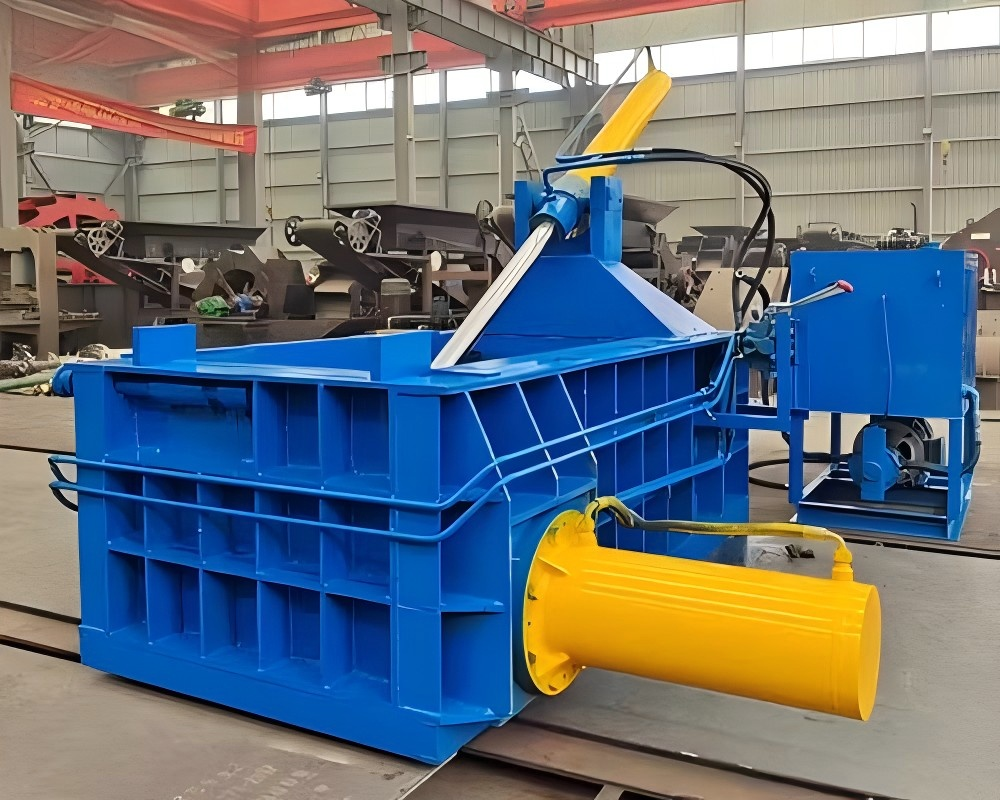
Modern balers, such as those manufactured by HARSLE, integrate advanced PLC (Programmable Logic Controller) systems to automate the compression cycle. The technical architecture typically consists of a hydraulic power unit (HPU), a heavy-duty frame, a compression chamber lined with wear-resistant plates, and a control interface. Understanding the synergy between these components is vital for effective Scrap Metal Baler Maintenance : Common Problems Preventive Checks. When the hydraulic pump delivers high-pressure oil to the cylinders, the rams move forward to crush the scrap. Any misalignment or pressure drop in this system can lead to operational inefficiency or catastrophic failure.
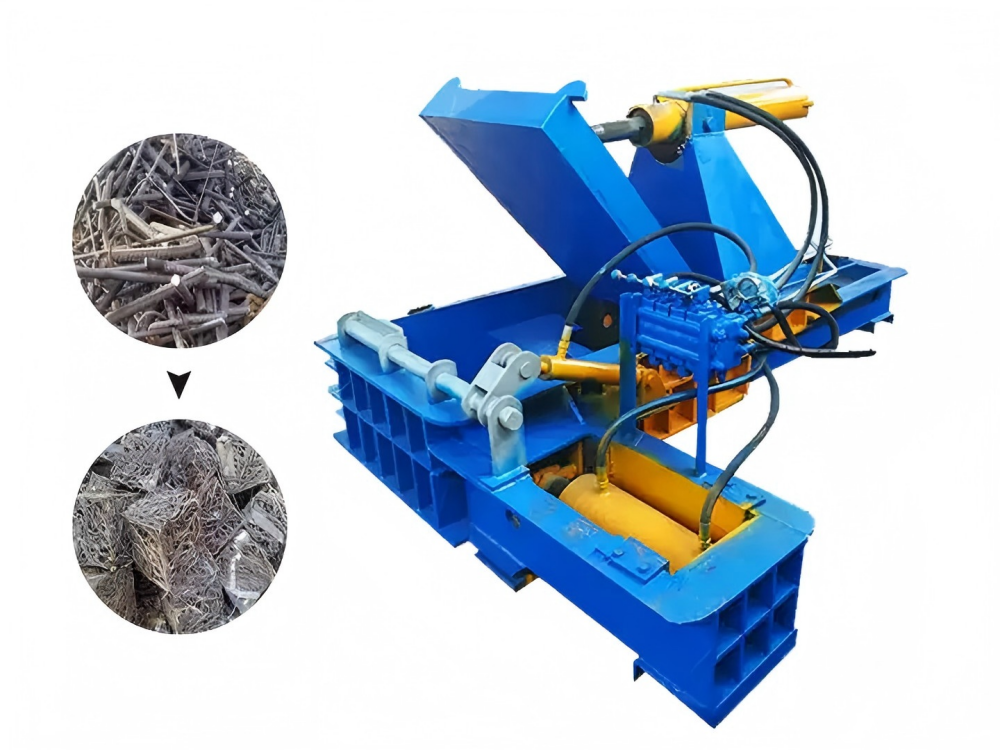
The durability of a baler depends heavily on its structural integrity. The compression chamber is subjected to extreme abrasive forces as metal scraps slide against the walls. Consequently, these machines are designed with replaceable liners made of high-strength alloys like Hardox. Maintenance teams must recognize that the baler is not just a ‘crusher’ but a precision instrument that requires balanced hydraulic flow and synchronized cylinder movement to prevent frame twisting and seal degradation.
Core Parameters of Scrap Metal Balers
To maintain a baler effectively, one must first understand the technical specifications that define its performance. These parameters serve as the baseline for all preventive checks. If a machine is rated for 250 tons of force but only delivers 200, it indicates a systemic issue within the hydraulic circuit or the pump efficiency.
- Nominal Pressure (Force): Measured in Kilonewtons (kN) or Tons, this is the maximum force the main cylinder can exert. Common industrial sizes range from 125 tons to over 1000 tons.
- Chamber Size: The internal dimensions (Length x Width x Height) of the loading area. This dictates the maximum size of the scrap pieces that can be fed into the machine.
- Bale Size: The dimensions of the finished product. Standardizing bale size is crucial for logistics and furnace compatibility.
- Cycle Time: The duration required to complete one full compression and retraction cycle. A lengthening cycle time is often the first sign of hydraulic pump wear or internal valve leakage.
- Motor Power: The electrical capacity (kW) required to drive the hydraulic pumps. Overheating motors often point to electrical imbalances or excessive mechanical resistance.
Calculation Method for Baler Performance
Effective Scrap Metal Baler Maintenance : Common Problems Preventive Checks involves quantitative analysis. Maintenance engineers often need to calculate the actual pressure being applied to ensure the machine is operating within its design limits. The relationship between hydraulic pressure and output force is fundamental.
The formula for calculating the compression force (F) is: F = P × A, where ‘P’ is the hydraulic pressure (measured by the gauge) and ‘A’ is the cross-sectional area of the cylinder piston. If the pressure gauge reads 25 MPa and the piston diameter is 300mm, the area (A) is π × (0.15m)², which is approximately 0.0706 m². The force (F) would be 25,000,000 Pa × 0.0706 m² = 1,765,000 Newtons, or roughly 180 tons. If the calculated force does not match the expected output, it suggests air in the lines or a failing seal.
Another critical calculation is the Bale Density. Density (D) = Mass (M) / Volume (V). For high-quality recycling, a specific density is often required by steel mills. If the density drops while the material type remains constant, it indicates that the limit switches or pressure sensors are triggering the end of the cycle prematurely, necessitating a recalibration of the PLC settings.
Technical Parameter Table
The following table outlines the standard specifications for the Y81 series scrap metal balers, which are widely used in the industry. These figures serve as a reference point for maintenance benchmarks.
| Model Type | Nominal Force (kN) | Chamber Size (mm) | Bale Size (mm) | Cycle Time (s) | Power (kW) |
|---|---|---|---|---|---|
| Y81-125 | 1250 | 1200x700x600 | 300×300 | 80-90 | 15 |
| Y81-160 | 1600 | 1600x1000x700 | 400×400 | 90-100 | 22 |
| Y81-250 | 2500 | 2000x1400x900 | 500×500 | 100-120 | 37 |
| Y81-400 | 4000 | 2500x2000x1200 | 600×600 | 120-150 | 75 |
Common Problems in Scrap Metal Balers
In the realm of Scrap Metal Baler Maintenance : Common Problems Preventive Checks, identifying issues early can save thousands of dollars in repair costs. The most frequent problems usually stem from the hydraulic system, which is the heart of the machine.
1. Hydraulic Oil Overheating
Overheating is perhaps the most common issue in high-volume recycling operations. When hydraulic oil exceeds 60°C (140°F), its viscosity drops, leading to poor lubrication and accelerated seal wear. This is often caused by a clogged oil cooler, low oil levels, or a pump that is constantly running at high pressure due to a faulty relief valve. Regular monitoring of the oil temperature gauge is a mandatory preventive check.
2. Abnormal Noise and Vibration
A healthy baler should operate with a consistent, rhythmic hum. High-pitched whining often indicates pump cavitation—a condition where air bubbles form in the oil, leading to internal erosion of the pump components. Banging or knocking sounds usually suggest loose mechanical fasteners or a structural crack in the compression ram. Ignoring these sounds can lead to a total mechanical breakdown.
3. Slow Cycle Times or Loss of Pressure
If the baler takes longer than usual to compress a load, the culprit is typically internal leakage. This can occur within the hydraulic cylinders (oil bypassing the piston seal) or within the directional control valves. A loss of pressure prevents the machine from reaching the required bale density, resulting in ‘loose’ bales that are difficult to transport and may be rejected by buyers.
4. Electrical and PLC Faults
Modern balers rely on sensors (limit switches, pressure transducers) to communicate with the PLC. Dust, vibration, and moisture can cause these sensors to fail or send erratic signals. If the baler stops mid-cycle or refuses to start, the electrical cabinet should be the first point of inspection. Check for loose wiring, blown fuses, or tripped circuit breakers.
Preventive Checks: A Systematic Approach
To ensure the longevity of your equipment, a structured maintenance schedule is essential. Scrap Metal Baler Maintenance : Common Problems Preventive Checks should be divided into daily, weekly, and monthly tasks.
Daily Preventive Checks
Before starting the shift, operators should perform a visual inspection. Check the oil level in the reservoir; it should be at the 3/4 mark. Inspect all visible hydraulic hoses for ‘weeping’ or abrasions. Ensure the compression chamber is clear of debris from the previous shift. Test the emergency stop buttons to confirm they are fully functional. These five minutes of checks can prevent an eight-hour downtime event.
Weekly Maintenance Tasks
Weekly maintenance focuses on lubrication and filtration. Grease all pivot points and cylinder pins using high-pressure lithium grease. Check the hydraulic return filter indicator; if it’s in the red zone, replace the filter element immediately. Inspect the wear plates inside the chamber. If the gap between the ram and the wall has increased significantly, the plates may need adjustment or replacement to prevent thin metal scraps from jamming the mechanism.
Monthly and Quarterly Inspections
On a monthly basis, perform a ‘tightness check’ on all hydraulic fittings and structural bolts. Vibration naturally loosens these components over time. Quarterly, it is advisable to take an oil sample for laboratory analysis. This can detect microscopic metal particles (indicating pump wear) or chemical breakdown of the oil. Additionally, clean the heat exchanger (oil cooler) using compressed air or a specialized cleaning solution to maintain cooling efficiency.
Common Engineering Mistakes in Baler Operation
Even with a maintenance plan, certain engineering and operational mistakes can undermine the machine’s health. One of the most prevalent errors is overloading the chamber. Operators often try to force oversized pieces of heavy structural steel into a baler designed for light-gauge scrap. This puts immense lateral stress on the rams, leading to bent rods and blown seals.
Another mistake is using the wrong hydraulic oil. Hydraulic systems are designed for specific viscosities (usually ISO VG 46 or 68). Using a lower-grade oil or mixing different types can lead to foaming, poor lubrication, and chemical reactions that destroy O-rings. Furthermore, neglecting the cooling system bypass is a common error. In cold climates, operators might bypass the cooler to warm the oil quickly but forget to re-engage it, leading to rapid overheating once the machine reaches operating temperature.
Selection Checklist for Scrap Metal Balers
When purchasing a new machine or evaluating an existing one for a maintenance overhaul, use this checklist to ensure technical compliance:
- Frame Construction: Is the frame welded using submerged arc technology? Is it stress-relieved to prevent cracking?
- Hydraulic Components: Does the machine use reputable valve brands (e.g., Rexroth, Vickers)? Availability of spare parts is critical for maintenance.
- Wear Liners: Are the liners made of NM450 or Hardox? Are they bolted or welded? Bolted liners are much easier to replace during routine maintenance.
- Filtration System: Does the machine have a multi-stage filtration system (suction, pressure, and return)?
- Safety Features: Does it include interlocked gates, emergency stops, and pressure relief valves?
- Automation Level: Does the PLC allow for remote diagnostics? This can significantly speed up troubleshooting for Scrap Metal Baler Maintenance : Common Problems Preventive Checks.
Frequently Asked Questions (FAQ)
Q1: How often should I change the hydraulic oil in my scrap metal baler?
Typically, hydraulic oil should be changed every 2,000 to 4,000 operating hours, or once a year, whichever comes first. However, if oil analysis shows contamination or oxidation, it should be changed immediately regardless of the hours logged.
Q2: Why is my baler making a loud screaming noise when the ram extends?
This is usually a sign of pump cavitation. Check if the suction strainer is clogged or if there is a leak in the suction line allowing air to enter the pump. It could also mean the oil level is too low, causing the pump to draw in air.
Q3: Can I bale stainless steel in a machine designed for aluminum?
It depends on the machine’s nominal force. Stainless steel is much harder and requires significantly more pressure to compress. Always check the manufacturer’s material rating. Baling material harder than the machine’s rating will cause premature wear on the liners and hydraulic system.
Q4: What is the most critical part of Scrap Metal Baler Maintenance : Common Problems Preventive Checks?
The most critical aspect is oil cleanliness. Approximately 80% of hydraulic system failures are caused by contaminated oil. Keeping the oil clean and cool will extend the life of every other component in the machine.
Q5: How do I know when to replace the wear plates?
You should replace the wear plates when they have worn down by more than 50% of their original thickness or if you notice scrap metal getting wedged between the ram and the chamber wall. Excessive clearance can lead to ‘scoring’ of the main cylinder rod.
Q6: My baler’s PLC is showing a ‘Pressure Fault’—what does this mean?
A pressure fault usually means the system failed to reach the required pressure within a set timeframe. This could be due to a major leak, a faulty pressure transducer, or the material in the chamber being too resilient for the machine’s capacity.
Conclusion
Maintaining a scrap metal baler is an ongoing commitment to technical excellence. By adhering to the principles of Scrap Metal Baler Maintenance : Common Problems Preventive Checks, industrial facilities can ensure maximum uptime, safe operation, and high-quality output. Whether you are operating a small Y81-125 or a massive 1000-ton industrial unit, the fundamentals remain the same: keep the oil clean, monitor the heat, listen for changes in sound, and never exceed the machine’s engineered limits. HARSLE continues to provide the industry with robust machinery and the technical knowledge required to keep the global recycling loop moving efficiently.