
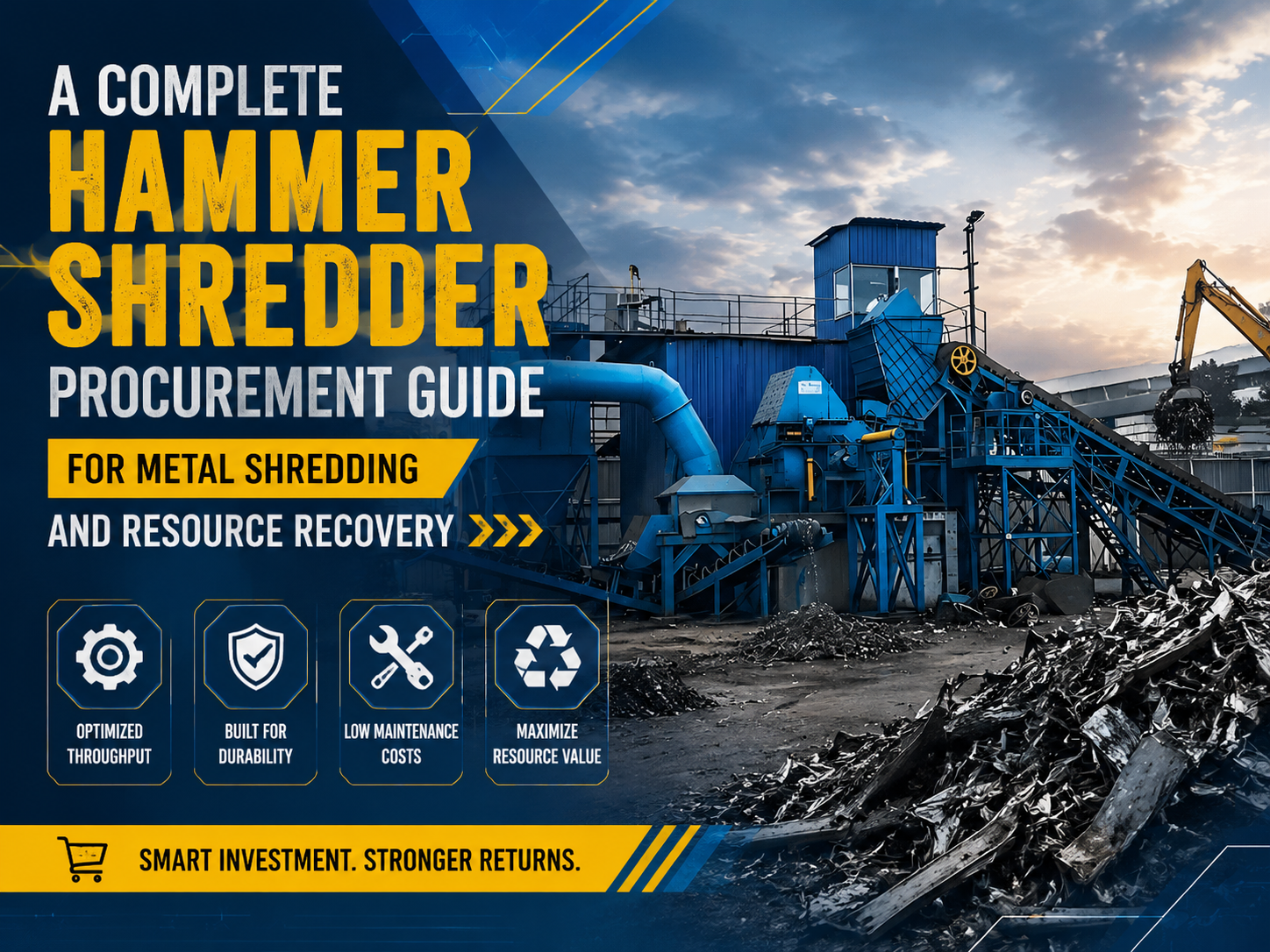
A Complete Hammer Shredder Procurement Guide for Metal Shredding and Resource Recovery

Introduction to Industrial Hammer Shredders
In the modern era of the circular economy, the ability to efficiently process scrap metal into high-quality, furnace-ready material is a cornerstone of profitable recycling operations. A Complete Hammer Shredder Procurement Guide for Metal Shredding and Resource Recovery is essential for businesses looking to navigate the complex landscape of industrial machinery. Hammer shredders, often referred to as hammer mills, utilize high-speed rotating hammers to impact and disintegrate materials, making them indispensable for processing everything from aluminum extrusions and electronic waste to end-of-life vehicles (ELVs).
The procurement process for such heavy-duty equipment involves more than just comparing price tags. It requires a deep understanding of material science, mechanical engineering, and long-term operational costs. As global demand for recycled metals continues to rise, investing in the right shredding technology can significantly enhance a facility’s throughput and the purity of its output. This guide aims to provide a comprehensive roadmap for stakeholders, ensuring that every dollar spent contributes to a robust and sustainable resource recovery operation.
HARSLE, a leader in metal fabrication machinery, recognizes that a hammer shredder is often the heart of a recycling plant. Therefore, selecting a machine that balances power, durability, and energy efficiency is paramount. Whether you are a small-scale scrap yard or a large industrial recycler, understanding the nuances of hammer shredder configuration will empower you to make an informed decision that aligns with your production goals and environmental responsibilities.
Price Range Overview
When embarking on A Complete Hammer Shredder Procurement Metal Shredding Resource Recovery journey, the first question most buyers ask is about the cost. The price of a hammer shredder varies significantly based on its scale, motor power, and integrated features. Generally, the market is divided into three main tiers: entry-level/mobile units, mid-range industrial shredders, and large-scale heavy-duty systems.
Entry-level hammer shredders, often used for light metals like aluminum cans or small electronic components, typically range from $25,000 to $60,000. These machines are ideal for smaller facilities that process less than 2 tons of material per hour. While they lack the sheer force of larger models, they offer flexibility and lower initial capital expenditure. However, buyers must be cautious about the durability of wear parts in this price bracket, as lower-cost machines may use inferior alloys for the hammers and liners.
Mid-range industrial shredders, which are the workhorses of the scrap industry, usually fall between $80,000 and $250,000. These machines are designed for continuous operation and can handle heavier scrap, such as white goods (appliances) and light structural steel. They often feature advanced PLC controls, hydraulic opening mechanisms for easy maintenance, and more robust vibration dampening systems. For most professional recycling centers, this tier offers the best balance between performance and investment.
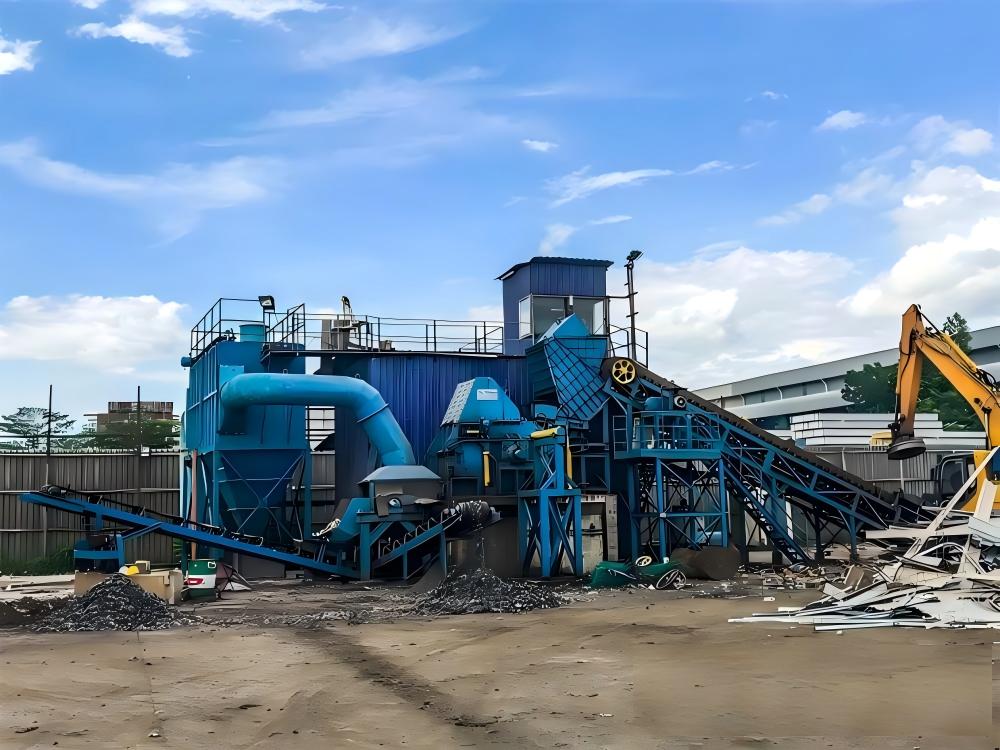
At the top end of the spectrum are large-scale, heavy-duty hammer shredders, which can cost anywhere from $300,000 to over $1,000,000. These systems are massive installations capable of processing 10 to 50 tons per hour. They are typically part of a complete recycling line that includes vibratory feeders, magnetic separators, and dust extraction systems. The high price reflects the massive engineering required to manage the kinetic energy generated by rotors weighing several tons spinning at high speeds.
| Shredder Category | Typical Capacity (TPH) | Estimated Price Range (USD) | Primary Applications |
|---|---|---|---|
| Light Duty / Mobile | 0.5 – 2.0 | $25,000 – $60,000 | Aluminum, E-waste, Cans |
| Standard Industrial | 3.0 – 8.0 | $80,000 – $250,000 | Appliances, Light Scrap, Profiles |
| Heavy Duty / Mega | 10.0 – 50.0+ | $300,000 – $1,000,000+ | ELVs, Heavy Structural, Mixed Scrap |
Main Cost Drivers in Hammer Shredder Procurement
Understanding what drives the cost of a hammer shredder is crucial for effective budgeting. The most significant cost driver is the rotor assembly. The rotor is the most stressed component of the machine, and its construction—whether it is a solid forged shaft or a disc-stack design—greatly influences the price. High-quality rotors use specialized alloy steels that are heat-treated to withstand the immense centrifugal forces and repeated impacts without fatigue.
The second major driver is the motor and drive system. A Complete Hammer Shredder Procurement Metal Shredding Resource Recovery strategy must account for the power requirements of the material being processed. High-efficiency motors (such as those rated IE3 or IE4) carry a higher upfront cost but significantly reduce long-term electricity bills. Furthermore, the choice between a direct drive, belt drive, or hydraulic drive system affects both the initial price and the machine’s ability to handle shock loads.
Material quality for wear parts is another critical factor. Hammers, liners, and grates are consumable items, but their initial quality determines how often they need to be replaced. Manganese steel (Hadfield steel) is the industry standard for hammers due to its work-hardening properties. However, premium hammers with ceramic inserts or specialized hard-facing can double the price of a set of hammers while tripling their service life. Buyers must decide whether to pay more upfront for better metallurgy or face higher maintenance frequencies.
Finally, the level of automation and peripheral equipment adds to the total cost. A standalone shredder is rarely sufficient for modern resource recovery. Integrated systems that include automated grease lubrication, temperature monitoring for bearings, and sophisticated dust suppression systems increase the capital cost but are essential for meeting environmental regulations and ensuring machine longevity. HARSLE emphasizes that investing in a high-quality control system can prevent catastrophic failures by automatically reversing or stopping the machine when an un-shreddable object is detected.
Configuration Impact on Performance and Recovery
The configuration of a hammer shredder dictates the quality of the output material, which directly impacts the revenue generated from resource recovery. One of the most important configuration choices is the grate size. The grates (or screens) at the bottom of the shredding chamber determine the final particle size. Smaller holes produce a more uniform, denser product that is highly valued by smelters, but they also reduce the machine’s throughput and increase wear. Finding the “sweet spot” for your specific market is key.
Rotor speed and hammer weight are also critical configuration variables. For brittle materials like cast iron or certain types of e-waste, a higher-speed rotor with lighter hammers might be more efficient. Conversely, for ductile materials like car bodies or thick aluminum plates, heavier hammers with higher kinetic energy at lower speeds are necessary to achieve the required deformation and tearing. Modern shredders often allow for some adjustment in these parameters to accommodate changing scrap streams.
The feeding system is another area where configuration matters. A Complete Hammer Shredder Procurement Metal Shredding Resource Recovery plan should evaluate whether a vibratory feeder or a heavy-duty slat conveyor is more appropriate. Vibratory feeders are excellent for leveling out the material flow, preventing “slugs” of metal from hitting the rotor all at once, which protects the motor from current spikes. In contrast, slat conveyors are better for bulky, tangled scrap that might not move well on a vibrating surface.
Hidden Costs to Consider
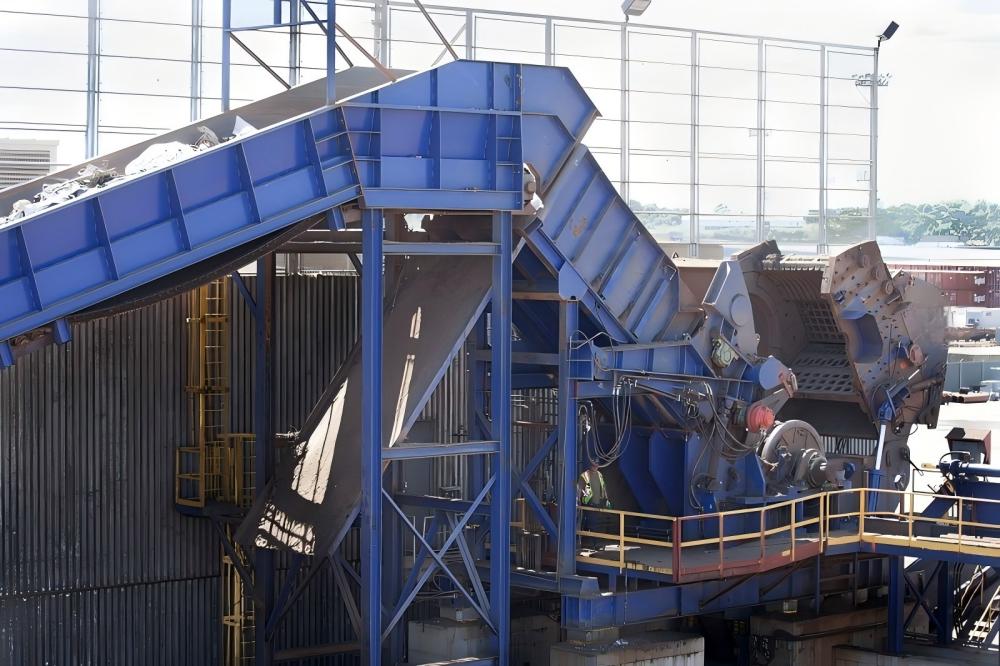
Beyond the purchase price, several hidden costs can derail a procurement budget if not accounted for early in the process. Civil engineering and foundation work are often underestimated. A hammer shredder generates significant dynamic loads and vibrations. A standard factory floor is rarely sufficient; instead, a reinforced concrete pit with vibration-damping mounts is usually required. Depending on the soil conditions and machine size, this can add $10,000 to $50,000 to the project cost.
Electrical infrastructure is another common hidden cost. A large hammer shredder may require a dedicated transformer or a significant upgrade to the facility’s power supply. Additionally, the peak starting current of a large induction motor can be several times its operating current, necessitating expensive soft-starters or variable frequency drives (VFDs) to avoid penalties from the utility company or tripping the main breakers.
Permitting and environmental compliance can also be costly and time-consuming. Shredding metal generates noise, dust, and potentially hazardous emissions if the scrap contains oils or plastics. Investing in sound-dampening enclosures and high-efficiency cyclone or baghouse dust collectors is often a legal requirement. Furthermore, the disposal of “shredder fluff” (the non-metallic residue) is an ongoing operational cost that varies by region and can significantly impact the net profitability of the recovery process.
Lastly, consider the cost of spare parts inventory. To minimize downtime, a facility must stock a full set of hammers, pins, and liners, as well as critical bearings and belts. For a mid-sized machine, this initial inventory can easily cost $15,000 to $30,000. Without these parts on hand, a simple wear-out can turn into a week-long production halt while waiting for shipping.
ROI Calculation for Metal Shredding Operations
Calculating the Return on Investment (ROI) for a hammer shredder involves comparing the total cost of ownership against the value added to the scrap material. The primary value driver is the “shredded scrap premium.” Clean, dense, shredded steel (often referred to as HMS 1/2 or shredded 211) commands a significantly higher price per ton than loose, mixed scrap because it is easier for steel mills to handle and melts more efficiently.
To calculate the ROI, first determine the annual throughput. For example, a machine processing 5 tons per hour, operating 8 hours a day, 250 days a year, handles 10,000 tons of material. If the shredding process increases the value of the scrap by $40 per ton, the gross annual value added is $400,000. From this, you must subtract operating expenses (OPEX), including electricity, labor, maintenance, and residue disposal.
Maintenance is typically the largest OPEX item. A good rule of thumb is to allocate $5 to $10 per ton for wear parts and routine servicing. If electricity and labor add another $15 per ton, the total OPEX is $25 per ton. In our example, the net profit per ton would be $15 ($40 premium – $25 OPEX), resulting in a net annual gain of $150,000. If the total investment (machine + installation) was $450,000, the payback period would be 3 years. A Complete Hammer Shredder Procurement Metal Shredding Resource Recovery strategy focuses on optimizing these variables—reducing OPEX through efficient design and maximizing the premium through superior output quality.
Buying Advice: Selecting the Right Supplier
When you are ready to move forward with A Complete Hammer Shredder Procurement Metal Shredding Resource Recovery, choosing the right partner is as important as the machine itself. Start by evaluating the supplier’s track record. Do they have installations processing similar materials to yours? Requesting a material test is highly recommended. Reputable manufacturers like HARSLE often allow potential customers to send a sample of their scrap to be processed in a test facility to verify throughput and output quality.
Examine the build quality in person if possible. Look at the welding quality on the main frame, the brand of the bearings (SKF, FAG, or NSK are preferred), and the thickness of the wear liners. A machine that looks “beefy” is usually better equipped to handle the unpredictable nature of scrap metal. Furthermore, inquire about the availability of technical support. Does the supplier offer remote diagnostics? How quickly can they dispatch a technician or ship critical parts?
Finally, consider the long-term partnership. A hammer shredder is a 10-to-15-year investment. You need a supplier who will be there for the long haul, providing updates, upgrades, and advice as your business grows. Avoid suppliers who only offer a low price but have no established service network. In the world of industrial machinery, the cheapest option often becomes the most expensive over time due to downtime and poor performance.
Frequently Asked Questions (FAQ)
What is the difference between a hammer shredder and a shear shredder?
A hammer shredder uses high-speed impact to break and densify material, making it ideal for creating high-purity, heavy-melt scrap. A shear shredder (or twin-shaft shredder) uses low-speed, high-torque cutting to size-reduce material. Shears are better for bulky items like tires or large plastic drums, while hammer shredders are superior for metal recovery and densification.
How often do the hammers need to be replaced?
Hammer life depends entirely on the material being processed. When shredding clean aluminum, hammers may last for several hundred hours. When processing contaminated steel scrap, they might need to be flipped or replaced every 40 to 80 hours. Regular inspection is key to maintaining efficiency and preventing damage to the rotor.
Can a hammer shredder handle stainless steel?
Yes, but with caution. Stainless steel is much tougher and more abrasive than carbon steel. It will cause significantly higher wear on the hammers and liners. If your primary feed is stainless steel, you should specify a machine with heavy-duty alloy hammers and reinforced housing to handle the increased stress.
What is the role of the magnetic separator in a shredding line?
The magnetic separator is crucial for resource recovery. After the material leaves the hammer shredder, it typically passes under a magnetic drum or overband magnet to separate ferrous metals (iron and steel) from non-ferrous metals (aluminum, copper) and waste. This separation is what allows recyclers to sell different materials at their respective market prices.
Is a vertical or horizontal hammer shredder better?
Horizontal hammer shredders are the industry standard for scrap metal because they allow for a larger feed opening and easier integration with conveyors. Vertical shredders (or grinders) are often used for specialized applications like e-waste or fine-grinding, where a very high degree of liberation is required, but they generally have lower throughput for heavy scrap.
How do I minimize noise from my shredding operation?
Noise can be minimized by using acoustic enclosures, installing the machine on specialized anti-vibration mounts, and ensuring that the feeding system is designed to prevent material from crashing onto hard surfaces. Keeping the hammers sharp and the machine well-maintained also reduces the “grinding” noise associated with inefficient shredding.


