Hammer Shredder Applications in Industrial Demolition Scrap Processing: A Comprehensive Guide

Introduction to Hammer Shredder Applications in Industrial Demolition Scrap Processing
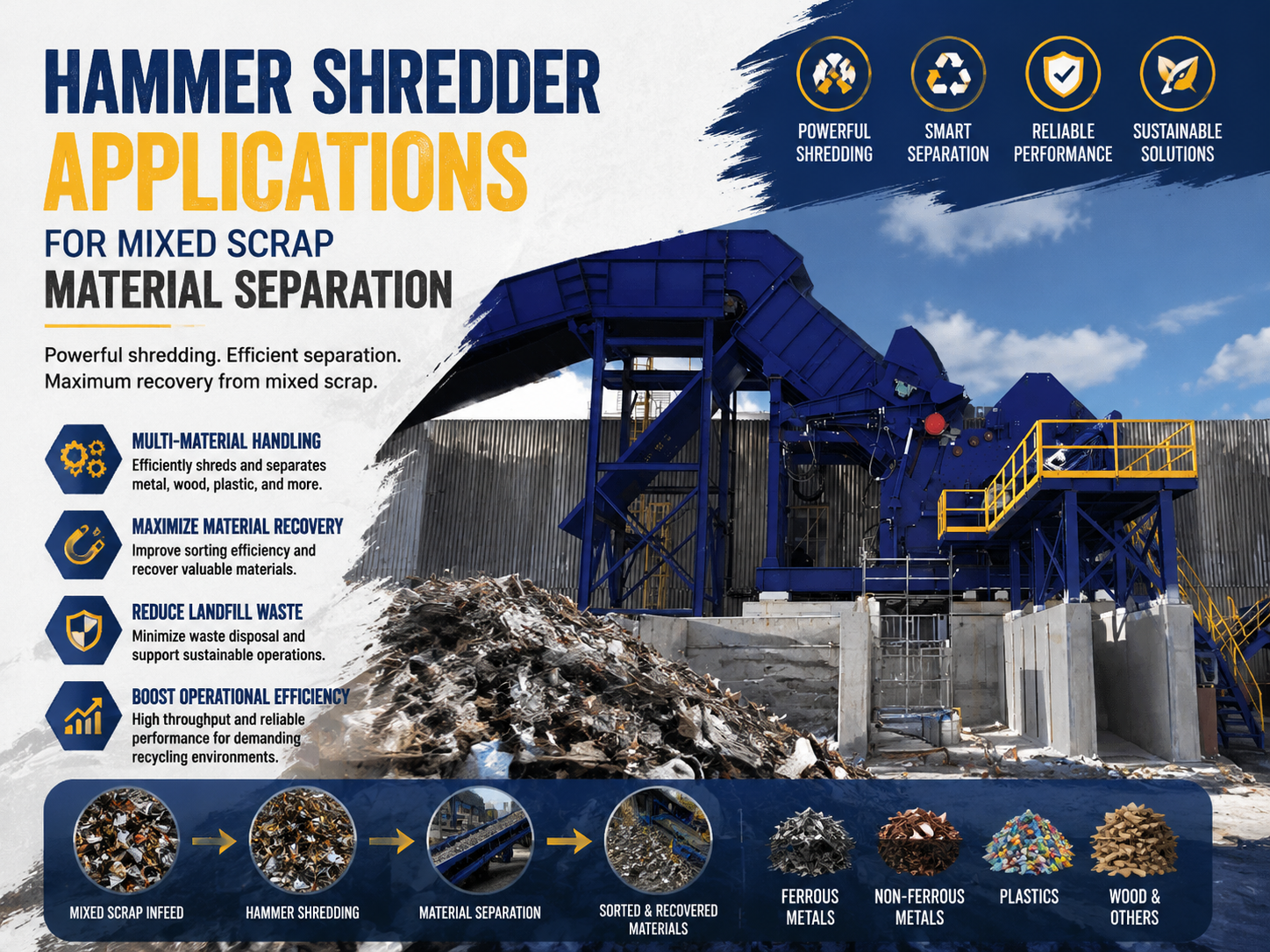
In the modern industrial landscape, the decommissioning of factories, power plants, and large-scale infrastructure projects generates a staggering volume of metallic waste. This material, often referred to as demolition scrap, is a complex mix of structural steel, rebar, piping, and non-ferrous components. The efficiency with which this scrap is processed determines the profitability of recycling operations and the sustainability of the construction industry. Central to this process is the hammer shredder, a robust piece of machinery designed to reduce bulky demolition waste into high-density, high-purity scrap. Hammer Shredder Applications In Industrial Demolition Scrap Processing have become the backbone of the circular economy, transforming what was once considered ‘junk’ into valuable raw materials for steel mills and foundries.
HARSLE, a leader in metal fabrication and processing equipment, recognizes that the demands of industrial demolition are unique. Unlike light-duty recycling, demolition scrap requires machines that can handle extreme shock loads and abrasive materials. The hammer shredder operates on the principle of high-velocity impact, where heavy-duty hammers mounted on a high-speed rotor strike the incoming material, shattering it against internal liners and anvil plates. This process not only reduces the size of the material but also cleans it by knocking off concrete, insulation, and paint, which are common contaminants in demolition projects.
The evolution of these machines has led to specialized designs that cater specifically to the rigors of the demolition site. From mobile units that can be deployed directly to a job site to massive stationary plants capable of processing hundreds of tons per hour, the versatility of hammer shredders is unmatched. In this guide, we will delve deep into the technical nuances, operational considerations, and selection criteria that define successful Hammer Shredder Applications In Industrial Demolition Scrap Processing.
Key Considerations for Industrial Demolition Scrap Processing
When integrating a hammer shredder into a demolition workflow, several critical factors must be evaluated to ensure long-term viability and ROI. The first and most important consideration is the material composition. Industrial demolition scrap is rarely uniform. It may contain heavy I-beams, tangled rebar from reinforced concrete, or even large engine blocks from decommissioned machinery. A shredder must be sized not just for the average material, but for the ‘peak’ hardness and thickness it will encounter. Overloading a machine with materials beyond its design capacity leads to catastrophic rotor failure and excessive downtime.
Another vital consideration is throughput and density requirements. Steel mills prefer ‘shredded scrap’ because of its high bulk density and purity. The hammer shredder must be capable of producing a consistent output size, typically regulated by a discharge grate or screen. In industrial demolition, the goal is often to maximize the ‘pounds per cubic foot’ to reduce transportation costs. Processing scrap on-site or at a regional hub using a hammer shredder significantly improves the logistics of moving demolition waste to the furnace.
Environmental and Regulatory Compliance is the third pillar of consideration. Industrial demolition often involves materials coated in lead-based paints or containing residual oils. Hammer shredders generate significant dust and noise. Modern applications must include integrated dust suppression systems, acoustic enclosures, and sophisticated air separation units (Z-box or cyclones) to capture light fractions like foam, plastic, and paper. Failure to manage these emissions can result in heavy fines and the suspension of operating permits.
Finally, operational safety cannot be overstated. Hammer shredders are high-energy machines. In a demolition environment, the risk of ‘unshreddables’—large pieces of solid steel or pressurized tanks—entering the chamber is high. Modern HARSLE-grade shredders are equipped with ‘reject doors’ or ‘ejection gates’ that automatically open when the rotor hits an object it cannot break, preventing internal damage and protecting operators from shrapnel or machine explosions.
Technical Details of Hammer Shredder Mechanics
The heart of the hammer shredder is the rotor assembly. In industrial demolition, the rotor is typically a heavy-duty, disc-style or spider-style construction, forged from high-strength alloy steel. The hammers themselves are the primary wear parts and are usually cast from manganese steel or specialized chrome-moly alloys. Manganese steel is particularly effective in demolition because it ‘work-hardens’; the more it is struck by hard scrap, the harder its surface becomes, while maintaining a ductile core that resists snapping.
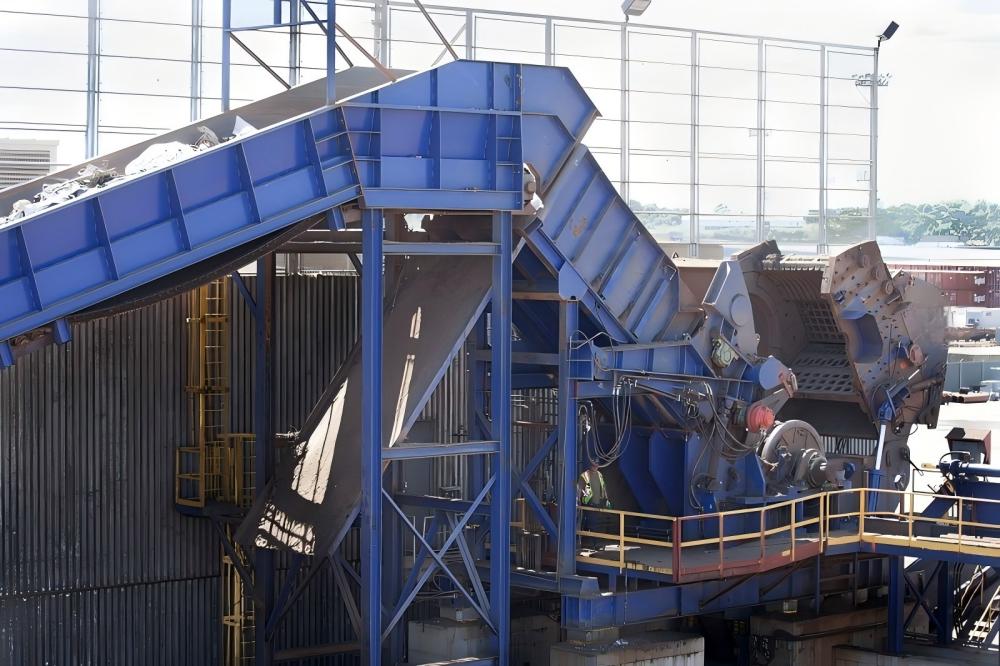
The physics of the process involves Kinetic Energy (KE = 1/2 mv²). The mass (m) of the hammers and the velocity (v) of the rotor determine the impact force. For industrial demolition, where structural steel must be shattered, high-inertia rotors are essential. The spacing between the hammers and the anvil (the ‘cutting’ or ‘breaking’ zone) is adjustable in many high-end models, allowing operators to fine-tune the machine for different types of scrap, such as thin-gauge roofing vs. thick-walled piping.
Downstream of the shredding chamber, the technical setup usually involves a series of separation technologies. After the material passes through the bottom grates, it travels via vibrating conveyors to a magnetic drum. This drum separates the ferrous metals (steel and iron) from the non-ferrous metals (aluminum, copper, brass) and the ‘fluff’ (non-metallic waste). In advanced Hammer Shredder Applications In Industrial Demolition Scrap Processing, Eddy Current Separators are used to recover high-value non-ferrous metals, which often represent a significant portion of the profit margin in demolition recycling.
Maintenance is a technical discipline in itself. A hammer shredder in a demolition environment requires daily inspection. The ‘gap’ between the hammers and the grates must be monitored; as hammers wear down, the gap increases, leading to lower efficiency and ‘oversized’ scrap that can clog downstream systems. Many HARSLE machines feature hydraulic housing openings, allowing maintenance crews to swap out a full set of hammers in a single shift, minimizing the impact on the demolition timeline.
Selection Advice for Demolition Professionals
Choosing the right hammer shredder for industrial demolition is a balance between power, durability, and capital expenditure. The first step is to define your Primary Feedstock. If your demolition projects primarily involve light industrial warehouses, a mid-sized shredder with a 1,000-1,500 HP motor may suffice. However, for heavy industrial plants, refineries, or shipbreaking, you will likely need a ‘Mega Shredder’ with 3,000 to 10,000 HP to handle the massive cross-sections of steel.
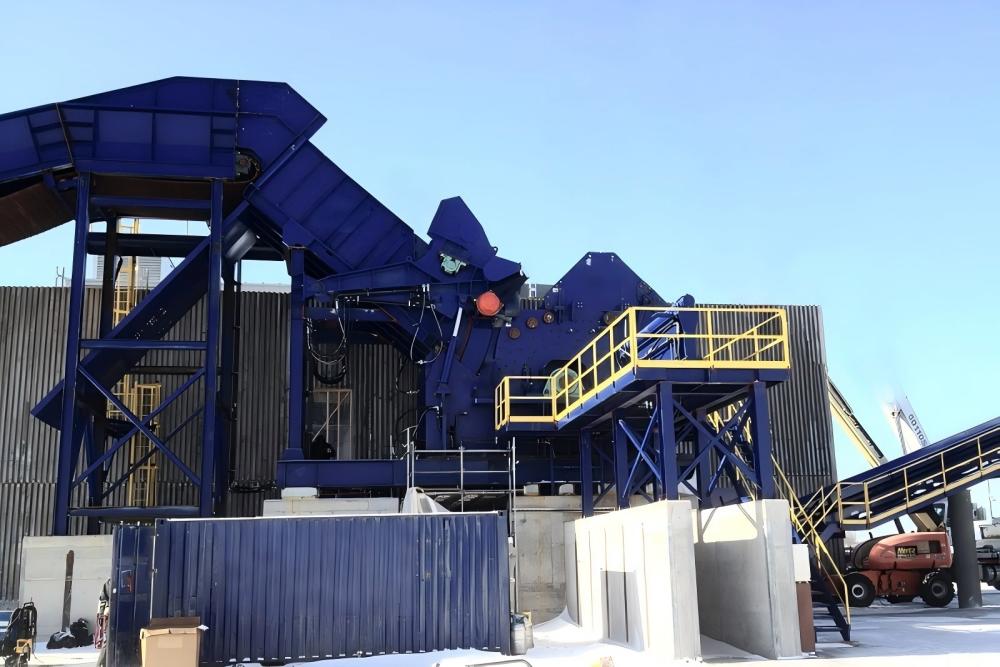
Consider the Drive System. You have a choice between electric motors and hydraulic drives. Electric motors are generally more energy-efficient for stationary plants and offer consistent torque. However, hydraulic drives are often preferred for mobile or semi-mobile units used on demolition sites because they handle ‘stalls’ better and can be powered by diesel engines where high-voltage grid access is unavailable. HARSLE recommends evaluating the total cost of ownership, including the cost of electricity vs. diesel fuel in your specific region.
Grate Configuration is another critical selection factor. For demolition scrap, which often contains long pieces of rebar (known as ‘meatballs’ when tangled), the grate design must prevent ‘wrapping’ around the rotor. Double-beam grates or staggered hole patterns are often used to ensure that the material is sheared effectively before it exits the chamber. If you plan to sell your scrap to a specific mill, check their ‘recipe’ requirements; some mills require a 2-inch minus product, while others accept 4-inch minus, which significantly impacts your throughput rate.
Finally, look at the Support Ecosystem. A hammer shredder is only as good as the availability of its wear parts. When selecting a manufacturer like HARSLE, ensure there is a robust supply chain for hammers, liners, pins, and grates. In the high-stakes world of industrial demolition, waiting two weeks for a custom-cast liner can cost tens of thousands of dollars in lost productivity. Opt for machines with standardized wear parts that can be sourced or stocked easily.
Frequently Asked Questions (FAQ)
What is the typical lifespan of hammers in demolition scrap processing?
The lifespan of hammers varies wildly based on the abrasiveness of the material. In clean steel processing, hammers might last 40-60 hours of active shredding. In demolition scrap containing high amounts of concrete or sand, they may need replacement every 15-20 hours. Regular ‘hard-facing’ or welding can extend this life, but eventually, the base metal fatigues and the hammer must be replaced.
Can a hammer shredder handle reinforced concrete?
While hammer shredders are excellent at separating rebar from concrete, they are not primary concrete crushers. Ideally, large chunks of reinforced concrete should be processed by a jaw crusher or impactor first to remove the bulk of the stone. The hammer shredder is then used to ‘clean’ the resulting rebar and reduce it to a dense, shippable form. Feeding pure concrete into a metal shredder will cause excessive wear on the liners and hammers.
How do you prevent fires in the shredding chamber?
Fires are a common risk due to sparks igniting residual oils, plastics, or wood in the demolition scrap. Most industrial hammer shredders utilize ‘Smart Water’ injection systems. These systems monitor the temperature and dust levels inside the chamber and inject a fine mist of water. This not only suppresses dust but also cools the hammers and prevents the atmosphere inside the shredder from reaching the flashpoint of volatile contaminants.
What is the difference between a hammer mill and a hammer shredder?
In the context of metal recycling, the terms are often used interchangeably, but a ‘shredder’ usually refers to a larger, heavier machine designed for shearing and tearing metal, whereas a ‘mill’ might refer to a machine used for finer grinding of non-ferrous materials or electronic scrap. For industrial demolition, you are almost always looking for a ‘shredder’ due to the scale of the input material.
Is it better to have a mobile or stationary shredder for demolition?
Mobile shredders are excellent for short-term projects or sites where transportation costs for raw scrap are prohibitive. However, stationary plants generally offer higher throughput, better separation technology (like large-scale eddy currents), and lower maintenance costs per ton. Most large-scale demolition contractors use a ‘hub and spoke’ model, where scrap is roughly sheared on-site and then sent to a central stationary hammer shredder for final processing.
Conclusion: The Future of Hammer Shredder Applications
The role of Hammer Shredder Applications In Industrial Demolition Scrap Processing is only set to grow as global infrastructure ages and the demand for ‘green steel’ increases. Steel produced from recycled scrap requires significantly less energy and generates fewer CO2 emissions than steel produced from iron ore. As carbon taxes and environmental regulations tighten, the efficiency of the hammer shredder becomes a key competitive advantage for demolition firms and recyclers alike.
Technological advancements, such as AI-driven feed control and vibration monitoring, are making these machines smarter and safer. By analyzing the acoustic signature of the shredding chamber, modern systems can detect an ‘unshreddable’ item before it causes damage, automatically slowing the feed or opening the reject door. HARSLE continues to innovate in this space, focusing on increasing the power-to-weight ratio of rotors and developing new alloy compositions for wear parts that can withstand the increasingly complex alloys found in modern industrial waste.
In summary, the hammer shredder is more than just a machine; it is a critical industrial tool that bridges the gap between demolition and production. By understanding the technical requirements, prioritizing safety and maintenance, and selecting the right equipment for the specific scrap profile, operators can ensure that their demolition projects are not only environmentally responsible but also highly profitable. Whether you are decommissioning a 20th-century factory or recycling the remnants of a modern skyscraper, the hammer shredder remains the ultimate solution for high-performance scrap processing.