Choosing the Right Hammer Shredder for Metal Recycling Applications

Introduction to Metal Recycling and Hammer Shredder Technology
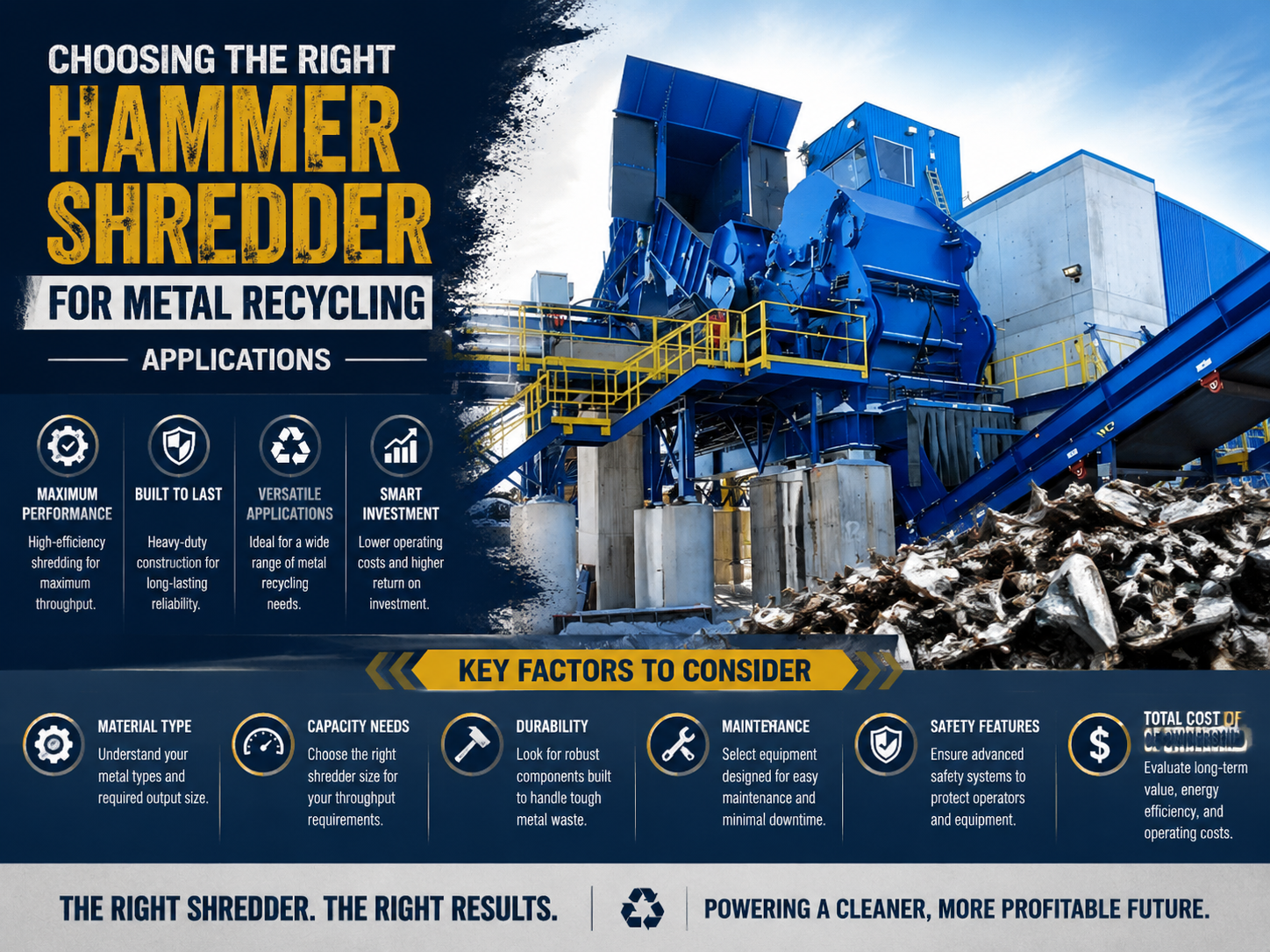
In the modern industrial landscape, the efficiency of metal recycling processes is a cornerstone of sustainable manufacturing and resource management. As global demand for recycled steel, aluminum, and copper continues to rise, the technology used to process scrap metal must evolve to meet higher standards of purity and throughput. At the heart of this evolution is the hammer shredder, a robust piece of industrial machinery designed to reduce bulky metal waste into manageable, high-density fragments. Choosing the right hammer shredder for metal recycling applications is not merely a purchasing decision; it is a strategic investment that dictates the operational profitability and long-term viability of a recycling facility.
Hammer shredders, often referred to as hammer mills in certain contexts, operate on the principle of high-velocity impact. Unlike shear shredders that use a cutting action, hammer shredders utilize heavy, rotating hammers to strike the material, shattering it against internal liners and grate bars. This process is particularly effective for brittle materials and complex assemblies, such as End-of-Life Vehicles (ELVs), white goods, and industrial scrap. The goal is to achieve a specific grain size while liberating different materials—such as separating plastic coatings from copper wire or glass from aluminum frames—to facilitate downstream sorting.
For companies like HARSLE, providing the right equipment means understanding the nuances of metallurgy, mechanical engineering, and the specific needs of the recycling market. A well-chosen shredder reduces energy consumption, minimizes wear-and-tear costs, and produces a cleaner end-product that fetches a higher price at the smelter. In this comprehensive guide, we will explore the critical factors involved in choosing hammer shredder metal recycling applications, ensuring that your facility is equipped for maximum performance.
Key Considerations for Choosing Hammer Shredder Metal Recycling Applications
Selecting the appropriate machinery requires a deep dive into the specific operational requirements of your facility. The first and most critical consideration is the nature of the feedstock. Not all scrap metal is created equal; the density, thickness, and tensile strength of the input material significantly impact the shredder’s performance. For instance, processing light aluminum cans requires a different rotor speed and hammer configuration than processing heavy structural steel or engine blocks. Understanding the chemical and physical properties of your primary feedstock is the first step in narrowing down your options.
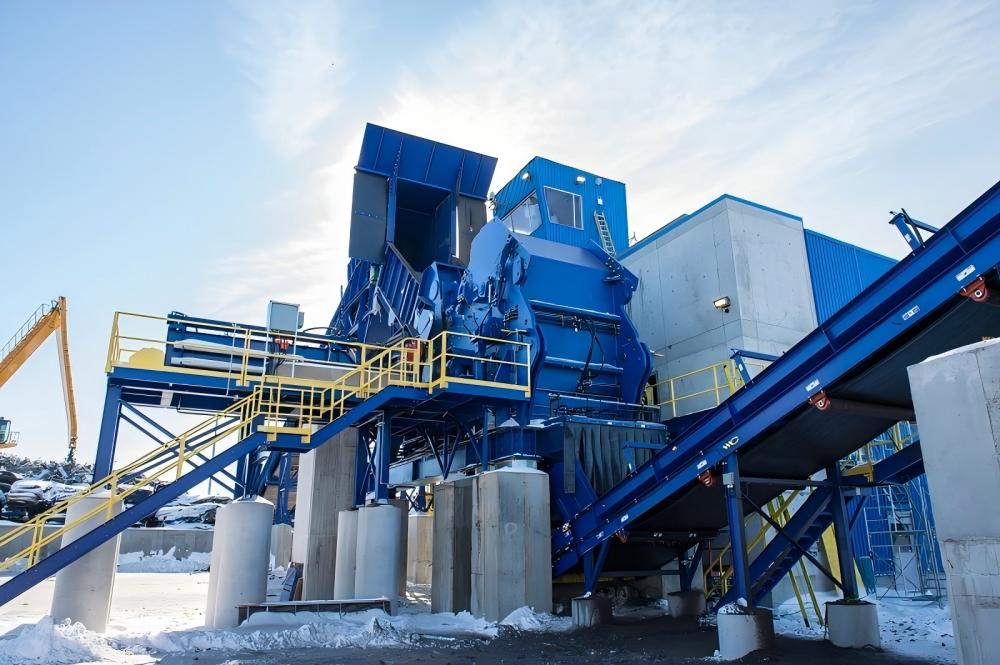
Throughput capacity is another vital metric. Industrial recycling facilities must balance the initial capital expenditure (CAPEX) with the expected daily or hourly volume of material. A shredder that is too small will become a bottleneck, leading to operational inefficiencies and potential motor burnout due to constant overloading. Conversely, an oversized machine may lead to unnecessary energy costs and a longer return on investment (ROI). It is essential to calculate not just the current volume but also the projected growth of your recycling operations over the next five to ten years.
Output requirements are equally important. Different smelters and refineries have strict specifications for the size and purity of the shredded metal they purchase. The “density” of the shredded material—measured in kilograms per cubic meter—is a key quality indicator. A high-quality hammer shredder should be able to produce a consistent, dense product that is free from excessive fines or oversized pieces. This is achieved through the precise adjustment of grate bar gaps and rotor speeds, which we will discuss in the technical sections of this guide.
Finally, environmental and site constraints must be addressed. Hammer shredders are inherently noisy and can generate significant dust and vibration. When choosing a machine, consider the integrated dust suppression systems, soundproofing enclosures, and vibration-dampening foundations required by your local regulations. Furthermore, the physical footprint of the machine, including the necessary conveyors for feeding and discharge, must fit within your available floor space without compromising safety or workflow efficiency.
Technical Details: The Engineering Behind the Shredder
To truly master the process of choosing hammer shredder metal recycling applications, one must understand the internal mechanics that drive these machines. The rotor is the most critical component. It acts as the flywheel of the system, storing kinetic energy that is transferred to the hammers. A high-inertia rotor is essential for processing heavy scrap, as it maintains consistent RPM even when encountering resistant materials. The balance of the rotor is paramount; even a slight imbalance at high speeds can lead to catastrophic bearing failure and structural damage to the shredder housing.
The hammers themselves are the primary wear parts and come in various shapes, weights, and metallurgical compositions. Manganese steel is a common choice for hammers because of its work-hardening properties—the more it is struck, the harder it becomes. However, for specific applications involving highly abrasive materials, alloy steels with specialized heat treatments may be more appropriate. The choice between “swing hammers,” which can retract upon hitting an un-shreddable object, and “fixed hammers” depends on the risk of tramp metal (non-shreddable items) in your feed stream.
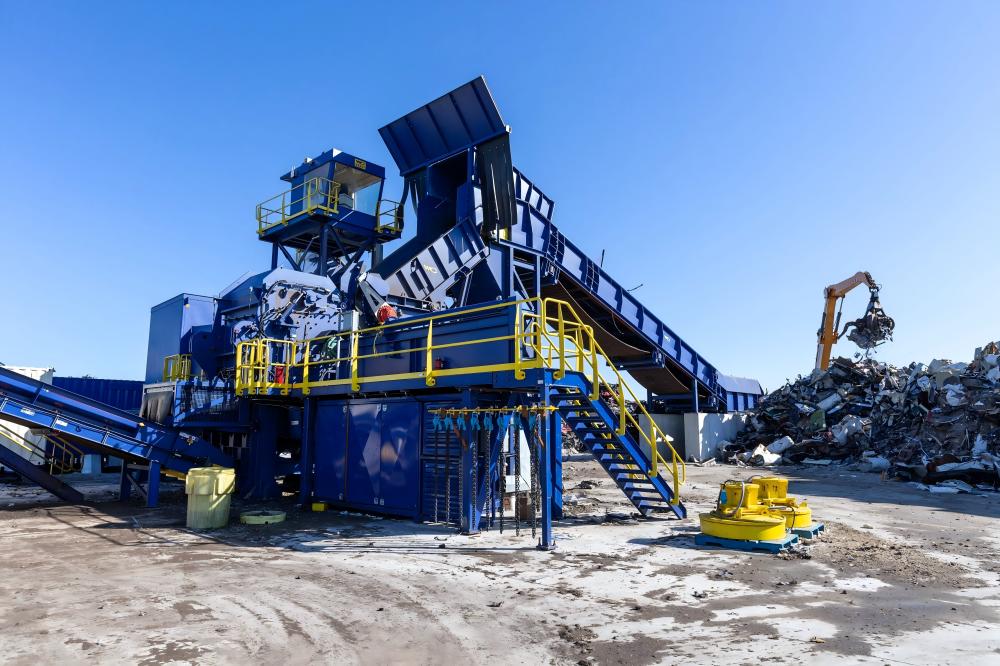
Grate bars and anvils form the secondary crushing zone. The anvil is the first point of impact where the material is sheared against the incoming hammers. The grate bars, located at the bottom of the shredding chamber, act as a sieve. Only material that has been reduced to a size smaller than the grate openings can exit the machine. The geometry and spacing of these bars are adjustable in high-end HARSLE models, allowing operators to fine-tune the output size based on the specific contract requirements of their buyers.
The drive system is another technical frontier. Traditional electric motors with V-belt drives are reliable and easy to maintain, but hydraulic drives offer superior torque control and the ability to reverse the rotor instantly if a jam occurs. Modern shredders often incorporate Variable Frequency Drives (VFDs), which allow for soft starts and precise control over rotor speed, significantly reducing energy peaks and extending the lifespan of the electrical components. When evaluating technical specs, always look for the “installed power” versus the “actual power consumption” to gauge the machine’s efficiency.
Selection Advice: Matching Machine to Application
When it comes to the final selection, a “one size fits all” approach is a recipe for failure. For light scrap applications, such as aluminum profiles or thin sheet metal from the automotive industry, a medium-speed shredder with lighter hammers is often the most cost-effective choice. These machines focus on high-volume throughput and material liberation rather than raw crushing force. The goal here is to maximize the surface area of the metal for better cleaning and sorting in subsequent eddy-current separators.
For heavy-duty applications, such as processing whole car bodies or heavy industrial machinery, a massive, high-torque shredder is non-negotiable. These machines feature reinforced housings, often lined with replaceable wear plates made of Hardox or similar abrasion-resistant materials. In these scenarios, the ability of the shredder to reject “un-shreddables”—such as heavy engine shafts or thick steel plates—through a dedicated ejector gate is a critical safety and maintenance feature that prevents internal damage.
Maintenance accessibility is a frequently overlooked factor in the selection process. Because hammer shredders are high-wear machines, they require regular inspection and part replacement. Look for designs that feature hydraulic housing openings, allowing easy access to the rotor and hammers without the need for heavy lifting equipment. A machine that is easy to service will have significantly less downtime, which directly translates to higher profitability. HARSLE emphasizes ergonomic design in its shredder line to ensure that routine maintenance can be performed safely and quickly.
Finally, consider the manufacturer’s support and spare parts availability. A shredder is only as good as the parts that keep it running. Choosing a reputable manufacturer like HARSLE ensures that you have access to high-quality replacement hammers, pins, and liners. Furthermore, technical support for optimizing the machine’s settings for different materials can help you squeeze every bit of efficiency out of your investment. Always ask for a detailed maintenance schedule and a recommended spare parts list before finalizing your purchase.
Frequently Asked Questions (FAQ)
1. How long do the hammers typically last in a metal recycling application?
The lifespan of hammers varies greatly depending on the material being processed. For light aluminum, hammers may last several hundred hours. For heavy steel scrap, they might need to be flipped or replaced every 40 to 80 hours of operation. Using high-quality manganese or alloy steel can significantly extend this interval.
2. Can a hammer shredder handle non-metallic materials?
Yes, hammer shredders are excellent at liberating metals from non-metallic attachments like plastics, rubber, and glass. However, these materials will end up in the “fluff” or shredder residue, which must be managed through air separation or other sorting technologies after the shredding process.
3. What is the difference between a hammer shredder and a pre-shredder?
A pre-shredder (often a slow-speed, high-torque twin-shaft machine) is used to break down very large items into smaller chunks before they enter the hammer shredder. This protects the hammer shredder from massive shocks and increases the overall efficiency of the line. For many heavy-duty applications, a combination of both is ideal.
4. How do I determine the right motor power for my needs?
Motor power is determined by the required throughput (tons per hour) and the toughness of the material. As a general rule, heavier scrap requires more kilowatts per ton. Consulting with a HARSLE engineer can help you calculate the precise power requirements based on your specific feedstock samples.
5. Is water injection necessary in a hammer shredder?
Water injection is often used for dust suppression and to cool the hammers and liners during intense shredding. It also helps in preventing small fires that can be ignited by sparks in the presence of flammable residues (like oil or gasoline in car scrap). However, it must be managed carefully to avoid excessive sludge buildup.
Conclusion: Making an Informed Decision
Choosing the right hammer shredder for metal recycling applications is a complex process that requires a balance of technical knowledge, operational foresight, and financial planning. By focusing on the specific characteristics of your feedstock, the desired quality of your output, and the technical robustness of the machine, you can ensure a successful implementation. The right shredder does more than just break metal; it adds value to your waste stream, reduces environmental impact, and provides a competitive edge in the global recycling market.
At HARSLE, we are committed to providing the metal fabrication and recycling industry with machinery that embodies durability and innovation. Whether you are a small-scale recycler looking to upgrade your facility or a large industrial plant requiring a high-capacity solution, our range of hammer shredders is engineered to meet the toughest challenges. Remember that the initial purchase price is only one part of the equation; the true value lies in the machine’s efficiency, ease of maintenance, and the quality of the material it produces. Invest wisely, and your hammer shredder will serve as the backbone of your recycling operations for decades to come.