
Hammer Shredder Applications in Heavy Duty Metal Recycling Lines: A Comprehensive Guide

Introduction to Hammer Shredder Applications In Heavy Duty Metal Recycling Lines
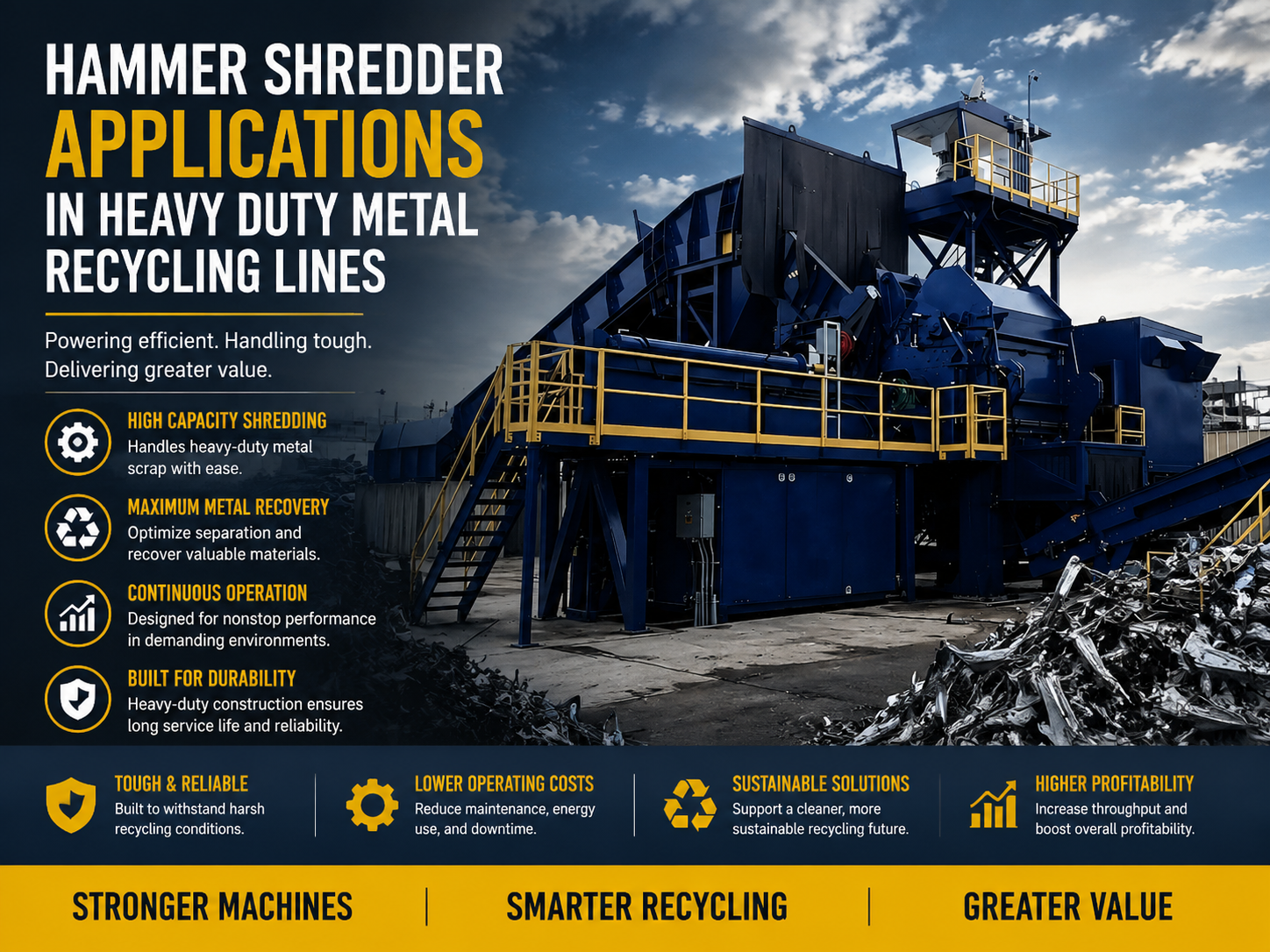
In the modern industrial landscape, the efficiency of metal recycling has become a cornerstone of sustainable manufacturing and resource management. As global demand for secondary raw materials rises, the role of high-performance machinery becomes increasingly critical. Among the most vital components of a modern recycling facility is the hammer shredder. Specifically, Hammer Shredder Applications In Heavy Duty Metal Recycling Lines have revolutionized how we process end-of-life vehicles, industrial scrap, and electronic waste. These machines are designed to reduce large, bulky metal objects into dense, high-quality fragments that are ready for smelting or further separation.
A hammer shredder operates on the principle of high-speed impact. Unlike shear shredders that use slow-speed, high-torque cutting actions, hammer shredders utilize massive rotors equipped with free-swinging hammers. These hammers strike the incoming material with immense kinetic energy, shattering brittle components and deforming ductile metals into compact ‘nuggets.’ This process not only reduces the volume of the scrap but also cleans the metal by stripping away paint, rust, and non-metallic attachments. For heavy-duty operations, these machines are built with reinforced housings and high-alloy steel components to withstand the constant bombardment of heavy steel plates and structural beams.
HARSLE, a leader in metal fabrication and recycling equipment, recognizes that the integration of a hammer shredder into a recycling line is not just about size reduction; it is about value creation. By producing a cleaner, denser product, recyclers can command higher prices from steel mills and foundries. Furthermore, the automation capabilities of modern hammer shredders allow for continuous operation, significantly increasing the throughput of recycling facilities. In this guide, we will delve deep into the technical nuances, application scenarios, and selection criteria for hammer shredders in heavy-duty environments.
Key Considerations for Heavy-Duty Metal Shredding
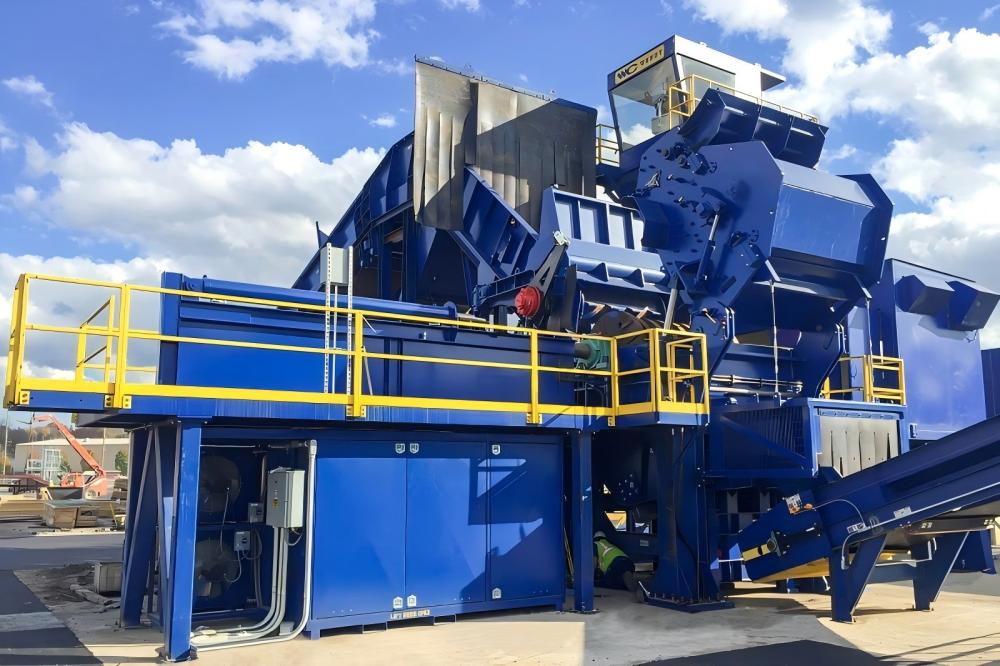
When implementing Hammer Shredder Applications In Heavy Duty Metal Recycling Lines, several critical factors must be evaluated to ensure operational longevity and profitability. The first consideration is the nature of the input material. Heavy-duty lines often deal with ‘unprepped’ scrap, which can include everything from engine blocks to thick-walled industrial pipes. The shredder must be robust enough to handle these ‘unshreddables’ without catastrophic failure. This is why many heavy-duty shredders feature a ‘reject door’ or ‘ejection gate’ that allows the machine to automatically expel items that are too hard or too large to be processed by the hammers.
Another vital consideration is the power-to-throughput ratio. Heavy-duty recycling requires significant electrical or hydraulic power. A typical large-scale hammer shredder might utilize motors ranging from 500HP to over 5,000HP. Balancing this power consumption with the expected tons-per-hour (TPH) output is essential for maintaining a low cost-per-ton. Efficient motor management systems and variable frequency drives (VFDs) are often employed to optimize energy usage based on the load, preventing unnecessary wear on the electrical grid and the machine’s internal components.
Wear management is perhaps the most significant operational challenge in heavy-duty shredding. The hammers, liners, and grates are subjected to extreme abrasion and impact. Selecting the right metallurgy for these wear parts is crucial. For instance, manganese steel is commonly used for hammers because of its work-hardening properties—the more it is struck, the harder its surface becomes. However, in applications involving high-silica content or extremely abrasive non-ferrous metals, different alloys might be required. A well-planned maintenance schedule, including regular hammer rotation and hard-facing, is necessary to prevent downtime.
Environmental and safety regulations also play a major role in modern shredder installations. Heavy-duty shredding generates significant noise, dust, and potential vibrations. Advanced recycling lines incorporate acoustic enclosures, dust suppression systems (such as water misting or cyclones), and vibration-dampening foundations. Additionally, because shredding certain materials can create explosive atmospheres (due to magnesium or residual fuel), explosion venting and automated fire suppression systems are standard requirements for high-end industrial hammer shredders.
Technical Details of Hammer Shredder Systems
The heart of the hammer shredder is the rotor assembly. In heavy-duty applications, the rotor is typically a massive, solid steel shaft or a series of stacked discs. The hammers are pinned to the rotor, allowing them to swing freely. This ‘free-swinging’ design is critical; if a hammer hits an unbreakable object, it can retract, preventing the shaft from snapping. The spacing of the hammers and the rotational speed (RPM) determine the ‘granulometry’ or the size of the final output. Higher speeds generally result in finer fragmentation but increase the rate of wear.
The discharge grate is another technical component that defines the machine’s performance. Located beneath or behind the rotor, the grate acts as a sieve. Material remains in the shredding chamber until it is small enough to pass through the grate openings. In heavy-duty lines, these grates are often modular, allowing operators to change the hole size depending on the specific requirements of the end-user. For example, a steel mill might require 50mm nuggets, while a copper recovery plant might need much finer shredding. The thickness and material of the grate must be sufficient to withstand the constant pressure of the circulating scrap.
Comparison of Shredder Components
| Component | Material/Type | Function in Heavy-Duty Lines |
|---|---|---|
| Hammers | Manganese/Alloy Steel | Primary impact and fragmentation of scrap. |
| Rotor | Forged Steel / Disc Type | Provides the kinetic energy and carries the hammers. |
| Anvil/Breaker Bar | Hardened Tool Steel | The stationary point against which material is crushed. |
| Grates | High-Strength Cast Steel | Controls the output size and residence time. |
| Liners | Replaceable Wear Plates | Protects the main housing from internal abrasion. |
Hydraulic systems in modern hammer shredders serve multiple purposes. Beyond driving the feed rollers that force material into the path of the hammers, hydraulics are used to open the housing for maintenance. A ‘split-body’ design, powered by heavy-duty cylinders, allows the upper half of the shredder to be lifted, providing easy access to the rotor and grates. This significantly reduces the time required for hammer changes, which is a frequent necessity in high-volume recycling plants. Furthermore, hydraulic tensioning systems ensure that the drive belts or couplings maintain optimal pressure during high-torque events.
Applications in Heavy Duty Metal Recycling Lines
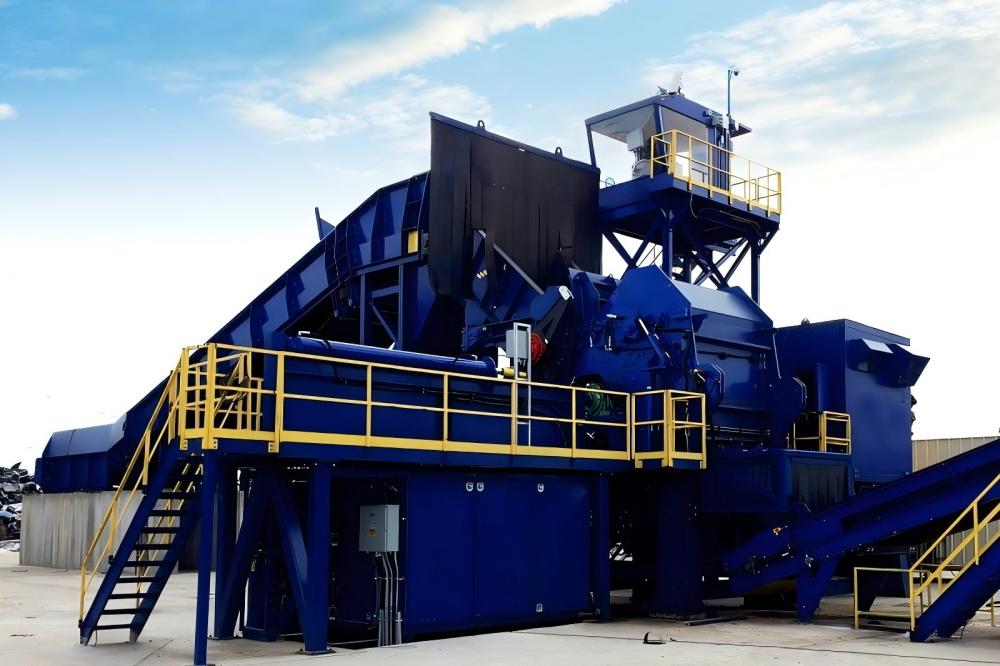
The versatility of Hammer Shredder Applications In Heavy Duty Metal Recycling Lines is vast. One of the primary applications is the processing of End-of-Life Vehicles (ELV). A full-scale automotive shredder can consume an entire car (minus the engine and tires) in less than a minute. The hammer shredder breaks the car into fist-sized pieces, which are then passed through magnetic separators to recover ferrous metals and eddy current separators to recover non-ferrous metals like aluminum and copper. This high-speed processing is the only way to handle the millions of vehicles retired annually.
Another critical application is in the recycling of ‘White Goods’ or large domestic appliances. Refrigerators, washing machines, and dryers contain a complex mix of steel, plastics, and copper wiring. Hammer shredders are exceptionally good at liberating these materials from one another. The impact action breaks the plastic housings away from the metal frames, allowing for nearly 99% material recovery when paired with the right downstream separation technology. This is essential for meeting modern environmental quotas and ‘Right to Repair’ or ‘Circular Economy’ legislation.
Industrial scrap, including structural steel, drums, and factory offcuts, also benefits from hammer shredding. In many cases, industrial scrap is too bulky for efficient transport. By shredding this material at the source or at a regional collection hub, the bulk density is increased from roughly 200 kg/m³ to over 1,000 kg/m³. This drastic increase in density reduces logistics costs and makes the scrap more attractive to steel mills, as it improves the charging efficiency of Electric Arc Furnaces (EAF).
Aluminum profile and UBC (Used Beverage Can) recycling is a specialized but high-volume application. While aluminum is softer than steel, it requires high-speed shredding to remove coatings and contaminants. Hammer shredders used in aluminum lines are often configured with specific hammer shapes to prevent ‘balling’ of the metal, ensuring that the aluminum remains in a form that is easy to sort and melt. This process is vital for the secondary aluminum industry, which uses significantly less energy than primary smelting from bauxite ore.
Selection Advice for Industrial Buyers
Choosing the right hammer shredder for a heavy-duty recycling line requires a deep understanding of both current needs and future growth. The first step is to define the ‘Target Output.’ Are you aiming for a specific density or a specific purity level? This will dictate the motor power and the grate configuration. For instance, if your primary goal is to supply a local foundry with high-purity steel nuggets, you will need a shredder with a high-energy rotor and a sophisticated downstream air-classification system to remove light fluff and dust.
Throughput capacity is the next major factor. It is often a mistake to buy a machine that exactly matches your current volume. In the recycling industry, volume can fluctuate based on market prices and local scrap availability. Selecting a shredder with 20-30% more capacity than currently required provides a buffer for peak periods and prevents the machine from constantly running at 100% load, which extends the lifespan of the bearings and motor. HARSLE experts often recommend looking at the ‘Feed Opening’ size as much as the TPH, as a larger opening reduces the need for pre-shredding or manual torch-cutting of oversized scrap.
Maintenance accessibility should be a deal-breaker. In a heavy-duty environment, parts *will* wear out. A machine that requires two days of disassembly to change a set of hammers is a liability. Look for shredders with hydraulic tilting housings, easy-bolt liners, and externally accessible bearing housings. Furthermore, consider the availability of spare parts. Choosing a reputable manufacturer like HARSLE ensures that you have access to high-quality hammers and grates that are engineered to the exact specifications of the machine, rather than relying on generic third-party parts that may fit poorly or wear prematurely.
Finally, evaluate the ‘Total Cost of Ownership’ (TCO). The initial purchase price is only one part of the equation. You must factor in the cost of electricity, the cost of wear parts per ton of processed material, and the labor required for operation and maintenance. A more expensive machine with a more efficient motor and longer-lasting hammers often proves to be the cheaper option over a five-year period. Always ask for a detailed wear-part life expectancy based on the specific materials you intend to process.
Frequently Asked Questions (FAQ)
What is the typical lifespan of hammers in a heavy-duty shredder?
The lifespan of hammers varies greatly depending on the material being processed. For mixed light scrap, hammers may last 40 to 80 hours of operation before needing rotation or replacement. For heavier scrap like engine blocks or structural steel, this may drop to 20-30 hours. Using high-quality manganese steel and implementing regular hard-facing can extend this lifespan significantly.
Can a hammer shredder process non-ferrous metals?
Yes, hammer shredders are excellent for non-ferrous applications such as aluminum profiles, copper radiators, and electronic waste. The impact action is highly effective at separating different metals that are joined together, which is a prerequisite for effective downstream sorting using eddy current separators.
How does a hammer shredder handle ‘unshreddable’ items?
Most heavy-duty hammer shredders are equipped with a hydraulic reject door. When the rotor encounters an object it cannot break (like a solid steel shaft or a large piece of manganese), the resulting pressure spike or physical impact triggers the door to open, allowing the object to be ejected from the chamber without damaging the rotor or the housing.
What is the difference between a vertical and horizontal hammer shredder?
Horizontal hammer shredders are the industry standard for heavy-duty scrap, featuring a horizontal rotor and a large feed opening. Vertical shredders (often called grinders) are typically used for smaller, more uniform materials or for ‘polishing’ scrap to increase density. For heavy-duty recycling lines, the horizontal design is generally preferred for its throughput and ability to handle large, irregular objects.
Is water cooling necessary for hammer shredders?
While the shredder itself doesn’t usually require water cooling, many systems use water injection into the shredding chamber for dust suppression and to cool the material. This prevents the ignition of flammable contaminants and reduces the wear on liners by providing a slight lubricating effect. However, the main bearings and hydraulic systems often have their own dedicated oil-cooling units.
What kind of foundation is required for a heavy-duty shredder?
Due to the immense vibrations and kinetic energy, these machines require a massive reinforced concrete foundation, often isolated from the rest of the factory floor. Some modern installations use spring-dampened foundations or specialized polymer pads to absorb the shock loads and prevent structural damage to nearby buildings.
Conclusion
The implementation of Hammer Shredder Applications In Heavy Duty Metal Recycling Lines is a transformative step for any large-scale recycling operation. These machines provide the necessary force and efficiency to turn low-value, bulky scrap into high-value, furnace-ready raw materials. By understanding the technical requirements—from rotor dynamics and metallurgy to power management and maintenance—operators can maximize their ROI and contribute to a more efficient global recycling ecosystem.
As technology advances, we are seeing the integration of AI and IoT into hammer shredder systems. Sensors can now monitor vibration patterns to predict bearing failure before it happens, and automated feed systems can adjust the flow of material to keep the motor at its peak efficiency point. HARSLE remains at the forefront of these developments, providing robust, high-performance machinery that meets the rigorous demands of the modern recycling industry. Whether you are processing ELVs, industrial scrap, or non-ferrous metals, the right hammer shredder is the key to unlocking the full potential of your recycling line.


