Top Industrial Applications of Hammer Shredders in Metal Fabrication Plants

Introduction to Hammer Shredders in Modern Metal Fabrication
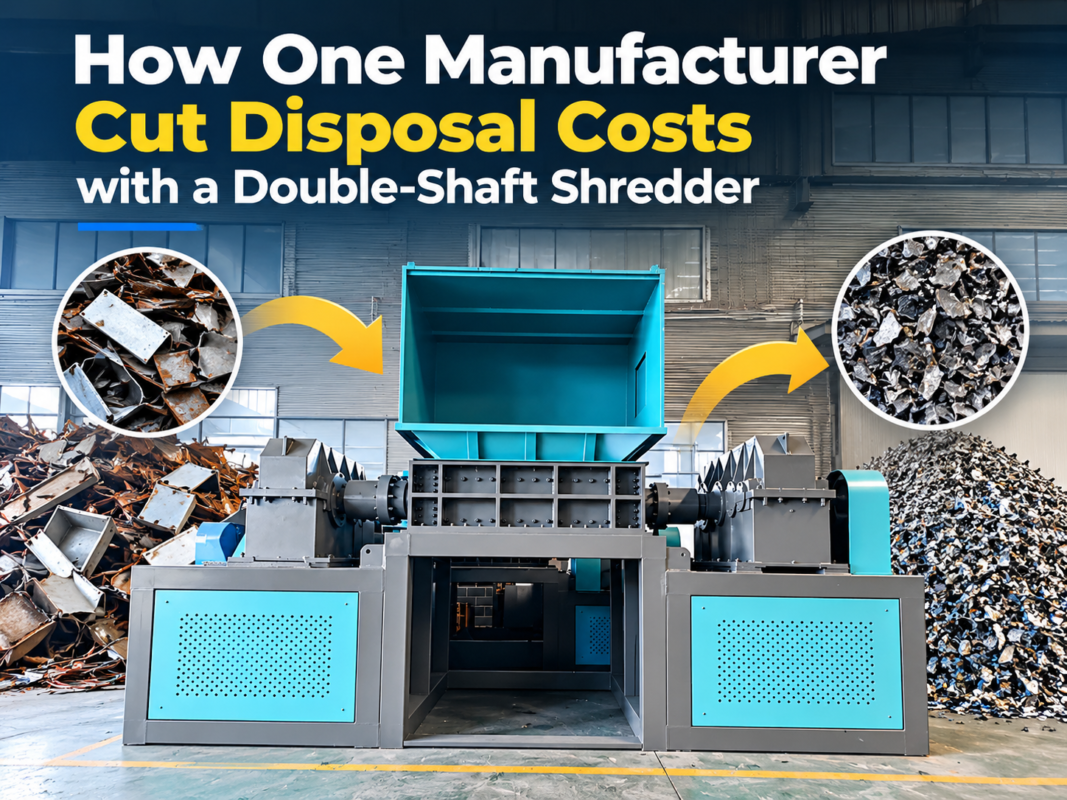
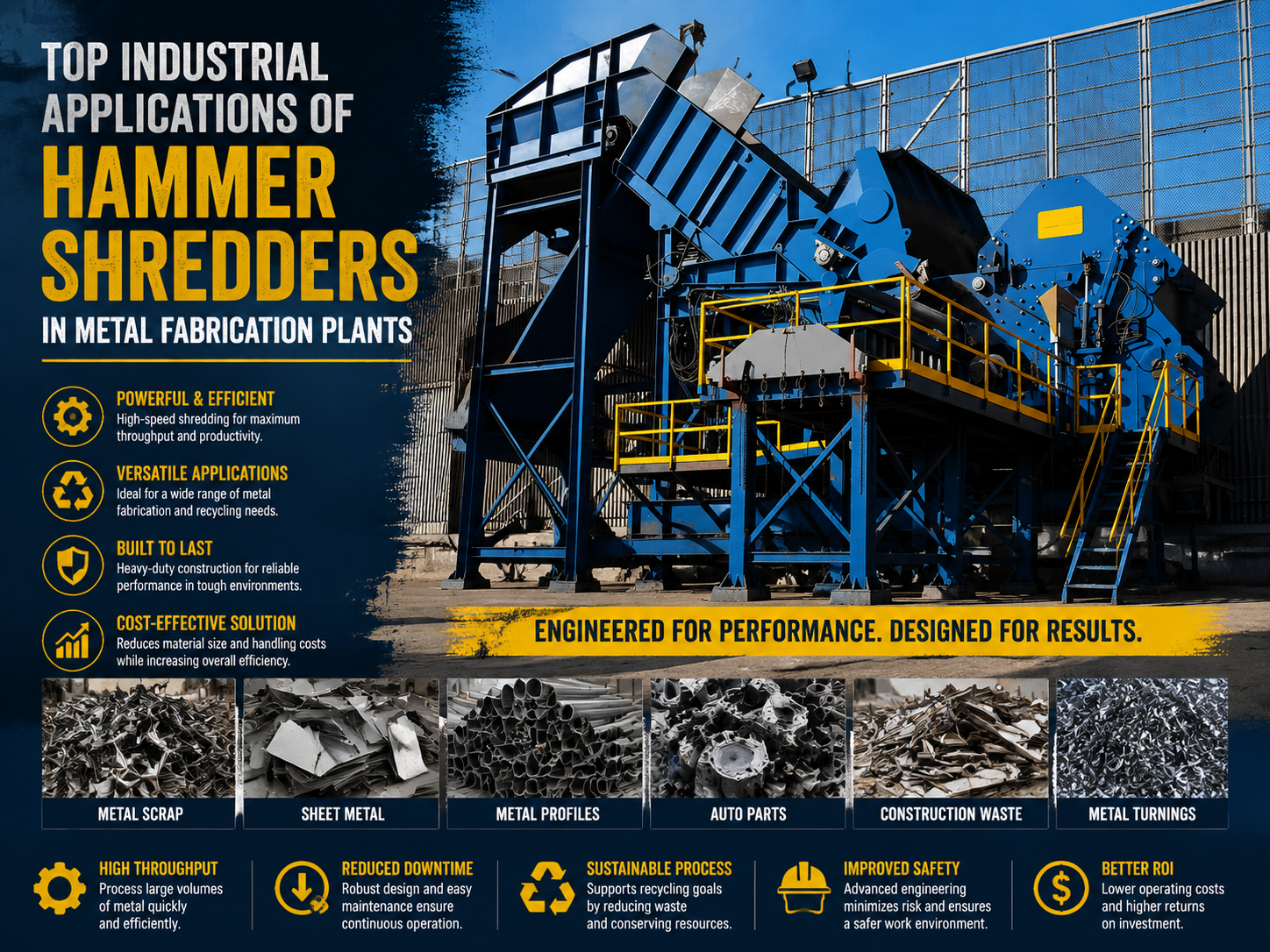
In the rapidly evolving landscape of industrial manufacturing, the efficiency of material processing often dictates the profitability of a facility. Hammer shredders, also known as hammer mills in certain contexts, have emerged as indispensable assets within metal fabrication plants. These robust machines are designed to reduce large, bulky metal scrap and industrial waste into smaller, uniform pieces through high-velocity impact. By utilizing a series of heavy-duty hammers attached to a high-speed rotating rotor, these machines can pulverize materials that would otherwise be impossible to manage or recycle effectively.
The integration of hammer shredders into metal fabrication workflows is not merely a matter of waste management; it is a strategic move toward the circular economy. As global regulations on industrial waste tighten and the cost of raw materials continues to fluctuate, the ability to process scrap on-site provides a significant competitive advantage. HARSLE, a leader in metalworking machinery, recognizes that the modern fabrication plant requires more than just cutting and bending tools—it requires a comprehensive ecosystem for material lifecycle management.
This article explores the top industrial applications of hammer shredders in metal fabrication plants, detailing how they transform operational efficiency, enhance recycling capabilities, and contribute to the overall sustainability of the manufacturing sector. From processing end-of-life vehicles to refining electronic waste, the versatility of the hammer shredder is unmatched in the world of heavy machinery.
Key Considerations for Implementing Hammer Shredders
Before integrating a hammer shredder into a production line, plant managers must evaluate several critical factors to ensure the equipment aligns with their specific operational needs. The first consideration is the nature of the material being processed. Metal fabrication plants deal with a wide variety of alloys, ranging from soft aluminum to high-tensile steel. The shredder’s hammer composition and rotor speed must be calibrated to handle the hardness and thickness of the input material without excessive wear and tear.
Throughput requirements are equally important. A facility processing several tons of scrap per hour will require a significantly different motor configuration and chamber size than a smaller boutique fabrication shop. It is essential to calculate the expected volume of waste to avoid bottlenecks in the production cycle. Furthermore, the desired output size—often referred to as the ‘fraction’—determines the type of screen or grate installed at the bottom of the shredding chamber. Smaller fractions are ideal for smelting, while larger pieces might be sufficient for basic volume reduction.
Energy consumption and operational costs are the third pillar of consideration. Hammer shredders are high-energy machines. Selecting a model with an efficient drive system, such as those offered by HARSLE, can drastically reduce the long-term cost of ownership. Additionally, maintenance accessibility should be prioritized. Because hammers are wear parts, the ability to quickly open the housing and rotate or replace the hammers is vital for minimizing downtime. Safety features, including explosion-proof venting and automatic shut-off sensors for non-shreddable items, are also non-negotiable in a professional industrial environment.
Technical Details of Hammer Shredder Mechanics
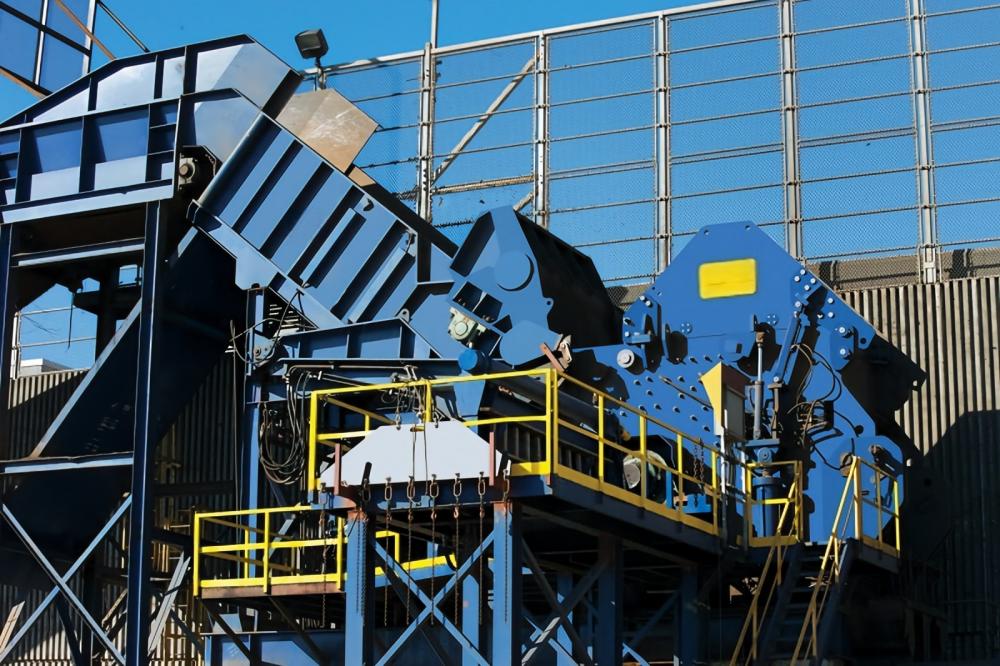
The core of a hammer shredder’s power lies in its kinetic energy. Unlike shear shredders that use high torque and low speed to cut through material, hammer shredders utilize high speed and high inertia. The rotor, which is the central component, spins at high RPMs, causing the free-swinging hammers to extend outward due to centrifugal force. When material enters the chamber, it is struck by these hammers, which deliver a massive amount of energy upon impact, shattering the material against internal breaker plates.
The hammers themselves are typically cast from specialized alloys, such as manganese steel or chrome-moly steel, to provide a balance between hardness and toughness. Manganese steel is particularly favored because it work-hardens; the more it is struck by metal scrap, the harder its surface becomes. This self-strengthening property is crucial for processing abrasive materials like steel turnings or automotive components. The internal liners of the shredder are also replaceable, protecting the main structural frame from the violent forces occurring inside the chamber.
Technical Specifications Overview
| Feature | Standard Specification | High-Performance Specification |
|---|---|---|
| Motor Power | 45 kW – 110 kW | 160 kW – 450 kW+ |
| Rotor Diameter | 600 mm – 1000 mm | 1200 mm – 2000 mm |
| Hammer Weight | 5 kg – 15 kg | 20 kg – 80 kg |
| Output Size | 10 mm – 50 mm | Adjustable via Screen |
| Processing Capacity | 1 – 5 Tons/Hour | 10 – 50+ Tons/Hour |
Advanced hammer shredders also incorporate sophisticated cooling systems for the bearings and hydraulic systems for opening the top cover. The integration of PLC (Programmable Logic Controller) systems allows for real-time monitoring of motor load. If the shredder encounters a particularly tough piece of material, the PLC can automatically adjust the feed rate or momentarily reverse the feeder to prevent a jam, ensuring continuous operation and protecting the motor from burnout.
Top Industrial Applications of Hammer Shredders
1. Scrap Metal Processing and Volume Reduction
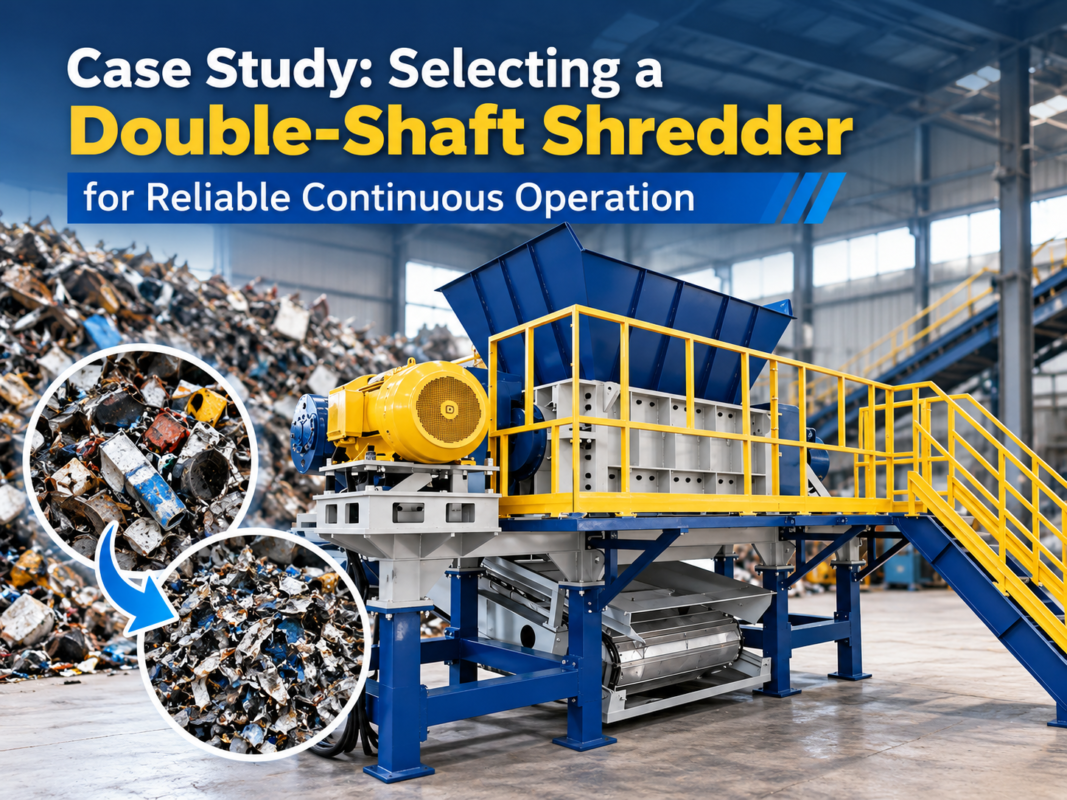
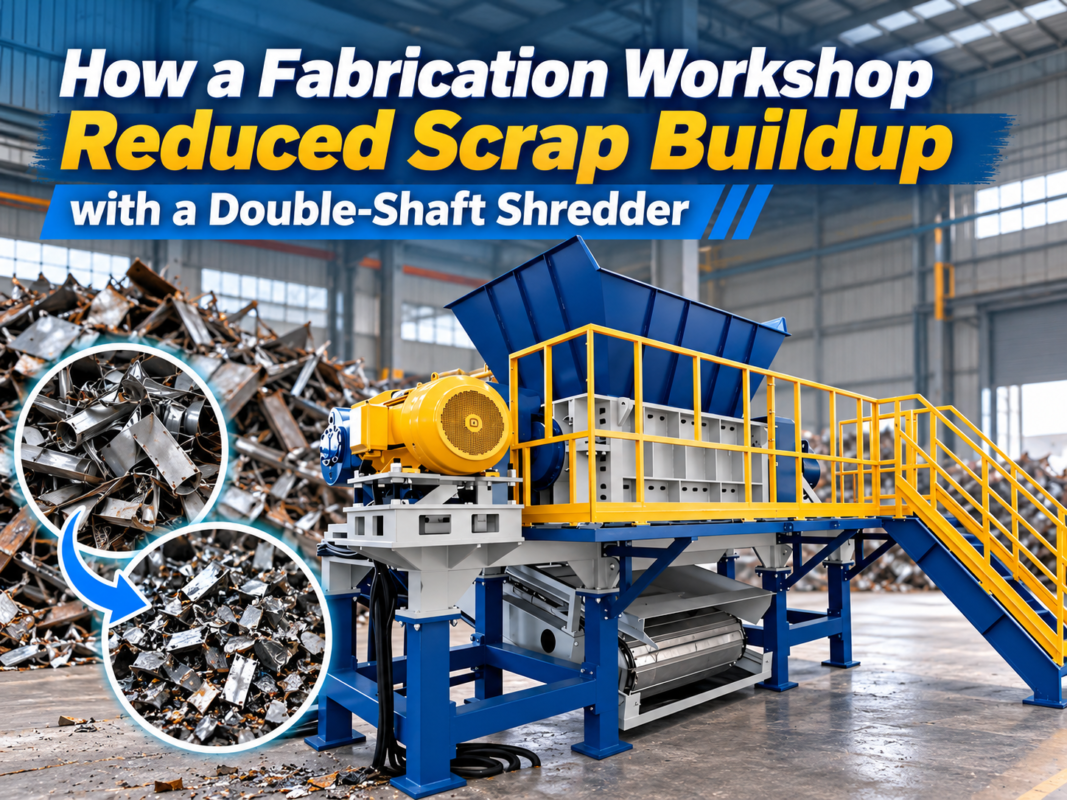
The most common application for hammer shredders in metal fabrication plants is the processing of general scrap metal. Fabrication processes inevitably generate offcuts, skeletons from CNC laser or plasma cutting, and defective parts. These bulky items take up significant floor space and are expensive to transport. By shredding this scrap into a dense, uniform product, plants can reduce the volume of their waste by up to 80%, leading to lower logistics costs and higher resale value at recycling centers.
2. End-of-Life Vehicle (ELV) Recycling
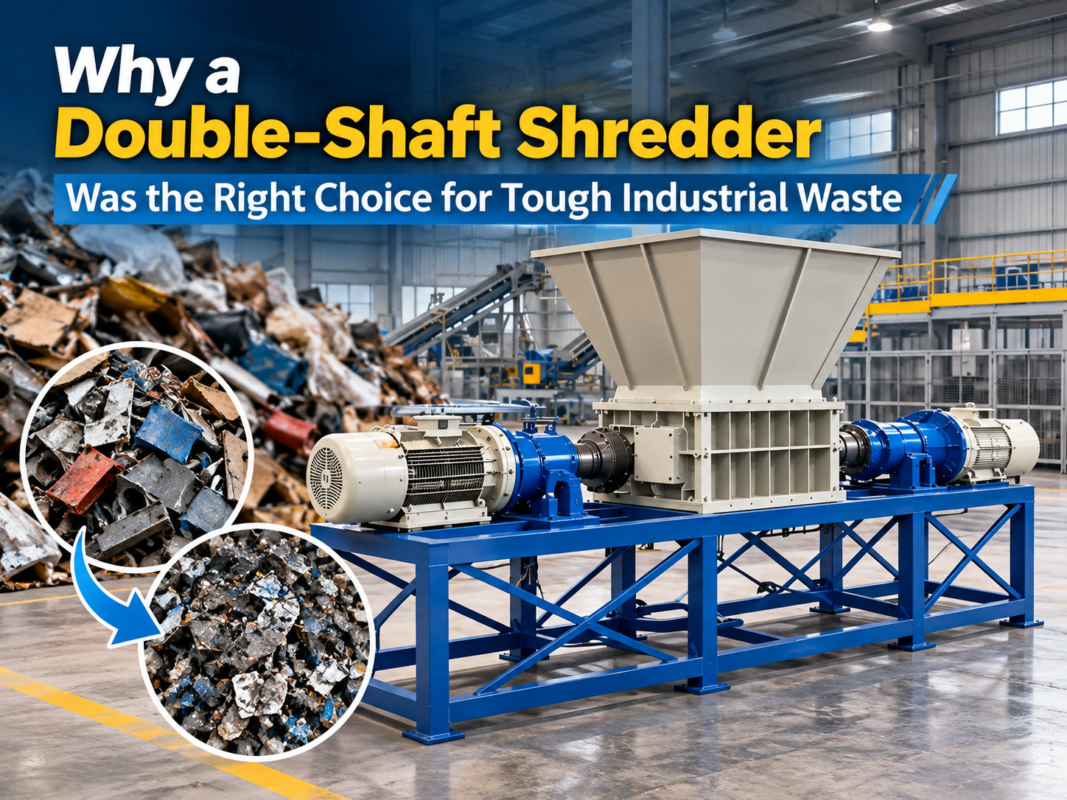
Large-scale metal processing facilities often utilize massive hammer shredders to process entire car bodies or engine blocks. The shredder effectively separates the ferrous metals from non-ferrous metals and non-metallic materials (like plastics and glass). The high-impact force of the hammers strips paint and coatings from the metal, resulting in a cleaner ‘shredded scrap’ grade that is highly sought after by steel mills for electric arc furnace (EAF) charging.
3. Electronic Waste (E-Waste) Recovery
In the modern era, metal fabrication often intersects with electronics. Hammer shredders are used to break down computer towers, server racks, and circuit boards. The goal here is liberation—breaking the bond between different materials so they can be separated by downstream equipment like eddy current separators or optical sorters. This application is critical for recovering precious metals like gold, silver, and copper from complex assemblies.
4. Aluminum Profile and Casting Shredding
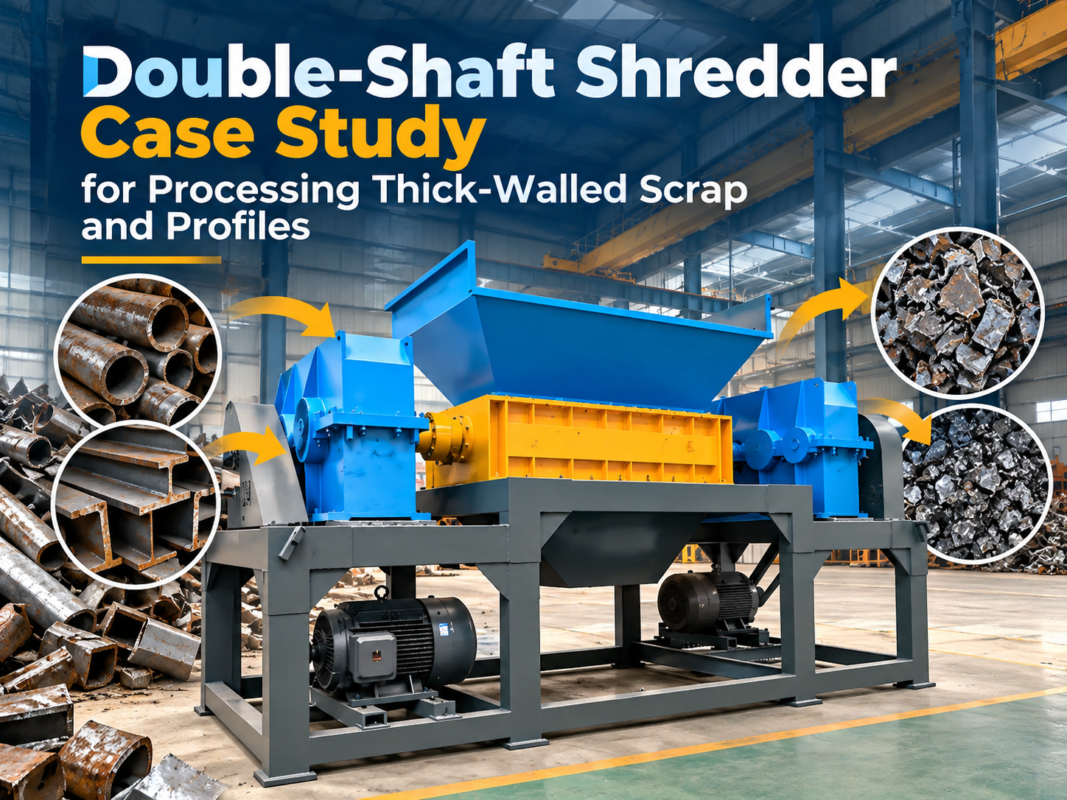
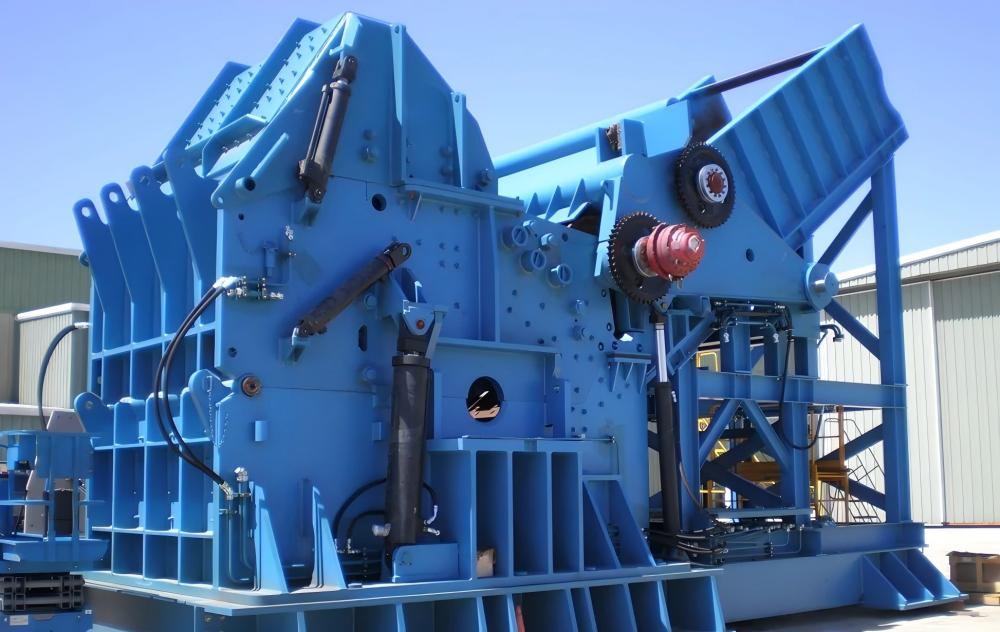
Aluminum fabrication plants generate significant amounts of extrusions and castings. Hammer shredders are ideal for processing aluminum because they can quickly reduce long profiles into small chips. This is particularly useful for ‘secondary’ aluminum production, where the shredded chips are melted down to create new ingots. The uniform size of the shredded aluminum ensures a consistent melt rate and reduces oxidation losses in the furnace.
5. Steel Turnings and Swarf Management
Machining centers within fabrication plants produce vast quantities of steel turnings (swarf). These long, stringy ‘birds’ nests’ of metal are hazardous to handle and saturated with cutting fluids. A hammer shredder can process these turnings into short, shovellable chips. This not only makes the material easier to handle but also allows for more efficient centrifugal oil recovery, as the smaller chips release trapped fluids more readily than tangled clumps.
Selection Advice: Choosing the Right Shredder for Your Plant
Selecting the right hammer shredder requires a balance between current needs and future growth. One of the most common mistakes is underestimating the ‘peak’ hardness of the materials you might process. While a machine might be rated for thin-gauge sheet metal, it may struggle if a heavy structural beam accidentally enters the chamber. Therefore, always opt for a machine with a slightly higher power rating than your average daily requirement.
Consider the following checklist when evaluating a HARSLE hammer shredder or similar industrial equipment:
- Material Compatibility: Does the hammer alloy match the abrasiveness of your scrap?
- Screen Versatility: Can the screens be easily swapped to produce different output sizes?
- Maintenance Access: Does the machine feature a hydraulic tilt-open housing for easy hammer rotation?
- Safety Systems: Are there heavy-duty ejection gates for non-shreddable items (like solid steel shafts)?
- Dust and Noise Control: Does the plant require additional sound dampening or dust extraction systems to meet local environmental regulations?
Furthermore, evaluate the manufacturer’s support network. Hammer shredders are subject to intense mechanical stress, and having a reliable source for replacement hammers, liners, and bearings is essential. HARSLE provides comprehensive technical support and spare parts availability to ensure that your shredding operations remain uninterrupted.
Frequently Asked Questions (FAQ)
How often do the hammers need to be replaced?
The lifespan of hammers depends entirely on the material being processed and the volume of throughput. For soft materials like aluminum, hammers may last several months. For abrasive materials like high-carbon steel or contaminated scrap, they may need to be rotated every 40-80 hours of operation and replaced once all four corners are worn down. Regular inspection is key to maintaining efficiency.
Can a hammer shredder process non-metallic materials?
Yes, hammer shredders are highly effective at processing plastics, wood, and composite materials. In a metal fabrication context, they are often used to shred ‘mixed’ waste, where metal is bonded to other materials. However, if the goal is purely plastic recycling, a dedicated granulator might be more energy-efficient.
What is the difference between a hammer shredder and a wood hog?
While the mechanical principle is similar, a metal hammer shredder is built with much heavier structural steel, thicker liners, and more powerful motors. A wood hog is designed for fibrous material and would be destroyed if fed the heavy metal scrap that a HARSLE hammer shredder handles with ease.
Is noise a significant issue with these machines?
Industrial hammer shredders are loud due to the high-speed impact of metal on metal. Most plants install them in a dedicated area, often with acoustic enclosures or sound-dampening walls. Proper foundation mounting also helps reduce ground-borne vibrations.
Conclusion: The Future of Shredding in Metal Fabrication
The role of the hammer shredder in metal fabrication plants has transitioned from a niche waste-processing tool to a central component of industrial efficiency. As the global focus on sustainability intensifies, the ability to transform scrap into high-quality raw material on-site is no longer optional—it is a requirement for modern manufacturing excellence. By understanding the technical nuances and diverse applications of these machines, fabrication plants can significantly improve their bottom line while reducing their environmental footprint.
Whether you are processing automotive scrap, aluminum extrusions, or complex e-waste, the right hammer shredder provides the power and reliability needed to stay ahead in a competitive market. HARSLE continues to innovate in this space, offering robust solutions that meet the demanding needs of today’s industrial leaders. Investing in high-quality shredding technology is an investment in the future of your facility, ensuring that every piece of material—whether a finished product or a scrap offcut—contributes to your plant’s success.