Hammer Shredder Selection for Recyclers: From Feed Opening to Discharge Size

Introduction to Hammer Shredder Selection for Recyclers
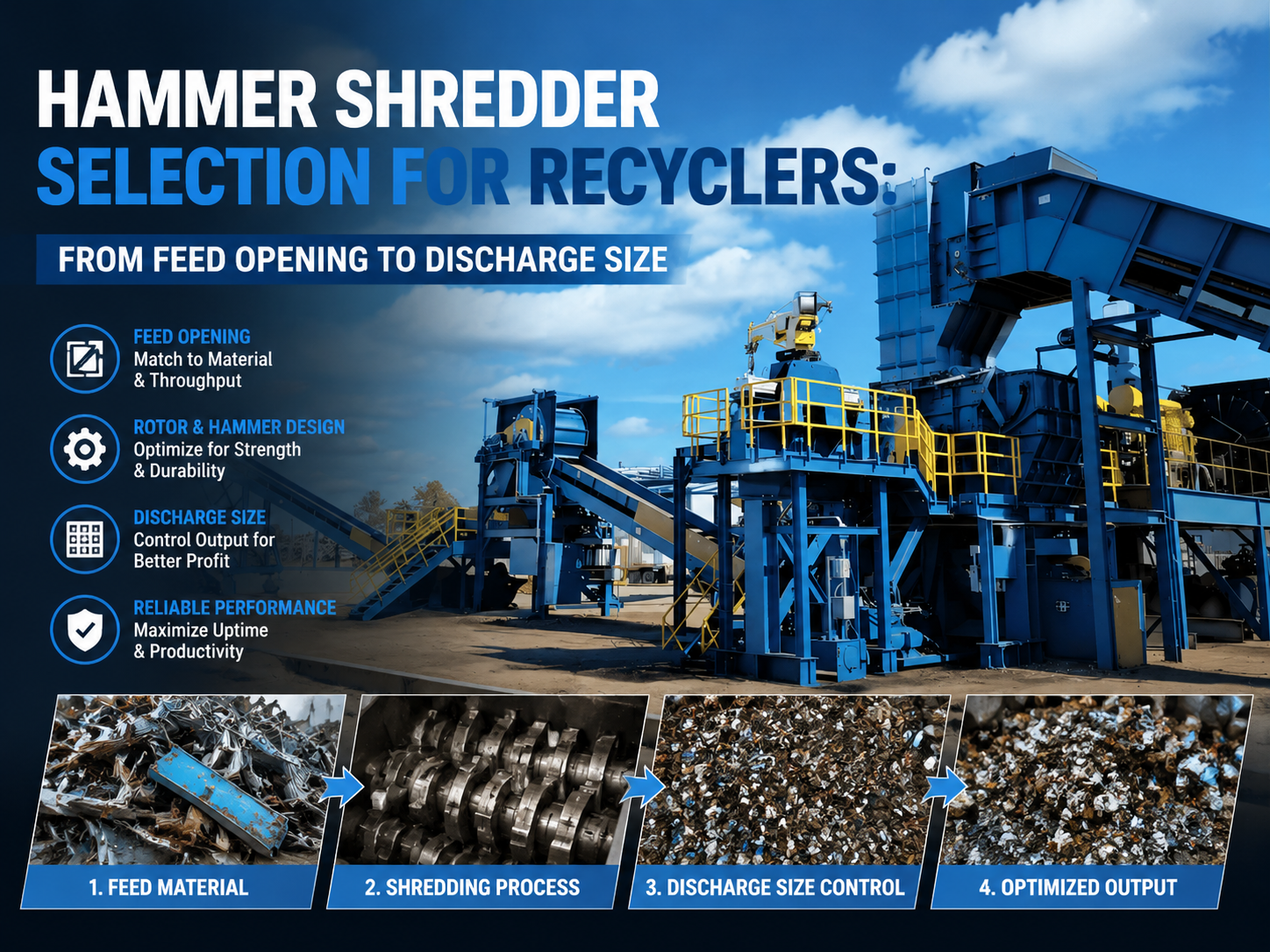
In the high-stakes world of metal recycling, the efficiency of your processing line is often dictated by a single piece of equipment: the hammer shredder. For recyclers, the journey of Hammer Shredder Selection Recyclers: From Feed Opening Discharge Size is not merely a procurement task but a strategic investment that defines the purity of the output, the throughput capacity, and ultimately, the profitability of the operation. HARSLE has long been at the forefront of providing robust solutions that bridge the gap between raw scrap and high-value secondary raw materials.
Choosing the right hammer shredder requires a deep understanding of the relationship between the physical dimensions of the machine and the desired characteristics of the final product. Whether you are processing aluminum extrusions, electronic waste, or end-of-life vehicle (ELV) components, the configuration of the feed opening and the discharge grate will determine your operational success. This guide provides an exhaustive look at the selection process, ensuring that recyclers can navigate the complexities of industrial shredding with confidence.
As global demand for recycled metals continues to rise, the need for precision in shredding technology has never been greater. A well-selected hammer shredder does more than just break down material; it liberates different metal fractions, removes contaminants, and densifies the scrap for more efficient smelting. In the following sections, we will break down the financial and technical aspects of hammer shredder selection, providing a roadmap for recyclers to optimize their facilities.
Price Range Overview: Understanding the Investment Tiers
The capital expenditure required for a hammer shredder varies significantly based on the scale of the operation and the specific materials being processed. For small-to-medium recyclers, entry-level units typically range from $25,000 to $65,000. These machines are often designed for lighter materials like aluminum cans (UBC), thin-gauge sheet metal, or electronic scrap. While they offer a lower barrier to entry, their throughput is generally limited to 1-3 tons per hour, and they may lack the advanced hydraulic systems found in larger models.
Mid-range hammer shredders, priced between $70,000 and $180,000, represent the workhorses of the regional recycling center. These machines feature reinforced housings, more powerful motors (often exceeding 150kW), and sophisticated control systems. They are capable of handling heavier scrap, including engine blocks and mixed metal bales, with throughputs ranging from 5 to 15 tons per hour. At this level, the investment begins to include features like vibration monitoring and automated lubrication systems, which are critical for maintaining uptime.
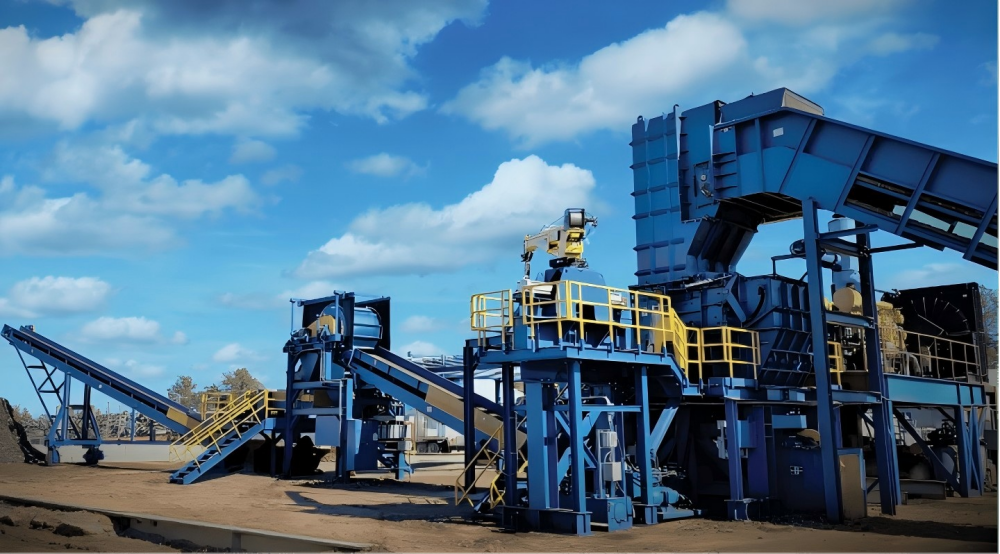
At the top of the spectrum are industrial-scale shredding plants, which can exceed $500,000. These systems are not just individual machines but integrated processing lines that include magnetic separators, air classification systems, and heavy-duty conveyors. Designed for 24/7 operation, these high-capacity shredders can process over 30 tons of scrap per hour. For large-scale recyclers, the high initial cost is offset by the significantly lower cost-per-ton processed and the ability to produce a premium, furnace-ready product that commands the highest market prices.
Main Cost Drivers in Hammer Shredder Selection
When evaluating the price of a hammer shredder, several key factors drive the final quote. The most significant of these is the motor and drive system. High-torque, high-efficiency motors are essential for overcoming the resistance of heavy scrap. The inclusion of variable frequency drives (VFDs) can increase the initial cost but provides substantial savings in energy consumption and reduces mechanical stress during startup. HARSLE emphasizes the use of premium electrical components to ensure long-term reliability in harsh recycling environments.
The material composition of the wear parts is another primary cost driver. Hammers, liners, and grates are subjected to extreme abrasion and impact. Using high-manganese steel or specialized alloy compositions increases the lifespan of these components but comes at a higher price point. However, for a recycler, the “cost per ton” of wear parts is a more critical metric than the initial purchase price. Investing in superior metallurgy reduces the frequency of maintenance shutdowns, which can be the difference between a profitable month and a loss-making one.
Furthermore, the complexity of the hydraulic and cooling systems adds to the cost. Advanced hammer shredders utilize hydraulic power units to open the housing for easy maintenance and to adjust the anvil position. Cooling systems for the bearings and the motor are also vital, especially in climates where ambient temperatures can lead to overheating during continuous operation. These features, while adding to the upfront cost, are essential for the durability and safety of the machine.
Configuration Impact: Feed Opening vs. Discharge Size
The core of Hammer Shredder Selection Recyclers: From Feed Opening Discharge Size lies in the physical configuration of the machine. The feed opening must be sized appropriately for the largest pieces of scrap the recycler intends to process. If the opening is too small, pre-shredding or manual shearing becomes necessary, adding labor costs and slowing down the line. Conversely, an oversized feed opening on a low-power machine can lead to frequent jams and motor stalls. A balanced approach, where the feed opening matches the typical dimensions of the input material (e.g., 1200mm x 1000mm for car bodies), is essential.
The discharge size is controlled by the grate or screen located at the bottom of the shredding chamber. This configuration determines the “density” and “purity” of the output. Smaller grate openings result in a finer, more uniform product, which is often required for high-grade aluminum or copper recovery. However, smaller openings also mean the material stays in the chamber longer, increasing wear on the hammers and reducing overall throughput. Recyclers must find the “sweet spot” where the discharge size meets the buyer’s specifications without unnecessarily inflating operational costs.
Rotor design also plays a pivotal role in this configuration. A heavy-duty rotor with a high moment of inertia provides the kinetic energy needed to shatter tough materials. The arrangement of the hammers—whether they are staggered or aligned—affects how the material is pulled into the machine and how it is impacted. For recyclers dealing with mixed scrap, a versatile rotor design that can accommodate different hammer weights and shapes is a significant advantage, allowing the machine to be tuned for different feedstocks.
Hidden Costs of Operating a Hammer Shredder
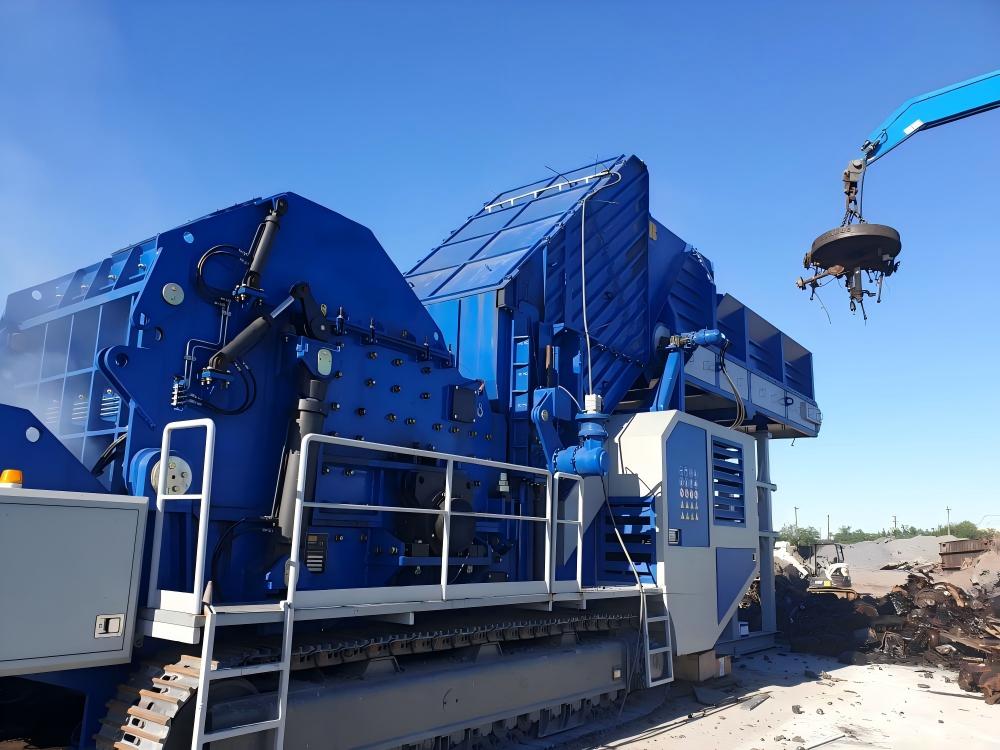
Beyond the purchase price, recyclers must account for several hidden costs that can impact the bottom line. The most prominent of these is the cost of wear parts. Hammers are sacrificial components; depending on the abrasiveness of the scrap, they may need to be flipped or replaced every few hundred tons. A recycler who fails to budget for a consistent supply of high-quality hammers will quickly find their machine’s efficiency plummeting as the rounded edges of worn hammers fail to impact the material effectively.
Energy consumption is another significant ongoing expense. Hammer shredders are energy-intensive machines. A 200kW motor running 8 hours a day can result in substantial utility bills. Implementing energy-efficient practices, such as optimizing the feed rate to keep the motor at its peak efficiency curve and using VFDs to manage load spikes, is crucial. Additionally, the cost of dust suppression and air filtration should not be overlooked. Modern environmental regulations often require sophisticated baghouses or wet scrubbers to manage the particulates generated during the shredding process.
Installation and foundation work also represent a significant hidden cost. Hammer shredders generate immense vibrations. A standard factory floor is rarely sufficient; a reinforced concrete pad with vibration-dampening mounts is usually required. Furthermore, the integration of the shredder into the existing material handling flow—including conveyors, magnetic pulleys, and eddy current separators—requires careful engineering and additional investment in structural steel and electrical infrastructure.
ROI Calculation: When Does a Hammer Shredder Pay for Itself?
Calculating the Return on Investment (ROI) for a hammer shredder involves comparing the “spread” between the purchase price of raw scrap and the selling price of processed, densified scrap. For example, if raw mixed aluminum scrap is purchased at $800 per ton and processed shredded aluminum (clean and dense) sells for $1,200 per ton, the gross margin is $400 per ton. From this, the recycler must subtract the operational costs, including labor, energy, wear parts, and maintenance, which might total $150 per ton.
The net profit of $250 per ton is then used to amortize the cost of the machine. If a $150,000 shredder processes 1,000 tons per month, the monthly net profit would be $250,000, leading to a very rapid payback period. However, this ideal scenario depends on a consistent supply of scrap and a stable market for the output. Recyclers should perform sensitivity analyses, looking at how fluctuations in metal prices or unexpected downtime might affect the ROI. HARSLE provides detailed performance data to help clients build accurate financial models before committing to a purchase.
Another factor in ROI is the recovery rate. A high-quality hammer shredder effectively liberates non-ferrous metals from ferrous streams. If the shredder allows a recycler to recover an additional 2% of copper from a mixed waste stream that was previously lost, that incremental gain can add up to tens of thousands of dollars over the course of a year. The ability to produce a “cleaner” product also reduces penalties from smelters, further enhancing the financial viability of the equipment.
Buying Advice for Professional Recyclers
When selecting a hammer shredder, the first step is to conduct a thorough analysis of your feedstock. Are you processing uniform material or a highly variable mix? For variable scrap, versatility is key. Look for machines with adjustable anvils and interchangeable grates. This allows you to pivot your production based on market demand. HARSLE recommends that buyers always over-specify the motor power slightly; it is better to have excess torque than to constantly run a motor at its thermal limit.
Support and spare parts availability should be a top priority. A shredder is a high-maintenance machine by nature. Choosing a manufacturer like HARSLE, which maintains a robust inventory of hammers, pins, and liners, ensures that downtime is kept to a minimum. Before buying, ask for a maintenance schedule and a list of recommended critical spares to keep on-site. A machine that sits idle for two weeks waiting for a specialized bearing is a massive liability.
Finally, consider the future-proofing of the machine. As environmental regulations tighten, features like noise reduction enclosures and advanced dust collection will become mandatory in many jurisdictions. Investing in these features now can prevent costly retrofits later. Also, look for control systems that offer data logging and remote diagnostics. Being able to track the machine’s performance in real-time allows for predictive maintenance, preventing catastrophic failures before they occur.
Frequently Asked Questions (FAQ)
1. How often should the hammers be replaced?
The lifespan of hammers depends entirely on the material being processed. For soft aluminum, hammers might last 500-800 hours. For heavy steel scrap or abrasive electronic waste, they may need to be rotated or replaced every 100-200 hours. Regular inspection is key to maintaining throughput.
2. Can a hammer shredder handle stainless steel?
While hammer shredders can process stainless steel, it is much harder and more abrasive than carbon steel. This will significantly increase the wear rate on the hammers and liners. If stainless steel is a primary feedstock, specialized high-chrome or tungsten carbide-tipped hammers may be required.
3. What is the difference between a hammer mill and a hammer shredder?
In the recycling industry, the terms are often used interchangeably. However, a “shredder” typically refers to a heavier-duty machine designed for metal, while a “mill” might refer to a machine used for finer grinding of softer materials or minerals. For metal recycling, ensure you are looking at a machine specifically rated for “scrap metal.”
4. How do I choose the right grate size?
The grate size should be determined by your end-buyer’s requirements. If a smelter requires 50mm minus material, your grate should be slightly larger (e.g., 60mm) to account for the way material passes through. Smaller grates increase purity but decrease hourly tonnage.
5. Is a vertical or horizontal hammer shredder better?
Horizontal hammer shredders are the industry standard for most metal recycling due to their ease of feeding and maintenance. Vertical shredders (often called densifiers) are excellent for creating highly spherical, dense nuggets of metal but are generally more expensive and have lower throughput for large scrap.
6. What safety features are essential?
Essential safety features include emergency stop circuits, vibration sensors that automatically shut down the motor if a rotor imbalance is detected, and hydraulic safety locks that prevent the housing from closing during maintenance. Explosion venting is also critical if processing materials that create fine, combustible dust.