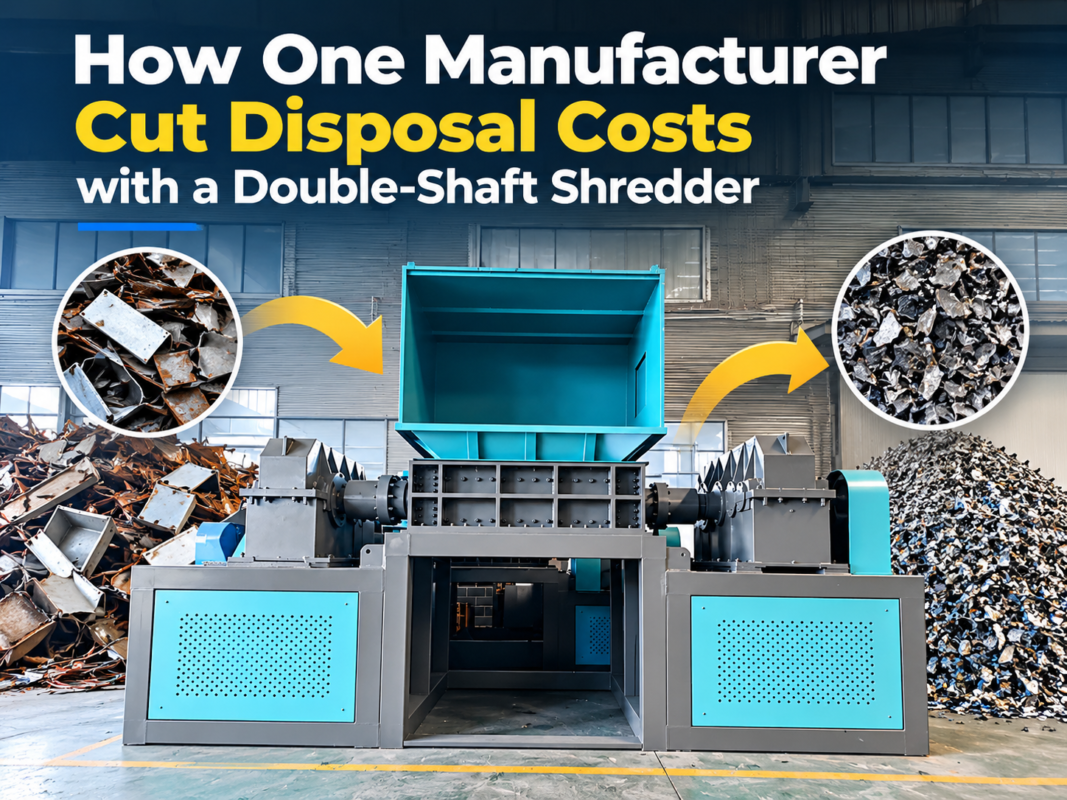
How to Compare Hammer Shredder Models for Reliable Scrap Processing

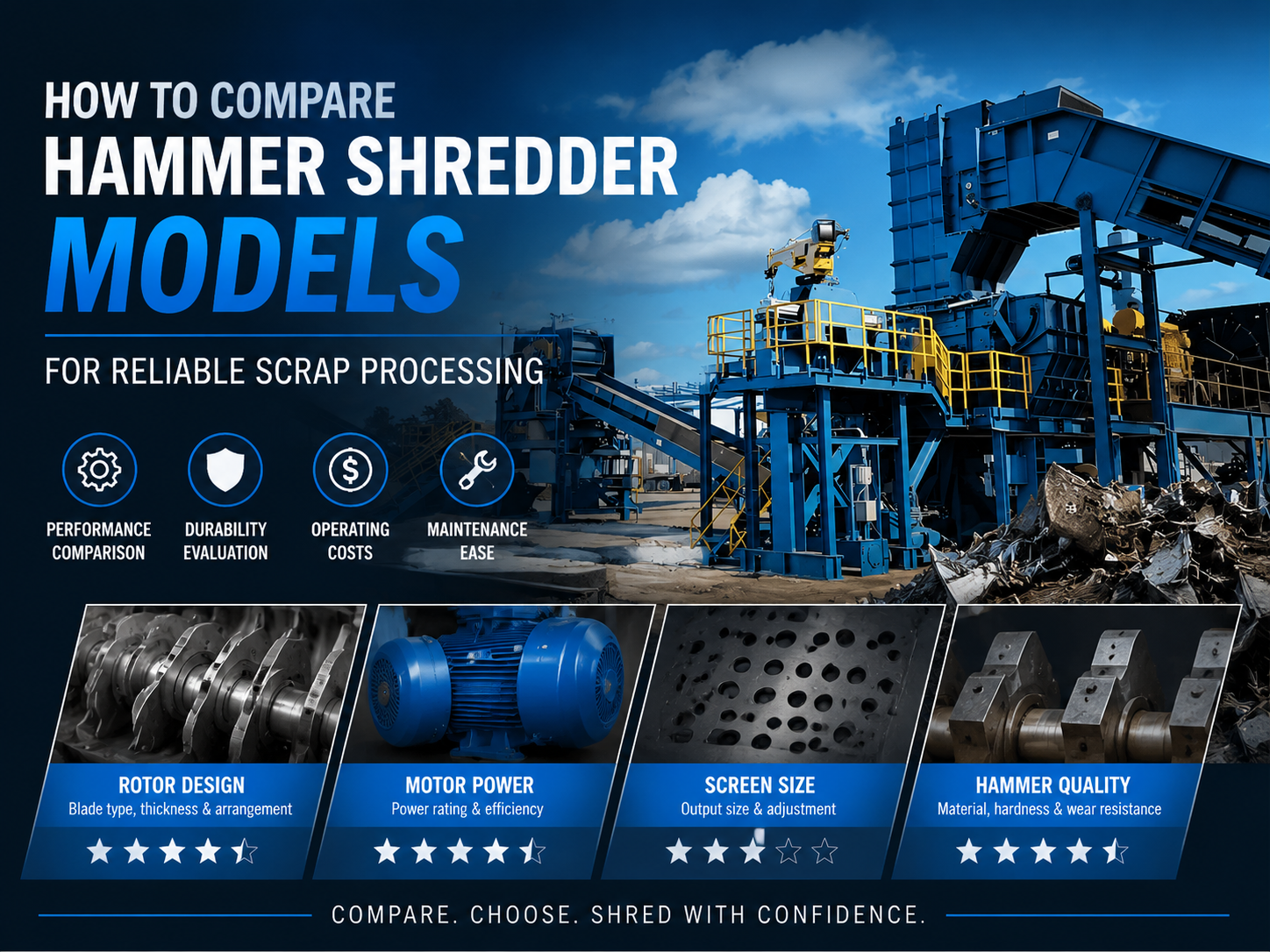
Introduction to Industrial Hammer Shredders
In the rapidly evolving world of metal recycling, the ability to efficiently process diverse scrap materials is a cornerstone of profitability. When businesses look to Compare Hammer Shredder Models Reliable Scrap Processing, they are not just looking at a piece of machinery; they are investing in a long-term operational asset. A hammer shredder, often referred to as a hammer mill in the recycling industry, utilizes high-speed rotating hammers to impact and break down materials such as end-of-life vehicles (ELVs), aluminum extrusions, electronic waste, and industrial scrap into smaller, denser, and more valuable fragments.
The challenge for many facility managers and business owners lies in the sheer variety of models available on the market. From compact units designed for non-ferrous metals to massive, multi-megawatt systems capable of swallowing entire car bodies, the specifications can be overwhelming. To achieve reliable scrap processing, one must look beyond the surface-level horsepower and delve into the nuances of metallurgy, rotor dynamics, and structural integrity. This guide provides a comprehensive framework to evaluate these machines, ensuring that your investment aligns with your throughput goals and material requirements.
Price Range Overview: Understanding the Market Tiers
The price of a hammer shredder is primarily dictated by its capacity, build quality, and the level of automation integrated into the system. Generally, the market can be divided into three distinct tiers. Entry-level or mobile hammer shredders typically range from $50,000 to $150,000. These units are often used for processing lighter materials like aluminum cans (UBC), thin-gauge sheet metal, or electronic scrap. While they offer lower upfront costs, their throughput is limited, usually hovering between 1 to 5 tons per hour (TPH).
Mid-range industrial shredders, which are the workhorses of most regional recycling centers, fall between $200,000 and $600,000. These machines are designed for continuous operation and can handle heavier scrap, including light iron and mixed metal bales. They typically offer throughputs of 10 to 30 TPH. At this level, you begin to see more sophisticated hydraulic systems, advanced wear-resistant liners, and better vibration dampening technologies.
High-capacity, heavy-duty shredding plants represent the top tier, with prices often exceeding $1,000,000. These are massive installations requiring significant civil engineering and foundation work. They are capable of processing 50 to over 100 TPH and are designed to shred full automobiles and heavy structural steel. When you Compare Hammer Shredder Models Reliable Scrap Processing at this level, the focus shifts from the machine alone to the entire ecosystem, including downstream separation technologies like eddy current separators and induction sorters.
Main Cost Drivers in Hammer Shredder Manufacturing
Several critical factors influence the manufacturing cost and, consequently, the purchase price of a hammer shredder. The most significant driver is the rotor assembly. The rotor is the heart of the machine, subjected to extreme centrifugal forces and constant impact. High-quality rotors are forged from specialized alloy steels and precision-balanced to prevent catastrophic vibration. A cheaper model might use a cast rotor or lower-grade steel, which significantly increases the risk of fatigue failure over time.
Another major cost driver is the motor and drive system. Industrial shredders require massive torque to overcome the resistance of heavy metal scrap. The choice between a direct-drive electric motor, a hydraulic drive, or a belt-driven system impacts both the initial cost and the operational efficiency. High-efficiency motors that meet modern energy standards (such as IE3 or IE4) carry a premium but offer substantial savings in electricity costs over the machine’s lifespan.
The quality of the wear parts—specifically the hammers, grates, and internal liners—also dictates the price. Premium manufacturers like HARSLE utilize high-manganese steel or specialized chrome-moly alloys that work-harden under impact. While these materials are more expensive to produce, they last significantly longer than standard carbon steel components. Investing in superior metallurgy upfront reduces the frequency of maintenance shutdowns, which is essential for reliable scrap processing.
Configuration Impact: Tailoring the Machine to the Material
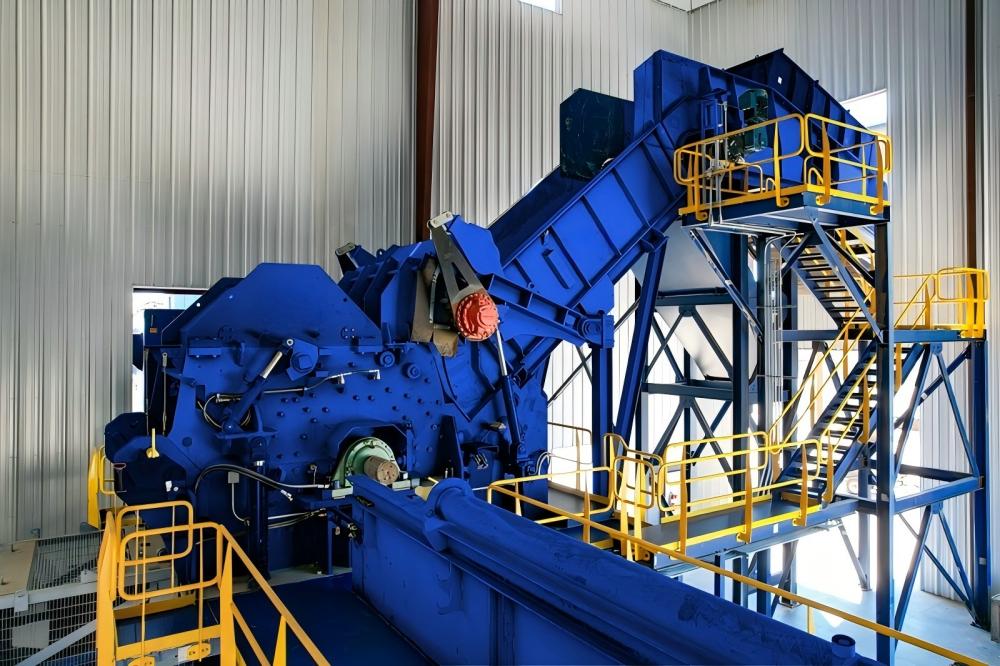
When you Compare Hammer Shredder Models Reliable Scrap Processing, the configuration of the shredding chamber is paramount. The geometry of the feed chute, the arrangement of the hammers, and the size of the discharge grates must be matched to the specific type of scrap you intend to process. For instance, a “top-feed” configuration is excellent for bulky items that need to be gravity-fed into the rotor’s path, whereas a “side-feed” with a hydraulic pusher is better for dense bales or long profiles.
Hammer design is another critical configuration variable. Fixed hammers are often used for lighter materials where precision sizing is required, while swing hammers (which can pivot back if they hit an un-shreddable object) are the industry standard for heavy scrap. Swing hammers protect the rotor and motor from sudden shocks, which is vital for maintaining uptime in unpredictable scrap streams. The number of hammers and their weight distribution also affect the “shredding density”—the ability of the machine to compact the scrap into small, pebble-like nuggets.
Furthermore, the discharge grate configuration determines the final product size. Smaller grate openings produce a finer, more uniform product but reduce the overall throughput and increase wear. Conversely, larger openings allow for faster processing but may result in less liberation of trapped non-metallic materials. Advanced models allow for relatively quick grate changes, providing the flexibility to switch between different scrap grades based on market demand.
Hidden Costs of Operating a Hammer Shredder
The purchase price is only the beginning of the total cost of ownership (TCO). One of the most overlooked hidden costs is the energy consumption. Hammer shredders are energy-intensive; a machine running at 500kW for 8 hours a day can generate massive utility bills. Models equipped with variable frequency drives (VFDs) can mitigate this by adjusting power consumption based on the load, but the initial investment is higher.
Maintenance labor and downtime are other significant hidden costs. A hammer shredder requires daily inspections and frequent part rotations. If a machine is poorly designed, changing a set of hammers might take a full shift, whereas a well-engineered model with hydraulic housing opening systems might allow the same task to be completed in two hours. The cost of “lost production” during these windows often exceeds the cost of the replacement parts themselves.
Environmental and regulatory compliance can also add unexpected expenses. Dust suppression systems, soundproofing enclosures, and vibration-dampening foundations are often required by local zoning laws. Furthermore, the disposal of “shredder residue” (the non-metallic fluff left over after metal recovery) is becoming increasingly expensive due to environmental regulations. When comparing models, evaluate how well the machine integrates with dust collection systems and how efficiently it separates clean metal from waste.
ROI Calculation: Measuring Success in Scrap Processing
Calculating the Return on Investment (ROI) for a hammer shredder involves more than just subtracting the purchase price from the revenue. You must consider the “value-add” of the processed scrap. Shredded scrap (often called “proler” or “frag”) commands a significantly higher price per ton than un-processed mixed scrap because it is denser, cleaner, and easier for steel mills to melt. This price premium is the primary driver of ROI.
To calculate ROI, use the following formula: (Annual Revenue from Shredded Scrap – Annual Operating Costs) / Total Investment. Operating costs must include electricity, labor, replacement wear parts, and insurance. A high-quality machine that produces a 98% pure metal output will pay for itself much faster than a cheaper machine that leaves 5% contamination, as the latter will face penalties or rejection from the smelter.
Additionally, consider the density factor. Shredded scrap can reach densities of 60-80 pounds per cubic foot, compared to 10-20 pounds for loose scrap. This drastically reduces transportation costs, as you can fit more weight into every truckload or shipping container. Over a year, these logistics savings can amount to tens of thousands of dollars, significantly shortening the payback period of the equipment.
Buying Advice: How to Choose the Right Model
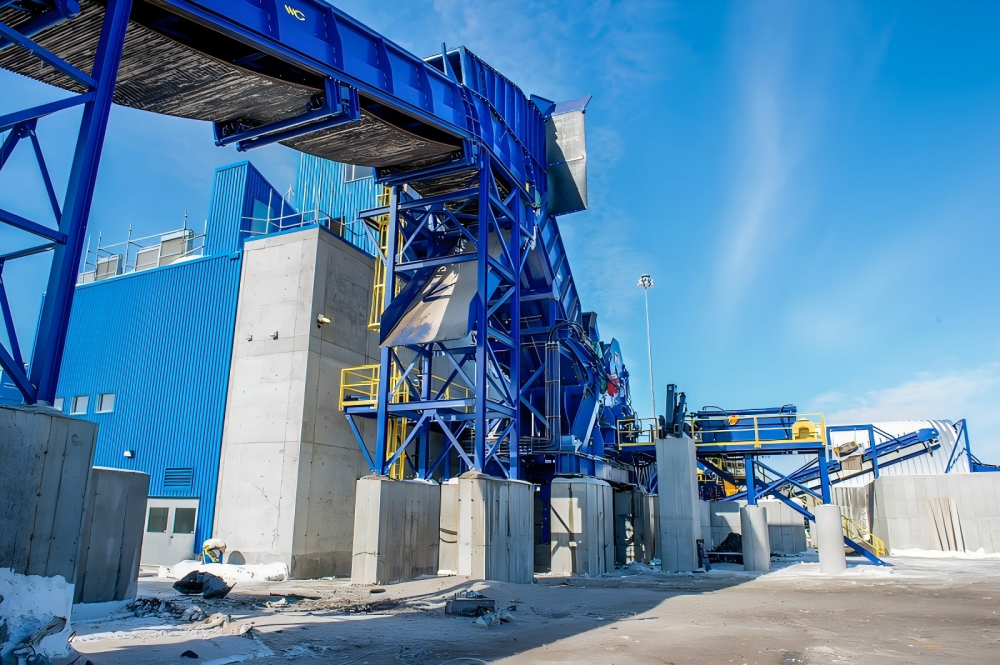
When you are ready to Compare Hammer Shredder Models Reliable Scrap Processing, start by conducting a thorough analysis of your feedstock. What is the thickest material you will process? What is your target hourly tonnage? Do not buy a machine that is “just enough” for your current needs; always allow for a 20% buffer in capacity to handle future growth or unexpected surges in scrap volume.
Request a “wear part life” estimate from the manufacturer based on your specific material. A reputable vendor should be able to tell you, for example, that their hammers will last 400 hours when processing light iron. Also, investigate the availability of spare parts. A shredder is a high-wear machine; if you have to wait three weeks for a custom-made rotor shaft to arrive from overseas, your business will suffer. Choose a manufacturer like HARSLE that maintains a robust inventory of wear components and offers responsive technical support.
Finally, always ask for a demonstration or a visit to an existing installation. Seeing the machine process material similar to yours is the best way to verify performance claims. Pay attention to the noise levels, the stability of the machine during impact, and the ease with which the operators can access the internal chamber. A machine that is easy to service is a machine that will be well-maintained and will last for decades.
Technical Specifications Comparison Table
| Feature | Entry-Level Model | Mid-Range Industrial | Heavy-Duty Plant |
|---|---|---|---|
| Throughput (TPH) | 1 – 5 | 10 – 30 | 50+ |
| Motor Power (kW) | 45 – 110 | 200 – 600 | 1000+ |
| Hammer Material | High Carbon Steel | Manganese Alloy | Forged Chrome-Moly |
| Typical Feedstock | UBC, E-Waste | Light Iron, Bales | ELVs, HMS 1/2 |
| Automation Level | Manual/Basic PLC | Advanced PLC/HMI | Fully Integrated SCADA |
Frequently Asked Questions (FAQ)
1. How often do the hammers need to be replaced?
The lifespan of hammers depends entirely on the abrasiveness and thickness of the scrap. For light aluminum processing, hammers may last several hundred hours. For heavy steel shredding, they may need to be flipped every 40-80 hours and replaced after 150-200 hours. Regular rotation is key to maintaining shredding efficiency and protecting the rotor.
2. Can a hammer shredder handle “un-shreddables” like engine blocks?
Most industrial hammer shredders are designed with a “reject door” or a “relief gate.” If an un-shreddable object like a solid steel shaft or a heavy engine block enters the chamber, the kinetic energy of the hammers will kick the object out through the reject door to prevent damage to the rotor and motor. However, consistently feeding un-shreddables will accelerate wear and tear.
3. What is the difference between a hammer shredder and a dual-shaft shredder?
A dual-shaft shredder uses high-torque, low-speed shearing action to cut material, which is ideal for volume reduction of bulky items like tires or plastics. A hammer shredder uses high-speed impact to shatter and densify metal. For metal recycling where purity and density are required, the hammer shredder is the superior choice.
4. Does the machine require a special foundation?
Yes, especially for mid-to-high capacity models. The dynamic loads and vibrations generated by a hammer shredder are significant. A reinforced concrete foundation, often isolated from the rest of the building floor with vibration-dampening materials, is essential to prevent structural damage to your facility.
5. How does moisture in the scrap affect the shredding process?
Moisture can lead to several issues, including increased dust clumping and potential corrosion of the internal chamber if the machine sits idle. More importantly, if the scrap contains sealed containers with liquid, the impact of the hammers can cause rapid expansion or small explosions. Always ensure scrap is pre-sorted and dry whenever possible.
6. What safety features should I look for when I compare hammer shredder models?
Key safety features include emergency stop circuits, hydraulic safety interlocks that prevent the housing from opening while the rotor is spinning, vibration sensors that shut down the motor if an imbalance is detected, and robust shielding to protect operators from flying debris (missiles) that may exit the feed chute.