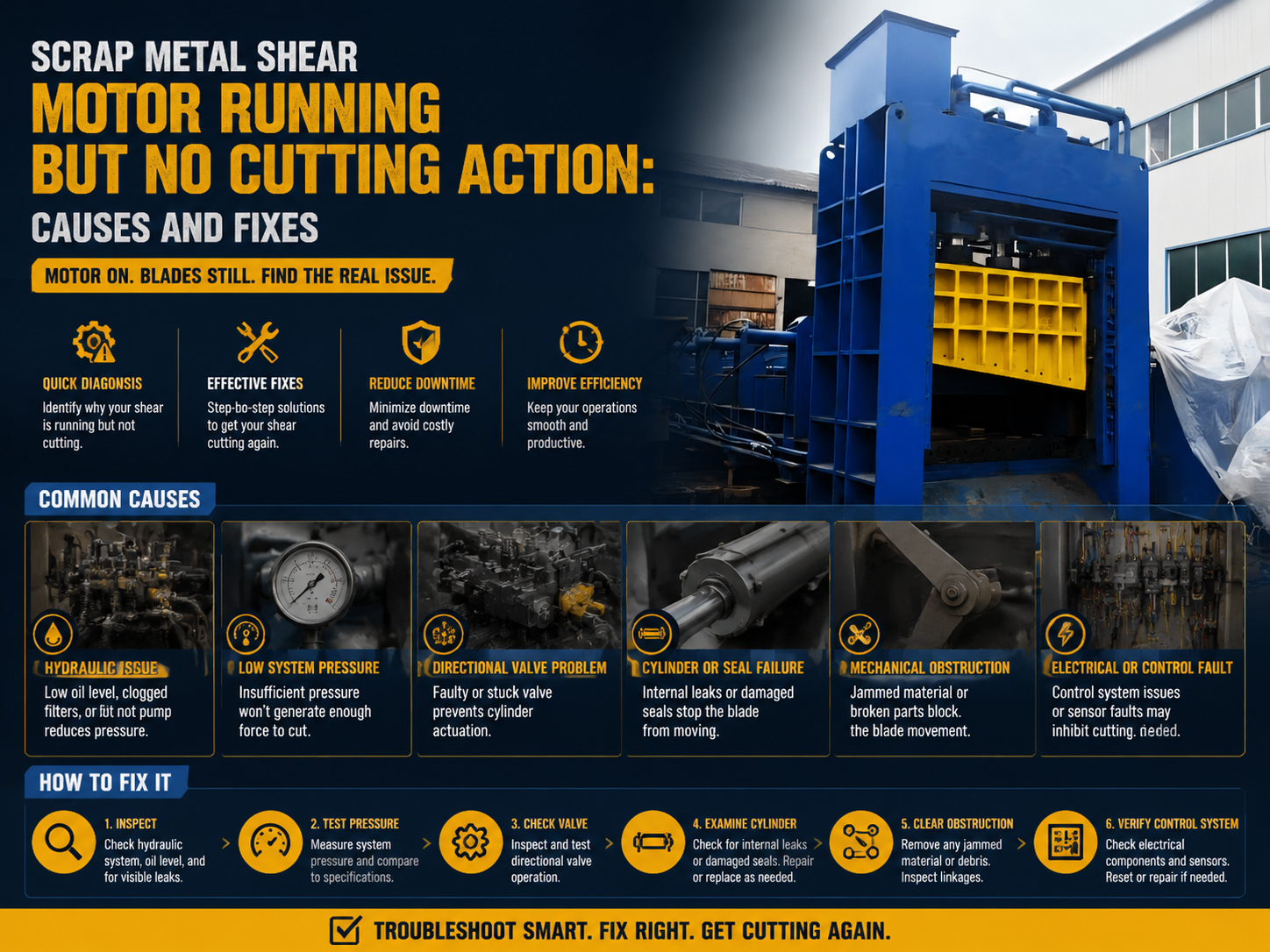
Scrap Metal Shear Motor Running But No Cutting Action: Causes and Fixes

Introduction to Scrap Metal Shear Operational Failures
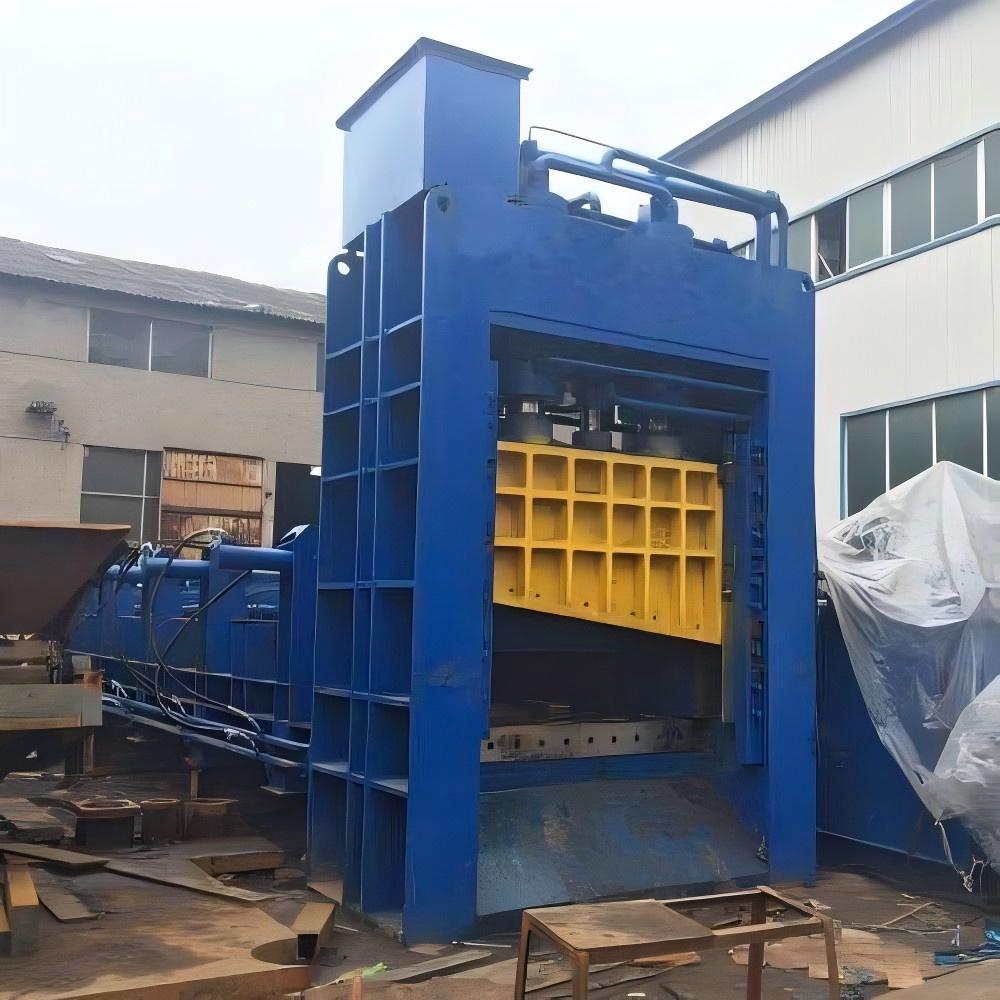
In the high-intensity environment of a metal recycling facility, the scrap metal shear is the workhorse that ensures throughput and profitability. However, operators often encounter a frustrating scenario: the electric motor is humming or running at full speed, yet the shear blade remains stationary or fails to exert enough force to cut through the material. This specific issue—Scrap Metal Shear Motor Running But No Cutting Action: Causes Fixes—is a common diagnostic challenge that can stem from hydraulic, mechanical, or electrical control failures.
When the motor is running, it indicates that the primary power source is functional, but the transmission of that power to the cutting edge has been interrupted. Understanding the nuances of this failure is critical for minimizing downtime. Whether you are operating a heavy-duty gantry shear or a smaller alligator shear, the principles of force transmission remain similar. A systematic approach to troubleshooting not only saves time but also prevents secondary damage to expensive components like hydraulic pumps and cylinders.
HARSLE industrial shears are engineered for durability, but even the most robust machinery requires precise calibration and maintenance. This guide will delve deep into the technical reasons why a motor might spin without producing a cut, providing actionable fixes to get your production line back on track. We will explore everything from hydraulic pressure bypasses to mechanical coupling failures, ensuring a comprehensive understanding of your equipment’s internal logic.
Key Considerations Before Troubleshooting
Before diving into the mechanical and hydraulic guts of the machine, safety must be the absolute priority. Industrial scrap shears exert hundreds of tons of force. If the motor is running but the blade isn’t moving, there may be stored energy in the system (hydraulic accumulation) that could release unexpectedly. Always implement Lockout/Tagout (LOTO) procedures before inspecting internal components. Ensure that the shear head is either fully retracted or mechanically blocked to prevent accidental descent during the diagnostic process.
Another key consideration is the distinction between a total lack of movement and a lack of cutting force. If the blade moves but stops the moment it touches the scrap, the issue is likely pressure-related. If the blade does not move at all despite the motor running, the issue is likely a disconnection in the drive train or a total failure of the hydraulic fluid to reach the cylinder. Identifying which of these two symptoms you are facing will narrow down your search by 50% immediately.
Environmental factors also play a role. In extremely cold climates, hydraulic oil viscosity can increase to the point where the pump cavitates or the valves stick. Conversely, in high-heat environments, oil thinning can lead to internal leakage where the fluid simply slips past seals instead of pushing the piston. Always check your operating environment and fluid specifications against the manufacturer’s recommendations before assuming a mechanical component has failed.
Technical Details: Why the Shear Won’t Cut
1. Hydraulic Pump and Coupling Failures
The most direct link between the motor and the cutting action is the hydraulic pump. The motor spins a shaft that is connected to the pump via a coupling. If this coupling—often a spider coupling or a splined sleeve—shears or breaks, the motor will spin freely without turning the pump internals. This is a common “silent” failure where the machine sounds normal, but no oil is being moved. Inspect the coupling housing for metal shavings or unusual vibrations.
If the coupling is intact, the pump itself may have suffered an internal failure. Vane pumps or piston pumps can experience “seizure” or internal bypass where the rotating group is damaged. If the pump cannot generate flow, the cylinders will never receive the signal to move. A quick way to check this is to monitor the pressure gauge; if the motor is running but the gauge reads zero even when a command is given, the pump or its drive link is the primary suspect.
2. Directional Control Valve and Solenoid Issues
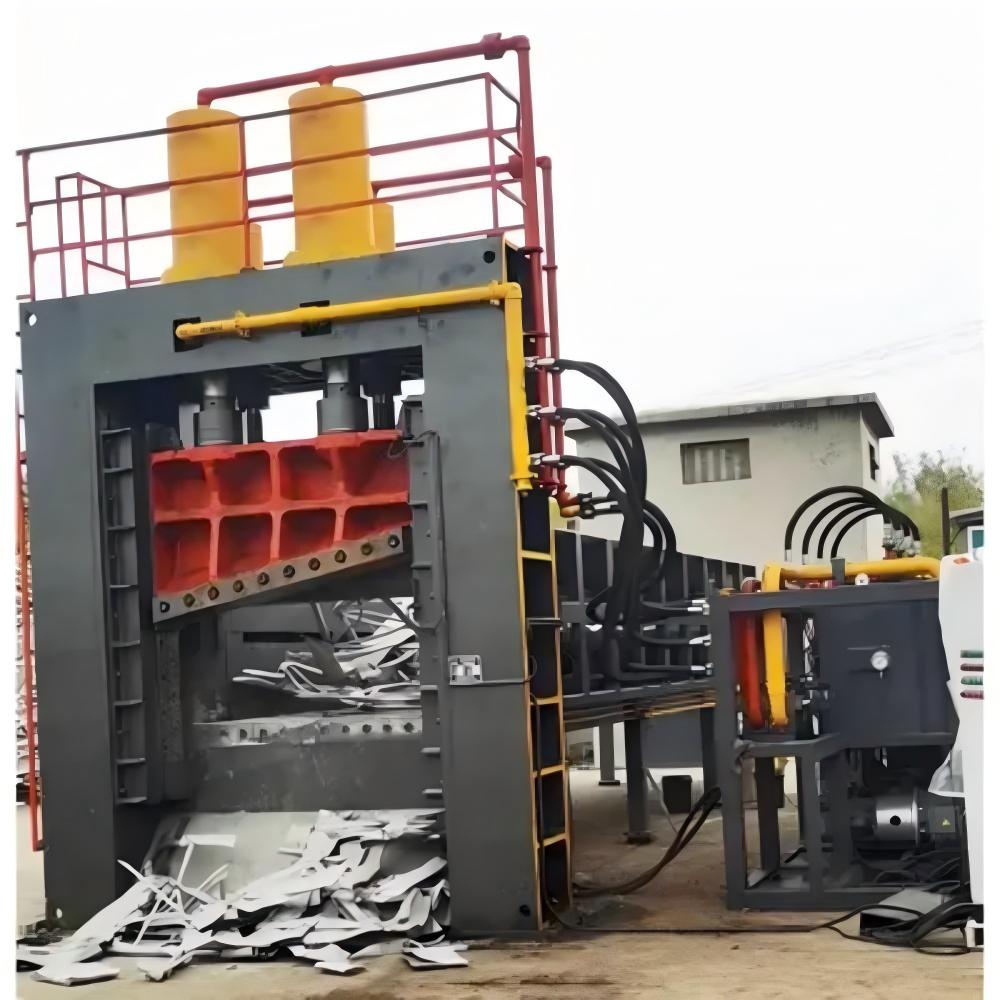
In modern scrap shears, the flow of oil is directed by solenoid-operated valves. When the operator presses the “Cut” button, an electrical signal energizes a coil, shifting a spool inside the valve to direct oil to the top of the cylinder. If the solenoid coil is burnt out, or if the electrical wire is frayed, the valve will never shift. The motor will run, the pump will move oil, but the oil will simply cycle back to the tank through the relief valve.
Furthermore, the valve spool itself can become jammed due to contaminated hydraulic fluid. Small metal particles or silt can lodge in the tight tolerances of the valve, preventing it from moving even if the solenoid is working. In this case, you might hear the motor “strain” slightly as the relief valve opens, but the blade remains stationary. Cleaning or replacing the directional control valve is a standard fix for this specific symptom.
3. Relief Valve Malfunction
The relief valve is the safety gate of the hydraulic system. It is designed to open and vent oil back to the reservoir if the pressure exceeds a safe limit. However, if the relief valve is stuck in the “open” position—perhaps due to a broken spring or a piece of debris holding the poppet off its seat—the system can never build the pressure required to move the heavy shear blade. The oil takes the path of least resistance, which is back to the tank, leaving the blade motionless.
4. Internal Cylinder Leakage (Bypassing)
If the motor is running and the valves are shifting, but the blade moves slowly or fails to cut, the issue may lie within the hydraulic cylinder itself. The piston inside the cylinder has seals that prevent oil from leaking from the high-pressure side to the low-pressure side. If these seals are worn or blown, the oil will simply “bypass” the piston. The motor and pump are doing their job, but the energy is lost internally. This is often accompanied by the cylinder body feeling excessively hot to the touch.
Selection Advice for Reliable Scrap Shears
When purchasing a scrap metal shear, choosing a machine with high-quality components can significantly reduce the frequency of “motor running but no cutting” issues. Look for manufacturers like HARSLE that utilize world-class hydraulic components (such as Rexroth or Vickers valves). These components have higher tolerances for heat and contamination, which are the primary killers of hydraulic efficiency.
Consider the following checklist when selecting a new shear:
- Integrated Cooling Systems: Ensure the machine has an efficient oil cooler to maintain viscosity, preventing seal failure and internal bypassing.
- Filtration Standards: Look for systems with multi-stage filtration and clogging indicators to prevent valve jams.
- Diagnostic Ports: High-quality shears include pressure test points at various stages of the circuit, making it much easier to identify if a pump, valve, or cylinder is at fault.
- PLC Control: Modern PLC systems can provide error codes that specifically point to a failed solenoid or a sensor mismatch, saving hours of manual troubleshooting.
Investing in a gantry shear with a robust structural frame also ensures that the blades remain aligned. Sometimes, a “no cut” situation isn’t hydraulic at all, but rather a mechanical jam caused by blade gap misalignment, which puts excessive load on the system and trips the bypass valves immediately.
Troubleshooting Table: Quick Fix Guide
| Symptom | Probable Cause | Recommended Fix |
|---|---|---|
| Motor runs, zero pressure on gauge | Broken pump coupling or pump failure | Inspect and replace coupling; check pump shaft rotation. |
| Motor runs, pressure builds but no movement | Stuck directional valve or solenoid failure | Check electrical signal to solenoid; clean or replace valve spool. |
| Blade moves but stops upon contact | Relief valve set too low or stuck open | Adjust relief valve setting or clean the valve poppet. |
| Excessive heat in cylinder, weak cutting | Internal piston seal bypass | Disassemble cylinder and replace piston seals. |
| Foaming oil in reservoir | Air leak in suction line or low oil level | Tighten suction fittings and top up hydraulic fluid. |
Frequently Asked Questions (FAQ)
Why does my shear work for 30 minutes and then stop cutting?
This is usually a sign of oil overheating. As the oil gets hotter, its viscosity drops. If your seals are slightly worn or your pump is aging, the thin oil will leak internally rather than providing cutting force. Check your oil cooler and ensure the cooling fins aren’t clogged with dust.
Can a low oil level cause the motor to run without cutting?
Yes. If the oil level is too low, the pump may draw in air (cavitation). Air is compressible, whereas hydraulic fluid is not. If there is air in the lines, the system cannot build the rigid pressure needed to move the heavy shear arm or cut through metal.
How do I know if the solenoid is the problem?
Most solenoids have a manual override button (a small pin on the end). If you push this pin with a screwdriver and the shear moves, the problem is electrical (coil, wiring, or PLC). If you push the pin and nothing happens, the problem is hydraulic or mechanical.
What type of hydraulic oil should I use for a HARSLE scrap shear?
Generally, anti-wear hydraulic oil (ISO VG 46 or 68) is recommended depending on your ambient temperature. Always refer to your specific HARSLE manual, as using the wrong oil can lead to premature pump wear and valve sticking.
Conclusion
A Scrap Metal Shear Motor Running But No Cutting Action is a signal that the chain of energy transmission has been broken. By systematically checking the mechanical coupling, the hydraulic pump’s output, the functionality of the directional valves, and the integrity of the cylinder seals, you can identify the root cause of the failure. Most issues are related to fluid contamination or wear-and-tear on seals and solenoids, all of which are manageable with a consistent maintenance schedule.
Choosing high-quality machinery from HARSLE ensures that you have a reliable foundation, but even the best machines require an observant operator. Regular oil analysis, filter changes, and pressure checks will prevent the majority of these “no cut” scenarios. When your equipment performs at its peak, your recycling operation remains profitable, safe, and efficient. Remember, a shear that runs but doesn’t cut is not just a nuisance—it’s an opportunity to perform the essential maintenance that keeps your facility running for years to come.