How to Stop a Recycling Baler From Repeatedly Blowing Fuses

Introduction to Recycling Baler Electrical Stability
In the demanding world of waste management and metal fabrication, the recycling baler is a workhorse. Whether you are processing cardboard, plastics, or scrap metal, these machines rely on a delicate balance of high-pressure hydraulics and robust electrical systems. However, one of the most frustrating issues operators face is when a machine begins to fail at its most basic level: the power supply. Knowing how to stop a recycling baler from repeatedly blowing fuses is not just about replacing a small component; it is about ensuring the longevity of your investment and maintaining a consistent production schedule.
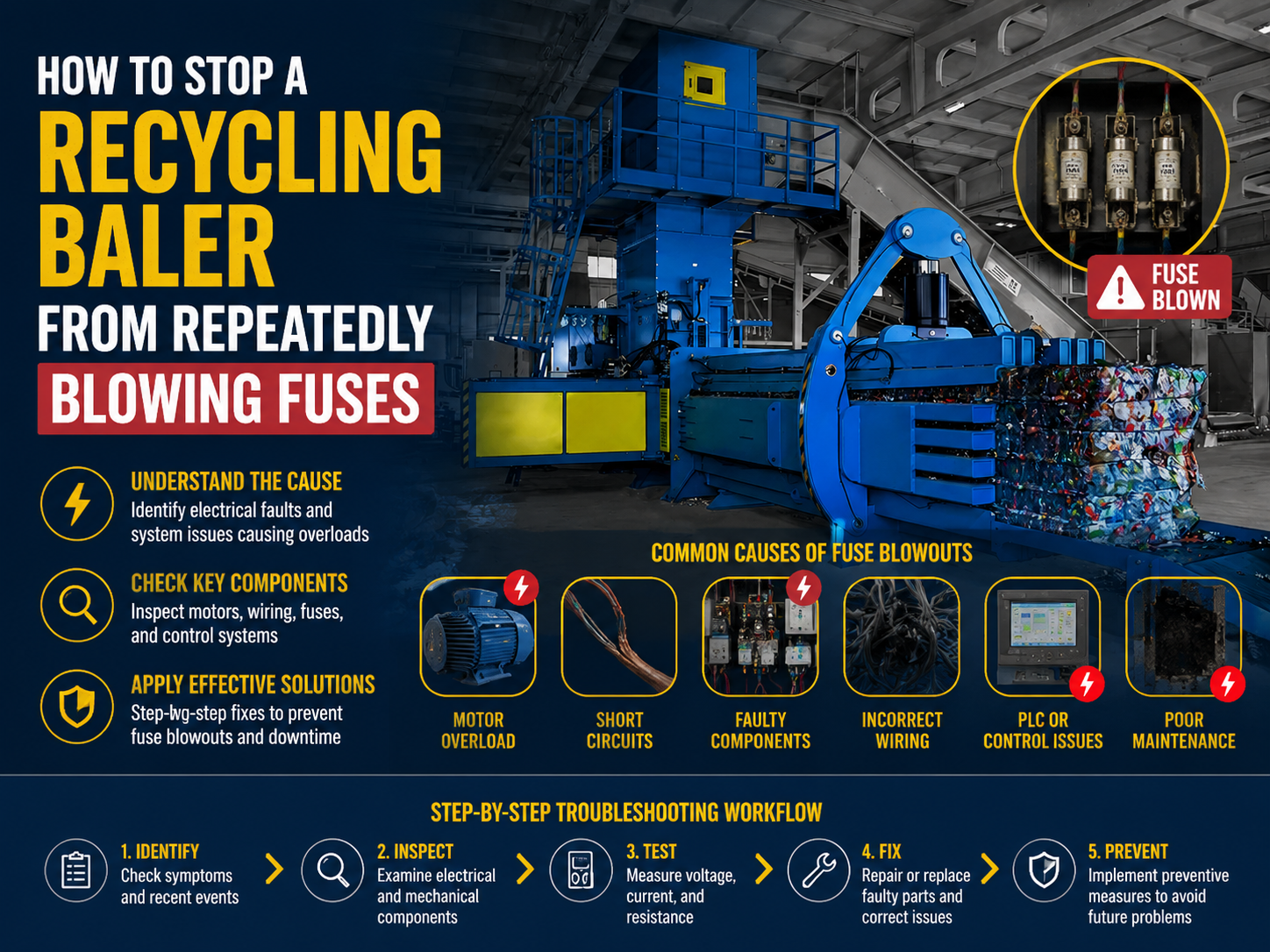
Repeatedly blowing fuses is a symptom of an underlying problem, often related to electrical overloads, short circuits, or mechanical strain that forces the motor to draw more current than it is designed to handle. At HARSLE, we understand that downtime is expensive. A stalled baler leads to a backlog of materials, safety hazards in the workspace, and potential damage to expensive internal components like the main motor or the hydraulic pump. This guide is designed to provide a deep dive into the technical reasons behind fuse failures and offer actionable solutions to keep your baler running smoothly.
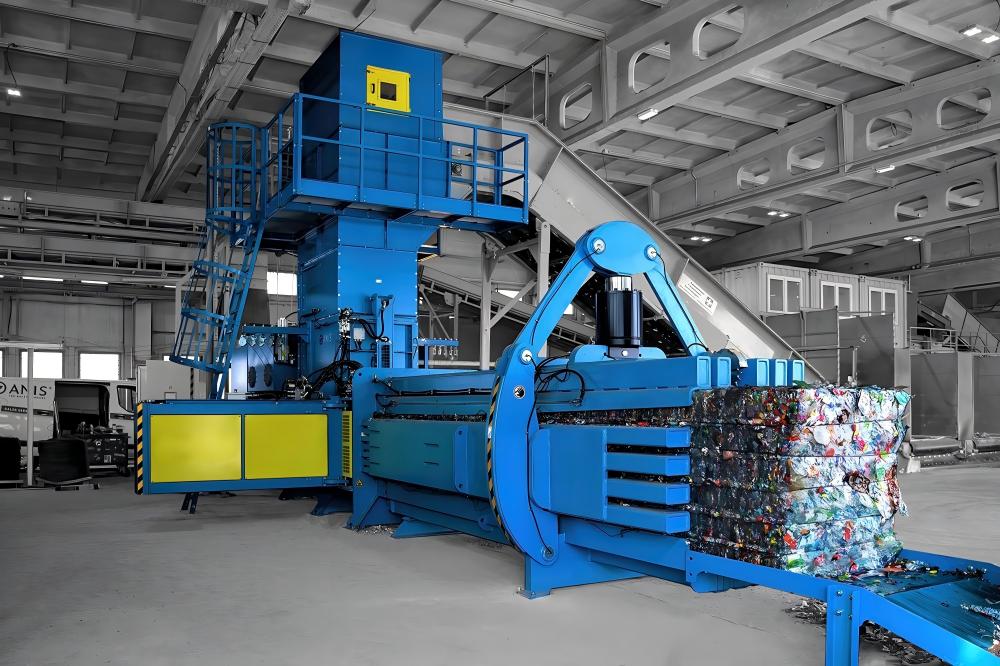
To effectively address this issue, one must look beyond the fuse box. We will explore the synergy between the electrical control panel and the hydraulic system. Often, what appears to be an electrical fault is actually a mechanical resistance issue. By the end of this article, you will have a comprehensive understanding of how to diagnose, fix, and prevent fuse-related interruptions in your recycling operations.
Key Considerations for Electrical Faults in Balers
Understanding Inrush Current and Circuit Capacity
One of the primary reasons a recycling baler might blow a fuse is the “inrush current.” When a large industrial motor starts, it requires significantly more power than it does during normal operation—sometimes up to five to seven times its rated running amperage. If the fuses installed in your disconnect or control panel are not “slow-blow” or “time-delay” types, they may pop the moment the motor tries to turn over. It is essential to verify that the fuse rating matches the manufacturer’s specifications for peak startup loads.
Furthermore, the circuit capacity of the facility must be considered. If the baler is sharing a power line with other heavy machinery, such as a large press brake or a shearing machine, the cumulative draw can exceed the circuit’s limits. This is particularly common in older facilities where the electrical infrastructure has not been upgraded to match modern, high-output recycling equipment. Ensuring a dedicated circuit for your baler is a fundamental step in stabilizing its performance.
The Impact of Material Overloading
A recycling baler is designed to compress specific volumes and types of material. When operators attempt to process materials that exceed the machine’s rated capacity—such as trying to bale heavy metal scraps in a machine designed for light plastics—the hydraulic system must work harder. This increased resistance forces the motor to work at its maximum torque, which in turn increases the amperage draw. If the motor is consistently running at its service factor limit, the heat generated will eventually cause the fuse to blow as a protective measure.
Environmental and Installation Factors
The environment in which the baler operates plays a significant role in its electrical health. Dust, metal shavings, and moisture are common in recycling centers. If these contaminants enter the electrical cabinet, they can cause tracking or minor short circuits between terminals. Additionally, poor ventilation around the motor can lead to overheating. A hot motor has higher internal resistance, which increases current draw. Proper installation, including adequate spacing for airflow and sealed electrical enclosures, is critical to stop a recycling baler from repeatedly blowing fuses.
Technical Details: Diagnosing the Root Cause
Hydraulic System Resistance and Amperage
The relationship between hydraulic pressure and electrical current is direct. In a recycling baler, the electric motor drives a hydraulic pump. If there is a blockage in the hydraulic lines, a malfunctioning relief valve, or a clogged filter, the pump encounters excessive resistance. This resistance is transferred back to the motor. Using a clamp-on ammeter, a technician can monitor the current draw during a full compression cycle. If the amps spike significantly above the nameplate rating as the ram moves, the issue is likely hydraulic, not electrical.
Check the hydraulic oil viscosity as well. If the oil is too thick (due to cold temperatures or using the wrong grade), the motor will struggle to turn the pump during startup, leading to blown fuses. Conversely, if the oil is too thin or degraded, the pump may lose efficiency, causing the motor to run longer and hotter to achieve the same baling density.
Inspecting the Motor Windings and Insulation
Over time, the insulation on the copper windings inside the motor can degrade due to heat, vibration, or age. This degradation can lead to “nuisance tripping” or blown fuses. A Megohmmeter (or “Megger”) test can check the integrity of the motor’s insulation. If the insulation resistance is low, it indicates that current is leaking to the ground or between phases, which will inevitably blow fuses. This is a technical repair that often requires motor rewinding or replacement, but identifying it early can prevent a catastrophic electrical fire.
Loose Connections and Voltage Drop
Industrial machinery is subject to constant vibration. Over months of operation, the vibrations from the baling cycle can loosen the screws on terminal blocks, contactors, and fuse holders. A loose connection creates high resistance, which generates heat. This heat can cause the fuse element to fatigue and blow even if the actual current draw is within limits. Regularly tightening all electrical connections is a standard maintenance task that prevents a majority of intermittent fuse issues.
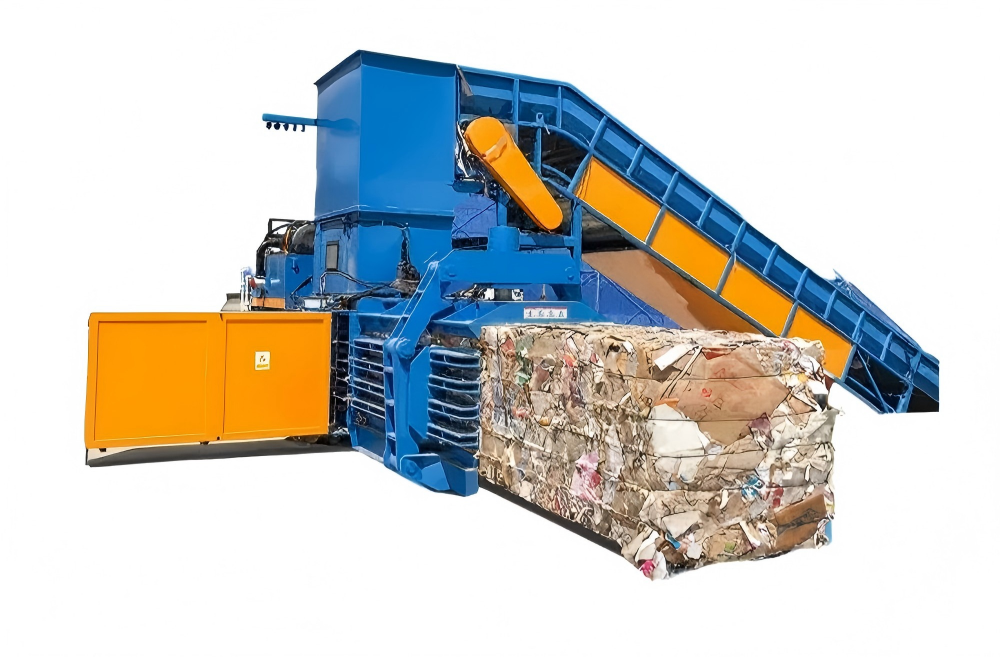
Voltage drop is another technical culprit. If the wire gauge leading to the baler is too thin for the distance it travels from the main transformer, the voltage at the motor terminals will drop when the machine is under load. According to Ohm’s Law, if voltage drops and the power requirement remains the same, the amperage must increase. This increased amperage is what blows the fuse. Measuring the voltage at the motor while the baler is under full load is the only way to confirm this issue.
Selection Advice: Choosing a Baler with Robust Electrical Systems
Look for High-Quality Electrical Components
When purchasing a new recycling baler, the quality of the internal components is paramount. At HARSLE, we prioritize the use of world-class electrical components, such as Schneider Electric contactors and Siemens motors. These components are designed to handle the rigors of industrial use and offer better thermal management than generic alternatives. A baler equipped with a soft-starter or a Variable Frequency Drive (VFD) is also a superior choice, as these devices manage the inrush current, significantly reducing the stress on fuses and the facility’s electrical grid.
Matching Machine Specifications to Material Needs
To stop a recycling baler from repeatedly blowing fuses, you must ensure the machine is correctly spec’d for your application. If you are processing high-rebound materials like tires or heavy-duty plastics, you need a baler with a higher pressing force and a motor with a higher duty cycle. Buying an underpowered machine to save on initial costs will lead to higher maintenance expenses and frequent fuse replacements in the long run. Always consult with a HARSLE expert to match the motor horsepower and hydraulic PSI to your specific waste stream.
Safety Features and Diagnostic Tools
Modern balers should come equipped with integrated diagnostic tools. Look for machines that feature PLC (Programmable Logic Controller) systems with HMI (Human Machine Interface) screens. These systems can provide real-time feedback on motor load, cycle times, and error codes. If a fuse blows, the PLC can often tell you exactly which part of the cycle the failure occurred in, making troubleshooting much faster. Additionally, ensure the machine has built-in thermal overload relays, which provide a secondary layer of protection before the fuse even has a chance to blow.
Maintenance Checklist to Prevent Fuse Issues
| Component | Maintenance Action | Frequency |
|---|---|---|
| Electrical Cabinet | Vacuum dust and check for moisture ingress. | Monthly |
| Terminal Connections | Tighten all screws on contactors and fuse blocks. | Quarterly |
| Hydraulic Filters | Replace return line and suction filters. | Every 1000 Hours |
| Motor Cooling Fins | Clean with compressed air to ensure heat dissipation. | Monthly |
| Hydraulic Oil | Check level and clarity; perform oil analysis. | Bi-Annually |
| Voltage Check | Measure voltage at the motor under load. | Annually |
Frequently Asked Questions (FAQ)
1. Why does my baler only blow fuses when it starts up?
This is usually due to the inrush current. The motor requires a massive surge of energy to overcome the inertia of the hydraulic pump and the stationary fluid. Ensure you are using time-delay fuses (Class RK5 or similar) and that your motor starter is functioning correctly. If the problem persists, consider installing a soft-start kit.
2. Can I just use a higher-rated fuse to stop it from blowing?
No. Never replace a fuse with one of a higher amperage rating than specified by the manufacturer. The fuse is the “weak link” designed to protect your expensive motor and wiring. If you increase the fuse size, the next thing to burn out will be the motor windings or the power cables, which can lead to a fire.
3. How does cold weather affect my baler’s fuses?
In cold weather, hydraulic oil becomes more viscous (thicker). This makes it much harder for the pump to move the oil, increasing the load on the motor during startup. Using a tank heater or switching to a multi-grade hydraulic oil suitable for low temperatures can solve this problem.
4. What is the difference between a fuse and a circuit breaker in a baler?
Fuses react faster to short circuits and are often used for primary protection in industrial machinery. Circuit breakers are resettable and provide convenient protection against overloads. Many HARSLE balers use a combination of both: fuses for the main power entry and breakers or thermal overloads for individual branch circuits.
5. Could a faulty solenoid valve cause a fuse to blow?
Yes. If a solenoid coil shorts out, it will draw excessive current through the control circuit. While this usually blows a smaller control-circuit fuse rather than the main motor fuse, a jammed valve can cause the hydraulic system to dead-head, putting maximum load on the motor and blowing the main fuses.
Conclusion: Ensuring Long-Term Baler Reliability
Successfully learning how to stop a recycling baler from repeatedly blowing fuses requires a holistic approach to machine maintenance. It is rarely just about the fuse itself; rather, it is about the health of the motor, the efficiency of the hydraulic system, and the integrity of the electrical supply. By performing regular inspections, ensuring proper material loading, and using high-quality components, you can eliminate the majority of electrical failures in your recycling facility.
At HARSLE, we are committed to providing not just machinery, but comprehensive solutions for the metal fabrication and recycling industries. Our balers are engineered with the highest safety standards and robust electrical architectures to minimize downtime. If you are experiencing persistent issues with your current equipment or are looking to upgrade to a more reliable system, our team of experts is ready to assist you with technical support and industry-leading machinery. Remember, a well-maintained baler is a profitable baler. Keep your electrical systems clean, your connections tight, and your hydraulic oil fresh to ensure years of trouble-free operation.