
Recycling Baler Ram Sticking Problems: Causes, Checks, and Repairs

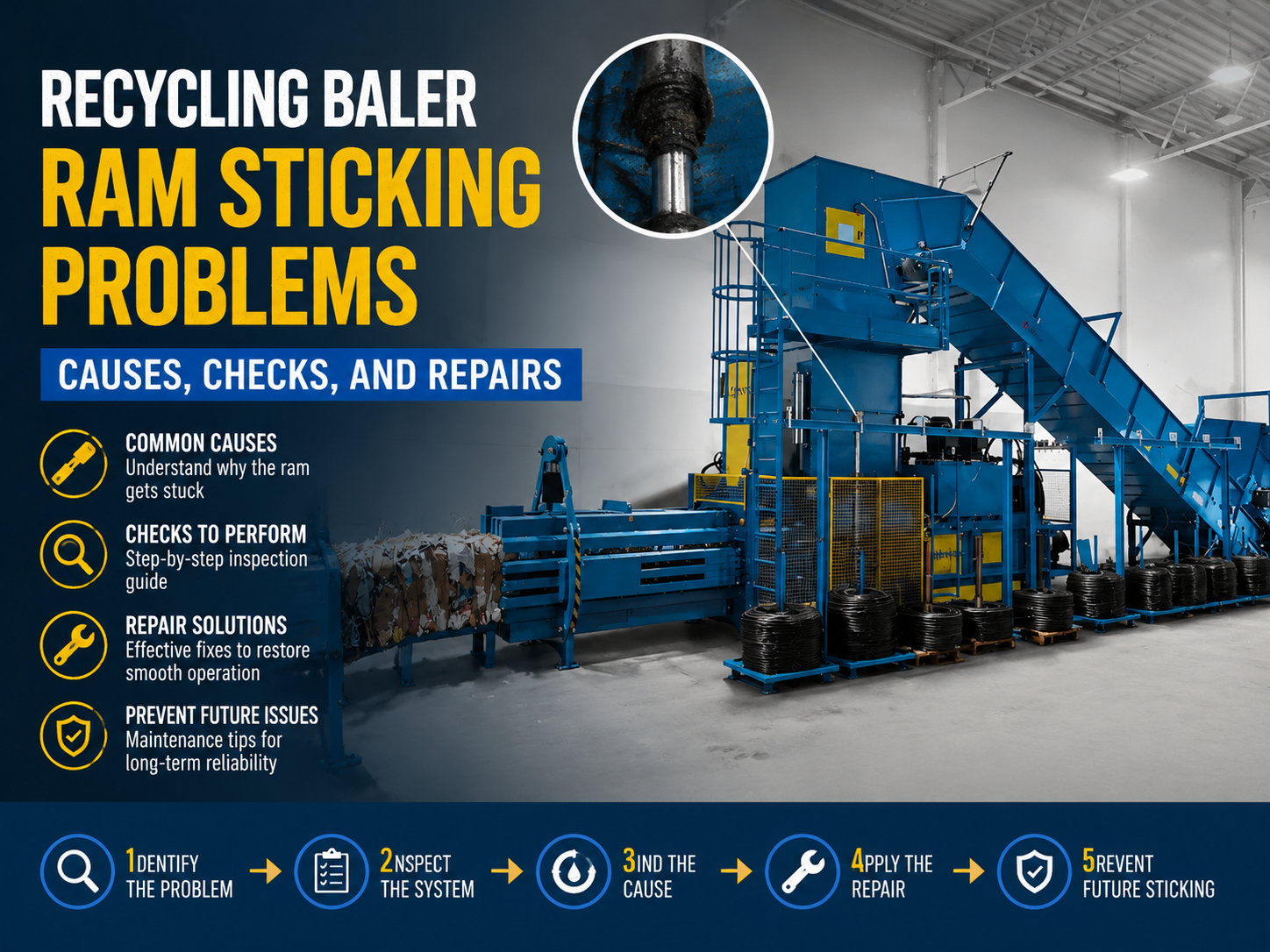
Introduction to Recycling Baler Ram Sticking Problems
In the high-demand world of scrap metal processing and waste management, the recycling baler stands as a cornerstone of operational efficiency. These machines, designed to compress voluminous materials into manageable, high-density bales, rely on the seamless movement of a heavy-duty hydraulic ram. However, one of the most frustrating and costly issues operators face is the phenomenon of the ram sticking. When a recycling baler ram fails to retract or extend smoothly, it brings production to a grinding halt, potentially leading to missed deadlines and increased labor costs.
Understanding Recycling Baler Ram Sticking Problems: Causes, Checks, Repairs is essential for any facility manager or maintenance technician. A sticking ram is rarely a standalone issue; it is often a symptom of underlying hydraulic, mechanical, or electrical malfunctions. HARSLE, a leader in industrial machinery, emphasizes that proactive diagnosis is the key to extending the lifespan of your equipment. This guide provides a deep dive into why these problems occur and how to systematically address them to ensure your recycling operations remain profitable and safe.
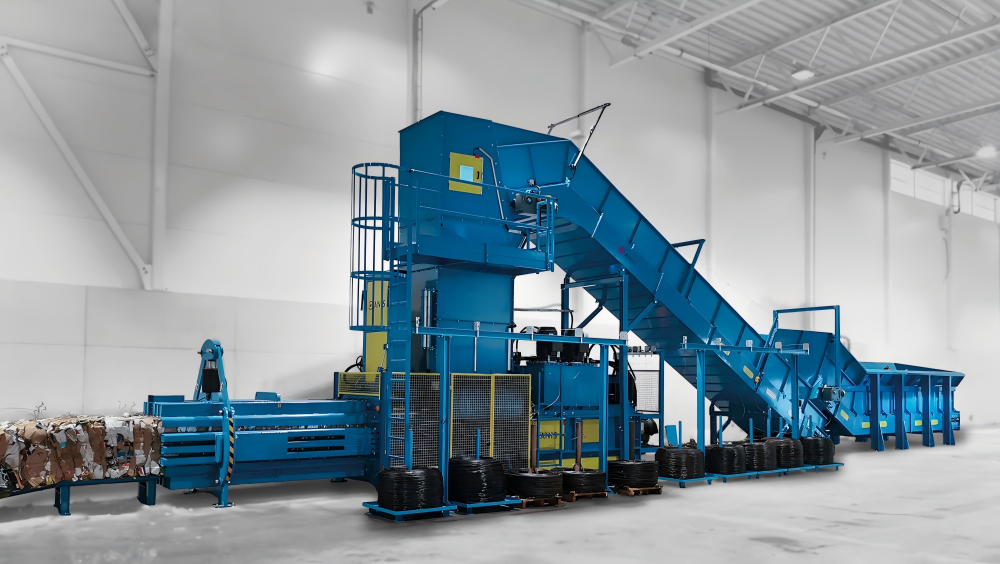
Key Considerations for Identifying Ram Issues
Before diving into technical repairs, it is vital to consider the operational context in which the baler is functioning. The environment of a recycling plant is inherently harsh, filled with dust, metal shards, and varying temperatures. These factors significantly influence the frequency and severity of ram sticking problems. Operators must first evaluate if the sticking occurs under load or during an empty cycle, as this distinction points to different root causes.
Another critical consideration is the type of material being processed. For instance, baling high-tensile steel scrap puts significantly more strain on the ram guides and hydraulic seals than baling aluminum cans or cardboard. If the machine is consistently pushed beyond its rated capacity, the structural components may flex, leading to misalignment. Regular monitoring of cycle times and unusual noises can provide early warnings before a total seizure occurs.
Finally, the quality of the hydraulic fluid cannot be overlooked. Hydraulic oil serves as both the lifeblood of the system and a cooling agent. Contaminated or overheated oil loses its viscosity and lubricating properties, which can cause internal valves to stick or the ram piston to experience excessive friction against the cylinder walls. Establishing a baseline for normal operating temperatures and fluid clarity is the first step in any comprehensive maintenance program.
Technical Details: Why the Ram Sticks
1. Hydraulic System Malfunctions
The most common cause of Recycling Baler Ram Sticking Problems: Causes, Checks, Repairs lies within the hydraulic circuit. The ram is driven by high-pressure oil directed through a series of valves. If the directional control valve (DCV) becomes clogged with debris or if its internal spool is worn, it may fail to shift fully. This results in the ram moving sluggishly or stopping mid-stroke because the oil flow is restricted or bypassed back to the tank.
Furthermore, the hydraulic cylinder itself may be the culprit. Internal seal failure, specifically the piston seal, allows oil to leak from the high-pressure side to the low-pressure side. This “internal bypass” reduces the force available to move the ram, making it appear stuck when it encounters even minor resistance. In extreme cases, the cylinder rod may become scored or bent due to side-loading, creating physical resistance that the hydraulic pressure cannot overcome.
2. Mechanical Obstructions and Wear
Mechanical issues often manifest as physical interference. Recycling balers utilize wear plates or liners to guide the ram through the compression chamber. Over time, these plates wear down or become uneven. If the clearance between the ram and the liners becomes too tight due to heat expansion or too loose due to wear, the ram can cock at an angle and wedge itself against the frame. This is particularly common in older machines where the guide adjustments have been neglected.
Debris accumulation is another significant factor. In scrap metal recycling, small pieces of wire, metal shavings, or glass can find their way into the guide tracks. As the ram moves, it compresses this debris, creating a physical block. If not cleaned regularly, this material can weld itself to the wear surfaces under high pressure, leading to permanent damage and frequent sticking.
3. Electrical and Sensor Failures
Modern balers, like those manufactured by HARSLE, utilize sophisticated PLC (Programmable Logic Controller) systems and sensors to manage the ram’s cycle. If a limit switch or proximity sensor fails, the controller may receive a signal that the ram has reached its end-of-travel when it hasn’t. This causes the system to cut power to the hydraulic pump or shift the valves to neutral, effectively “sticking” the ram in place. Electrical issues are often intermittent and can be triggered by vibration or moisture in the junction boxes.
Systematic Checks and Troubleshooting Steps
When faced with a sticking ram, a systematic approach to troubleshooting is required to avoid unnecessary downtime and expensive parts replacement. Follow these steps to isolate the problem:
- Visual Inspection: Check the compression chamber for jammed material or large debris. Inspect the ram guides and wear plates for signs of scoring, lack of lubrication, or misalignment.
- Pressure Testing: Install a pressure gauge at the pump outlet and at the cylinder ports. If the pump produces rated pressure but the ram doesn’t move, the issue is likely downstream in the valves or the cylinder itself.
- Valve Manual Override: Most hydraulic valves have a manual override button. If the ram moves when the valve is triggered manually but not via the control panel, the problem is electrical (sensor, wiring, or PLC).
- Oil Analysis: Check the hydraulic fluid level and color. Milky oil indicates water contamination, while dark, burnt-smelling oil indicates overheating. Use a particle counter if available to check for metallic contaminants.
- Guide Clearance Measurement: Use feeler gauges to check the gap between the ram and the wear liners at multiple points along the stroke. Compare these readings to the manufacturer’s specifications.
| Symptom | Potential Cause | Recommended Action |
|---|---|---|
| Ram stops mid-stroke | Low oil level or clogged filter | Refill oil and replace filters |
| Ram moves slowly and vibrates | Air in the hydraulic lines | Bleed the system and check for suction leaks |
| Ram sticks only when hot | Oil viscosity too low or cooling failure | Check heat exchanger and oil grade |
| Ram won’t retract | Faulty solenoid or broken return spring | Test solenoid coil and inspect valve internals |
| Loud screeching noise | Lack of lubrication on wear plates | Apply heavy-duty industrial grease |
Repair Strategies for Recycling Baler Rams
Once the cause of the Recycling Baler Ram Sticking Problems: Causes, Checks, Repairs is identified, the repair process must be handled with precision. For hydraulic cylinder issues, a full rebuild is often necessary. This involves disassembling the cylinder, replacing all T-seals, O-rings, and wipers, and inspecting the rod for straightness. If the rod is scored, it may require professional re-chroming or replacement to prevent premature seal failure.
If the problem is mechanical wear, the wear plates should be replaced or shimmed. HARSLE recommends using high-manganese or hardened steel liners for maximum durability. When installing new liners, it is crucial to ensure they are perfectly parallel. Even a fraction of a millimeter of misalignment can cause the ram to bind under the immense pressures generated during the final compression stage.
For electrical repairs, focus on the integrity of the wiring harnesses. In the vibrating environment of a baler, wires can rub against the frame and short out. Replacing standard proximity sensors with heavy-duty, shielded versions can prevent future signal interference. Always ensure that the PLC software is updated and that the pressure relief valves are calibrated to the manufacturer’s recommended settings to prevent over-pressurizing the system during a stick event.
Selection Advice: Choosing a Reliable Baler
Preventing ram sticking problems starts with selecting the right machinery. When purchasing a recycling baler, look for features that prioritize structural rigidity and hydraulic reliability. A heavy-duty frame made of high-grade steel will resist the flexing that leads to ram misalignment. Additionally, machines equipped with oversized hydraulic reservoirs and efficient cooling systems are less prone to the heat-related sticking issues that plague smaller, under-engineered units.
Consider the ease of maintenance. Are the wear plates easily accessible for adjustment? Does the hydraulic system include diagnostic ports for quick pressure checks? HARSLE’s range of recycling balers is designed with the operator in mind, featuring replaceable wear parts and intuitive control systems that provide real-time feedback on machine performance. Investing in a high-quality machine from the outset significantly reduces the long-term costs associated with repairs and downtime.
Finally, evaluate the manufacturer’s support network. Access to genuine spare parts, such as specific seal kits and custom-fit wear liners, is essential for performing effective repairs. A manufacturer that provides detailed technical manuals and troubleshooting guides will empower your maintenance team to handle Recycling Baler Ram Sticking Problems: Causes, Checks, Repairs efficiently and safely.
Frequently Asked Questions (FAQ)
How often should I lubricate the ram guides?
In a standard eight-hour shift, ram guides should be inspected daily and lubricated every 40 to 80 hours of operation, depending on the dust levels in your facility. Using an automated lubrication system can ensure consistent grease application and reduce the risk of sticking.
What is the most common reason for a ram to stick suddenly?
A sudden stick is most often caused by a mechanical obstruction—such as a piece of scrap metal wedged in the track—or a sudden electrical failure in a limit switch that tells the machine to stop for safety reasons.
Can I use any hydraulic oil in my recycling baler?
No. You must use the oil grade specified by the manufacturer (usually ISO 46 or 68 anti-wear hydraulic oil). Using the wrong viscosity can lead to sluggish performance in cold weather or excessive thinning and sticking in hot weather.
How do I know if my hydraulic pump is failing?
Signs of pump failure include increased noise (cavitation), slower cycle times, and an inability to reach the maximum system pressure. If the ram sticks because it lacks the force to move, the pump is a primary suspect.
Is it safe to manually pry a stuck ram?
Absolutely not. A stuck ram is under immense stored energy. Manually prying it or using external force can cause a sudden release, leading to catastrophic machine damage or severe injury. Always depressurize the system and follow lockout/tagout procedures before attempting repairs.
Conclusion
Addressing Recycling Baler Ram Sticking Problems: Causes, Checks, Repairs requires a blend of mechanical intuition and technical knowledge. By understanding the interplay between hydraulic pressure, mechanical alignment, and electrical control, operators can diagnose issues before they lead to total system failure. Regular maintenance—including oil analysis, guide lubrication, and sensor calibration—remains the most effective defense against downtime.
HARSLE continues to innovate in the field of metal fabrication and recycling machinery, providing robust solutions that withstand the rigors of industrial use. Whether you are troubleshooting an existing machine or looking to upgrade your facility, prioritizing the health of the hydraulic ram will ensure your recycling baler remains a productive asset for years to come. Remember, a well-maintained baler is not just a machine; it is the heartbeat of an efficient recycling operation.












