Gantry Shear Selection Guide: Key Specifications Every Buyer Should Compare

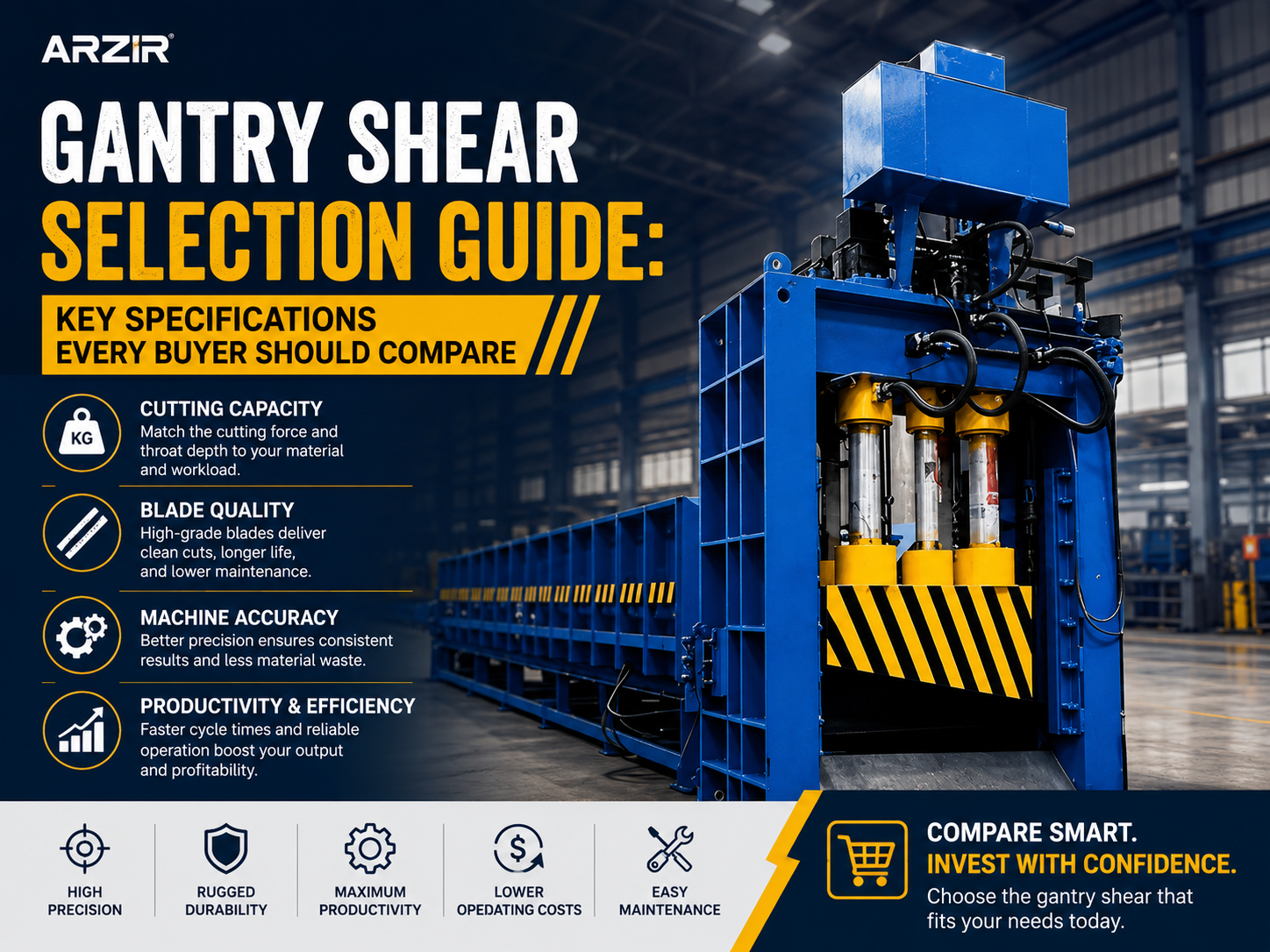
Introduction to Gantry Shear Selection
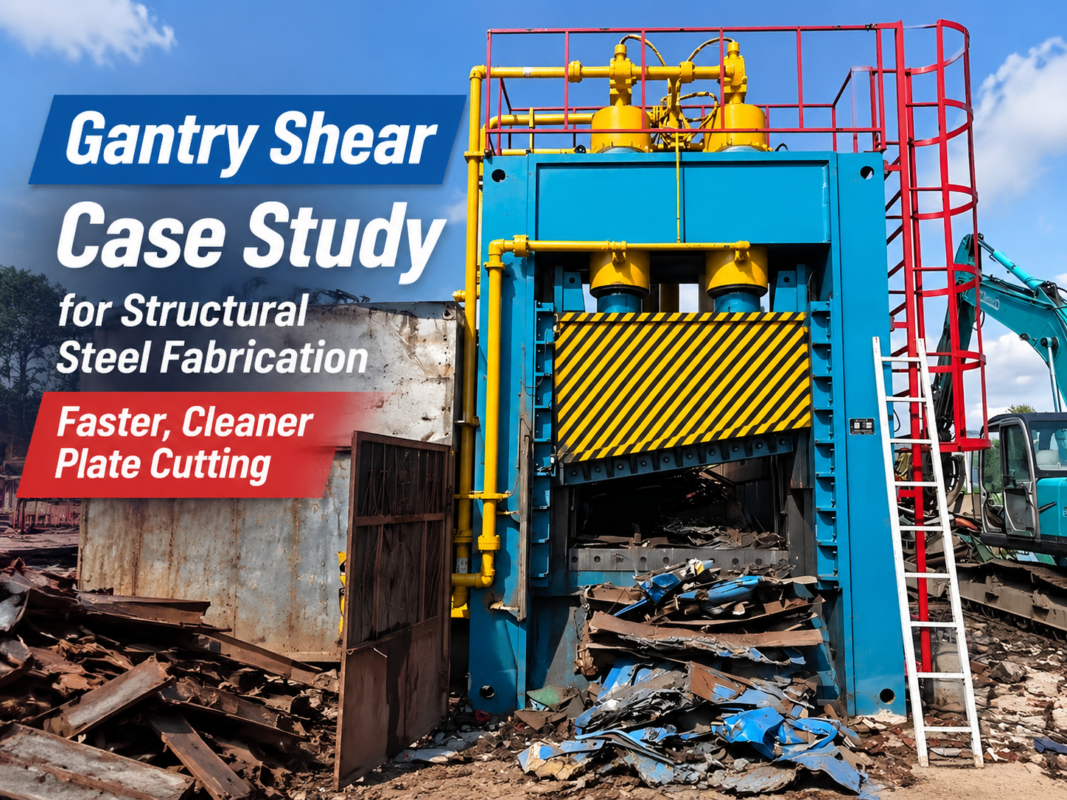
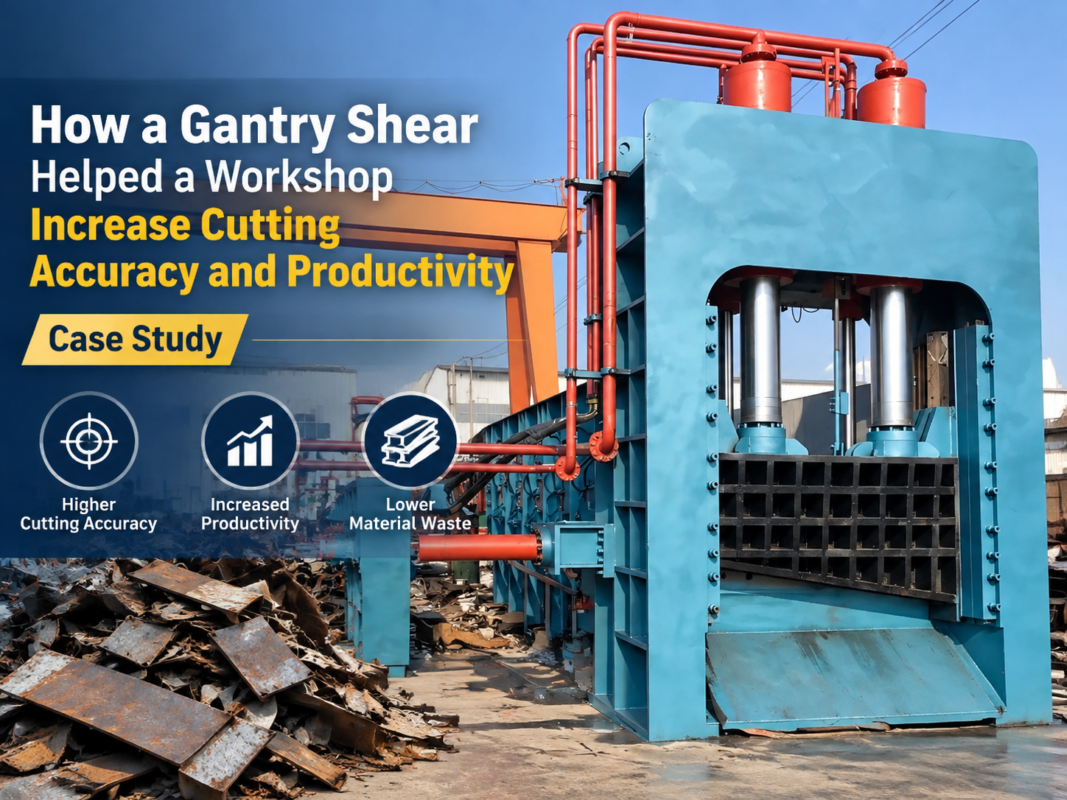
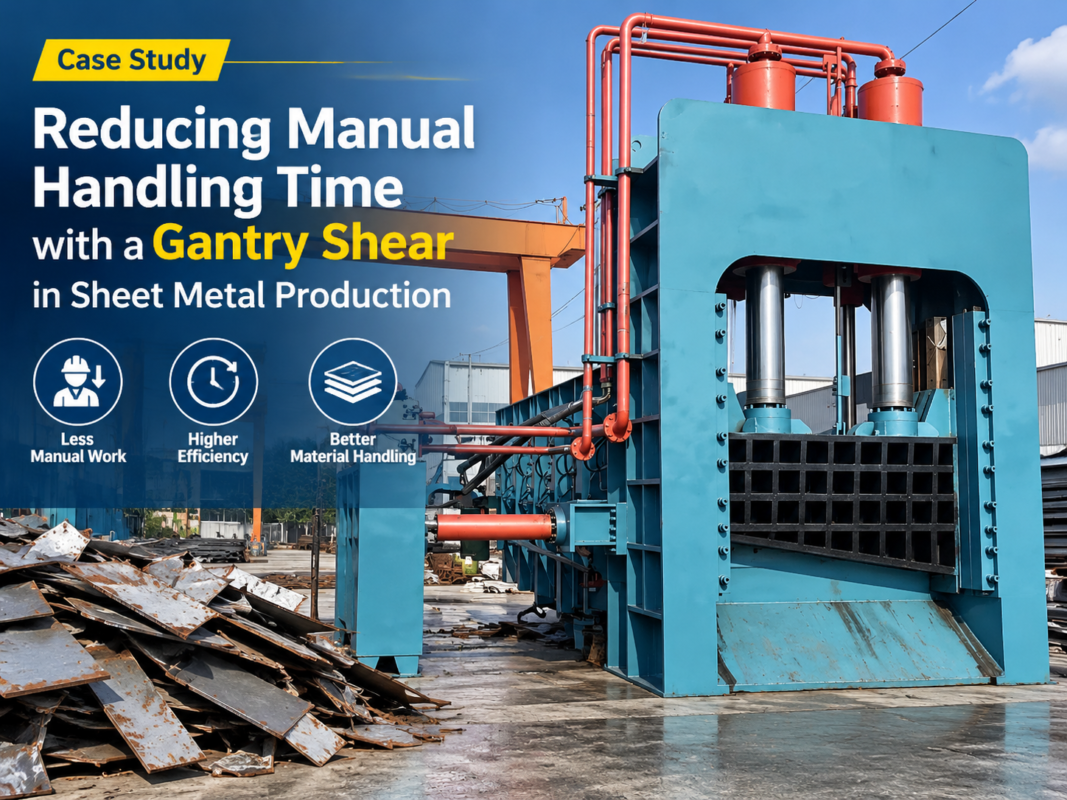
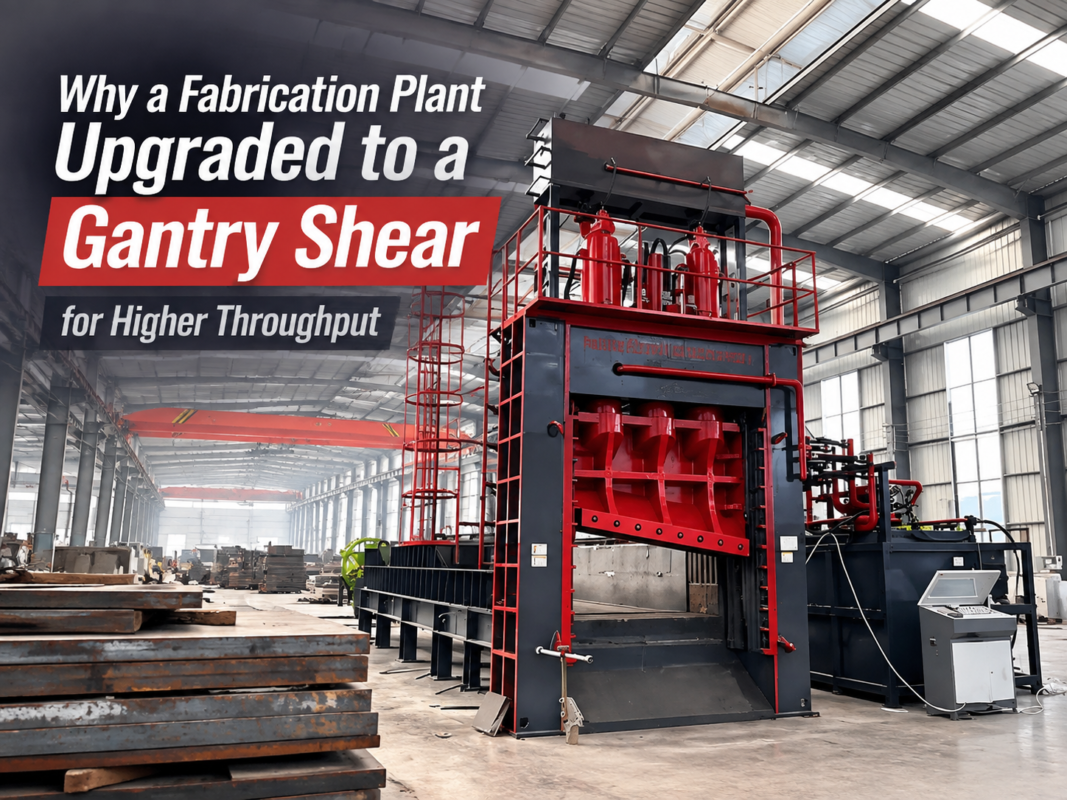
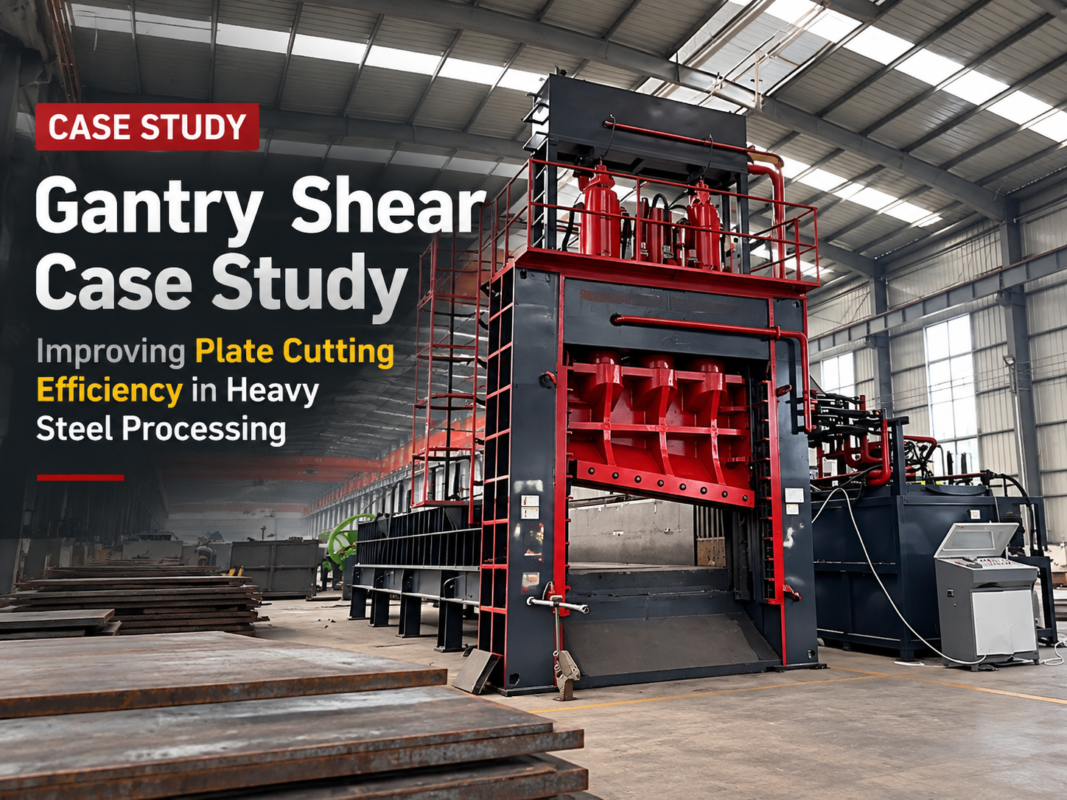
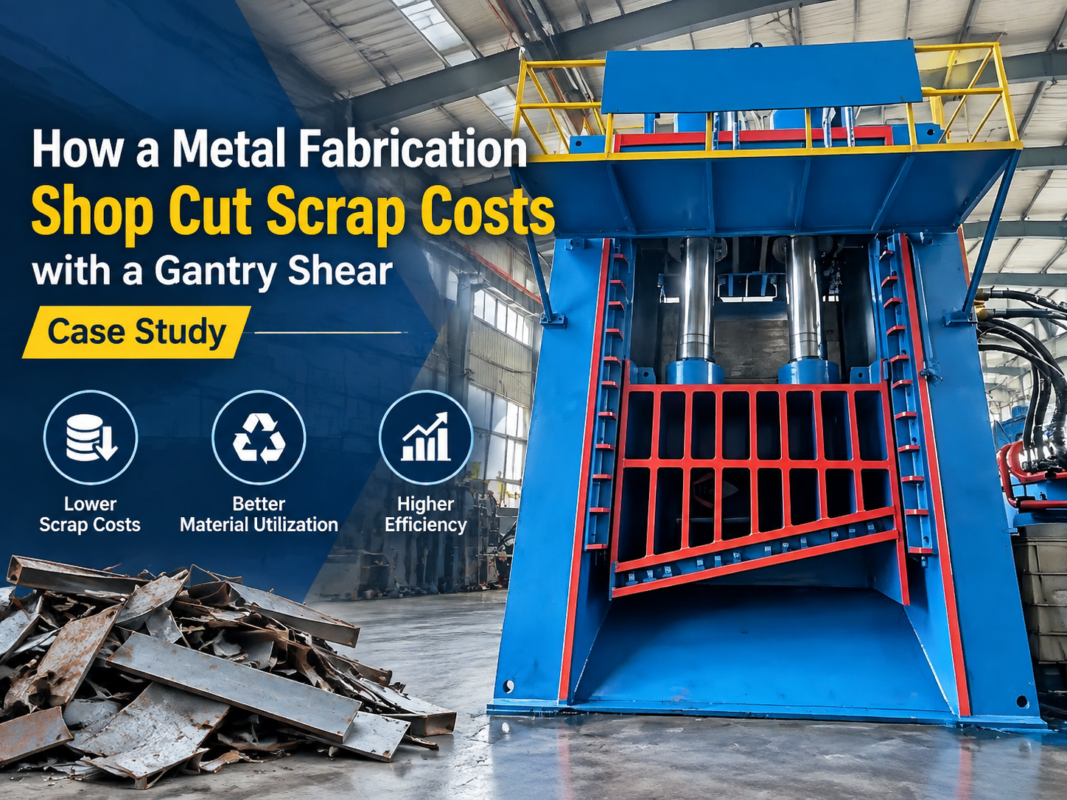
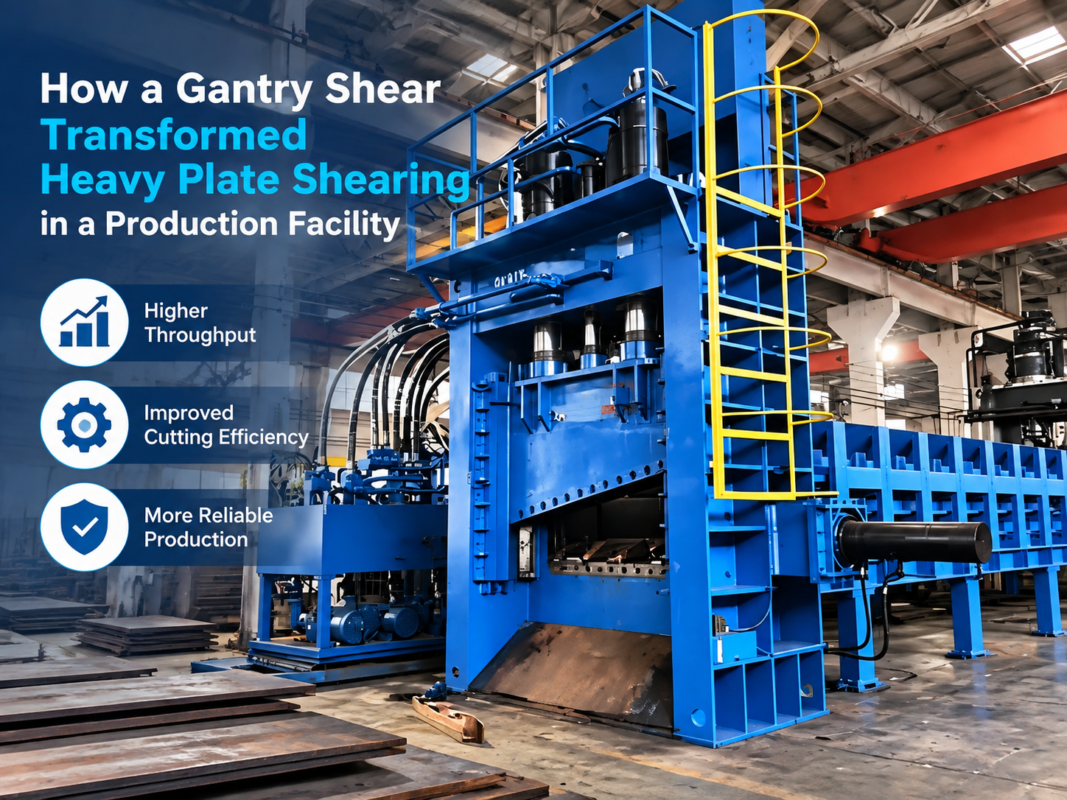
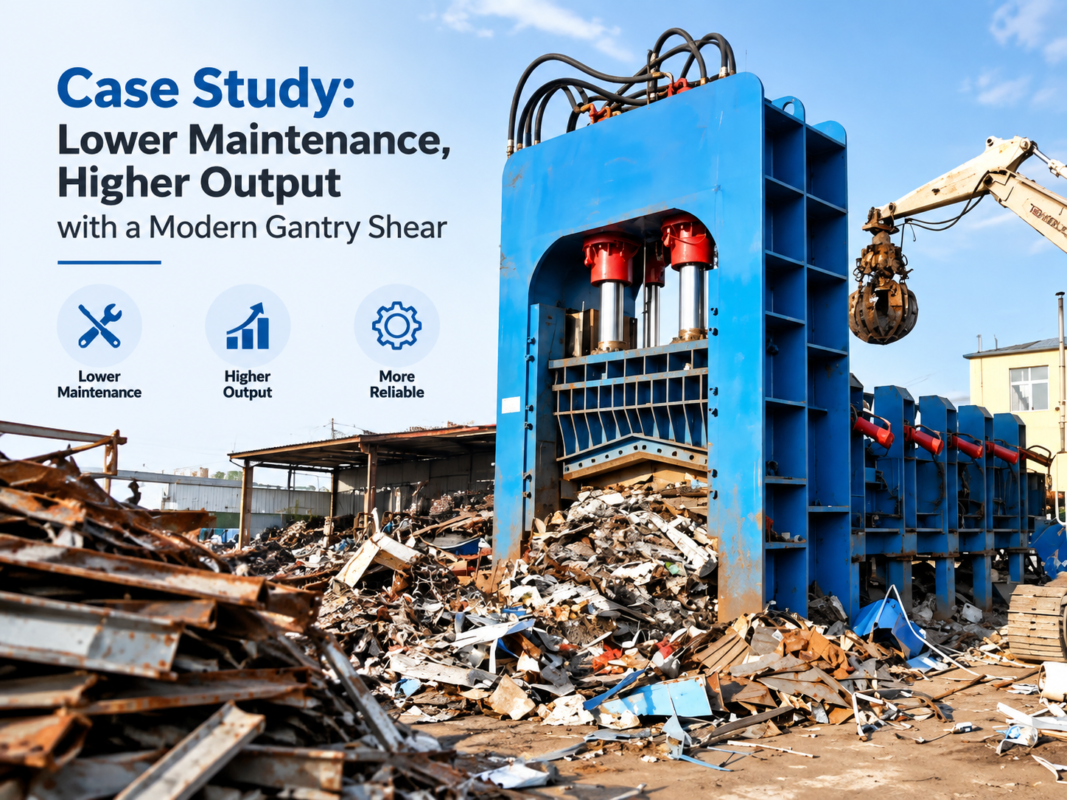
In the heavy-duty scrap metal recycling industry, the gantry shear stands as a titan of productivity. Choosing the right machine is not merely a matter of picking the largest model within a budget; it is a strategic decision that affects operational efficiency, maintenance overhead, and long-term profitability. This Gantry Shear Selection : Key Specifications Every Buyer Should Compare guide is designed to navigate the complexities of hydraulic shearing technology, ensuring that your investment aligns perfectly with your material processing requirements.
Gantry shears, unlike smaller alligator shears, are designed for continuous, high-volume processing of heavy scrap, including structural steel, HMS 1 & 2, and even decommissioned ship plates. Because these machines represent a significant capital expenditure, understanding the nuances of their technical specifications is paramount. From the tonnage of the cutting force to the sophistication of the hydraulic logic, every detail plays a role in the machine’s performance under the grueling conditions of a scrap yard.
Price Range Overview: Understanding the Market Tiers
The market for gantry shears is broadly categorized by cutting force and automation levels. Entry-level gantry shears, typically ranging from 400 to 600 tons of cutting force, are priced between $60,000 and $120,000. These machines are ideal for medium-sized recycling centers that process standard structural scrap and automotive frames. They offer a balance between footprint and power, often featuring manual or semi-automatic feeding systems.
Mid-range units, falling in the 800 to 1,250-ton category, represent the workhorses of the industry. These machines usually cost between $150,000 and $350,000. At this level, buyers expect fully automated cycles, advanced PLC controls, and high-speed hydraulic circuits. These shears are capable of handling thicker sections of steel and provide a much higher throughput, often exceeding 10-15 tons per hour depending on the material density.
High-capacity industrial gantry shears, exceeding 1,600 tons, are custom-engineered solutions that can exceed $500,000. These are massive installations designed for 24/7 operation in large-scale scrap processing hubs or steel mills. They feature wide charging boxes, high-speed side-squeeze mechanisms, and sophisticated cooling systems to maintain hydraulic stability during continuous use. When evaluating the price, it is essential to look beyond the initial sticker price and consider the total cost of ownership over a 10-year lifecycle.
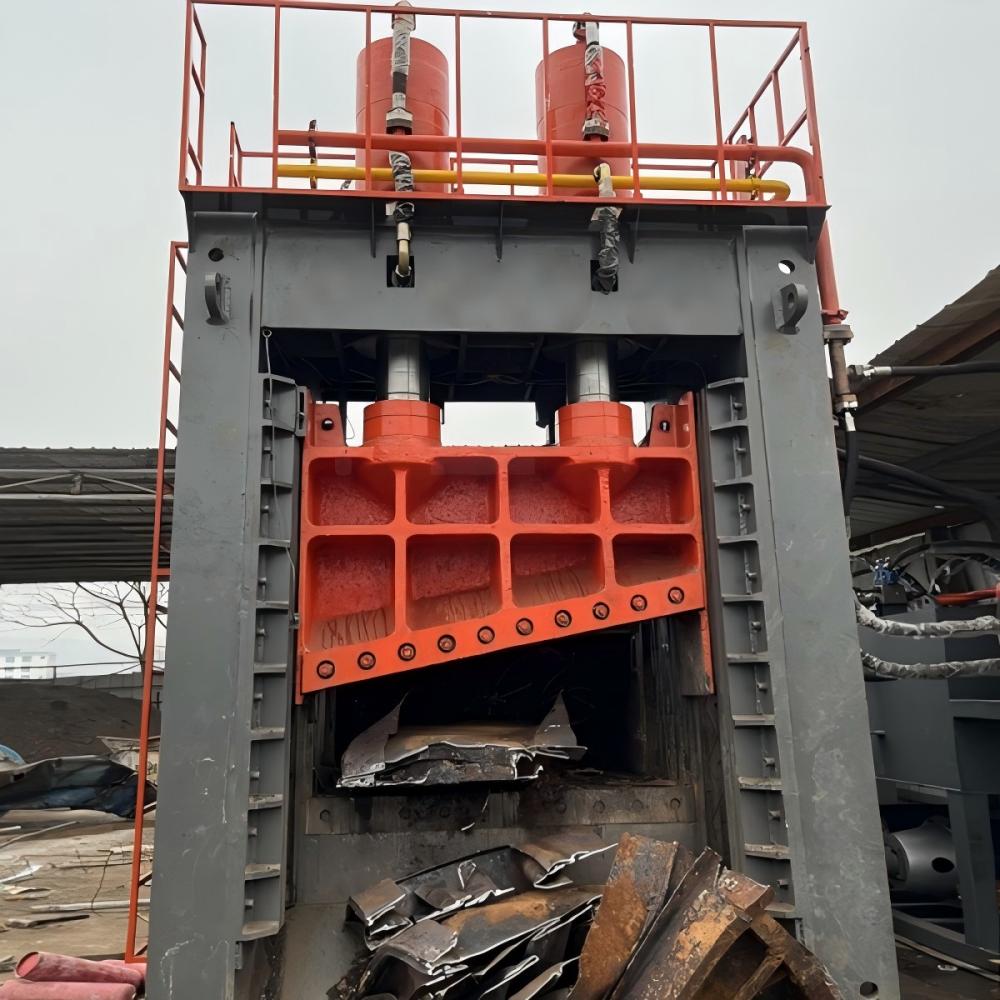
Main Cost Drivers in Gantry Shear Selection
The primary driver of cost in any gantry shear is the Cutting Force (Tonnage). This is the maximum pressure the main cylinder can exert on the shear blades. Higher tonnage requires larger hydraulic cylinders, reinforced frames, and more powerful motor-pump groups. If you primarily process light-gauge scrap, over-investing in a 2000-ton shear is inefficient; however, under-investing in a 500-ton shear for heavy I-beams will lead to frequent machine stalling and structural fatigue.
Another significant cost factor is the Blade Length and Throat Width. A wider blade allows for larger pieces of scrap to be fed into the machine without the need for expensive pre-cutting with oxygen-fuel torches. However, wider blades also require more robust guiding systems to prevent blade deflection. The quality of the blades themselves—typically made from high-strength tool steel like 6CrW2Si or Cr12MoV—also impacts the price, as premium alloys offer significantly longer intervals between sharpening.
The Feeding Mechanism also dictates the price. Simple gravity-fed hoppers are the most affordable, but they are prone to jamming. Automatic pusher-box systems, which use a secondary hydraulic ram to force scrap into the shearing zone, add to the cost but drastically increase safety and throughput. Furthermore, the inclusion of a “side-squeeze” or “pre-compression” wing can add 20-30% to the machine’s cost but is essential for processing bulky, hollow scrap like car bodies or large tanks.
Configuration Impact: Technical Specifications to Compare
When comparing different models, the hydraulic system configuration is the heart of the machine. Buyers should look for Variable Displacement Piston Pumps (such as those from Rexroth or Parker) rather than simple gear pumps. Piston pumps are more efficient, generate less heat, and allow for finer control over the shearing speed and pressure. A well-configured hydraulic system will include a high-speed “regeneration circuit” that allows the shear head to retract quickly, reducing the cycle time between cuts.
The PLC (Programmable Logic Controller) and HMI (Human Machine Interface) are equally critical. Modern gantry shears from reputable manufacturers like HARSLE utilize Siemens or Schneider electrics. A sophisticated PLC allows for multiple operating modes, such as “continuous cut,” “single cut,” and “emergency reverse.” It also provides diagnostic feedback, which is invaluable for troubleshooting hydraulic or electrical faults, thereby reducing downtime.
Key Specification Comparison Table
| Specification | Small-Scale (400-600T) | Medium-Scale (800-1250T) | Large-Scale (1600T+) |
|---|---|---|---|
| Cutting Force | 4000 – 6000 kN | 8000 – 12500 kN | 16000+ kN |
| Blade Length | 1200 – 1400 mm | 1600 – 1800 mm | 2000+ mm |
| Max Cutting Thickness | 20 – 30 mm (Plate) | 40 – 60 mm (Plate) | 80+ mm (Plate) |
| Cycle Time | 3 – 5 cuts/min | 4 – 8 cuts/min | 5 – 10 cuts/min |
| Motor Power | 30 – 45 kW | 75 – 110 kW | 150+ kW |
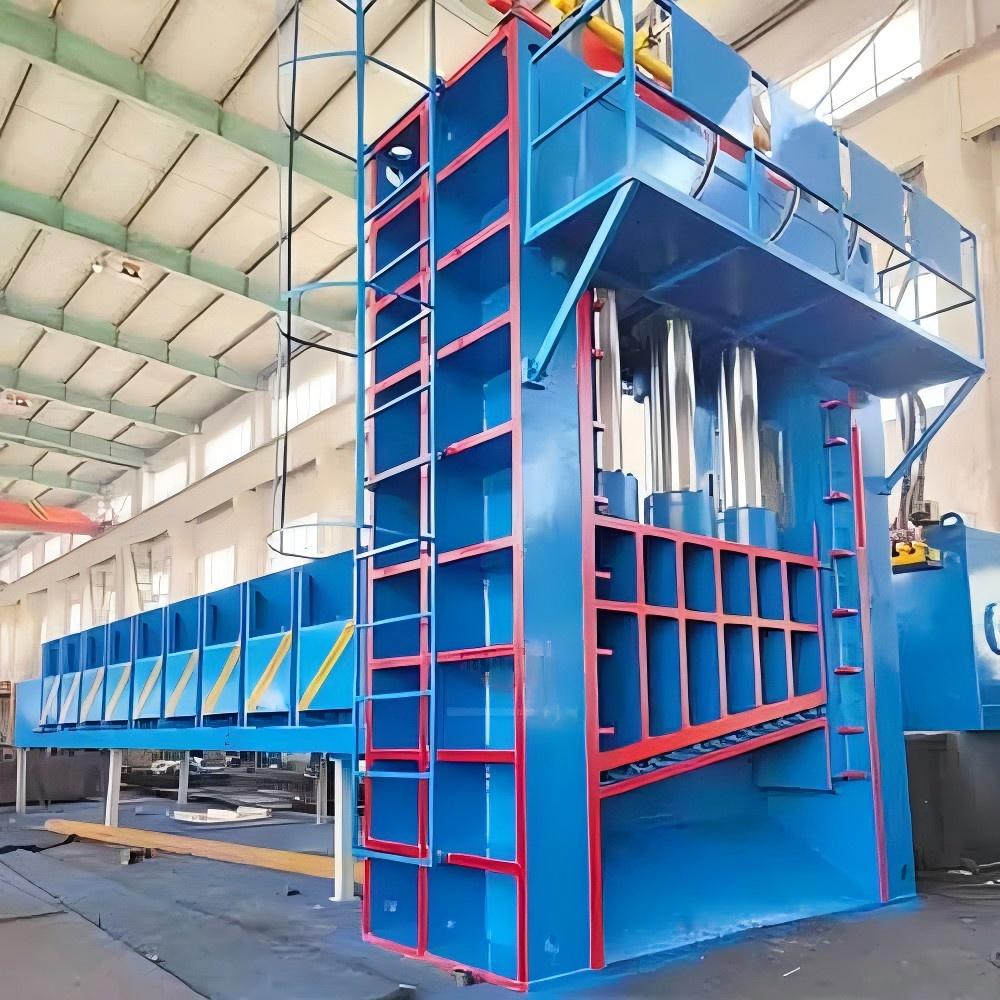
Hidden Costs of Gantry Shear Ownership
The purchase price is only the beginning. One of the most overlooked hidden costs is Foundation and Installation. A 1000-ton gantry shear can weigh over 60 tons and exerts massive dynamic forces during the shearing stroke. This requires a specialized reinforced concrete foundation, often several meters deep, to prevent the machine from shifting or cracking the floor. Buyers must factor in the cost of excavation, rebar, and high-strength concrete.
Hydraulic Oil Volume is another recurring expense. These machines can require anywhere from 1,000 to 5,000 liters of hydraulic oil. High-quality anti-wear hydraulic oil is expensive, and it must be filtered and replaced periodically. Additionally, in hot climates, an external water-cooling or air-cooling system for the oil is mandatory to prevent seal failure, which adds to the utility costs (water and electricity).
Finally, consider Wear Parts and Maintenance. The shear blades are the most obvious wear items, but the bronze or plastic liners that guide the shear slide also require regular inspection and replacement. If the machine is not equipped with an automatic lubrication system, manual greasing becomes a labor-intensive daily task. Neglecting these small components can lead to catastrophic failure of the main frame or hydraulic cylinders, resulting in repair costs that can reach tens of thousands of dollars.
ROI Calculation: Is a Gantry Shear Worth It?
To calculate the Return on Investment (ROI) for a gantry shear, you must compare the cost of processing scrap manually (using torches) versus the automated shearing process. Manual torching is slow, requires highly skilled labor, and involves significant costs for oxygen and acetylene. Furthermore, torched scrap is often downgraded in value due to slag and oxidation.
A gantry shear allows you to process scrap into “Foundry Grade” or “HMS 1” sizes, which command a higher market price per ton. For example, if a gantry shear increases the value of your scrap by $30 per ton and processes 10 tons per hour, it generates an additional $300 in revenue per hour. Over a standard 2,000-hour work year, this equates to $600,000 in added value, which can pay for a mid-range machine in less than a year.
Additionally, labor savings are substantial. A single operator and a loader driver can replace a team of five or six torch cutters. When you factor in the reduction in insurance premiums (due to the elimination of fire hazards associated with torches) and the increased throughput, the economic argument for a gantry shear becomes undeniable for any growing recycling operation.
Buying Advice: How to Choose the Right Supplier
When selecting a supplier for your gantry shear, prioritize those with a proven track record in heavy machinery. HARSLE, for instance, provides comprehensive technical support and uses standardized components that are easily sourced globally. This is crucial because a machine is only as good as its uptime; if a proprietary valve fails and takes three weeks to ship from overseas, your production grinds to a halt.
Always request a Material Processing Test. Provide the supplier with samples of the toughest material you intend to process and ask for a video or a live demonstration of the machine shearing that specific material. Pay attention to the “laboring” of the motor and the stability of the frame. A machine that shakes violently or stalls during a test cut is poorly designed or underpowered for your needs.
Lastly, evaluate the After-Sales Service Agreement. Does the manufacturer offer remote diagnostic support? Are the wear parts (blades, seals, filters) kept in stock for immediate dispatch? A lower initial price from a generic manufacturer often masks a lack of support that will cost you dearly in the future. Choose a partner who understands the scrap industry and can provide the engineering expertise required to integrate the shear into your existing workflow.
Frequently Asked Questions (FAQ)
1. What is the difference between a Gantry Shear and an Alligator Shear?
Alligator shears are smaller, manually fed machines used for cleaning non-ferrous scrap or cutting small pipes. Gantry shears are large, automated machines designed for heavy ferrous scrap. Gantry shears offer much higher safety, as the operator is usually in a protected cab or at a distance, and they can process much larger volumes of material.
2. How often do the blades need to be changed?
Blade life depends entirely on the material being cut. For standard structural steel, blades may last for 500 to 1,000 hours before needing to be rotated or sharpened. Most gantry shear blades are four-sided, meaning you can rotate them four times before they require professional grinding. Processing sandy or dirty scrap will significantly accelerate blade wear.
3. Can a gantry shear process cast iron?
Yes, but with caution. Cast iron is brittle and tends to shatter rather than shear cleanly. This can send small, high-velocity fragments flying. It is essential to have a fully enclosed charging box and to ensure the machine’s safety guards are in place when processing brittle materials.
4. What electrical requirements are typical for these machines?
Most industrial gantry shears require a 3-phase power supply (380V/415V/480V). Because the motors are large (often 45kW to 200kW), you may need a dedicated transformer or a soft-start/VFD system to prevent voltage drops in your facility when the machine starts up.
5. Is it better to buy a vertical or horizontal gantry shear?
Vertical gantry shears (the standard type) are generally more powerful and better for heavy, thick scrap. Horizontal shears (sometimes called container shears) are more compact and sometimes mobile, making them better for sites with limited space or for processing lighter, bulky scrap like sheet metal and appliances.
6. How do I maintain the hydraulic system?
Maintenance involves checking oil levels daily, replacing hydraulic filters every 500-1000 hours, and monitoring the oil temperature. It is also vital to perform regular oil analysis to check for metal particles or water contamination, which can indicate internal pump or cylinder wear before a total failure occurs.