
Hydraulic Binder-Free Compaction
Briquetting Machine Max Material Recovery
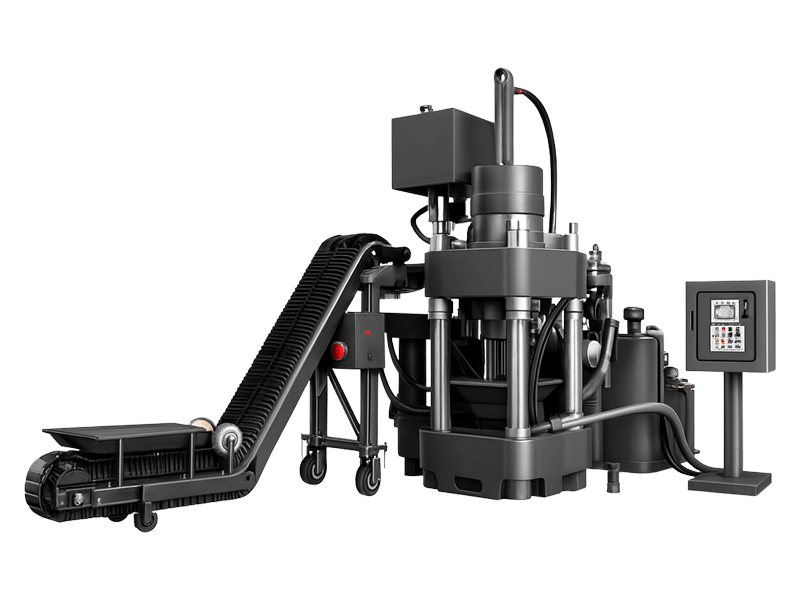
A heavy-duty hydraulic briquetting press engineered for binder-free compaction of metal chips, aluminum swarf, steel turnings, and biomass waste into uniform high-density briquettes — delivering 80–98% volume reduction, integrated coolant recovery, and PLC-controlled automatic cycle for metalworking, foundry, and recycling operations.
80–98 %
Volume Reduction
85–98 %
Coolant Recovery Rate
50–3,000 kg/h
Output Capacity Range
6–18 mo
Typical Payback Period
Product Overview
Engineered for Maximum Material Recovery
Metal chips and swarf are among the highest-value industrial waste streams — yet loose chips lose 15–40% of their metal value to oxidation in the furnace and incur high transport, storage, and disposal costs. ARZIR hydraulic briquetting presses recover that value by compacting loose material into uniform, high-density briquettes binder-free, simultaneously recovering residual cutting fluid — turning waste handling cost into recovered revenue.
Binder-Free Hydraulic Compaction
High sustained hydraulic pressure cold-welds metal surfaces under compression — producing mechanically stable briquettes without binders, additives, or heat. Eliminates consumable costs and prevents binder contamination of the melt charge, ensuring full alloy purity in the furnace.
Integrated Coolant Recovery System
During compression, residual cutting fluid is expelled through die drainage channels and directed to an integrated collection tank — recovering 85–98% of retained coolant for filtration and reuse. Eliminates the hazardous waste disposal cost of coolant-saturated chip disposal and creates a direct secondary revenue stream.
PLC-Controlled Automatic Cycle
Fully automated press cycle — material feed, compression, dwell, briquette ejection, and discharge — controlled by an integrated PLC with touchscreen HMI. Runs unattended as part of the chip management system with real-time cycle data logging, remote diagnostics, and production reporting for Industry 4.0 integration.
High-Density Briquette Output
Aluminium briquettes exit the press at 1.5–2.5 g/cm³ — compared to 0.10–0.35 g/cm³ for loose chips — and submerge immediately in the melt bath, reducing furnace melt loss from 15–40% down to 2–8%. Steel and copper briquettes achieve 3.5–4.5 g/cm³, commanding a 15–40% price premium over loose scrap at the scrap yard.
Heavy-Duty Frame Construction
Welded structural steel press frame with hardened tool steel dies and punches rated for continuous production cycles. The hydraulic system operates at 200–315 bar with redundant seals and thermal management for 24/7 operation. Frame rigidity maintains briquette dimensional consistency and die alignment across millions of press cycles.
CE & ATEX Certified
CE marking for European market compliance. ATEX certification for explosive dust environments — required for aluminum chip and sawdust briquetting operations where fine metallic or organic dust poses a fire and explosion hazard. Dust-tight and oil-tight enclosures reduce ambient particulate and comply with facility health and safety requirements.
Technical Data
Representative Specifications
The figures below represent typical configuration ranges for ARZIR hydraulic briquetting presses across standard capacity classes. Final specifications are configured to material type, input bulk density, required output capacity, briquette dimensions, and downstream handling requirements.
| Model | Pressure (tons) | Briquette Size (mm) | Capacity (kg/h) | Motor Power |
|---|---|---|---|---|
| ARZIR BP-200 | 200 tons | 50 x 50 x 80mm | 300–500 kg/h | 22 kW |
| ARZIR BP-315 | 315 tons | 60 x 60 x 100mm | 500–800 kg/h | 37 kW |
| ARZIR BP-500 | 500 tons | 80 x 80 x 120mm | 800–1,200 kg/h | 55 kW |
| ARZIR BP-630 | 630 tons | 100 x 100 x 150mm | 1,200–1,800 kg/h | 75 kW |
Production Cycle
How a Hydraulic Briquetting Machine Works
The briquetting press operates a continuous four-phase cycle — feed, compress, eject, reset — controlled end to end by the PLC. Each cycle converts a measured charge of loose material into a single dense briquette while simultaneously expelling and collecting residual cutting fluid.
01
Material Feed
Loose chips or biomass are fed into the compression chamber via hopper, chip conveyor, or automated infeed system. A metering gate controls the charge volume per cycle to ensure consistent briquette weight and density output.
02
Hydraulic Compression
The hydraulic ram advances and applies full rated press force to the material charge. Sustained pressure cold-welds metal surfaces together without a binder while expelling residual cutting fluid through drainage channels into the recovery tank.
03
Dwell & Density Hold
The ram holds at full pressure for a programmed dwell period to complete compaction and ensure maximum briquette density and structural integrity. Dwell time is adjustable per material type and target density specification.
04
Briquette Ejection & Discharge
The ejector pushes the finished briquette from the die and discharges it onto a conveyor or collection bin. The ram retracts, the chamber resets, and the next charge loads automatically — beginning the next cycle immediately.
Material Compatibility
Input Materials Processed
ARZIR hydraulic briquetting presses process the full range of metalworking and industrial waste streams — from fine aluminum turnings and steel borings to biomass residue and coal fines — with die and system pressure configurations matched to each material’s compaction characteristics.
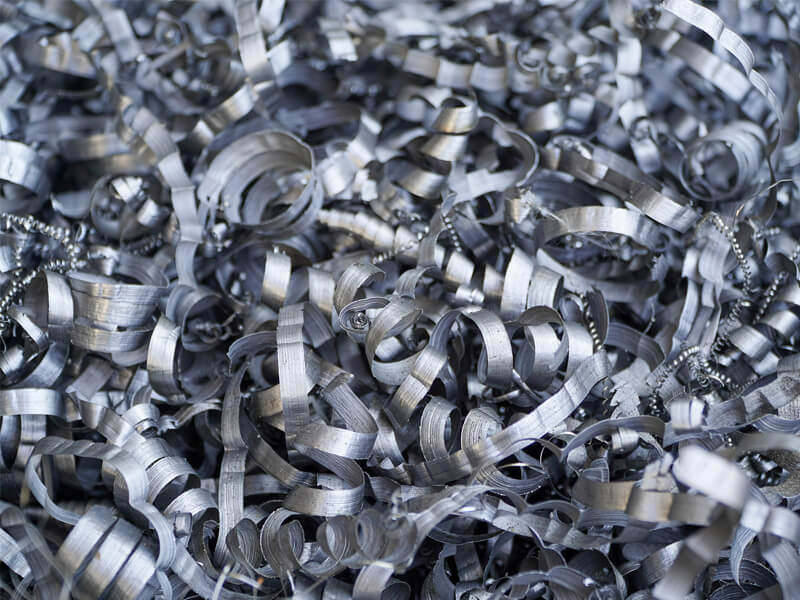
Aluminum Chips & Turnings

Steel Borings & Swarf

Copper & Brass Scrap

Cast Iron Grinding Sludge

Titanium & Stainless Chips
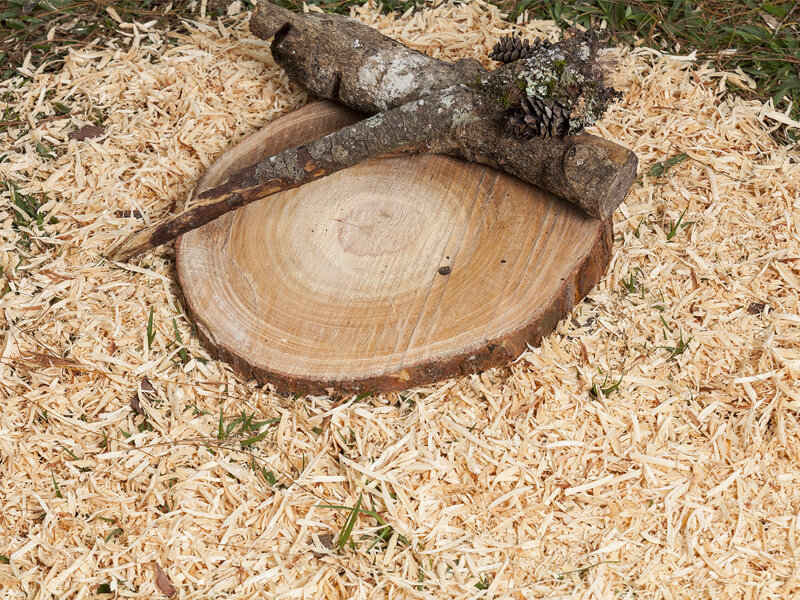
Wood Chips & Sawdust

Biomass & Agricultural Residue
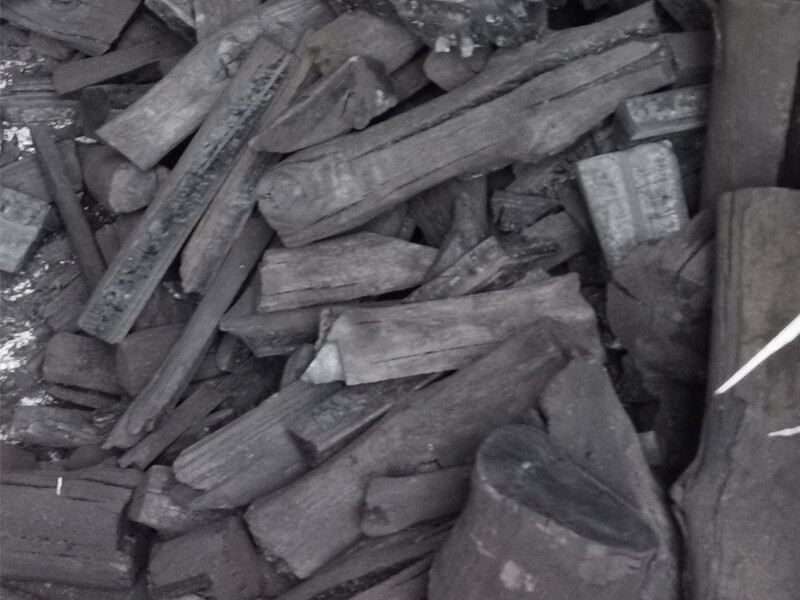
Coal Fines & Charcoal Dust
Why Choose ARZIR
Why Choose ARZIR Briquetting Machines
A direct comparison of ARZIR briquetting press performance against conventional handling benchmarks across the operational and financial metrics that drive capital equipment decisions.
| Feature | Conventional Handling | ARZIR Briquetting Press | ARZIR Advantage |
|---|---|---|---|
| Metal Recovery Rate | 50–70% (loose chips) | 90–98% (briquettes) | Up to 40% more metal recovered |
| Furnace Melt Loss | 15–40% oxidation loss | 2–8% melt loss | 5–10x lower melt loss |
| Storage Volume | Loose chip bulk storage | 80–98% volume reduction | Up to 20x less floor space |
| Coolant Disposal | Hazardous waste disposal cost | 85–98% coolant recovered | Disposal cost eliminated |
| Scrap Sale Price | Loose chip rate | 15–40% premium on briquettes | Higher revenue per tonne |
Use Cases
Application Scenarios
ARZIR briquetting presses are configured for production environments from inline CNC machining chip management to high-volume foundry scrap recovery and biomass fuel production.
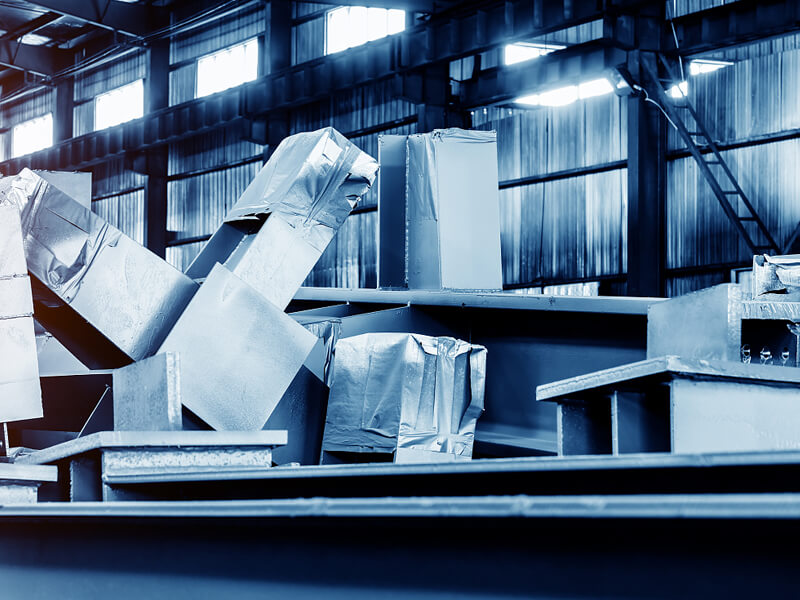
Metal Processing Factories
Continuous briquetting of metal chips and swarf from machining and grinding operations — reducing chip handling labor, reclaiming cutting fluid, and converting loose waste into high-value, transport-ready briquettes.
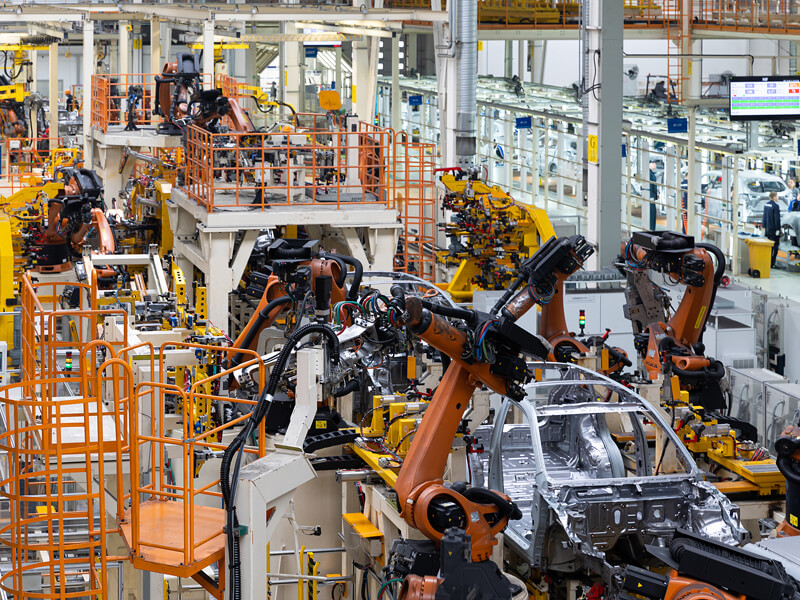
Automotive Component Manufacturing
High-volume inline chip management for automotive parts machining lines — briquetting steel and aluminum turnings from engine, transmission, and structural component production with integrated coolant recovery.

Aluminum & Copper Plants
Briquetting aluminum and copper chips for direct furnace charging — reducing melt loss from 15–40% down to 2–8%, eliminating oxidation losses, and commanding a 15–40% price premium over loose scrap at the smelter.

Steel Mills & Foundries
High-volume compaction of steel borings, cast iron sludge, and mixed ferrous scrap for direct EAF or induction furnace charging — achieving briquette densities of 3.5–4.5 g/cm³ and maximizing metal recovery per heat.
Knowledge Base
Frequently Asked Questions
How does a hydraulic briquetting machine work?
A hydraulic briquetting machine feeds loose material — metal chips, swarf, or biomass — into a compression chamber via a hopper or conveyor. A hydraulic cylinder drives a punch or ram into the chamber, applying high compressive pressure (typically 150–315 bar system pressure, generating 50–800 tonnes of pressing force on the material). The sustained hydraulic pressure compacts the material into a dense, dimensionally consistent briquette without requiring a binder. The briquette is then ejected from the die and discharged. During compression of metal chips, residual cutting fluid is simultaneously expelled through drainage channels and collected for recovery and reuse.
What materials can a briquetting machine process?
Industrial hydraulic briquetting machines process a wide range of loose, compressible materials including aluminum chips and turnings, steel borings and swarf, cast iron grinding sludge, copper and brass scrap, titanium chips, stainless steel turnings, wood chips and sawdust, rice husk, biomass agricultural residue, coal fines, and charcoal dust. The material determines the required pressing force, die geometry, and whether a binder is needed — hydraulic presses compact metal chips binder-free, while some biomass and coal applications may require a binder depending on material moisture and lignin content.
What is the difference between a hydraulic and a mechanical briquetting press?
A hydraulic briquetting press uses hydraulic cylinders to apply slow, sustained pressure over the full stroke — producing high-density, dimensionally consistent briquettes without a binder, making it the preferred choice for metal chips and swarf. A mechanical press uses a motor-driven flywheel and crank mechanism for high-speed repeated impacts — delivering higher throughput but generally requiring a binder for cohesion, making it more suited to coal fines and charcoal. Hydraulic presses have lower maintenance requirements and longer die life; mechanical presses deliver higher strokes-per-minute for high-volume soft material applications.
How much coolant can be recovered from metal chip briquetting?
Industrial hydraulic briquetting presses recover 85–98% of the residual cutting fluid retained in metal chips and swarf during the compression cycle. The expelled coolant drains through channels in the die and collection tray, feeding directly into a recovery tank for filtration and reuse. For high-volume CNC machining operations, coolant recovery typically represents a significant secondary revenue stream and eliminates the hazardous waste disposal cost associated with coolant-contaminated chip disposal.
What volume reduction does a briquetting machine achieve?
Industrial briquetting machines achieve 80–98% volume reduction depending on the material and initial bulk density. Loose aluminum chips have a typical bulk density of 0.10–0.35 g/cm³; after briquetting, density reaches 1.5–2.5 g/cm³. Steel turnings compress from 0.5–1.0 g/cm³ loose to 3.5–4.5 g/cm³ briquetted. This volume reduction translates directly into lower transport and handling costs, higher scrap metal sale prices, and significantly reduced storage space requirements.
Does a briquetting machine require a binder?
Hydraulic briquetting presses compact metal chips — aluminum, steel, copper, cast iron — binder-free. The high sustained hydraulic pressure is sufficient to create mechanically stable briquettes through cold-welding of the metal surfaces under compression. Binder-free operation eliminates consumable costs, prevents binder contamination of the melt charge, and simplifies operation. Some biomass and coal applications may benefit from a small percentage of binder (starch, molasses) to improve briquette strength, depending on material moisture content and particle size.
How does briquetting improve melt efficiency in a foundry?
Loose aluminum chips fed into a melt furnace float on the melt surface and oxidize rapidly before submerging, resulting in melt loss of 15–40% of the chip weight. Aluminium briquettes at 1.5–2.5 g/cm³ sink immediately into the melt and are fully submerged before significant oxidation can occur — reducing melt loss to 2–8%. For a foundry processing several hundred tonnes of scrap per month, this difference in metal recovery rate represents substantial direct revenue. Briquettes also reduce slag generation, furnace downtime, and energy consumption per tonne of metal produced.
What briquette sizes and shapes can the machine produce?
ARZIR hydraulic briquetting presses produce cylindrical briquettes in standard diameters of 40–150 mm and adjustable lengths of 30–200 mm, with custom die configurations available for square, rectangular, and oval cross-sections. Die selection is matched to downstream furnace charging requirements, handling system geometry, and material type. Multiple die sets can be supplied with a single press for production flexibility across different material grades or customer specifications.
What is the typical ROI and payback period for a briquetting machine?
Payback periods for industrial briquetting presses typically range from 6 to 18 months, depending on production volume, material value, current scrap disposal costs, and coolant recovery potential. Revenue drivers include the price premium of briquetted scrap over loose chips (typically 15–40% higher per tonne), recovered coolant value, reduced waste disposal and transport costs, and lower scrap handling labor. High-volume metalworking operations and aluminium die casting facilities with significant chip generation typically achieve the shortest payback periods.
Can a briquetting machine be integrated into an existing production line?
Yes. ARZIR briquetting presses are designed for inline integration via chip conveyor, magnetic separator, and centrifugal dryer upstream, with briquette discharge conveyor and collection bin downstream. The PLC control system interfaces with existing line management systems via standard industrial protocols. Fully automatic operation requires no dedicated operator — the press runs unattended as part of the production line chip management system, with cycle data logged and accessible remotely for maintenance scheduling and production reporting.
Get the Right Machine for Your Operation
Tell us about your material type, throughput requirements, and site conditions — our engineers will recommend the ideal equipment and provide a competitive quote within 24 hours.
- Response within 24 hours
- Free technical consultation & quotation
- ISO-certified factory & strict quality control
- Shipped to 100+ countries worldwide