
Dry Recyclables & OCC
Vertical Baler Downstroke Press
A top-down hydraulic baling press built for corrugated cardboard, plastic film, textiles, and other compressible dry streams. The vertical architecture concentrates force through a compact footprint — ideal when backrooms, dock areas, or mezzanines must stay clear while bale quality and tie integrity remain production-grade.

Top Ram
Downstroke Compression
Compact Plan
Small-Footprint Layout
PLC + HMI
Programmable Cycles
Wire Tie
Channel-Based Bale Locking
Product Overview
Downstroke Compaction for Predictable Warehouse Bales
Searchers comparing vertical baler vs horizontal baler solutions are usually balancing space, labor, and daily tonnage. Vertical machines load at floor level or via light infeed aids, then use a single main cylinder to stroke repeatedly until target density is reached. The result is uniform bale envelopes that simplify forklift pickup, trailer cube, and downstream sorting at mills or MRFs.
Space-Efficient Geometry
Chamber and hydraulics stack vertically so aisle width and door swing — not machine length — often govern site planning in retail and DC environments.
Controlled Compression Curve
Pressure-limited stages manage springy OCC and film bundles without over-stressing ties, improving bale integrity on the last inch of stroke.
Interlocked Chamber Access
Door switches and ram-position interlocks align with common safety expectations for manual loading and tie-off access between cycles.
Recipe-Based Operation
Store different force dwells and stroke counts for OCC-only days versus mixed film and board — reducing operator guesswork across seasonal packaging peaks.
Logistics-Ready Output
Consistent width and height support pallet patterns and trailer weight distribution, which matters when recyclers pay by quality as well as mass.
Service-Friendly Hydraulics
Accessible valve blocks, return filtration, and cylinder rod protection options shorten preventive maintenance in multi-shift operations.
Technical Data
Representative Specifications
Vertical cardboard baler and multi-material models are offered in stepped cylinder sizes and chamber volumes. Figures below are indicative; final motor power, tie count, and eject method depend on electrical standards, optional auto-tie, and your target bale weight.
| Model | Press Force | Chamber Size | Bale Size | Capacity | Total Power |
|---|---|---|---|---|---|
| ARZIR VB-20 | 20 tons | 800 x 600 x 1200 mm | 800 x 600 x 400-800 mm | 3-5 bales/hour | 5.5 kW |
| ARZIR VB-30 | 30 tons | 900 x 700 x 1300 mm | 900 x 700 x 500-900 mm | 4-6 bales/hour | 7.5 kW |
| ARZIR VB-50 | 50 tons | 1100 x 800 x 1500 mm | 1100 x 800 x 600-1000 mm | 5-8 bales/hour | 11 kW |
Process
How Vertical Baling Works
Material enters a rigid box; the ram closes voids from above in repeated strokes. When the PLC confirms target height or pressure, the chamber holds while ties are inserted through wall slots — then the finished package is ejected rearward or through a front gate, depending on configuration.
01
Chamber Loading
Flattened OCC, bagged film, or pre-broken boxes are distributed evenly. Uneven fills can skew ram guidance and extend cycle time.
02
Door Closed & Interlock
Safety circuits confirm the loading door is latched before the main valve energizes the downstroke sequence.
03
Multi-Stroke Compression
The ram advances, retracts slightly if programmed for material relaxation, then repeats until the recipe’s final pressure or position setpoint is met.
04
Tie & Eject
Wire or strap is routed through tie slots; the eject ram or chain system clears the bale for fork pickup and the chamber is ready for the next load.
Feedstock
Materials Suited to Vertical Balers
Vertical hydraulic baler applications center on dry, compressible recyclables. Always confirm local fire codes and insurer rules for storage of flammable loose stock before baling.
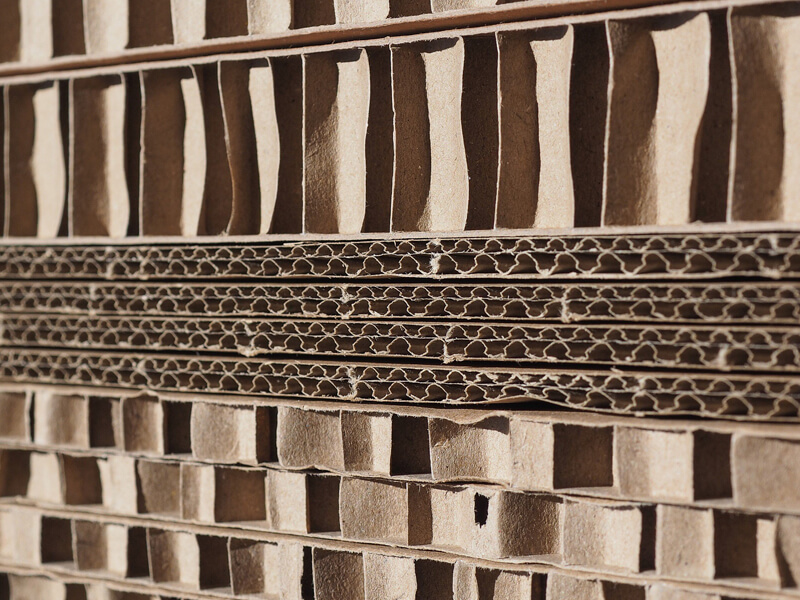
OCC & Cardboard
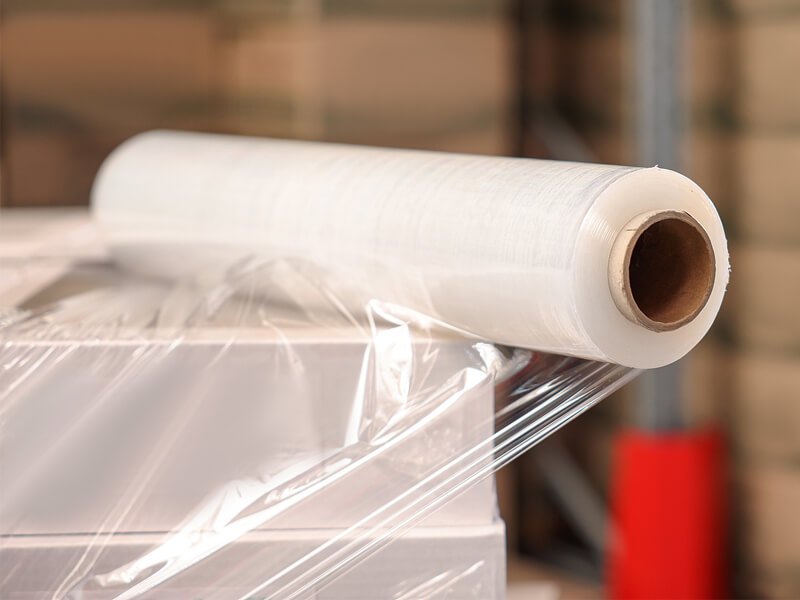
LDPE Film & Bags

Shrink Wrap & Stretch Film

Textiles & Soft Goods
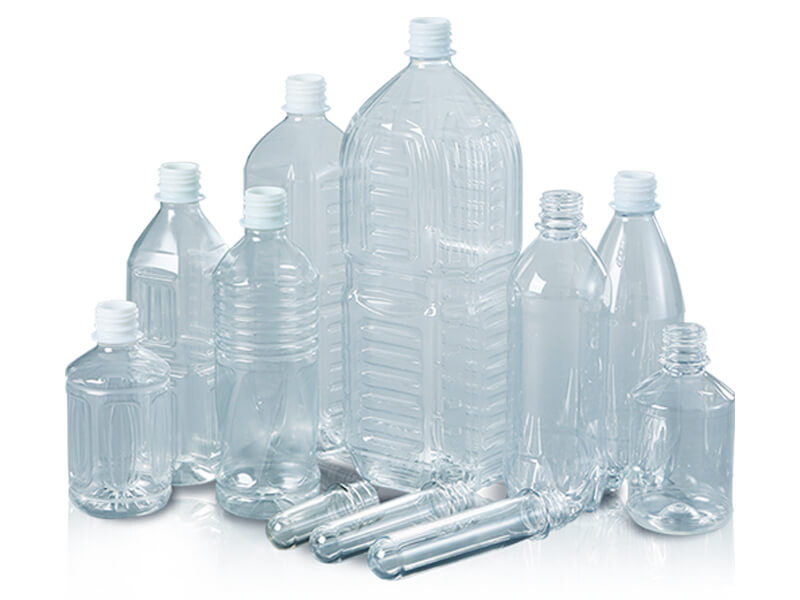
PET Bottles (sorted)
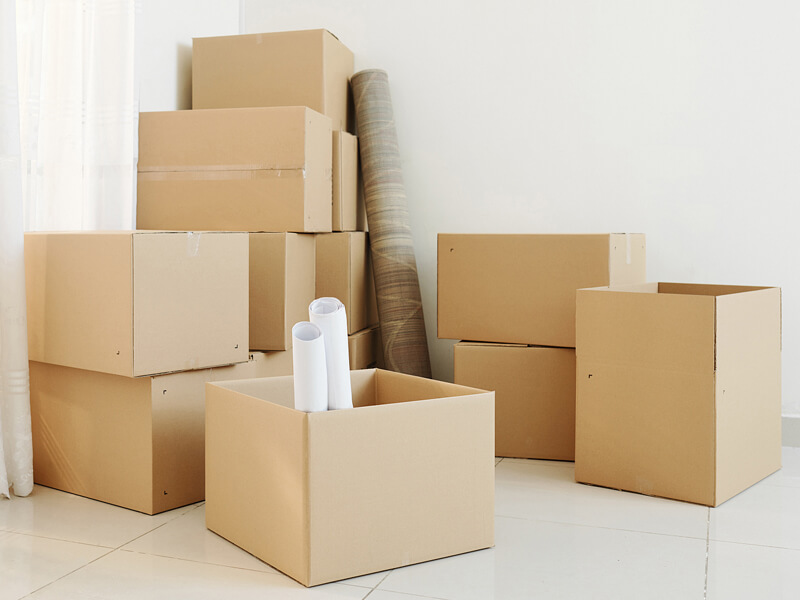
Paperboard & Cartons
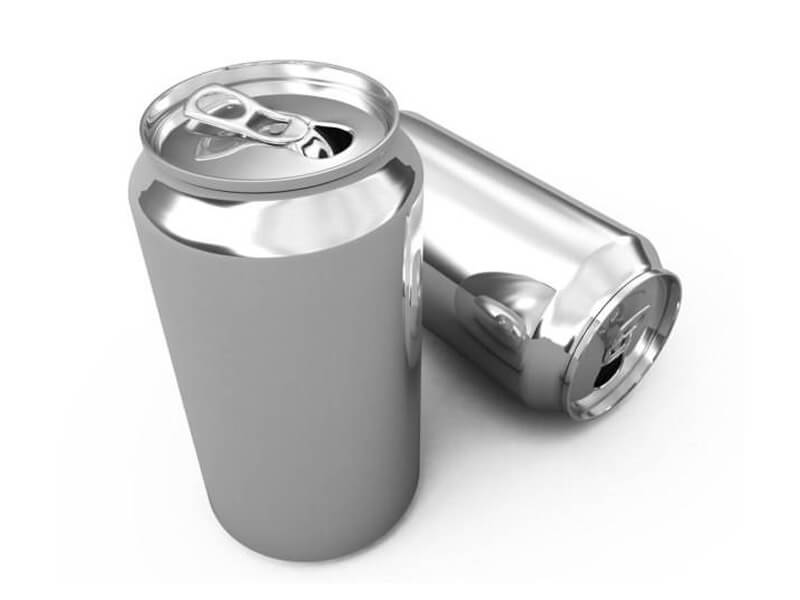
Aluminum Cans (clean)

Mixed Dry Recyclables
Typical Installations
Where Vertical Balers Add Value
Facilities that generate steady streams of packaging waste but cannot dedicate long horizontal baler lines often standardize on vertical presses at the point of accumulation — cutting haul frequency and dock congestion without expanding building footprint.
Retail & Supermarket Backrooms
Bale OCC and plastic film from daily unpack operations; keeps fire lanes clear and aligns with many municipal recycling collection formats.
Distribution & E-Commerce Fulfillment
Handle high volumes of inbound corrugate and outbound dunnage at mezzanine or ground-level waste corners near compactors or trailer spots.
Print, Mail & Packaging Plants
Consolidate trim, skeleton sheets, and reject rolls into mill-ready bales where horizontal auto-tie length is not justified.
Hospitality & Institutional Campuses
Centralize cardboard and soft plastics from kitchens and housekeeping with low-noise, shift-friendly cycling.
MRF Light & Residual Lines
Supplement fiber or film baling for overflow or specialty grades without reconfiguring main high-speed baling assets.
Manufacturing Support Areas
Capture supplier packaging at assembly cells so production floors stay uncluttered and scrap revenue attribution stays traceable.
Use Cases
Application Scenarios
Vertical balers are deployed across a wide range of industries where compact footprint, ease of operation, and reliable bale output are priorities.

Supermarkets & Retail Stores
Compacts daily cardboard and plastic film from unpack operations, keeping backrooms clear and turning packaging waste into scheduled bale pickups.

Warehouses & Distribution Centers
Handles inbound corrugate and outbound dunnage at receiving docks, reducing haul frequency and freeing dock space across shifts.

Hotels & Restaurants
Fits service corridors and utility rooms to bale kitchen packaging and housekeeping plastics quietly between shifts without disrupting guest areas.

Textile & Light Manufacturing
Consolidates fabric offcuts, trim scraps, and supplier packaging at production cells, keeping factory floors clear and enabling recovery from textile recyclers.
FAQ
Common Questions About Vertical Balers
Structured answers below mirror the FAQ schema on this page and reflect how buyers research hydraulic vertical baler specifications and use cases.
What is a vertical baler?
A vertical baler is an industrial machine that compresses loose recyclable material inside a fixed chamber using a hydraulic ram moving downward from the top. After enough material accumulates and is compressed to the target density, the bale is tied with wire or strapping through slots in the chamber walls and then ejected.
When should I choose a vertical baler instead of a horizontal baler?
Choose a vertical baler when floor space is constrained, daily volume is moderate, and feeds are manually loaded dry recyclables. Favor horizontal systems when you need conveyor-fed automation, very high bale counts per hour, or deep integration with sorting lines.
What materials can a vertical baler process?
Typical feeds include corrugated cardboard (OCC), paperboard, LDPE film and bags, shrink wrap, sorted PET bottles, clean aluminum cans, textiles, and similar compressible streams. Heavy ferrous scrap requires a different machine category.
How much floor space does a vertical baler need?
Exact dimensions vary by model; vertical designs usually minimize ground footprint while requiring adequate ceiling height for the cylinder assembly and maintenance lift access. Always model door swing, eject path, and forklift approach before installation.
How are bales secured in a vertical baler?
Operators thread baling wire or plastic strap through horizontal slots cast or machined into the chamber. Some configurations support semi-automatic or automatic tying. Proper tie count and tension keep bales stable during transport.
Get the Right Machine for Your Operation
Tell us about your material type, throughput requirements, and site conditions — our engineers will recommend the ideal equipment and provide a competitive quote within 24 hours.
- Response within 24 hours
- Free technical consultation & quotation
- ISO-certified factory & strict quality control
- Shipped to 100+ countries worldwide