
Automotive & ELV Recycling
Car Body Baler Hydraulic Press System
Purpose-built for end-of-life vehicle shells and large automotive scrap, this heavy-duty hydraulic baler folds, compresses, and packs material into stable, high-density ferrous bales — streamlining yard logistics, container loading, and downstream shredding or melting operations.

400–1250 Ton
Typical Press Force Range
Large Box
Oversized Feed Chamber
PLC + HMI
Automated Baling Cycles
Wear Plate
Reinforced Compression Zone
Product Overview
Engineered for Vehicle Shells & Bulky Automotive Scrap
Car body balers address a distinct challenge in ferrous recycling: large, hollow shells resist compaction and consume yard space. By combining high-tonnage hydraulics with a generously proportioned chamber and staged pressing sequences, the system converts unruly automotive scrap into uniform bales suitable for stacking, intermodal transport, and high-volume shredder infeed.
High Rigidity Frame
Welded heavy-plate construction resists frame flex under peak loads when folding thick sill sections, roof bows, and reinforced pillars.
Multi-Ram Compaction
Top lid and horizontal rams work in sequence to collapse voids inside shells, controlling spring-back and improving final bale integrity.
Safety-First Interlocks
Door position sensing, hydraulic relief, and emergency stop circuits protect personnel during chamber access and bale discharge.
Production-Oriented Cycles
Recipe-based cycle times balance throughput with wear — operators can tune force dwell and ram sequencing for shells versus mixed clips.
Logistics-Ready Output
Consistent bale envelope dimensions support efficient truck and container cube utilization, reducing cost per tonne shipped.
Service-Friendly Hydraulics
Premium pumps, cartridge valves, and accessible manifolds simplify filtration routines and shorten diagnostic time during scheduled service.
Technical Data
Representative Specifications
Car body balers are typically offered in stepped force ratings with chamber dimensions matched to your feeding method — grab crane, fork, or infeed conveyor. Final configuration depends on local electrical standards, foundation design, and material mix.
| Model | Press Force | Chamber Size | Bale Size | Capacity | Total Power |
|---|---|---|---|---|---|
| ARZIR CB-600 | 600 tons | 4.5 × 2.0 × 1.8 m | 1.2 × 1.2 × 1.6 m | 15–20 cars/day | 90 kW |
| ARZIR CB-1000 | 1000 tons | 5.0 × 2.2 × 2.0 m | 1.3 × 1.3 × 1.8 m | 25–30 cars/day | 132 kW |
| ARZIR CB-1500 | 1500 tons | 5.5 × 2.5 × 2.2 m | 1.4 × 1.4 × 2.0 m | 35–40 cars/day | 200 kW |
Process
How Car Body Baling Works
Automotive shells contain cavities and curved panels that trap air and resist naive compression. A staged ram strategy progressively collapses those voids before final locking pressure builds a dense ferrous package.
01
Chamber Loading
Depolluted shells, flattened bodies, or sectioned frames are loaded into the chamber. Even layering improves cycle consistency and ram alignment.
02
Lid Pre-Compression
The main lid closes with controlled force, initiating the first fold cycle and reducing height while guiding material toward the chamber floor.
03
Side & Final Press
Horizontal rams apply lateral pressure from one or both sides, further densifying the package while the PLC monitors pressure peaks and dwell time.
04
Tie, Eject, Repeat
Wire or strap ties secure the bale if configured; the eject ram pushes the finished package onto a roller bed or awaiting carrier.
Feedstock
Materials Suited to Car Body Balers
Ideal feeds are large-format ferrous scrap originating from automotive dismantling and ELV streams. Operators should always follow applicable depollution and hazmat removal rules before baling.
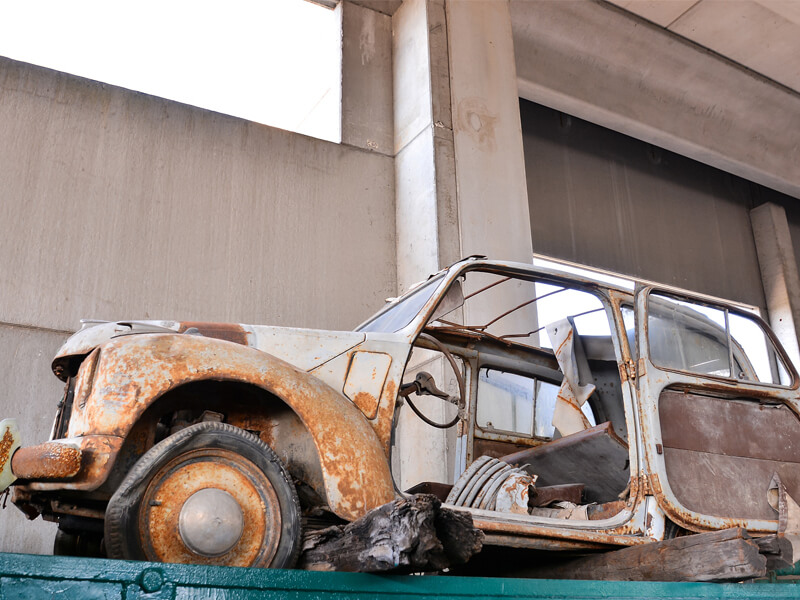
ELV Shells
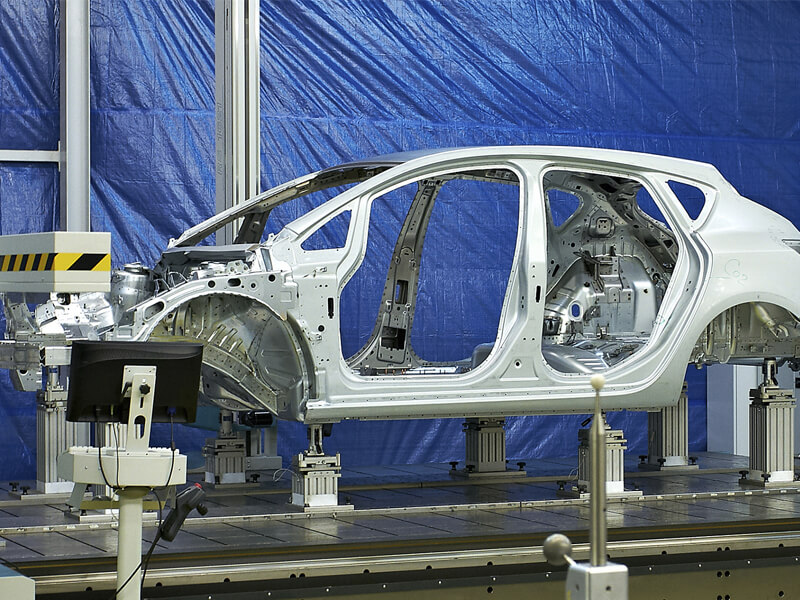
Frames & Unibodies

Body Panels & Doors
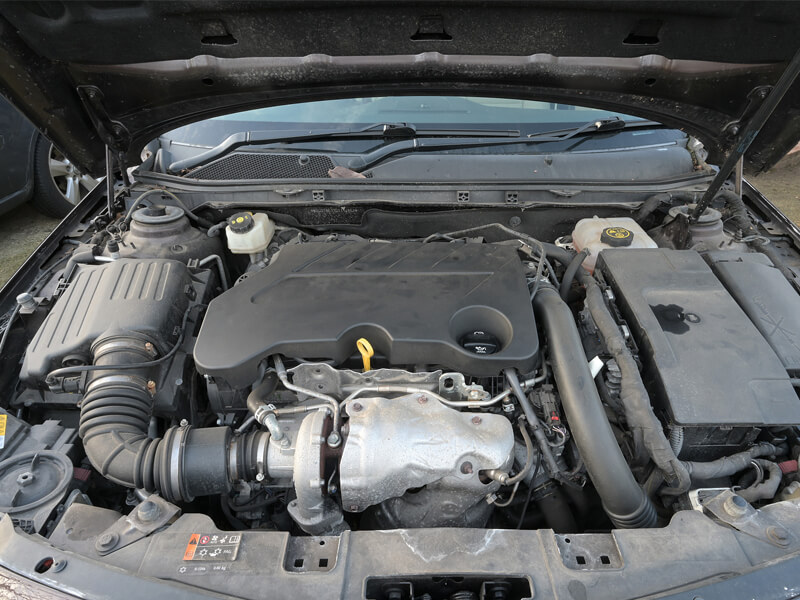
Hood & Roof Assemblies

Suspension & Axle Scrap

Mixed Automotive Ferrous

Light Gauge Bundles
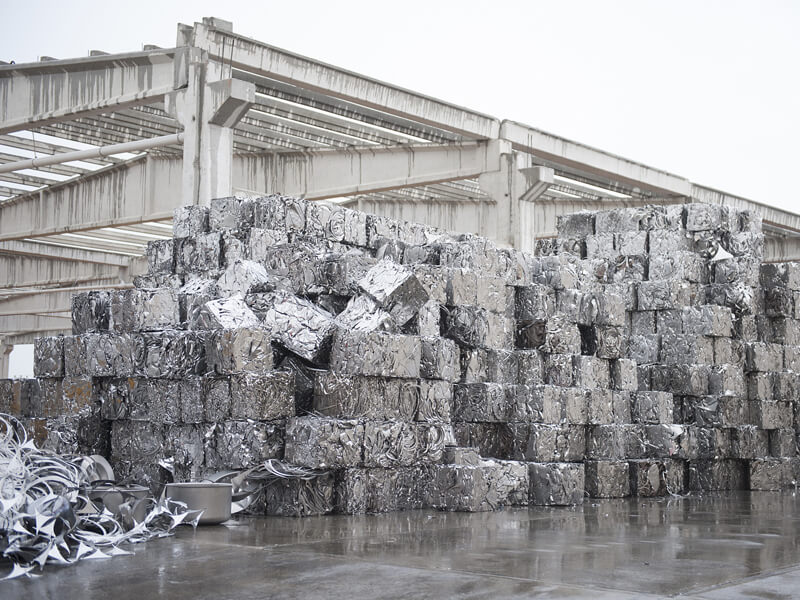
Oversized Shop Scrap
Typical Installations
Where Car Body Balers Add Value
Facilities that dismantle vehicles or consolidate automotive ferrous benefit from baling at the point of accumulation — reducing fork travel, fire risk from loose piles, and demurrage on outbound loads.
ELV Dismantling & Depollution Centers
Package processed shells after fluids, batteries, and catalytic converters are removed in line with regulatory requirements.
Automotive Shredder Feedstock Yards
Produce dense, predictable bales that improve shredder infeed consistency and can supplement hammer-mill operational stability.
Export & Deep-Sea Loading Terminals
Maximize weight per container with mechanically stable bales that withstand stacking and long-distance handling.
Regional Scrap Consolidators
Aggregate automotive streams from smaller collectors into mill-ready or shredder-ready formats with improved inventory control.
Fleet & Insurance Salvage Operations
Clear storage-intensive vehicle hulks quickly while preserving mass recovery value from written-off units.
Steel Mill & Foundry Suppliers
Deliver baled ferrous packages that meet scrap purchasing specifications for charge makeup or blending programs.
Use Cases
Application Scenarios
Car body balers serve a range of industries where compacting large automotive scrap into dense, stable bales drives efficiency in storage, transport, and downstream processing.

Auto Recycling Centers
Compact depolluted ELV shells into uniform ferrous bales after dismantling, clearing yard space and preparing material for downstream shredding or direct resale.
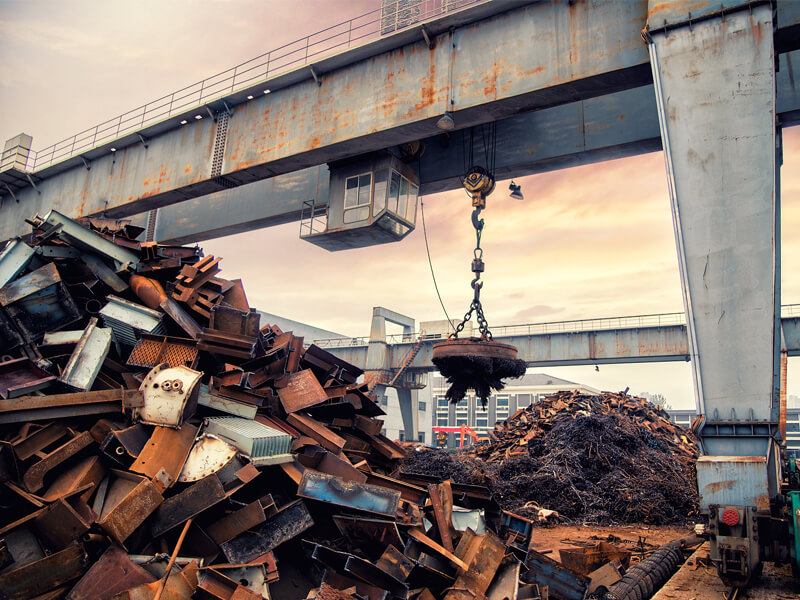
Scrap Steel Processing
Convert mixed automotive ferrous — frames, panels, and body assemblies — into high-density bales that meet mill charge specifications and simplify yard inventory management.

Large Recycling Centers
Handle high daily throughput of mixed automotive scrap alongside other large ferrous streams, producing consistent bale envelopes that streamline forklift handling and storage stacking.
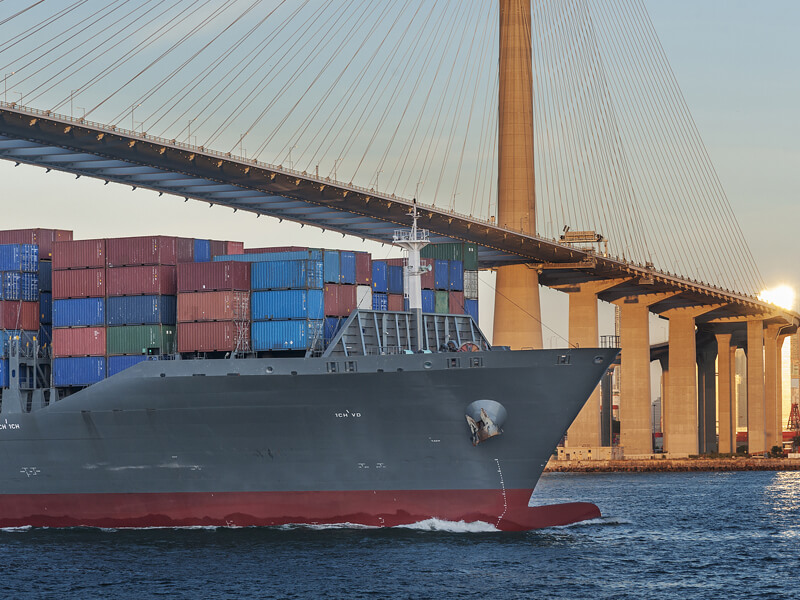
Export Trading
Maximize container cube utilization with dimensionally stable bales that withstand stacking during long-haul sea freight to steel mills and foundries worldwide.
Differentiators
Why Choose ARZIR Car Balers
Compared to standard car balers, ARZIR equipment offers significant advantages in performance, efficiency, and lifespan
| Comparison Item | ARZIR Car Baler | Standard Car Baler | ARZIR Advantage |
|---|---|---|---|
| Press Force | 600–1500T | 300–800T | Superior compression power |
| Processing Capacity | 20–40 cars/day | 10–20 cars/day | Double processing efficiency |
| Service Life | 15–20 years | 8–12 years | Extended operational lifespan |
| Energy Consumption | 90–200 kW | 120–250 kW | Lower energy consumption |
Frequently Asked Questions
Car Body Baler Questions
What is a car body baler?
A car body baler is an industrial hydraulic baling press with an oversized compression chamber designed to accept flattened or whole end-of-life vehicle shells, frames, and large automotive scrap. It produces dense ferrous bales that are easier to store, handle, ship, and feed into shredders or steelmaking routes.
Can a car body baler process full ELVs?
Depending on chamber dimensions, press force, and local safety and depollution regulations, operators typically feed depolluted shells, flattened bodies, or sectioned frames. The equipment is sized for large, hollow automotive scrap rather than small shear-grade clips alone.
What bale density can be achieved with automotive shells?
Achievable density depends on material preparation, press force, cycle programming, and chamber design. Multi-directional compression with lid and side rams folds and packs sheet metal until the bale reaches target mass and dimensional stability for stacking and transport.
How does a car body baler differ from a general scrap metal baler?
Car body balers emphasize a larger feed opening, higher structural rigidity, and greater pressing force to overcome the spring-back of folded shells. Wear protection and cylinder staging are tuned for intermittent bulky loads rather than only homogeneous light scrap.
What infrastructure does installation require?
Installations generally require a reinforced foundation engineered for static plus dynamic loads, industrial electrical supply sized for motor starting characteristics, and adequate crane or loader reach for chamber feeding and maintenance access.
Get the Right Machine for Your Operation
Tell us about your material type, throughput requirements, and site conditions — our engineers will recommend the ideal equipment and provide a competitive quote within 24 hours.
- Response within 24 hours
- Free technical consultation & quotation
- ISO-certified factory & strict quality control
- Shipped to 100+ countries worldwide