How Industrial Briquetting Machines Help Factories Reduce Scrap Handling Time: A Comprehensive Guide

Introduction: The Hidden Cost of Metal Scrap
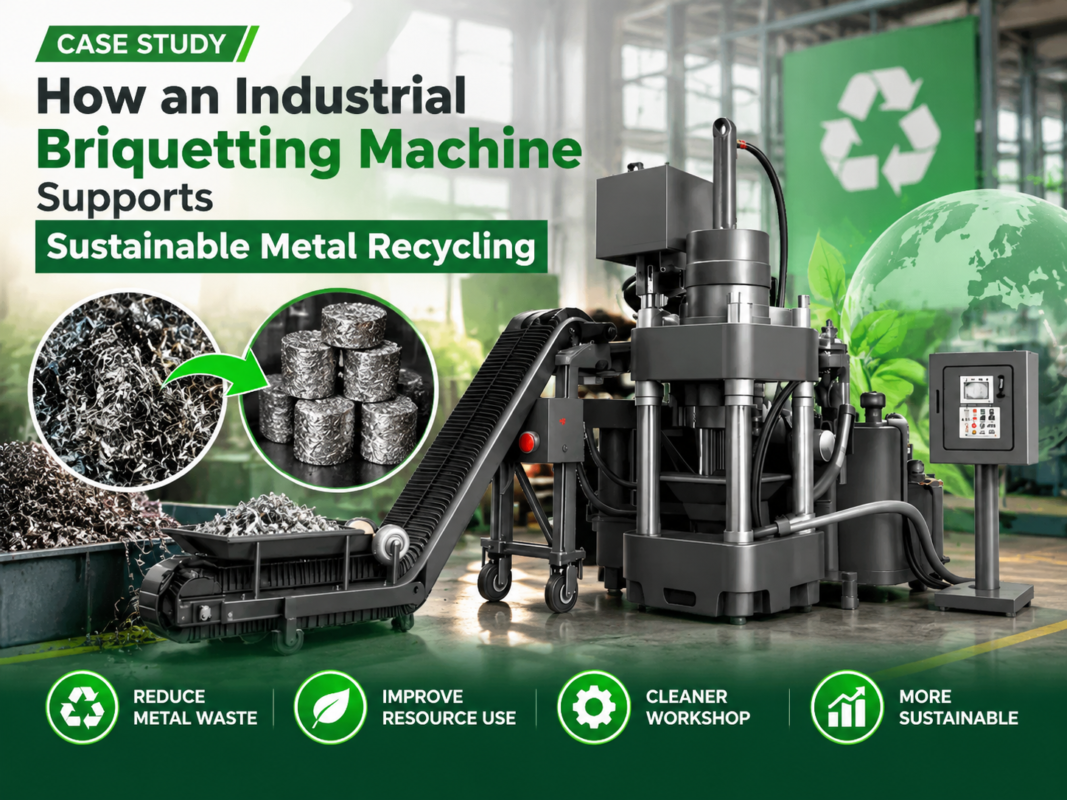
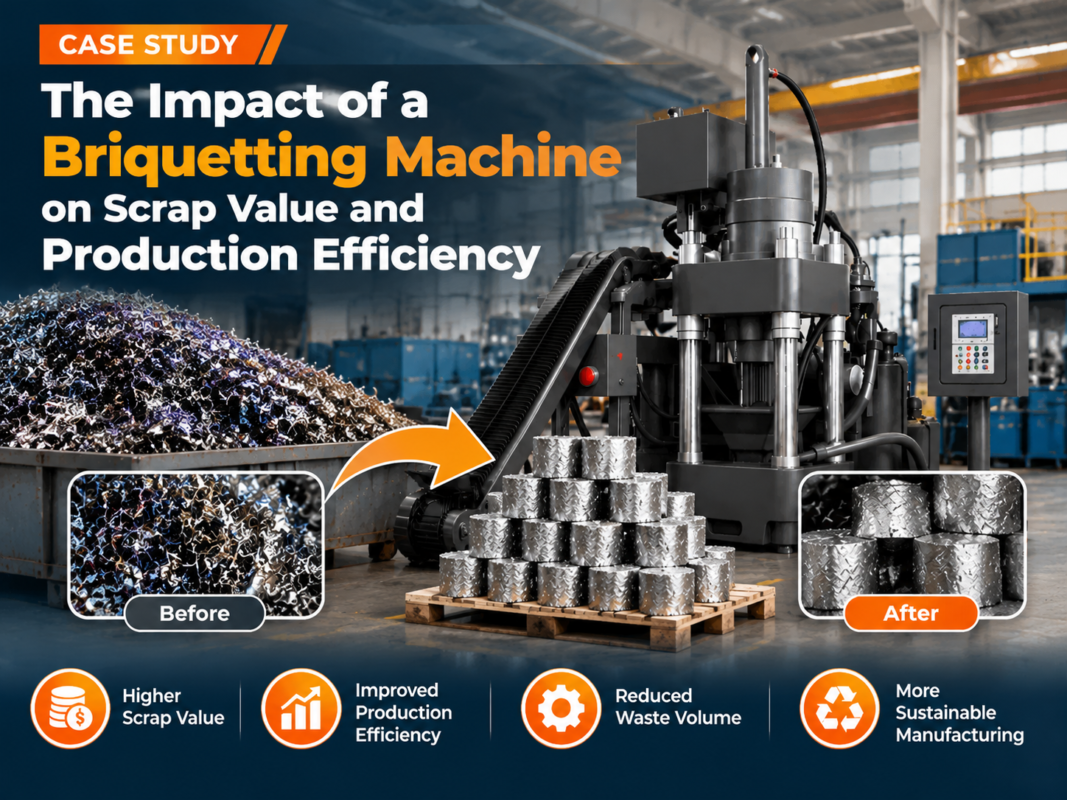
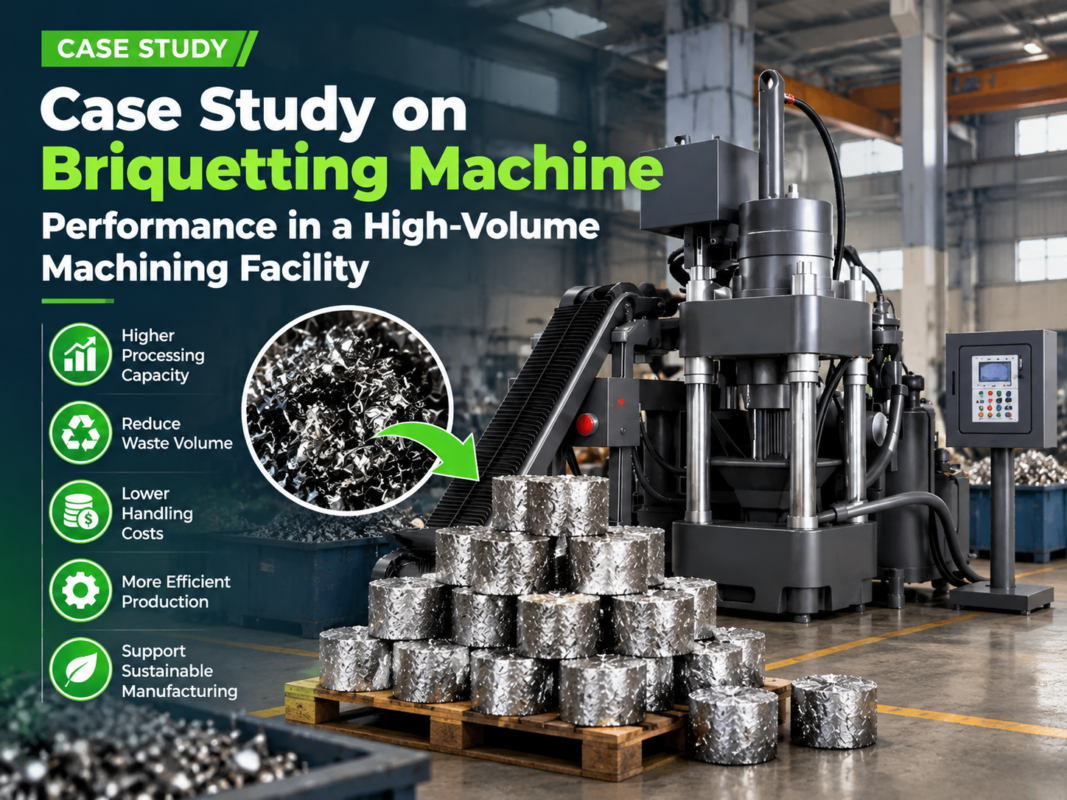
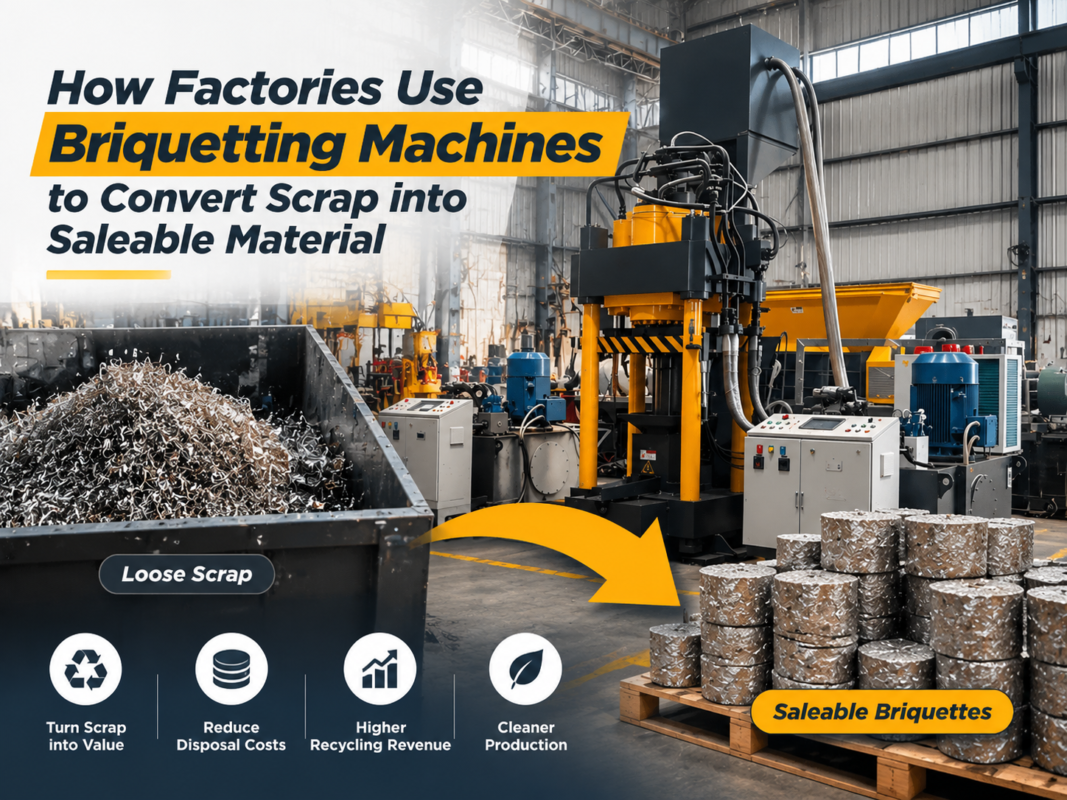
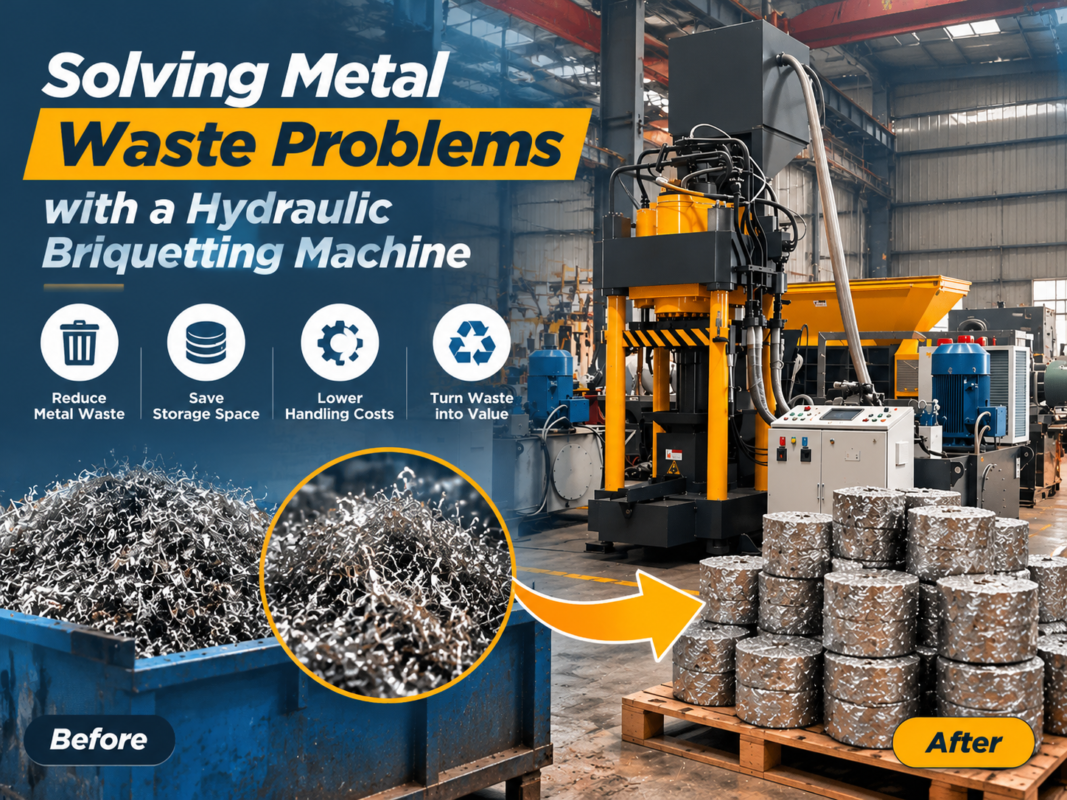
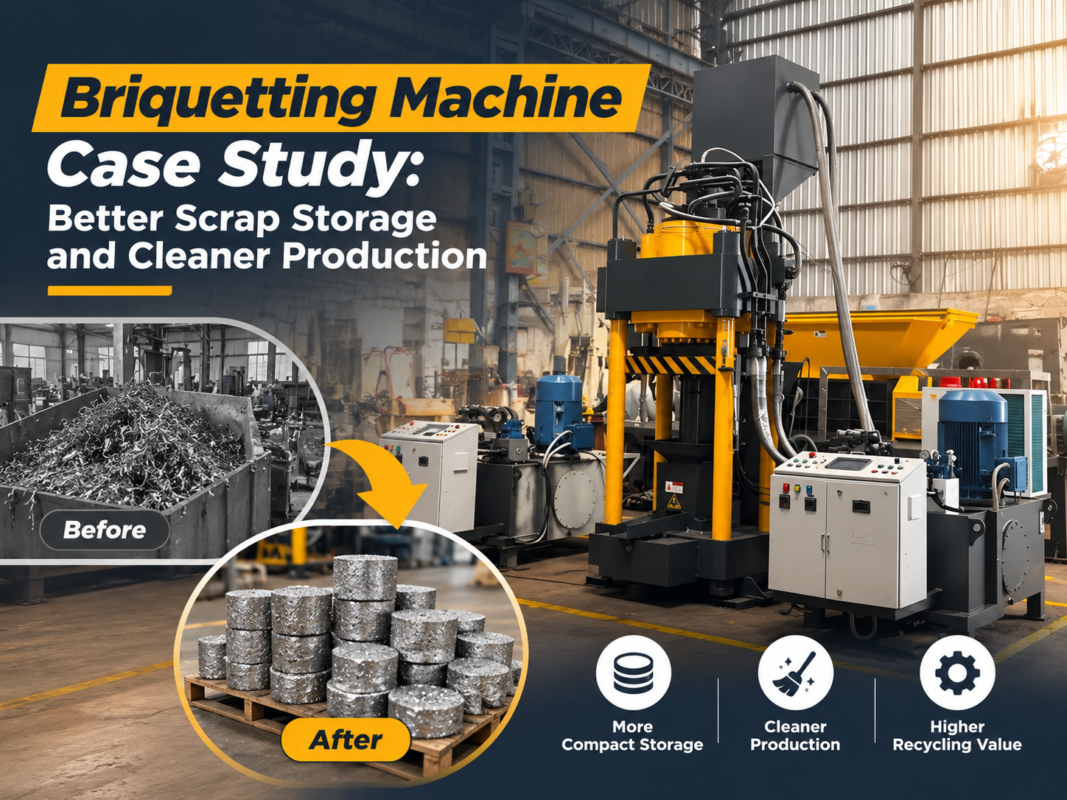
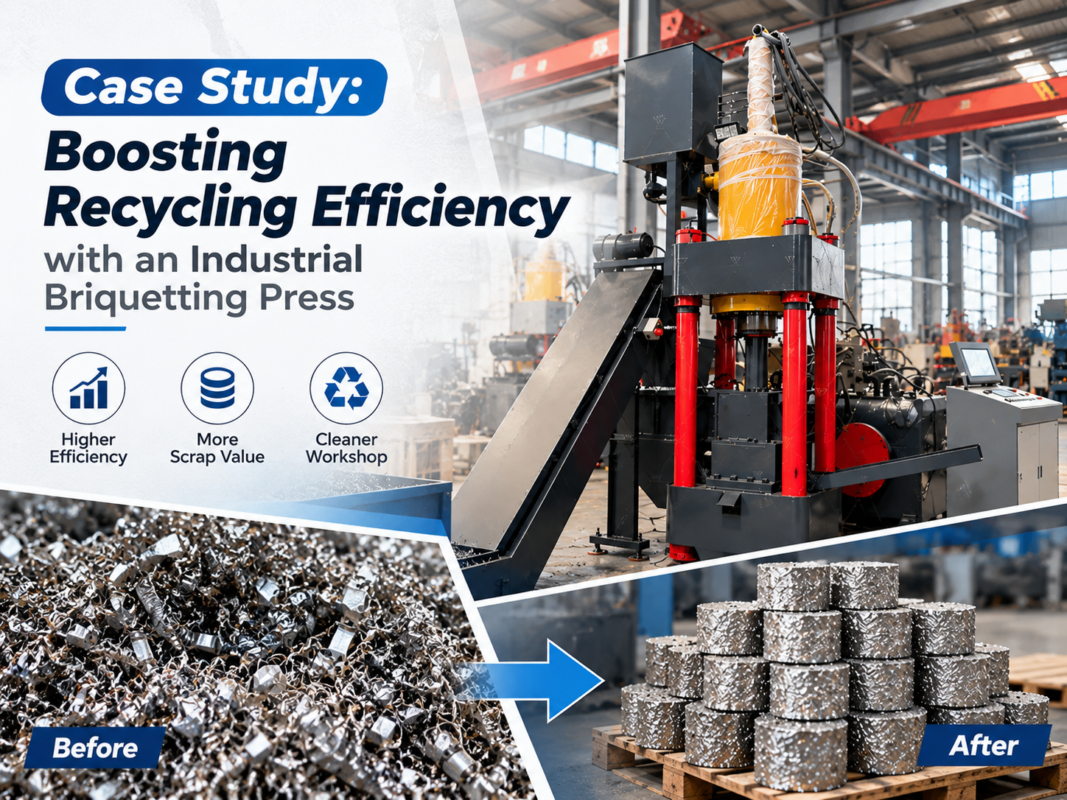
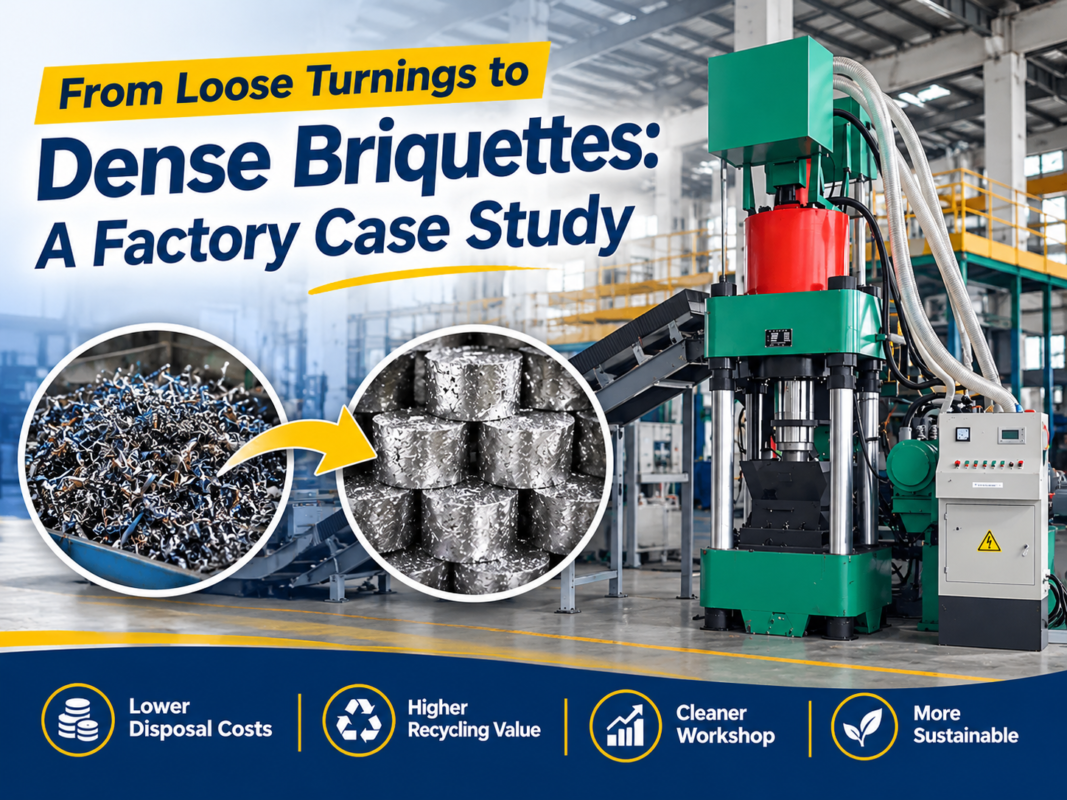
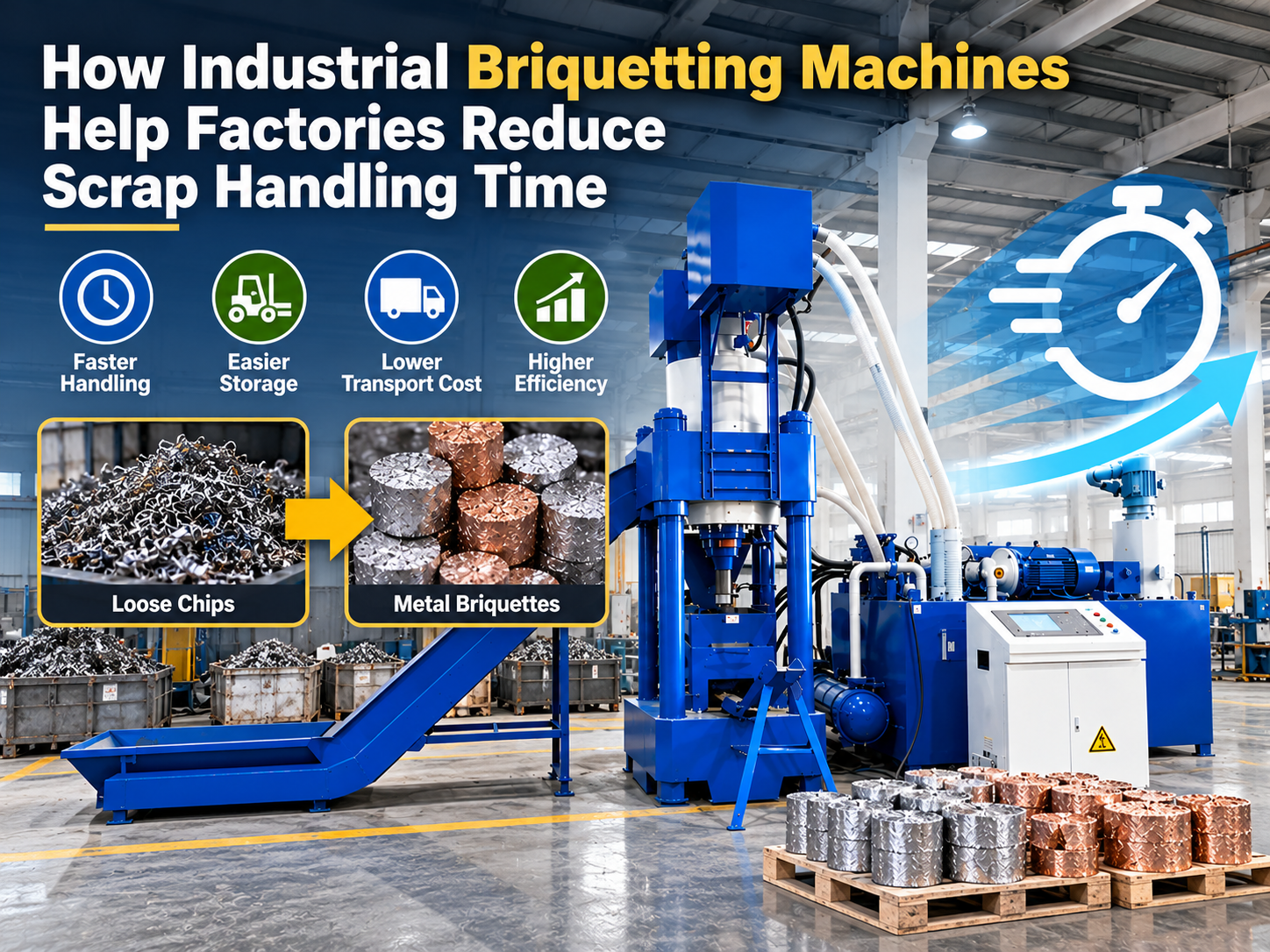
In the modern metal fabrication industry, efficiency is measured not just by the speed of production, but by the effectiveness of waste management. For many factories, metal shavings, chips, and turnings represent a significant logistical burden. These loose materials occupy vast amounts of floor space, create safety hazards, and are notoriously difficult to transport. This is where industrial briquetting machines help factories reduce scrap handling time, transforming bulky waste into dense, manageable pucks.
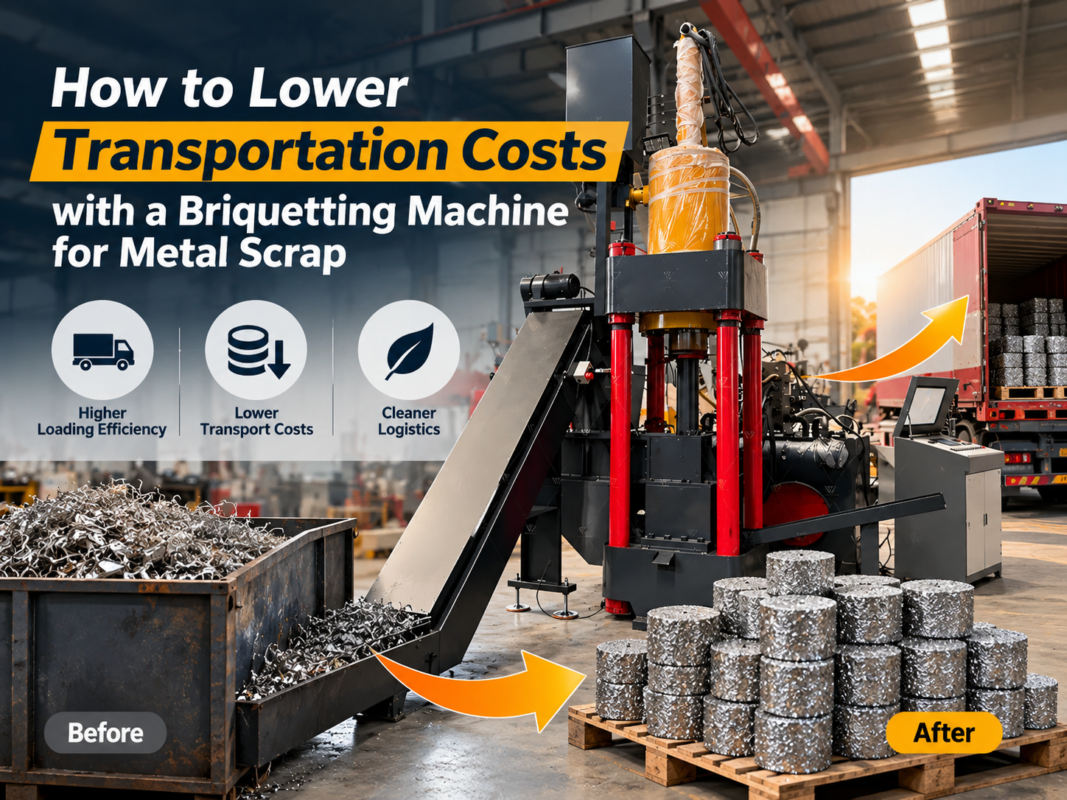
HARSLE has observed that many facilities struggle with the “volume-to-weight” ratio of their scrap. Loose metal chips often contain residual cutting fluids, which add weight and environmental liability. By implementing a briquetting system, manufacturers can consolidate this waste, drastically reducing the frequency of scrap removal cycles and lowering transportation costs. This article explores the technical and operational advantages of integrating these systems into your production line.
Beyond simple logistics, the environmental impact of scrap management cannot be ignored. When factories fail to process their scrap, they are essentially paying to ship air and coolant. Industrial briquetting machines help factories reduce scrap handling time by automating the compaction process, allowing staff to focus on high-value production tasks rather than manual scrap handling and cleanup.
As we delve into the technical specifications and operational benefits, it becomes clear that briquetting is not merely an accessory—it is a core component of a lean manufacturing strategy. Whether you are dealing with aluminum, steel, copper, or brass, the principles of volume reduction remain the same. Let us examine how these machines redefine the economics of metal fabrication.
Key Considerations for Scrap Management
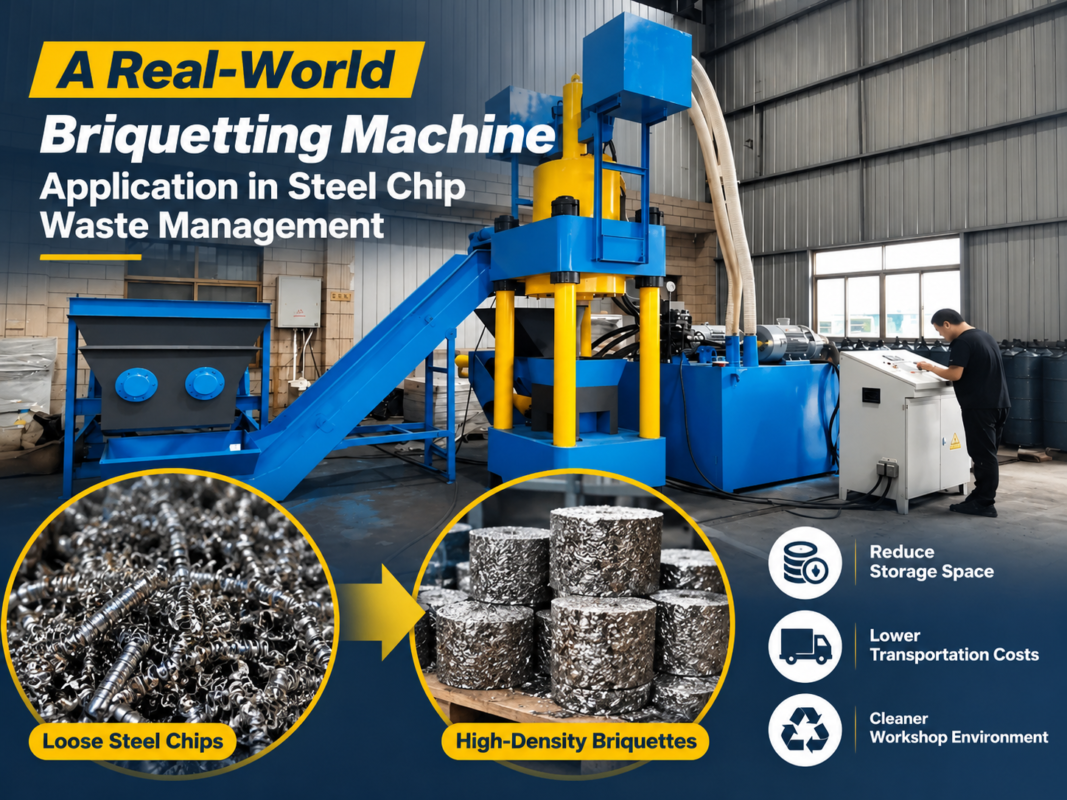
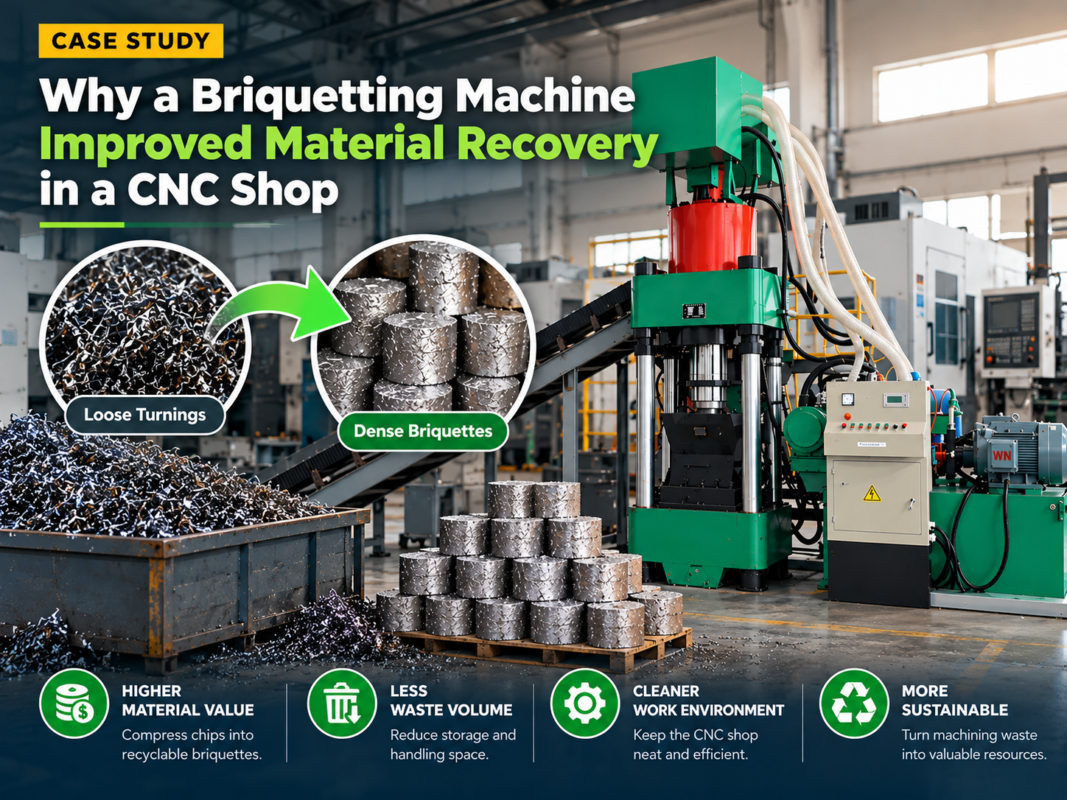
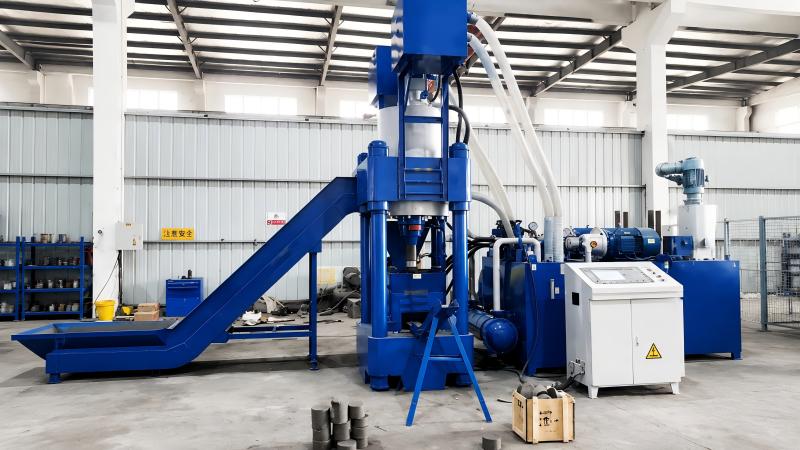
When evaluating the need for a briquetting machine, facility managers must first analyze their current scrap flow. The primary challenge is the sheer volume of loose chips generated by CNC milling, turning, and drilling operations. Without compaction, these materials require multiple bins, frequent forklift movements, and significant storage space. Industrial briquetting machines help factories reduce scrap handling time by turning these loose piles into high-density briquettes that are easy to stack and transport.
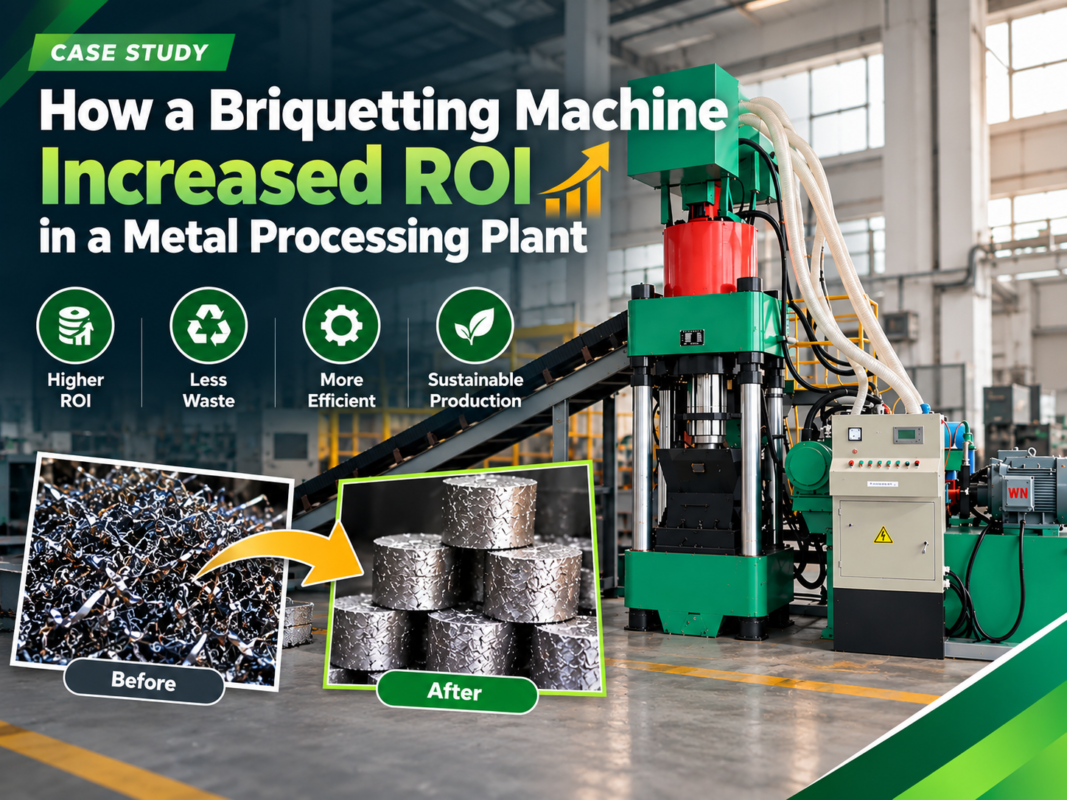
Another critical consideration is the recovery of cutting fluids. Metal chips are often saturated with expensive lubricants and coolants. When scrap is sold in its loose state, this fluid is lost, and the scrap value is often penalized due to the contamination. Briquetting presses exert immense hydraulic pressure, squeezing out the coolant for filtration and reuse. This dual benefit—recovering expensive fluids and increasing the scrap value—provides a rapid return on investment.
Safety and cleanliness are also paramount. Loose metal turnings are sharp and can cause injuries to personnel. Furthermore, they often create slippery conditions on the factory floor due to oil leakage. By automating the compaction process, factories can maintain a cleaner, safer environment. Industrial briquetting machines help factories reduce scrap handling time by eliminating the need for manual shoveling or complex conveyor systems that are prone to jamming.
Finally, consider the logistics of scrap removal. Scrap dealers pay a premium for clean, dense, and uniform briquettes compared to loose, contaminated turnings. By standardizing the output, factories can negotiate better contracts with recyclers. The reduction in the number of containers required for scrap removal directly translates to lower logistics costs and fewer disruptions to the production floor.
Technical Details: How Briquetting Works
At the heart of the process is the hydraulic press mechanism. The machine receives loose scrap via a hopper or conveyor. A pre-compression ram then forces the material into a compression chamber. Once the chamber is filled, the main hydraulic cylinder applies massive pressure, typically ranging from 200 to 400 bar, to form the briquette. This process is entirely automated and can be integrated directly into the production line.
The density of the resulting briquette is a key technical metric. High-density briquettes are easier to handle and have a lower surface area, which reduces oxidation during storage. HARSLE’s briquetting machines are engineered to provide consistent pressure, ensuring that every briquette meets the required specifications for weight and size. This consistency is vital for downstream processing at the recycling facility.
Coolant recovery systems are an integral part of the technical design. As the material is compressed, the liquid is forced out through a drainage system. This fluid is collected, filtered, and returned to the machine’s coolant tank or a central filtration system. This closed-loop approach significantly reduces the consumption of new fluids, contributing to the sustainability goals of the factory.
The control systems on modern briquetting machines allow for precise adjustments based on the material type. For instance, aluminum requires different pressure settings compared to stainless steel or cast iron. Programmable Logic Controllers (PLCs) enable operators to switch between material profiles instantly, ensuring that the machine operates at peak efficiency regardless of the current production run.
Selection Advice: Choosing the Right Machine
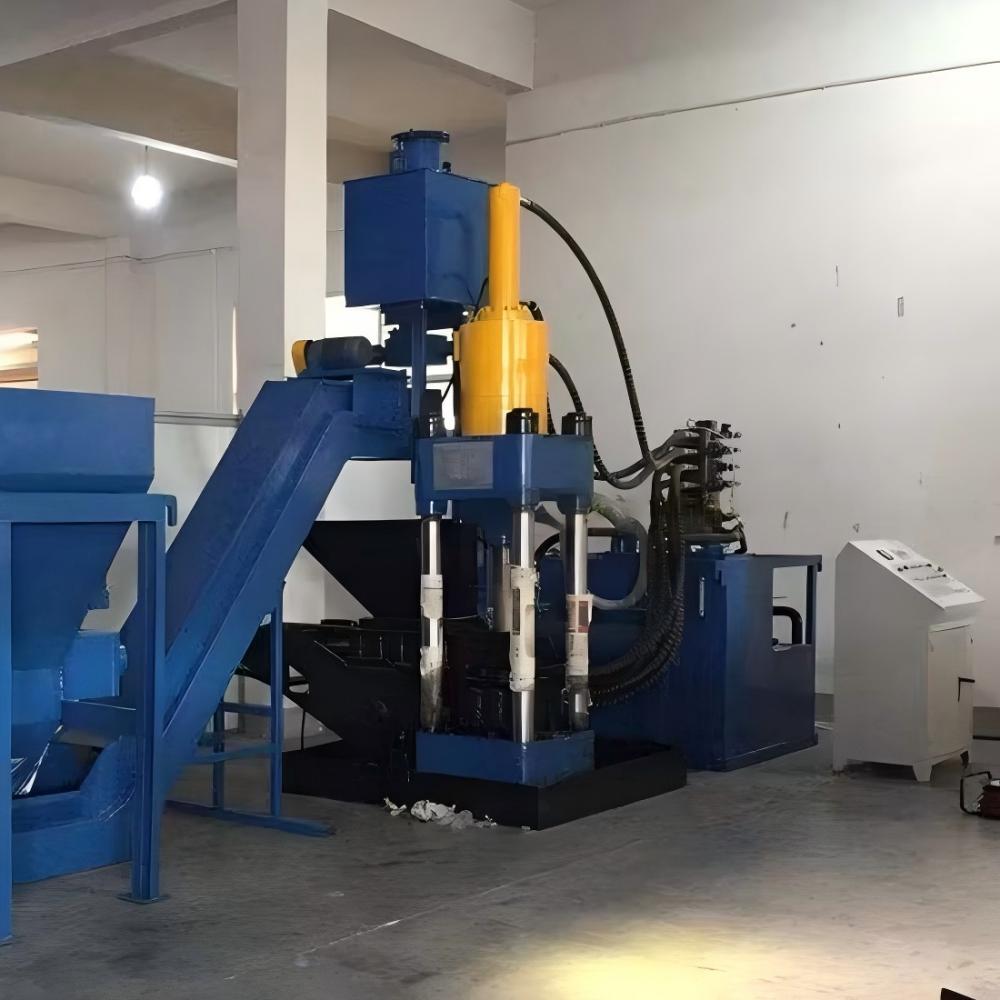
Selecting the right equipment requires a thorough assessment of your daily scrap output. If your factory generates a high volume of light, fluffy aluminum turnings, you will need a machine with a large hopper and a high-speed compression cycle. Conversely, for heavy steel chips, the focus should be on the structural integrity of the press and its ability to handle high-pressure loads over long periods.
Consider the footprint of the machine. In many fabrication shops, floor space is at a premium. HARSLE offers compact models that can be placed directly under a CNC machine or at the end of a scrap conveyor. This “point-of-generation” approach is the most effective way to ensure that industrial briquetting machines help factories reduce scrap handling time, as it eliminates the need to transport loose scrap across the facility.
Maintenance requirements should also be a deciding factor. Look for machines with modular designs that allow for easy access to hydraulic seals, filters, and electrical components. A machine that is difficult to maintain will eventually become a bottleneck. HARSLE prioritizes user-friendly designs, providing detailed maintenance schedules and readily available spare parts to ensure maximum uptime.
Finally, evaluate the integration capabilities. Can the machine communicate with your existing ERP or production monitoring software? Modern Industry 4.0-ready briquetting machines can provide real-time data on scrap volume, fluid recovery rates, and machine health. This data is invaluable for continuous improvement initiatives and helps management make informed decisions about production scheduling and waste management.
Buyer’s Checklist for Briquetting Systems:
- Material Compatibility: Does the machine handle your specific metal alloys?
- Throughput Capacity: Can it process your peak hourly scrap generation?
- Fluid Recovery Efficiency: What percentage of coolant is reclaimed?
- Automation Level: Does it require manual intervention or is it fully autonomous?
- Support and Warranty: Is there local technical support for installation and training?
FAQ: Common Questions About Briquetting
Q: How much space do briquetting machines save?
A: Generally, briquetting can reduce the volume of loose metal scrap by a ratio of 10:1 or even 20:1, depending on the material density. This drastically reduces the storage footprint required.
Q: Can I mix different types of metal in the same machine?
A: It is generally recommended to process one type of metal at a time to maintain the purity of the scrap. Mixing metals can significantly lower the resale value of the briquettes.
Q: How long does it take to see a return on investment?
A: Most factories see an ROI within 12 to 24 months, driven by the combination of higher scrap prices, reduced logistics costs, and significant savings on cutting fluid replacement.
Q: Are these machines noisy?
A: Modern hydraulic briquetting machines are designed with sound-dampening enclosures to operate within standard factory noise limits, ensuring they do not disrupt the surrounding work environment.
Conclusion: Optimizing Your Factory Floor
The integration of briquetting technology is a strategic move for any metal fabrication facility looking to modernize its operations. By addressing the logistical challenges of waste management, factories can unlock hidden value in their scrap and improve overall operational efficiency. As we have discussed, industrial briquetting machines help factories reduce scrap handling time by streamlining the collection, compaction, and removal processes.
HARSLE remains committed to providing high-quality, durable, and efficient metal fabrication equipment. By choosing the right briquetting solution, you are not just buying a machine; you are investing in a cleaner, more profitable, and more sustainable future for your manufacturing business. If you are ready to optimize your scrap handling, contact our technical team today to discuss the best configuration for your specific production needs.