From Loose Turnings to Dense Briquettes: A Factory Case Study

Introduction: The Hidden Cost of Metal Turnings
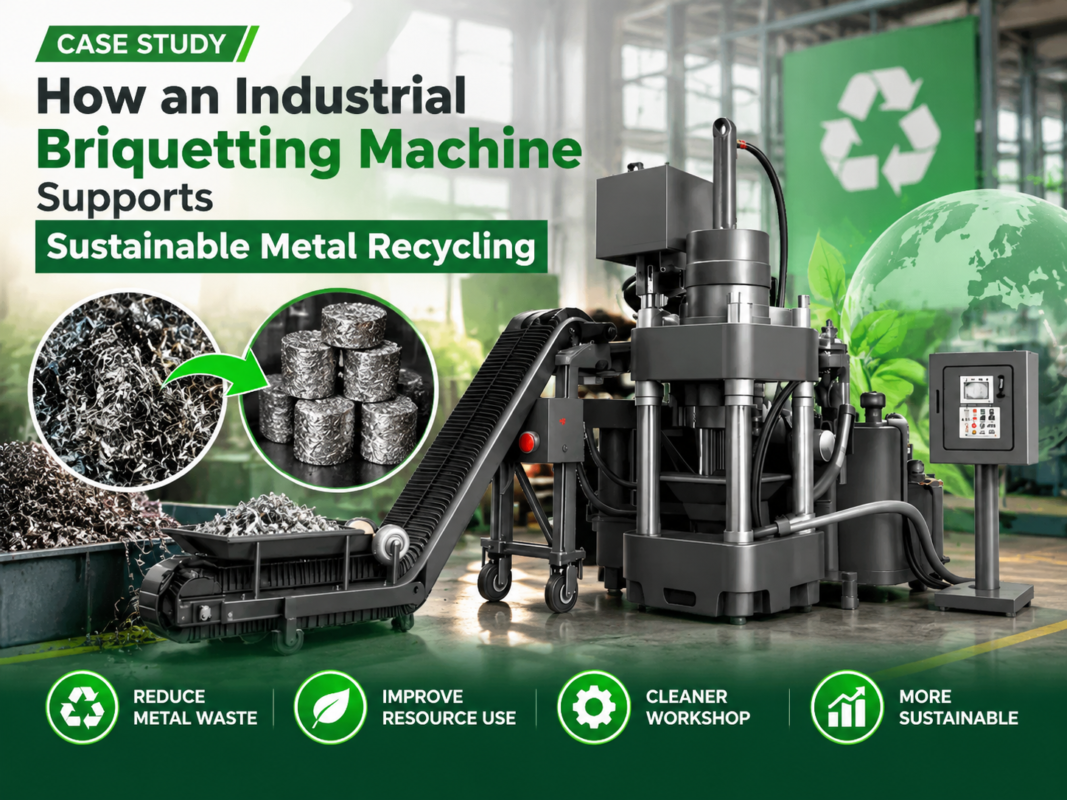
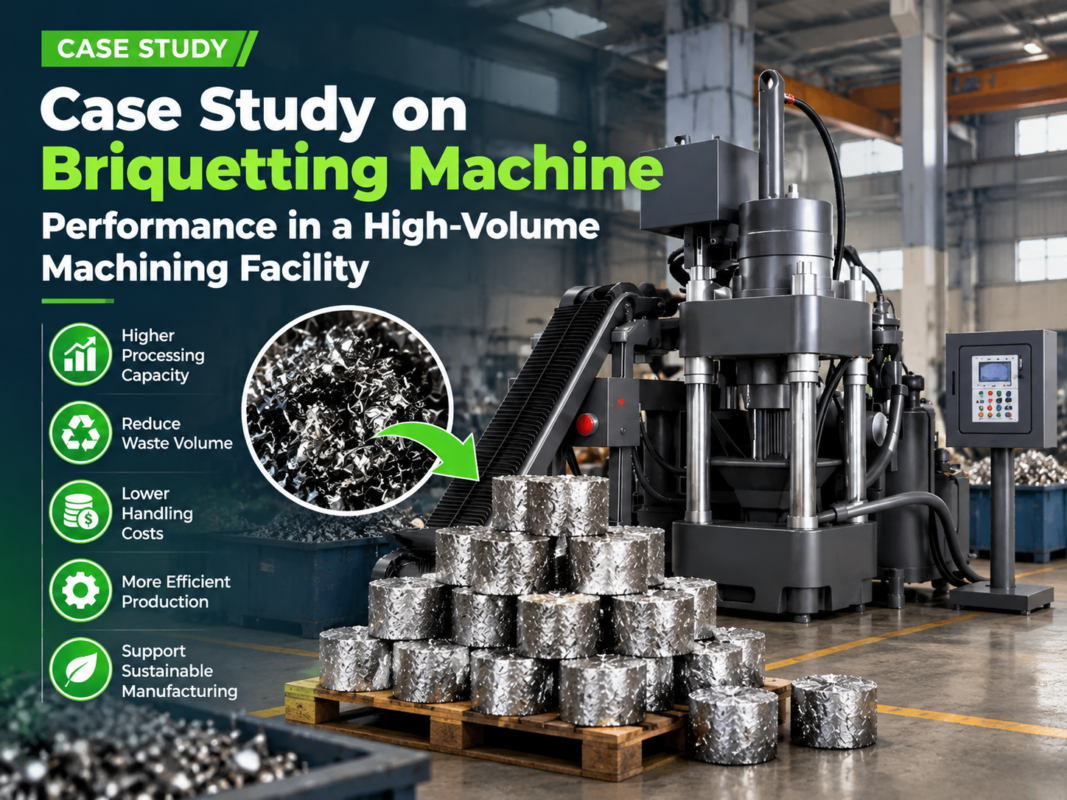
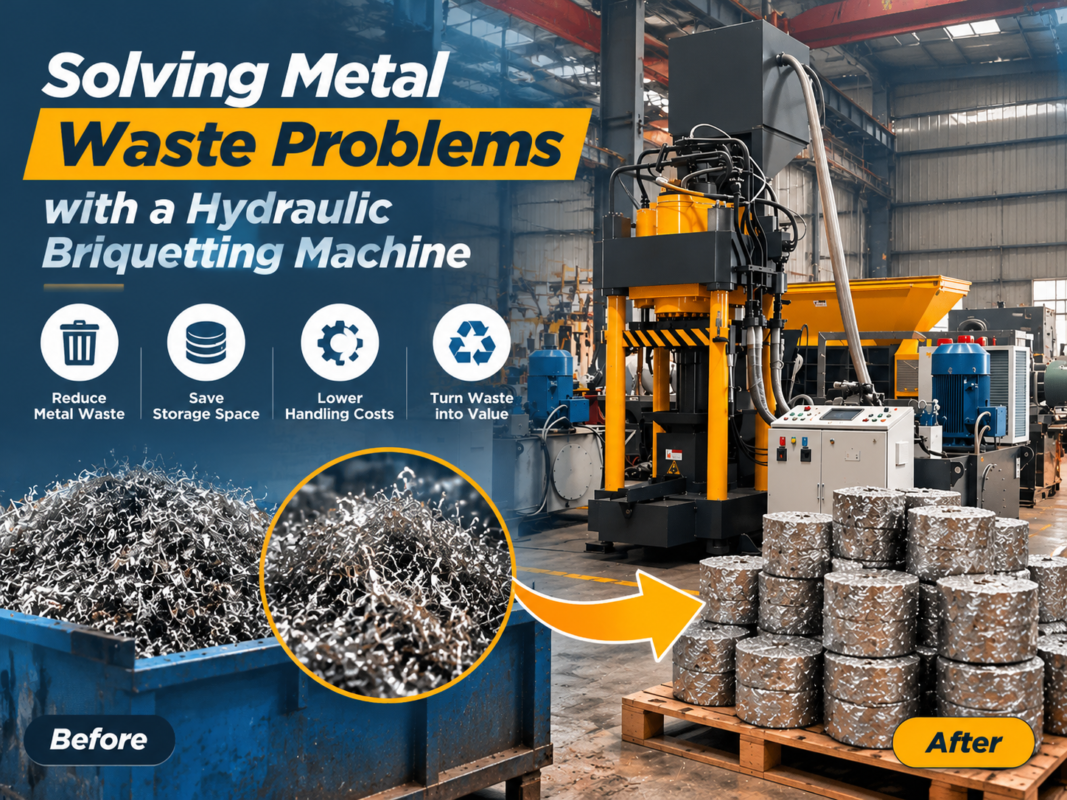
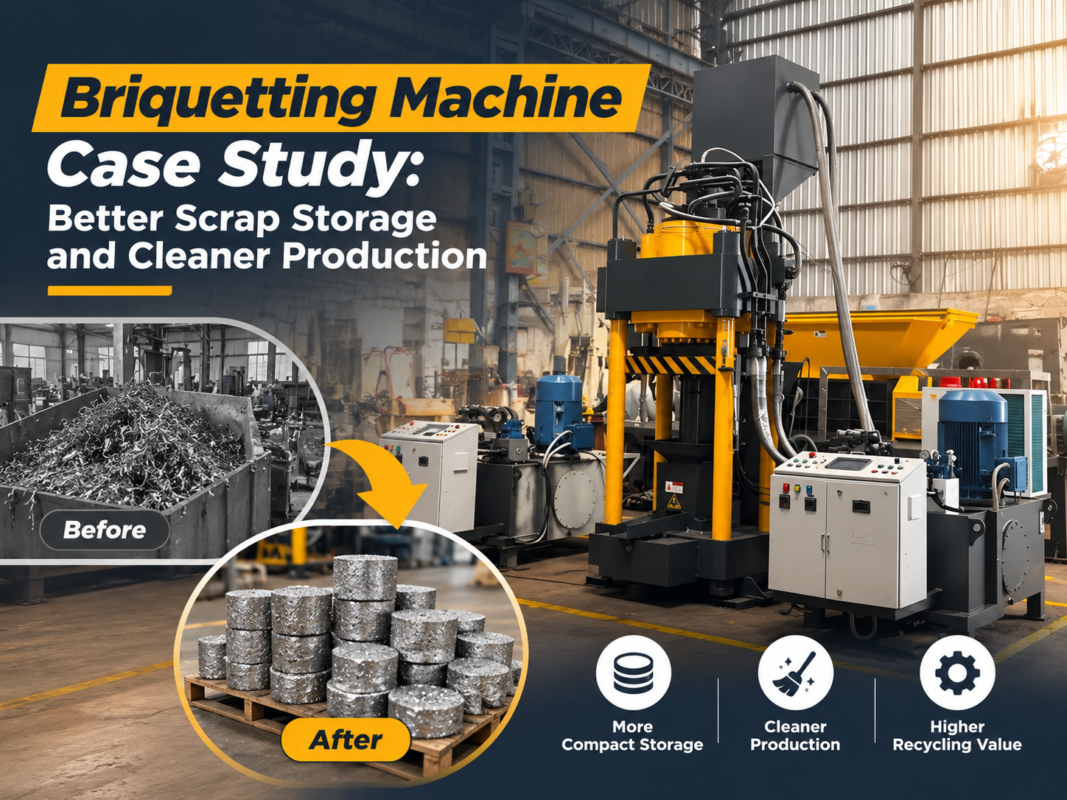
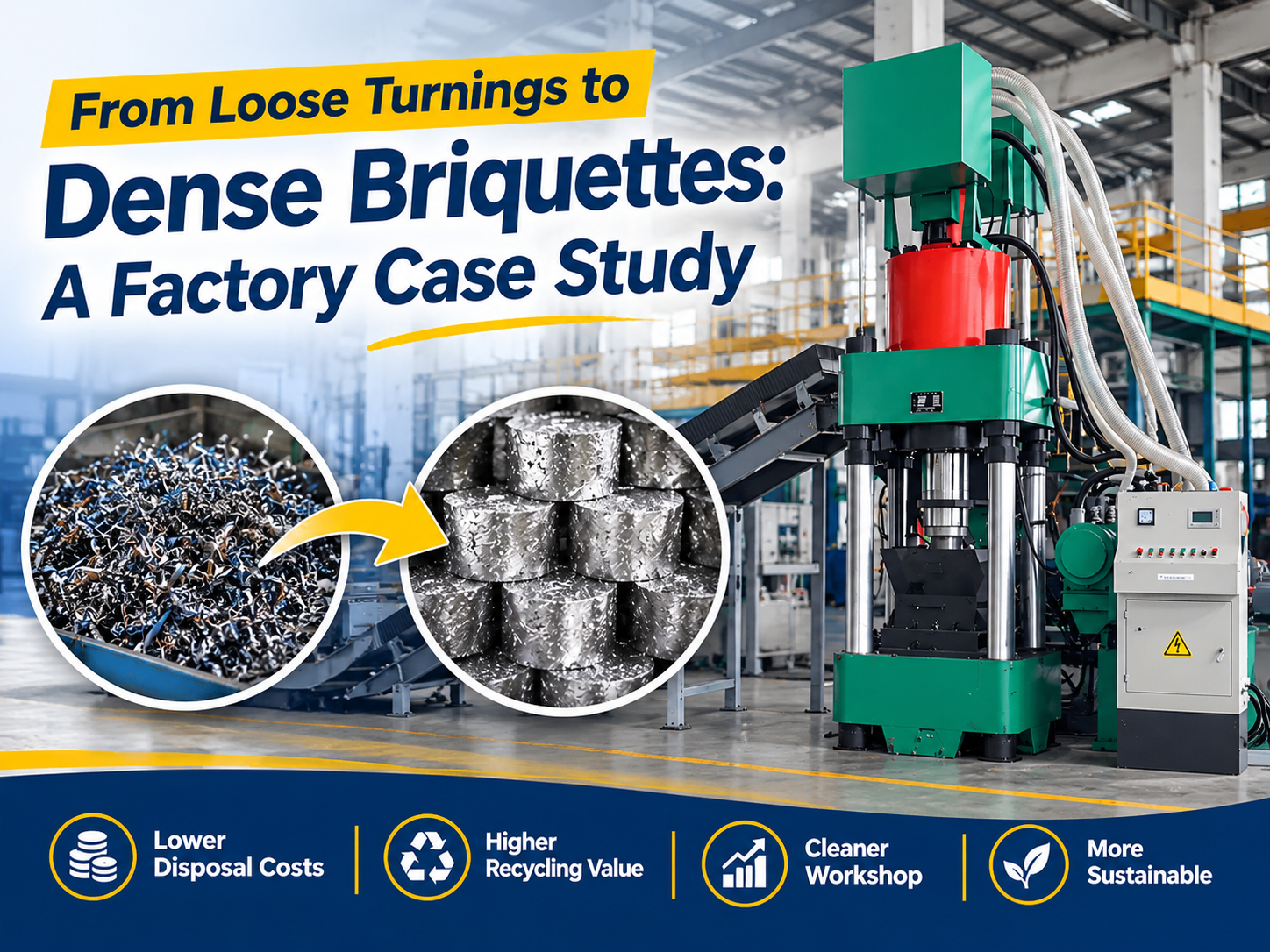
In the modern metal fabrication landscape, efficiency is not merely about production speed; it is about the holistic management of resources. For many high-volume machining facilities, the accumulation of loose metal turnings, chips, and shavings represents a significant operational challenge. Often viewed as a mere byproduct, these materials occupy vast amounts of floor space, complicate logistics, and represent a lost opportunity for revenue recovery. This article, From Loose Turnings Dense Briquettes: A Factory Case Study, explores how HARSLE technology is revolutionizing the way manufacturers handle scrap metal.
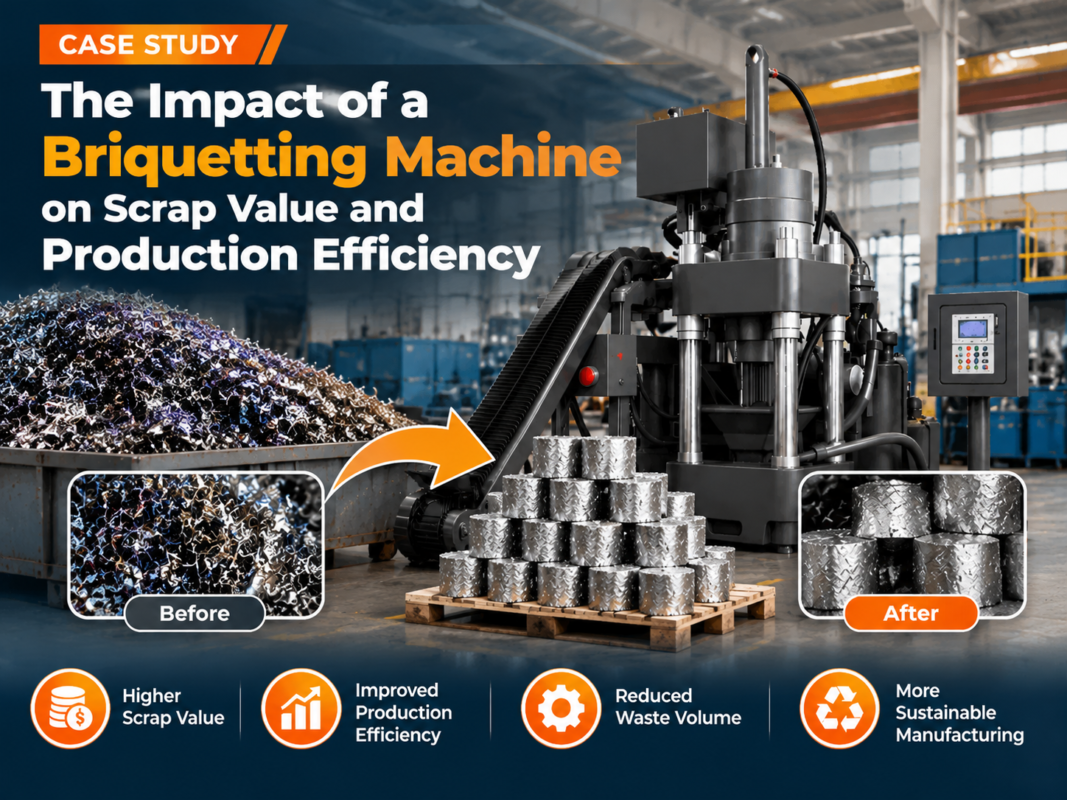
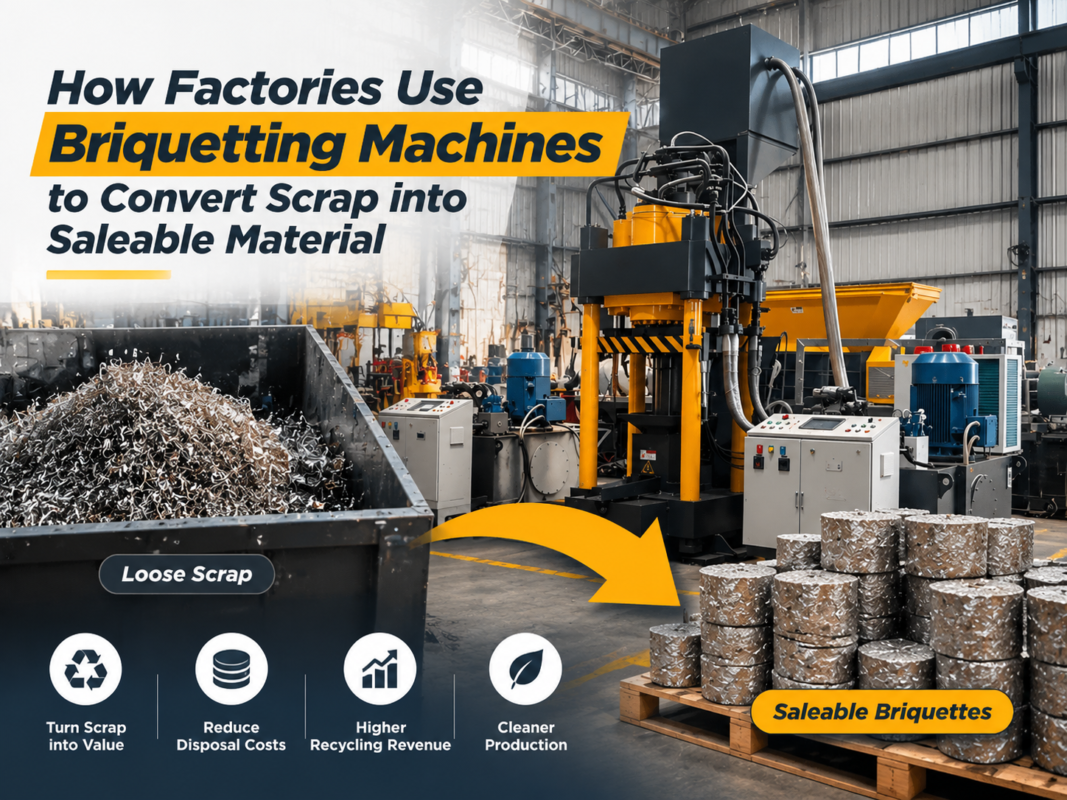
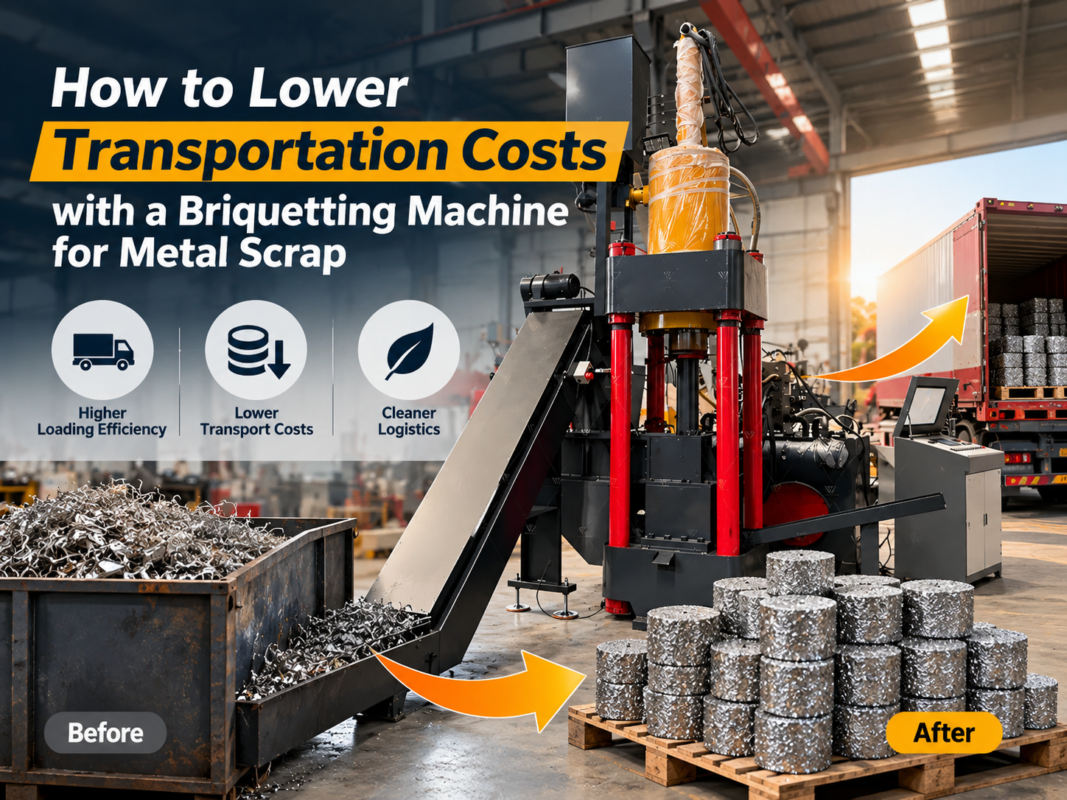
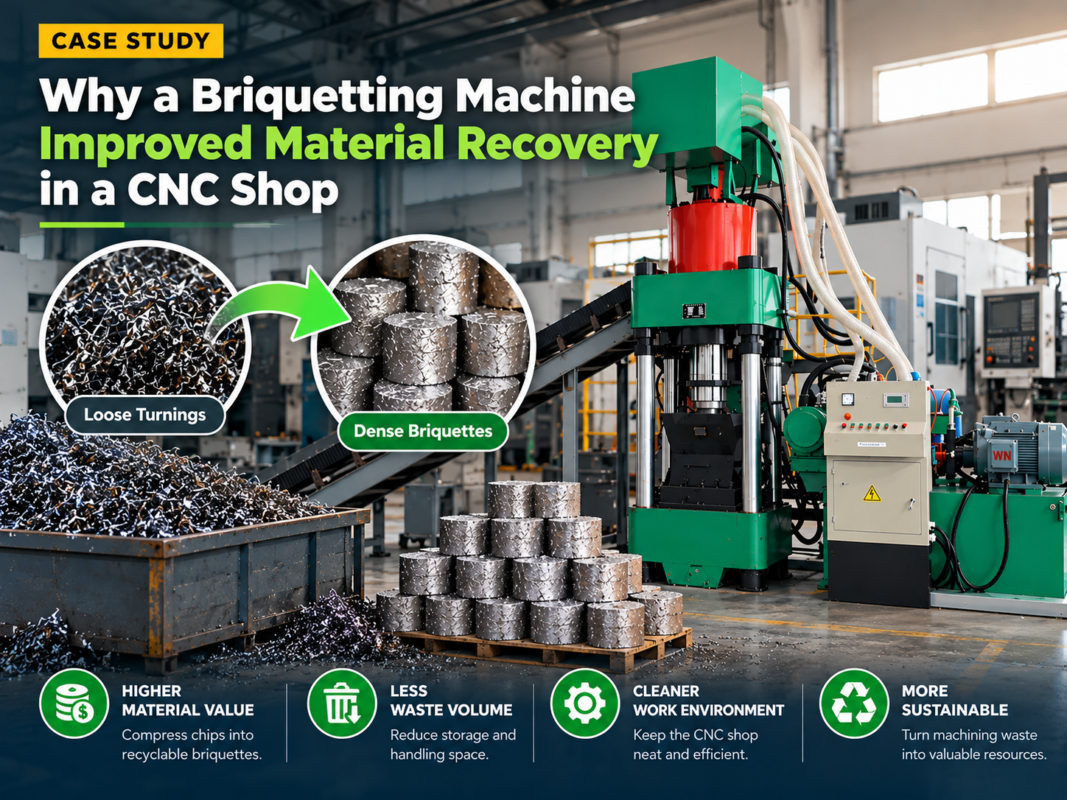
The traditional approach to scrap management—collecting loose turnings in large bins—is inherently inefficient. Loose turnings possess a high volume-to-weight ratio, meaning transport costs are inflated by the sheer amount of air being shipped. Furthermore, these turnings are often saturated with cutting fluids and coolants, which are not only hazardous to the environment but also represent a significant loss of expensive chemical resources. By transitioning to a briquetting process, factories can reclaim these fluids and transform bulky waste into high-density, furnace-ready briquettes.
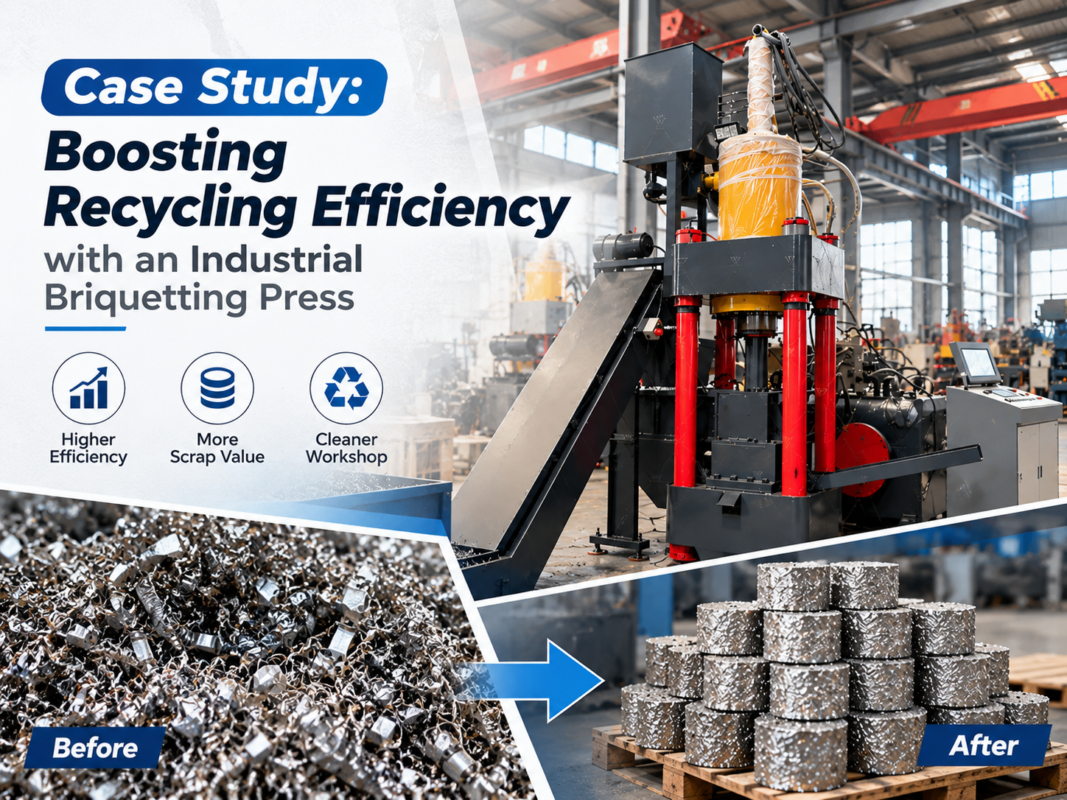
HARSLE has worked with numerous clients to implement advanced briquetting solutions that turn waste management into a profit center. This case study examines a mid-sized automotive components manufacturer that faced mounting logistics costs and environmental compliance pressures. By integrating a HARSLE hydraulic briquetting machine into their production line, they were able to streamline their operations, reduce their carbon footprint, and significantly increase the resale value of their scrap metal.
Understanding the transition from loose turnings to dense briquettes: a factory case study requires a deep dive into the technical and economic benefits of the process. Throughout this article, we will examine the specific machinery requirements, the operational shifts necessary for success, and the long-term ROI that manufacturers can expect when adopting this technology.
Key Considerations for Scrap Management
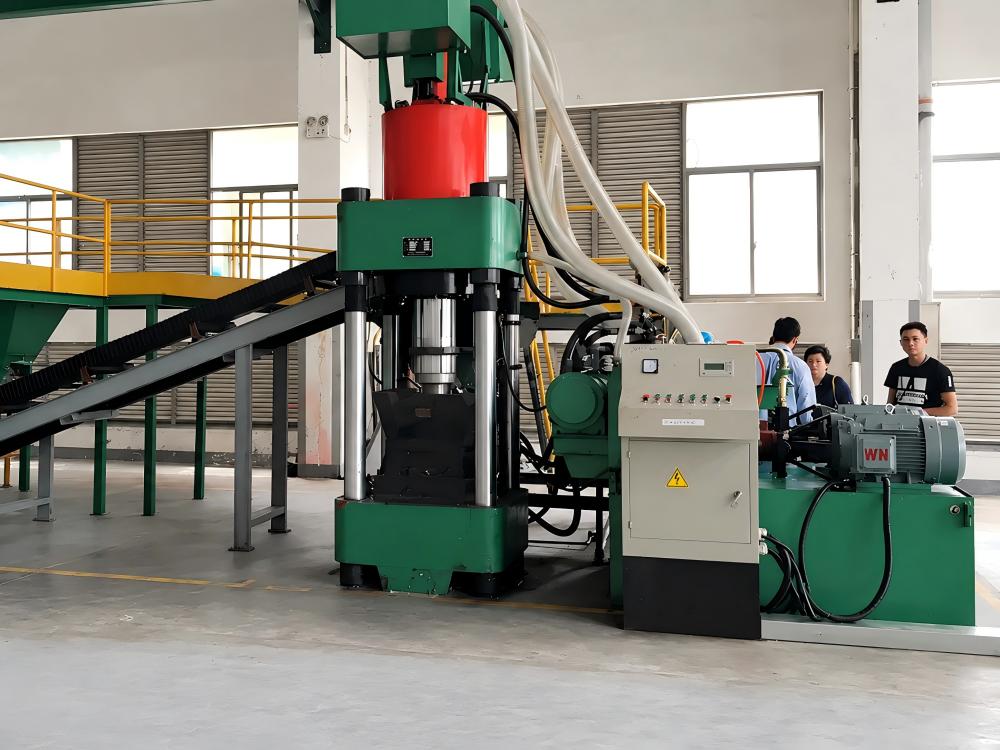
Before investing in a briquetting machine, facility managers must evaluate their current scrap generation patterns. The volume of material, the type of metal (aluminum, steel, copper, or brass), and the moisture content of the turnings are critical variables. A factory producing high volumes of aluminum chips will have different requirements than one processing hardened steel turnings. HARSLE emphasizes a consultative approach, ensuring that the machine selected matches the specific physical properties of the scrap.
Logistics and floor space are the next major considerations. Loose turnings require frequent emptying of bins, which consumes labor hours and increases forklift traffic within the factory. By compressing these materials into dense briquettes, the volume is reduced by up to 90%. This allows for more efficient storage, easier transport, and a cleaner, safer work environment. A well-planned layout integrates the briquetting machine directly into the chip collection system, minimizing manual handling.
Environmental compliance and fluid recovery are perhaps the most compelling reasons for adopting briquetting technology. Cutting fluids are expensive, and their disposal is strictly regulated. A HARSLE briquetting system is designed to extract these fluids during the compression cycle. The recovered coolant can be filtered and reused, while the resulting briquettes are much cleaner and more acceptable to metal recyclers. This dual benefit of fluid recovery and waste reduction is a cornerstone of sustainable manufacturing.
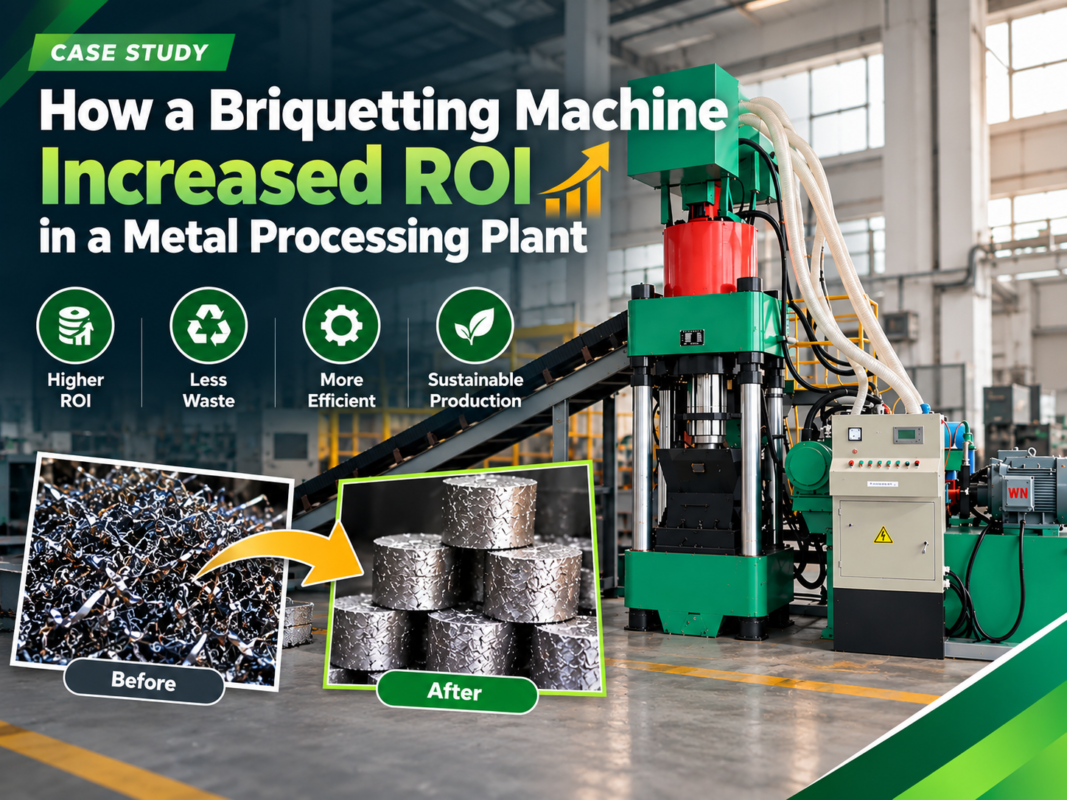
Finally, the economic impact of scrap quality cannot be overstated. Recyclers pay a premium for dense, clean briquettes compared to loose, contaminated turnings. Because briquettes are easier to melt and have a lower surface area, they experience less oxidation during the smelting process, making them highly desirable for foundries. This case study highlights how the initial capital investment in a HARSLE machine is often recouped through higher scrap prices and reduced disposal fees within a relatively short timeframe.
Technical Details: How Briquetting Works
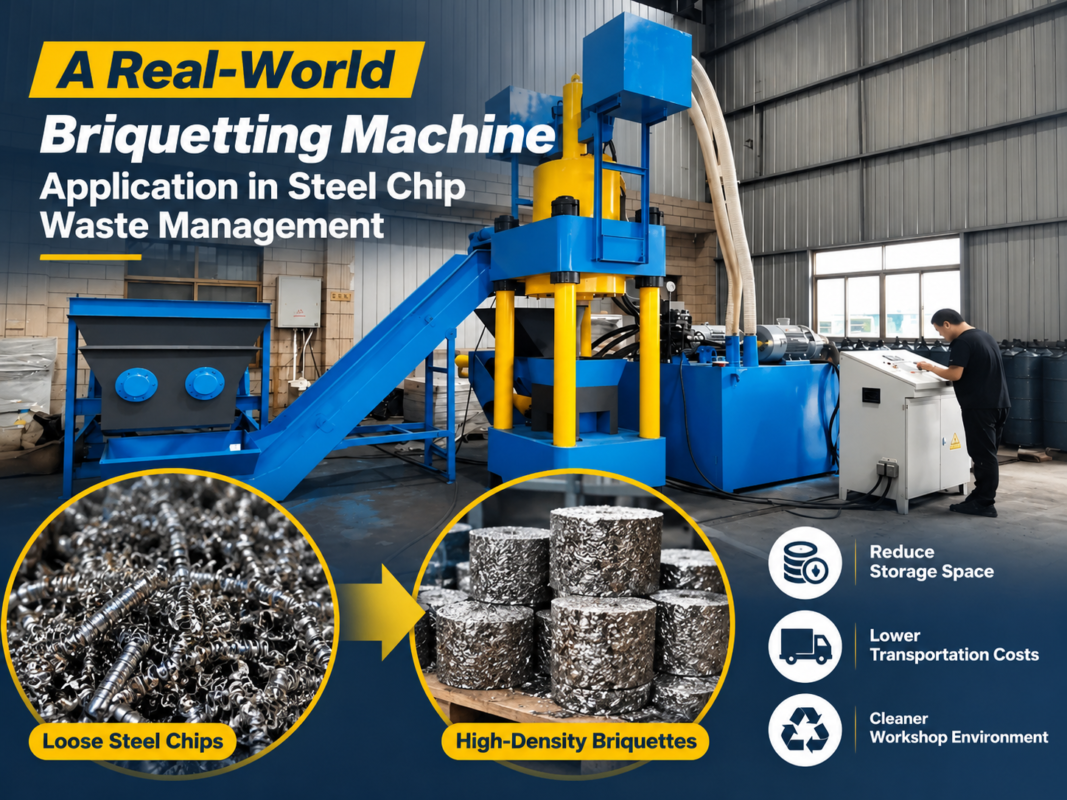
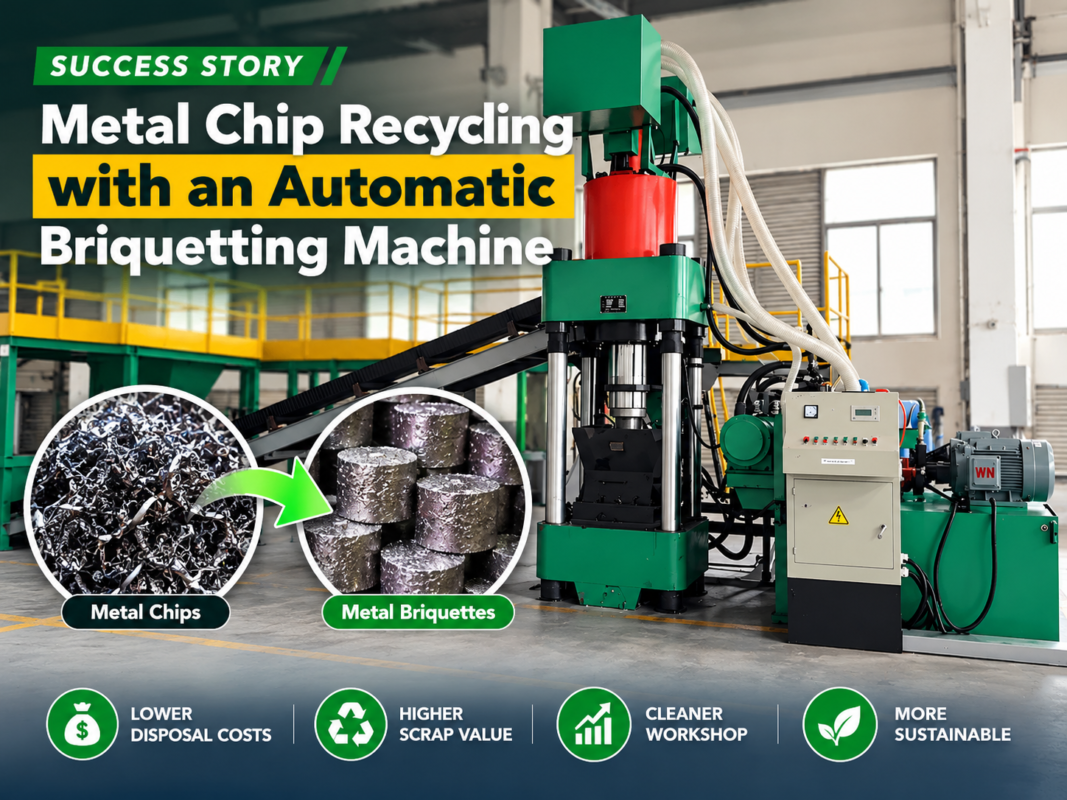
The core of the transformation from loose turnings to dense briquettes: a factory case study lies in the hydraulic compression technology. A HARSLE briquetting machine utilizes a powerful hydraulic cylinder to exert immense pressure on the loose material within a hardened steel die. This pressure forces the metal particles to bond together, creating a solid, uniform briquette without the need for chemical binders or adhesives. The process is entirely mechanical, relying on the physical properties of the metal to achieve cohesion.
The machine cycle begins with the feeding of loose turnings into a hopper. An integrated agitator or screw conveyor ensures a consistent flow of material into the compression chamber. Once the chamber is filled, the main ram descends, compressing the material into a dense block. The pressure is held for a predetermined duration to ensure the briquette maintains its structural integrity. Once the cycle is complete, the briquette is ejected, and the process repeats automatically.
Fluid management is a critical technical feature of HARSLE equipment. As the material is compressed, the trapped coolants and oils are squeezed out through specialized drainage ports in the die. These fluids are collected in a sump, filtered, and returned to the production line. This closed-loop system is essential for factories looking to minimize their environmental impact and reduce the purchase of new cutting fluids. The design of the drainage system is optimized to prevent clogging, even when dealing with fine metal dust or small chips.
Durability is paramount in industrial machinery. HARSLE briquetting machines are constructed with heavy-duty frames and wear-resistant components. The die and ram are typically made from high-grade tool steel, heat-treated to withstand the abrasive nature of metal chips. Maintenance is simplified through modular design, allowing for quick inspection and replacement of wear parts. This technical robustness ensures that the machine can operate continuously in demanding factory environments, providing a reliable solution for long-term scrap management.
Selection Advice: Choosing the Right Briquetting Machine
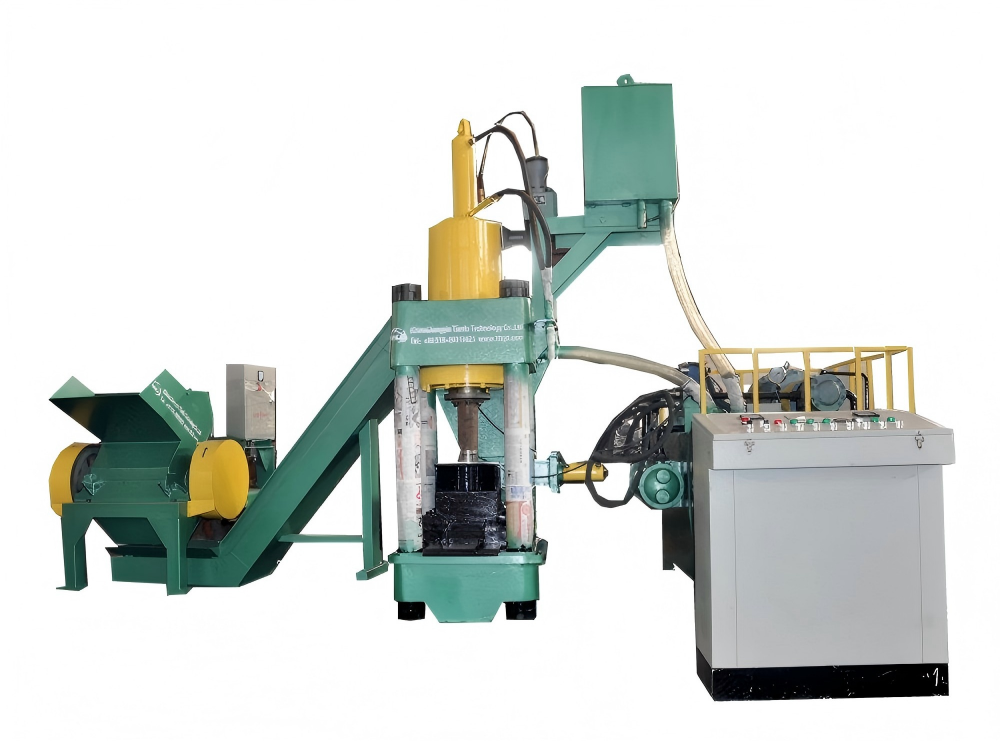
Selecting the appropriate briquetting machine requires a thorough analysis of your factory’s output. The first step is to categorize the metal types you process. Different metals have different compression ratios and hardness levels. For instance, aluminum is relatively easy to compress, while stainless steel requires significantly higher pressure. HARSLE offers a range of models with varying tonnage capacities to ensure that the machine is neither underpowered nor unnecessarily oversized for the task.
Consider the throughput requirements of your facility. If your factory operates on a 24/7 basis, you will need a machine with a high-duty cycle and an automated feeding system. Conversely, a smaller shop may benefit from a more compact, semi-automatic unit. It is essential to calculate the daily volume of scrap generated to determine the necessary hourly capacity of the briquetting press. HARSLE’s technical team provides capacity planning services to help clients right-size their equipment.
Integration with existing infrastructure is another key factor. Does your factory use a centralized chip conveyor system? If so, the briquetting machine should be compatible with your existing material handling equipment. HARSLE offers customizable feed hoppers and discharge conveyors to ensure seamless integration. Additionally, consider the space available on the factory floor. While briquetting machines are compact, they require adequate clearance for maintenance and material loading/unloading.
Finally, look for a manufacturer that provides comprehensive support and training. A briquetting machine is a significant investment, and its success depends on proper operation and maintenance. HARSLE provides detailed manuals, operator training, and responsive technical support to ensure that your team can maximize the machine’s performance. When evaluating potential suppliers, prioritize those with a proven track record in the metal fabrication industry and a commitment to long-term partnership.
FAQ: Common Questions About Briquetting
What types of metal can be briquetted?
HARSLE briquetting machines are capable of processing a wide variety of metals, including aluminum, steel, cast iron, copper, brass, and titanium. The key is to match the machine’s pressure capacity to the hardness and density of the specific metal being processed.
How much space do briquettes save compared to loose turnings?
On average, briquetting can reduce the volume of loose turnings by 80% to 90%. This drastic reduction significantly lowers storage requirements and transportation costs, as you are shipping dense metal rather than bulky, air-filled scrap.
Can I recover cutting fluids from the briquetting process?
Yes, fluid recovery is a major advantage of HARSLE briquetting machines. The compression process forces out the coolants and oils, which are then collected, filtered, and can be reused in your machining processes, leading to substantial cost savings.
Is the briquetting process difficult to maintain?
HARSLE machines are designed for industrial reliability. While regular maintenance—such as checking hydraulic fluid levels, cleaning filters, and inspecting the die for wear—is necessary, the modular design makes these tasks straightforward and efficient for maintenance teams.
How long does it take to see a return on investment?
ROI varies based on the volume of scrap, the type of metal, and the cost of waste disposal in your region. Many HARSLE clients report a full return on investment within 12 to 24 months, driven by higher scrap resale prices, reduced disposal fees, and recovered cutting fluids.
Conclusion: Transforming Waste into Value
The journey from loose turnings to dense briquettes: a factory case study demonstrates that waste management is a critical component of modern industrial success. By moving away from inefficient, traditional scrap handling methods, manufacturers can unlock hidden value, improve operational safety, and contribute to a more sustainable manufacturing ecosystem. HARSLE’s commitment to engineering excellence ensures that our briquetting solutions provide the reliability and performance necessary to thrive in today’s competitive market.
Implementing a briquetting system is more than just a purchase; it is a strategic decision to optimize your production line. As demonstrated in our case study, the benefits extend far beyond simple volume reduction. From the recovery of expensive coolants to the increased marketability of your scrap metal, the advantages are clear and measurable. As the industry continues to prioritize efficiency and environmental responsibility, briquetting technology will undoubtedly become a standard feature in high-performance fabrication facilities.
We invite you to evaluate your current scrap management practices and consider the potential for improvement. Whether you are a small machine shop or a large-scale automotive manufacturer, HARSLE has the expertise and the equipment to help you achieve your goals. Let us help you turn your loose turnings into a valuable asset, ensuring that your factory remains at the forefront of efficiency and innovation. Contact HARSLE today to discuss your specific requirements and start your own success story.