How a Briquetting Machine Helped a Precision Parts Manufacturer Improve Waste Management

Introduction
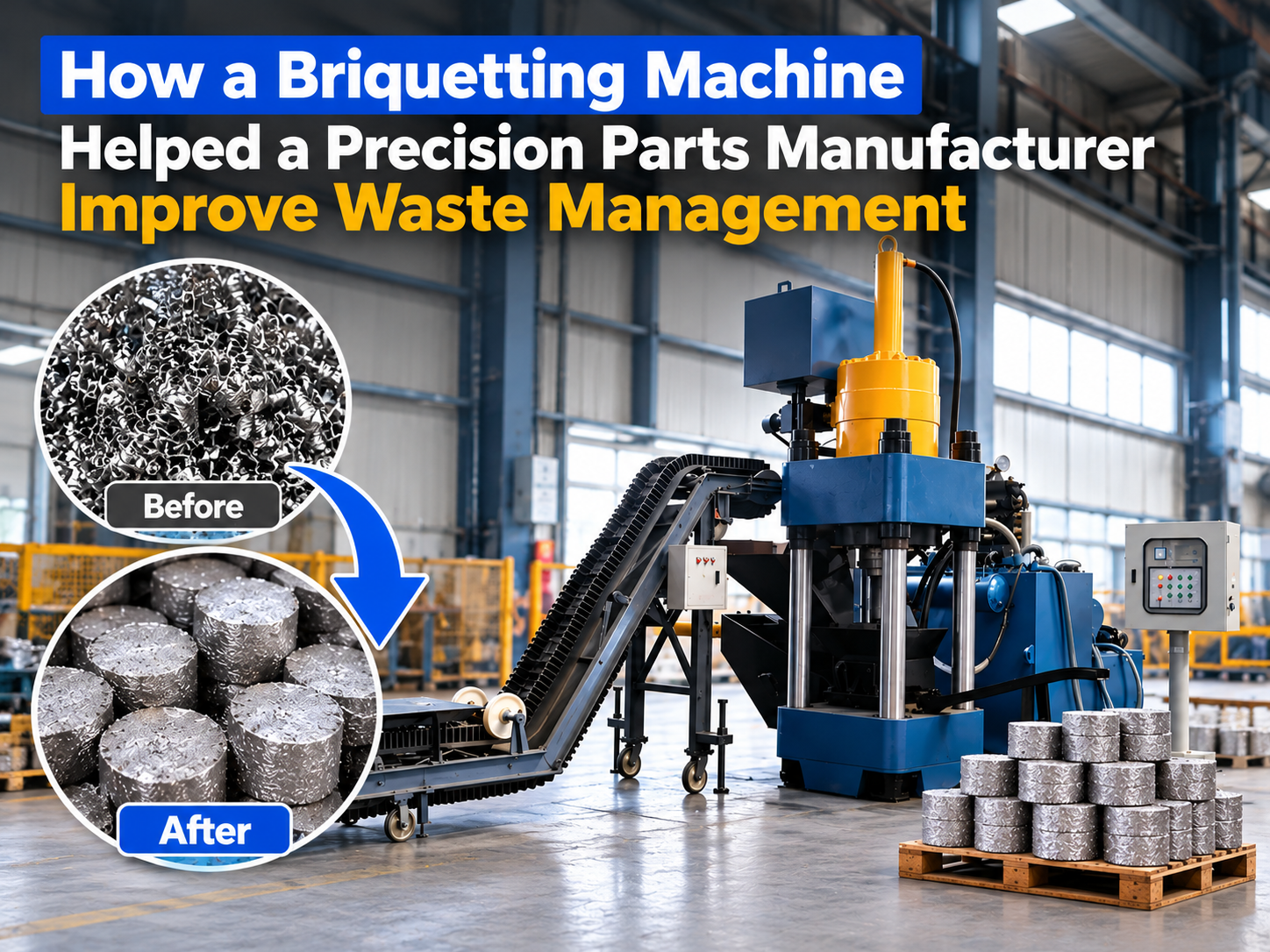
In the competitive landscape of precision parts manufacturing, the efficiency of the production line is often measured by output speed and tolerance accuracy. However, a silent profit killer often lurks in the workshop: metal waste. For many facilities, the accumulation of metal chips, turnings, and shavings represents a logistical nightmare and a significant financial drain. This article explores how A Briquetting Machine Helped A Precision Parts Manufacturer Improve Waste Management, transforming a burdensome byproduct into a streamlined revenue stream.
HARSLE has observed that many manufacturers treat metal scrap as a necessary evil, paying for its removal or selling it at low prices due to its high volume and low density. By implementing a high-performance briquetting machine, these manufacturers can compress loose, oily metal chips into dense, manageable pucks. This process not only saves space but also recovers expensive cutting fluids, drastically reducing overhead costs.
This case study examines the operational shift experienced by a mid-sized precision components manufacturer. Facing rising disposal costs and environmental compliance pressures, they integrated HARSLE briquetting technology. The results were immediate: reduced storage footprints, higher scrap value, and a cleaner, safer shop floor. Understanding this transition provides a roadmap for other industrial players to optimize their waste management strategies.
As we delve into the technical and operational benefits, it becomes clear that briquetting is not merely a waste disposal method; it is a strategic investment in circular manufacturing. By converting waste into a high-value commodity, companies can improve their bottom line while simultaneously reducing their environmental footprint, aligning with modern sustainability goals.
Key Considerations for Waste Management in Precision Manufacturing
The primary challenge for any precision parts manufacturer is the sheer volume of metal swarf generated during CNC machining, milling, and turning processes. Loose chips occupy significant floor space, creating a cluttered environment that hinders workflow and poses safety risks. When chips are left loose, they are often contaminated with coolant, making them difficult to handle and reducing their market value at scrap yards.
Logistics and transportation costs are another critical consideration. Because loose metal chips have a low bulk density, shipping them to a recycling facility is inefficient. Manufacturers often find themselves paying for the transport of “air”—the empty space between the chips. By compressing these materials into dense briquettes, the volume is reduced by up to 90%, allowing for more efficient transport and lower logistics expenses.
Environmental compliance and hazardous waste regulations are increasingly stringent. Metal chips saturated with cutting oil are classified as industrial waste that requires specialized handling. If not managed correctly, oil leakage can lead to soil and water contamination, resulting in heavy fines. A briquetting machine allows for the separation of oil from the metal, enabling the recovery and reuse of expensive coolants, which directly impacts the facility’s environmental impact score.
Finally, the human element cannot be ignored. A shop floor filled with loose, sharp metal chips is a high-risk environment for employees. Slips, trips, and lacerations are common in facilities that lack proper waste management protocols. Implementing a briquetting system automates the handling of these hazardous materials, significantly improving workplace safety and allowing staff to focus on high-value production tasks rather than manual waste cleanup.
Technical Details: How Briquetting Technology Works
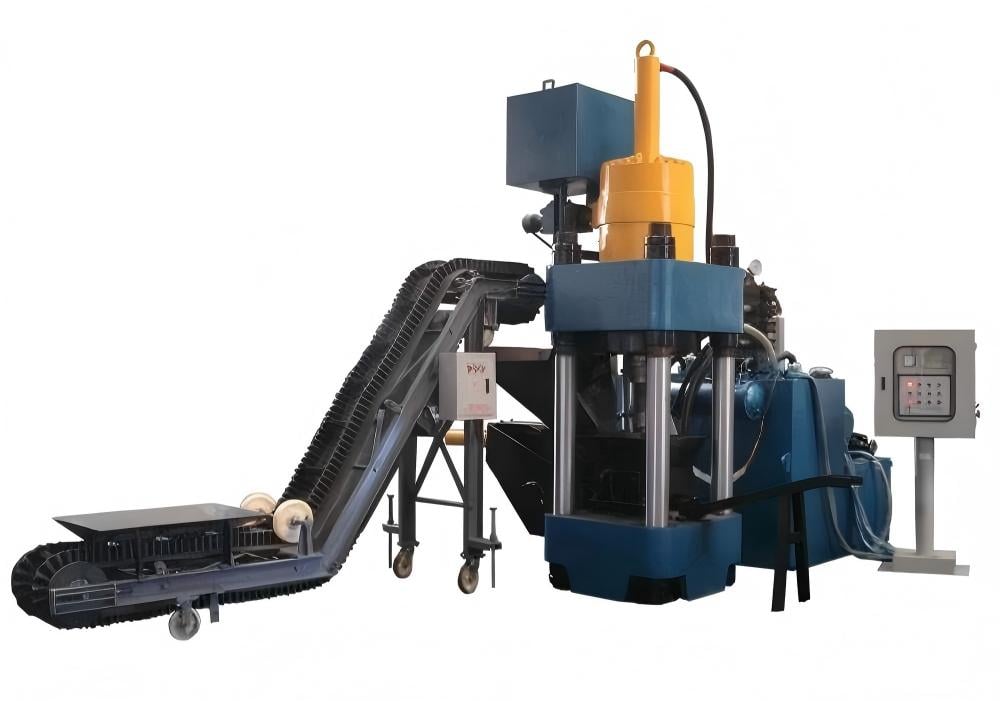
At its core, a briquetting machine utilizes high-pressure hydraulic force to compress loose metal chips into solid, uniform briquettes. The process begins with the collection of metal swarf, which is fed into a hopper. From there, the material is moved into a compression chamber where a hydraulic ram exerts immense pressure, forcing the metal particles to bond together without the need for binders or adhesives.
The technical superiority of a HARSLE briquetting machine lies in its ability to handle various metal types, including aluminum, steel, copper, and brass. The machine’s control system allows operators to adjust the pressure levels based on the material’s density and the desired briquette size. This versatility is crucial for precision manufacturers who may switch between different alloys depending on client requirements.
One of the most significant technical advantages is the integrated coolant recovery system. During the compression phase, the high pressure forces the cutting fluid out of the metal chips. This fluid is then collected, filtered, and returned to the machine’s reservoir for reuse. This closed-loop system can recover up to 95% of the cutting oil, which is a substantial cost saving for any precision machining facility.
The structural integrity of the briquettes is also a key technical feature. A well-formed briquette is dense enough to be handled, stored, and transported without crumbling. This density makes the material highly desirable to foundries and smelters, as it can be fed directly into furnaces with minimal oxidation loss. Consequently, manufacturers can command a higher price for their scrap compared to loose, contaminated chips.
Selection Advice: Choosing the Right Briquetting Machine
When selecting a briquetting machine, the first factor to consider is the throughput capacity required by your facility. You must analyze the volume of metal chips generated per shift. HARSLE offers a range of models, from compact units for smaller workshops to high-capacity industrial presses for large-scale manufacturing plants. Choosing a machine that matches your output ensures optimal efficiency without over-investing in unnecessary capacity.
Material compatibility is equally important. While most briquetting machines can handle a variety of metals, the specific physical properties of your scrap—such as chip size and hardness—will dictate the necessary hydraulic force. For instance, steel chips require significantly higher pressure to form a solid briquette compared to aluminum. Always consult with HARSLE engineers to ensure the machine’s specifications align with your specific material profile.
Consider the footprint and integration capabilities of the equipment. A briquetting machine should ideally be placed as close to the source of the waste as possible to minimize manual handling. Look for machines that offer modular designs or conveyor integration, allowing for an automated workflow where chips are moved directly from the CNC machine to the briquetting press without human intervention.
Maintenance and support are the final, yet most critical, selection criteria. Industrial machinery requires regular servicing to maintain peak performance. HARSLE provides comprehensive documentation, spare parts availability, and technical support to ensure that your investment remains operational for years. When evaluating suppliers, prioritize those who offer robust after-sales support and training for your maintenance team.
Operational Benefits: A Case Study Perspective
In the case of the precision parts manufacturer mentioned earlier, the transition to briquetting was transformative. Before the installation, the company spent thousands of dollars monthly on waste disposal fees and coolant replenishment. By installing a HARSLE briquetting machine, they effectively turned their waste management department into a profit center.
The manufacturer reported that within the first six months, the cost of coolant purchases dropped by 40%. Because the briquetting machine recovered the oil that was previously being discarded with the scrap, the company no longer needed to purchase as much fresh fluid. This reduction in chemical consumption also had a positive impact on their environmental compliance reporting, helping them meet sustainability targets set by their clients.
Furthermore, the scrap value of the metal increased significantly. Foundries prefer clean, dense briquettes because they are easier to melt and have a lower surface-area-to-volume ratio, which reduces oxidation during the melting process. By selling their scrap as high-quality briquettes rather than low-grade loose chips, the manufacturer saw a 25% increase in revenue from their scrap sales.
Finally, the shop floor transformation was profound. The removal of large, messy chip bins created more space for additional production machinery. The environment became cleaner, safer, and more organized, which boosted employee morale and productivity. The success of this manufacturer serves as a powerful testament to how a briquetting machine helped a precision parts manufacturer improve waste management and overall operational excellence.
FAQ: Frequently Asked Questions
1. How much space does a briquetting machine require?
HARSLE offers various sizes of briquetting machines. While some industrial units require a dedicated area, many compact models are designed to fit seamlessly into existing production lines, often occupying less than 2-3 square meters.
2. Can a briquetting machine handle mixed metal chips?
While it is possible, it is generally recommended to separate metals before briquetting. Mixing metals can lower the value of the final briquette. Most manufacturers use separate bins or automated sorting systems to keep material streams pure.
3. How often does the machine require maintenance?
Regular maintenance, such as checking hydraulic fluid levels, cleaning filters, and inspecting wear parts, is essential. HARSLE provides a detailed maintenance schedule with every machine to ensure longevity and consistent performance.
4. Does the briquetting process affect the quality of the metal?
No, the process is purely mechanical. It uses pressure to compress the material, meaning the chemical composition of the metal remains unchanged, making it perfectly suitable for high-quality recycling.
5. Is the coolant recovery system effective for all types of fluids?
The system is highly effective for most standard water-soluble and oil-based cutting fluids. However, it is best to discuss your specific coolant type with our technical team to ensure optimal filtration performance.
Wniosek
The journey of the precision parts manufacturer highlights a critical lesson for the modern industrial sector: waste is only waste if you choose to treat it as such. By integrating a HARSLE briquetting machine, companies can reclaim valuable resources, reduce operational costs, and create a safer, more efficient work environment. The evidence is clear—A Briquetting Machine Helped A Precision Parts Manufacturer Improve Waste Management by turning a logistical burden into a tangible asset.
Investing in briquetting technology is a forward-thinking move that aligns with the principles of the circular economy. As raw material costs continue to fluctuate and environmental regulations become more stringent, the ability to recycle in-house will become a significant competitive advantage. HARSLE remains committed to providing the robust, high-performance machinery necessary to help manufacturers achieve these goals.
If you are looking to optimize your production facility, reduce your environmental footprint, and increase your profitability, now is the time to consider a briquetting solution. Contact the HARSLE team today to discuss your specific requirements and learn how we can help you transform your waste management strategy into a cornerstone of your operational success.