Case Study: Converting Loose Metal Chips into Dense Briquettes for Easier Transport

Introduction
In the modern metal fabrication industry, the management of byproduct waste is often overlooked until it becomes a significant operational bottleneck. For many workshops, the accumulation of loose metal chips, turnings, and shavings represents not just a disposal challenge, but a massive loss in potential revenue and logistics efficiency. This article explores a comprehensive Case Study: Converting Loose Metal Chips Into Dense Briquettes For Easier Transport, highlighting how HARSLE technology transforms industrial waste into a high-value commodity.
When metal chips are left in their loose, voluminous state, they occupy excessive floor space, complicate storage, and lead to exorbitant transportation costs. Furthermore, loose chips are often saturated with cutting fluids and oils, which pose environmental risks and regulatory compliance hurdles. By implementing a high-performance Briquetting Machine, manufacturers can compress these materials into dense, manageable pucks, effectively solving the logistical nightmare of bulk waste handling.
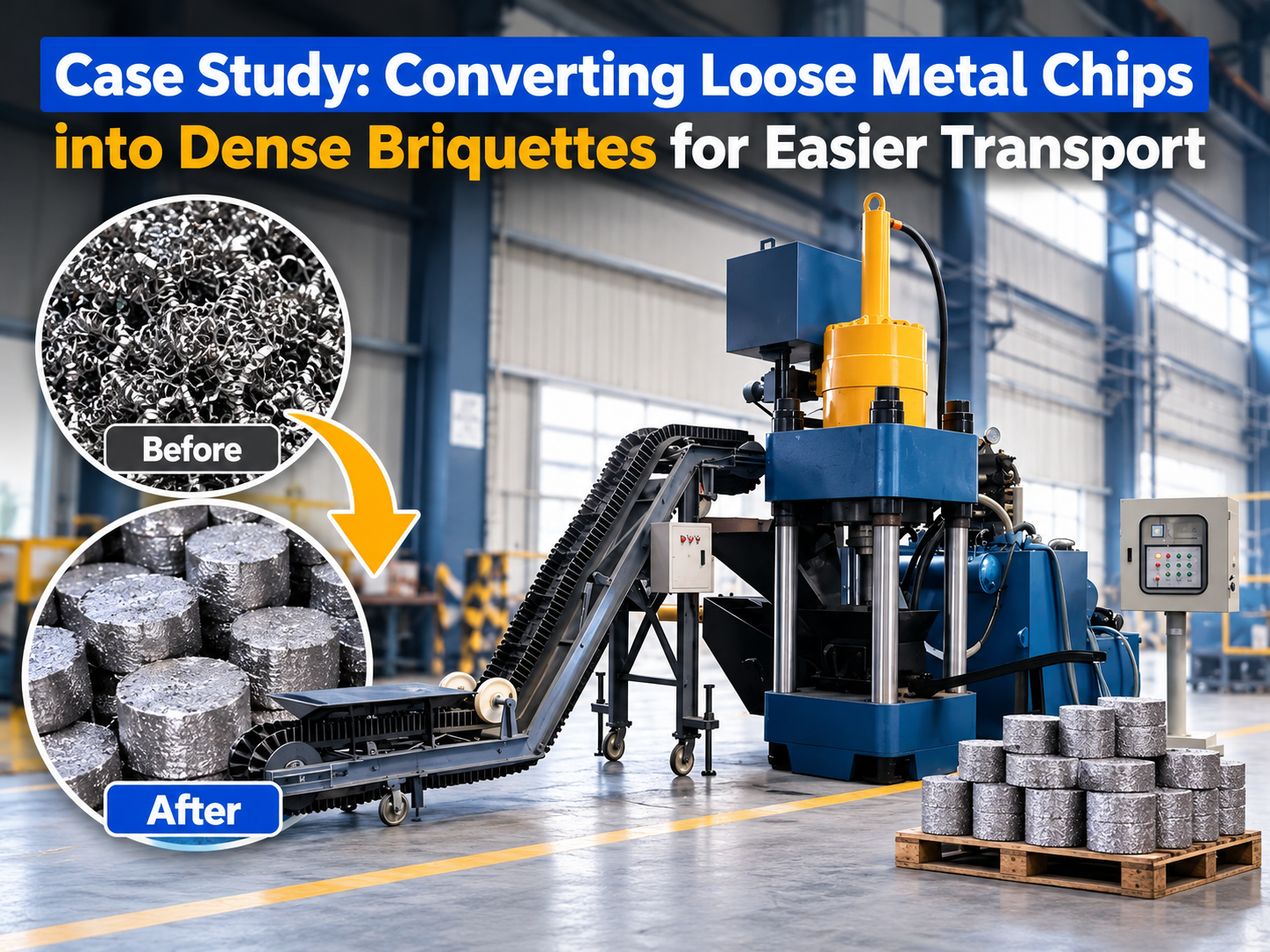
This case study examines a mid-sized automotive components manufacturer that struggled with the sheer volume of aluminum and steel scrap generated by their CNC machining centers. By integrating a HARSLE hydraulic briquetting system, the facility was able to reduce their waste volume by up to 90%. This shift not only streamlined their internal logistics but also significantly improved their bottom line through higher scrap resale values and reduced fluid disposal costs.
Throughout this guide, we will delve into the technical mechanics of the process, the economic justifications for investing in such equipment, and the critical selection criteria for choosing the right machinery for your specific fabrication environment. Whether you are dealing with ferrous or non-ferrous metals, understanding the transition from loose chips to dense briquettes is essential for any competitive metal fabrication facility.
Key Considerations for Waste Management
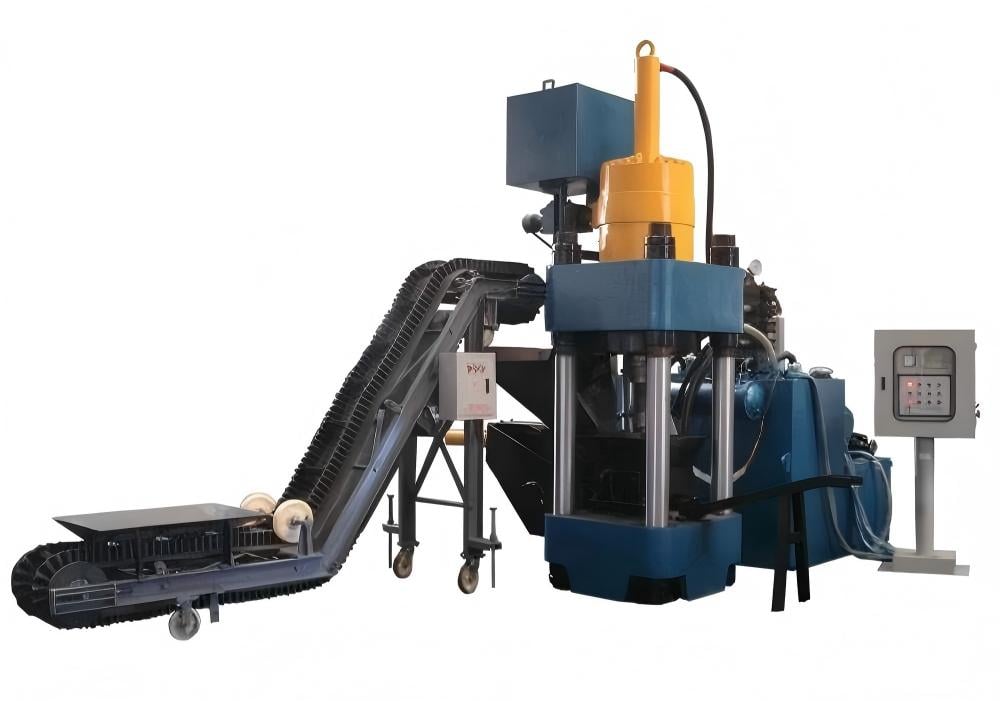
The primary driver for adopting a briquetting solution is the optimization of logistics. Loose metal chips have a very low bulk density, meaning that a standard shipping container or truck is often ‘full’ by volume long before it reaches its weight capacity. This inefficiency forces companies to pay for the transport of air, which is a direct drain on profitability. By converting these chips into dense briquettes, the density of the material increases dramatically, allowing for maximum weight utilization of transport vehicles.
Environmental compliance and fluid recovery represent the second major consideration. Metal chips are typically coated in expensive coolants and cutting oils. When stored loose, these fluids drip onto the factory floor, creating safety hazards and potential environmental liabilities. A high-quality Briquetting Machine acts as a fluid recovery system, pressing the oil out of the chips during the compaction process. This recovered fluid can be filtered and reused, significantly reducing the procurement costs of new cutting fluids.
Space management is another critical factor. In a high-output fabrication shop, floor space is a premium asset. Loose chips require large, bulky hoppers or bins that clutter the production floor and impede the flow of materials. Briquettes, by contrast, can be stacked neatly on pallets or stored in compact containers. This reorganization of the shop floor leads to better workflow, improved safety, and a more professional appearance for visiting clients or auditors.
Finally, the market value of the scrap itself must be considered. Foundries and smelters prefer dense, clean briquettes over loose, contaminated chips. Briquettes are easier to melt, have a lower oxidation rate during the smelting process, and are free from the impurities often found in loose scrap piles. By providing a superior product to the recycling market, manufacturers can command a premium price for their waste, turning a disposal cost into a reliable revenue stream.
Technical Details of the Briquetting Process
The technical core of the Case Study: Converting Loose Metal Chips Into Dense Briquettes Easier Transport lies in the hydraulic compaction cycle. HARSLE briquetting machines utilize high-pressure hydraulic cylinders to force loose material into a precision-engineered die. The process begins with the feeding of chips into a hopper, often equipped with an agitator to prevent bridging and ensure a consistent flow of material into the compression chamber.
Once the chamber is filled, the main ram descends, applying immense pressure—often exceeding 200 MPa—to the material. This pressure forces the individual metal particles to interlock, creating a solid briquette without the need for binders or adhesives. The structural integrity of the briquette is determined by the material type, the pressure applied, and the dwell time of the ram. For materials like aluminum, which are more malleable, the process is highly efficient, resulting in very dense, durable pucks.
Fluid separation is a critical technical feature of these machines. As the ram compresses the chips, the cutting fluid is squeezed out and channeled through specialized drainage ports in the die housing. This fluid is collected in a sump, where it can be pumped to a filtration system. This dual-action process—compaction and fluid recovery—is what makes the briquetting machine an essential piece of Urządzenia do obróbki metali for any shop that values efficiency and sustainability.
The control systems on modern HARSLE machines are fully automated, utilizing PLC (Programmable Logic Controller) technology to monitor pressure, cycle times, and material density. Sensors detect the presence of material, automatically initiating the cycle and stopping when the hopper is empty. This automation ensures that the machine can run unattended, integrating seamlessly into the production line of a CNC machining cell or a centralized scrap processing area.
Selection Advice for Your Facility
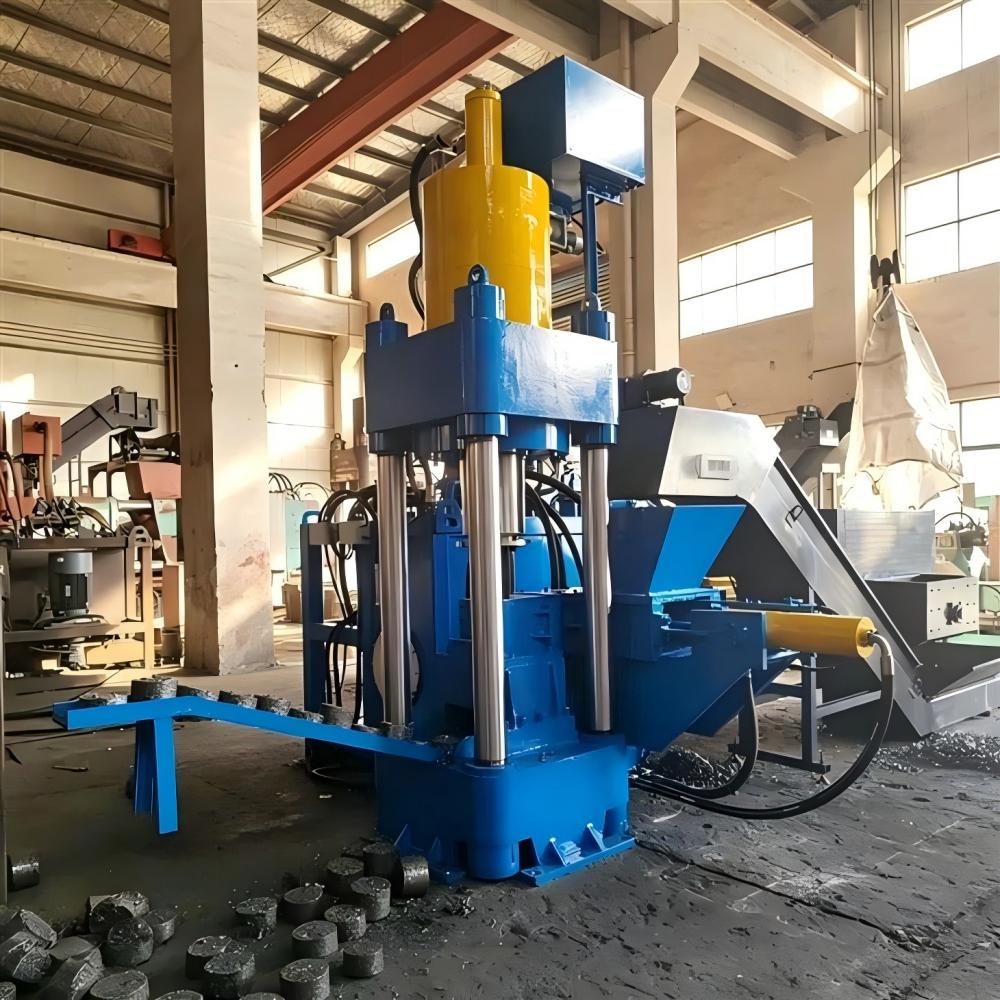
Choosing the right Briquetting Machine requires a thorough analysis of your specific waste stream. Not all chips are created equal; the morphology of the chip (long, stringy turnings versus short, granular chips) dictates the type of pre-processing required. For long, stringy turnings, a shredder or crusher is often necessary before the material enters the briquetting press to ensure uniform density and prevent jamming.
Capacity requirements are the next factor. You must calculate the total volume of scrap generated per shift. HARSLE offers a range of models, from compact units designed for individual machining cells to large-scale, high-throughput systems for centralized scrap yards. Selecting a machine that is too small will lead to bottlenecks, while an oversized machine represents unnecessary capital expenditure. It is recommended to size the machine based on peak production periods to ensure no backlog occurs.
Material compatibility is paramount. While most hydraulic presses can handle a variety of metals, the metallurgy of the briquettes matters if you intend to sell them back to specific foundries. If your shop processes multiple types of metals—such as steel, aluminum, and brass—you must ensure that the briquetting system is easy to clean between batches to prevent cross-contamination, which can significantly devalue your scrap.
Maintenance and support should never be an afterthought. Look for manufacturers that provide comprehensive documentation, readily available spare parts, and remote diagnostic capabilities. A Briquetting Machine is a heavy-duty piece of industrial machinery that will be subjected to high stress; therefore, the build quality, the robustness of the hydraulic seals, and the accessibility of the wear parts are the best indicators of long-term reliability and total cost of ownership.
FAQ: Common Questions About Briquetting
- Q: How much space can I save by briquetting?
A: Generally, you can expect a volume reduction of 80% to 90%. This allows you to store significantly more material in the same footprint. - Q: Can I mix different types of metal chips?
A: It is highly discouraged. Mixing metals (e.g., aluminum and steel) creates an alloy that is difficult to recycle and significantly reduces the market value of your scrap. - Q: Does the briquetting process remove all the oil?
A: While it removes a vast majority of the surface fluid, some residual moisture may remain. However, it is usually sufficient to meet the requirements of most scrap metal buyers. - Q: Is the machine difficult to operate?
A: HARSLE machines are designed with user-friendly PLC interfaces. Once the initial setup is complete, the operation is largely automated, requiring minimal operator intervention. - Q: What is the maintenance schedule for a briquetting press?
A: Regular maintenance includes checking hydraulic fluid levels, inspecting seals for leaks, and cleaning the die and ram assembly. A preventative maintenance schedule is provided with every HARSLE unit.
Wniosek
The transition from loose, unmanaged scrap to dense, high-value briquettes is a transformative step for any metal fabrication business. As demonstrated in this Case Study: Converting Loose Metal Chips Into Dense Briquettes For Easier Transport, the benefits extend far beyond simple waste disposal. By reducing transport costs, recovering valuable cutting fluids, and increasing the resale value of scrap, a HARSLE Briquetting Machine pays for itself through operational savings and improved efficiency.
In an era where sustainability and lean manufacturing are no longer optional, investing in the right Urządzenia do obróbki metali is critical. The ability to turn a waste stream into a revenue stream is the hallmark of a forward-thinking, competitive organization. By carefully evaluating your shop’s specific needs—considering volume, material type, and logistical constraints—you can select a briquetting solution that aligns with your long-term growth objectives.
HARSLE remains committed to providing the industrial sector with robust, reliable, and technologically advanced machinery. Our briquetting solutions are engineered to withstand the rigors of the factory floor while delivering consistent, high-density results. We invite you to analyze your current scrap management processes and consider the significant advantages that professional-grade briquetting can bring to your facility. For further guidance on selecting the right equipment, consult our comprehensive Przewodnik po maszynach przemysłowych or contact our technical support team to discuss your specific application requirements.
Ultimately, the goal is to create a cleaner, safer, and more profitable workspace. By eliminating the clutter of loose chips and optimizing your logistics, you are not just managing waste—you are optimizing your entire production cycle. Take the step toward smarter manufacturing today and see how HARSLE can help you turn your metal chips into a valuable asset.