Affordable Vertical Baler Options for Recycling Centers and Manufacturers: A Comprehensive Guide

Price Range Overview
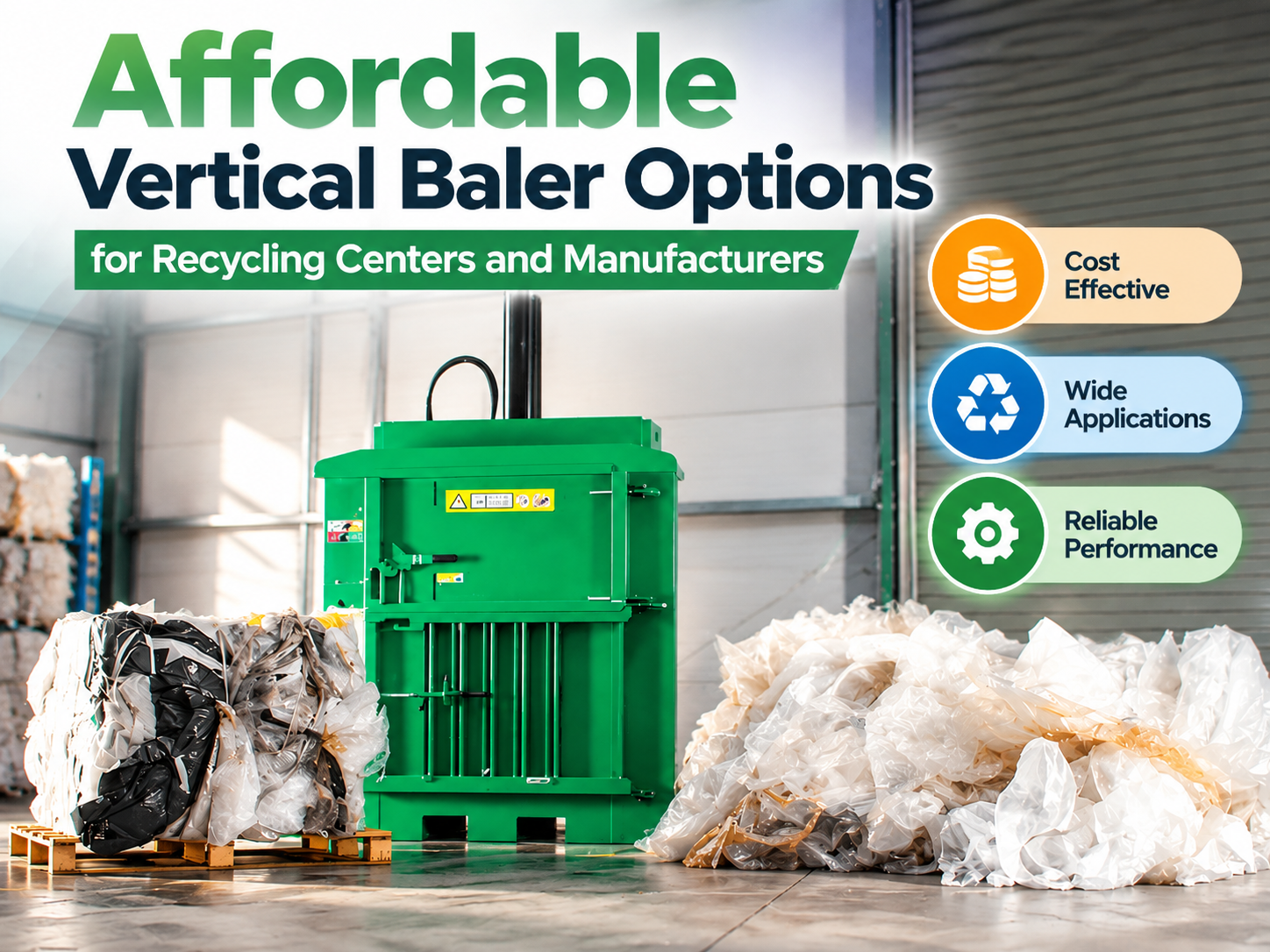
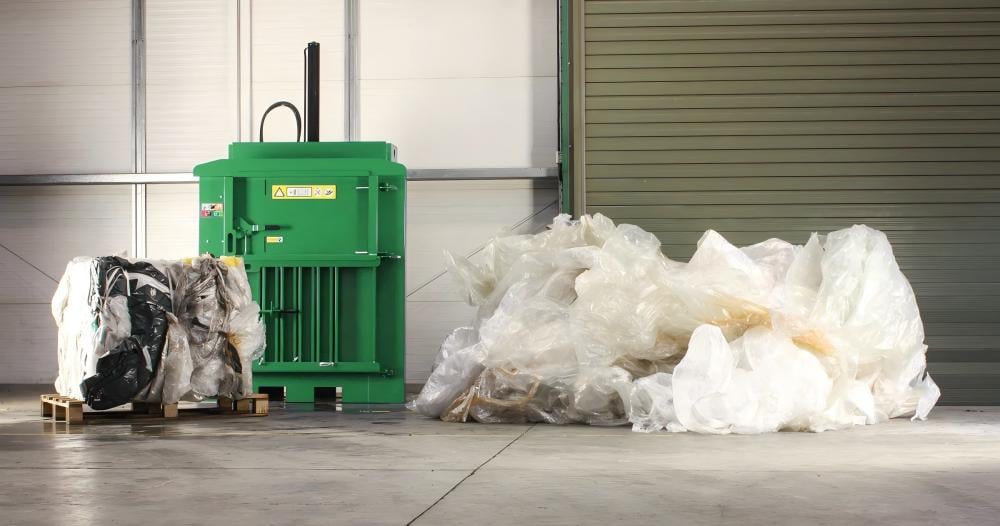
When searching for affordable vertical baler options for recycling centers and manufacturers, it is essential to understand the market landscape. Vertical balers are categorized by their force capacity, bale size, and automation level, which directly influence the initial investment. Entry-level machines, often used by small retail outlets or low-volume manufacturers, typically range from $4,000 to $8,000. These units are designed for light-duty cardboard and plastic film applications.
Mid-range vertical balers, which are the workhorses for most medium-sized recycling centers, generally fall between $9,000 and $18,000. These machines offer higher compaction ratios, more robust hydraulic systems, and safety features compliant with modern industrial standards. They are engineered for continuous operation and can handle a wider variety of materials, including aluminum cans and thin-gauge scrap metal.
High-capacity industrial vertical balers can exceed $20,000 to $35,000. While these represent a higher upfront cost, they are essential for high-volume manufacturers that need to process tons of waste daily. These machines often feature automated bale ejection, programmable logic controllers (PLCs), and reinforced structural steel frames to withstand the pressure of heavy-duty industrial waste.
It is important to note that “affordable” does not always mean the lowest price tag. For a recycling center, affordability is defined by the total cost of ownership over the machine’s lifespan. A cheaper machine that requires frequent repairs or has high energy consumption will ultimately cost more than a slightly more expensive, high-efficiency unit. HARSLE emphasizes value-driven engineering to ensure that our equipment provides a balance between initial cost and long-term durability.
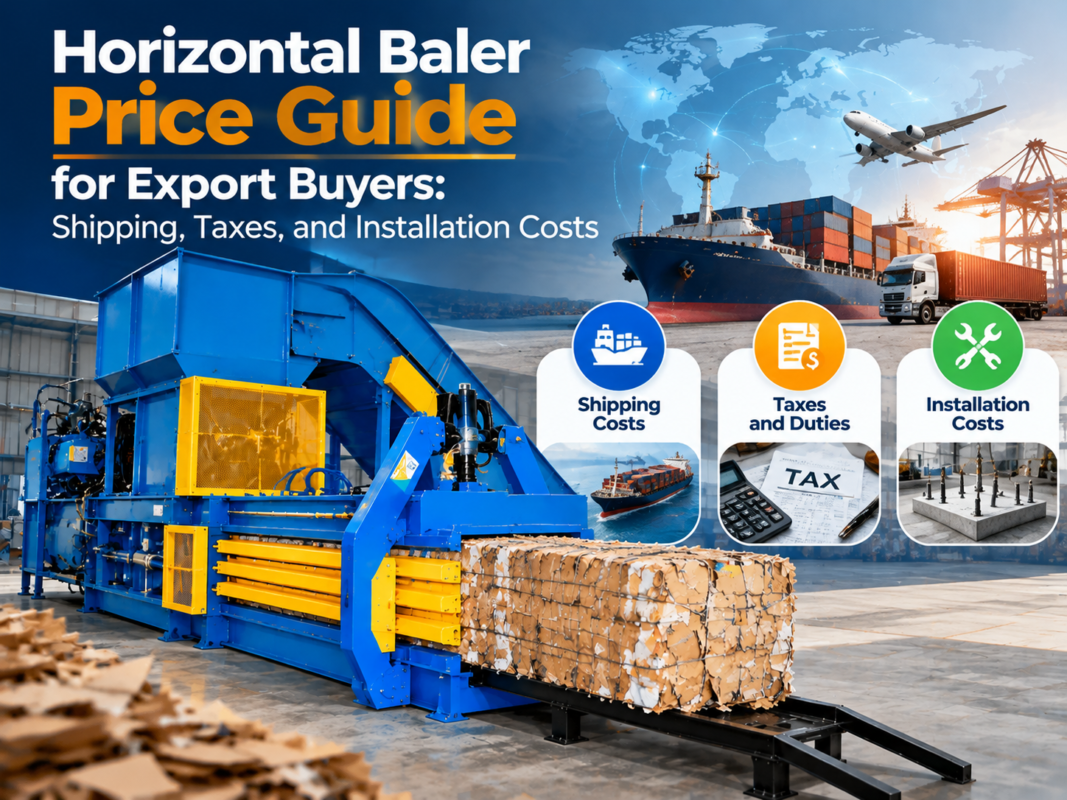
When budgeting, always account for shipping, installation, and site preparation. Many buyers overlook the cost of concrete pads or electrical upgrades required to support heavy-duty hydraulic systems. By planning for these peripheral costs, you can ensure that your investment remains within your financial projections while meeting your operational goals.
Main Cost Drivers
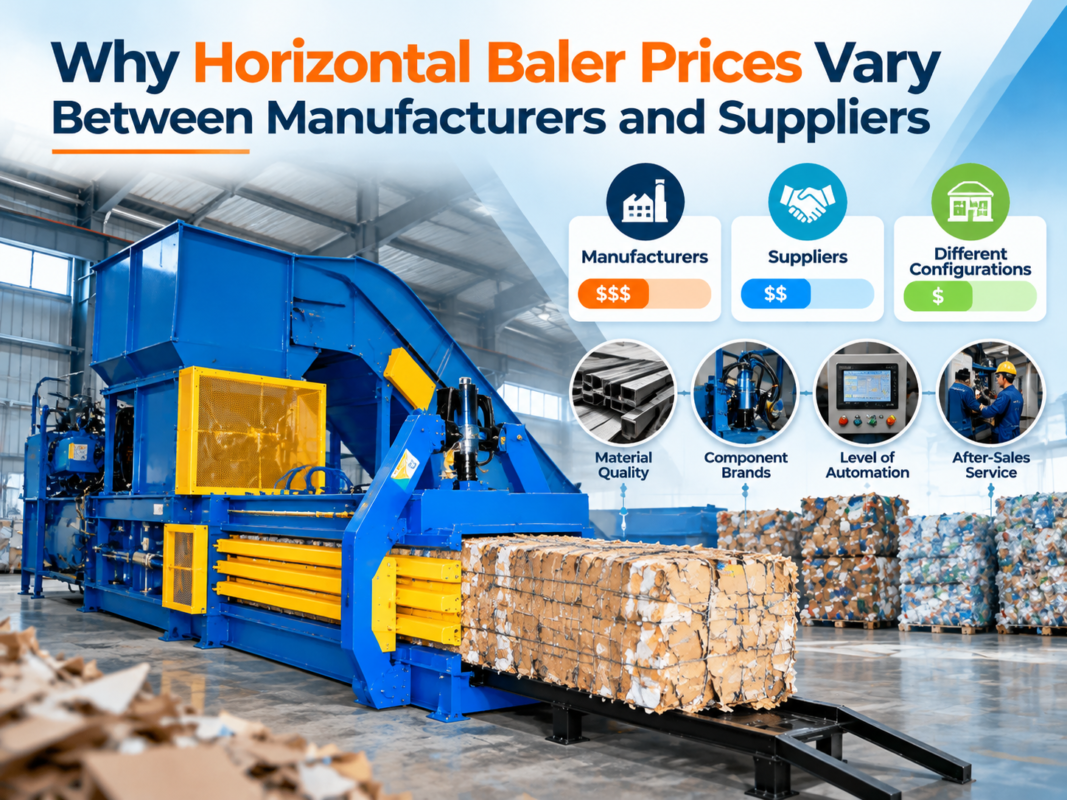
The primary cost driver for any vertical baler is the hydraulic system’s power. The motor size, measured in horsepower (HP), dictates how much force the ram can exert. A higher force capacity allows for denser bales, which reduces transportation costs—a critical factor for recycling centers that pay for shipping by the load rather than by weight. Investing in a more powerful motor often leads to significant savings in logistics.
Material construction is another significant factor. Affordable vertical baler options for recycling centers and manufacturers often utilize high-tensile steel for the chamber walls. Thinner steel may lower the price, but it is prone to bowing under the pressure of dense materials like scrap metal or high-density plastics. HARSLE utilizes reinforced structural designs that prevent deformation, ensuring the machine maintains its integrity over years of service.
Automation features significantly impact the price. Manual balers require the operator to tie off the bales and manually eject them, which is labor-intensive. Semi-automatic models include features like hydraulic bale ejection and automated door locking mechanisms. While these features increase the initial cost, they drastically reduce the time per bale, allowing for higher throughput and lower labor costs per unit of waste processed.
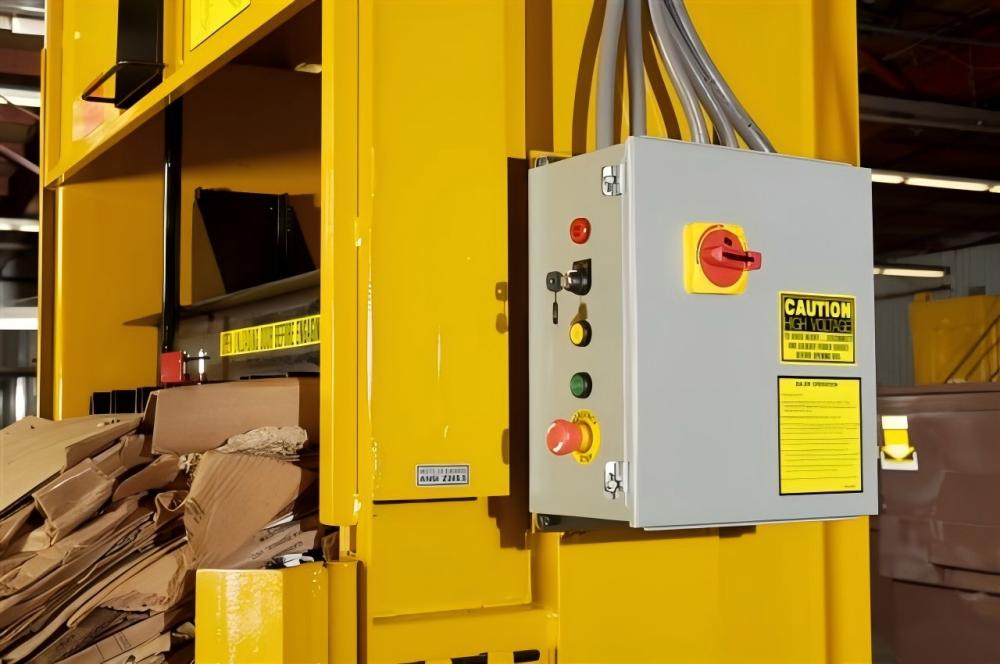
Safety compliance is non-negotiable and acts as a baseline cost driver. Modern vertical balers must include interlocked doors, emergency stop buttons, and pressure relief valves. Cheaper, non-compliant machines may seem like a bargain, but they pose significant liability risks and may not pass local industrial safety inspections. Always prioritize equipment that meets international safety standards to protect your workforce and your business.
Finally, brand reputation and support infrastructure play a role in the cost. A machine from a reputable manufacturer like HARSLE includes the value of technical support, readily available spare parts, and comprehensive warranties. When you purchase industrial machinery, you are paying for the peace of mind that comes with knowing your production line will not be stalled by a lack of parts or expertise.
Configuration Impact
The configuration of your vertical baler should be tailored to the specific material stream of your facility. For manufacturers dealing with cardboard, a standard chamber size is usually sufficient. However, if your facility processes bulky items like plastic drums or large metal scraps, you may require a wider feed opening or a deeper chamber. These custom configurations can increase the price but are necessary for operational efficiency.
Consider the bale size and weight requirements of your end-buyer. Recycling centers often have specific requirements for bale dimensions to fit into standard shipping containers or onto flatbed trucks. If your baler produces non-standard bale sizes, you may face difficulties selling your processed material. Ensuring your machine configuration aligns with market standards is a strategic move that enhances the marketability of your baled waste.
The type of door configuration—whether it is a slide-up, swing-out, or vertical-lift door—impacts the footprint of the machine. In tight manufacturing environments, a vertical-lift door is often preferred as it saves floor space. While this design is slightly more complex and may add to the cost, the space-saving benefits can be invaluable in crowded production facilities where every square foot of floor space is optimized for manufacturing.
Integration with existing waste management systems is another configuration consideration. Some facilities require conveyor belts to feed the baler, while others use manual loading or bin tippers. If your facility plans to automate the waste collection process, your baler must be configured with the appropriate sensors and control interfaces to communicate with the rest of the system. This level of integration is a hallmark of modern, efficient recycling centers.
Lastly, consider the power supply. While most standard balers run on 3-phase power, some smaller units can be configured for single-phase power. If your facility lacks 3-phase infrastructure, you will need to account for the cost of an electrical upgrade or choose a machine that fits your current power capacity. HARSLE offers various configurations to ensure that our balers fit seamlessly into your existing infrastructure.
Hidden Costs
When evaluating affordable vertical baler options for recycling centers and manufacturers, it is easy to focus solely on the purchase price. However, hidden costs can quickly erode your budget. Maintenance is the most significant long-term hidden cost. Hydraulic fluid changes, seal replacements, and structural inspections are necessary to keep the machine running. Choosing a machine with easily accessible components can significantly reduce labor costs during routine maintenance.
Energy consumption is another factor that is often overlooked. An inefficient motor or a poorly designed hydraulic system will consume more electricity over the life of the machine. Over several years, the difference in energy bills between a high-efficiency baler and a standard one can be substantial. Look for machines with energy-saving features like auto-shutoff timers that power down the motor when the machine is not in use.
Training costs should also be factored into your budget. Operating a vertical baler requires specific training to ensure safety and efficiency. If your staff is not properly trained, you risk machine damage, increased downtime, and potential workplace injuries. HARSLE provides comprehensive documentation and training resources to help your team operate the equipment safely and effectively from day one.
Consumables, such as baling wire or strapping, are a recurring expense. The type of wire required depends on the material being baled and the density of the bale. Some machines are designed to be more efficient with wire usage, which can save thousands of dollars annually for high-volume operations. When comparing machines, ask about the wire consumption per bale to get a clearer picture of the total operating cost.
Finally, consider the cost of downtime. If a critical component fails and the manufacturer does not have a local service network or a ready supply of spare parts, your operations could be halted for days or weeks. This loss of productivity is a hidden cost that can far exceed the initial price of the machine. Always prioritize manufacturers with a proven track record of reliability and responsive customer support.
ROI Calculation
Calculating the Return on Investment (ROI) for a vertical baler involves comparing the cost of the machine against the savings and revenue generated. The primary revenue stream is the sale of baled materials. Baled cardboard, plastic, and metal command a higher price per ton than loose, uncompacted waste. By baling your waste, you transform a disposal cost into a revenue-generating asset.
The second component of ROI is the reduction in waste disposal fees. Most waste management companies charge based on the number of pickups or the volume of the waste. By compacting your waste into dense bales, you significantly reduce the volume, which leads to fewer pickups and lower monthly disposal fees. For many manufacturers, the savings on waste hauling alone can pay for the baler within 18 to 24 months.
Labor savings also contribute to ROI. Manually handling loose waste is time-consuming and inefficient. A vertical baler streamlines the waste management process, allowing your employees to focus on core manufacturing tasks. When calculating ROI, factor in the reduction in man-hours spent managing waste, as this is a direct improvement to your bottom line.
To calculate your ROI, use the following formula: (Total Annual Savings + Total Annual Revenue) / Total Investment Cost. The “Total Annual Savings” includes reduced hauling fees and labor savings. The “Total Annual Revenue” is the income from selling baled materials. The “Total Investment Cost” includes the purchase price, shipping, installation, and training. A positive ROI within two years is generally considered excellent for industrial equipment.
Remember that the longevity of the machine also plays a role in ROI. A machine that lasts 10 years provides a much better return than one that needs to be replaced after 5 years. HARSLE’s commitment to quality ensures that our balers are built to last, providing a stable and reliable return on your investment for years to come.
Buying Advice
When you are ready to purchase, start by conducting a waste audit. Determine the volume and type of material you generate on a daily and weekly basis. This will help you select the right size and force capacity for your needs. Do not buy more machine than you need, but ensure you have enough capacity to handle peak production periods without overloading the system.
Request quotes from multiple suppliers, but be sure to compare “apples to apples.” Ensure that the quotes include the same features, warranty terms, and support services. If one quote is significantly lower than the others, investigate why. It may be missing critical safety features or using lower-quality components that will lead to higher maintenance costs later.
Ask for references from other recycling centers or manufacturers in your industry. Speaking with current users of the equipment can provide invaluable insights into the machine’s reliability, ease of use, and the manufacturer’s support quality. A reputable company like HARSLE will be happy to provide case studies or connect you with satisfied customers.
Consider the warranty and service agreement. A comprehensive warranty that covers both parts and labor is a sign of a manufacturer’s confidence in their product. Additionally, inquire about the availability of spare parts. You want to ensure that if a part breaks, you can get a replacement quickly to minimize downtime.
Finally, trust your gut and your research. If a deal seems too good to be true, it probably is. Invest in a machine that aligns with your long-term business goals and provides the reliability your facility requires. By following these steps, you can confidently select the best affordable vertical baler for your recycling center or manufacturing plant.
FAQ
- What is the difference between a vertical and horizontal baler? Vertical balers are ideal for small to medium volumes and take up less floor space. Horizontal balers are designed for high-volume, continuous operations and are typically automated.
- How much space do I need for a vertical baler? Most vertical balers require a footprint of about 6 to 10 square feet, plus additional space for loading and bale removal. Always check the specific dimensions of the model you are considering.
- Can a vertical baler handle all types of materials? While most are designed for cardboard and plastic, some heavy-duty models can handle aluminum, light scrap metal, and textiles. Always verify the material compatibility with the manufacturer.
- How often does a vertical baler need maintenance? Routine maintenance should be performed every 3 to 6 months, depending on usage. This includes checking hydraulic levels, inspecting hoses, and cleaning the chamber.
- Is it better to buy new or used? Buying new offers the benefit of a warranty, the latest safety features, and guaranteed performance. Used equipment can be cheaper but carries the risk of hidden mechanical issues and lack of support.
- How do I know which force capacity I need? The required force depends on the material density and the desired bale weight. A HARSLE representative can help you calculate the necessary tonnage based on your specific waste stream.