Case Study: Briquetting Machine Improves Chip Recycling Efficiency In An Automotive Plant

Introduction
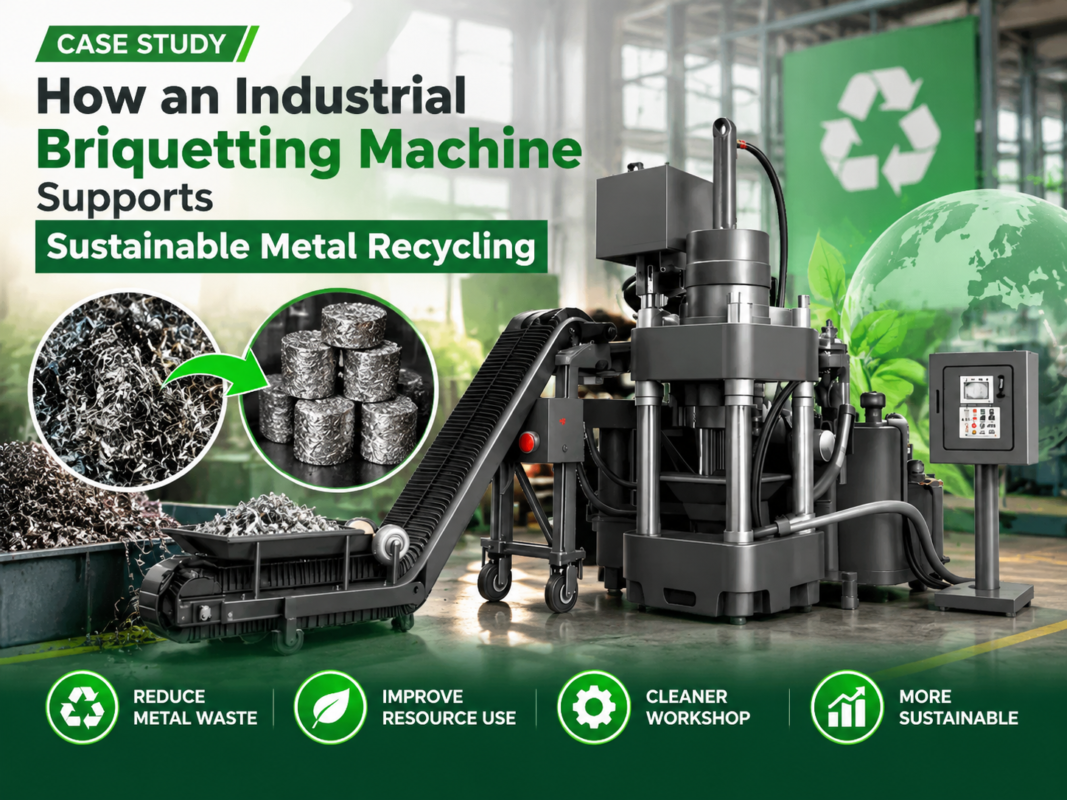
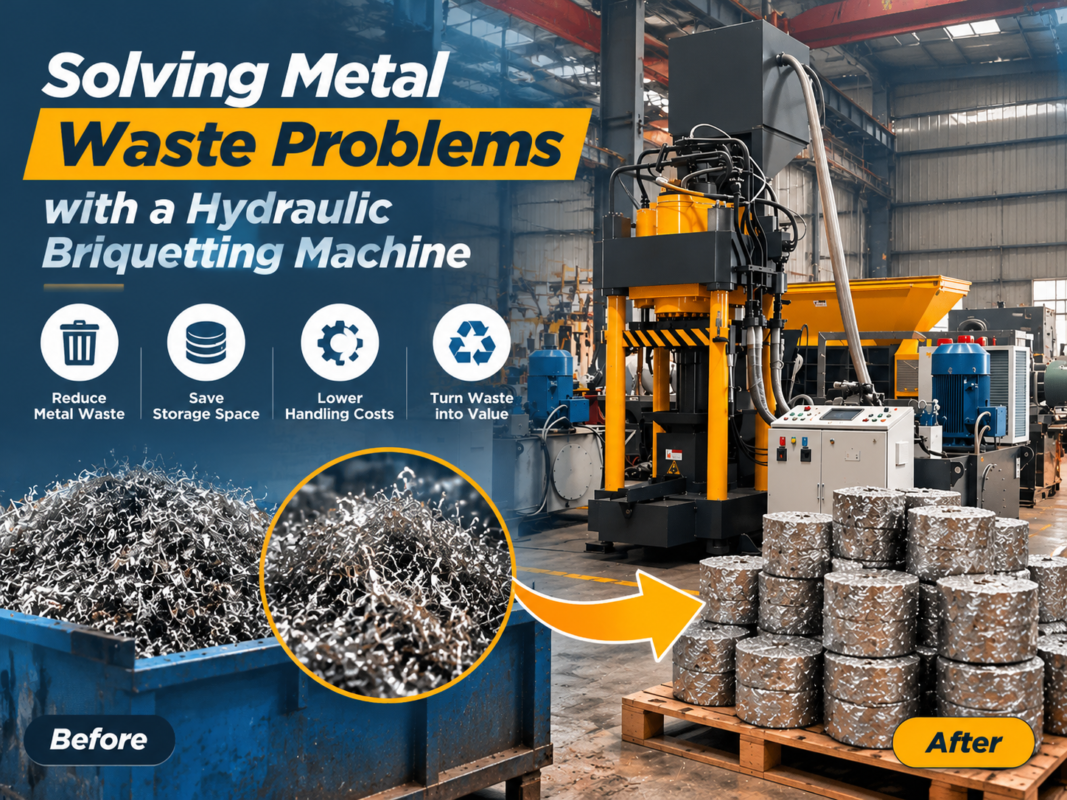
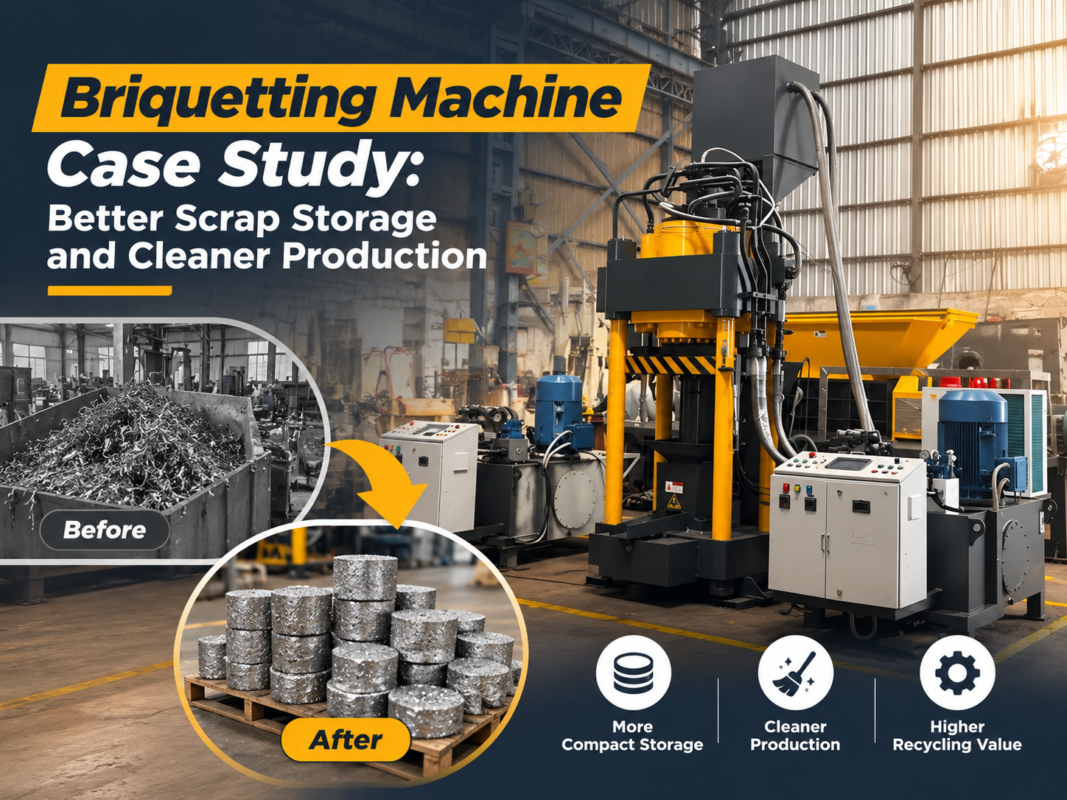
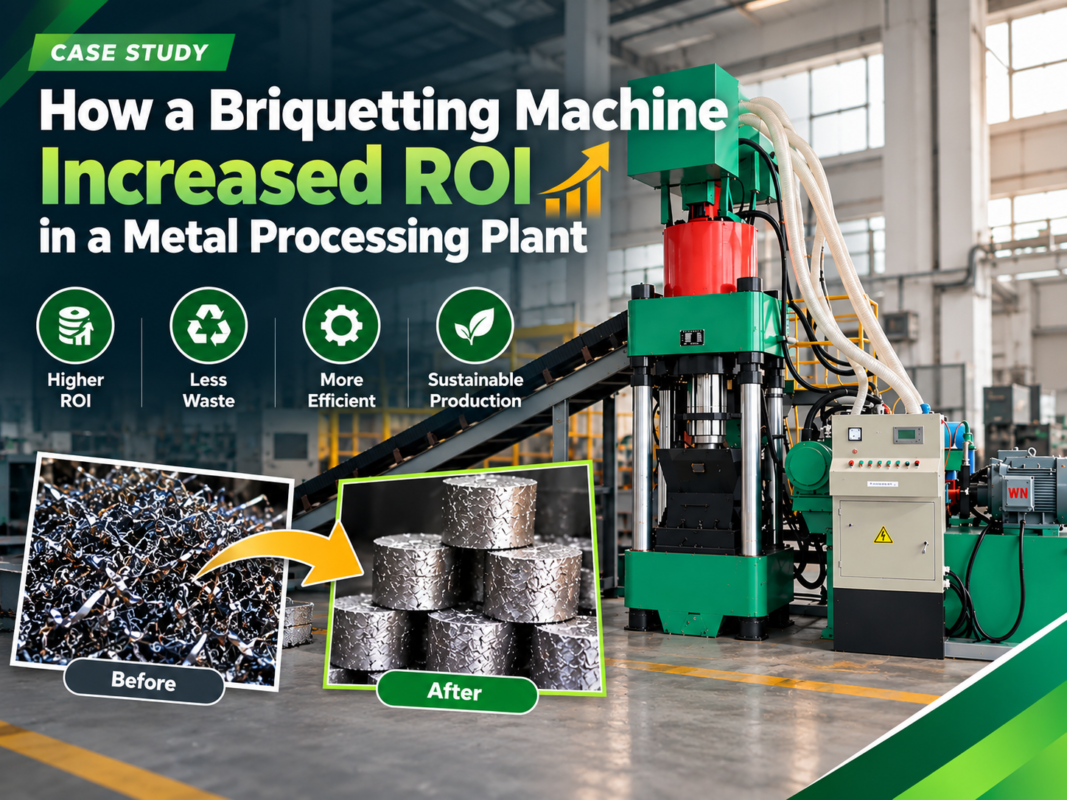
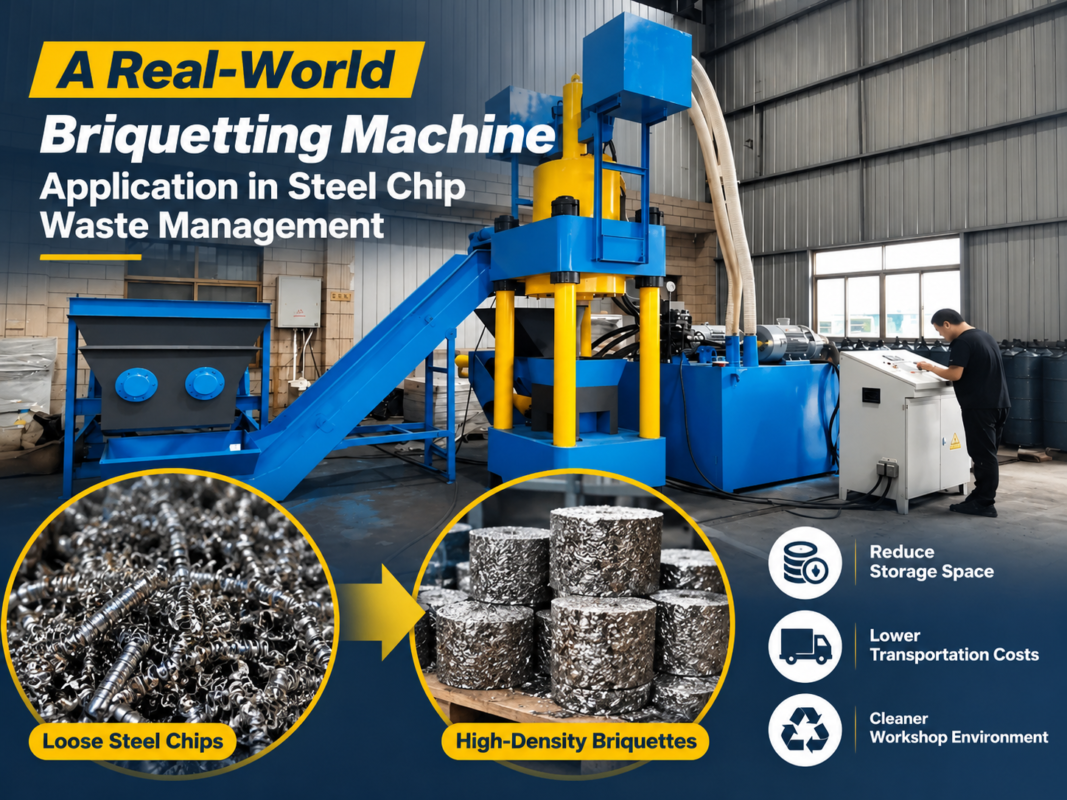
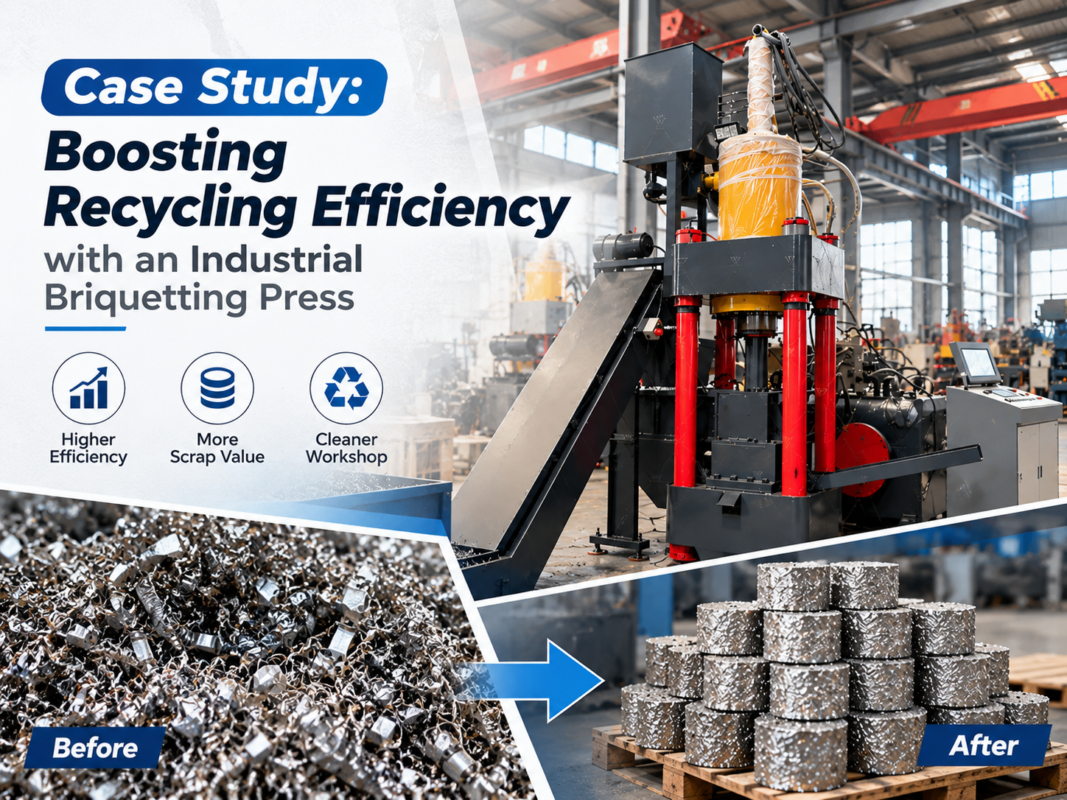
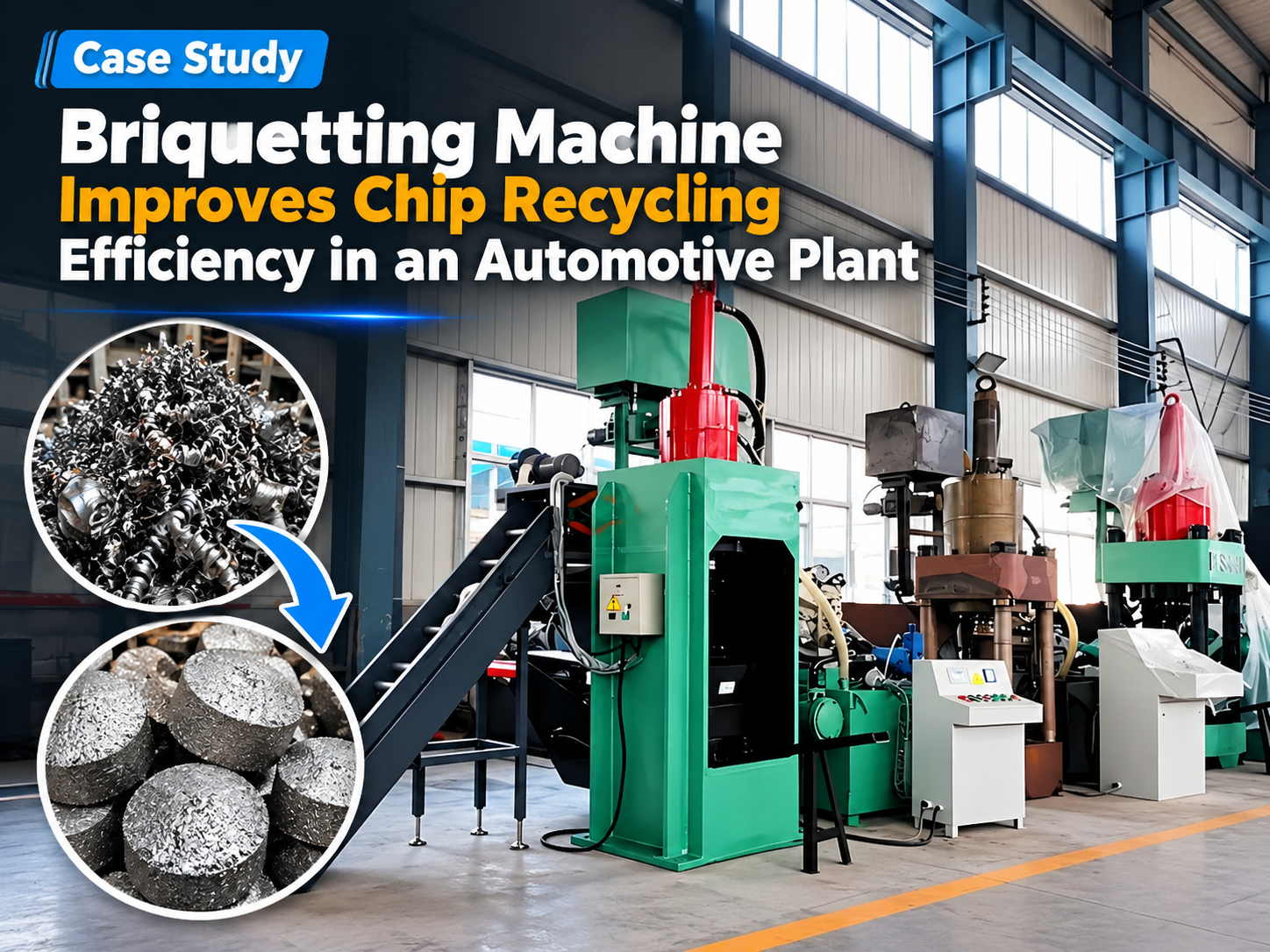
In the high-volume environment of modern automotive manufacturing, the sheer quantity of metal waste generated during machining processes is staggering. For years, many plants treated metal chips and swarf as a logistical burden—a bulky, oily byproduct that required expensive disposal and occupied significant floor space. However, the paradigm is shifting toward circular economy principles, where waste is viewed as a valuable resource. This Case Study: Briquetting Machine Improves Chip Recycling Efficiency In An Automotive Plant explores how a leading automotive manufacturer integrated HARSLE’s advanced briquetting technology to turn a liability into a profitable asset.
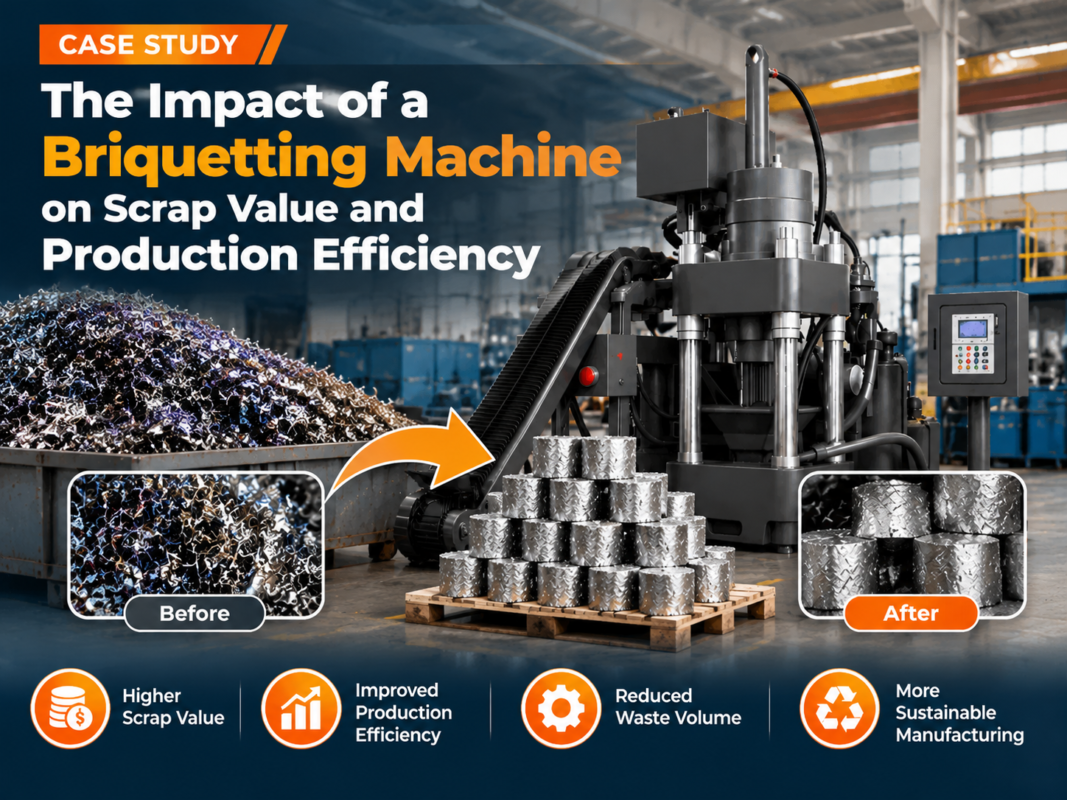
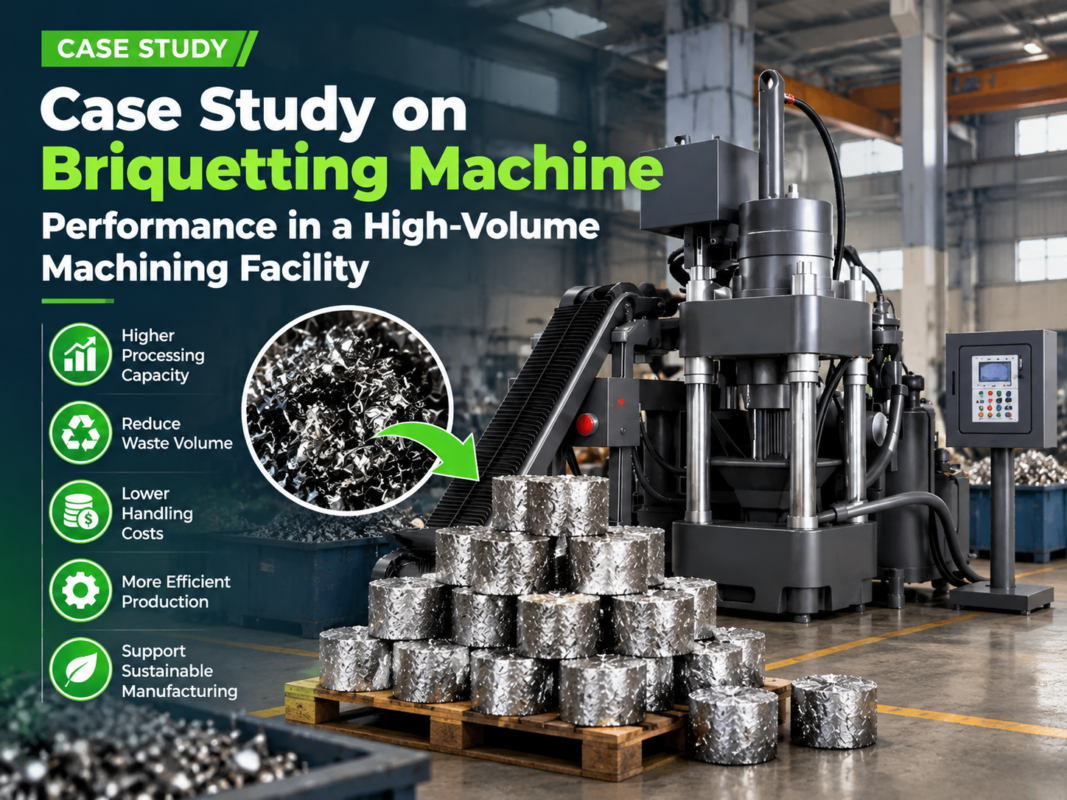
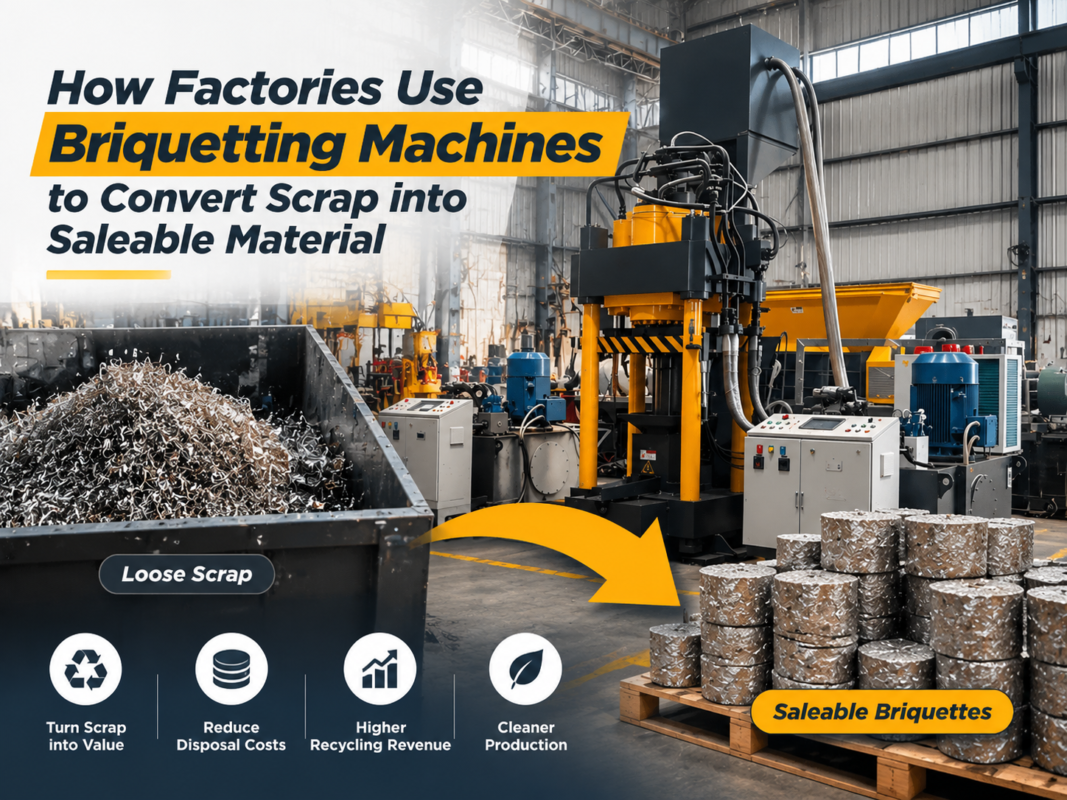
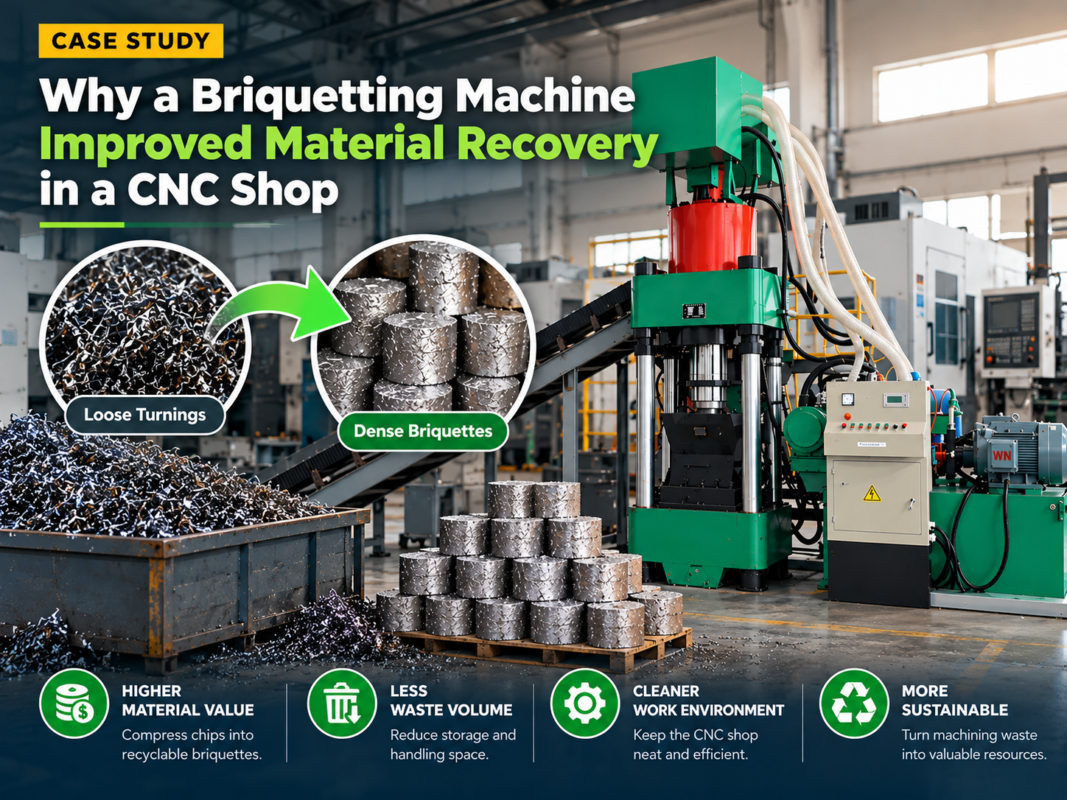
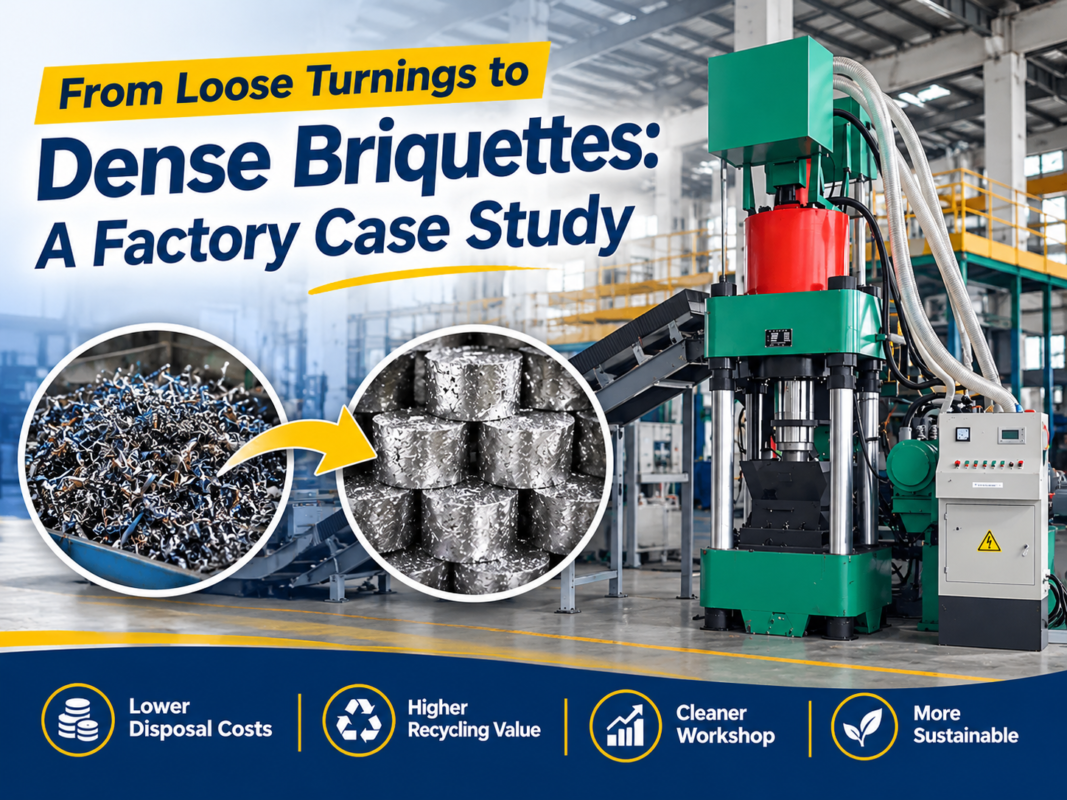
The automotive industry relies heavily on precision machining, milling, and turning, all of which produce thousands of kilograms of metal chips daily. These chips are typically saturated with cutting fluids and lubricants, making them hazardous to handle and difficult to transport. By implementing a high-pressure briquetting system, the plant was able to compress these loose, voluminous chips into dense, manageable pucks. This transition not only streamlined internal logistics but also significantly increased the resale value of the scrap metal.
HARSLE has been at the forefront of providing industrial machinery that addresses these specific pain points. Our briquetting machines are engineered to handle various metal types, including aluminum, steel, brass, and cast iron. In this case study, we examine the technical challenges faced by the automotive plant, the implementation process of the HARSLE briquetting solution, and the measurable improvements in operational efficiency and sustainability.
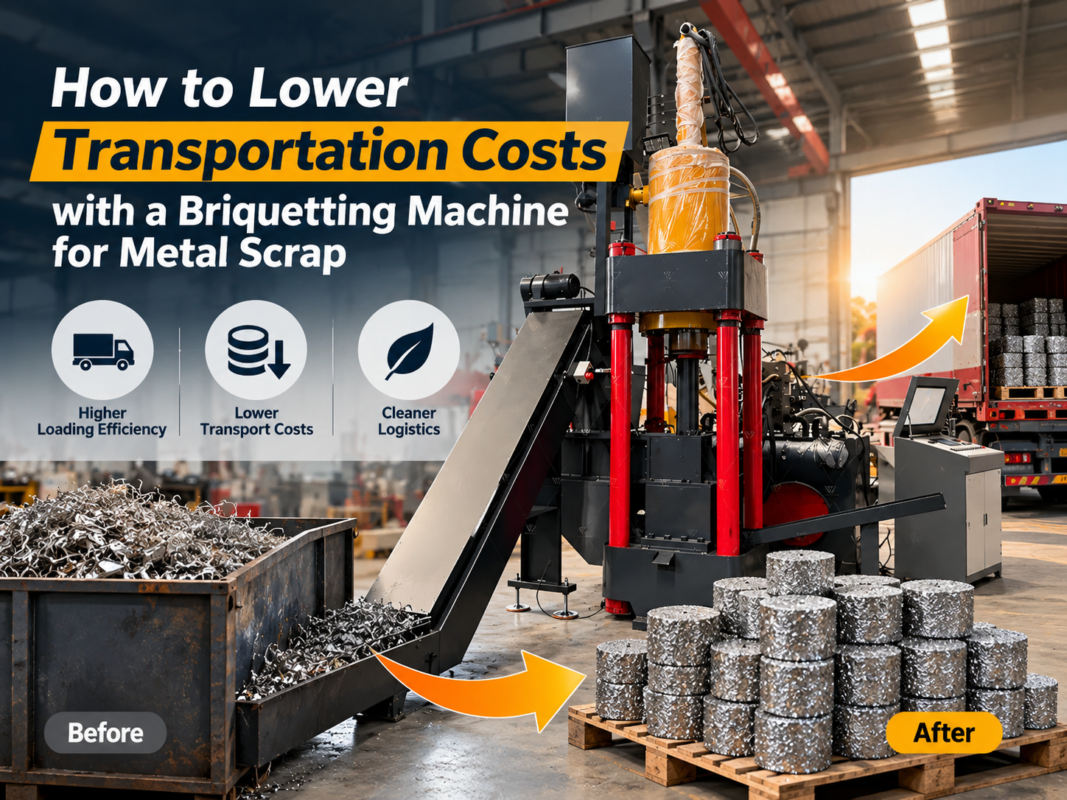
As global regulations regarding industrial waste become more stringent, automotive manufacturers are under increasing pressure to minimize their environmental footprint. Briquetting is not merely a cost-saving measure; it is a critical component of a modern, sustainable manufacturing strategy. By reducing the volume of waste by up to 90%, plants can drastically lower their transportation costs and carbon emissions associated with scrap handling.
Key Considerations for Metal Chip Management
Before selecting a briquetting solution, the automotive plant had to evaluate several critical factors regarding their waste stream. The primary challenge was the sheer volume of aluminum chips produced by their engine block machining lines. Loose chips are notoriously difficult to store; they occupy vast amounts of space, harbor bacteria in residual coolant, and pose fire risks if not managed correctly. The plant needed a system that could operate continuously alongside their production lines without causing bottlenecks.
Another key consideration was the recovery of expensive cutting fluids. In traditional scrap management, the coolant remains trapped within the loose chips, eventually leaking during transport or being lost during the smelting process. By using a HARSLE hydraulic briquetting machine, the plant aimed to squeeze out the coolant, allowing it to be filtered, treated, and reused. This recovery process significantly reduces the procurement costs for new fluids and minimizes the environmental impact of hazardous waste disposal.
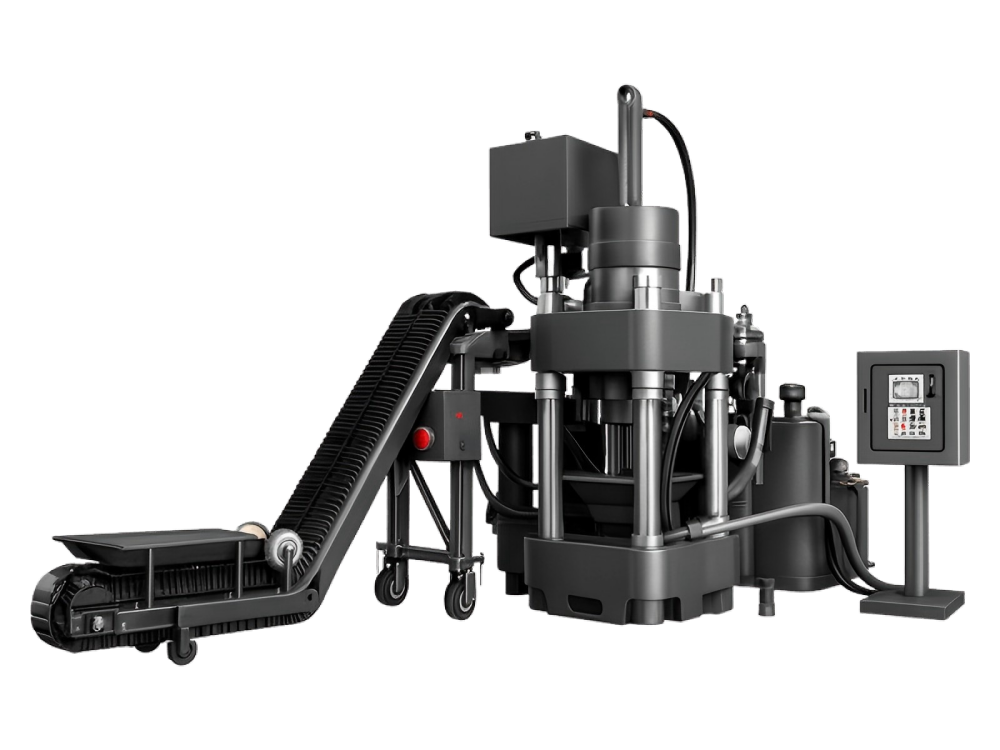
Safety and cleanliness were also paramount. Loose metal chips are sharp and can cause injuries to personnel handling them. Furthermore, the oil-slicked floors caused by leaking chip bins created slip hazards. The implementation of a closed-loop briquetting system meant that chips were moved via conveyors directly into the press, eliminating manual handling and keeping the factory floor clean and safe for employees.
Finally, the plant had to consider the metallurgical quality of the scrap. Smelters pay a premium for clean, dense briquettes compared to loose, contaminated swarf. Loose chips have a high surface-area-to-volume ratio, which leads to significant oxidation and metal loss during the melting process. Briquettes, by contrast, have a much lower surface area, resulting in higher melt yields and reduced energy consumption for the recycling facility. This quality improvement was a major driver for the investment.
Technical Details of the HARSLE Solution
The HARSLE briquetting system installed at the facility features a robust hydraulic architecture designed for 24/7 operation. The core of the machine is a high-pressure cylinder that exerts thousands of pounds of force on the metal chips, forcing them into a compact, cylindrical shape. This process is entirely automated, utilizing sensors to detect the flow of chips from the conveyor and adjusting the cycle time accordingly.
One of the standout technical features is the integrated coolant drainage system. As the hydraulic ram compresses the chips, the residual fluid is forced through a perforated screen at the base of the compression chamber. This fluid is then channeled into a collection tank, where it undergoes a multi-stage filtration process before being pumped back into the machine tool coolant system. This closed-loop design ensures that almost 95% of the cutting fluid is recovered, providing a rapid return on investment.
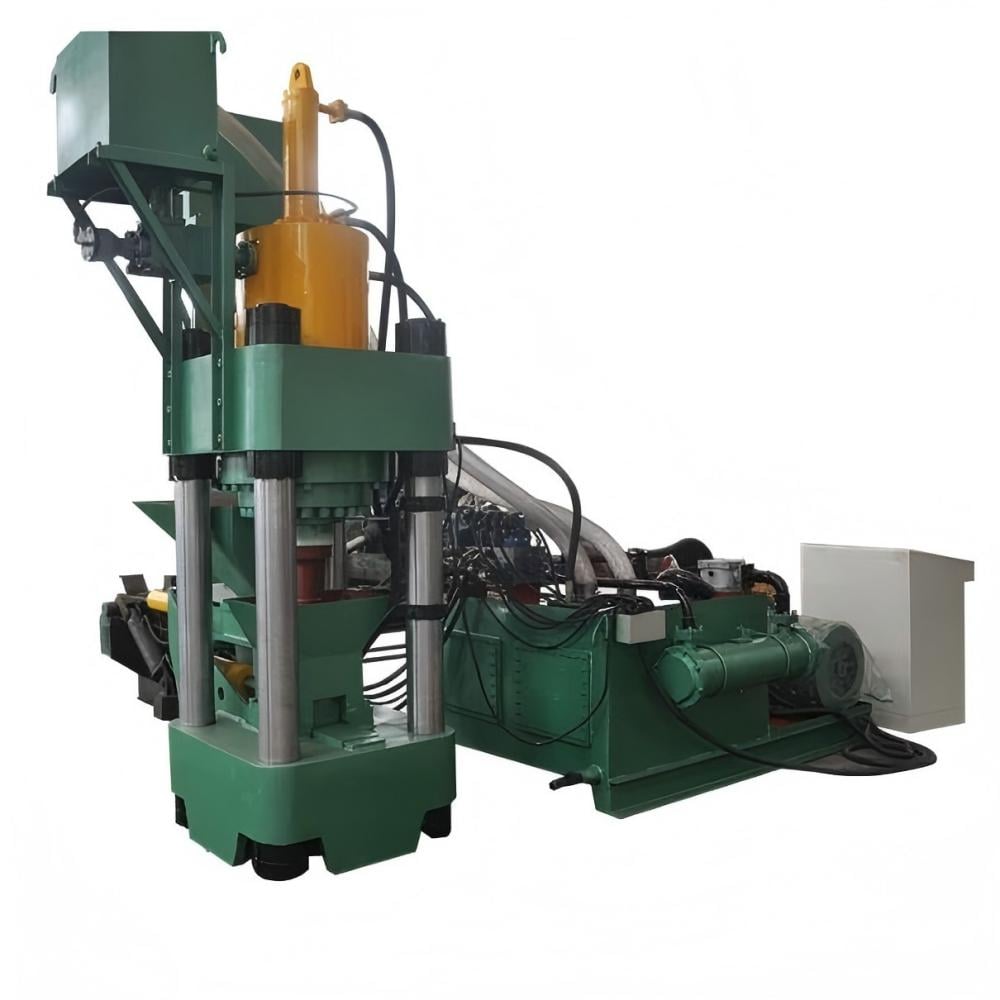
The machine is also equipped with a PLC (Programmable Logic Controller) that allows for precise control over the briquette density and size. Depending on the specific metal alloy being processed, the operator can adjust the pressure settings to ensure the briquettes are durable enough for transport but not so dense that they become difficult to melt. The interface is user-friendly, providing real-time data on throughput, oil recovery rates, and maintenance alerts.
Durability is a hallmark of HARSLE equipment. The compression chamber is lined with wear-resistant alloys to withstand the abrasive nature of metal chips. The hydraulic power unit is oversized to prevent overheating during peak production hours, ensuring that the machine maintains consistent performance even under heavy loads. This reliability was crucial for the automotive plant, which could not afford downtime in their production cycle.
Selection Advice for Automotive Manufacturers
When choosing a briquetting machine, automotive manufacturers must first conduct a thorough audit of their waste stream. It is essential to categorize the chips by material type—aluminum, steel, copper, or mixed alloys—as each requires different compression forces and machine configurations. Mixing materials can lead to lower scrap value, so a modular system that can be easily cleaned between batches is often preferred.
Capacity planning is another vital step. Manufacturers should calculate the maximum volume of chips produced during peak shifts and select a machine that can handle this throughput without creating a backlog. It is often better to invest in a slightly oversized machine to allow for future production increases rather than a unit that operates at its limit 100% of the time, which can accelerate wear and tear.
Consider the integration capabilities of the machine. A standalone unit might be sufficient for smaller workshops, but for large-scale automotive plants, the briquetting machine should be part of a larger automated system. This includes conveyors, chip crushers (to break down long, stringy chips before they enter the press), and automated storage bins. HARSLE offers custom integration services to ensure the briquetting unit fits seamlessly into existing factory layouts.
Maintenance support and spare parts availability should never be overlooked. Industrial machinery is a long-term investment, and the ability to source parts quickly is essential to minimize downtime. HARSLE provides comprehensive training for maintenance staff and a dedicated support team to assist with troubleshooting and preventative maintenance schedules. Always prioritize manufacturers who offer a strong warranty and a proven track record in the automotive sector.
FAQ: Domande frequenti
- What is the primary benefit of using a briquetting machine? The primary benefit is the conversion of bulky, oily metal chips into dense, clean briquettes. This reduces storage space, increases scrap resale value, and allows for the recovery of expensive cutting fluids.
- Can a briquetting machine handle all types of metal? Yes, HARSLE briquetting machines are designed to handle a wide range of metals, including aluminum, steel, cast iron, and copper. However, the machine settings must be adjusted based on the material’s hardness and density.
- How much coolant can be recovered? Depending on the type of chip and the initial saturation level, our systems can recover up to 95% of the cutting fluid, which can then be filtered and reused in the production process.
- Does the briquetting process affect the quality of the metal? No, it actually improves it. By removing contaminants and reducing surface area, briquettes have a higher melt yield and lower oxidation rates compared to loose chips.
- Is the operation of the machine difficult? HARSLE machines are designed for ease of use. With an intuitive PLC interface and automated feeding systems, operators require minimal training to manage the daily operations.
- How often does the machine require maintenance? We recommend a preventative maintenance schedule based on the machine’s usage hours. This typically involves checking hydraulic fluid levels, inspecting the compression chamber for wear, and cleaning the filtration system.
Conclusione
The implementation of a HARSLE briquetting machine at the automotive plant serves as a powerful testament to the benefits of modernizing waste management. By transforming a logistical headache into a streamlined, value-added process, the plant has achieved significant cost savings, improved safety, and enhanced its sustainability profile. The Case Study: Briquetting Machine Improves Chip Recycling Efficiency In An Automotive Plant highlights that when industrial machinery is selected with precision and integrated thoughtfully, the results are transformative.
For automotive manufacturers looking to optimize their operations, investing in briquetting technology is a logical step toward a more efficient and profitable future. HARSLE remains committed to providing the high-quality metal fabrication equipment necessary to meet these challenges. Whether you are dealing with aluminum swarf or steel chips, our solutions are engineered to deliver consistent, reliable performance that supports your bottom line and your environmental goals.
As we look toward the future of manufacturing, the integration of smart, efficient recycling systems will become the standard. By adopting these technologies today, automotive plants can ensure they remain competitive, compliant, and sustainable in an increasingly demanding global market. Contact HARSLE today to learn more about how our briquetting solutions can be tailored to your specific manufacturing requirements.