How to Lower Transportation Costs with a Briquetting Machine for Metal Scrap: A Comprehensive Guide

Introduction: The Hidden Cost of Metal Scrap Logistics
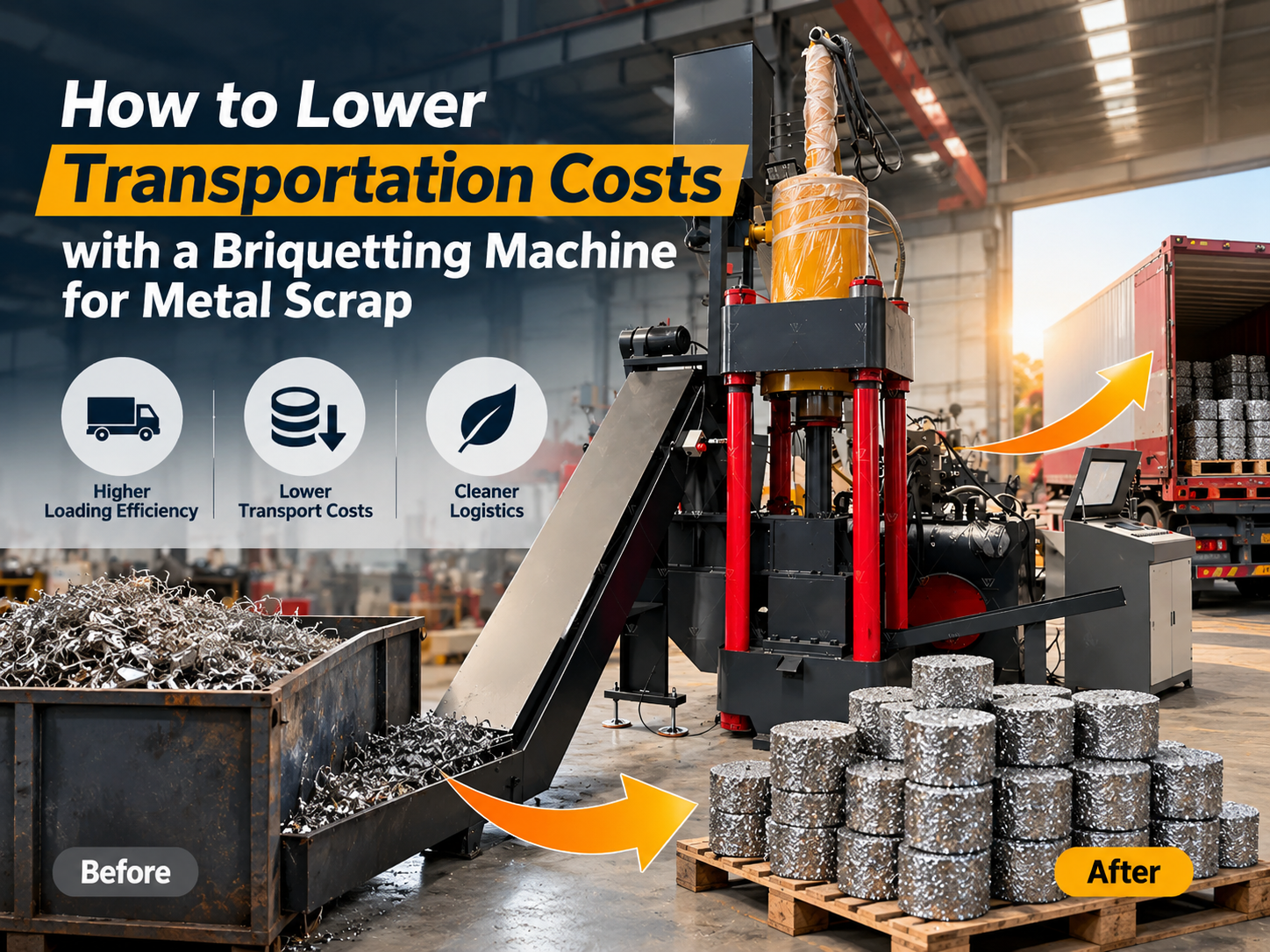
In the modern metal fabrication industry, efficiency is measured not only by the precision of your press brakes or laser cutters but also by how effectively you manage your waste stream. For many workshops and industrial facilities, metal scrap—specifically chips, turnings, and shavings—represents a significant logistical burden. When left in their raw, voluminous state, these materials occupy vast amounts of space, leading to inflated shipping costs and inefficient warehouse management. This is where the strategy to lower transportation costs with a briquetting machine for metal scrap becomes a game-changer for profitability.
HARSLE understands that the primary challenge for fabricators is the low bulk density of metal chips. Because these materials are light and airy, a standard shipping container or truck bed is often filled to its volume capacity long before it reaches its weight limit. This means you are essentially paying to transport air. By utilizing a high-performance briquetting machine, you can transform these loose, messy chips into dense, compact pucks, drastically increasing the payload capacity of every shipment.
Beyond the immediate logistical benefits, the integration of a briquetting system into your production line aligns with modern circular economy principles. It allows for the recovery of expensive cutting fluids, reduces the environmental footprint of your facility, and turns a waste management headache into a revenue-generating stream. In this guide, we will explore the technical, economic, and operational advantages of adopting HARSLE briquetting technology to optimize your bottom line.
Key Considerations for Scrap Management
Before investing in a briquetting solution, it is essential to analyze your current scrap management workflow. The volume of metal generated, the type of alloy, and the moisture content of the chips are all critical factors that dictate the type of machinery required. Many facilities overlook the hidden costs associated with storing loose scrap, such as the need for large, specialized containers and the increased risk of fire or environmental contamination from dripping cutting oils.
When you aim to lower transportation costs with a briquetting machine for metal scrap, you must first evaluate the density ratio. Raw chips typically have a density that is a fraction of the solid metal. By compressing these into briquettes, you can achieve a density that is 80% to 90% of the original solid material. This transition allows you to maximize the weight-to-volume ratio, ensuring that every truckload leaving your facility is optimized for maximum payload, thereby reducing the number of trips required to move the same amount of material.
Another key consideration is the value of the scrap itself. Foundries and smelters pay a premium for clean, dense briquettes compared to loose, contaminated chips. Loose chips are prone to oxidation and often contain high levels of moisture, which reduces their melt yield. Briquetting forces out the coolant, which can then be filtered and reused, while the resulting briquette is easier to handle, transport, and melt down, significantly increasing its market value.
Finally, consider the floor space of your facility. Traditional scrap handling often requires large bins scattered across the shop floor, creating safety hazards and clutter. A centralized HARSLE briquetting system allows for a streamlined workflow where scrap is collected, compressed, and stored in a compact area. This not only improves shop floor safety but also reduces the labor hours spent on manual scrap handling and loading.
Technical Details: How Briquetting Works
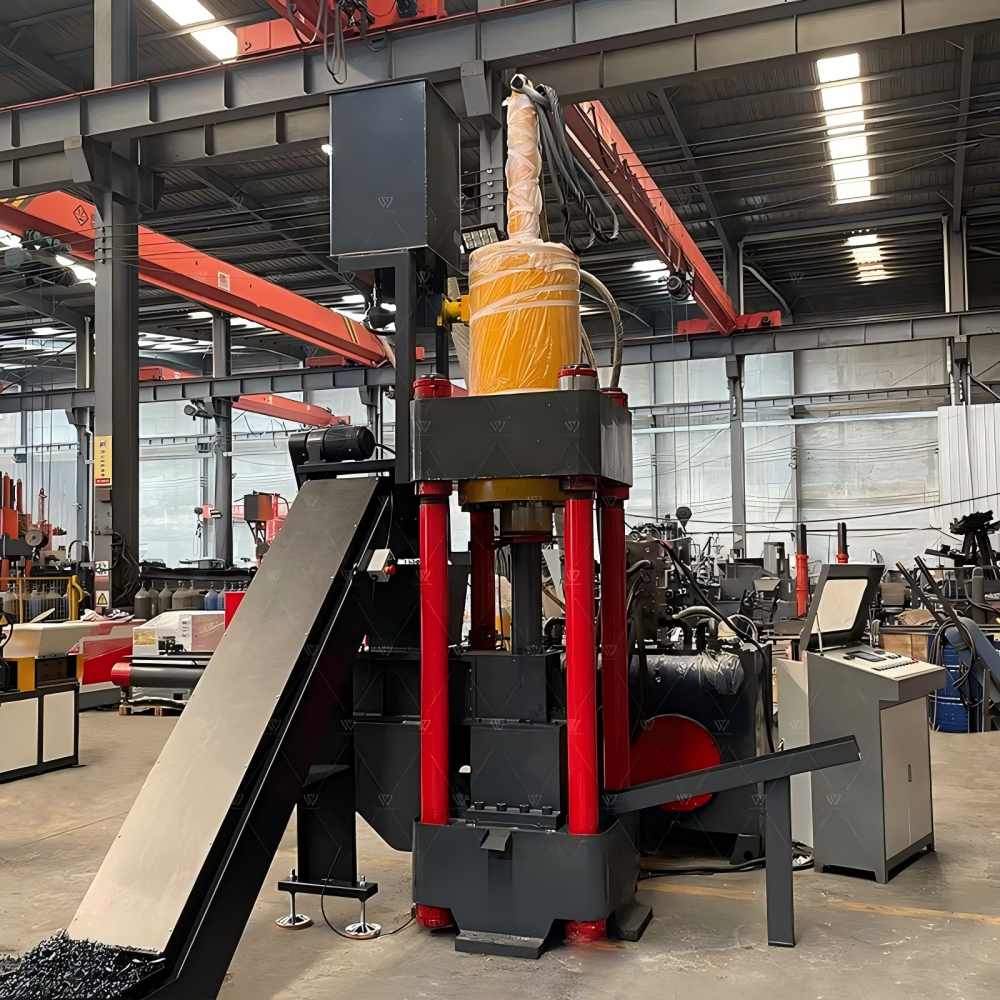
The core of the HARSLE briquetting process lies in high-pressure hydraulic compaction. Unlike traditional balers that may use lower force, a dedicated metal briquetting press utilizes intense pressure to overcome the elastic memory of the metal. This pressure forces the individual chips to interlock, creating a solid, uniform briquette that maintains its shape during transport and handling.
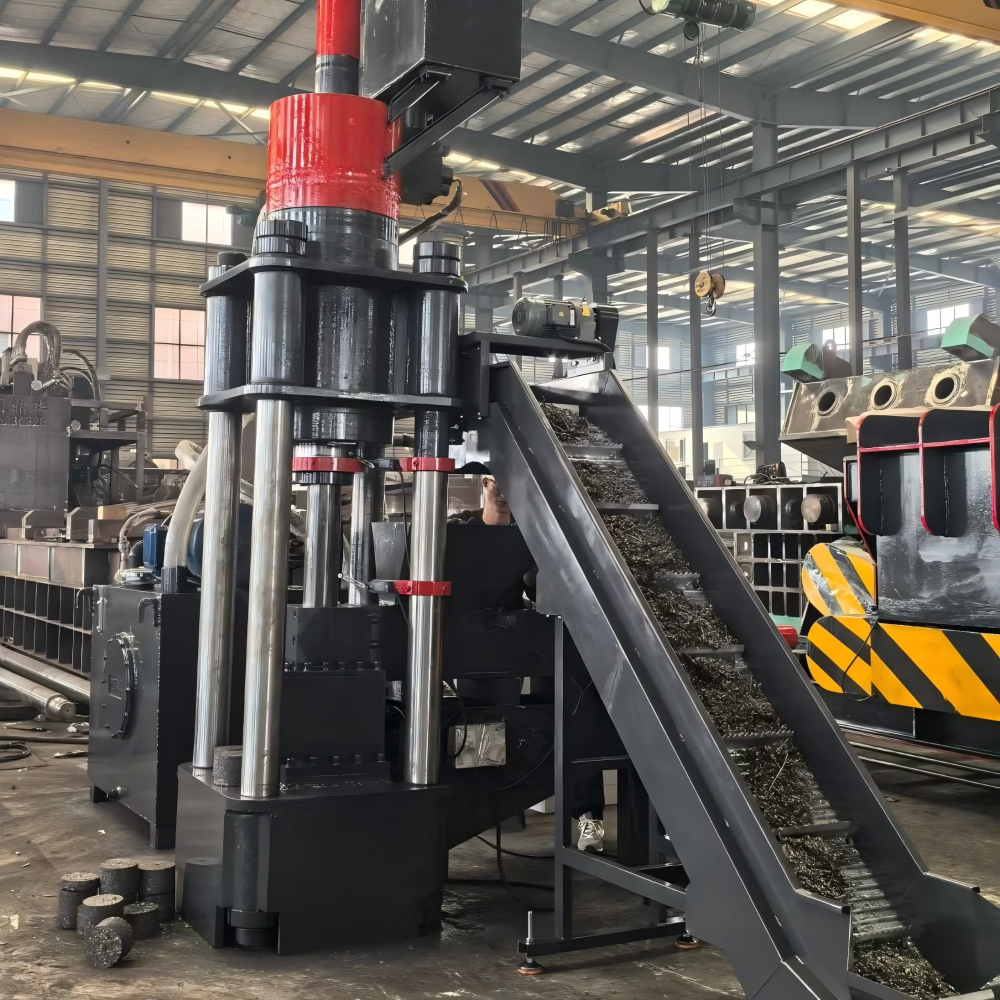
The process begins with the feeding system, which can be manual or automated via conveyors. The chips enter a pre-compression chamber where they are de-aerated. Once the air is removed, the main hydraulic ram applies massive force to the material. During this stage, the cutting fluid or coolant is squeezed out of the chips. This is a critical technical advantage, as it allows for the recovery of expensive fluids that would otherwise be lost to the scrap yard, further contributing to the ROI of the machine.
HARSLE machines are engineered with robust hydraulic systems designed for continuous operation. The cycle time is optimized to ensure that even high-volume production lines can process scrap as fast as it is generated. The resulting briquettes are uniform in size and weight, which is essential for automated feeding systems in foundries. This uniformity makes the material highly desirable for secondary processors, ensuring that your scrap is always in high demand.
Fluid Recovery and Environmental Impact
One of the most significant technical benefits of using a briquetting machine is the ability to reclaim cutting fluids. In many machining operations, the cost of coolant is a major recurring expense. By pressing the chips, you can recover up to 95% of the fluid trapped within the scrap. This not only lowers your procurement costs for new coolant but also reduces the environmental impact of your facility by preventing hazardous waste from entering the scrap stream.
The recovered fluid is typically channeled into a filtration system, cleaned, and returned to the machine tool’s reservoir. This closed-loop system is a hallmark of sustainable manufacturing. By reducing the amount of fluid that is discarded with the scrap, you also reduce the costs associated with hazardous waste disposal, which is often strictly regulated and expensive.
Selection Advice: Choosing the Right HARSLE Machine
Selecting the right briquetting machine requires a thorough understanding of your specific scrap profile. Not all metals behave the same way under pressure. For example, aluminum chips are more ductile and easier to compress than hardened steel or titanium shavings. HARSLE offers a range of models tailored to different material types and production volumes, ensuring that you get the right machine for your specific application.
When evaluating your needs, consider the following criteria:
- Material Type: Are you processing steel, aluminum, copper, or brass? Each requires different pressure settings and wear-resistant components.
- Production Volume: How many tons of scrap do you generate per month? We offer compact units for small shops and high-capacity systems for large-scale manufacturing plants.
- Automation Level: Do you need a standalone unit or a fully integrated system with conveyors and automatic feeding?
- Space Constraints: Measure your available floor space to ensure the machine footprint fits your existing layout without disrupting production flow.
It is also vital to consider the after-sales support and maintenance requirements. HARSLE provides comprehensive documentation and technical support to ensure your machine operates at peak efficiency. Regular maintenance, such as checking hydraulic seals and cleaning the filtration system, is essential to prolonging the lifespan of your equipment and ensuring consistent output quality.
Case Study: Real-World Cost Reduction
Consider a mid-sized automotive parts manufacturer that was previously paying for three truckloads of loose aluminum chips per week. The low density of the chips meant that the trucks were leaving the facility at only 30% of their weight capacity. By installing a HARSLE briquetting machine, the company was able to compress the chips into dense pucks, allowing them to fit the same amount of material into a single truckload.
The results were immediate: transportation costs were reduced by 60% per month. Additionally, the company recovered over 200 liters of high-quality cutting fluid per week, which significantly lowered their chemical procurement costs. The scrap dealer, now receiving clean, high-density briquettes, increased the purchase price per ton by 15%. Within 18 months, the entire investment in the briquetting system had paid for itself through logistics savings, fluid recovery, and increased scrap value.
FAQ: Domande frequenti
How does a briquetting machine actually lower transportation costs?
By increasing the bulk density of metal scrap, you can maximize the weight capacity of your transport vehicles. You stop paying to ship “air” and instead fill your containers to their legal weight limit, reducing the number of trips required.
Can I mix different types of metal in the briquetting machine?
It is generally recommended to keep different metal types separate. Mixing metals can significantly reduce the value of the scrap, as foundries prefer pure, homogeneous batches for easier melting and quality control.
How much maintenance does a HARSLE briquetting machine require?
HARSLE machines are built for durability. Routine maintenance involves checking hydraulic fluid levels, inspecting the compression chamber for wear, and cleaning the coolant filtration system. We provide a detailed maintenance schedule with every unit.
Is the coolant recovery worth the investment?
Yes. In many high-volume machining facilities, the cost of coolant is substantial. Recovering and reusing this fluid can provide a return on investment that rivals the savings from logistics alone.
Conclusion: Investing in Efficiency
The decision to lower transportation costs with a briquetting machine for metal scrap is a strategic move that addresses multiple facets of industrial efficiency. By transforming loose, low-value waste into compact, high-value commodities, HARSLE equipment helps you optimize your logistics, recover valuable resources, and improve your overall environmental sustainability. As the metal fabrication industry continues to evolve, those who prioritize efficient waste management will find themselves with a significant competitive advantage.
Whether you are looking to reduce your carbon footprint, lower your shipping expenses, or simply clean up your shop floor, HARSLE provides the robust, reliable, and high-performance machinery necessary to achieve your goals. Contact our team today to discuss your specific scrap management needs and discover how our briquetting solutions can transform your waste into wealth.