Budgeting for a Horizontal Baler: Installation, Maintenance, and Operating Costs

Price Range Overview
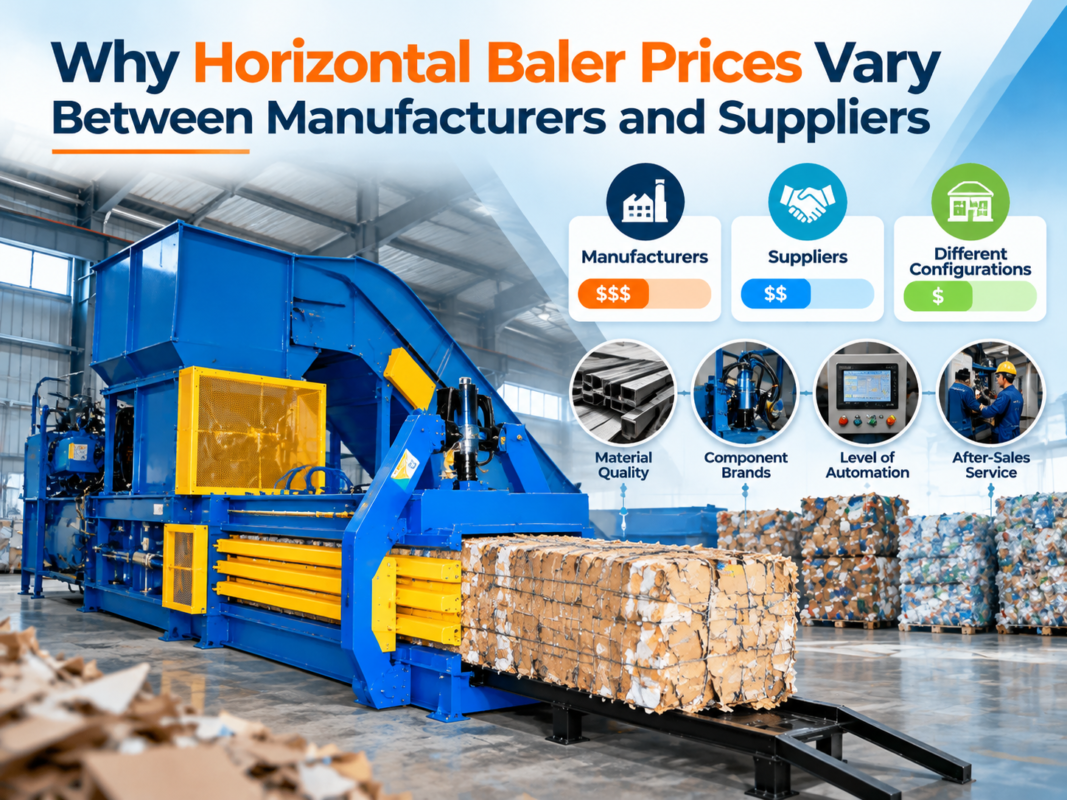
Investing in industrial waste management requires a clear understanding of the financial landscape. When budgeting a horizontal baler: installation, maintenance, and operating costs represent the three pillars of your total cost of ownership (TCO). For small-to-medium enterprises, entry-level semi-automatic horizontal balers typically range from $15,000 to $35,000. These units are ideal for facilities with moderate throughput requirements where manual feeding is acceptable.
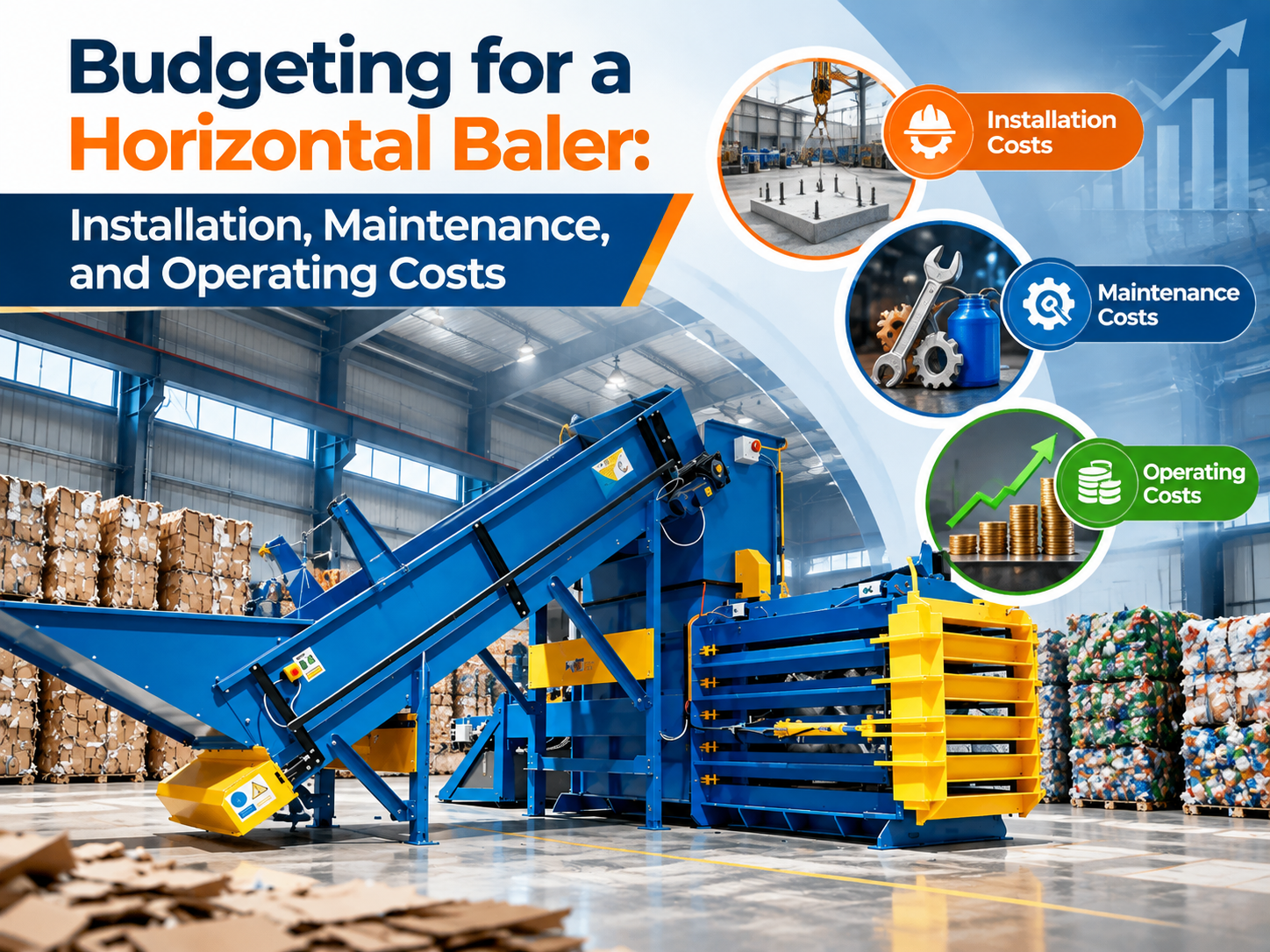
As you scale toward high-volume industrial operations, the price for fully automatic horizontal balers can range from $50,000 to over $150,000. These machines are engineered for continuous operation, featuring sophisticated conveyor systems and automated wire-tying mechanisms. The price variance is largely dictated by the pressing force (measured in tons), the size of the feed opening, and the throughput capacity per hour.
It is essential to distinguish between the purchase price and the capital expenditure (CAPEX) required for site preparation. Many buyers overlook the fact that a high-performance baler is not a plug-and-play appliance. The initial investment must account for shipping, rigging, and specialized electrical upgrades to accommodate the high-amperage motors required for hydraulic compression.
Furthermore, the market for refurbished or used equipment exists, but it carries its own set of budgetary risks. While a used baler might cost 40-60% less than a new HARSLE unit, the lack of warranty and the potential for immediate mechanical failure can quickly erode those savings. When budgeting, always set aside a 15% contingency fund specifically for unforeseen commissioning expenses.
Main Cost Drivers
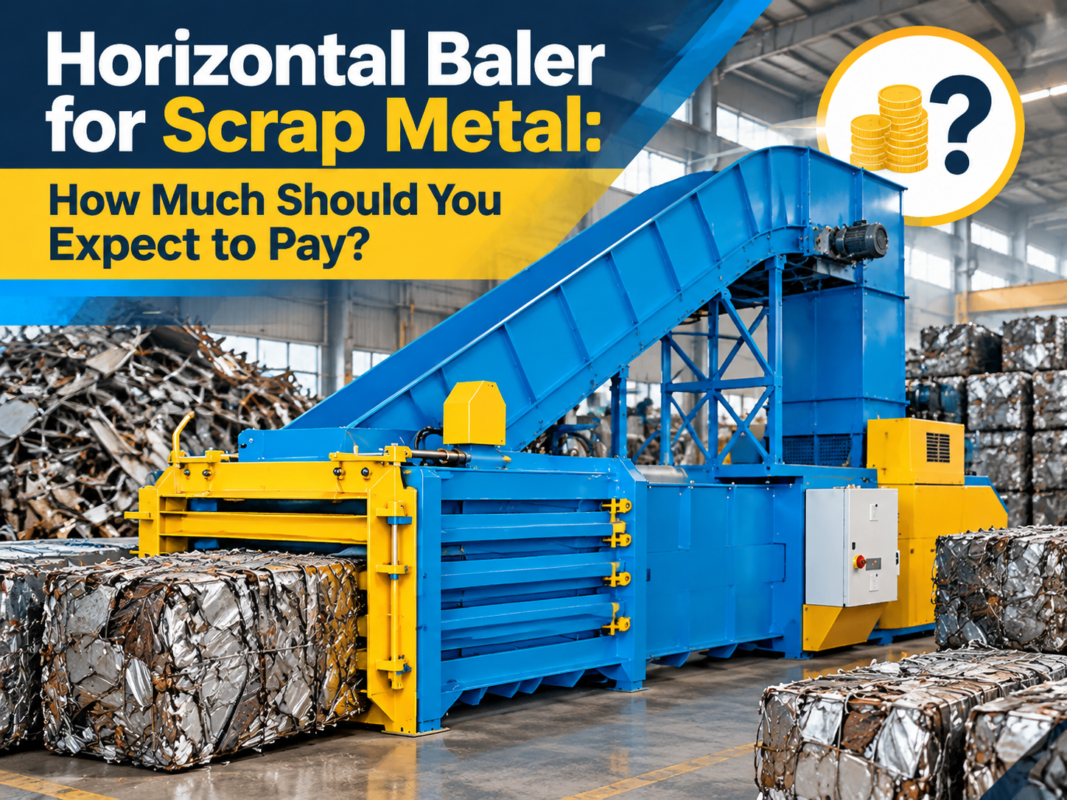
The primary driver of your baler budget is the hydraulic system’s power. Higher tonnage means a more robust pump, thicker steel plating, and more powerful motors. If your facility processes dense materials like scrap metal or heavy-duty cardboard, you cannot compromise on structural integrity. The cost of the steel alone in a heavy-duty baler accounts for a significant portion of the manufacturing price.
Automation level is the second major cost driver. A semi-automatic baler requires an operator to manually tie off the bales, which increases labor costs over time. Conversely, an automatic baler uses an integrated wire-tying system that operates without human intervention. While the upfront cost is higher, the reduction in labor hours often results in a faster return on investment (ROI) for high-volume facilities.
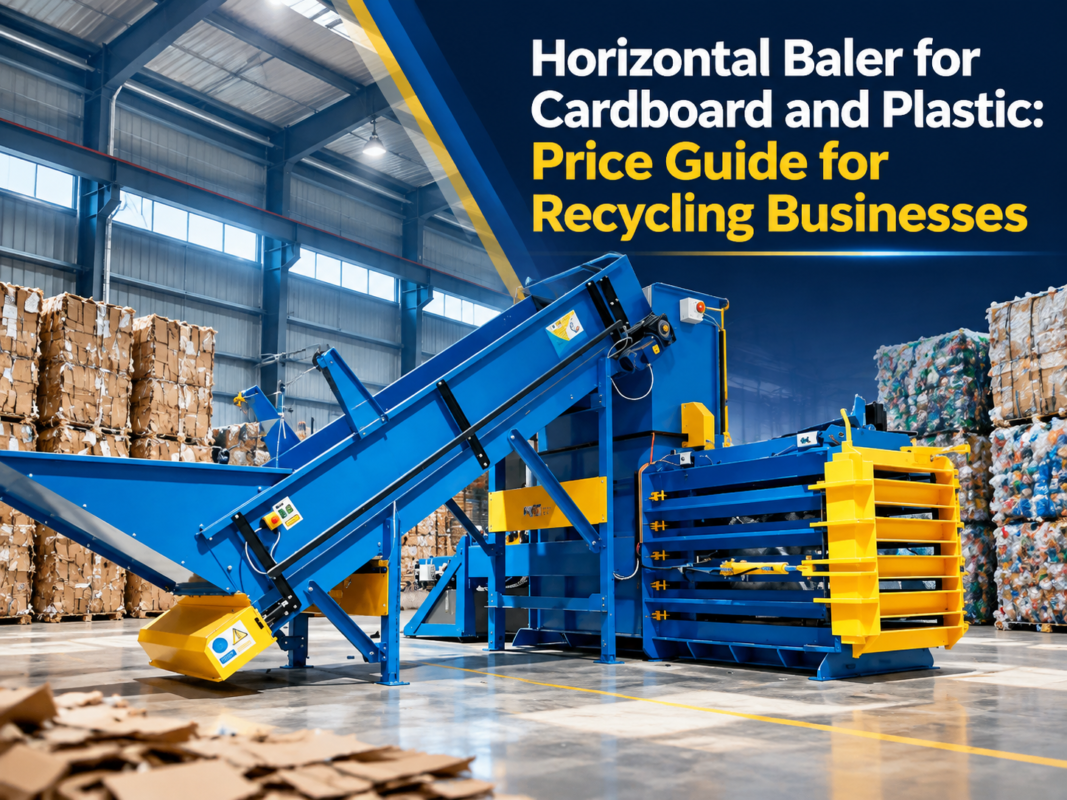
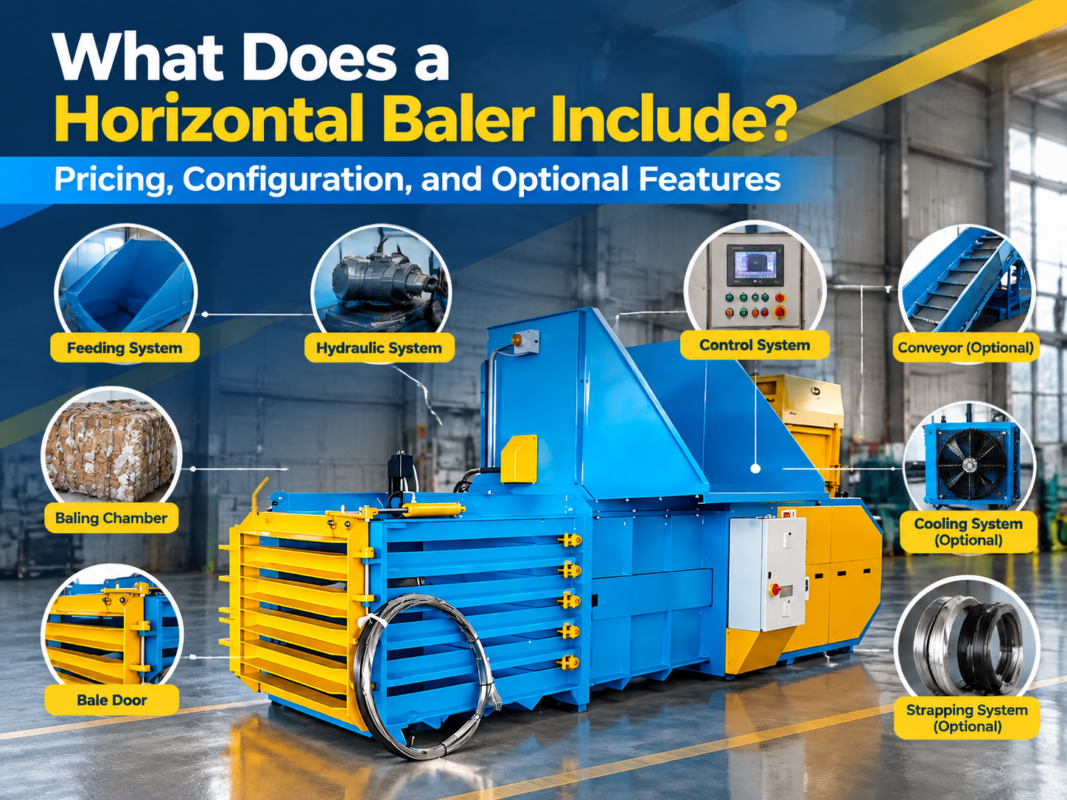
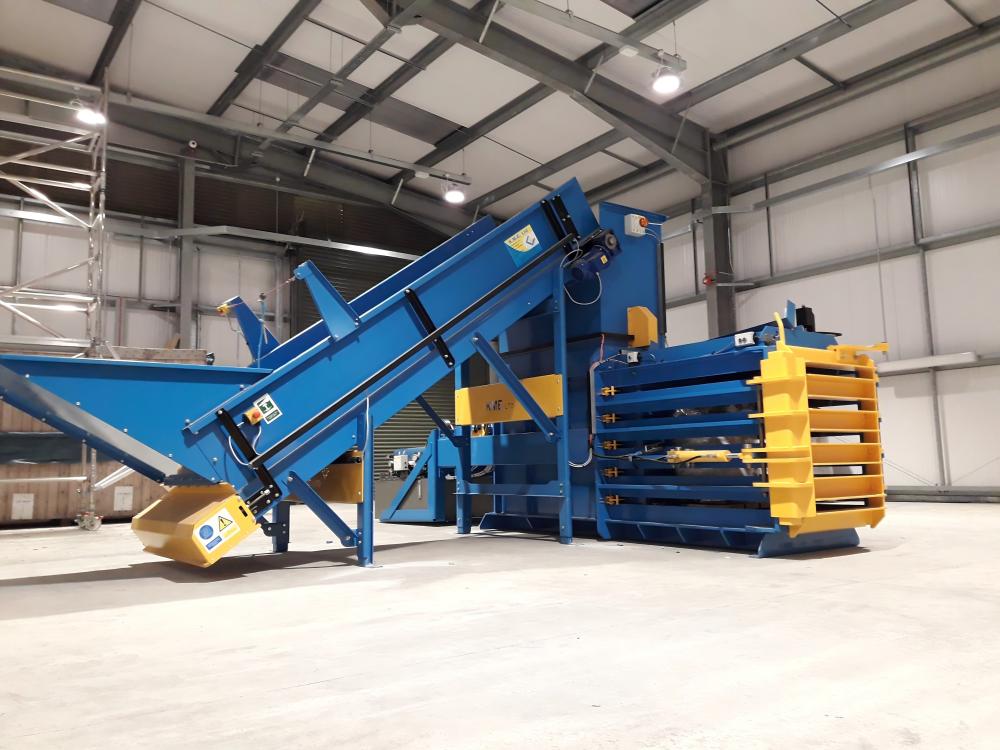
The feed system also dictates the price. A simple hopper feed is the most affordable, but it limits the speed at which you can process waste. Conveyor-fed systems, which are standard on most industrial horizontal balers, add significant cost but are necessary to keep the baler running at maximum capacity. Without a conveyor, your baler will spend more time idling than compressing.
Finally, the control system and software integration play a role. Modern HARSLE balers feature PLC (Programmable Logic Controller) systems that monitor cycle times, oil temperature, and pressure settings. These systems prevent machine damage and optimize energy usage. While advanced controls increase the initial purchase price, they provide diagnostic data that significantly reduces long-term troubleshooting and repair costs.
Configuration Impact
When budgeting a horizontal baler: installation, maintenance, and operating costs are heavily influenced by the machine’s configuration. A standard configuration might fit a small footprint, but if your waste stream is irregular, you may need a custom feed chute or a specialized pre-crusher. Customizations are not just aesthetic; they are engineering modifications that require additional design time and materials.
Consider the bale size and density requirements. If your logistics partner requires specific bale dimensions to maximize shipping container space, you must select a baler capable of producing those exact dimensions. A machine that produces non-standard bales may save you money on the purchase price but will cost you significantly more in logistics and transportation fees over the life of the machine.
The electrical configuration is another often-overlooked factor. Depending on your region and facility infrastructure, you may need a baler configured for 220V, 380V, or 480V power. Retrofitting a machine to match your facility’s power grid after delivery is an expensive endeavor. Always confirm your electrical supply capacity before finalizing your order.
Lastly, environmental considerations such as noise reduction and dust suppression systems add to the configuration cost. If your facility is located in a residential area or has strict OSHA noise compliance requirements, you may need to invest in sound-dampening enclosures or specialized hydraulic pumps that operate at lower decibel levels. These features are essential for regulatory compliance but must be factored into your initial budget.
Hidden Costs
Hidden costs are the primary reason projects go over budget. Installation is rarely just the cost of the machine; it includes the concrete pad preparation. A horizontal baler exerts immense pressure, and if the floor is not reinforced to handle the weight and vibration, you risk structural damage to your facility. A specialized concrete pad can cost several thousand dollars depending on the local labor rates.
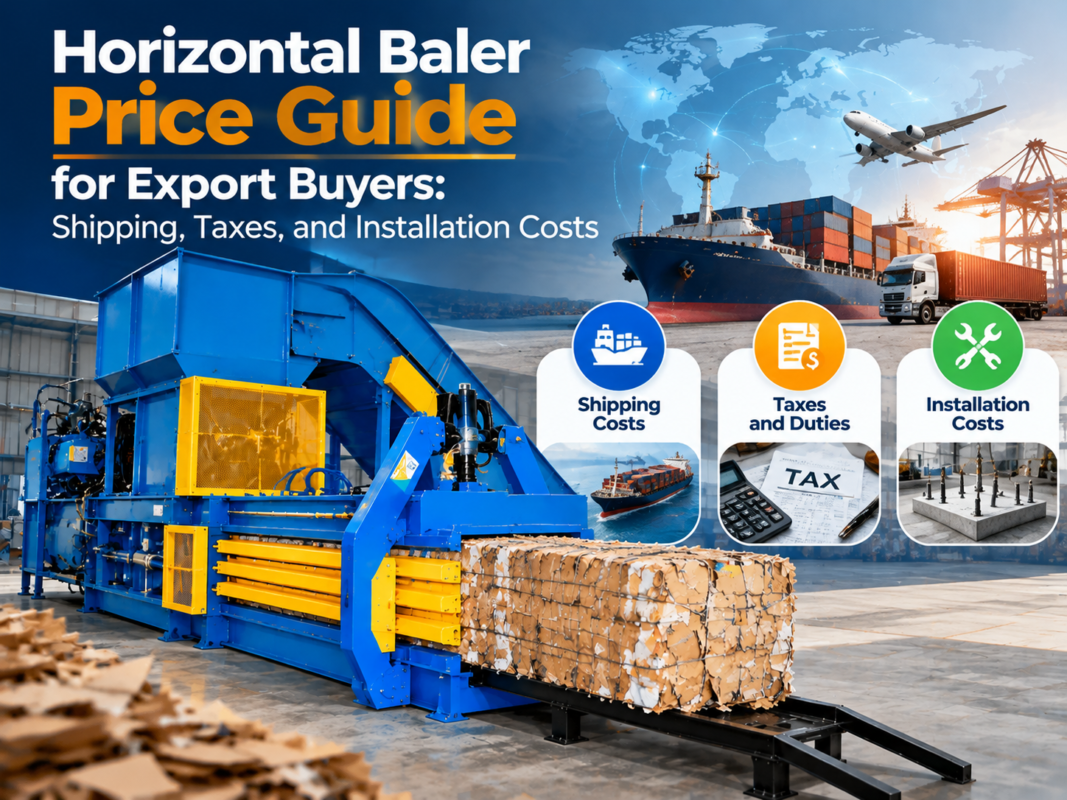
Shipping and rigging are significant variables. Because these machines are heavy and oversized, they often require flatbed trucks and professional crane services to move them into position. If your facility lacks a loading dock or has narrow entryways, the rigging costs can escalate quickly. Always request a site survey from your equipment provider to identify potential logistical bottlenecks.
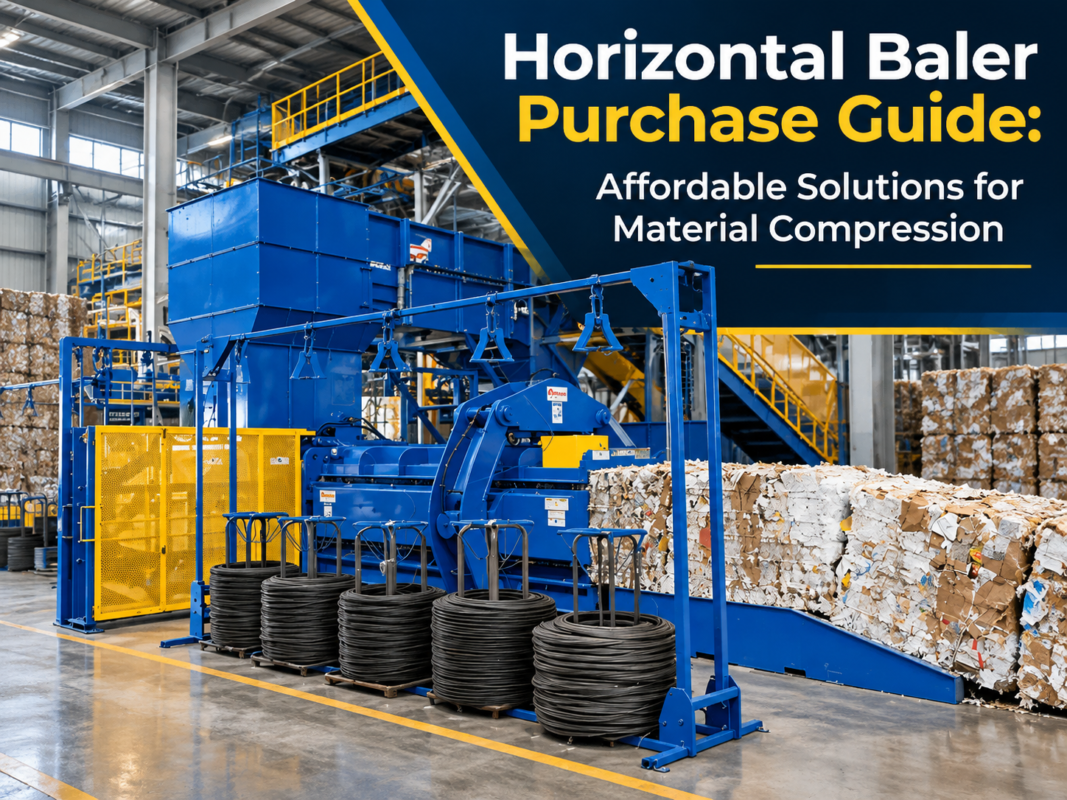
Consumables are an ongoing operating cost that many buyers forget to calculate. High-tensile baling wire or strapping material is a recurring expense. Depending on the volume of waste you process, you could be spending hundreds of dollars per month on wire alone. It is wise to negotiate a bulk supply agreement for consumables at the time of the baler purchase to lock in lower rates.
Training and safety compliance are also hidden costs. You must budget for the time it takes to train your staff on the safe operation of the machine. Furthermore, if your local jurisdiction requires annual safety inspections or certifications for industrial equipment, these fees must be included in your annual operating budget. Ignoring these can lead to heavy fines or, worse, workplace accidents.

ROI Calculation
To calculate the ROI of your horizontal baler, you must look at the total savings generated by the machine. The first metric is labor reduction. By automating the baling process, you can reallocate staff to more productive tasks. Calculate the hourly wage of the employees currently handling waste and multiply that by the hours saved per week. This is your primary labor savings.
The second metric is transportation efficiency. Loose waste is expensive to haul because you are paying to transport air. By compressing waste into dense, uniform bales, you can fit significantly more material into each truckload. Calculate the number of waste pickups you currently require per month versus the number required after the baler is installed. The reduction in hauling fees is often the fastest way to pay off the machine.
The third metric is revenue generation. In many cases, baled recyclables like cardboard, aluminum, or plastic have a commodity value. Instead of paying a waste management company to haul away your trash, you may be able to sell your bales to a recycling center. Research the current market rates for the materials you process to estimate your potential monthly revenue.
Finally, consider the tax benefits. In many regions, industrial equipment is eligible for accelerated depreciation or investment tax credits. Consult with your accountant to understand how the purchase of a HARSLE horizontal baler can improve your company’s tax position. When you combine labor savings, reduced hauling fees, potential revenue, and tax incentives, the ROI period for a well-chosen baler is often between 18 and 36 months.
Buying Advice
When you are ready to purchase, start by conducting a thorough waste audit. Measure the volume and type of waste your facility generates over a typical week. Do not buy a machine based on your current needs alone; consider your growth projections for the next five years. A baler that is undersized for your future growth will become a bottleneck that hinders your entire operation.
Request references from the manufacturer. A reputable company like HARSLE should be able to provide contact information for other businesses in your industry that are using similar equipment. Ask these references about their experience with installation, the frequency of maintenance, and the responsiveness of the technical support team. This is the most reliable way to gauge the true quality of the machine.
Prioritize serviceability. Ask the manufacturer for a list of common spare parts and their availability. If a critical component breaks, how long will it take to get a replacement? A machine that is down for two weeks while waiting for a part from overseas is a liability. Choose a supplier that maintains a local inventory of essential parts and offers remote diagnostic support.
Finally, look for a comprehensive warranty. A standard one-year warranty is the minimum, but many manufacturers offer extended warranties for an additional fee. Given the high cost of hydraulic repairs, an extended warranty can provide peace of mind and protect your budget from unexpected mechanical failures during the critical early years of the machine’s life.
FAQ
How often should I perform maintenance on my horizontal baler?
Routine maintenance should be performed monthly, including checking hydraulic fluid levels, inspecting hoses for leaks, and cleaning the photo-eyes. A major service, including oil changes and filter replacements, should be conducted every 6 to 12 months depending on usage intensity.
What is the expected lifespan of a horizontal baler?
With proper maintenance and regular care, a high-quality industrial horizontal baler can last between 10 and 20 years. The hydraulic pump and the main cylinder are the components most likely to require replacement over this period.
Can I use a horizontal baler for different types of materials?
While many balers are versatile, you must ensure the machine is rated for the specific density and type of material you intend to process. For example, a baler designed for cardboard may not have the structural strength to handle scrap metal or heavy plastic.
What are the electrical requirements for a standard horizontal baler?
Most industrial horizontal balers require a 3-phase power supply. It is crucial to have a licensed electrician evaluate your facility’s power capacity before installation to ensure it meets the machine’s peak load requirements.
How do I choose between a semi-automatic and a fully automatic baler?
Choose a semi-automatic baler if your daily throughput is low and you have available labor to manage the tying process. Choose a fully automatic baler if you have high-volume, continuous waste streams where labor costs and speed are the primary concerns.