Solving Metal Waste Problems with a Hydraulic Briquetting Machine: A Comprehensive Guide

Introduction: The Hidden Cost of Metal Scrap
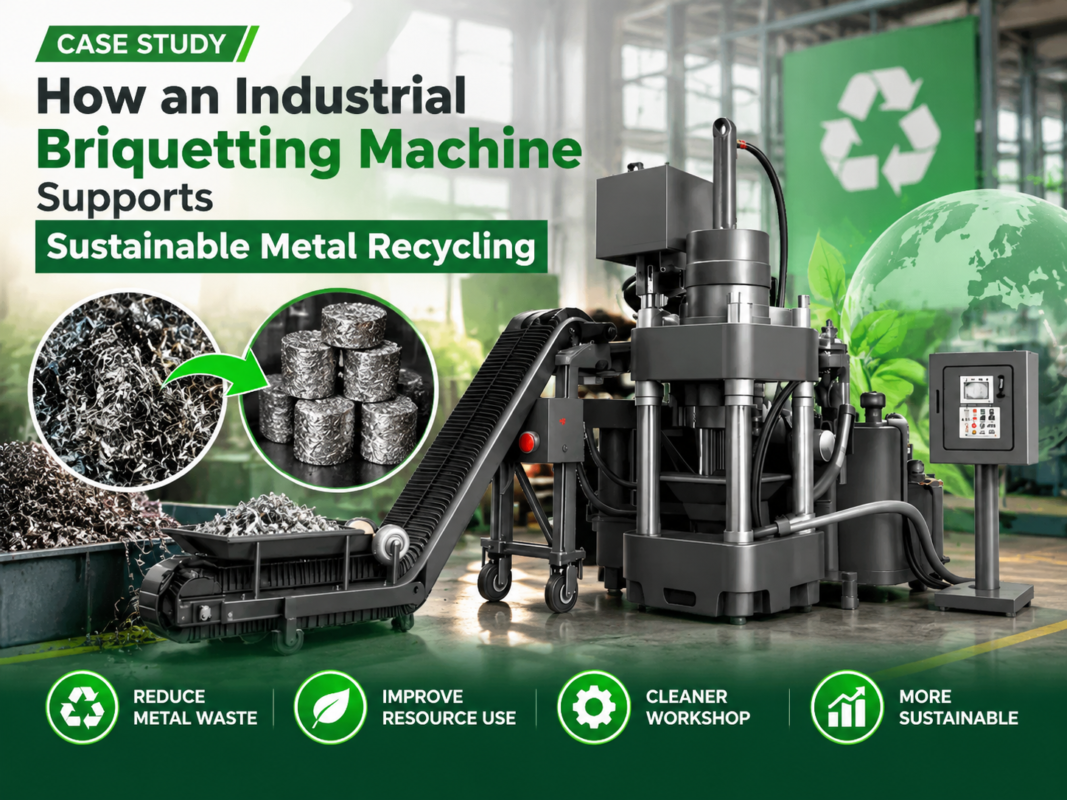
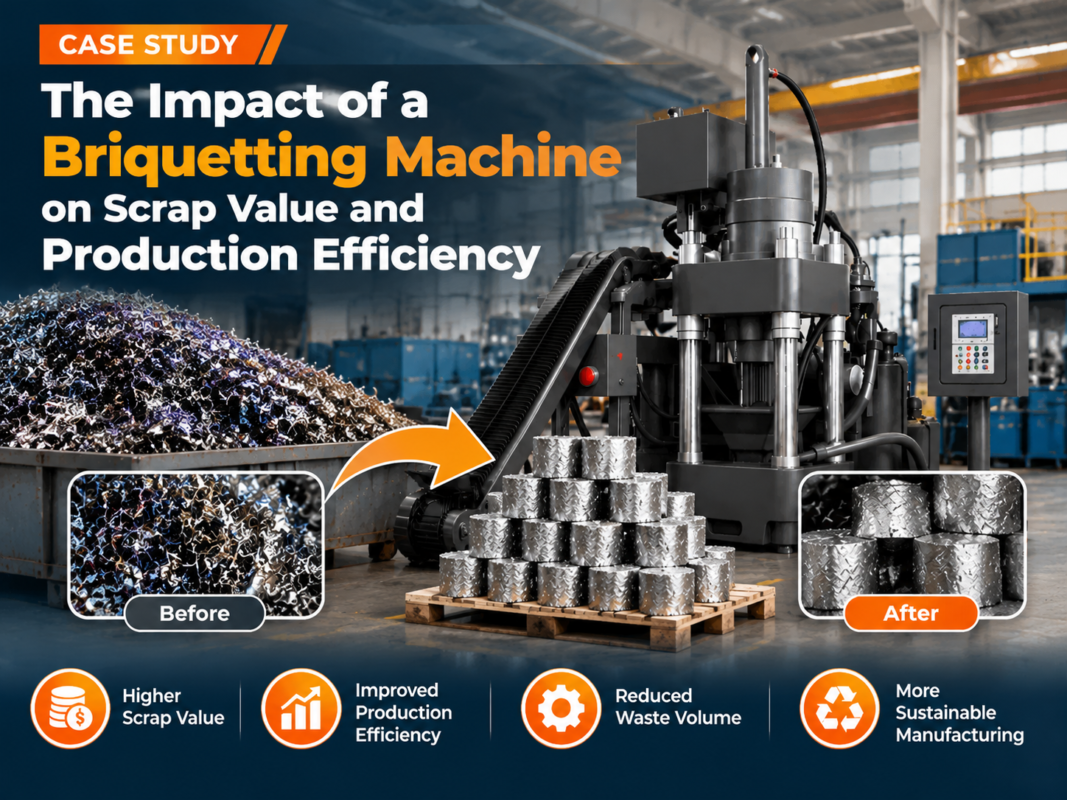
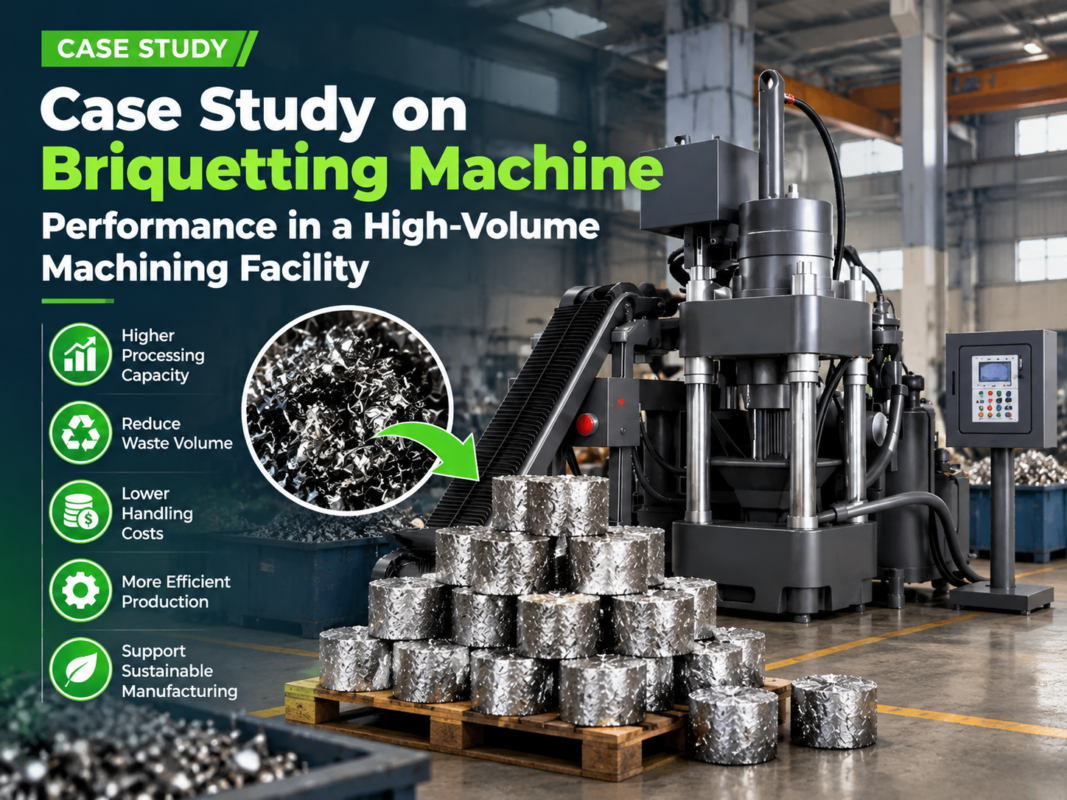
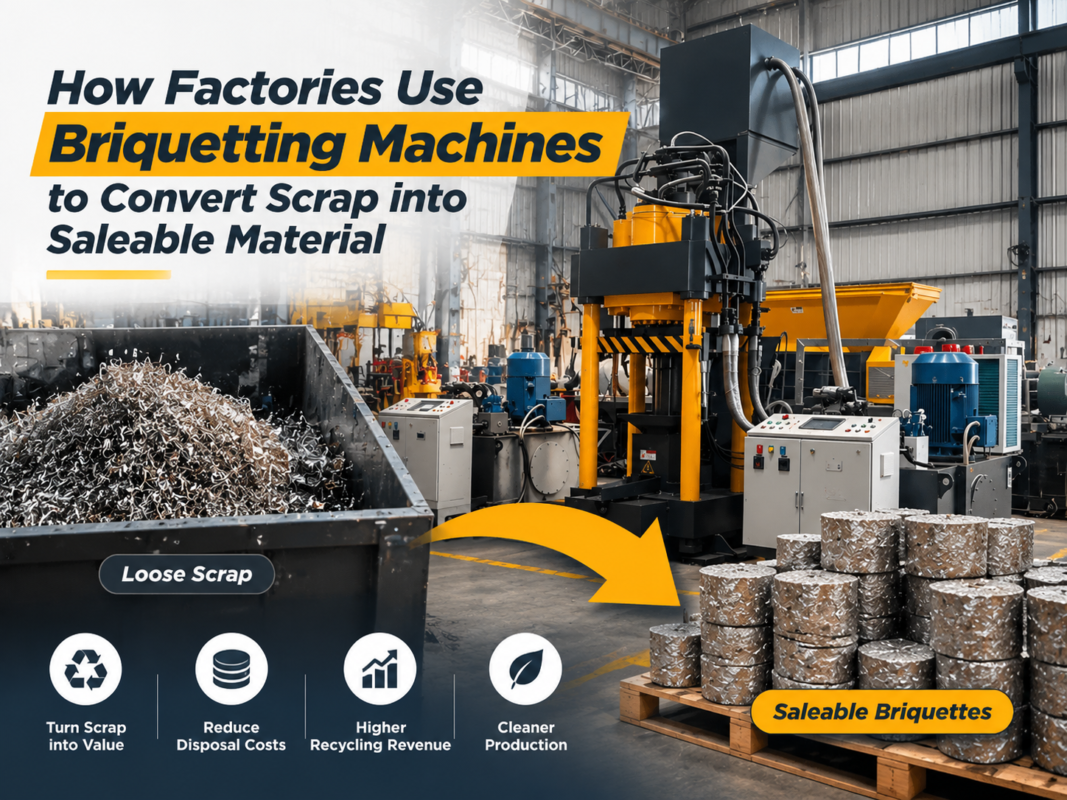
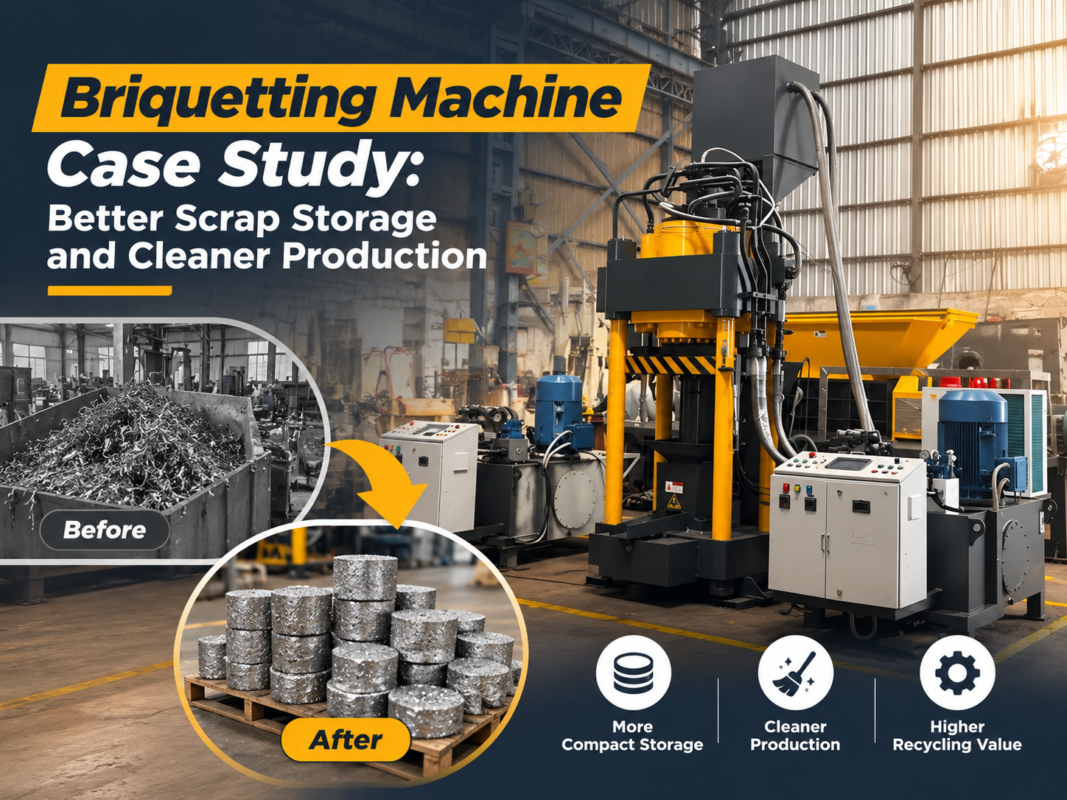
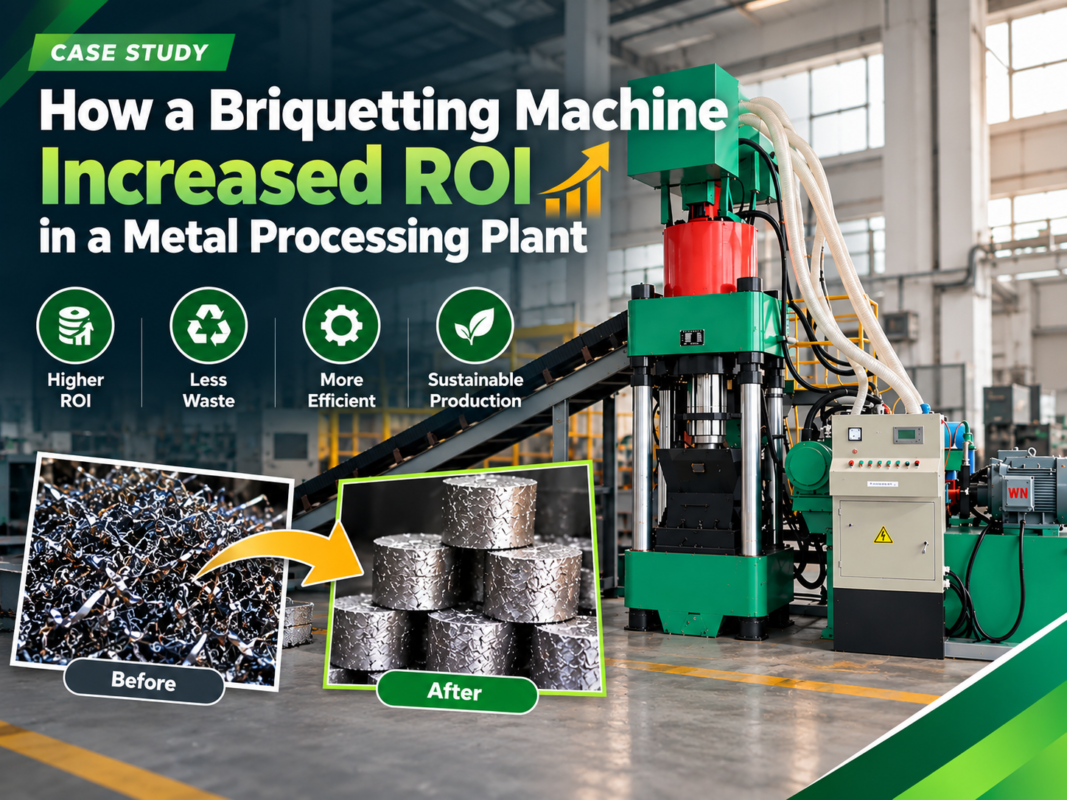
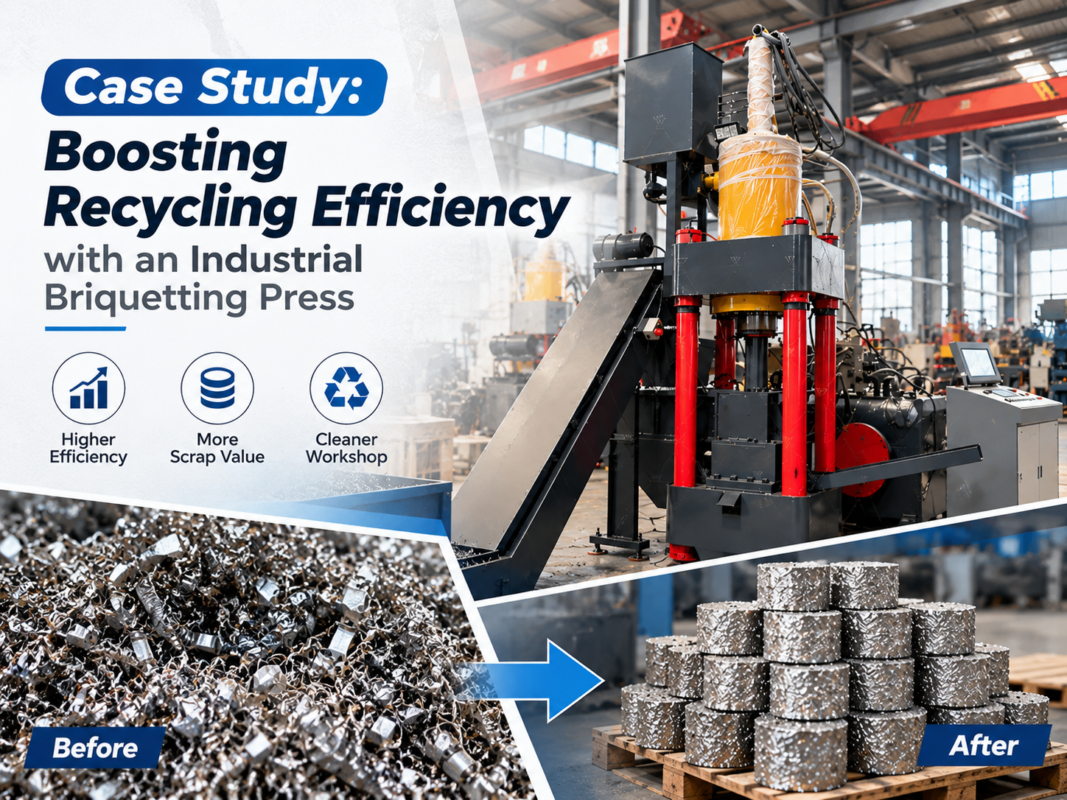
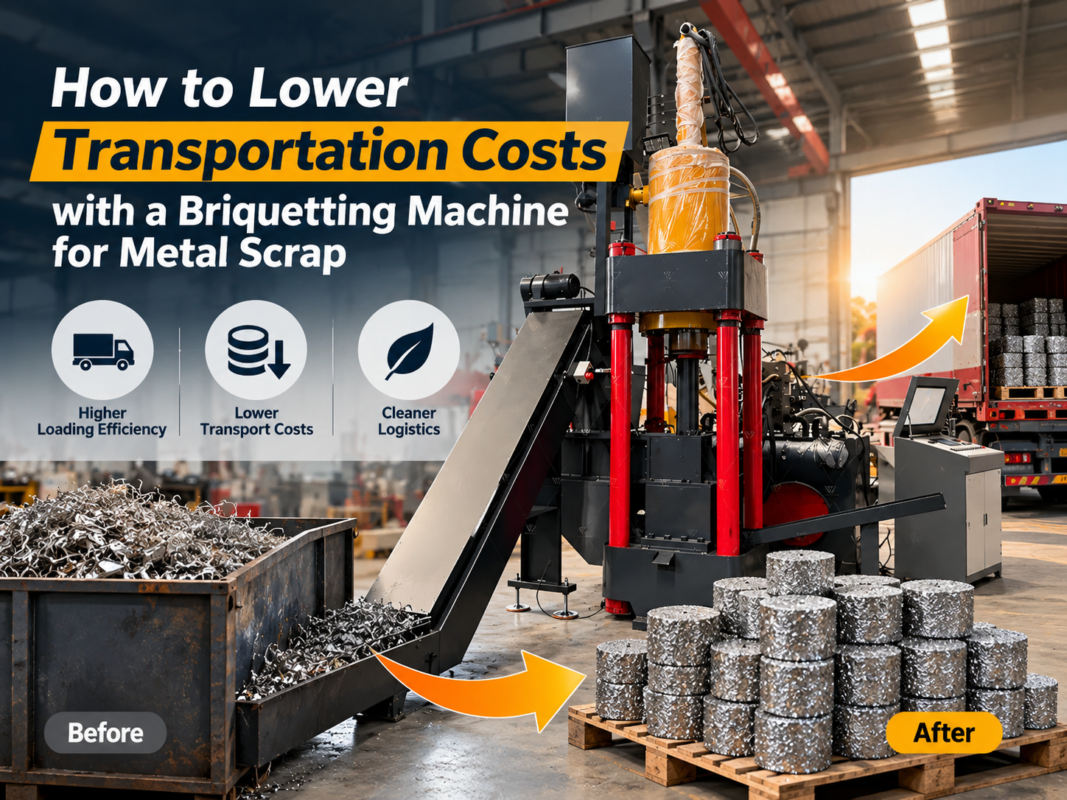
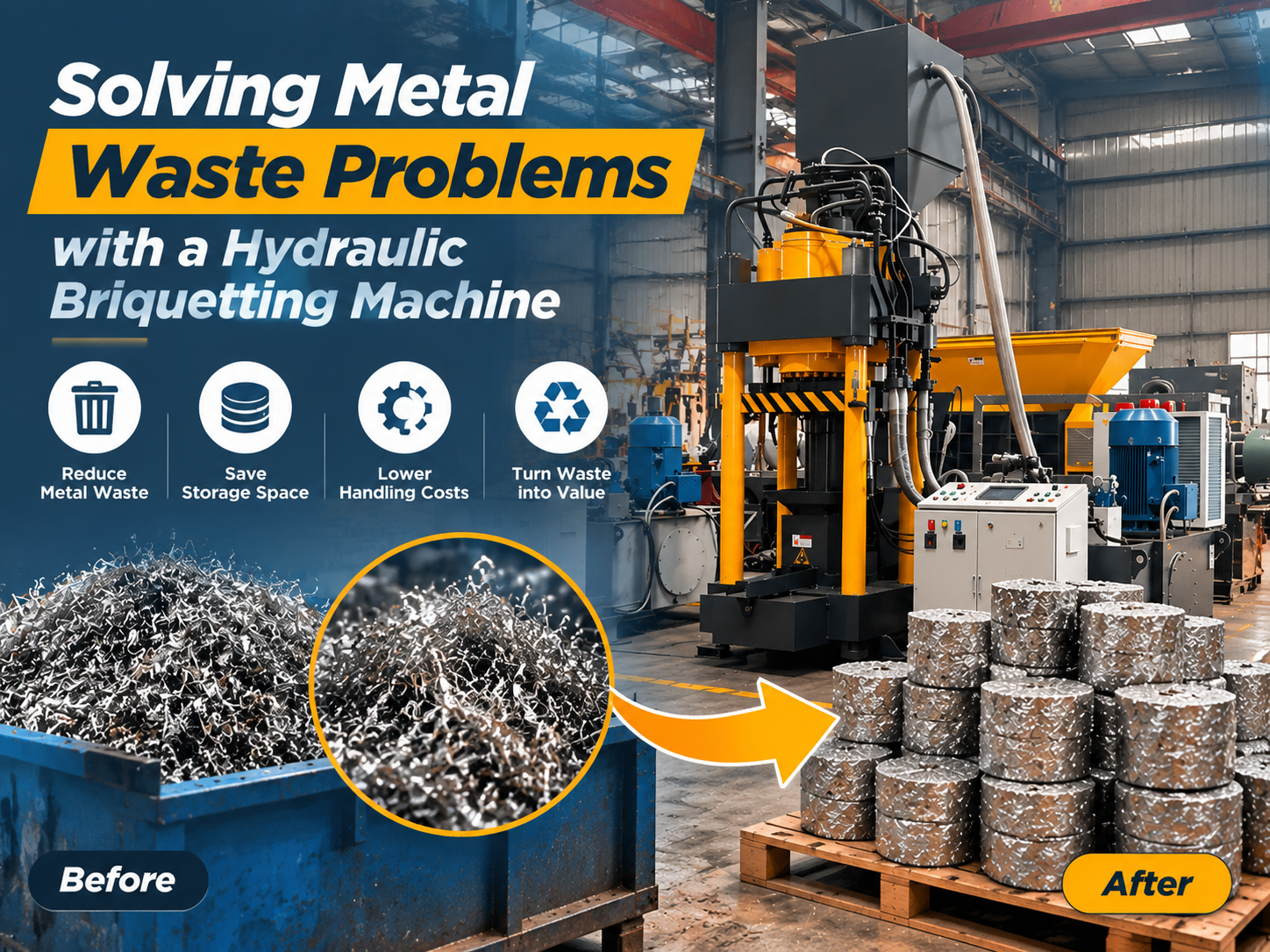
In the modern metal fabrication industry, the accumulation of metal chips, turnings, and shavings is often viewed as an unavoidable byproduct of production. However, for many facility managers, this “waste” represents a significant drain on profitability and operational efficiency. Solving metal waste problems with a hydraulic briquetting machine is no longer just an environmental initiative; it is a strategic business decision that directly impacts the bottom line. By converting loose, bulky scrap into dense, high-value briquettes, manufacturers can reclaim valuable cutting fluids, reduce logistics costs, and command higher prices from scrap metal recyclers.
HARSLE has spent decades refining the technology behind industrial metal processing. We understand that the primary challenge for fabrication shops is not just the volume of waste, but the logistical nightmare of storing and transporting low-density materials. Loose metal chips occupy massive amounts of floor space, create fire hazards, and are notoriously difficult to handle. When you implement a hydraulic briquetting system, you are essentially transforming a liability into a manageable, sellable commodity.
This article explores the technical, economic, and operational advantages of integrating a briquetting machine into your production line. We will delve into the mechanics of how these machines function, the criteria for selecting the right model for your specific metal type, and how this investment serves as a cornerstone for sustainable, lean manufacturing practices. Whether you are dealing with aluminum, steel, copper, or cast iron, the principles of briquetting remain the same: density equals value.
Key Considerations for Metal Waste Management
Before investing in a briquetting solution, it is essential to analyze your current waste stream. Not all scrap is created equal, and the physical characteristics of your metal waste—such as chip size, material hardness, and moisture content—will dictate the type of machinery required. Solving metal waste problems with a hydraulic briquetting machine begins with a thorough audit of your facility’s output. Are you producing long, stringy turnings from a lathe, or fine, granular chips from a milling process? Each requires a different pre-processing approach.
Another critical consideration is the volume of scrap generated daily. A small job shop will have vastly different requirements compared to a high-volume automotive parts manufacturer. You must evaluate the throughput capacity of the machine to ensure it can keep pace with your production cycles without creating a bottleneck. If the briquetting machine cannot process the scrap as fast as your CNC machines produce it, you will still face the same storage and handling issues you started with.
Furthermore, consider the value of the cutting fluids or coolants used in your machining processes. Loose metal chips are essentially sponges, soaking up expensive oils and coolants. When you dispose of loose chips, you are essentially throwing away money in the form of wasted fluid. A hydraulic briquetting machine acts as a fluid recovery system, pressing the liquid out of the chips so it can be filtered, treated, and reused. This feature alone often provides a return on investment within the first year of operation.
Finally, think about the environmental and safety regulations in your region. Many jurisdictions are tightening rules regarding the storage of oily metal scrap due to fire risks and groundwater contamination concerns. By briquetting your scrap, you create a clean, dry, and compact product that is significantly easier to store in compliance with safety standards. This reduces insurance premiums and minimizes the risk of workplace accidents associated with handling sharp, loose metal shavings.
Technical Details: How Briquetting Works
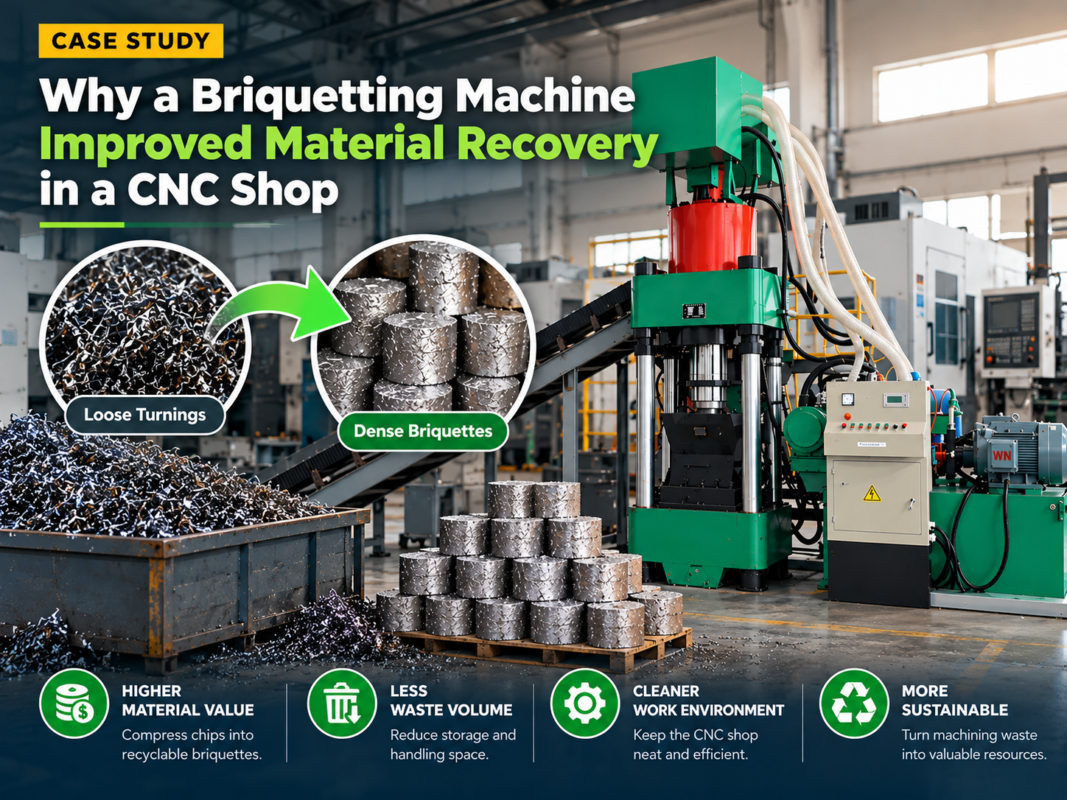
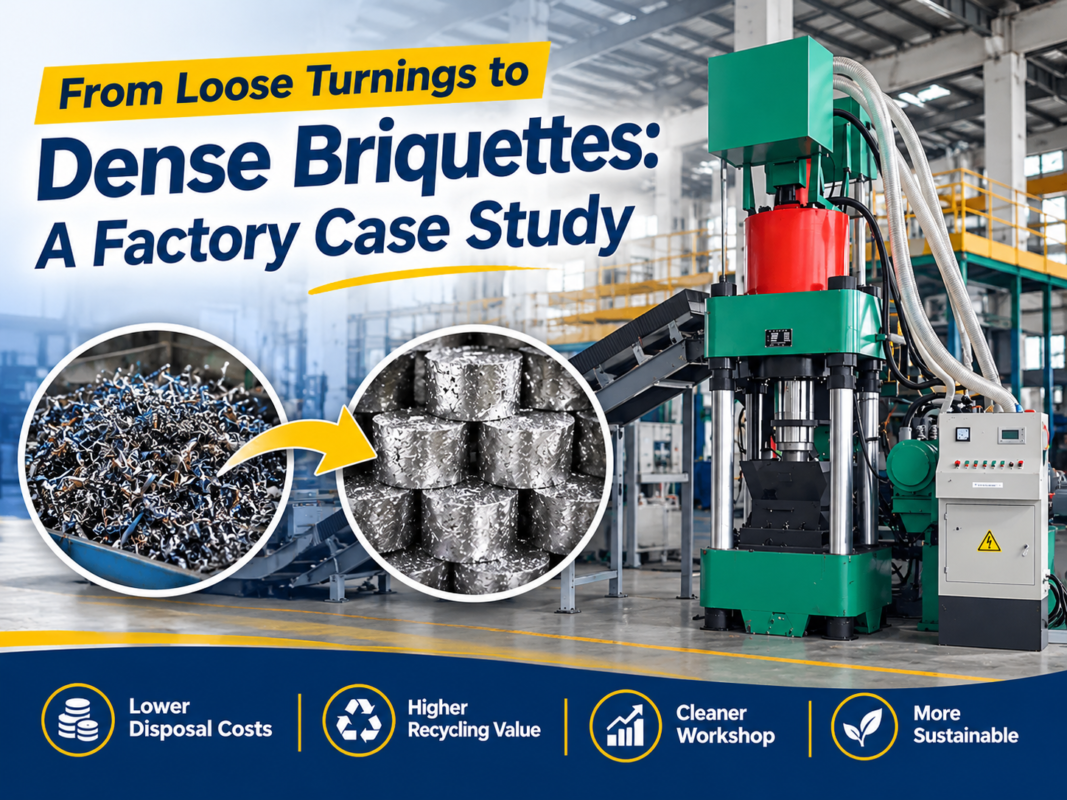
The core technology behind solving metal waste problems with a hydraulic briquetting machine lies in the application of extreme pressure. Unlike mechanical presses that rely on impact, hydraulic systems provide a consistent, high-force squeeze that forces the metal particles to bond together through mechanical interlocking and friction. This process creates a solid briquette without the need for binders or additives, ensuring that the metal remains pure and highly recyclable.
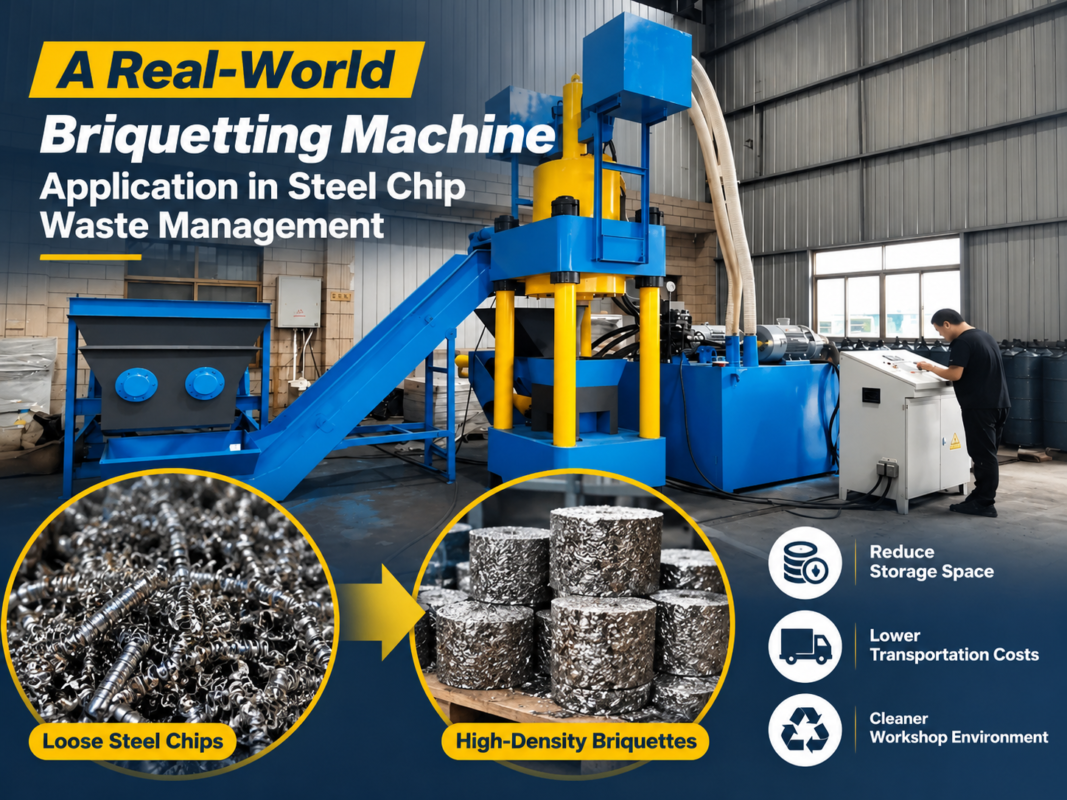
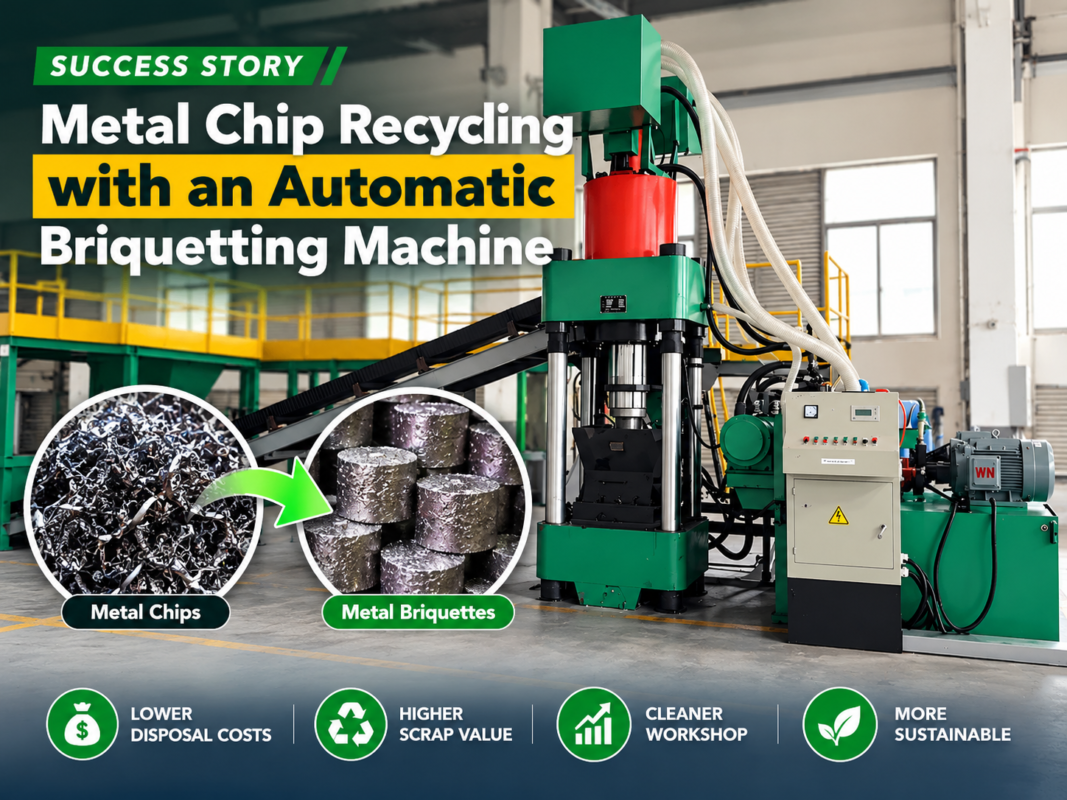
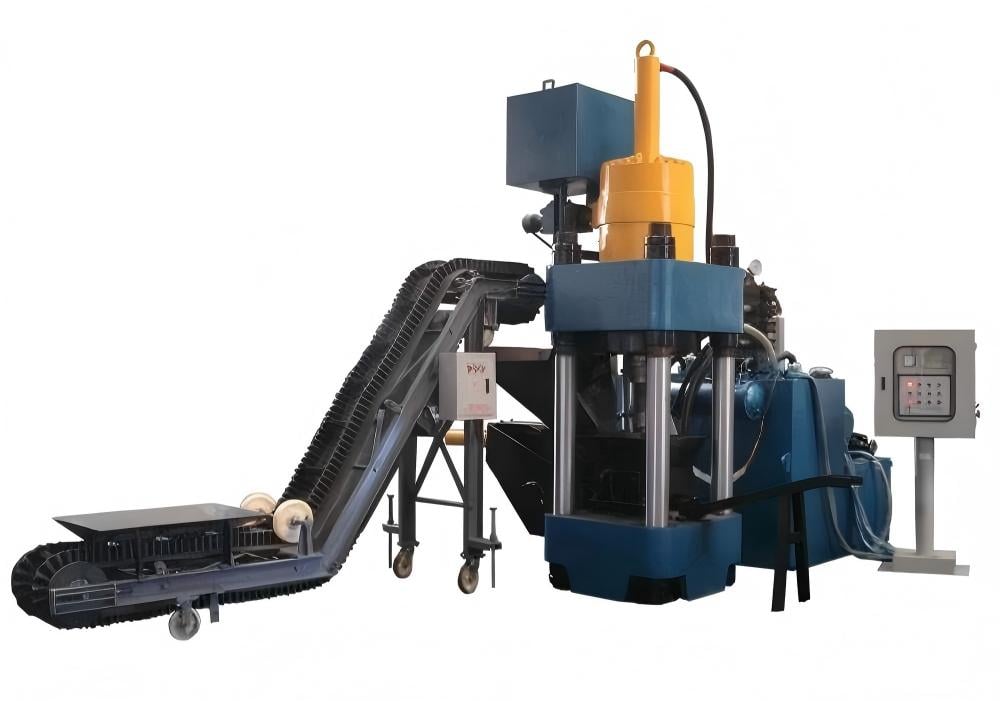
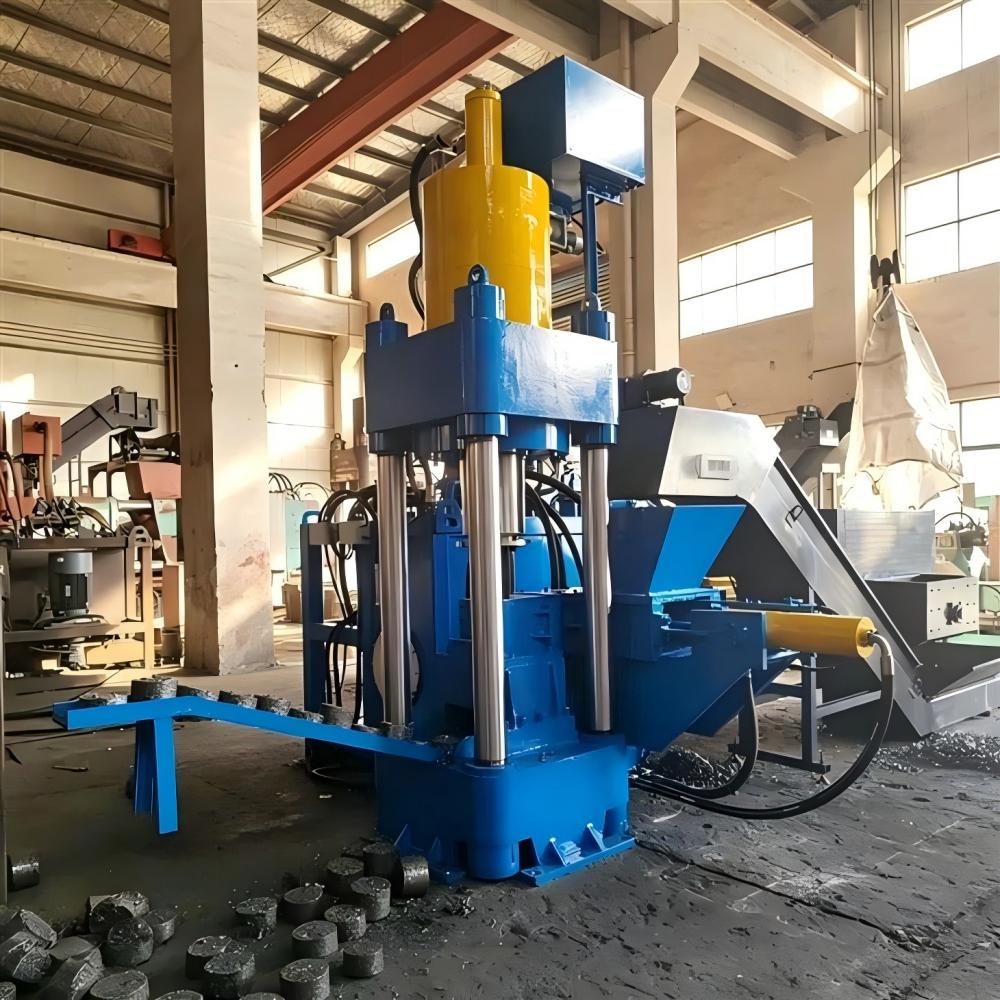
The process typically begins with a hopper where the loose chips are fed. If the chips are long and stringy, a shredder or crusher is often integrated into the system to break the metal down into a uniform size. Once the material enters the compression chamber, a hydraulic ram exerts force, pushing the material into a die. The pressure is held for a set duration to ensure the briquette reaches maximum density, after which the finished briquette is ejected from the machine.
HARSLE’s hydraulic systems are engineered for precision and durability. We utilize high-grade hydraulic pumps and robust cylinder designs to ensure that the machine can operate under heavy loads for extended periods. The control systems are fully automated, allowing for seamless integration into existing production lines. Sensors monitor the pressure and cycle times, ensuring that every briquette produced meets the required density specifications for high-value scrap markets.
Maintenance of these systems is relatively straightforward but critical for long-term performance. Regular checks of hydraulic fluid levels, seal integrity, and die wear are essential. Because the machine is constantly dealing with abrasive metal particles, the die and ram surfaces are often treated with specialized coatings or made from hardened alloys to extend their service life. Proper maintenance ensures that your machine remains a reliable asset in your metal fabrication equipment arsenal.
Selection Advice: Choosing the Right Equipment
When you are ready to commit to solving metal waste problems with a hydraulic briquetting machine, the selection process should be guided by your specific material profile. Aluminum, for instance, is lightweight and requires a different compression ratio compared to heavy, dense steel. If you are processing multiple types of metals, you may need a machine with adjustable pressure settings to accommodate the varying material properties.
Consider the footprint of the machine. In many fabrication shops, floor space is at a premium. HARSLE offers compact designs that can be placed directly next to the CNC machines, allowing for “at-source” processing. This eliminates the need for transporting loose scrap across the factory floor, further reducing labor costs and the risk of spills. However, if you have a centralized scrap processing area, a larger, high-capacity unit might be more efficient.
Another factor is the level of automation required. Do you need a fully automated system with conveyors and automatic feeding, or is a semi-automatic system sufficient for your needs? Automation reduces the need for manual labor, but it also increases the initial capital investment. We recommend conducting a cost-benefit analysis to determine the payback period for different levels of automation. Often, the labor savings alone justify the cost of a fully automated system.
Finally, look for a manufacturer that provides comprehensive support. Solving metal waste problems with a hydraulic briquetting machine is a long-term commitment. You need a partner who offers technical training, readily available spare parts, and responsive customer service. HARSLE prides itself on being more than just a machine supplier; we are a partner in your operational success, providing the guidance needed to optimize your scrap management strategy from day one.
FAQ: Common Questions About Briquetting
What is the primary benefit of using a briquetting machine?
The primary benefit is the conversion of low-value, bulky scrap into high-density, high-value briquettes. This reduces storage space, lowers transportation costs, and allows for the recovery of expensive cutting fluids.
Can a briquetting machine handle all types of metal?
Most hydraulic briquetting machines can handle a wide range of metals, including aluminum, steel, copper, brass, and cast iron. However, the machine must be configured correctly for the specific material to ensure optimal density and structural integrity of the briquette.
How much fluid can I recover?
Depending on the material and the initial saturation level, it is common to recover 80% to 95% of the cutting fluid that would otherwise be lost to the scrap pile. This represents a significant recurring cost saving.
Is the machine difficult to operate?
Modern briquetting machines are designed with user-friendly interfaces. Once the initial setup and training are complete, operators can manage the system with minimal intervention, thanks to automated sensors and PLC controls.
How often does the machine require maintenance?
Routine maintenance, such as checking hydraulic fluid and cleaning the hopper, should be performed daily or weekly. More intensive maintenance, such as inspecting the die and ram, is typically scheduled based on the machine’s operating hours.
Conclusion: Investing in a Sustainable Future
Solving metal waste problems with a hydraulic briquetting machine is a transformative step for any metal fabrication business. By turning waste into a high-density, sellable product, you not only improve your environmental footprint but also unlock new revenue streams and operational efficiencies. The ability to reclaim cutting fluids and reduce logistics costs provides a clear, measurable return on investment that strengthens your competitive position in the market.
At HARSLE, we are committed to providing the industrial machinery guide and equipment necessary to help our clients succeed. Our hydraulic briquetting machines are built to withstand the rigors of daily production while delivering consistent, high-quality results. Whether you are looking to streamline your waste management, comply with stricter environmental regulations, or simply maximize the value of your scrap, we have the expertise and the technology to help you achieve your goals.
The transition to a more efficient, sustainable fabrication process starts with a single decision. By choosing the right briquetting solution, you are investing in the longevity and profitability of your facility. We invite you to contact our team to discuss your specific scrap management needs and discover how HARSLE can help you turn your metal waste problems into a profitable asset.