Briquetting Machine Case Study: Maximizing Return From Cast Iron Chip Scrap

Introduction: The Hidden Value in Cast Iron Swarf
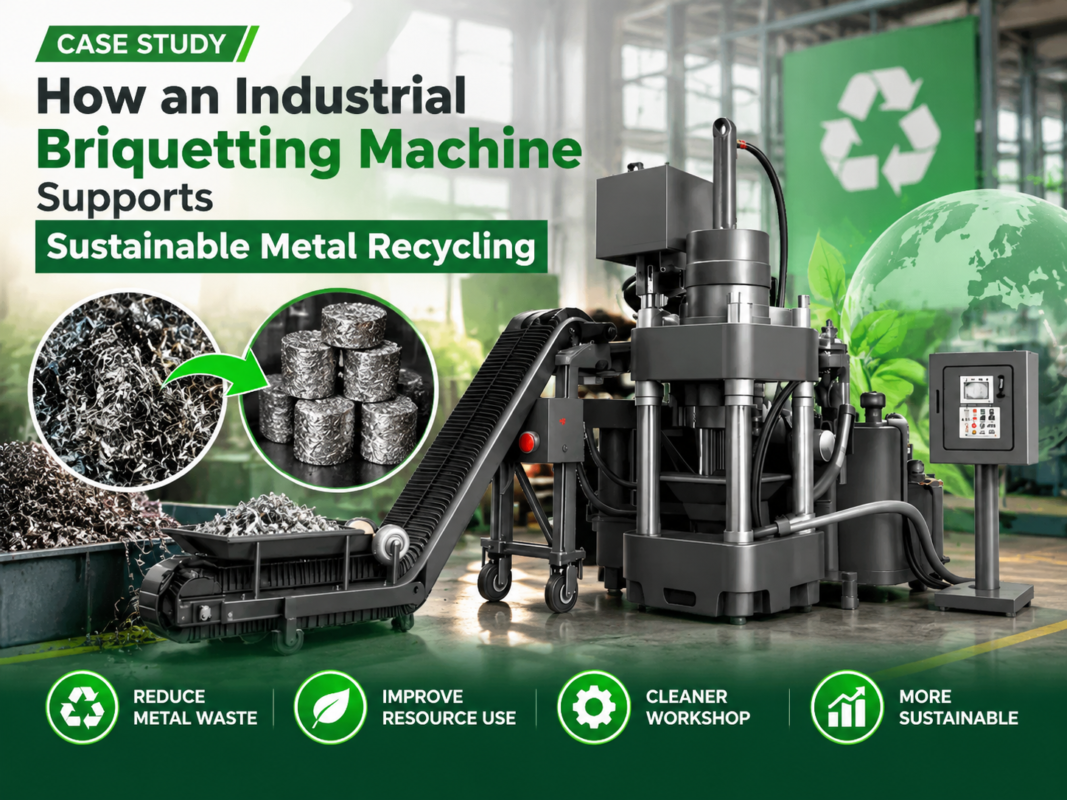
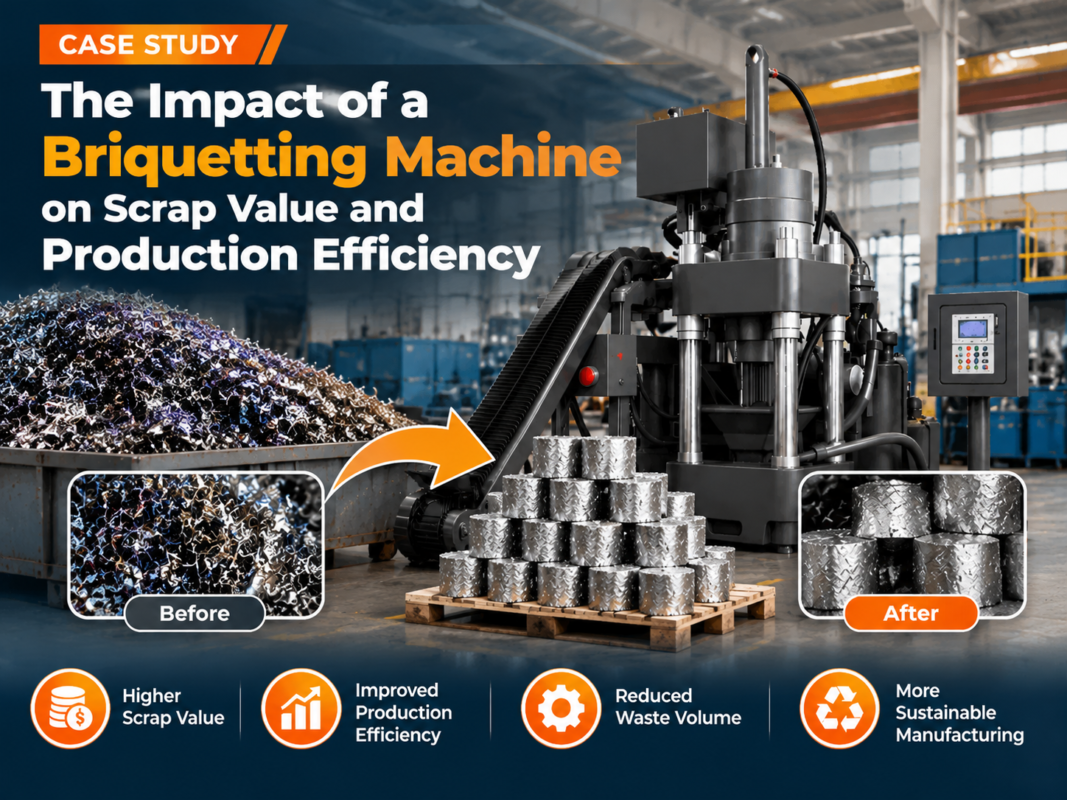
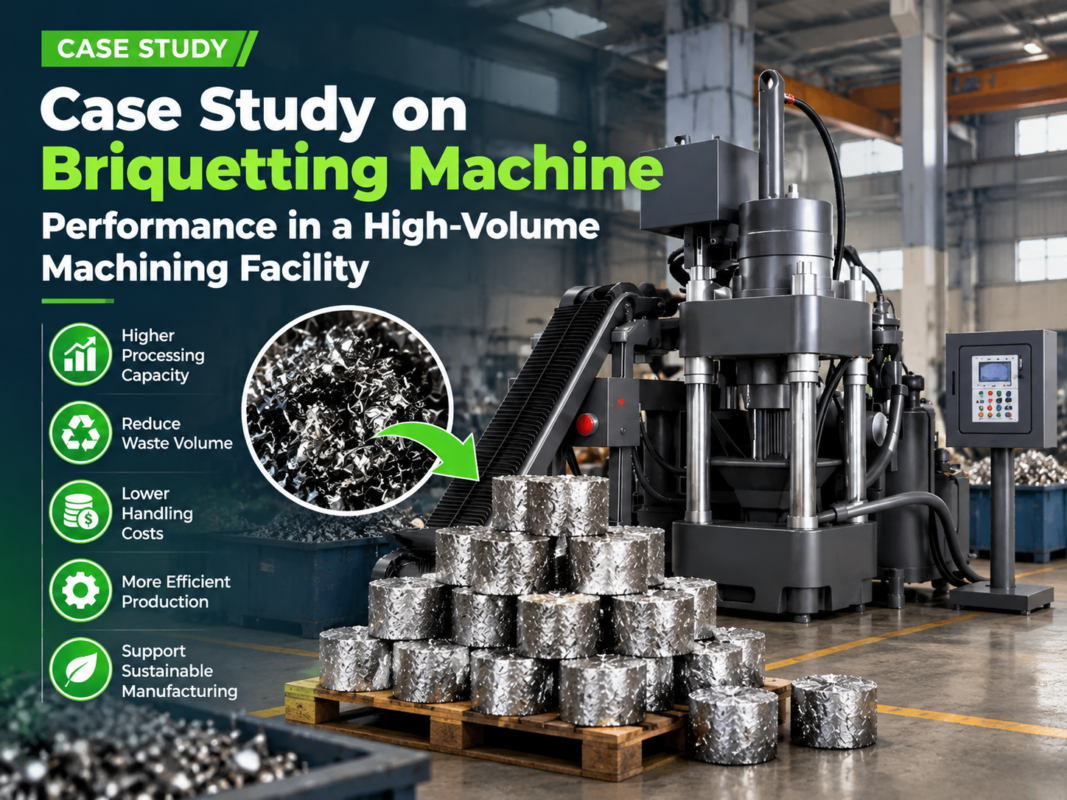
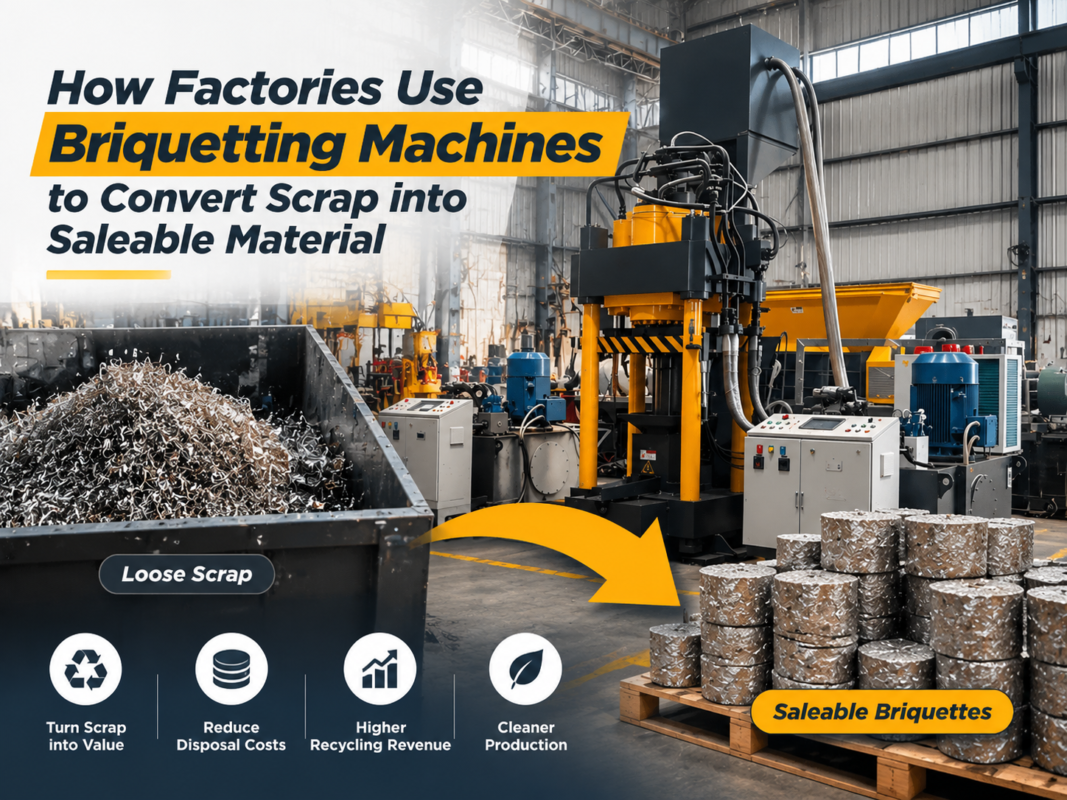
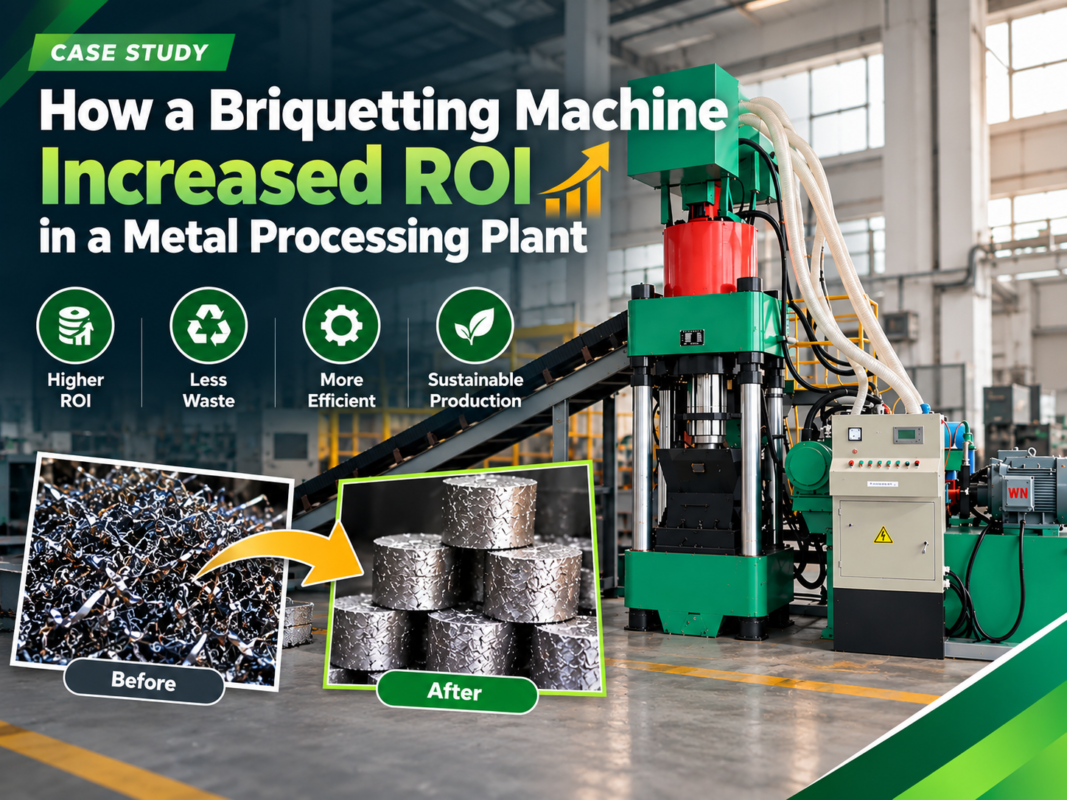
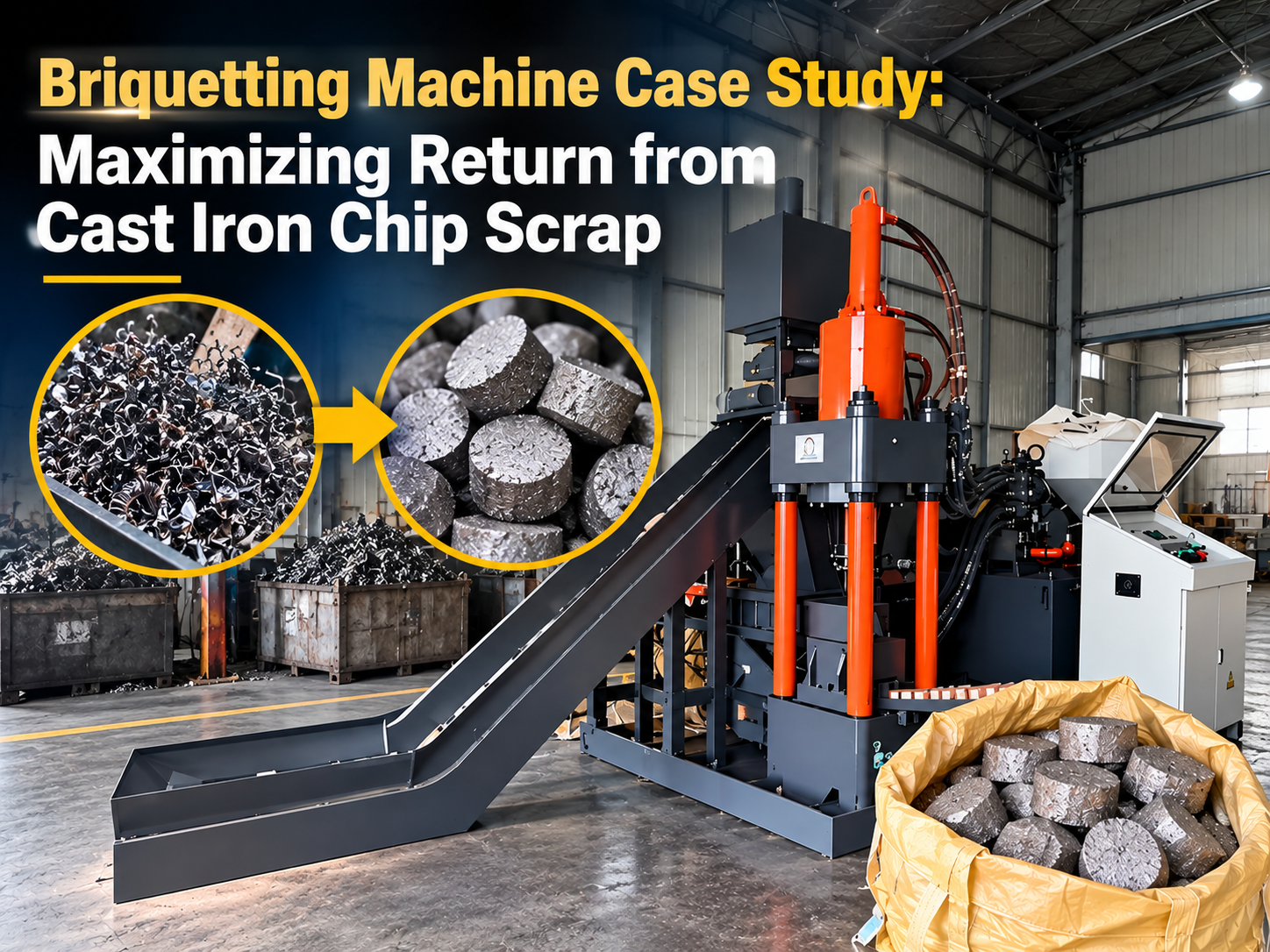
In the modern metal fabrication landscape, efficiency is not merely about production speed; it is about resource optimization. For facilities processing high volumes of cast iron, the byproduct—swarf or chips—is often viewed as a logistical burden rather than a potential revenue stream. However, a Briquetting Machine Case Study: Maximizing Return From Cast Iron Chip Scrap reveals that this waste can be converted into high-density, furnace-ready briquettes, significantly altering the financial profile of a machine shop.
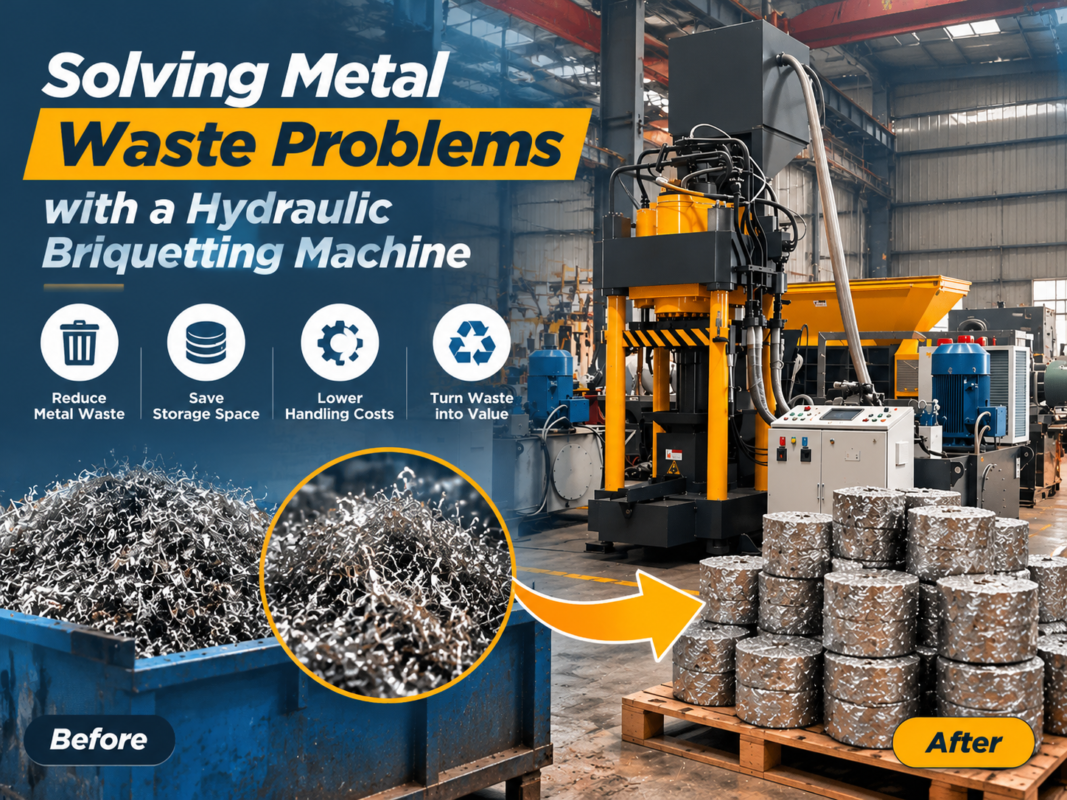
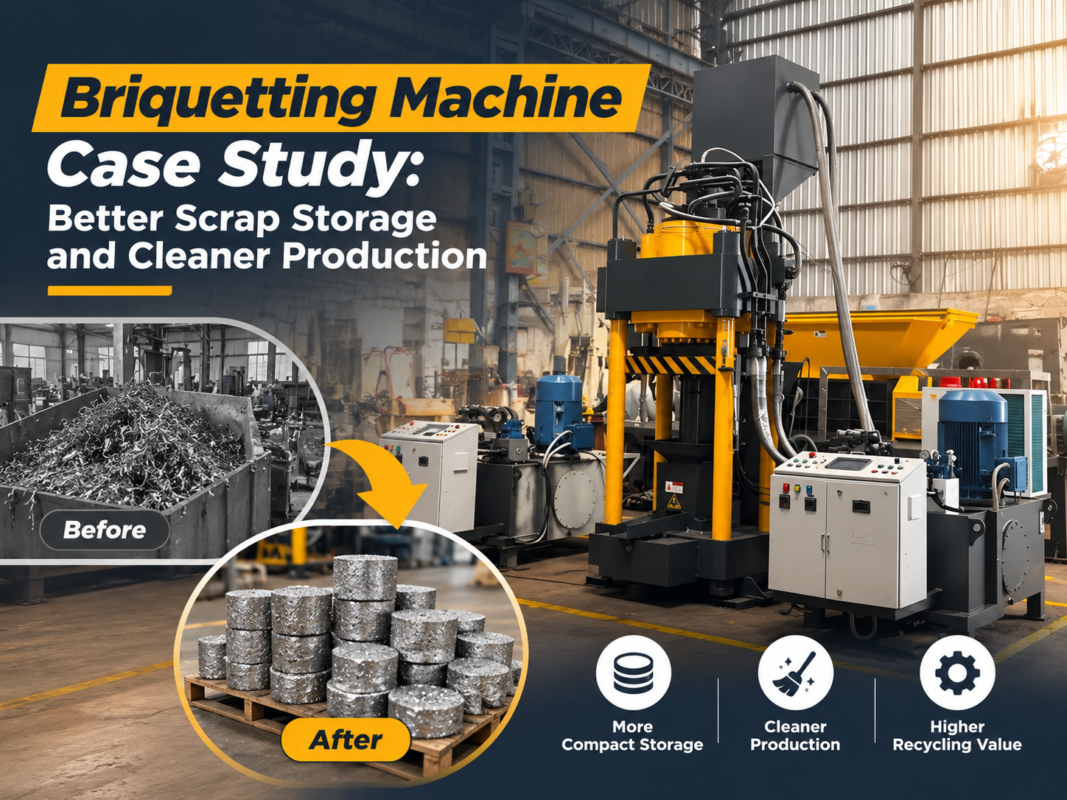
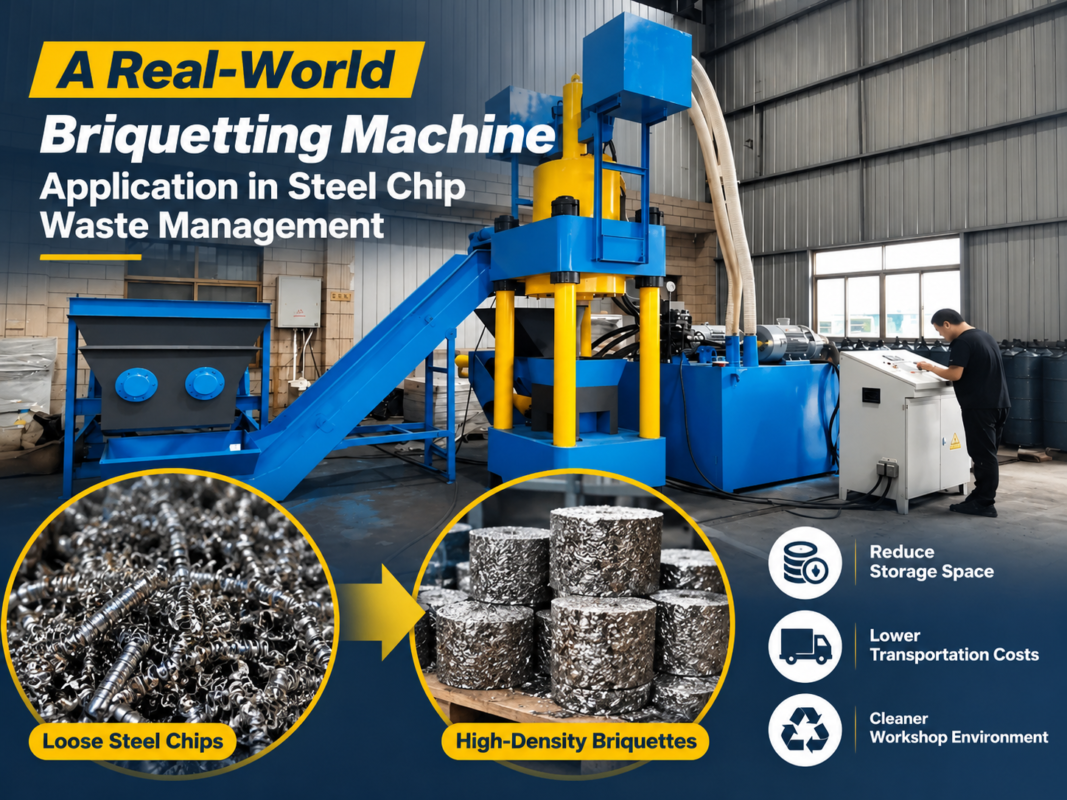
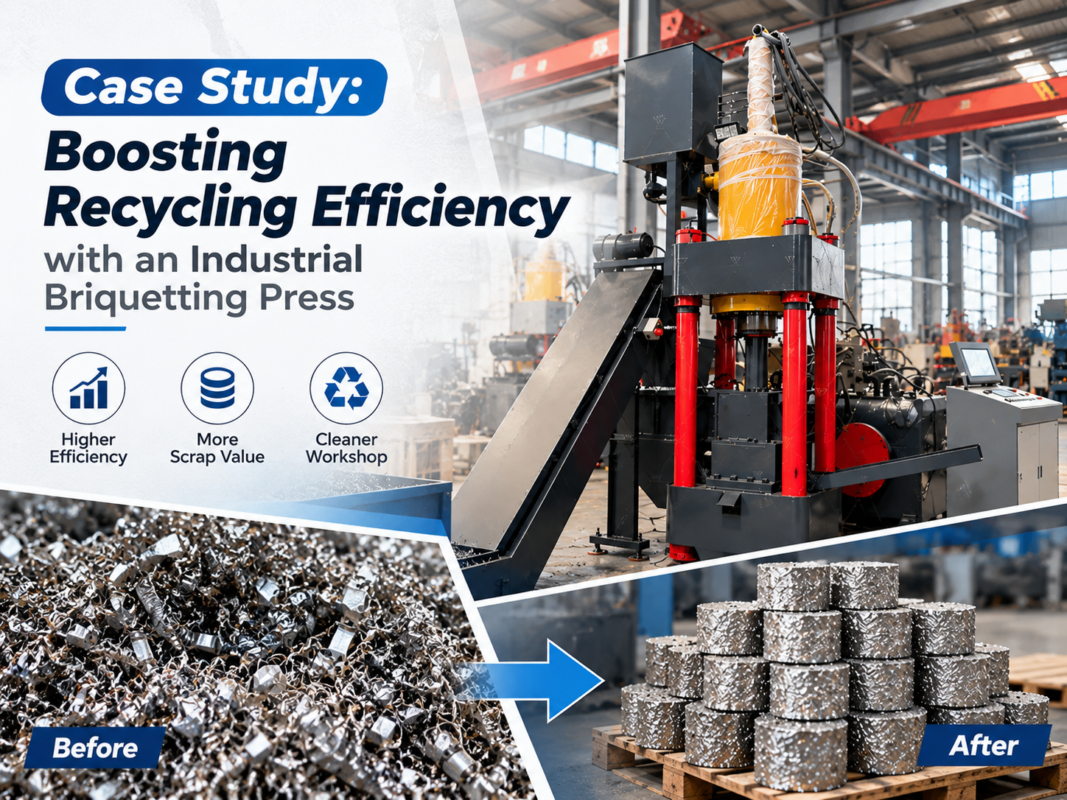
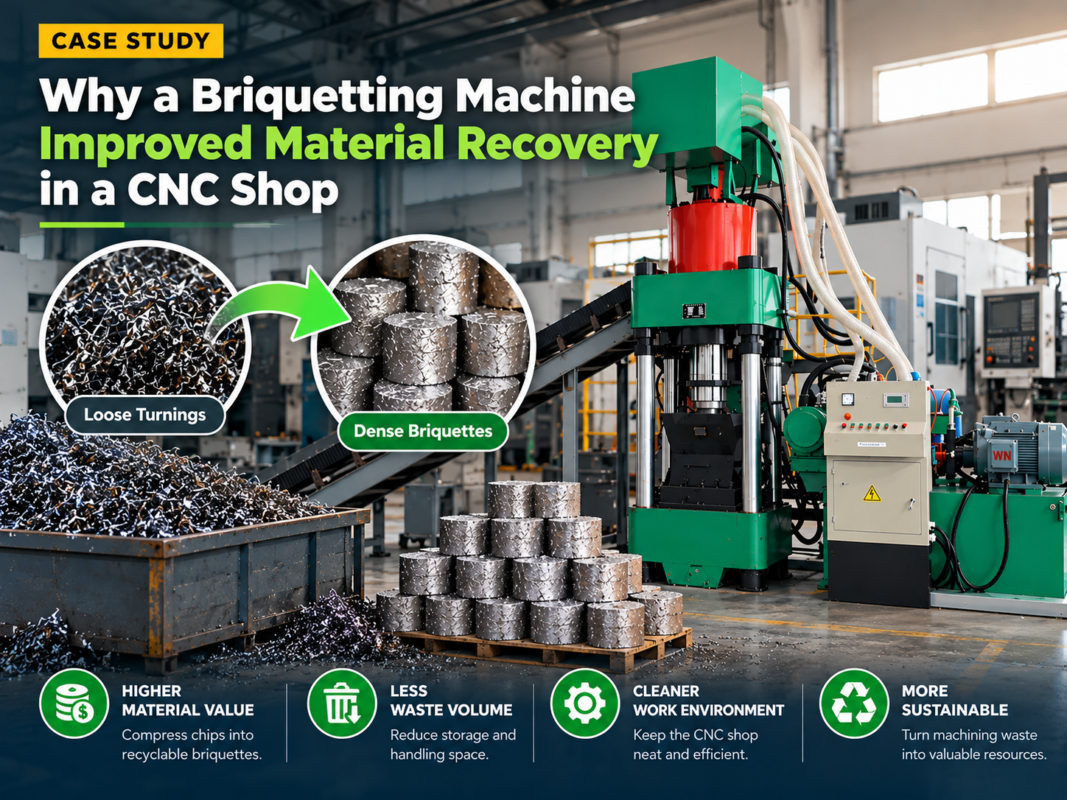
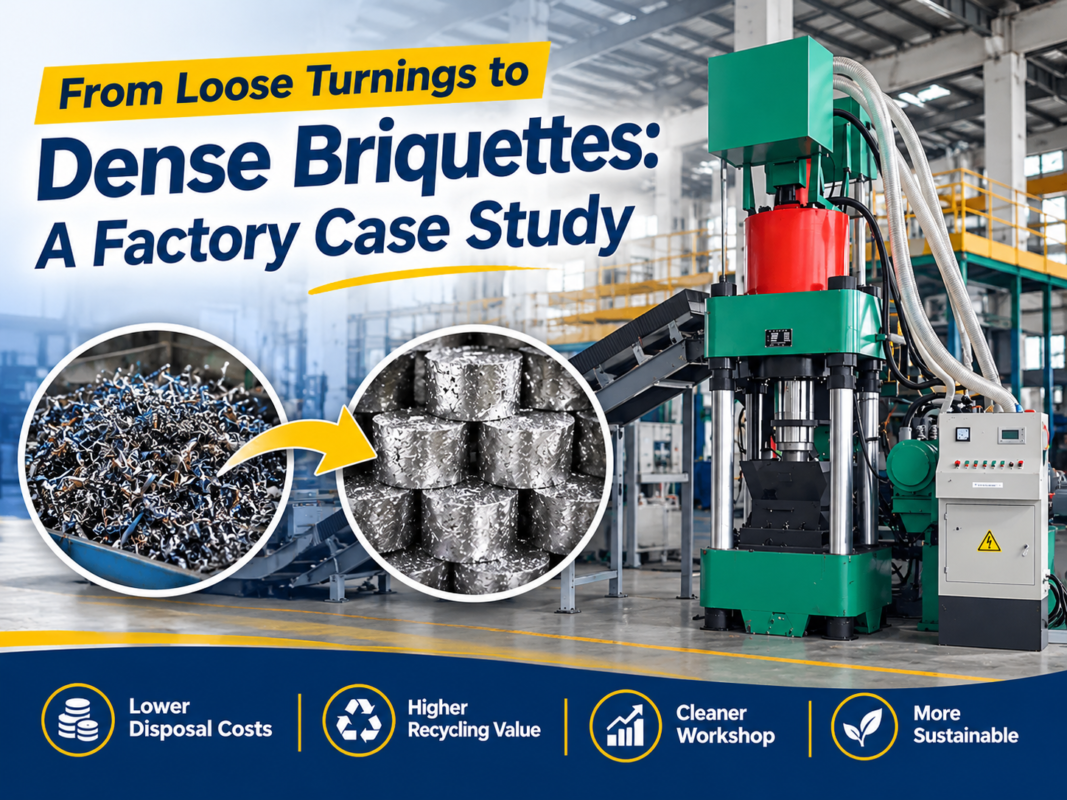
Cast iron chips are notoriously difficult to handle. They are bulky, oil-saturated, and possess a low bulk density, making them expensive to transport and inefficient to melt. By utilizing a HARSLE industrial briquetting system, manufacturers can compress these loose chips into solid, uniform briquettes. This process not only reduces the physical volume of waste by up to 90% but also recovers valuable cutting fluids that would otherwise be lost to the scrap heap.
This article explores the technical and economic transformation that occurs when a fabrication plant integrates a briquetting solution. We will examine the operational challenges faced by traditional shops, the technical specifications required for high-performance briquetting, and the strategic advantages of adopting this technology. Through this case study approach, we aim to provide a roadmap for maximizing ROI in your metal recycling operations.
The transition from loose scrap management to briquetting is a hallmark of a mature, sustainable manufacturing operation. As environmental regulations tighten and raw material costs fluctuate, the ability to reclaim and reuse cast iron internally—or sell it at a premium to foundries—becomes a critical competitive advantage. HARSLE remains at the forefront of this transition, providing the robust machinery necessary to turn industrial waste into a high-value asset.
Key Considerations for Scrap Management
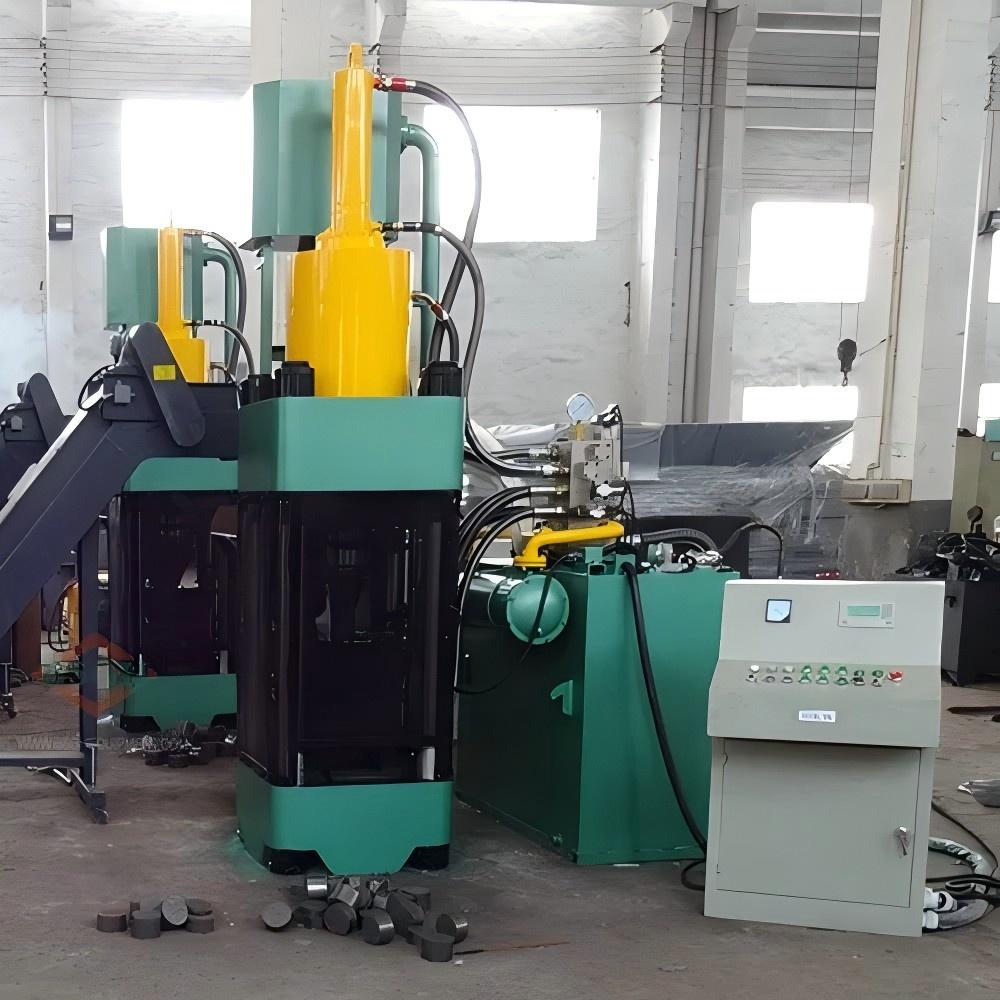
Before investing in a briquetting system, facility managers must evaluate their current scrap handling workflow. The primary challenge with cast iron is its abrasive nature and the high volume of coolant it retains. Without a dedicated briquetting machine, shops often pay for the transport of “water weight” and loose material, which scrap dealers purchase at significantly lower rates compared to dense, clean briquettes.
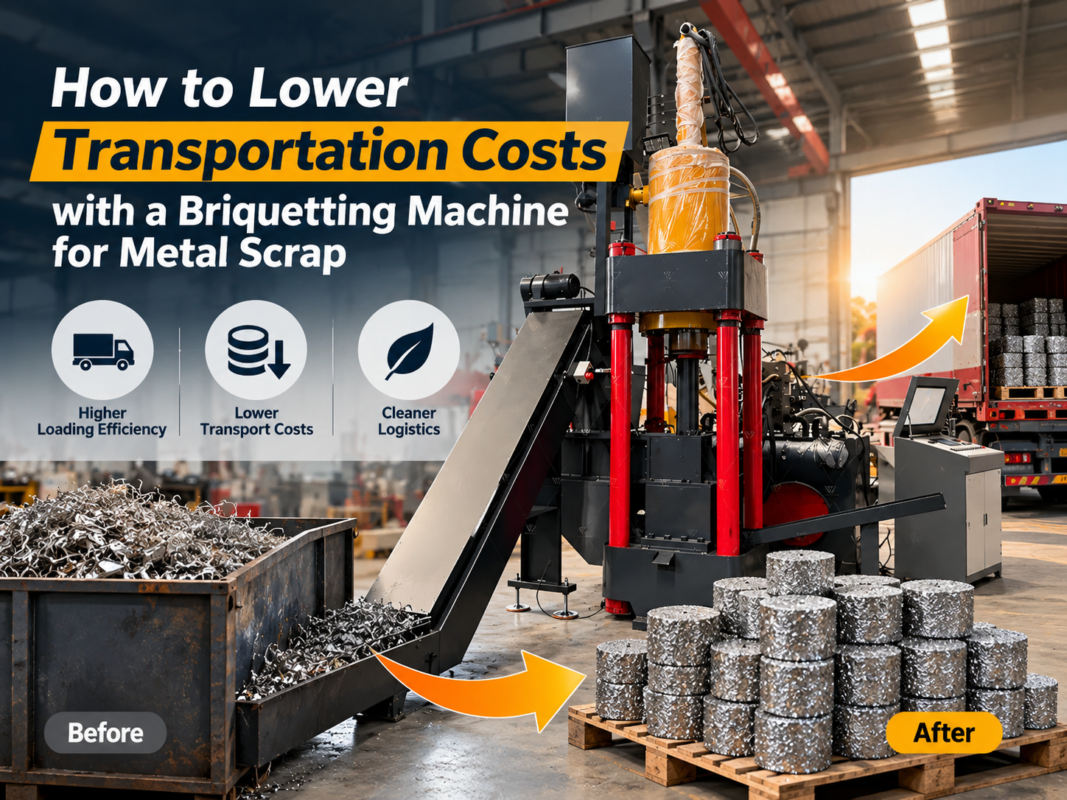
Logistics and storage represent the second major consideration. Loose chips require massive floor space and specialized containers to prevent oil leakage and contamination. By compressing these chips into briquettes, a facility can consolidate its waste storage, improve site safety, and reduce the frequency of scrap collection pickups. This operational streamlining is a direct contributor to the bottom-line savings identified in our case study analysis.
Environmental compliance is another driving factor. Many jurisdictions have strict regulations regarding the disposal of oil-contaminated metal waste. A briquetting machine acts as a filtration system, squeezing out the cutting fluids during the compression cycle. This recovered fluid can be filtered and reused, while the resulting briquette is essentially dry and environmentally inert, simplifying disposal and recycling logistics significantly.
Finally, the quality of the end product must be considered. Foundries prefer briquettes because they have a predictable melting behavior and lower oxidation rates compared to loose chips. When a shop produces high-quality, uniform briquettes, they move from being a “scrap generator” to a “raw material supplier,” allowing them to negotiate better prices with local foundries. This shift in market positioning is the cornerstone of maximizing return on investment.
Technical Details: How Briquetting Works
The core of the HARSLE briquetting process lies in high-pressure hydraulic compaction. Unlike traditional balers that rely on mechanical force, our hydraulic briquetting presses utilize a multi-stage compression cycle. This ensures that the air is evacuated from the chip mass and the material is bonded together through sheer pressure, without the need for binders or additives.
The process begins with the feeding system, where cast iron chips are moved via a conveyor or hopper into the compression chamber. The machine’s PLC-controlled hydraulic system then activates a pre-compression ram to consolidate the material. Following this, the main cylinder applies extreme pressure, typically exceeding 200 MPa, to form the briquette. This pressure is sufficient to overcome the elastic memory of the metal, ensuring the briquette remains solid after ejection.
Coolant recovery is an integral part of this technical process. As the pressure increases, the cutting fluid is forced out of the porous structure of the cast iron chips. This fluid is collected in a dedicated sump at the base of the machine, where it can be pumped back into the facility’s coolant management system. This feature alone can reduce new coolant purchases by 30% to 50% annually, providing a rapid payback period for the equipment.
The durability of the machine is paramount when dealing with cast iron. Because cast iron is highly abrasive, HARSLE utilizes hardened, wear-resistant alloys for the compression chamber liners and the ram face. These components are designed for easy maintenance and replacement, ensuring that the machine maintains its high-pressure output even after years of continuous operation in a demanding fabrication environment.
Selection Advice: Choosing the Right Equipment
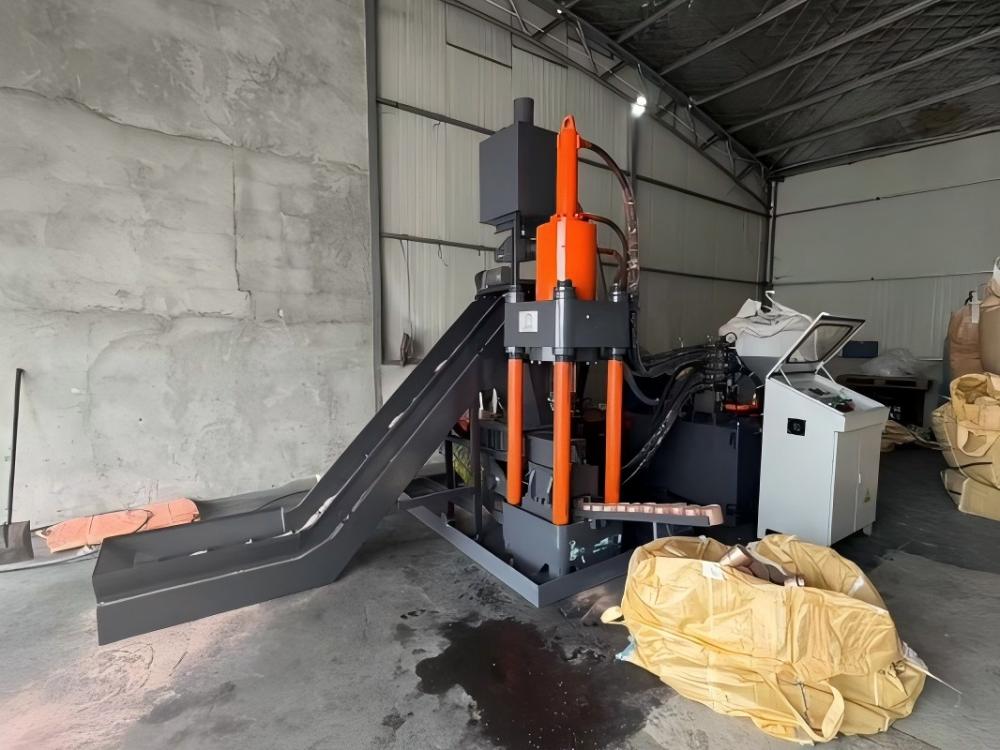
Selecting the correct briquetting machine requires a thorough audit of your shop’s daily output. You must first determine the volume of cast iron chips produced per shift. HARSLE offers a range of models, from compact units for small-batch operations to high-capacity, automated systems for large-scale production lines. Choosing a machine that is too small will create a bottleneck, while an oversized machine may lead to unnecessary capital expenditure.
Consider the physical characteristics of your chips. Are they long, stringy turnings or small, granular chips? While cast iron typically produces granular chips, some machining processes create longer strands that may require a pre-shredder. Integrating a shredder before the briquetting press ensures a consistent feed, prevents jams, and results in a more uniform, higher-density briquette. Always consult with HARSLE engineers to assess your specific chip morphology.
Automation level is another critical decision point. For high-volume shops, a fully automated system that includes chip conveyors, magnetic separators (to remove tramp steel), and automatic briquette discharge is recommended. This minimizes manual labor and ensures that the briquetting process runs in parallel with your machining operations, effectively turning your waste management into a “set and forget” system.
Finally, evaluate the support and service infrastructure. A briquetting machine is a long-term investment. Ensure that the manufacturer provides comprehensive training for your operators, readily available spare parts, and remote diagnostic capabilities. HARSLE prides itself on providing end-to-end support, ensuring that your equipment remains operational and continues to maximize your returns for years to come.
FAQ: Common Questions About Briquetting
1. How much can I expect to save by using a briquetting machine?
Savings come from three main areas: increased scrap value (briquettes sell for more than loose chips), reduced waste disposal fees (due to volume reduction), and significant savings on cutting fluid recovery. Many of our clients see a full return on investment within 12 to 18 months.
2. Does the briquetting process require any binders?
No. HARSLE briquetting machines use high-pressure hydraulic force to create a mechanical bond between the metal particles. No chemical binders or additives are required, which keeps the briquettes pure and highly desirable for foundry melting.
3. Can I process other metals besides cast iron?
Yes, our machines are versatile. They can process aluminum, steel, copper, and brass chips. However, settings such as pressure and cycle time may need adjustment based on the material’s density and hardness.
4. How much maintenance does a briquetting machine require?
Routine maintenance includes checking hydraulic fluid levels, cleaning the coolant filtration system, and inspecting the wear plates in the compression chamber. HARSLE provides a detailed maintenance schedule with every machine to ensure longevity.
5. Is the briquetting machine loud?
While hydraulic systems generate noise, HARSLE machines are designed with sound-dampening enclosures and efficient pump systems to keep noise levels within acceptable industrial standards for a shop floor environment.
Conclusion: Turning Waste into Profit
The Briquetting Machine Case Study: Maximizing Return From Cast Iron Chip Scrap demonstrates that the path to profitability in metal fabrication often lies in the details of waste management. By moving away from the traditional, inefficient handling of loose cast iron chips, manufacturers can unlock significant value. The combination of reduced logistics costs, recovered cutting fluids, and higher-value scrap creates a compelling financial argument for the adoption of HARSLE briquetting technology.
Beyond the immediate financial gains, there is the broader impact on operational excellence. A cleaner, more organized shop floor, reduced environmental footprint, and improved resource efficiency are hallmarks of a modern, forward-thinking facility. As the industry continues to evolve toward more sustainable practices, the ability to recycle metal internally will become an essential component of long-term success.
HARSLE is committed to providing the robust, reliable, and high-performance machinery required to meet these challenges. We invite you to analyze your current scrap output and consider the potential for transformation. Whether you are a small machine shop or a large-scale automotive supplier, the transition to briquetting is a strategic move that pays dividends in both efficiency and profit. Contact our team today to discuss how we can tailor a briquetting solution to your specific fabrication needs.