How a Metal Briquetting Machine Reduced Environmental Compliance Pressure in Production

Introduction: The Growing Burden of Environmental Compliance
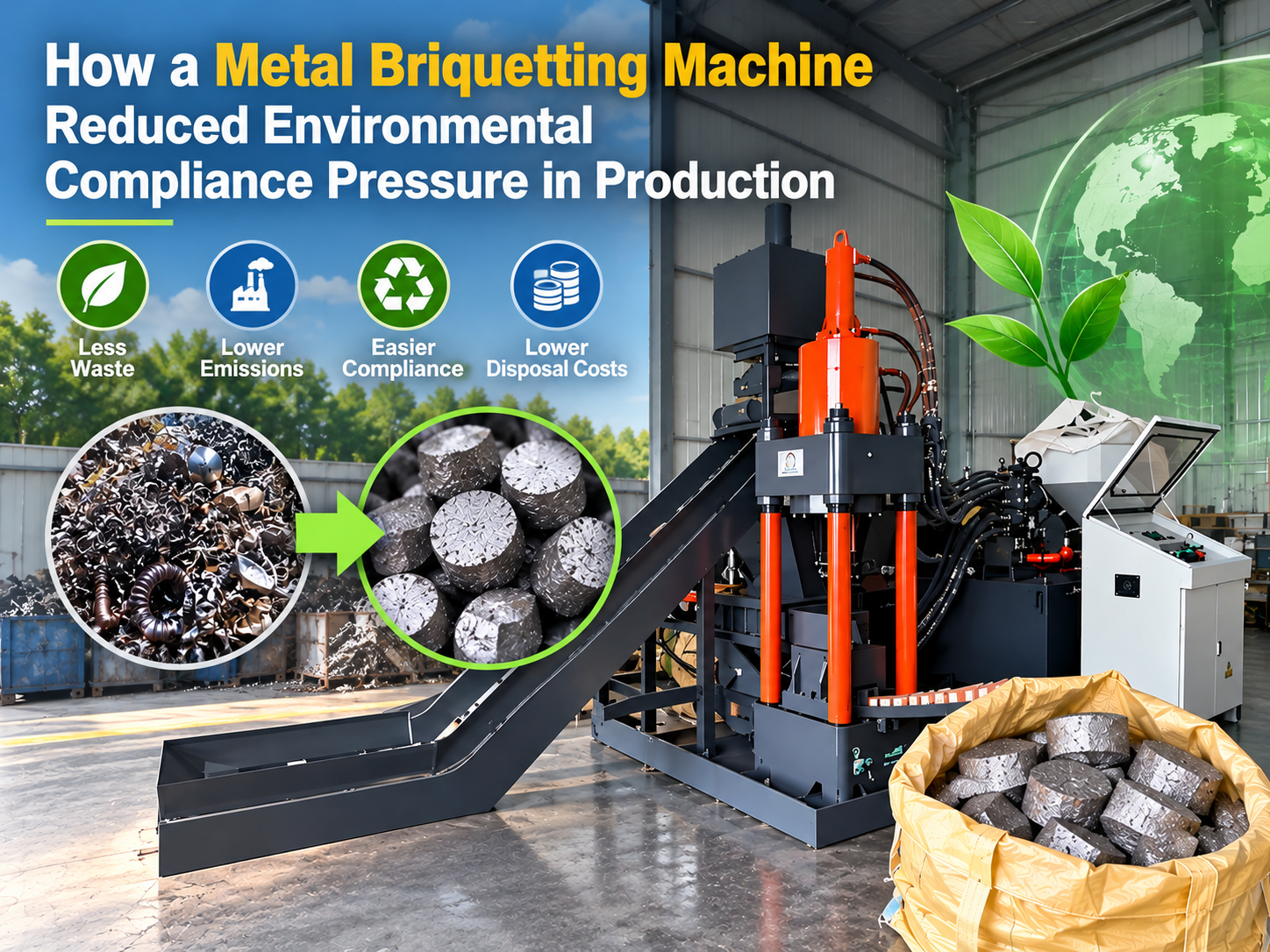
In the modern metal fabrication landscape, the pressure to maintain environmental compliance has never been higher. Manufacturers are increasingly scrutinized for their waste management practices, carbon footprints, and the handling of hazardous byproducts like metal chips and cutting fluids. For many facilities, the accumulation of loose metal shavings—often saturated with industrial lubricants—presents a significant logistical and regulatory challenge. This is where the integration of advanced technology becomes essential. Specifically, how a metal briquetting machine reduced environmental compliance pressure in production has become a focal point for plant managers looking to harmonize profitability with sustainability.
HARSLE has observed that the traditional method of disposing of loose metal scrap is not only inefficient but also environmentally hazardous. Loose chips occupy vast amounts of space, are difficult to transport, and pose a high risk of soil and water contamination due to leaking oils. By transitioning to a briquetting solution, companies can transform these waste streams into high-density, clean, and manageable blocks. This process is not merely about waste reduction; it is a strategic move toward a circular economy model that satisfies stringent environmental regulations while simultaneously improving the bottom line.
The shift toward sustainable production is no longer optional. With global regulations such as ISO 14001 and local environmental protection agency (EPA) mandates becoming more rigorous, manufacturers must adopt technologies that minimize their ecological impact. A metal briquetting machine serves as a critical tool in this transition, offering a tangible way to document waste reduction and resource recovery. In this article, we will explore the technical, operational, and financial benefits of implementing briquetting technology in your metal fabrication facility.
Key Considerations for Environmental Compliance in Metal Fabrication
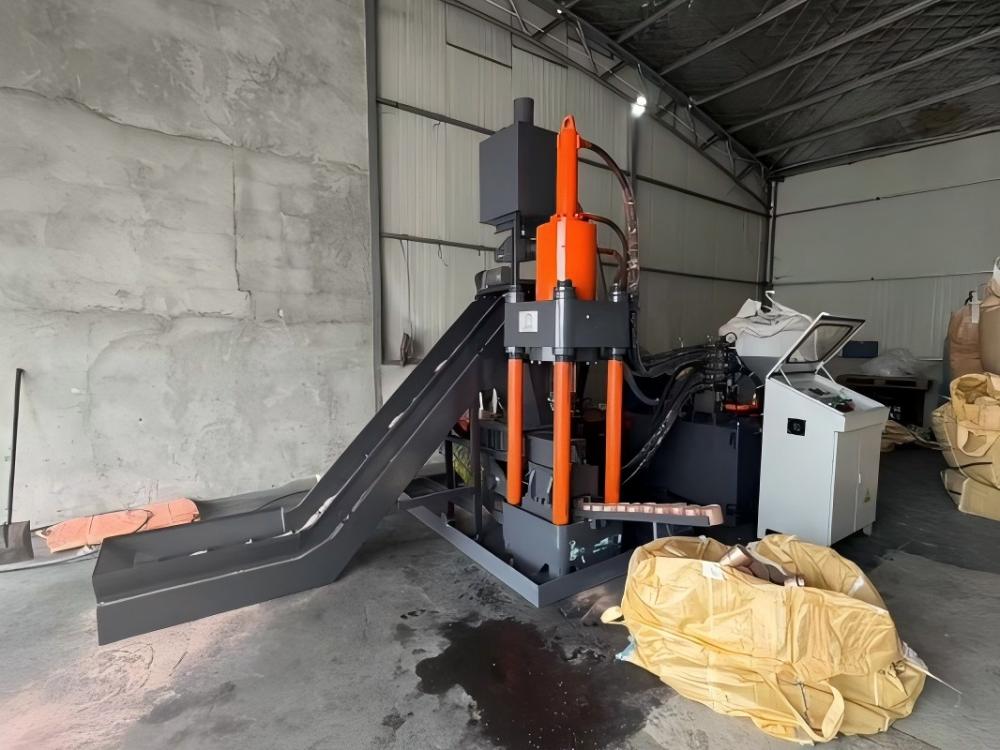
When evaluating how a metal briquetting machine reduced environmental compliance pressure in production, one must first understand the specific pain points that manufacturers face. The primary concern is the handling of metal chips contaminated with coolants and cutting oils. Under many environmental frameworks, these materials are classified as hazardous waste. If not managed correctly, the costs associated with disposal, storage, and potential environmental fines can escalate rapidly, threatening the viability of the production line.
Another key consideration is the logistics of waste management. Loose metal chips have a low bulk density, meaning that a large volume of scrap requires frequent transportation. This increases the carbon footprint of the facility due to the high number of truck trips required to haul away waste. By compressing these chips into dense briquettes, the volume is reduced by up to 90%. This drastic reduction in volume means fewer transport vehicles on the road, directly lowering the facility’s Scope 3 emissions and simplifying compliance reporting.
Furthermore, the recovery of cutting fluids is a major environmental and economic factor. Metal chips often retain a significant percentage of expensive lubricants. When these chips are stored in open bins, the fluid drains into the environment or requires specialized, costly disposal. A briquetting machine utilizes high-pressure hydraulic force to squeeze out these fluids, allowing them to be filtered, cleaned, and reused in the production process. This closed-loop system significantly reduces the need for purchasing new coolants and minimizes the risk of hazardous spills.
Finally, the psychological and regulatory impact of a clean, organized shop floor cannot be overstated. Environmental inspectors look for evidence of proactive waste management. A facility that utilizes briquetting technology demonstrates a commitment to best practices, which often leads to smoother audits and a better relationship with regulatory bodies. By automating the waste handling process, companies can shift their focus from managing environmental liabilities to optimizing production efficiency.
Technical Details: How Briquetting Technology Works
The core of the briquetting process lies in the application of extreme hydraulic pressure. HARSLE briquetting machines are engineered to handle a variety of materials, including aluminum, steel, copper, and brass. The process begins when loose metal chips are fed into a hopper. From there, they are moved into a compression chamber where a hydraulic ram exerts force, typically ranging from 200 to 400 tons depending on the model, to form a solid, dense briquette.
The technical brilliance of this process is the separation of liquids from solids. As the ram compresses the metal, the trapped cutting fluids are forced out through specialized drainage channels. These fluids are collected in a sump, where they can be pumped to a filtration system for purification. This recovery process is highly efficient, often reclaiming up to 95% of the fluid that would otherwise be lost to disposal. This technical capability is the primary reason why a metal briquetting machine reduced environmental compliance pressure in production for so many of our clients.
HARSLE machines are also equipped with advanced PLC (Programmable Logic Controller) systems that allow for precise control over the briquetting cycle. Operators can adjust the pressure, cycle time, and briquette density based on the specific type of metal being processed. This level of customization ensures that the resulting briquettes are of high quality, making them more valuable to metal recyclers. In many cases, the price paid for clean, dense briquettes is significantly higher than the price paid for loose, contaminated scrap.
Durability and maintenance are also critical technical aspects. Because these machines operate in harsh industrial environments, HARSLE utilizes high-grade steel components and robust hydraulic seals to ensure long-term reliability. The design includes easy-access panels for routine maintenance, ensuring that the machine remains operational with minimal downtime. By investing in a machine that is built to last, manufacturers ensure that their environmental compliance strategy remains consistent and effective for years to come.
Selection Advice: Choosing the Right Briquetting Machine
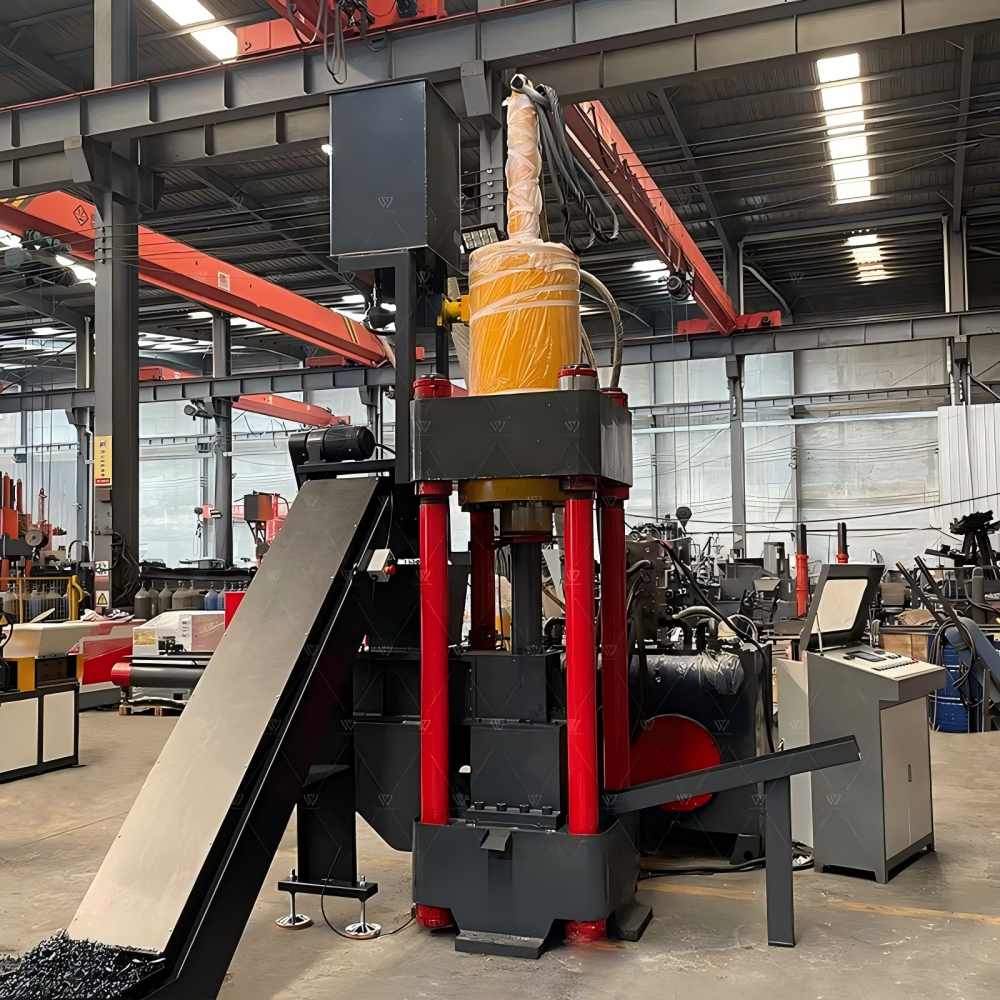
Selecting the right briquetting machine requires a thorough analysis of your production volume and the types of materials you process. Not all machines are created equal, and choosing the wrong capacity can lead to bottlenecks or unnecessary capital expenditure. The first step is to conduct a waste audit. Determine the total weight and volume of metal chips generated per shift. This data will help you determine the required throughput capacity of the briquetting system.
Consider the material characteristics. Aluminum chips, for instance, behave differently under pressure than steel or cast iron. Some materials may require pre-shredding to ensure a consistent feed into the briquetting chamber. HARSLE offers a range of configurations, including integrated shredding systems, to ensure that the briquetting process is seamless. If your facility produces a mix of metals, look for a machine that offers quick-change settings or is robust enough to handle the most challenging material in your inventory.
Space constraints are another factor. While briquetting machines are compact compared to the volume of waste they process, they still require a dedicated footprint. Evaluate the layout of your shop floor to determine the best location for the machine. Ideally, it should be placed near the source of the chips to minimize manual handling. HARSLE provides consultation services to help clients design an efficient layout that integrates the briquetting machine into their existing production flow.
Finally, consider the after-sales support and service availability. A briquetting machine is a long-term investment. You need a partner who can provide timely technical support, spare parts, and maintenance training. HARSLE prides itself on its global service network, ensuring that our clients receive the support they need to keep their environmental compliance efforts on track. When you choose a machine, look beyond the initial price tag and evaluate the total cost of ownership, including energy efficiency, maintenance requirements, and the potential for revenue generation from the sale of briquettes.
Case Study: Real-World Impact on Compliance
To truly understand how a metal briquetting machine reduced environmental compliance pressure in production, let us look at a case study of a medium-sized automotive parts manufacturer. This facility was generating over 50 tons of aluminum chips per month. The chips were stored in large, open-air bins, leading to significant oil leakage and complaints from local environmental inspectors regarding soil contamination. The company was also spending a fortune on new cutting fluid and disposal fees for the contaminated scrap.
Upon installing a HARSLE high-capacity briquetting system, the transformation was immediate. The facility was able to consolidate its waste storage into a small, contained area, eliminating the risk of spills. The recovered cutting fluid was filtered and returned to the CNC machines, reducing the facility’s annual fluid procurement costs by 40%. Furthermore, the aluminum briquettes were sold to a local foundry at a premium price, turning a waste management cost into a revenue stream.
The environmental impact was equally impressive. The company’s annual audit showed a 70% reduction in hazardous waste disposal volume. This improvement allowed the company to achieve a higher tier of environmental certification, which they used in their marketing to win contracts with eco-conscious automotive brands. This case study illustrates that the benefits of briquetting extend far beyond simple waste management; it is a strategic business decision that enhances brand reputation and operational efficiency.
FAQ: Domande frequenti
- Q: How much space does a briquetting machine save?
A: By compressing loose chips into dense briquettes, you can reduce the volume of your metal waste by up to 90%, significantly freeing up floor space. - Q: Can I process different types of metals in the same machine?
A: Yes, most HARSLE briquetting machines are versatile. However, it is recommended to clean the machine between different metal types to maintain the purity of the briquettes for recycling. - Q: How does the machine affect my environmental compliance reporting?
A: The machine provides clear, measurable data on waste reduction and fluid recovery, which can be used to demonstrate your commitment to sustainability in your environmental reports. - Q: Is the maintenance of a briquetting machine difficult?
A: Routine maintenance is straightforward. HARSLE provides comprehensive manuals and training to ensure your team can handle daily checks and minor adjustments. - Q: Will a briquetting machine pay for itself?
A: Yes, through the combination of reduced disposal costs, revenue from selling briquettes, and savings on cutting fluids, most clients see a return on investment within 12 to 24 months.
Conclusion: A Sustainable Future for Metal Fabrication
The journey toward sustainable manufacturing is complex, but it is made significantly easier with the right technology. As we have explored, the question of how a metal briquetting machine reduced environmental compliance pressure in production is answered by the machine’s ability to turn a liability into an asset. By reducing waste volume, recovering valuable fluids, and streamlining logistics, briquetting technology provides a clear path to both environmental and financial success.
HARSLE remains committed to providing the metal fabrication industry with the tools necessary to meet the challenges of the 21st century. Our briquetting machines are more than just equipment; they are a testament to our dedication to innovation and sustainability. We invite you to evaluate your current waste management practices and consider how a briquetting solution could transform your production floor. By taking this step, you are not only ensuring compliance with today’s regulations but also positioning your company as a leader in the sustainable manufacturing movement of tomorrow.