How a Chip Briquetting Machine Improved Shop Floor Cleanliness and Material Recovery

Introduction
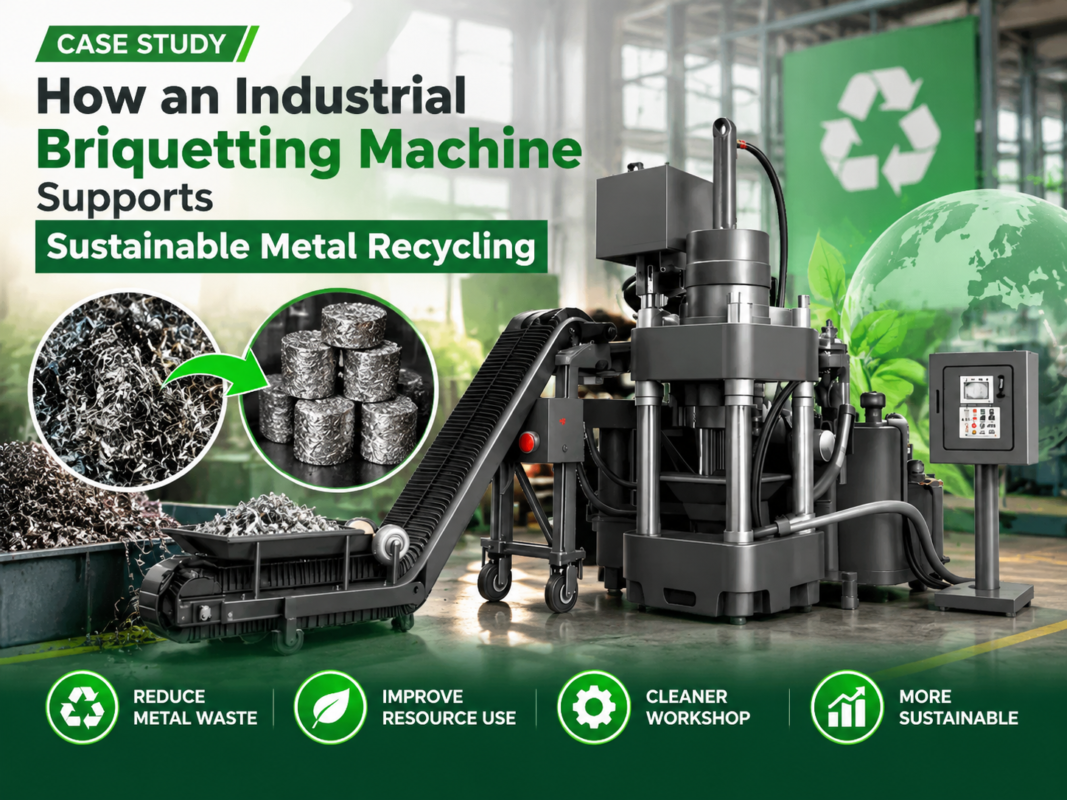
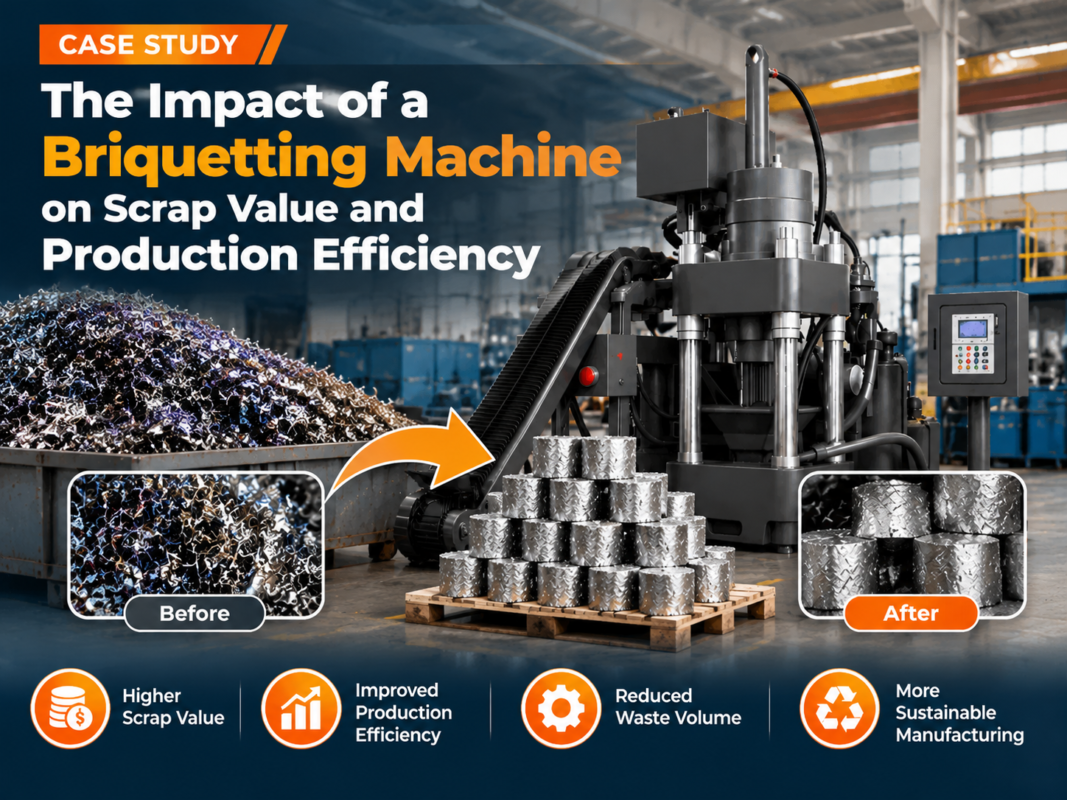
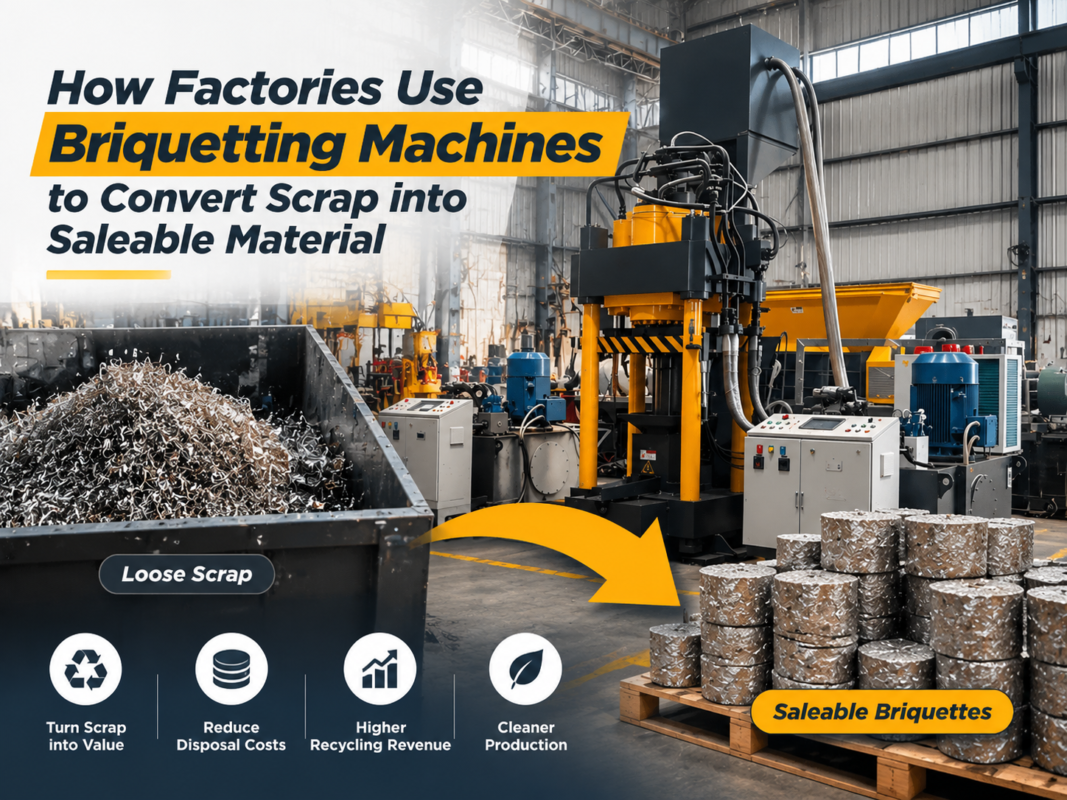
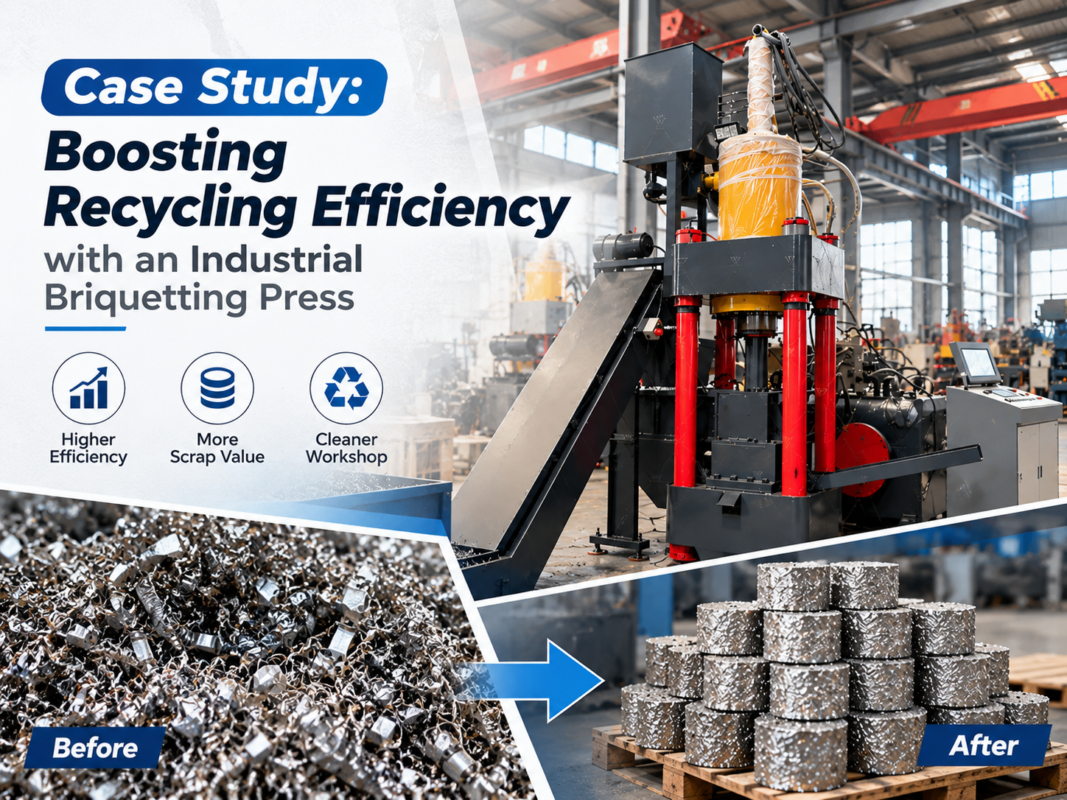
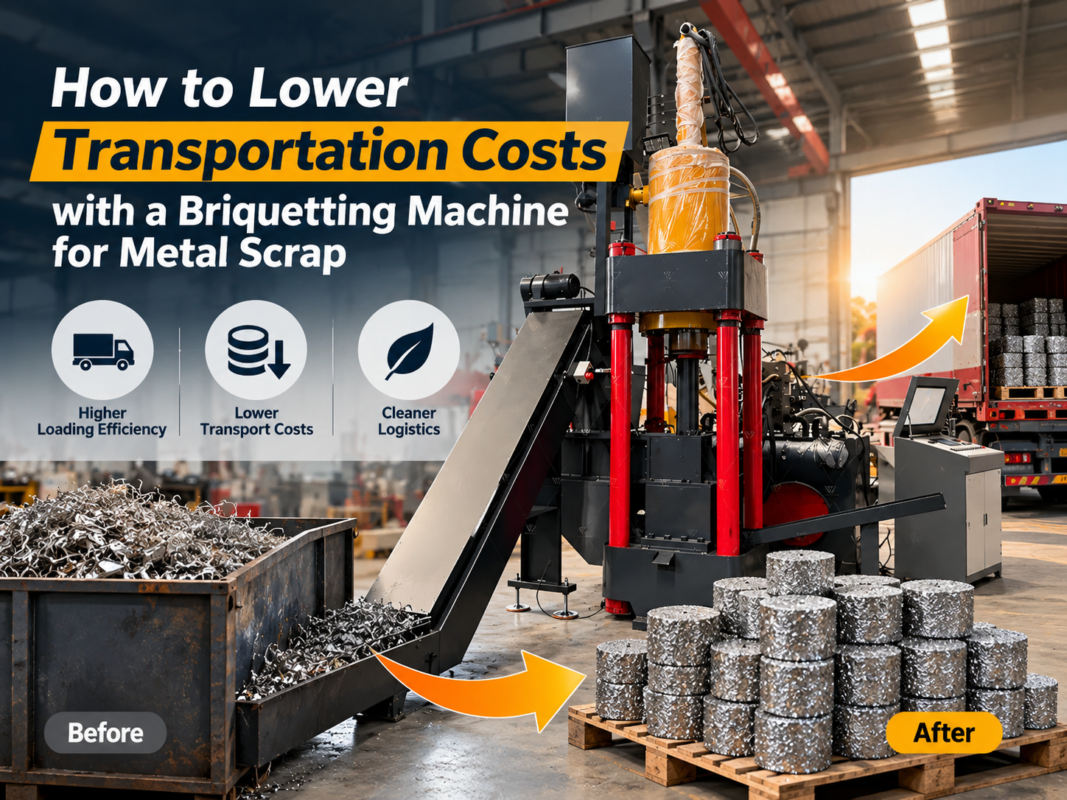
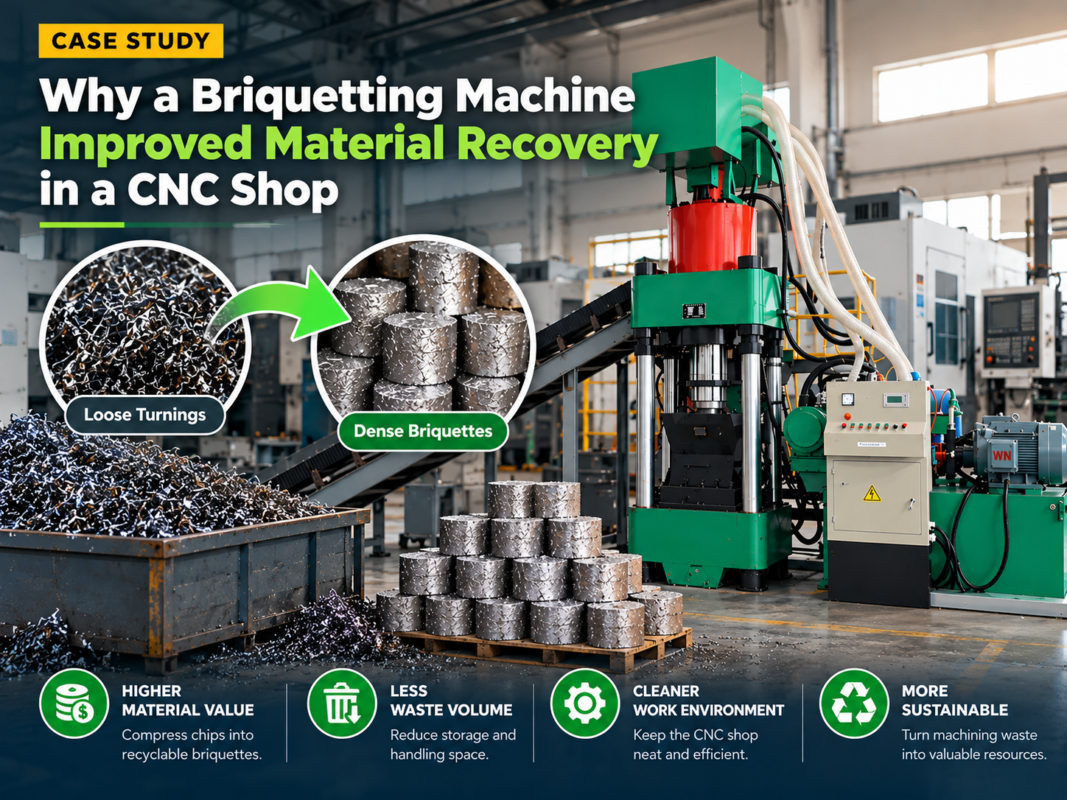
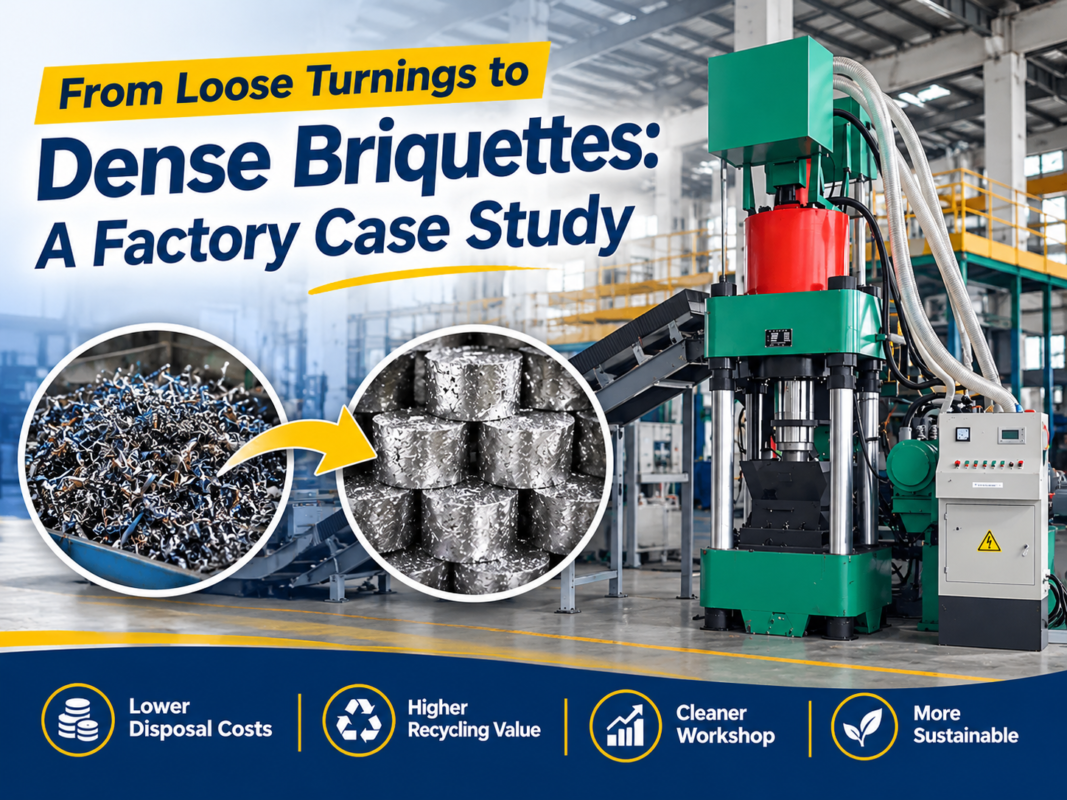
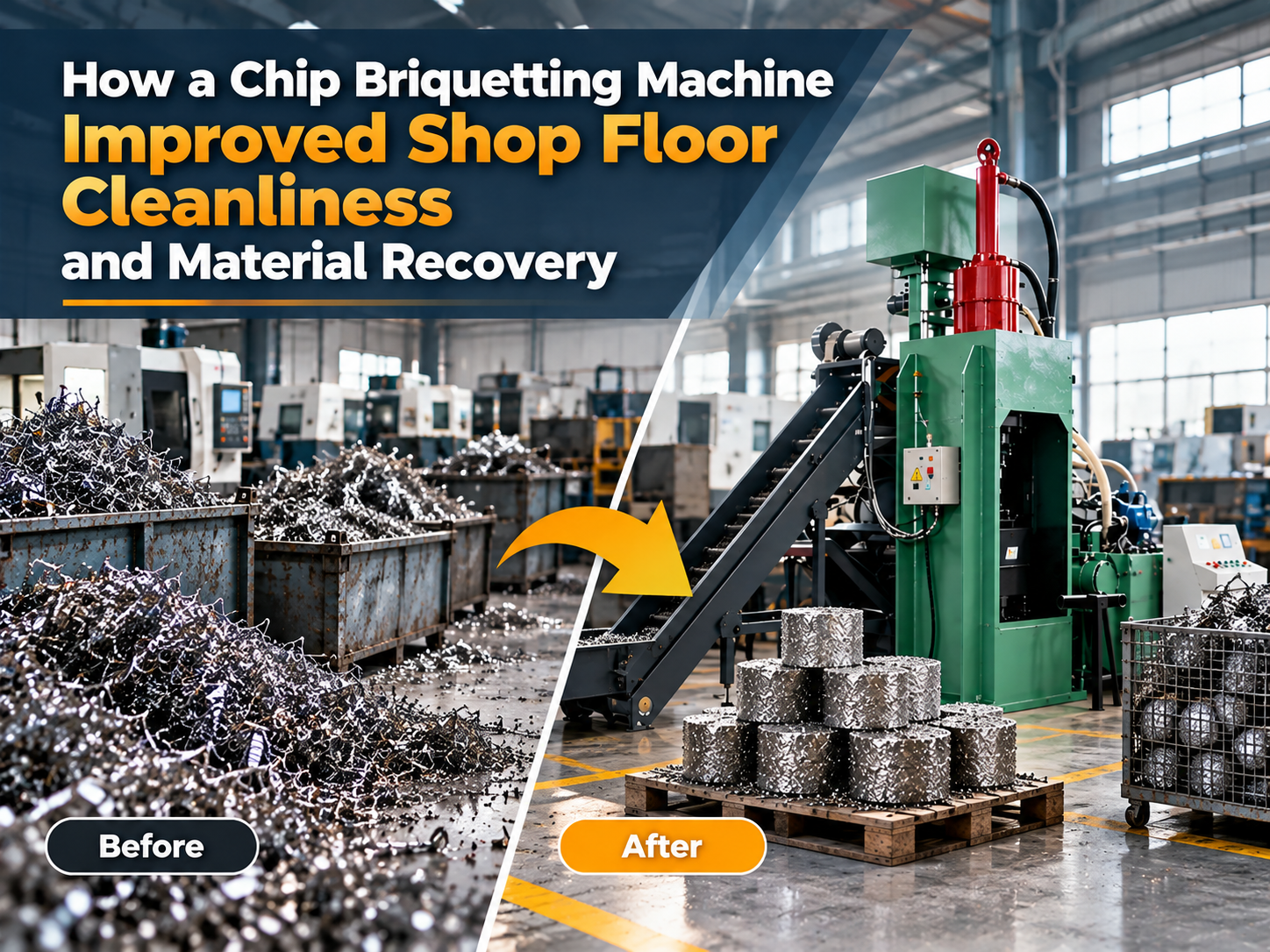
In the modern metal fabrication industry, the management of metal chips, turnings, and swarf is often an overlooked aspect of operational efficiency. For many workshops, these byproducts represent a significant logistical challenge, occupying valuable floor space and creating hazardous working conditions. However, forward-thinking manufacturers are discovering that how a chip briquetting machine improved shop floor cleanliness and material recovery is a game-changer for their bottom line. By transforming loose, oily metal waste into dense, manageable briquettes, facilities can reclaim floor space, recover expensive cutting fluids, and increase the value of their scrap metal.
HARSLE has observed a growing trend among high-volume machining centers and fabrication shops shifting toward automated briquetting solutions. The transition from traditional scrap handling—which involves bulky bins and messy, oil-soaked floors—to a streamlined briquetting process offers immediate benefits. This article explores the technical, economic, and environmental advantages of integrating a briquetting machine into your production line, providing a comprehensive guide for shop managers looking to optimize their material recovery workflows.
As global metal prices fluctuate and environmental regulations become more stringent, the ability to process scrap in-house is no longer just a luxury; it is a competitive necessity. A chip briquetting machine acts as a bridge between waste management and resource optimization. By compressing aluminum, steel, copper, or brass chips into solid blocks, shops can significantly reduce their environmental footprint while simultaneously creating a new revenue stream from what was previously considered industrial waste.
Throughout this guide, we will examine the specific mechanisms that allow these machines to perform at high capacities. We will also look at the real-world impact on shop floor cleanliness, safety, and the long-term financial gains associated with improved material recovery. Whether you are running a small job shop or a large-scale automotive component plant, understanding the mechanics of briquetting is the first step toward a cleaner, more profitable facility.
Key Considerations for Shop Floor Optimization
The primary reason many facilities struggle with scrap management is the sheer volume of loose chips generated during milling, turning, and drilling processes. Loose chips have a high surface-area-to-volume ratio, which means they trap significant amounts of coolant and oil. This not only creates a slippery, hazardous shop floor but also results in the loss of expensive chemical fluids that could otherwise be recycled and reused. When a shop floor is cluttered with bins of loose swarf, it hinders material flow and increases the risk of workplace accidents.
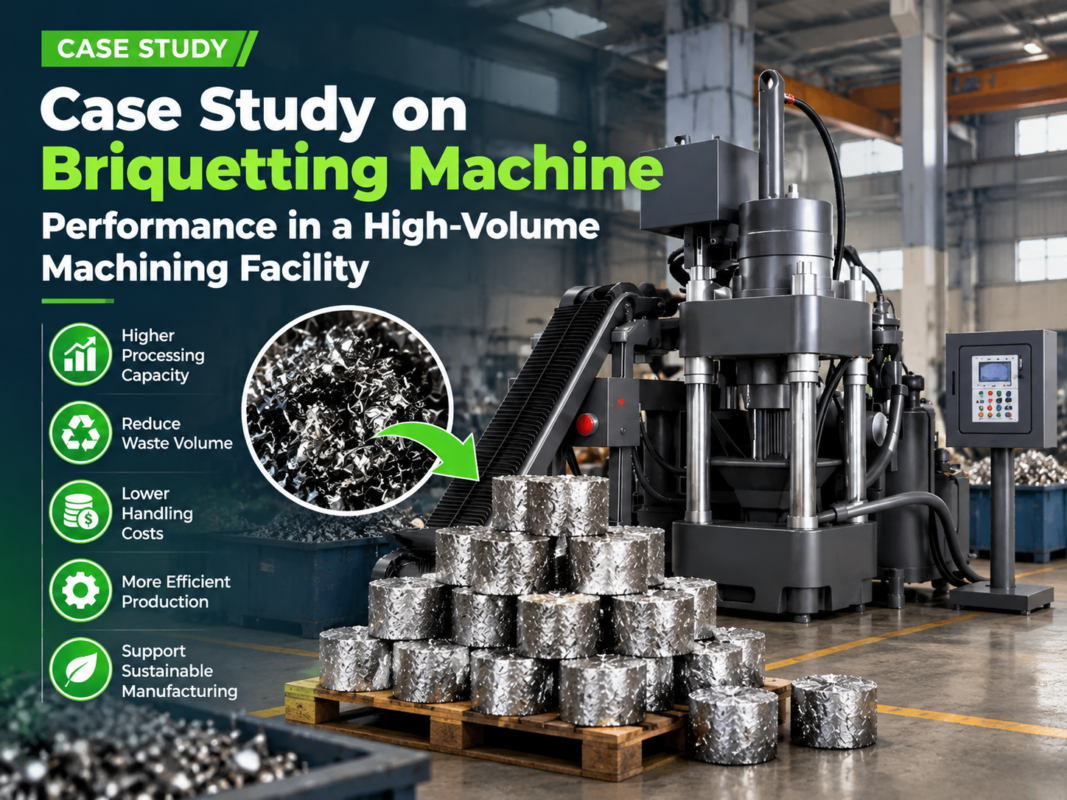
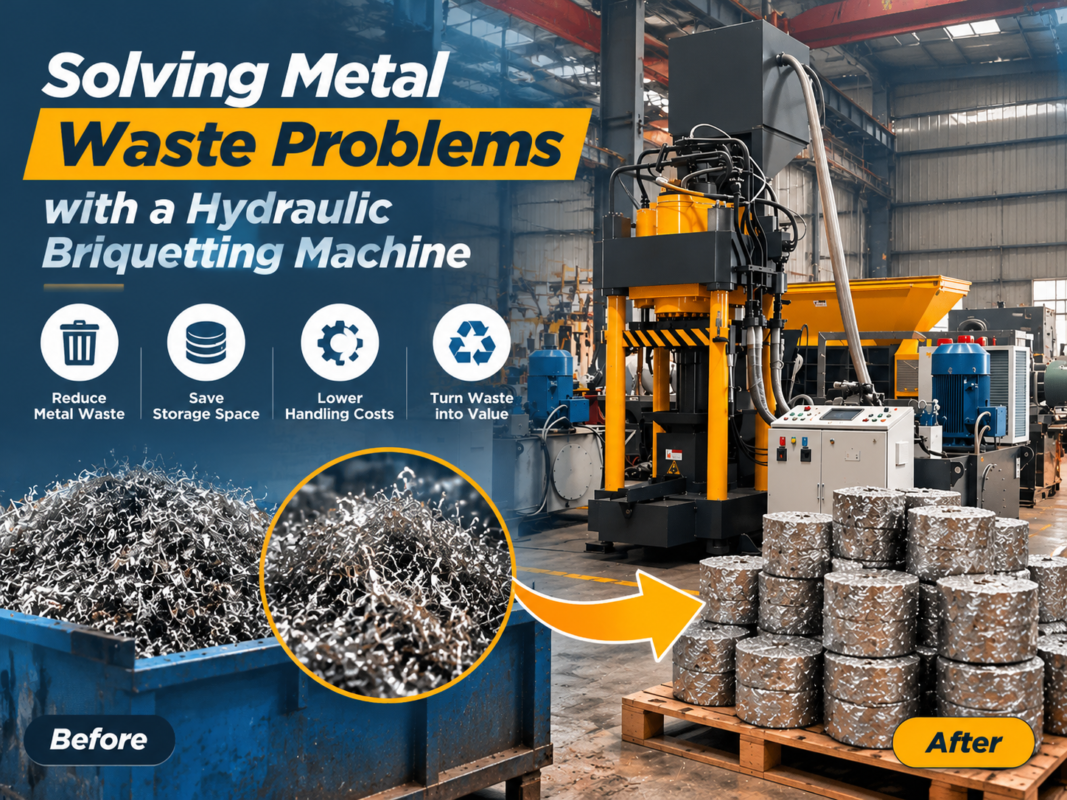
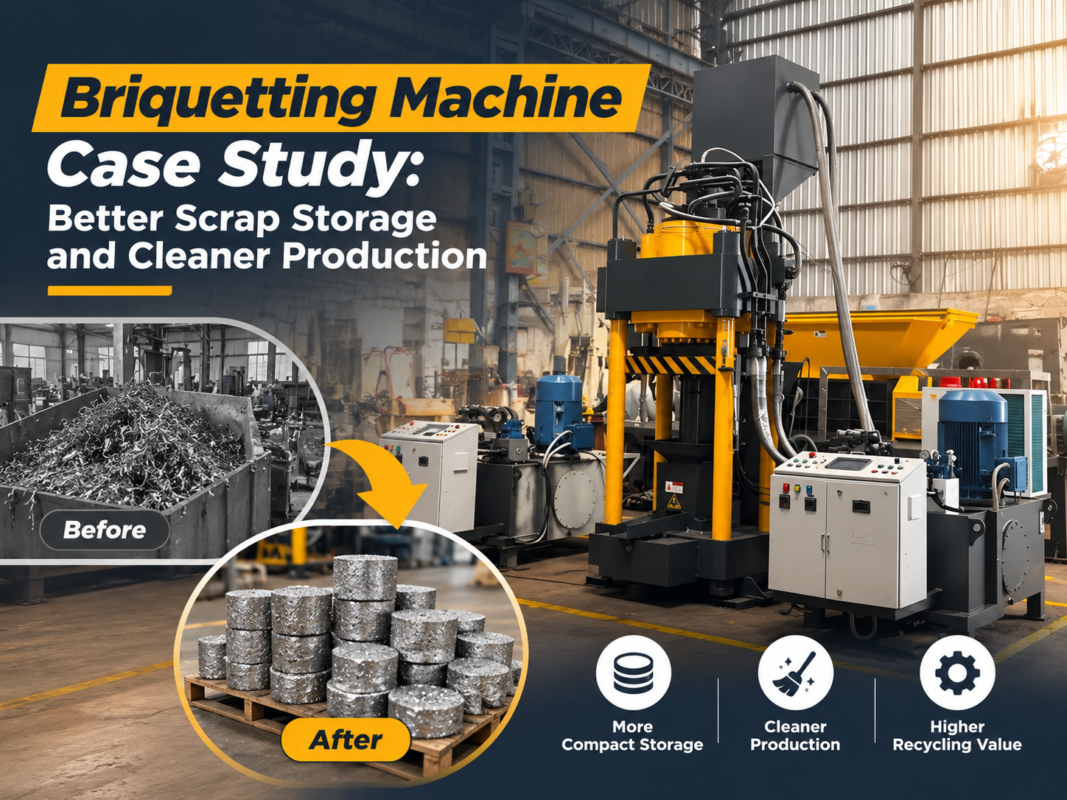
Implementing a briquetting system forces a change in the physical layout of the shop. Instead of having multiple collection points for loose scrap, a centralized or decentralized briquetting station allows for a more organized workflow. By compressing the material at the source, the volume of the scrap is reduced by up to 90%. This dramatic reduction means that containers need to be emptied less frequently, reducing the amount of forklift traffic and manual labor required to manage waste. This is a critical factor in how a chip briquetting machine improved shop floor cleanliness and material recovery in high-output environments.
Safety is another paramount consideration. Loose metal chips are notoriously sharp and can cause lacerations to workers handling them. Furthermore, the oil residue on these chips is a leading cause of slips and falls in machine shops. By briquetting the material, the sharp edges are contained within the solid block, and the majority of the liquid is extracted during the compression cycle. This results in a much drier, safer environment for employees, directly contributing to lower insurance premiums and higher morale.
Finally, consider the environmental impact. Many local regulations now impose strict penalties for the disposal of oily metal waste. By using a briquetting machine to extract the coolant, you are not only recovering a valuable resource but also ensuring that the scrap you send to the recycler is clean and dry. Clean scrap metal commands a significantly higher price in the commodities market than oily, contaminated swarf. This shift from a “waste disposal” mindset to a “resource recovery” mindset is the hallmark of a modern, sustainable fabrication facility.
Technical Details of Briquetting Systems
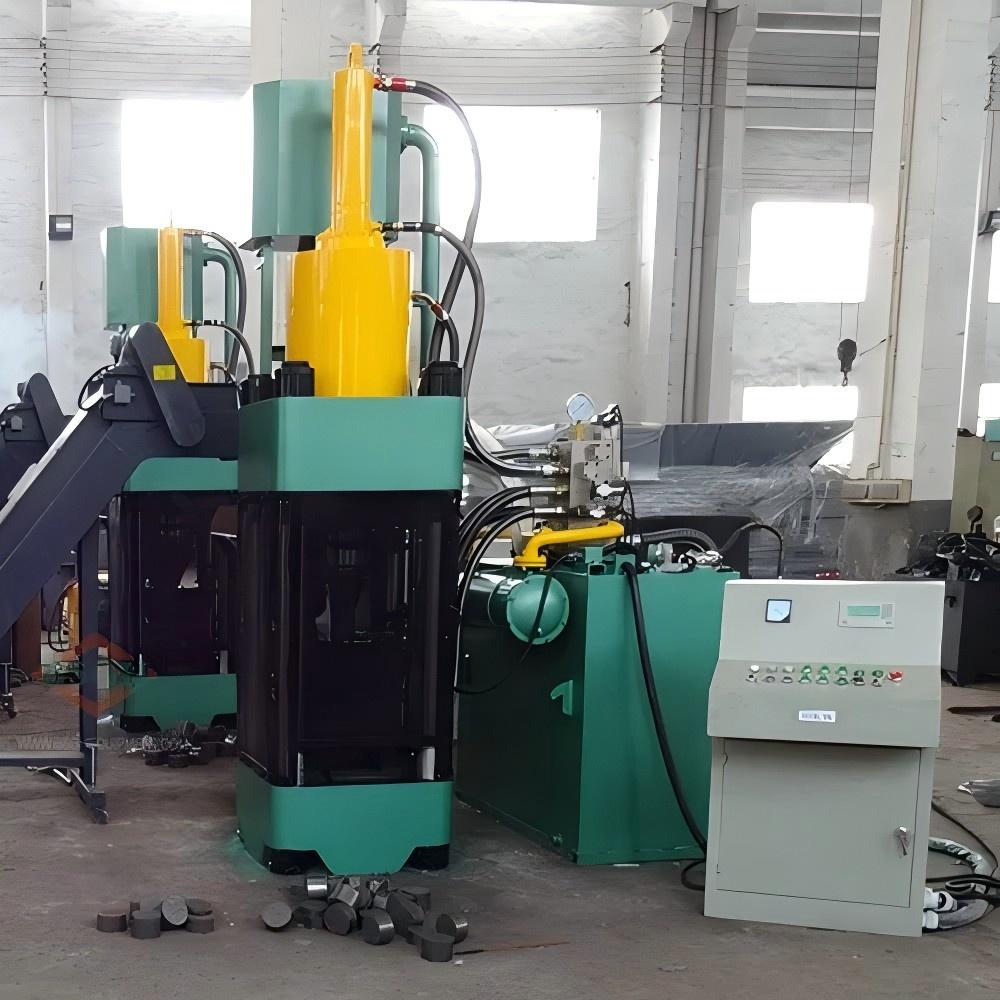
At the heart of every HARSLE briquetting machine is a high-pressure hydraulic system designed to exert immense force on metal particles. The process begins with the feeding of loose chips into a hopper, which may include a shredder or a screw conveyor to ensure uniform material density. Once the material enters the compression chamber, a hydraulic ram applies pressure, forcing the chips together into a solid, cohesive briquette. The pressure is maintained for a specific dwell time to ensure the structural integrity of the block.
One of the most critical technical features is the fluid recovery system. As the ram compresses the chips, the trapped coolant or cutting oil is squeezed out through specialized drainage channels. This liquid is then collected, filtered, and returned to the machine’s coolant reservoir or a central filtration system. This closed-loop process is essential for cost savings, as it drastically reduces the volume of new coolant that needs to be purchased. The efficiency of this fluid extraction is a key metric when evaluating the performance of a briquetting machine.
The construction of the machine itself must be robust enough to handle the abrasive nature of metal chips. HARSLE utilizes hardened steel alloys for the compression chamber and the ram face to minimize wear and tear. Automated sensors monitor the pressure and cycle times, ensuring that every briquette produced meets the required density standards. These sensors also provide diagnostic data, allowing maintenance teams to perform predictive servicing before a component fails, thereby maximizing uptime.
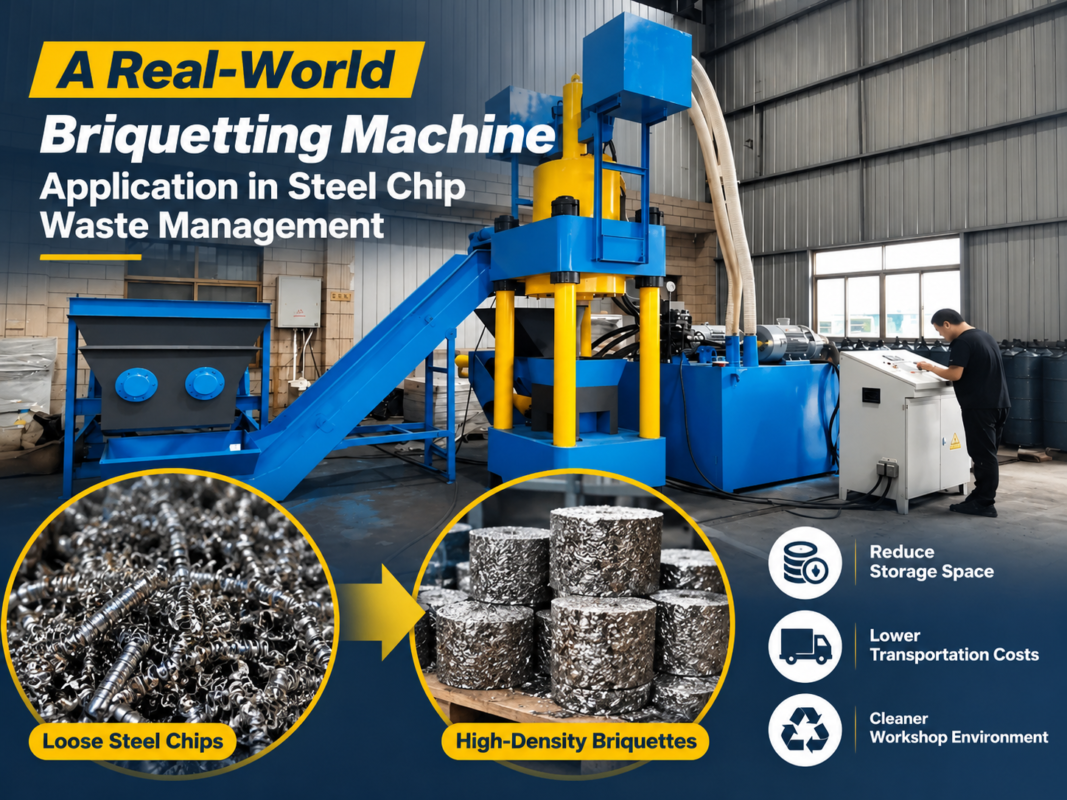
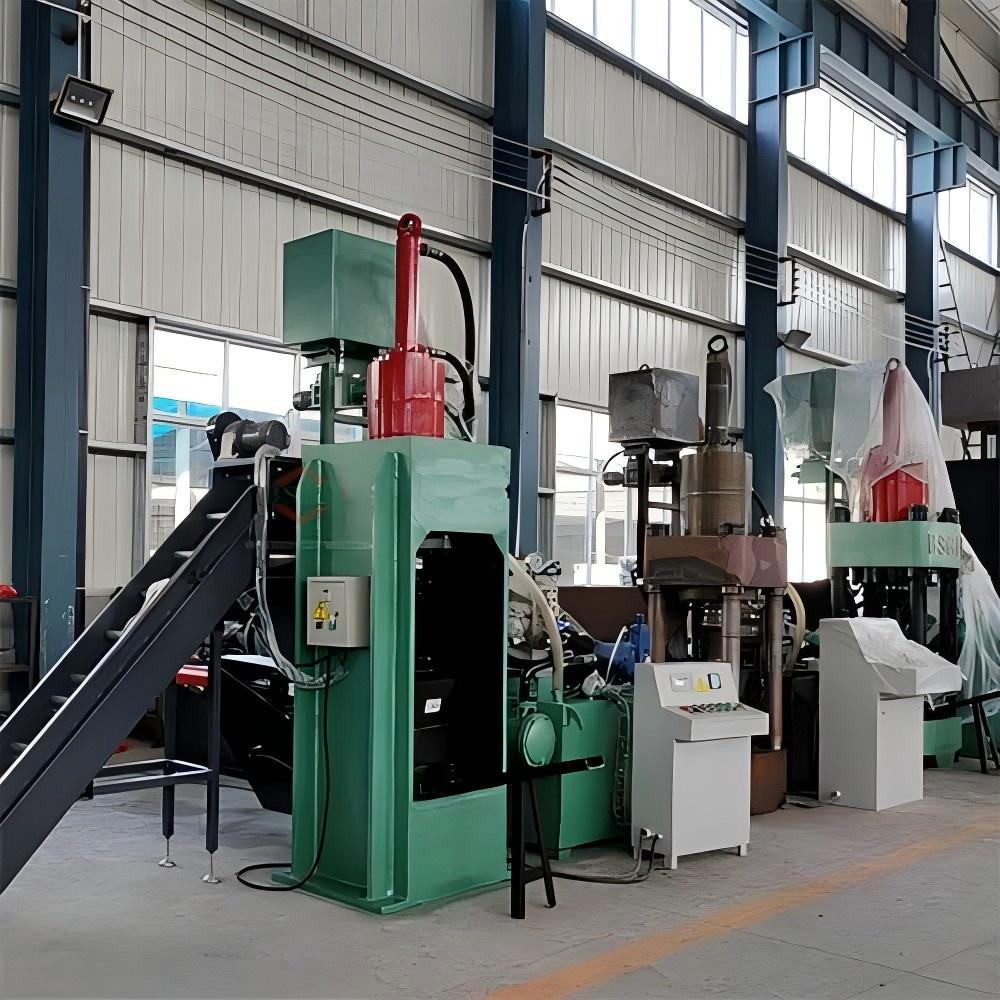
Integration with existing shop infrastructure is also a technical priority. Modern briquetting machines can be equipped with automated feeding systems, such as magnetic conveyors or pneumatic transport lines, which move the chips directly from the CNC machine to the briquetting unit. This eliminates the need for manual handling entirely, creating a truly “lights-out” manufacturing environment. The ability to customize the briquette size and shape—whether cylindrical, rectangular, or puck-shaped—allows the machine to be tailored to the specific requirements of the scrap recycler or the foundry that will eventually melt the material.
Selection Advice: Choosing the Right Machine
When selecting a briquetting machine, the first step is to conduct a thorough audit of your scrap output. You must determine the volume of chips generated per shift, the type of metal (aluminum, steel, cast iron, etc.), and the moisture content of the swarf. Different metals have different compression ratios and require varying levels of hydraulic pressure. For instance, aluminum is relatively soft and easy to compress, whereas hardened steel chips may require a more powerful press to achieve the same density.
Another factor to consider is the footprint of the machine. If your shop floor is already crowded, you may need a compact, vertical briquetting unit that can be placed directly next to a CNC machine. Conversely, if you have a large facility with multiple production lines, a centralized, high-capacity horizontal briquetting system might be more efficient. HARSLE offers a range of configurations to suit different spatial constraints, ensuring that the machine enhances rather than disrupts your existing production flow.
Maintenance requirements should also be a primary consideration. Look for machines that feature easy access to hydraulic components, modular wear parts, and intuitive control interfaces. A machine that is difficult to clean or service will eventually be neglected, leading to downtime and reduced efficiency. Ask about the availability of spare parts and the level of technical support provided by the manufacturer. A reliable partner like HARSLE ensures that your investment remains productive for years to come.
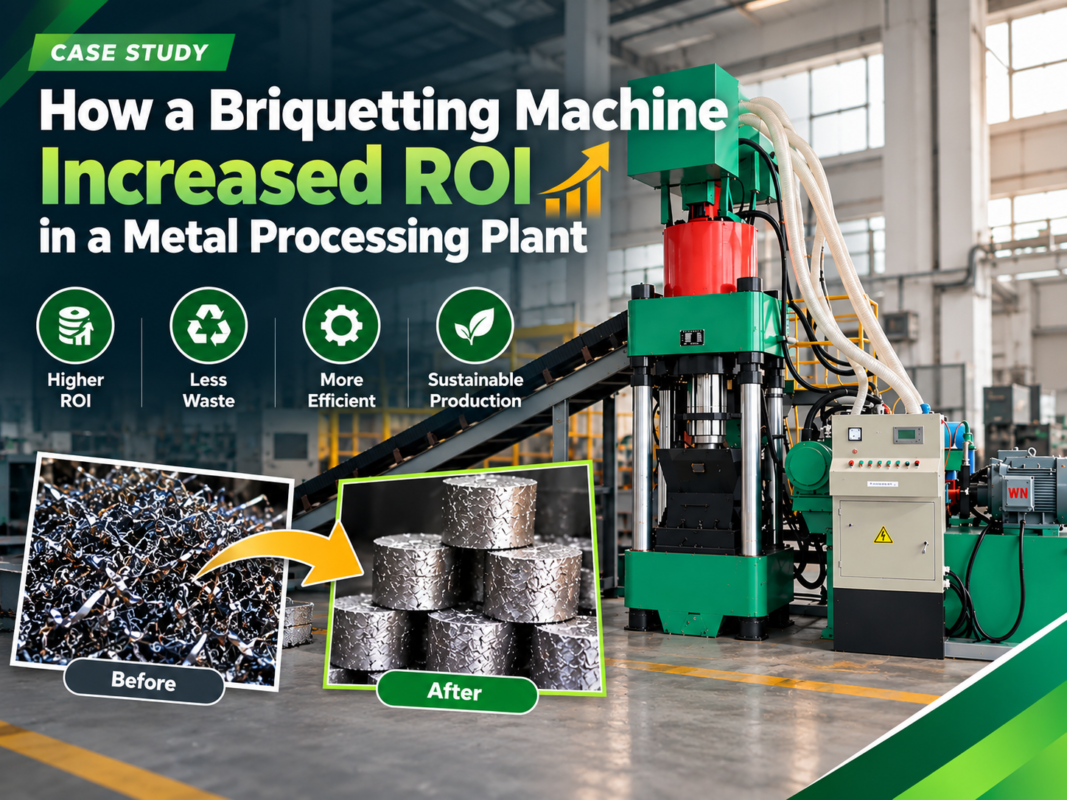
Finally, evaluate the return on investment (ROI) based on three main pillars: reduced disposal costs, increased scrap value, and coolant recovery savings. Many shops find that the machine pays for itself within 12 to 24 months. When calculating this, don’t forget to include the “soft” savings, such as reduced labor costs for cleaning, lower insurance premiums due to improved safety, and the environmental benefits of a cleaner facility. A detailed cost-benefit analysis will help you justify the capital expenditure to stakeholders and ensure that the chosen machine aligns with your long-term business goals.
FAQ: Common Questions About Briquetting
1. How much space does a briquetting machine save?
By compressing loose chips into dense briquettes, you can reduce the volume of your scrap by up to 90%. This means that a bin that previously held 100kg of loose chips can now hold nearly 900kg of briquetted material, drastically reducing the floor space required for storage.
2. Can I use the same machine for different types of metals?
Yes, most HARSLE briquetting machines are versatile enough to handle various metals. However, it is important to clean the machine thoroughly when switching between materials to prevent cross-contamination, especially if you are dealing with high-value alloys or precious metals.
3. How does the machine recover coolant?
The hydraulic pressure applied during the briquetting process forces the liquid out of the porous chip structure. This liquid is captured in a collection tray or sump located beneath the compression chamber, where it can be pumped back into your coolant filtration system.
4. Is the briquetting process noisy?
While hydraulic presses do generate some noise, modern designs are engineered with sound-dampening enclosures and efficient pump systems to keep noise levels within acceptable industrial standards. Proper installation and vibration-dampening mounts can further reduce noise impact.
5. What is the maintenance schedule for a briquetting machine?
Routine maintenance typically involves checking hydraulic fluid levels, inspecting seals and hoses, and cleaning the compression chamber. HARSLE provides a comprehensive maintenance schedule with every machine, and our support team is available to assist with any technical queries.
Conclusione
The transition to a briquetting-based scrap management system is a transformative step for any metal fabrication shop. As we have explored, the question of how a chip briquetting machine improved shop floor cleanliness and material recovery is answered through the tangible benefits of volume reduction, fluid reclamation, and increased scrap value. By investing in high-quality equipment from HARSLE, you are not just buying a machine; you are investing in a cleaner, safer, and more profitable future for your business.
The integration of these systems allows shop owners to reclaim valuable floor space, reduce the environmental impact of their operations, and turn a waste management headache into a streamlined, revenue-generating process. As the industry continues to evolve toward greater automation and sustainability, the briquetting machine stands out as an essential tool for the modern fabricator. Whether you are looking to improve your bottom line or simply create a better working environment for your team, the evidence is clear: briquetting is the path forward.
We encourage you to assess your current scrap handling processes and consider the long-term advantages of upgrading to a professional briquetting solution. With the right equipment, you can eliminate the clutter, recover the fluids, and maximize the value of every kilogram of metal that passes through your shop. Contact HARSLE today to learn more about our range of industrial briquetting machines and how we can help you optimize your production floor.