Briquetting Machine Case Study: Solving the Problem of Bulky Machining Waste

Introduction: The Hidden Cost of Bulky Machining Waste
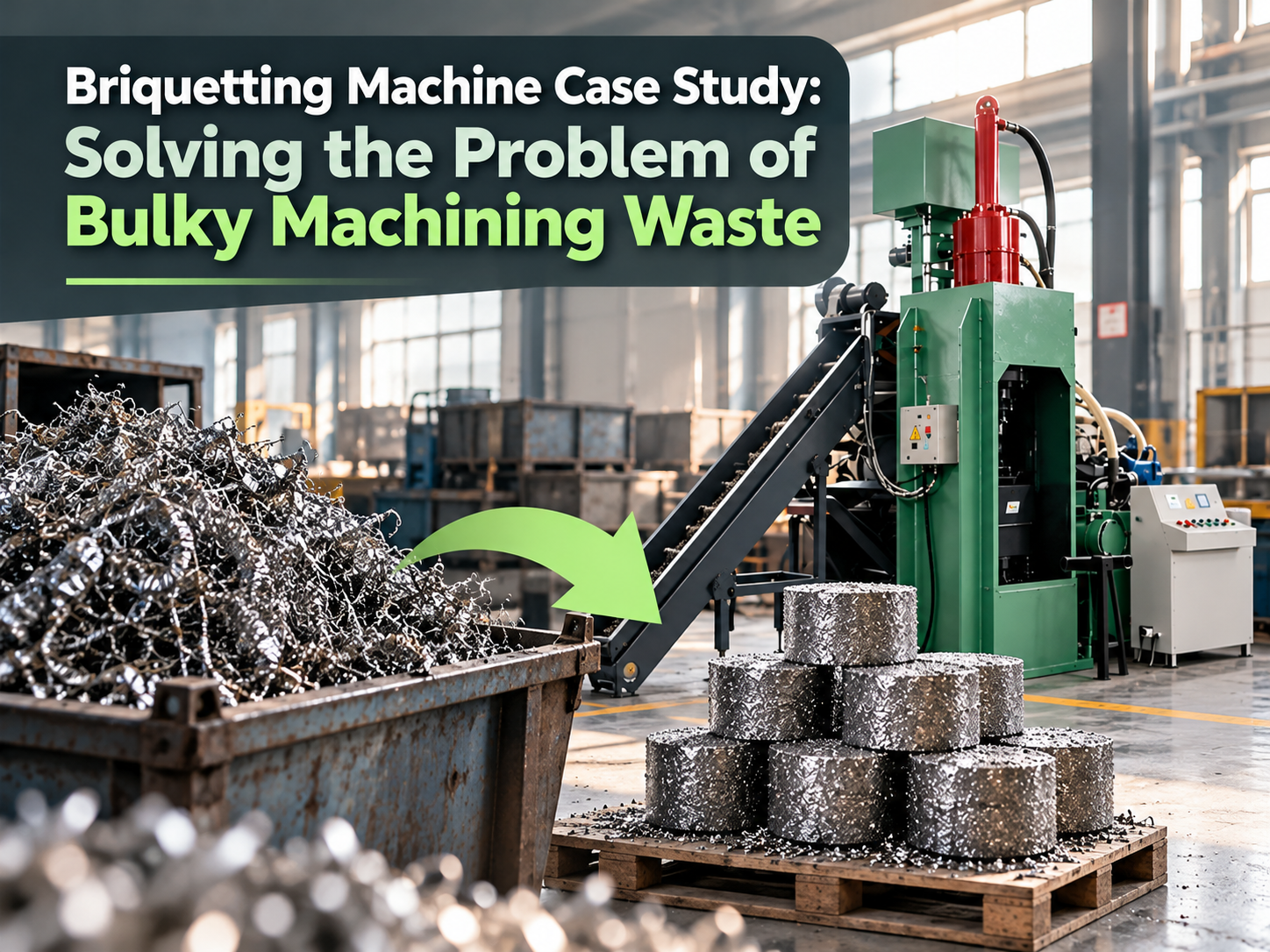
In the modern metal fabrication industry, efficiency is often measured by output speed and precision. However, a silent profit killer lurks in the corners of many workshops: bulky machining waste. Metal chips, turnings, and shavings generated during milling, turning, and drilling processes occupy massive amounts of floor space, create logistical nightmares, and represent a significant loss in potential revenue. For many manufacturers, the sheer volume of these byproducts leads to increased transportation costs and lower scrap value due to their low density.
This Briquetting Machine Case Study: Solving Problem Of Bulky Machining Waste explores how HARSLE helped a mid-sized automotive components manufacturer reclaim their floor space and boost their bottom line. By transitioning from loose scrap storage to high-density briquetting, the facility transformed a waste management burden into a streamlined revenue stream. This article delves into the technical, operational, and financial shifts required to implement such a system effectively.
The challenge faced by the client was twofold: the rapid accumulation of aluminum and steel chips was overwhelming their waste handling capacity, and the coolant contamination associated with loose chips was creating environmental compliance risks. Without a dedicated processing solution, the company was paying premium rates for waste disposal services to haul away air-filled, low-value metal scrap. This case study highlights the transformative power of industrial briquetting technology.
By integrating a HARSLE hydraulic briquetting system, the manufacturer was able to compress loose chips into dense, uniform briquettes. This process not only reduced the volume of the scrap by up to 90% but also allowed for the recovery of expensive cutting fluids. The following sections will detail the technical considerations, selection criteria, and operational benefits that define a successful implementation of this technology.
Key Considerations for Waste Management Optimization
Before investing in a briquetting machine, facility managers must conduct a thorough audit of their waste stream. The primary consideration is the material composition of the chips. Different metals, such as aluminum, brass, copper, and steel, have varying levels of ductility and hardness, which directly influence the required compression force. A machine calibrated for soft aluminum may struggle with hardened steel alloys, leading to premature wear or inconsistent briquette density.
Another critical factor is the moisture content of the waste. Machining processes typically involve flood cooling or mist lubrication. When chips are collected, they are often saturated with coolant. A high-quality briquetting system must include a drainage or filtration mechanism to extract this fluid during the compression cycle. Recovering this coolant is a major secondary benefit, as it reduces the need for purchasing new fluids and lowers the cost of hazardous waste disposal.
Logistics and floor space utilization are also paramount. Bulky chips require large, expensive hoppers and frequent truck pickups. By converting these into compact briquettes, the manufacturer can store significantly more metal in the same footprint. This shift allows for better inventory management and enables the company to hold onto scrap until market prices are favorable, rather than being forced to sell at low prices due to a lack of storage space.
Finally, safety and environmental compliance cannot be overlooked. Loose metal chips are sharp, hazardous to handle, and prone to fire risks if oil-soaked. Briquetting mitigates these risks by creating a solid, stable product that is easier to transport and store. Furthermore, many local regulations now mandate the reduction of industrial waste volume, making briquetting a proactive step toward meeting sustainability goals and reducing the company’s carbon footprint.
Technical Details: How HARSLE Briquetting Systems Work
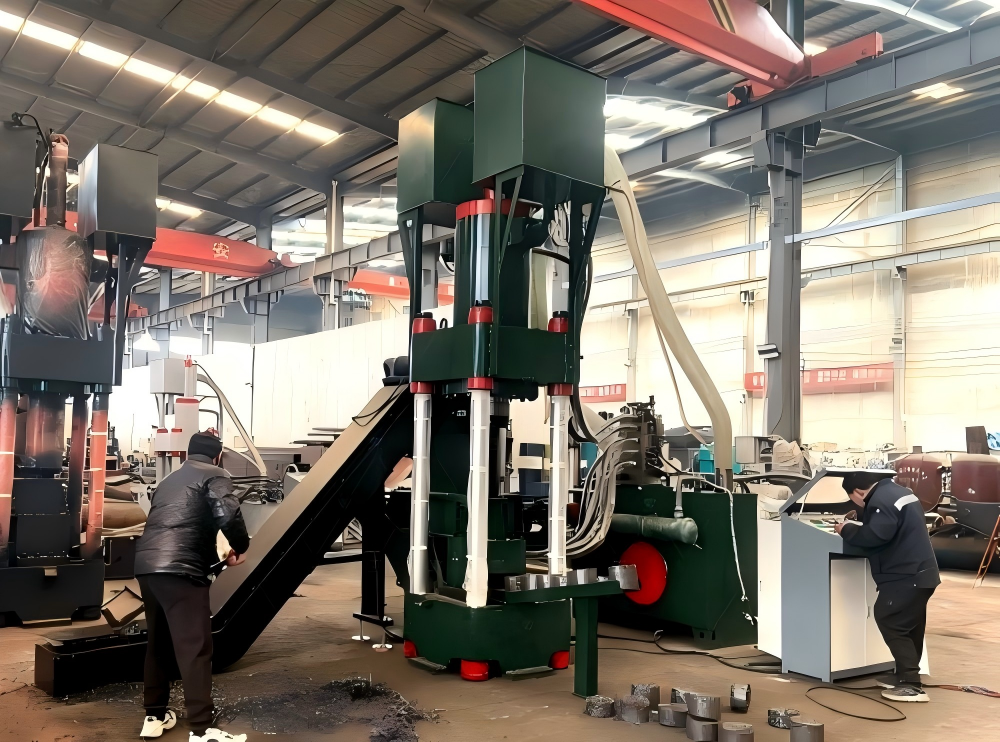
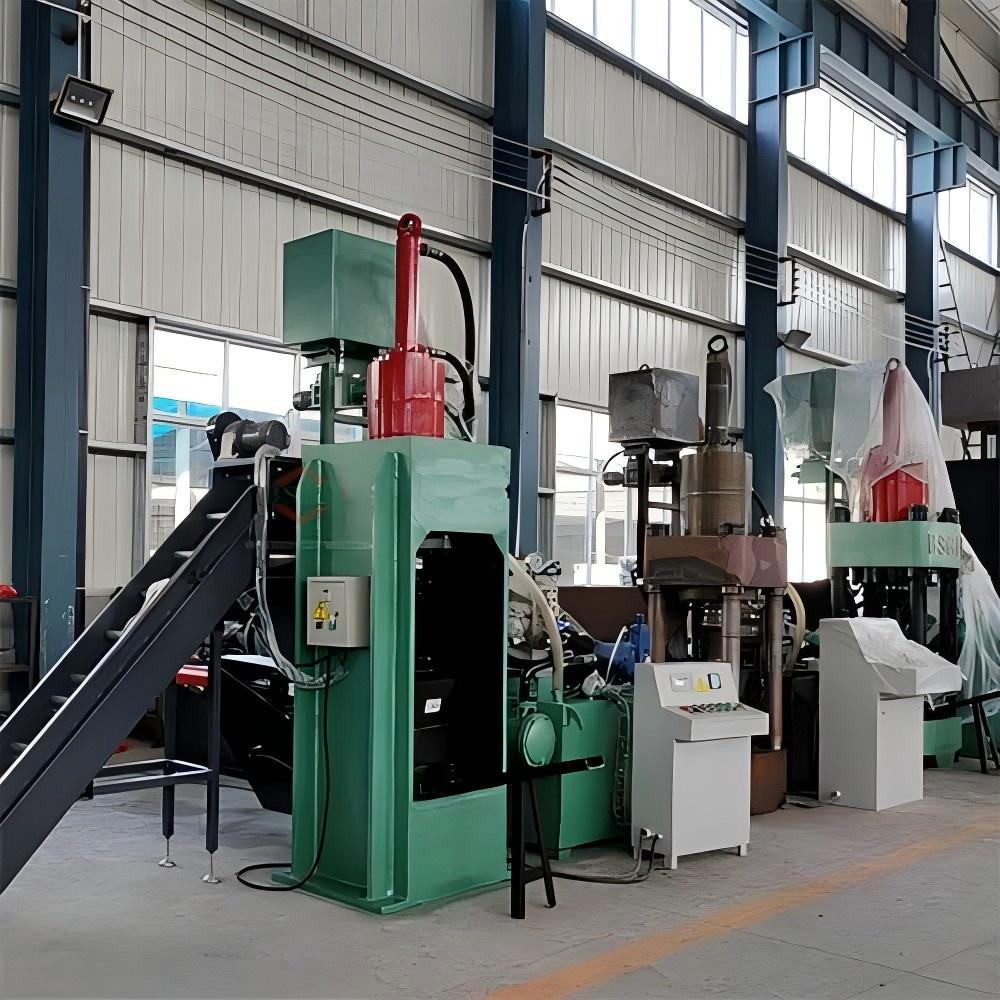
The HARSLE briquetting process is a sophisticated application of hydraulic pressure. The system begins with a feed hopper where loose chips are collected. An integrated agitator or screw conveyor ensures a consistent flow of material into the compression chamber, preventing bridging or clogging. This automated feeding mechanism is essential for maintaining high throughput in a continuous production environment.
Once the material enters the compression chamber, a hydraulic ram exerts immense pressure, often exceeding 200 tons depending on the model. This pressure forces the air out from between the chips and causes the metal to undergo plastic deformation. The result is a dense, cohesive briquette that retains its shape even during handling and transport. The density of the briquette is a key metric; higher density means higher value for the scrap recycler.
The hydraulic system is the heart of the machine. HARSLE utilizes high-efficiency pumps and precision-engineered cylinders to ensure consistent force application. Advanced PLC (Programmable Logic Controller) systems monitor the pressure and cycle times, allowing operators to adjust settings based on the specific material being processed. This flexibility is what makes the HARSLE system a versatile asset for multi-material workshops.
Maintenance of these systems is streamlined through modular design. Wear parts, such as the compression die and the ram face, are constructed from hardened, wear-resistant alloys to withstand the abrasive nature of metal chips. Regular maintenance involves checking hydraulic fluid levels, inspecting seals, and ensuring the sensors are calibrated correctly. By following a structured maintenance schedule, manufacturers can ensure the longevity and reliability of their briquetting equipment.
Selection Advice: Choosing the Right Briquetting Machine
Selecting the right briquetting machine requires a clear understanding of your production volume. A small job shop will have vastly different needs compared to a high-volume automotive parts manufacturer. Start by calculating the daily weight and volume of chips generated. This data will dictate the required throughput capacity of the machine, measured in kilograms per hour. It is always advisable to choose a machine with a slightly higher capacity than your current needs to accommodate future growth.
Consider the physical size of the chips. Long, stringy turnings require a pre-crusher or shredder before they can be fed into the briquetting press. If your shop produces a mix of short chips and long turnings, a system with an integrated shredder is highly recommended. Without this, the machine will frequently jam, leading to downtime and frustration. HARSLE offers modular solutions that can be customized to include pre-processing equipment.
Energy efficiency is another vital selection criterion. Modern hydraulic systems should feature variable frequency drives (VFDs) that adjust motor speed based on the load. This reduces energy consumption during idle periods and extends the life of the hydraulic components. When comparing quotes, look beyond the initial purchase price and consider the total cost of ownership, including energy usage, maintenance, and the potential revenue from recovered coolant and higher-value scrap.
Finally, evaluate the support and service capabilities of the manufacturer. A briquetting machine is a long-term investment. You need a partner who provides comprehensive training for your operators, readily available spare parts, and responsive technical support. HARSLE prides itself on offering detailed documentation and remote troubleshooting assistance, ensuring that your operations remain uninterrupted even if minor issues arise.
Troubleshooting and Maintenance Best Practices
Even the most robust machines require regular care. One of the most common issues in briquetting is a decrease in briquette density. This is often caused by worn-out compression dies or a drop in hydraulic pressure. Regularly inspecting the die for signs of wear and ensuring the hydraulic system is free of leaks will prevent this. If the briquettes are crumbling, check the feed rate; sometimes, the chamber is being overfilled, preventing the ram from reaching full compression.
Another frequent challenge is sensor failure. Briquetting machines rely on a series of proximity and pressure sensors to coordinate the cycle. If the machine stops mid-cycle, the first step is to check the sensor logs on the PLC interface. Often, a simple cleaning of the sensor lens or a reset of the safety gate will resolve the issue. Always ensure that the machine is locked out and tagged out before performing any internal inspections.
Coolant drainage issues can also occur if the filtration screens become clogged with fine metal dust. A routine cleaning schedule for the drainage system is essential to maintain the efficiency of the fluid recovery process. If you notice an increase in moisture in the finished briquettes, it is a clear sign that the filtration system needs attention. Keeping the area around the machine clean and free of debris also helps in identifying potential leaks early.
Lastly, operator training is the best form of preventative maintenance. Operators should be familiar with the sounds and vibrations of a healthy machine. Any deviation from the norm—such as a change in the pitch of the hydraulic pump or an unusual vibration—should be investigated immediately. By fostering a culture of proactive maintenance, you can avoid costly emergency repairs and ensure your briquetting machine remains a reliable part of your production line for years to come.
Domande frequenti (FAQ)
- How much space can I save with a briquetting machine? Most manufacturers see a volume reduction of 80% to 90%. This allows you to reclaim significant floor space previously occupied by bulky scrap bins.
- Can I mix different types of metal in the same briquetting machine? While it is technically possible, it is not recommended. Mixing metals reduces the value of the scrap. It is better to process one type of metal at a time and clean the hopper between batches.
- How long does it take to see a return on investment (ROI)? ROI depends on your volume of waste and local scrap prices. Many HARSLE clients report a full return on investment within 12 to 18 months due to higher scrap prices and reduced disposal costs.
- Is the coolant recovery worth the effort? Absolutely. Recovering expensive cutting fluids can save thousands of dollars annually, not to mention the environmental benefits of reducing hazardous waste.
- What is the typical lifespan of a briquetting machine? With proper maintenance, a high-quality industrial briquetting machine can last 10 to 15 years or more.
Conclusion: Transforming Waste into Wealth
The Briquetting Machine Case Study: Solving Problem Of Bulky Machining Waste demonstrates that industrial waste does not have to be a liability. By implementing the right technology, manufacturers can turn a logistical headache into a streamlined, profitable process. HARSLE’s commitment to engineering excellence ensures that our briquetting solutions are not only effective at reducing volume but also durable enough to withstand the rigors of a high-production environment.
Investing in a briquetting machine is more than just a waste management decision; it is a strategic move toward a more sustainable and efficient manufacturing future. By reducing the physical footprint of your scrap, recovering valuable coolants, and increasing the market value of your metal byproducts, you position your company for long-term success. As the industry continues to evolve, those who embrace smart, automated solutions will undoubtedly lead the way.
If you are ready to optimize your shop floor and stop paying to haul away your profits, consider the HARSLE range of briquetting systems. Our team of experts is ready to help you analyze your specific waste stream and recommend the perfect configuration for your needs. Contact us today to learn more about how we can help you solve the problem of bulky machining waste once and for all.