Why a Steel Processing Plant Upgraded to a Container Shear for Better Productivity

Introduction
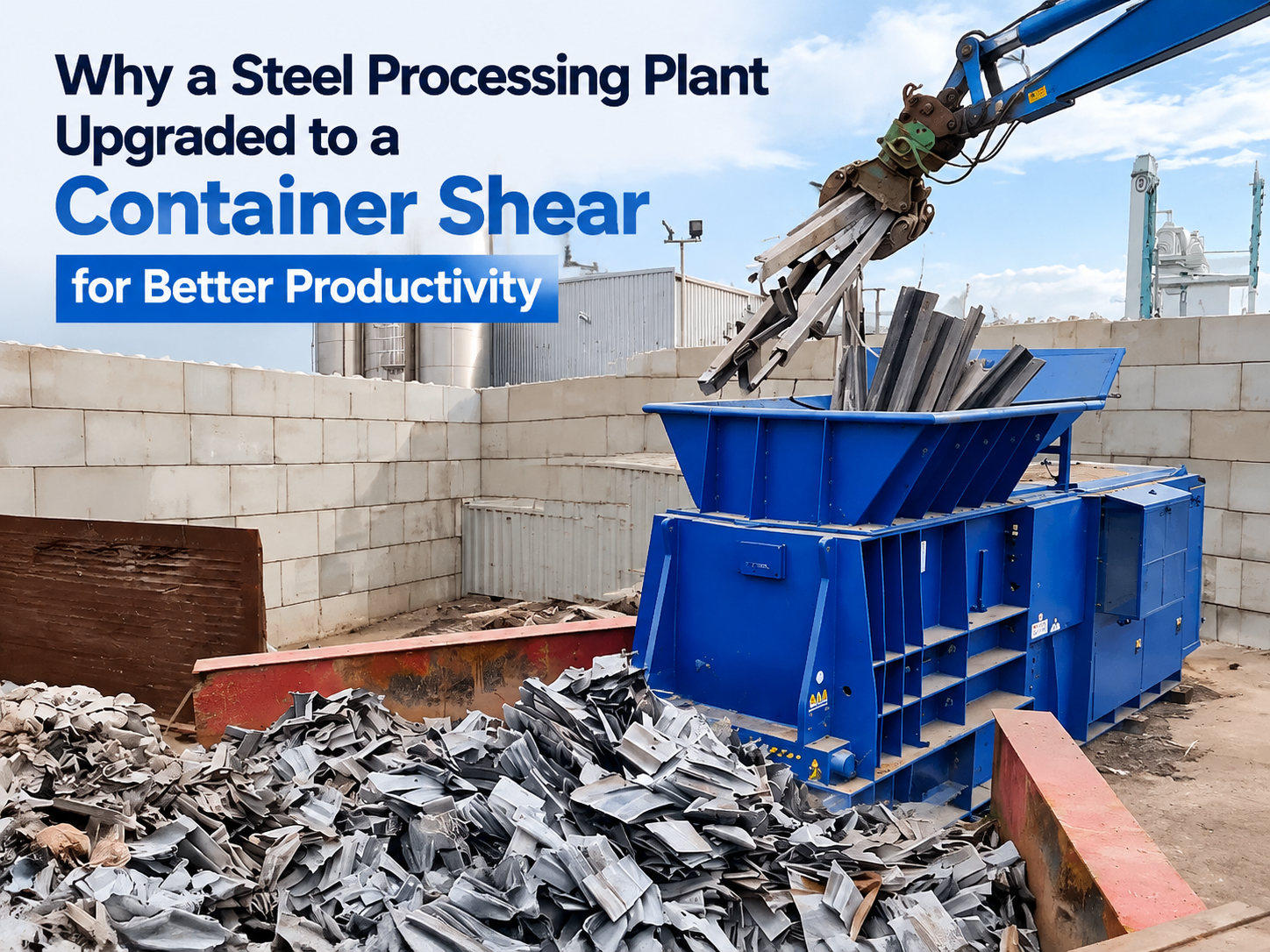
In the competitive landscape of modern metal recycling and steel processing, efficiency is the primary driver of profitability. For many facilities, the bottleneck often lies in the initial stage of scrap preparation—the shearing and sizing of bulky, irregular metal waste. Recently, a major steel processing plant faced a critical turning point: their legacy processing equipment could no longer keep pace with the increasing volume of incoming scrap. The decision to invest in advanced technology became clear: a steel processing plant upgraded a container shear for better productivity, fundamentally transforming their operational throughput.
The transition from traditional stationary shears to a container shear represents more than just a hardware upgrade; it is a strategic shift toward mobility, automation, and reduced material handling. By integrating a self-contained shearing unit, the plant was able to eliminate the need for secondary transport of scrap to a fixed cutting station. This article explores the technical nuances, operational benefits, and strategic considerations that led to this successful upgrade, providing a blueprint for other facilities looking to optimize their metal fabrication and recycling workflows.
As we delve into the specifics, it is important to understand that the modern container shear is designed to handle a diverse range of materials, from heavy structural steel beams to light-gauge automotive scrap. The versatility of these machines allows processing plants to adapt to fluctuating market demands without needing to reconfigure their entire floor layout. This case study highlights how HARSLE-engineered solutions provide the durability and force required to maintain high-speed production cycles in demanding industrial environments.
Ultimately, the goal of this upgrade was to reduce downtime and labor costs while increasing the density of processed scrap. By analyzing the transition, we can identify the key performance indicators that define success in the scrap metal industry. Whether you are managing a small-scale yard or a large-scale steel processing plant, understanding the mechanics of container shears is essential for staying ahead in a market that rewards speed, precision, and reliability.
Key Considerations for Upgrading Scrap Processing Equipment
When a steel processing plant decides to upgrade its machinery, the primary consideration is always the return on investment (ROI). For the facility in question, the existing equipment was prone to frequent breakdowns, leading to costly maintenance cycles and significant production delays. The management team identified that the labor-intensive process of manually feeding stationary shears was the primary cause of their productivity plateau. They needed a solution that offered continuous operation and minimized the human element in material handling.
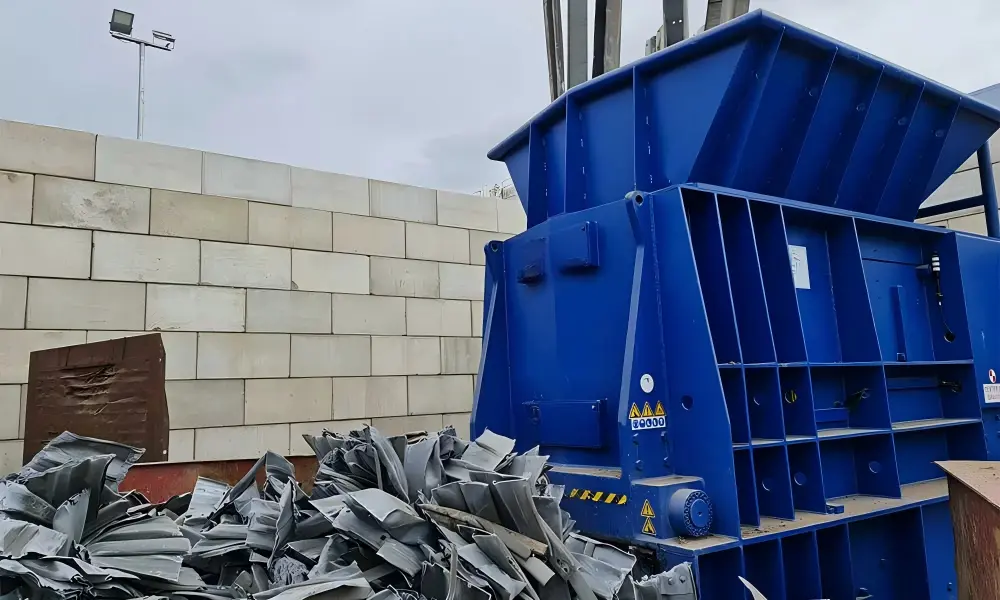
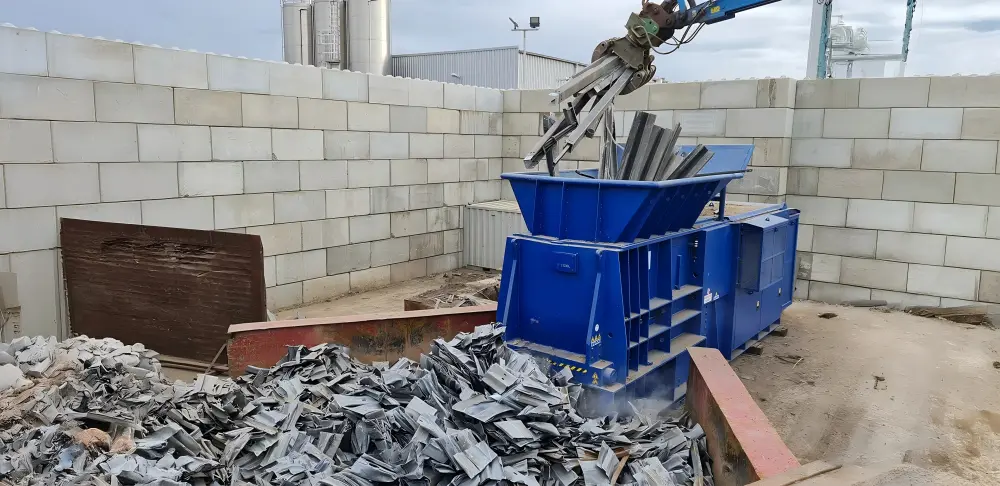
Another critical factor was the footprint of the machinery. In many established plants, space is at a premium. Traditional shearing systems often require extensive foundation work, complex electrical installations, and large safety perimeters. A container shear, by contrast, is designed as a ‘plug-and-play’ solution. Its compact, integrated design allows it to be placed directly in the yard, closer to the scrap piles, which significantly reduces the travel time for loaders and excavators. This spatial efficiency was a major driver in the decision-making process.
Safety and environmental compliance also played a significant role. Older shearing equipment often lacks the advanced safety interlocks and noise-dampening features found in modern container shears. By upgrading, the plant was able to improve its safety rating, reducing the risk of workplace accidents and lowering insurance premiums. Furthermore, modern hydraulic systems are more energy-efficient, consuming less power per ton of processed steel, which aligns with the growing industry trend toward sustainable manufacturing practices.
Finally, the plant had to consider the scalability of the equipment. As the volume of scrap metal fluctuates based on market conditions, the ability to move the shear to different locations within the yard or even to different satellite facilities provides a level of operational agility that fixed equipment simply cannot match. This flexibility ensures that the plant can scale its operations up or down without the need for massive capital reinvestment, making the container shear a future-proof asset for the company.
Technical Details of Modern Container Shears
The technical superiority of the container shear lies in its robust hydraulic architecture and intelligent control systems. Unlike traditional shears, these units are housed within a standard shipping container frame, which provides structural integrity and ease of transport. The core of the machine is a high-pressure hydraulic cylinder system capable of exerting hundreds of tons of force, allowing for the clean shearing of thick steel plates, pipes, and structural profiles with minimal effort.
One of the standout features of the HARSLE container shear is the automated feeding system. This system uses a heavy-duty pusher mechanism that advances the material into the cutting chamber at a controlled rate. This ensures that the shear blades are always working at optimal capacity without being overloaded. The integration of PLC (Programmable Logic Controller) technology allows operators to set specific cut lengths and cycle times, ensuring consistency in the final product—a crucial requirement for steel mills that purchase processed scrap.
Maintenance is another area where technical design has evolved. Modern container shears feature modular components, making it easier to replace wear parts like shear blades and hydraulic seals. The hydraulic power unit is typically housed in a climate-controlled, dust-proof compartment within the container, which significantly extends the lifespan of the pumps and valves. This design choice is vital for plants operating in harsh outdoor environments where dust, moisture, and temperature extremes are common.
Furthermore, the cutting geometry of the blades has been optimized through computer-aided design (CAD) to reduce the shear force required for specific materials. By minimizing the friction during the cutting stroke, the machine operates cooler and consumes less energy. The inclusion of remote diagnostic capabilities also means that HARSLE technicians can monitor the machine’s health in real-time, identifying potential issues before they lead to catastrophic failure, thus maximizing uptime for the processing plant.
Conseils de sélection : Choisir le bon équipement
Selecting the right container shear requires a thorough audit of your current scrap stream. You must analyze the average thickness, length, and material composition of the scrap you process. If your facility handles primarily light-gauge sheet metal, a smaller, high-speed shear might be appropriate. However, if you are processing heavy structural steel, you will need a machine with a larger cutting opening and higher hydraulic pressure ratings.
Another factor to consider is the power source. While most container shears are electric-powered, some facilities may require diesel-powered units if they operate in remote locations or areas with unstable power grids. It is also essential to evaluate the manufacturer’s support network. A machine is only as good as the service behind it. Ensure that the supplier offers comprehensive training for your operators, as well as a reliable supply of spare parts and technical support to minimize downtime.
Consider the integration with your existing material handling equipment. Will your current excavators or cranes be able to load the container shear efficiently? Some models come with integrated loading hoppers that can be fed directly by a grapple, while others may require a conveyor system. Choosing a configuration that matches your existing workflow will significantly reduce the learning curve for your staff and ensure a faster transition to full productivity.
Finally, do not overlook the importance of safety features. Look for machines that include emergency stop buttons, light curtains, and fully enclosed cutting chambers to protect operators from flying debris. A reputable manufacturer will provide a detailed safety manual and offer on-site safety training. Investing in a high-quality machine from a trusted brand like HARSLE ensures that you are not just buying a piece of equipment, but a long-term solution that will enhance your plant’s productivity for years to come.
Foire aux questions
- What is the primary advantage of a container shear over a stationary shear? The primary advantage is mobility and ease of installation. Because it is housed in a container, it can be moved easily and requires minimal site preparation.
- How does a container shear improve productivity? It reduces material handling time by allowing the shear to be placed closer to the scrap source and features automated feeding systems that maintain consistent throughput.
- What types of materials can a container shear process? They are designed to process a wide range of ferrous and non-ferrous metals, including structural steel, pipes, automotive scrap, and heavy plate.
- Is special training required to operate a container shear? Yes, while modern controls are user-friendly, operators should be trained on the specific safety protocols, maintenance routines, and control interfaces of the machine.
- How often does a container shear require maintenance? Maintenance schedules depend on usage, but daily inspections of blades and hydraulic levels are recommended, with more comprehensive servicing performed at regular intervals.
Conclusion
The decision by the steel processing plant to upgrade to a container shear serves as a compelling case study for the entire industry. By addressing the limitations of their legacy equipment, they were able to achieve significant gains in productivity, safety, and operational flexibility. The transition highlights that in the world of metal fabrication and recycling, the right machinery is the foundation of success. As market demands continue to evolve, the ability to process scrap efficiently and reliably will remain the hallmark of a competitive and profitable steel processing operation.
Investing in a container shear is a commitment to modernization. It is a step toward reducing labor costs, improving material density, and ensuring that your facility can handle the challenges of tomorrow. With the right equipment, such as the high-performance solutions offered by HARSLE, your plant can transform its scrap processing workflow into a streamlined, high-output operation. If you are considering an upgrade, take the time to evaluate your specific needs, consult with industry experts, and choose a solution that aligns with your long-term growth objectives.