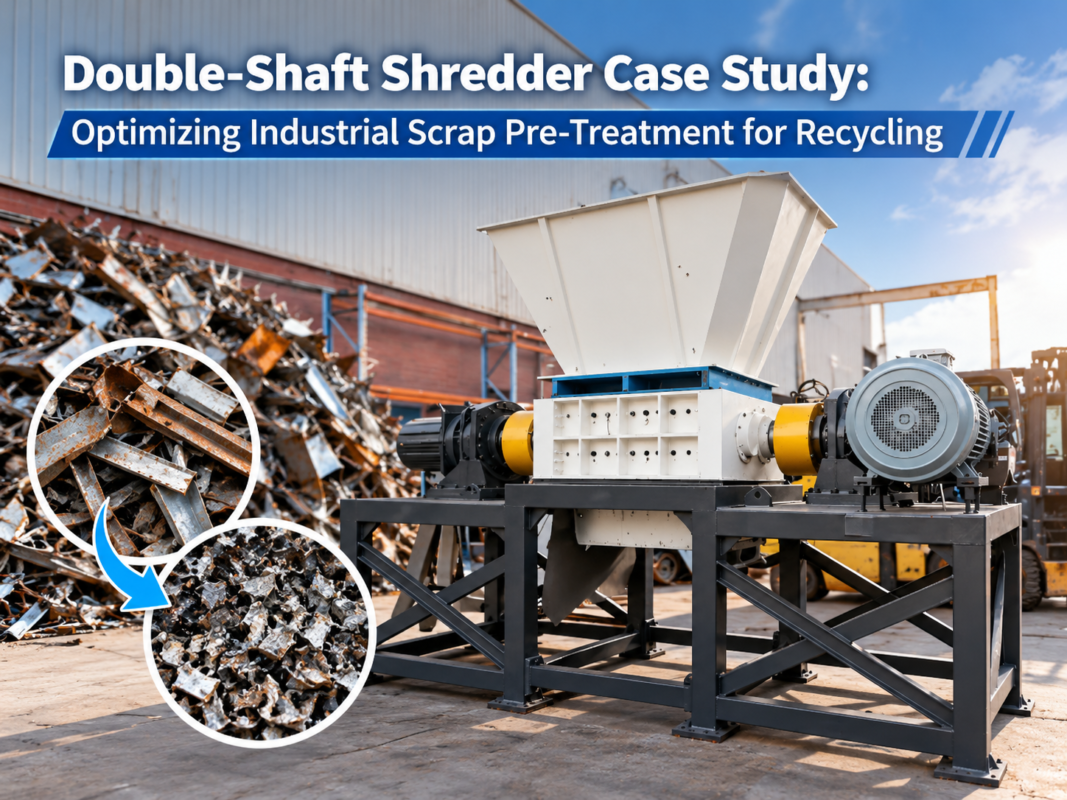
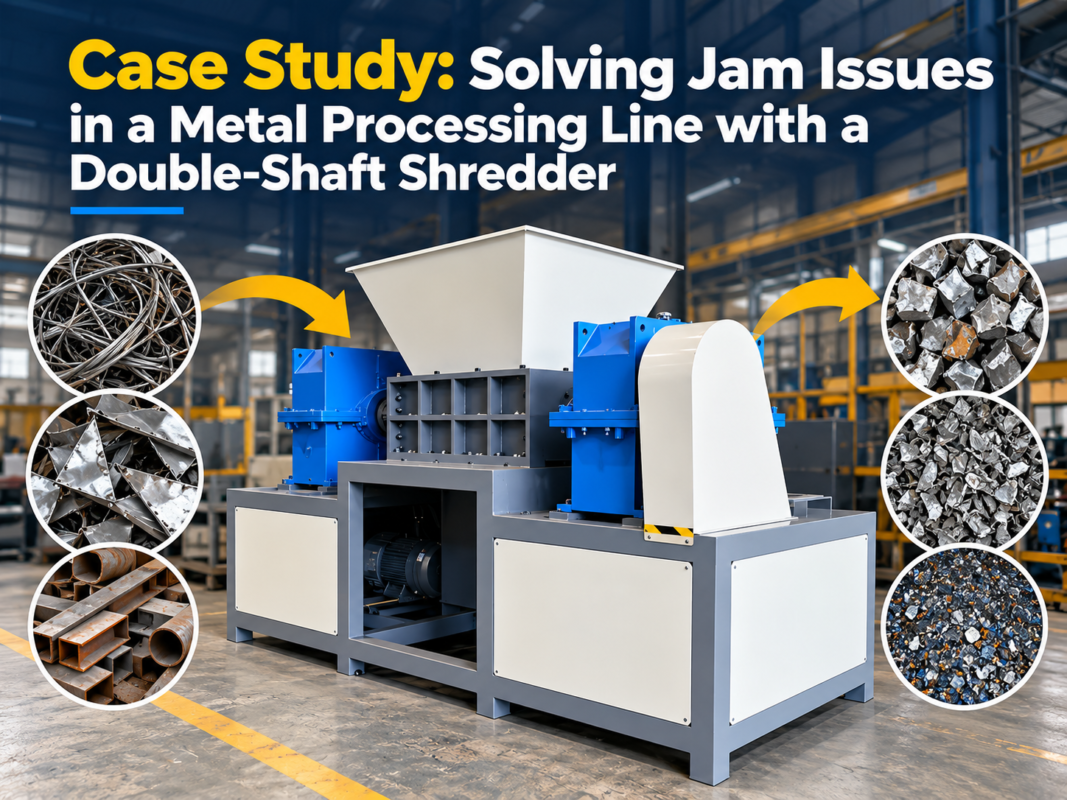
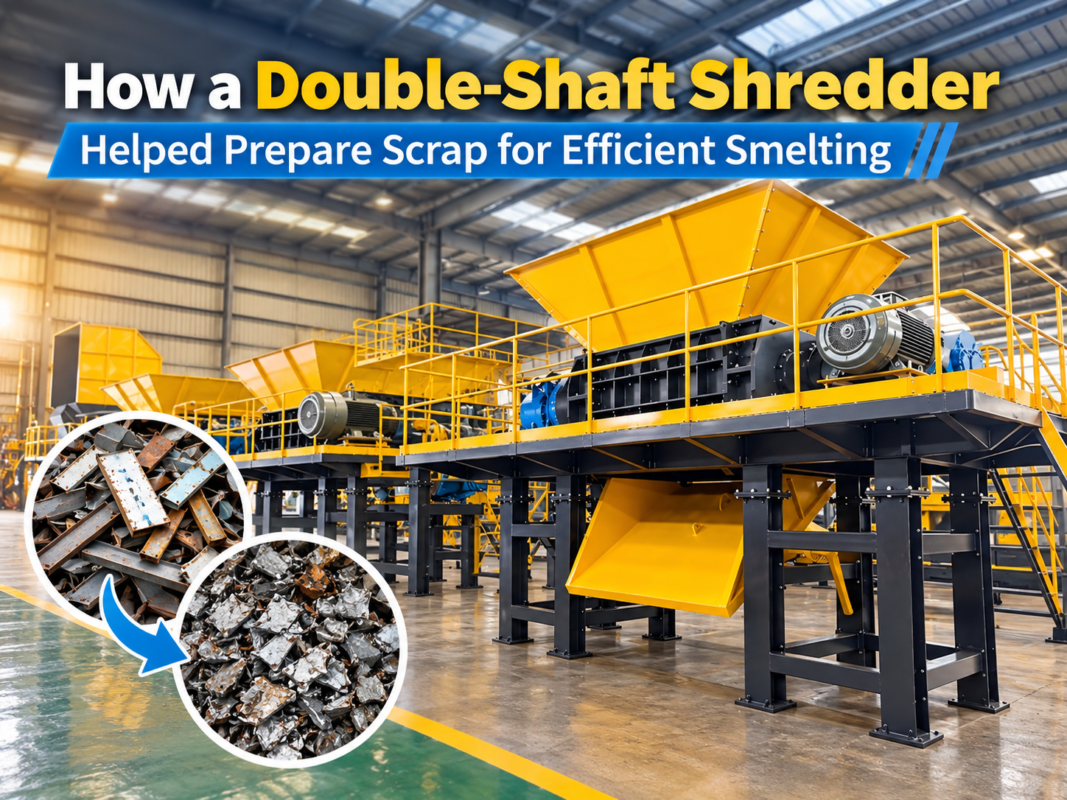
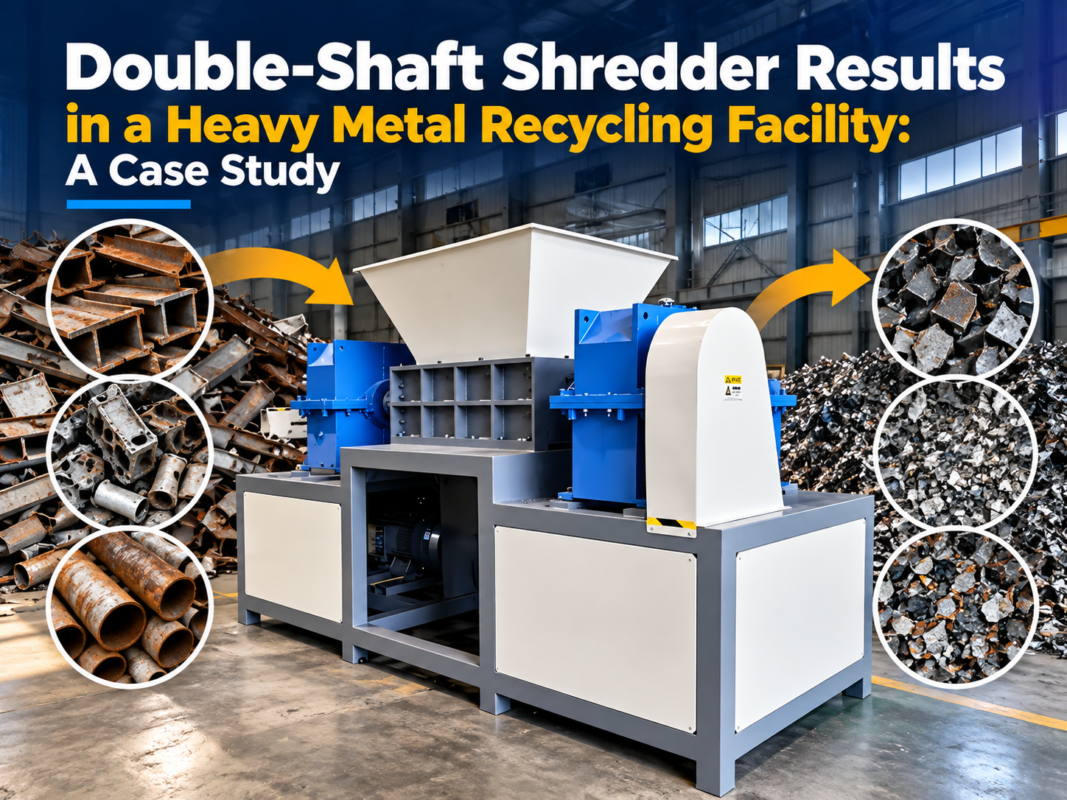
How a Double-Shaft Shredder Reduced Manual Handling in a Metal Waste Facility: A HARSLE Case Study

Introduction
In the modern landscape of metal fabrication and recycling, efficiency is not merely a goal; it is a necessity for survival. For many facilities, the bottleneck in production often lies in the handling and processing of bulky scrap metal. Historically, this has required significant manual labor, exposing workers to sharp edges, heavy lifting, and repetitive strain injuries. However, the integration of advanced industrial machinery has changed the game. Specifically, the implementation of a double-shaft shredder has proven to be a transformative solution for waste management.
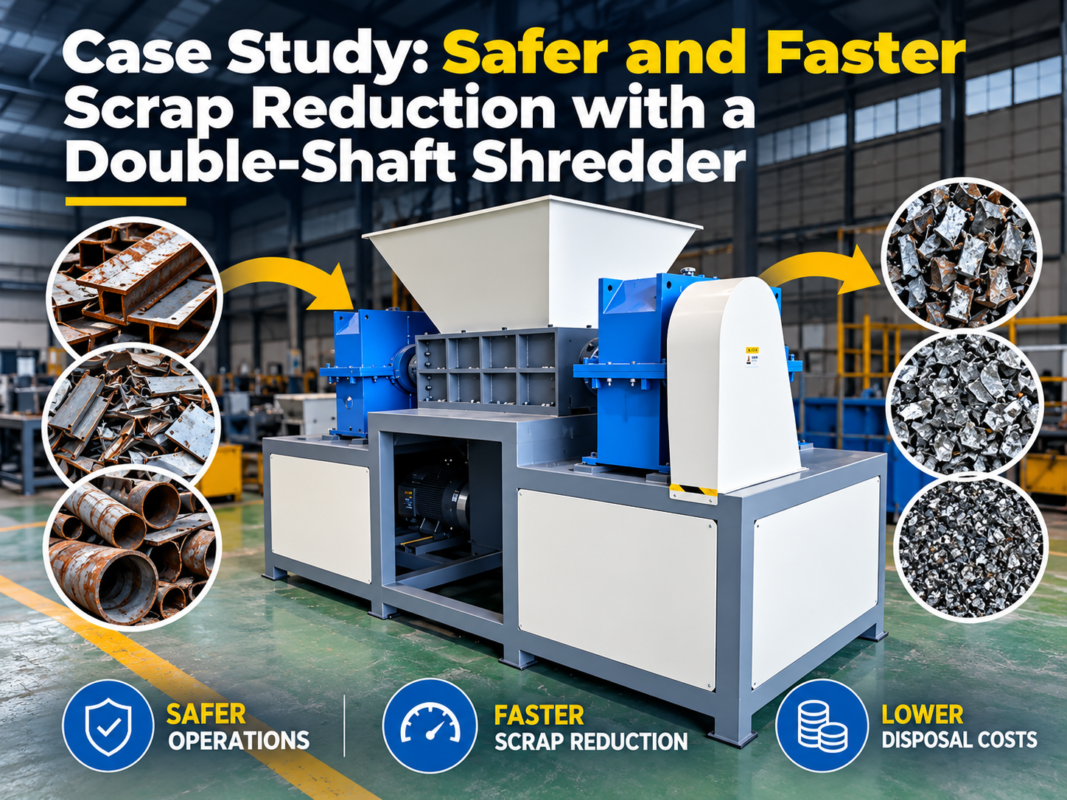
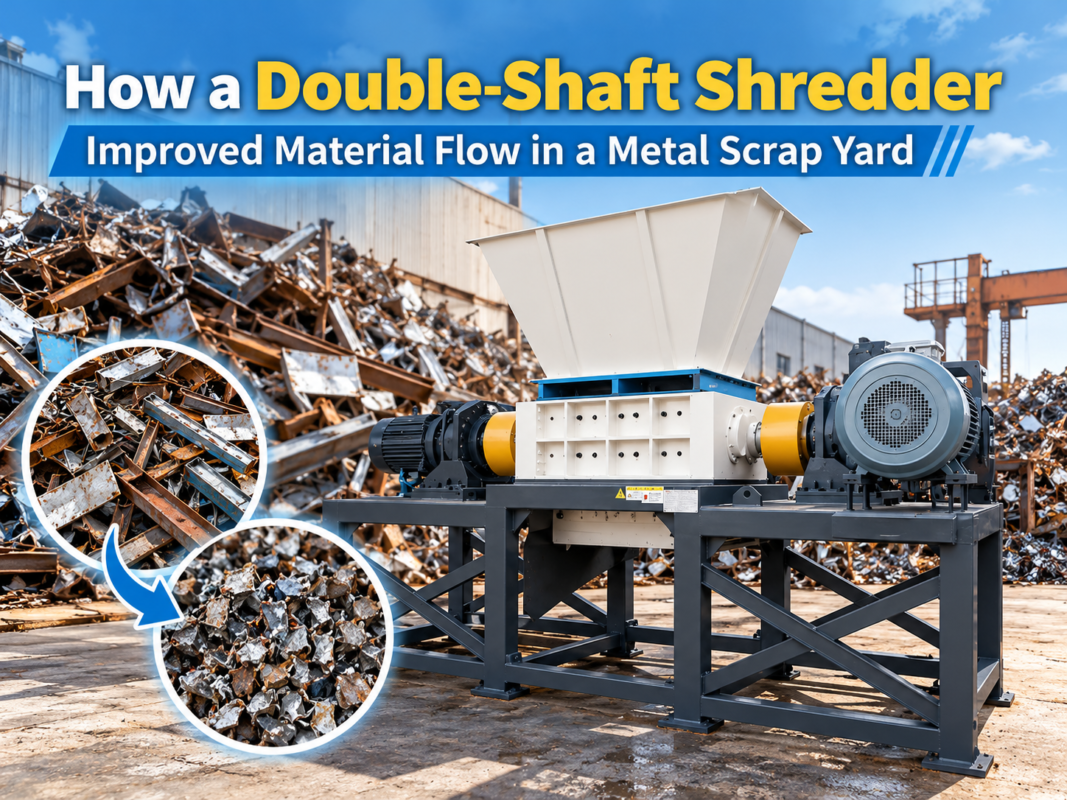
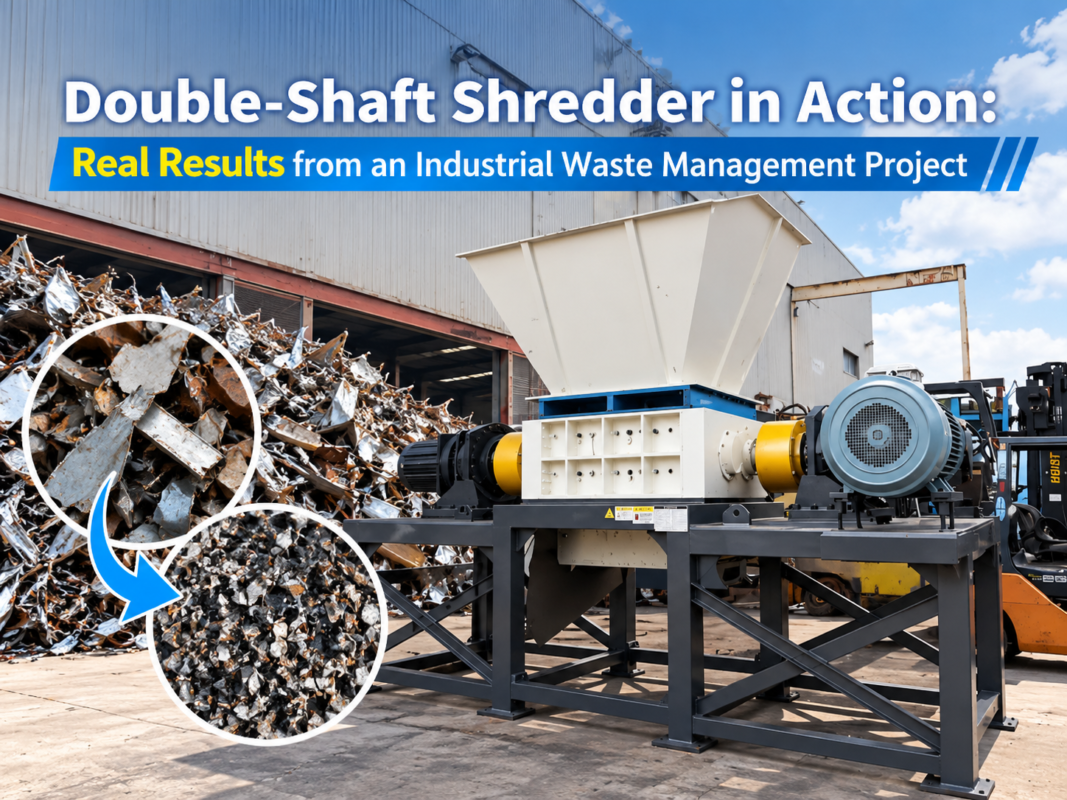
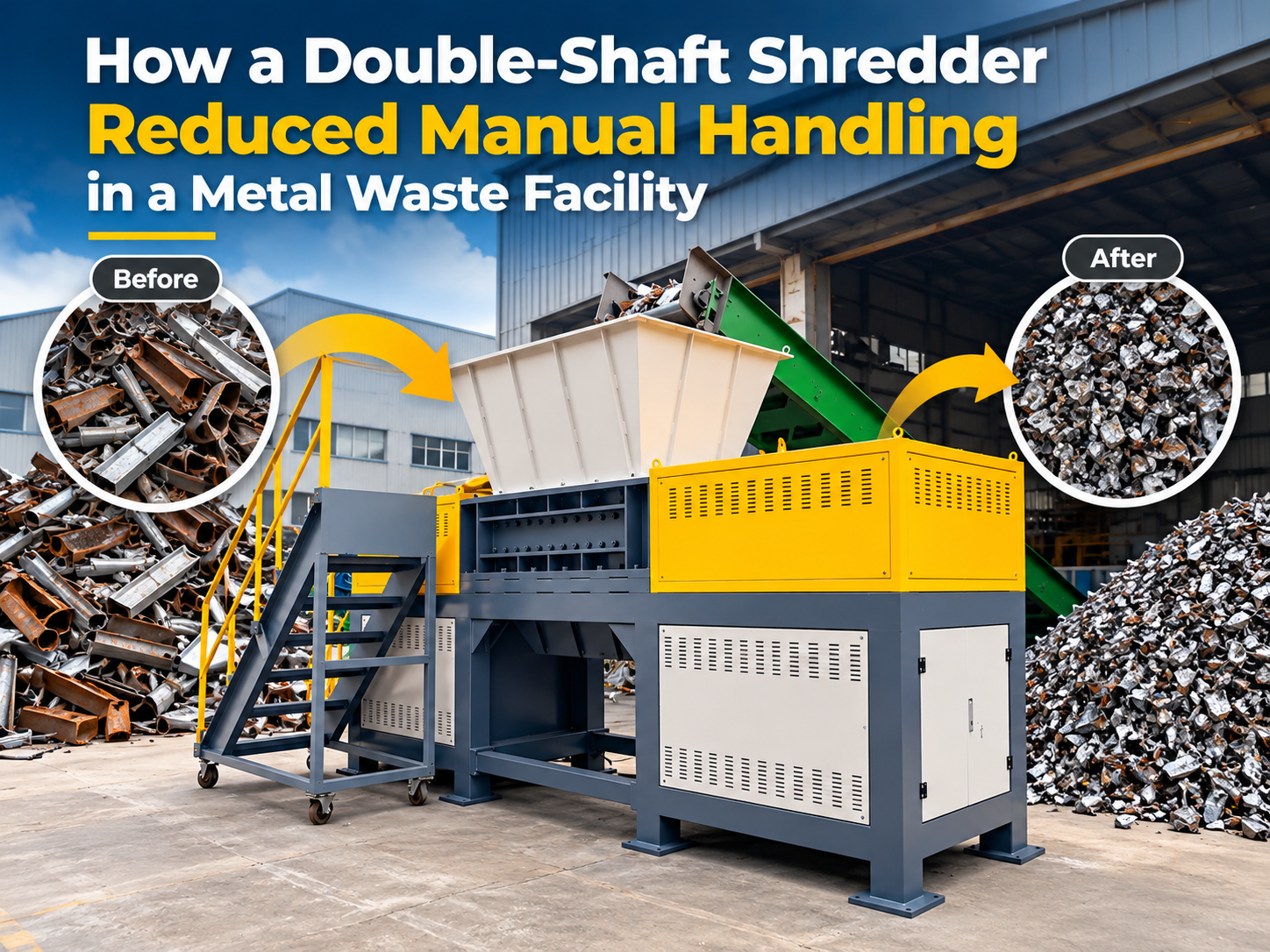
When we examine how a double-shaft shredder reduced manual handling in a metal waste facility, we are looking at a fundamental shift in operational philosophy. By automating the size reduction of scrap, facilities can transition from labor-intensive manual sorting and cutting to a streamlined, automated workflow. This article explores the technical, safety, and economic advantages of adopting HARSLE’s high-performance shredding solutions in a metal waste environment.
The transition to automated shredding is not just about speed; it is about creating a safer, more predictable environment for employees. Manual handling of metal waste is inherently dangerous, involving the risk of lacerations and musculoskeletal disorders. By utilizing a double-shaft shredder, facilities can ensure that the bulk of the heavy lifting and material manipulation is performed by robust, industrial-grade steel cutters rather than human hands.
As we delve deeper into this case study, we will analyze the specific operational challenges faced by metal waste facilities and how HARSLE machinery addresses these pain points. From the initial intake of scrap to the final output of manageable, high-density material, the double-shaft shredder serves as the heart of a modern, efficient metal processing line.
Key Considerations for Metal Waste Management
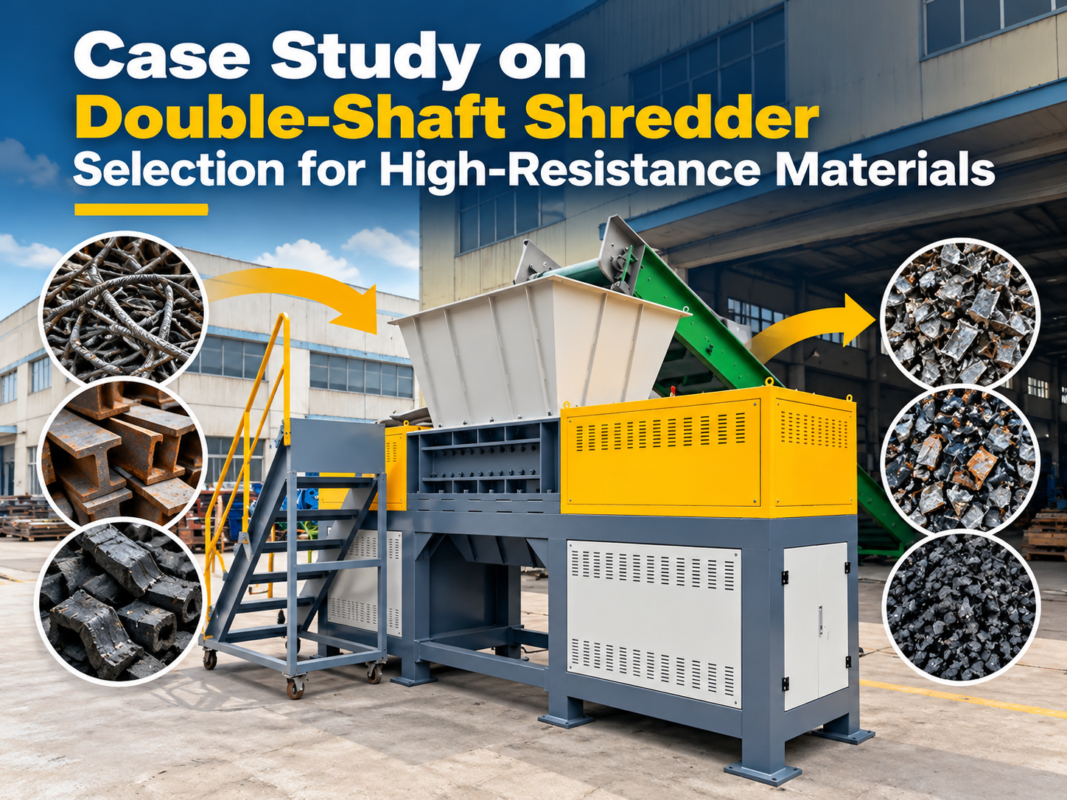
Before investing in industrial shredding equipment, facility managers must evaluate their current waste streams. Not all metal scrap is created equal; the density, alloy composition, and physical dimensions of the waste dictate the type of shredder required. A double-shaft shredder is particularly effective because it utilizes low-speed, high-torque technology to tear through tough materials that would otherwise jam or damage high-speed equipment.
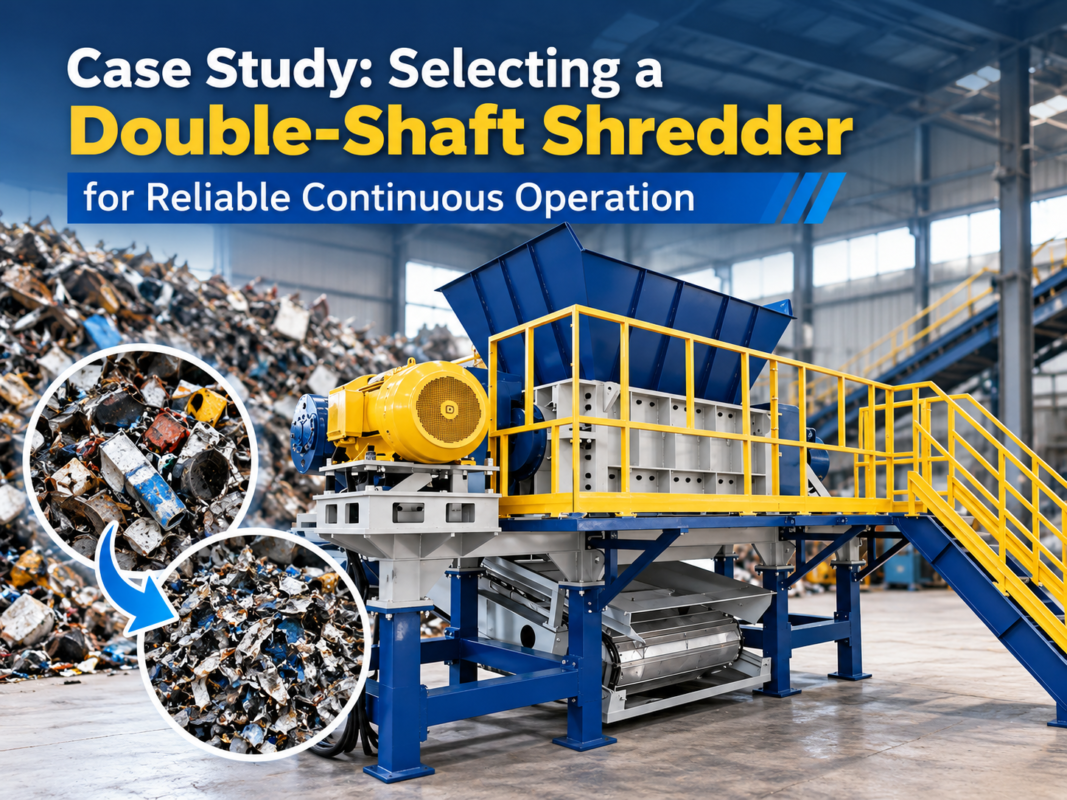
One of the primary considerations is the volume of throughput. A facility processing tons of scrap daily requires a machine that can handle continuous operation without overheating or excessive downtime. HARSLE’s double-shaft shredders are engineered with robust gearboxes and hardened alloy steel blades designed to withstand the rigors of 24/7 operation. This reliability is the cornerstone of reducing manual intervention, as it minimizes the need for maintenance-related manual adjustments.
Safety compliance is another critical factor. Manual handling of scrap metal is a leading cause of workplace accidents. By automating the shredding process, facilities can significantly reduce the number of personnel required on the floor near the scrap intake area. This not only lowers insurance premiums but also creates a culture of safety that is essential for long-term operational success.
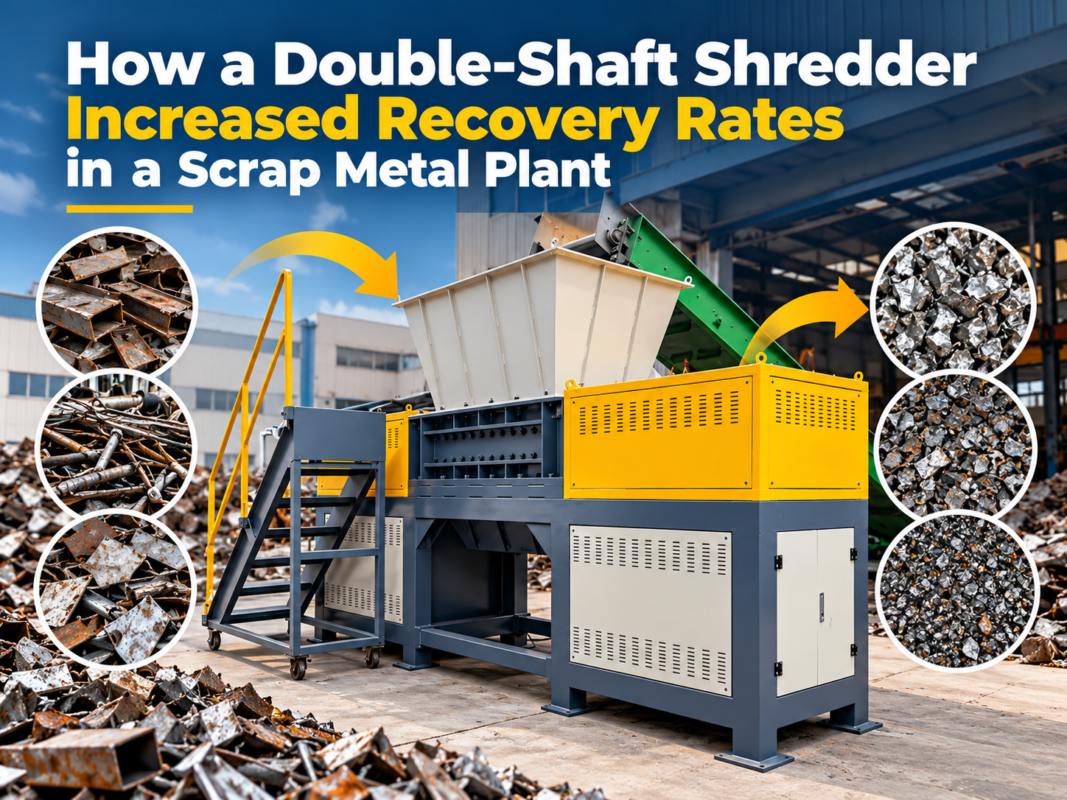
Finally, the economic impact of material density cannot be overstated. Shredded metal is significantly easier to transport and store than bulky, irregular scrap. By reducing the volume of waste through shredding, facilities can optimize their logistics, reducing the number of truckloads required to transport scrap to recycling centers. This efficiency gain is a direct result of the shredder’s ability to transform unmanageable waste into a uniform, high-density product.
Technical Details of HARSLE Double-Shaft Shredders
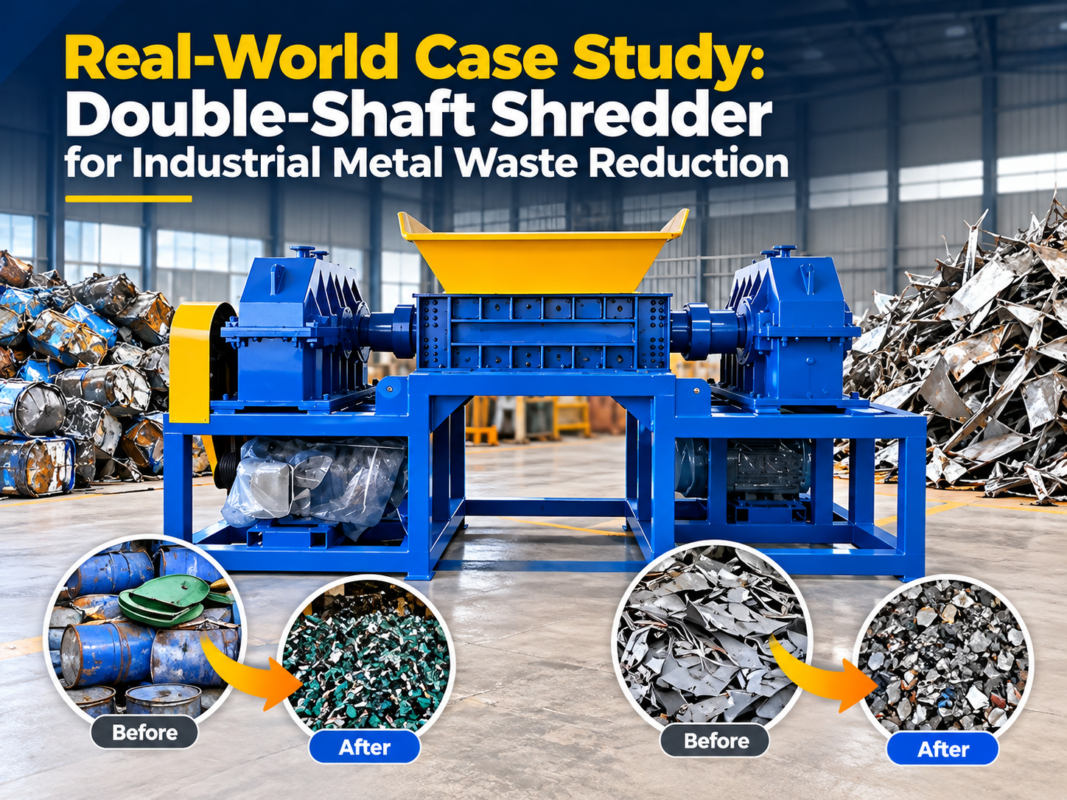
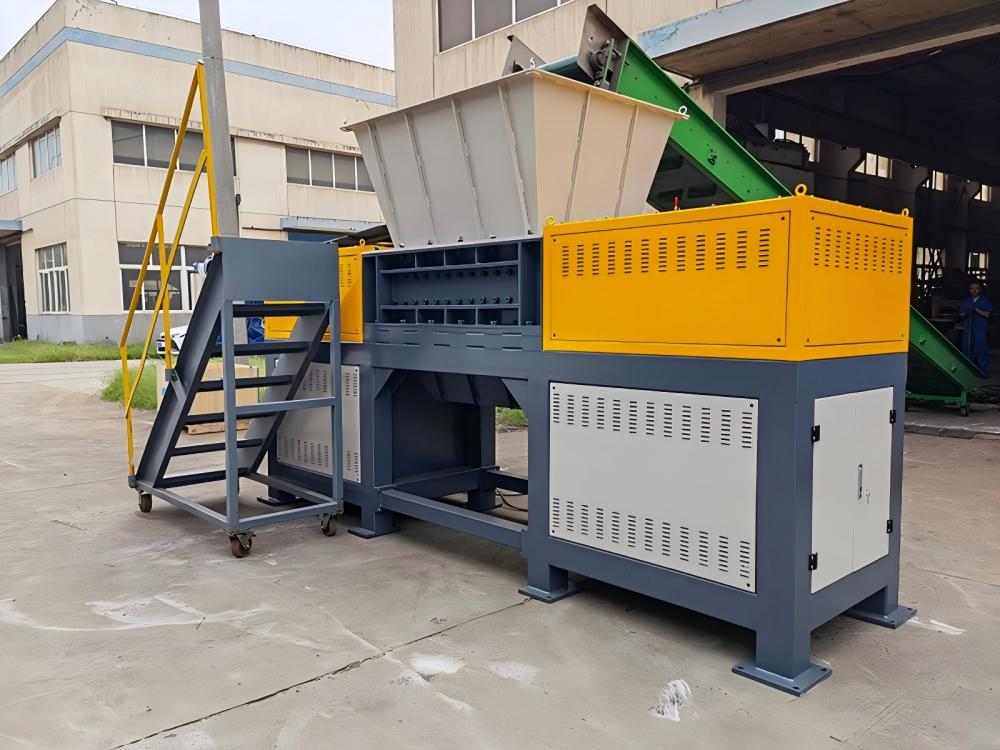
The technical superiority of a HARSLE double-shaft shredder lies in its design. Unlike single-shaft shredders that rely on a screen to control output size, double-shaft shredders use two counter-rotating shafts equipped with interlocking blades. These blades pull the material into the cutting chamber, where it is sheared into smaller pieces. This mechanism is ideal for metal waste because it provides the necessary torque to process thick plates, pipes, and complex assemblies.
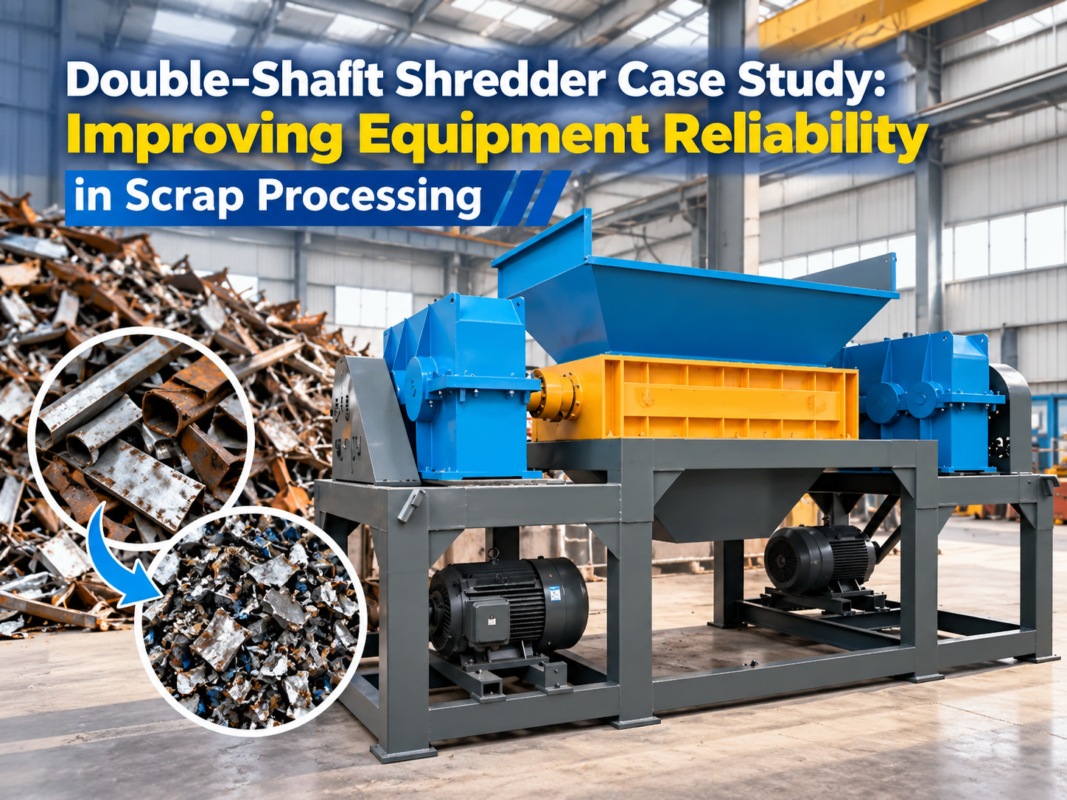
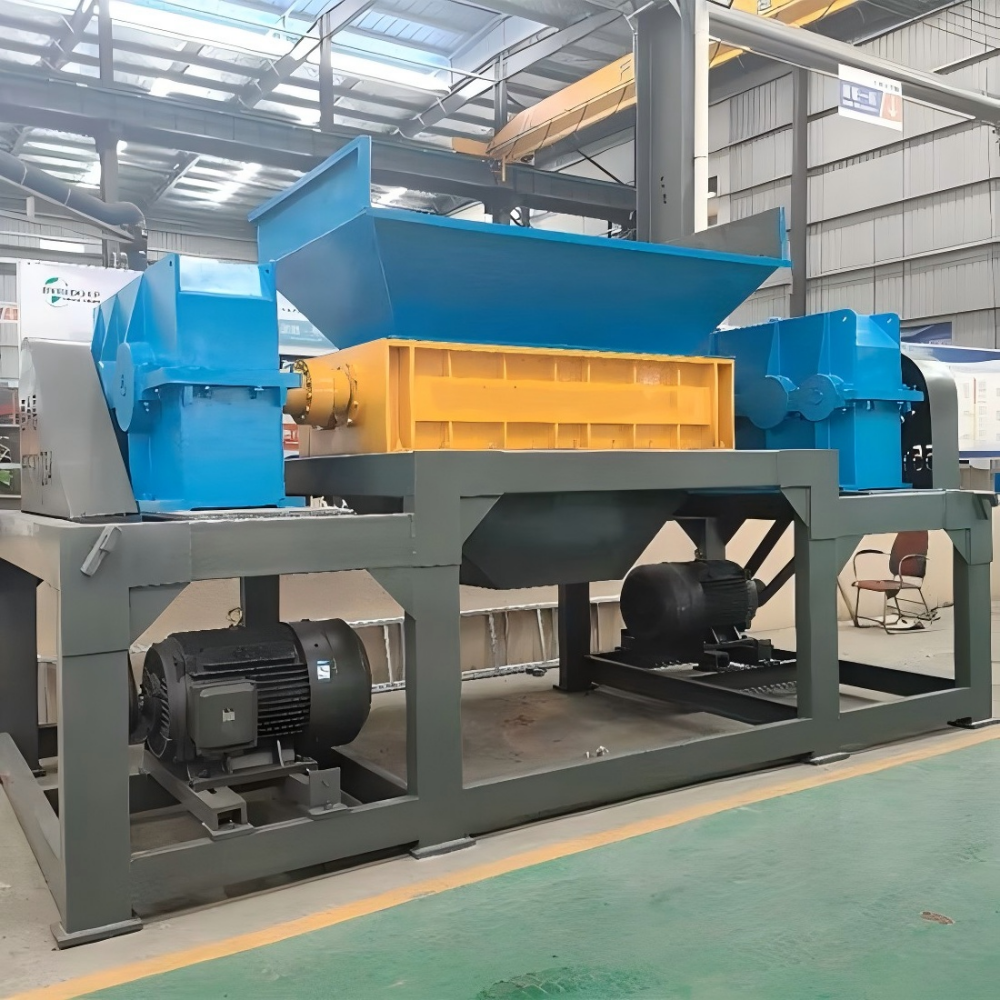
The heart of the machine is the cutting chamber. HARSLE utilizes specialized heat-treated alloy steel for the blades, ensuring they remain sharp even after processing abrasive metals. The shafts are driven by high-efficiency motors coupled with heavy-duty planetary gearboxes. This combination ensures that the shredder can handle sudden load spikes—such as when a particularly thick piece of steel enters the chamber—without stalling or damaging the drivetrain.
Control systems are another area where HARSLE excels. Modern shredders are equipped with PLC (Programmable Logic Controller) systems that monitor the load on the motors. If the shredder detects an overload, the shafts automatically reverse for a few seconds to clear the obstruction before resuming forward operation. This intelligent automation is a key reason why a double-shaft shredder reduced manual handling in a metal waste facility; it eliminates the need for an operator to manually clear jams.
Maintenance is also simplified through modular design. The cutting shafts can be removed and serviced as a unit, reducing downtime. Furthermore, the lubrication systems are automated, ensuring that the bearings and gears receive the correct amount of oil without manual intervention. These technical features collectively ensure that the machine remains a reliable workhorse in the facility.
Conseils de sélection : Choisir le bon équipement
Selecting the right shredder requires a thorough audit of your facility’s specific needs. Start by categorizing your waste stream. Are you processing thin-gauge sheet metal, or are you dealing with heavy-duty structural steel? The torque requirements for these two materials are vastly different. A HARSLE consultant can help you determine the necessary motor horsepower and blade configuration to ensure optimal performance.
Consider the physical footprint of the machine. In many metal waste facilities, space is at a premium. HARSLE offers various configurations, including compact units for smaller workshops and large-scale, high-capacity systems for industrial recycling plants. Ensure that the shredder can be integrated into your existing conveyor system to maintain a seamless flow of material from the intake to the output bin.
Think about the long-term cost of ownership. While the initial investment in a high-quality shredder may be higher than a budget alternative, the savings in labor costs, maintenance, and energy efficiency will pay dividends over time. Look for machines that offer easy access to wear parts and have a proven track record of durability in harsh environments.
Finally, prioritize support and training. A shredder is a significant investment, and having a partner like HARSLE who provides comprehensive training for your staff is invaluable. Proper operation and routine maintenance are the best ways to extend the life of your equipment and ensure that it continues to reduce manual handling requirements for years to come.
Checklist for Buyers:
- Assess the maximum thickness and hardness of the metal to be shredded.
- Calculate the required throughput (tons per hour).
- Evaluate the available floor space and power supply.
- Check for integrated safety features like emergency stops and auto-reverse.
- Verify the availability of spare parts and technical support in your region.
FAQ: Common Questions About Metal Shredding
Q: How does a double-shaft shredder differ from a single-shaft shredder?
A: A double-shaft shredder uses two counter-rotating shafts to pull and tear material, making it better for bulky, high-strength metal scrap. A single-shaft shredder typically uses a rotor and a screen, which is better for achieving a uniform, smaller particle size but may struggle with very thick or irregular metal pieces.
Q: Can a double-shaft shredder handle mixed waste?
A: Yes, HARSLE double-shaft shredders are designed to handle a variety of materials. However, it is always best to consult with a technician to ensure your specific mix of materials does not exceed the machine’s design parameters.
Q: How often do the blades need to be replaced?
A: Blade life depends on the type of metal processed and the volume of throughput. HARSLE blades are made from high-wear-resistant steel and are designed for long service life. Regular maintenance and proper operation will significantly extend the time between blade replacements.
Q: Does the shredder require a specialized operator?
A: While the machine is highly automated, it does require a trained operator to oversee the process, monitor the control panel, and perform routine maintenance. HARSLE provides training to ensure your team is fully capable of managing the equipment safely.
Q: How does the shredder help with environmental compliance?
A: By shredding metal, you increase the density of the scrap, which makes it more attractive to recyclers and reduces the carbon footprint associated with transporting bulky, low-density waste. It is a key step in a sustainable circular economy.
Conclusion
The evidence is clear: the integration of a double-shaft shredder is one of the most effective ways to modernize a metal waste facility. By automating the size reduction process, facilities can achieve significant gains in safety, efficiency, and profitability. The case of how a double-shaft shredder reduced manual handling in a metal waste facility serves as a blueprint for other businesses looking to optimize their operations.
HARSLE remains committed to providing the industrial machinery necessary to meet these challenges. With a focus on durability, intelligent automation, and user-friendly design, our shredders are built to handle the toughest tasks while keeping your workforce safe. If you are ready to reduce your reliance on manual labor and improve your facility’s throughput, it is time to consider the benefits of a professional-grade double-shaft shredder.
Investing in the right technology is not just about keeping up with the competition; it is about setting a new standard for your facility. By removing the physical burden from your employees and replacing it with the precision of HARSLE engineering, you are investing in the long-term health and success of your business. Contact our team today to learn more about how we can help you transform your metal waste management process.