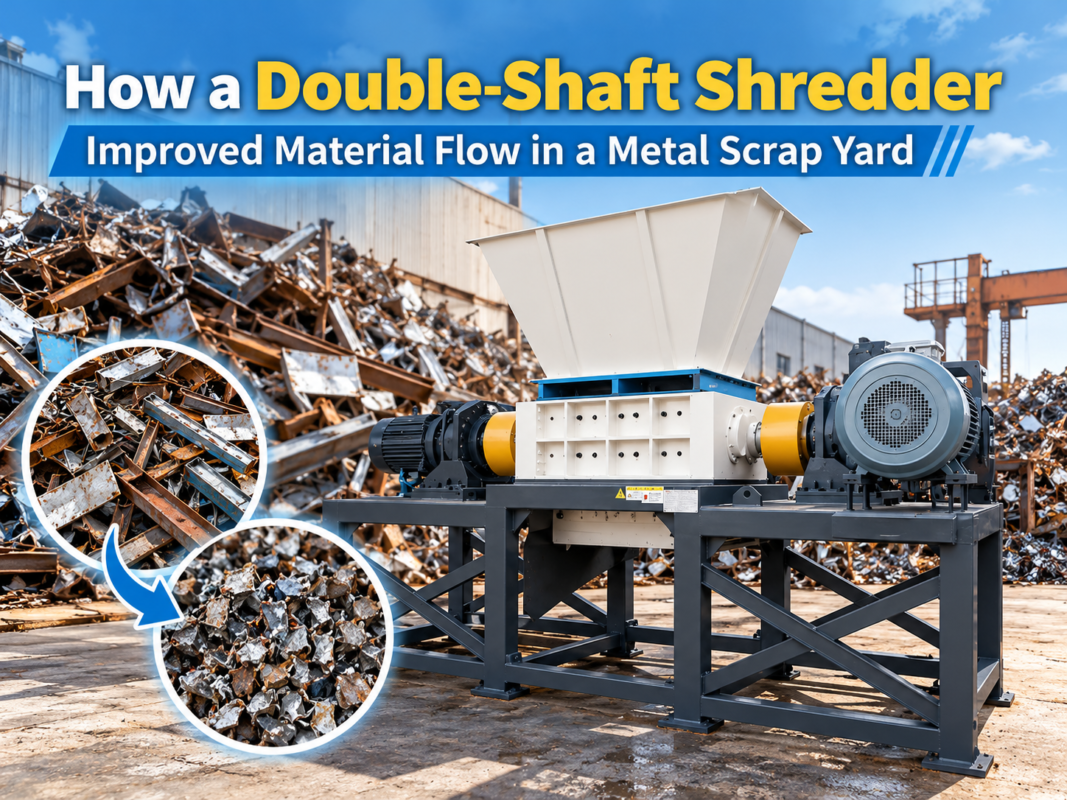
Case Study: Selecting a Double-Shaft Shredder for Reliable Continuous Operation

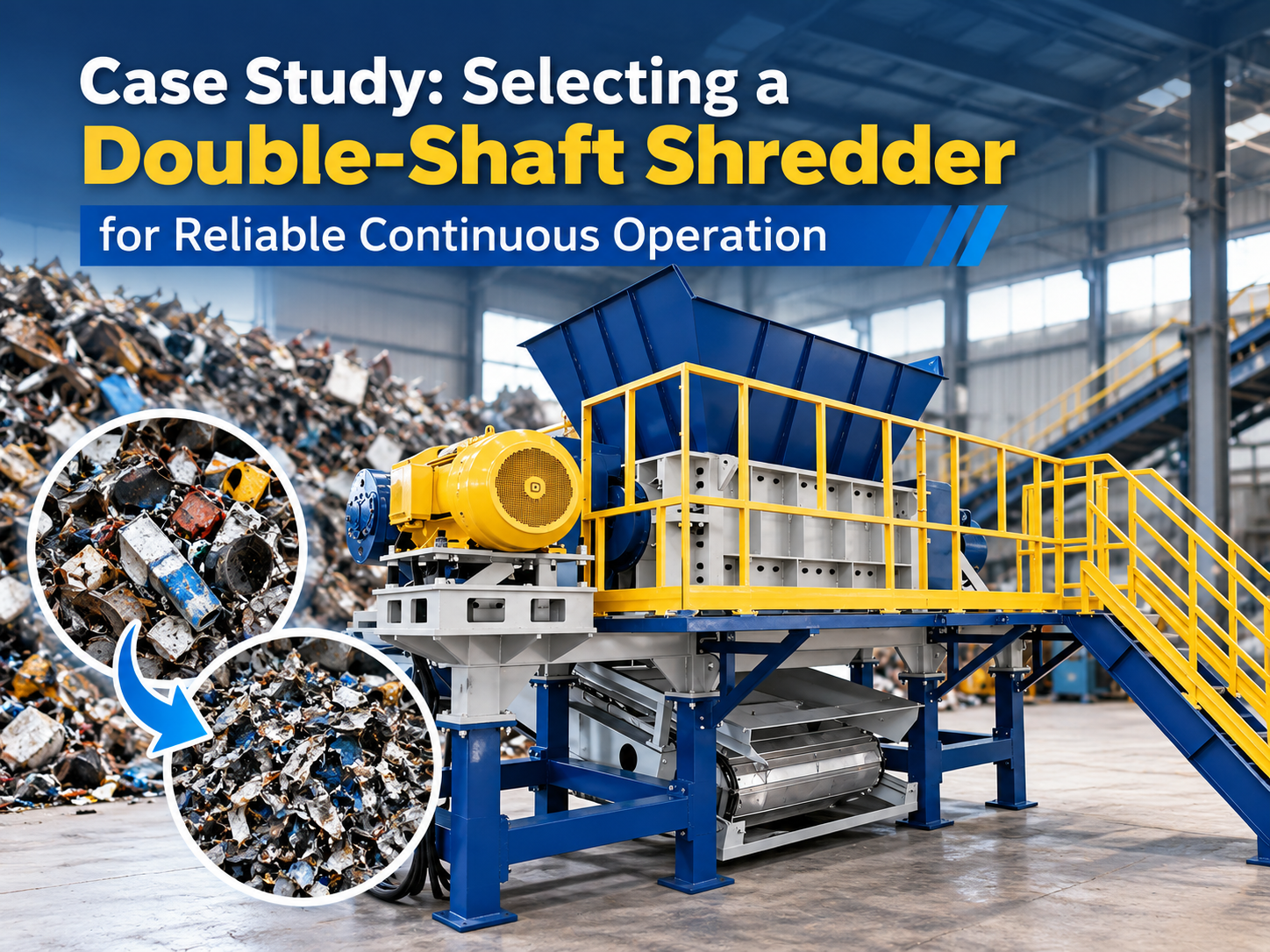
Introduction
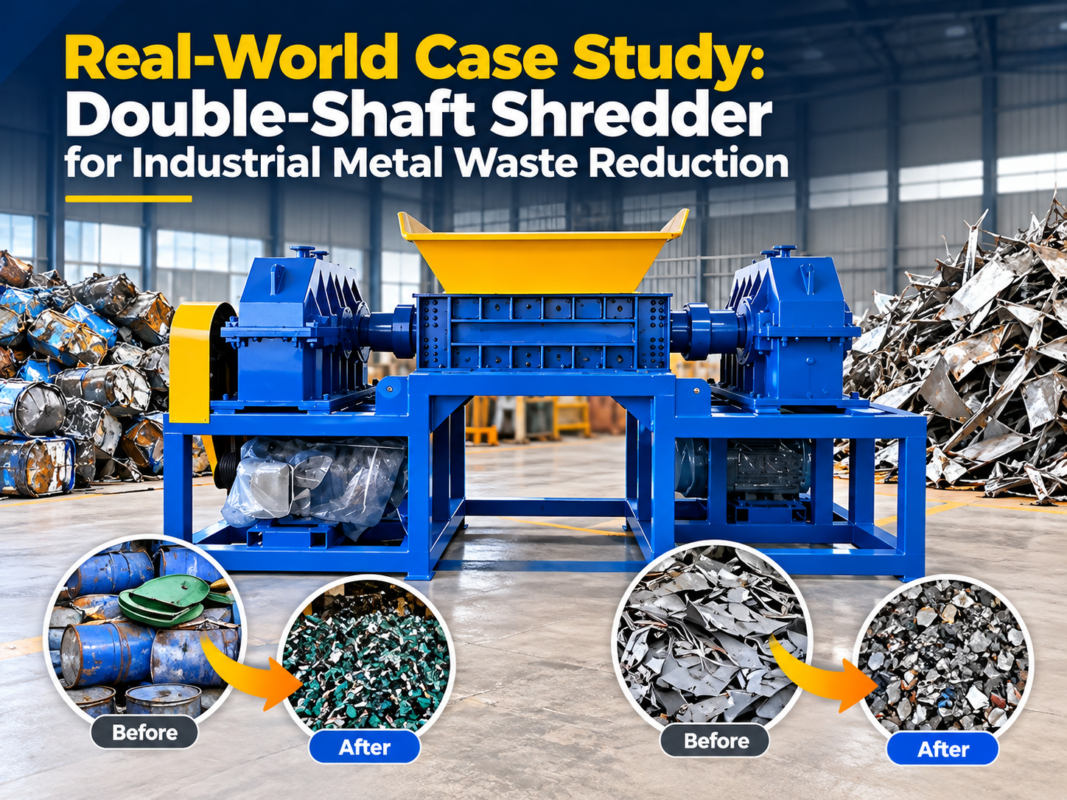
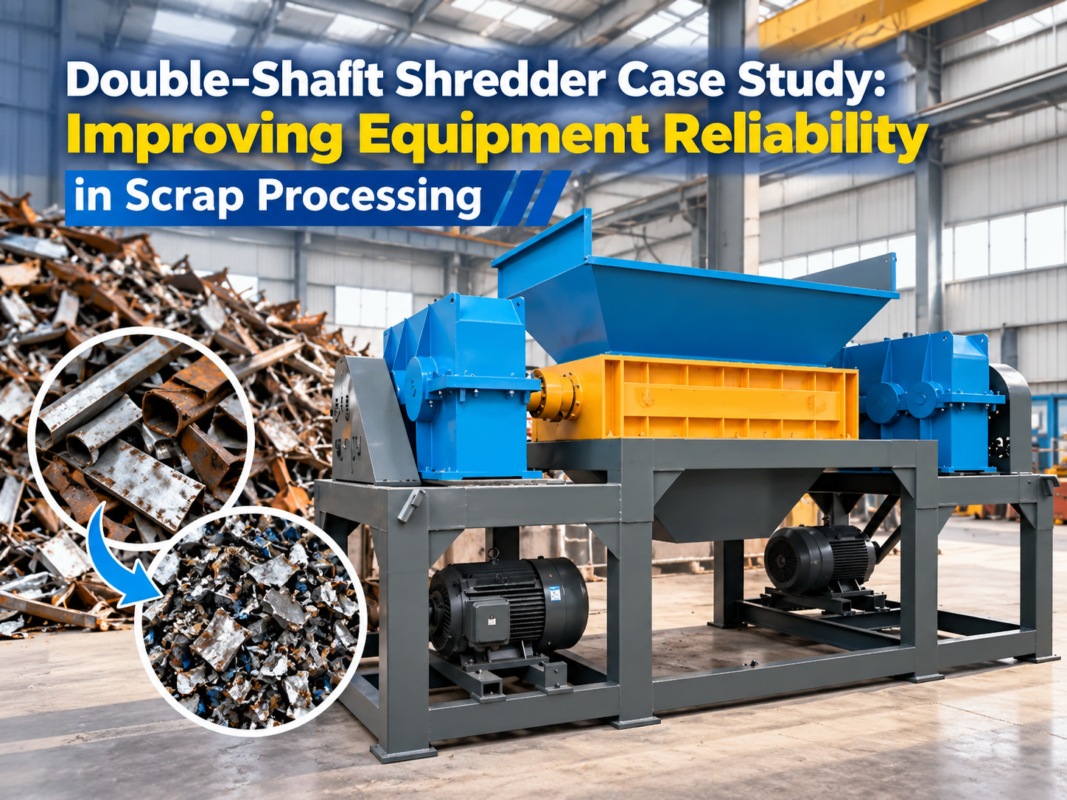
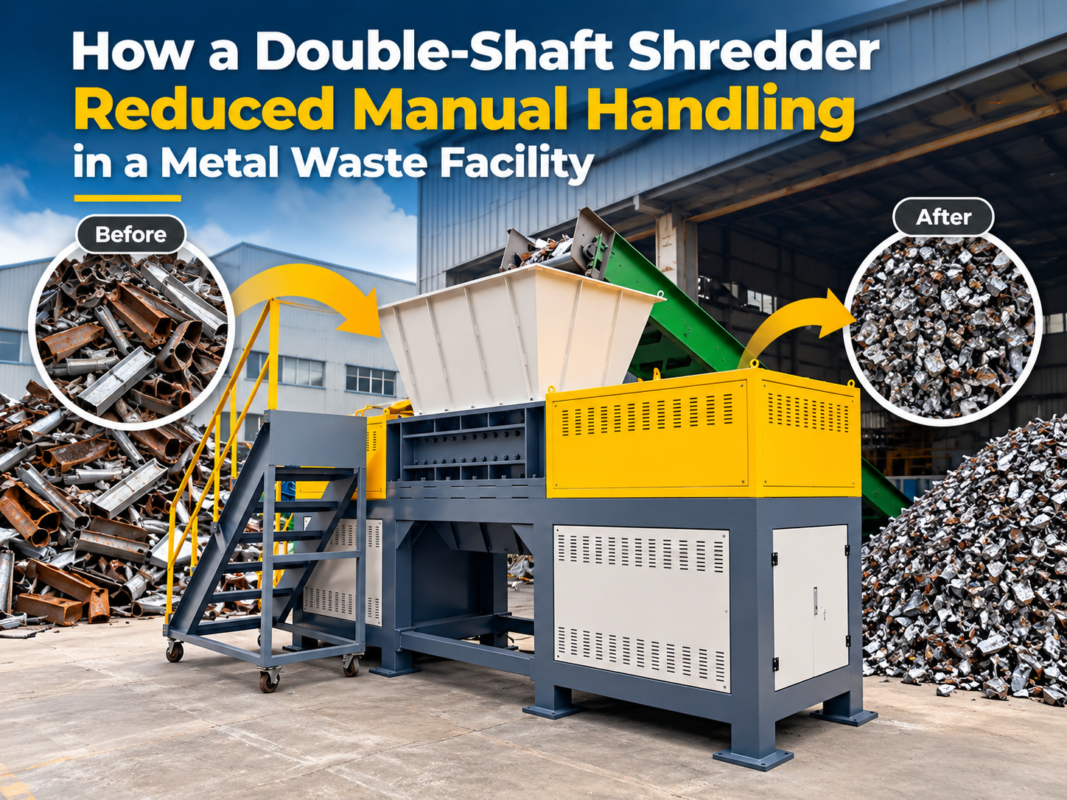
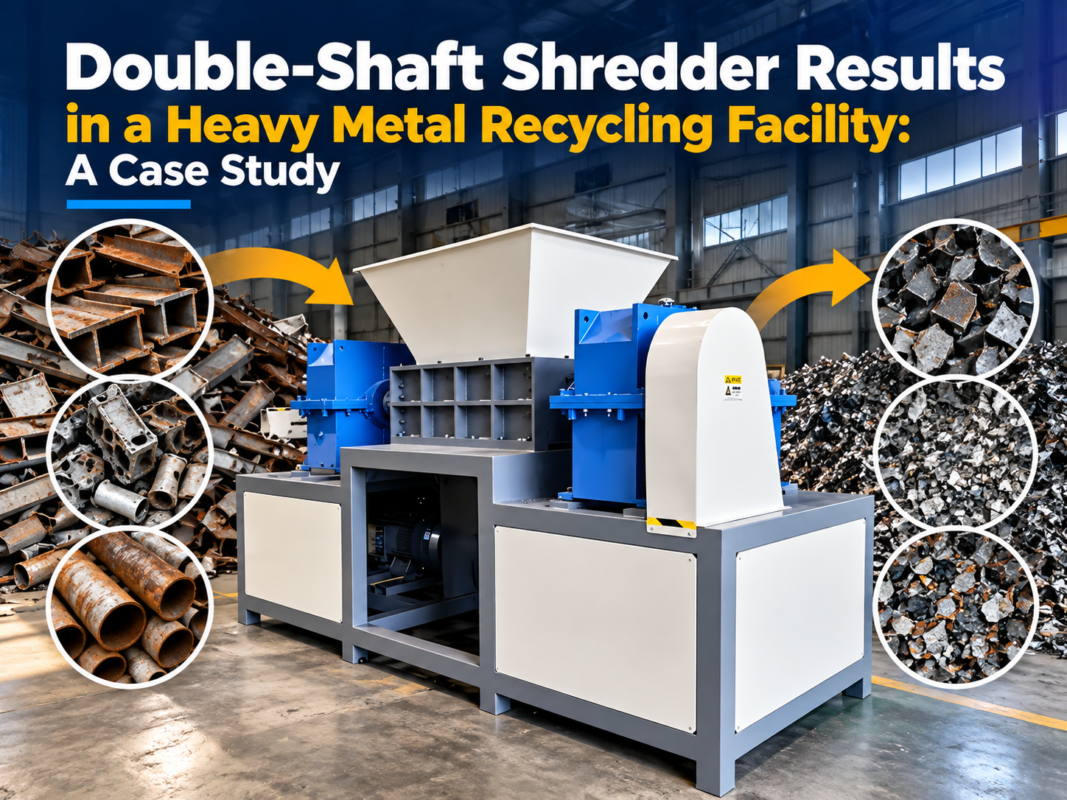
In the modern landscape of industrial metal fabrication and waste management, the demand for high-efficiency, non-stop processing equipment has never been higher. For facilities dealing with scrap metal, electronic waste, or bulky industrial materials, the choice of primary reduction equipment is critical. This article presents a comprehensive case study: Selecting a Double-Shaft Shredder for Reliable Continuous Operation, focusing on how HARSLE helps clients navigate the complexities of heavy-duty machinery procurement.
Reliability in an industrial setting is not merely about the machine running; it is about the machine running under load, 24/7, without unplanned downtime. When a production line relies on a shredder to feed downstream processes like balers or sorting systems, any failure creates a bottleneck that ripples through the entire supply chain. This case study examines the technical requirements, operational challenges, and strategic decision-making processes involved in selecting the right equipment for long-term success.
HARSLE has observed that many facilities struggle with premature wear, motor burnout, and structural fatigue because they select shredders based on initial purchase price rather than total cost of ownership and duty cycle requirements. By analyzing a recent project involving a high-volume metal recycling facility, we illustrate how specific engineering parameters—such as torque, shaft speed, and material hardness—dictate the longevity of the equipment.
This guide serves as a roadmap for plant managers, procurement officers, and engineers who are tasked with upgrading their shredding capabilities. We will break down the selection process into actionable steps, ensuring that your next investment in a double-shaft shredder delivers the reliability your operation demands.
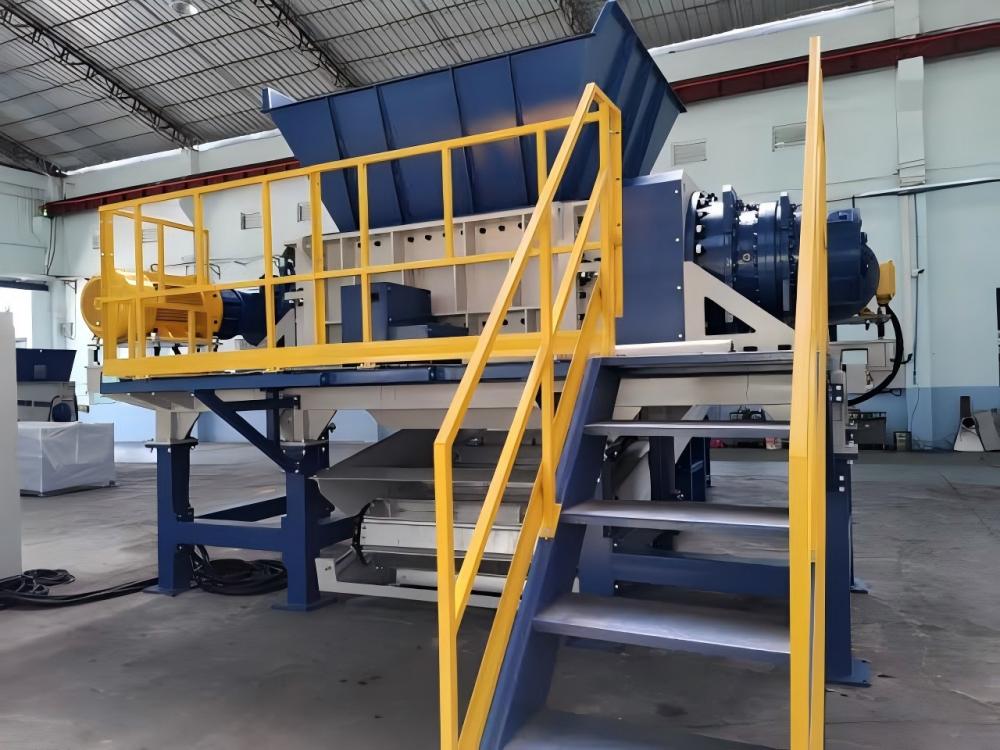
Key Considerations for Continuous Operation
When evaluating a double-shaft shredder for continuous operation, the first consideration must be the duty cycle rating. Many standard shredders are designed for intermittent use, meaning they require cooling periods or are not built to handle the thermal stress of constant operation. A machine intended for 24/7 service must feature heavy-duty gearboxes and oversized bearings that can dissipate heat effectively while maintaining structural integrity under high torque.
Material composition is the second pillar of selection. A shredder designed for light aluminum scrap will fail rapidly if tasked with processing hardened steel or mixed industrial waste. The hardness, density, and shape of the input material dictate the required cutting force. Our case study client required a machine capable of handling mixed ferrous and non-ferrous scrap, necessitating a shredder with high-alloy steel blades and a robust drive system capable of reversing automatically when encountering un-shreddable objects.
The third consideration is the integration of the shredder into the existing facility workflow. Continuous operation is often interrupted by material bridging or feed issues. A well-designed system includes automated feeding mechanisms, such as conveyor belts with variable speed drives, which ensure that the shredder is neither starved of material nor overloaded. This balance is essential for maintaining a consistent throughput and preventing motor strain.
Finally, maintenance accessibility must be prioritized. Even the most reliable shredder requires routine inspections and blade sharpening. Selecting a machine with modular components allows for faster maintenance cycles. If a shaft or a set of blades needs replacement, the design should facilitate quick access without requiring a complete teardown of the machine frame. This minimizes downtime and keeps the operation running smoothly.
Technical Details of High-Performance Shredders
The core of a double-shaft shredder lies in its cutting chamber. In our case study, we focused on the interaction between the two shafts, which rotate at low speeds but generate extremely high torque. This low-speed, high-torque design is essential for continuous operation because it allows the machine to tear through tough materials without the high-impact stress that leads to premature mechanical failure. The shafts are typically hexagonal or splined to ensure maximum power transmission from the gearbox.
The blades, or cutters, are the most critical wear components. For continuous operation, the material choice for these blades is paramount. HARSLE utilizes specialized heat-treated alloy steels that offer a balance between hardness (to maintain a sharp edge) and toughness (to resist fracturing when hitting hard contaminants). The blade profile—whether hook-shaped or flat—also determines the shredding efficiency. Hook-shaped blades are generally preferred for grabbing and pulling material into the cutting zone, which is vital for continuous, high-volume throughput.
The drive system is another technical focal point. For continuous operation, we recommend high-efficiency electric motors paired with planetary gearboxes. This combination provides the necessary torque density to handle surges in material volume. Furthermore, the control system must be intelligent. Modern HARSLE shredders are equipped with PLC-based control systems that monitor motor amperage in real-time. If the system detects an overload, it triggers an automatic reversal of the shafts to clear the jam, preventing damage and allowing the machine to resume operation without manual intervention.
Lubrication and cooling systems are often overlooked but are vital for 24/7 reliability. Continuous operation generates significant heat in the gearbox and bearings. An integrated oil cooling system and an automated lubrication pump ensure that these critical components remain within their optimal operating temperature and friction ranges. By maintaining these conditions, the machine can operate for thousands of hours with minimal degradation.

Selection Advice: A Strategic Approach
Selecting the right double-shaft shredder is a strategic investment that requires a deep understanding of your specific material stream. We advise clients to start by conducting a material analysis. Collect samples of your typical waste stream and have them tested by the manufacturer. This “shred test” provides empirical data on throughput rates, power consumption, and the resulting particle size, which are essential for sizing the motor and selecting the correct blade configuration.
Another piece of advice is to look beyond the initial price tag. The total cost of ownership (TCO) includes energy consumption, maintenance labor, spare parts, and the cost of downtime. A cheaper machine that requires blade replacement every three months will quickly become more expensive than a premium machine that lasts for years. When evaluating quotes, ask for the expected service life of the blades and the average time required for a standard maintenance procedure.
Consider the scalability of your operation. If you anticipate growth, ensure that the shredder you select has the capacity to handle increased volumes. It is often more cost-effective to purchase a machine with slightly higher capacity than you currently need, as this allows the machine to run at a lower percentage of its maximum load, which significantly extends its lifespan and reduces wear and tear.
Finally, prioritize the manufacturer’s support network. Reliable continuous operation depends on the availability of spare parts and technical expertise. Choose a partner like HARSLE that offers comprehensive after-sales support, including remote diagnostics, on-site training for your maintenance team, and a reliable supply chain for wear parts. A machine is only as reliable as the support behind it.
Buyer’s Checklist for Continuous Operation Shredders
- Duty Cycle Rating: Ensure the machine is rated for 24/7 operation, not just intermittent use.
- Torque Requirements: Verify that the motor and gearbox are sized for the toughest material in your stream.
- Blade Material: Confirm the use of high-alloy, heat-treated steel for maximum wear resistance.
- Control System: Look for PLC-based auto-reverse features to handle jams automatically.
- Maintenance Access: Check if the design allows for easy blade and shaft replacement.
- Support Network: Ensure the manufacturer provides local or responsive remote technical support.
FAQ: Common Questions About Shredder Reliability
Q: How often should I sharpen the blades on my double-shaft shredder?
A: The frequency depends on the material being shredded. For abrasive materials, you may need to inspect blades every 500-1,000 hours. A well-maintained machine with high-quality blades should provide consistent performance for long intervals, but regular inspections are key to preventing excessive wear.
Q: Can a double-shaft shredder handle contaminated materials?
A: Yes, but it requires a robust control system. If the shredder encounters a non-shreddable object, the PLC should detect the spike in motor current and trigger an automatic reversal. This prevents damage to the shafts and blades.
Q: What is the most common cause of downtime in continuous shredding?
A: The most common causes are improper material feeding (bridging) and lack of routine maintenance on wear parts. Ensuring a steady, metered feed and following a strict lubrication schedule can eliminate the vast majority of unplanned downtime.
Q: Is it better to have a higher or lower shaft speed?
A: For most industrial applications, lower shaft speeds with higher torque are superior. Lower speeds reduce heat generation and wear, while the high torque ensures the machine can process dense or tough materials without stalling.
Conclusion
Selecting a double-shaft shredder for reliable continuous operation is a process that balances technical specifications with long-term operational strategy. By focusing on duty cycle ratings, material-specific blade configurations, and intelligent control systems, facilities can ensure that their shredding operations remain a productive asset rather than a maintenance burden. As demonstrated in this case study, the partnership between the end-user and the equipment manufacturer is the foundation of success.
HARSLE remains committed to providing the metal fabrication and recycling industries with machinery that stands the test of time. Whether you are processing scrap metal, industrial waste, or specialized materials, our double-shaft shredders are engineered to deliver the performance, reliability, and efficiency required for modern, high-volume production environments. We encourage you to reach out to our technical team to discuss your specific application and begin the journey toward a more reliable and productive operation.
Investing in the right equipment today prevents the costly downtime of tomorrow. By following the guidelines outlined in this article, you can make an informed decision that aligns with your facility’s goals and ensures that your shredding process remains a seamless part of your continuous production workflow.