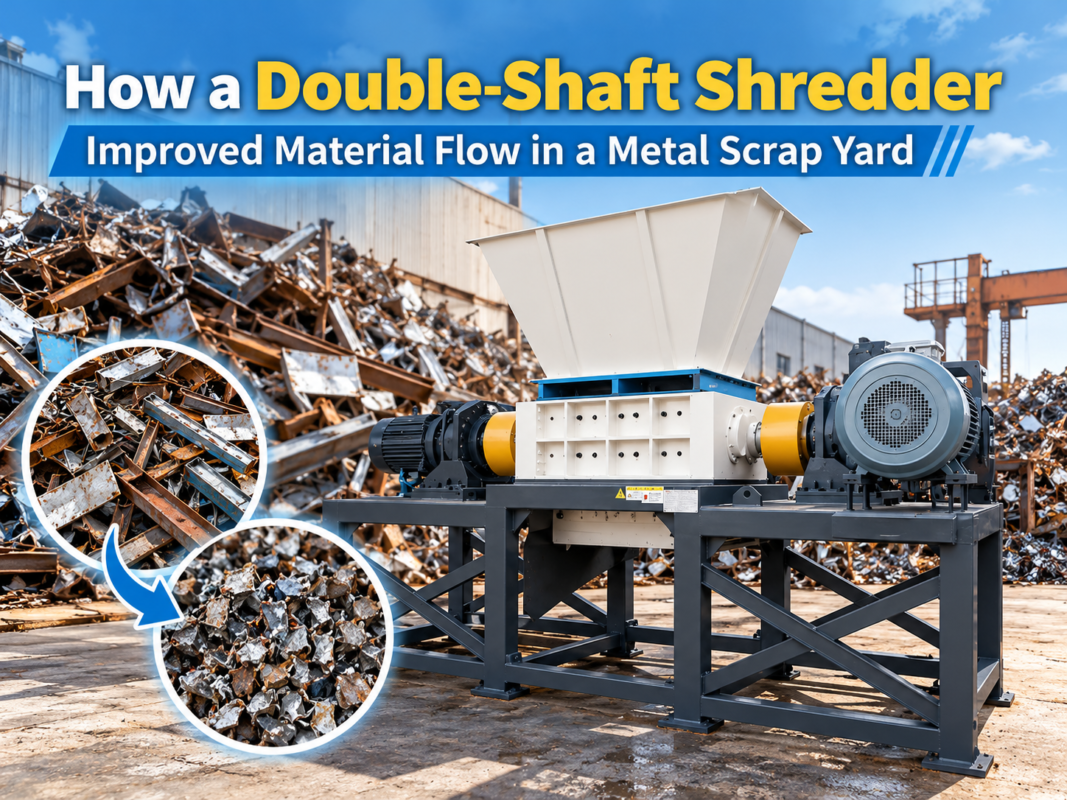
Single-Shaft Shredder Case Study On Solving High-Volume Bag And Fiber Waste Challenges

Introduction to Industrial Waste Management Challenges
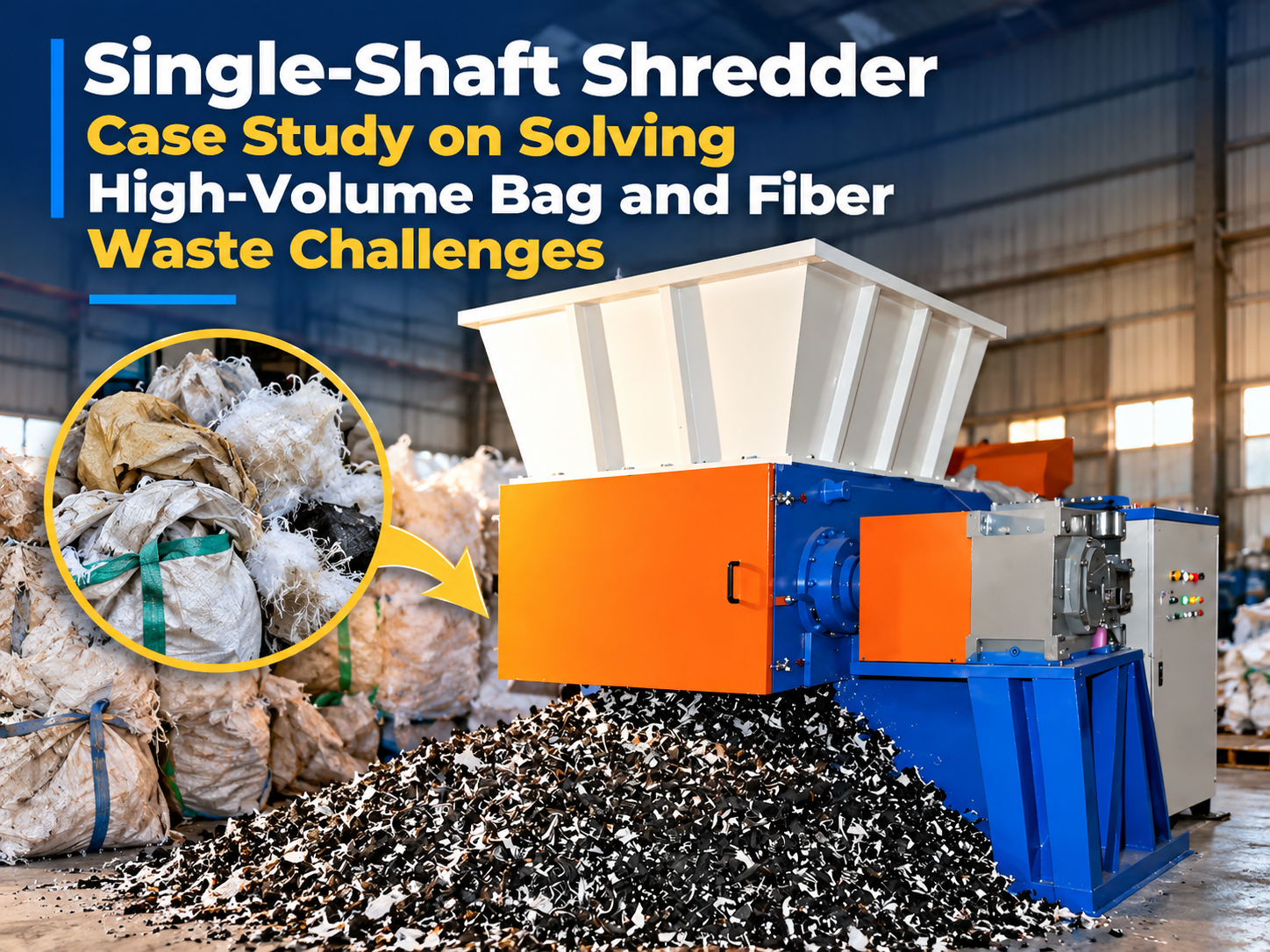
In the modern manufacturing landscape, waste management has evolved from a secondary operational concern into a critical pillar of profitability and sustainability. For facilities dealing with high-volume bag and fiber waste—such as textile manufacturers, logistics hubs, and agricultural packaging plants—the sheer volume of discarded material can quickly overwhelm storage capacity and logistics chains. This is where the implementation of a robust shredding solution becomes essential. Our Single-Shaft Shredder Case Study On Solving High-Volume Bag Fiber Waste Challenges highlights how HARSLE machinery transforms bulky, unmanageable waste into a streamlined, recyclable commodity.
The primary challenge with bag and fiber waste is its low bulk density. When left in its raw state, this material occupies massive amounts of warehouse space, increases transportation costs, and creates significant fire hazards. Traditional disposal methods, such as manual baling or simple landfilling, are often inefficient and costly. By integrating a high-performance single-shaft shredder, companies can reduce the volume of this waste by up to 80%, creating a uniform output that is easier to transport, store, or process further into secondary raw materials.
HARSLE has spent decades refining the engineering behind our industrial shredding systems. We understand that fiber waste, in particular, poses unique mechanical challenges, such as wrapping around shafts and clogging cutting chambers. This article explores the technical nuances of our equipment, the specific operational hurdles faced by our clients, and the strategic advantages of choosing the right shredding technology for your facility. Whether you are looking to improve your circular economy metrics or simply reduce waste disposal fees, this guide provides the technical foundation you need.
As we delve into this Single-Shaft Shredder Case Study On Solving High-Volume Bag Fiber Waste Challenges, we will examine the lifecycle of waste processing. From the initial intake of bulky fiber bundles to the final output of shredded material, every stage of the process requires precision engineering. HARSLE’s commitment to metal fabrication equipment excellence ensures that our shredders are not just tools, but integral components of a high-efficiency production line.
Key Considerations for High-Volume Waste Processing
When selecting a shredder for high-volume bag and fiber waste, the first consideration must be the throughput capacity. High-volume environments require machines that can operate continuously without overheating or experiencing excessive downtime. The motor power, torque, and cutting chamber size must be perfectly balanced to handle the specific density of the material being processed. If the shredder is undersized, the feed rate will be restricted, creating a bottleneck in your entire production flow.
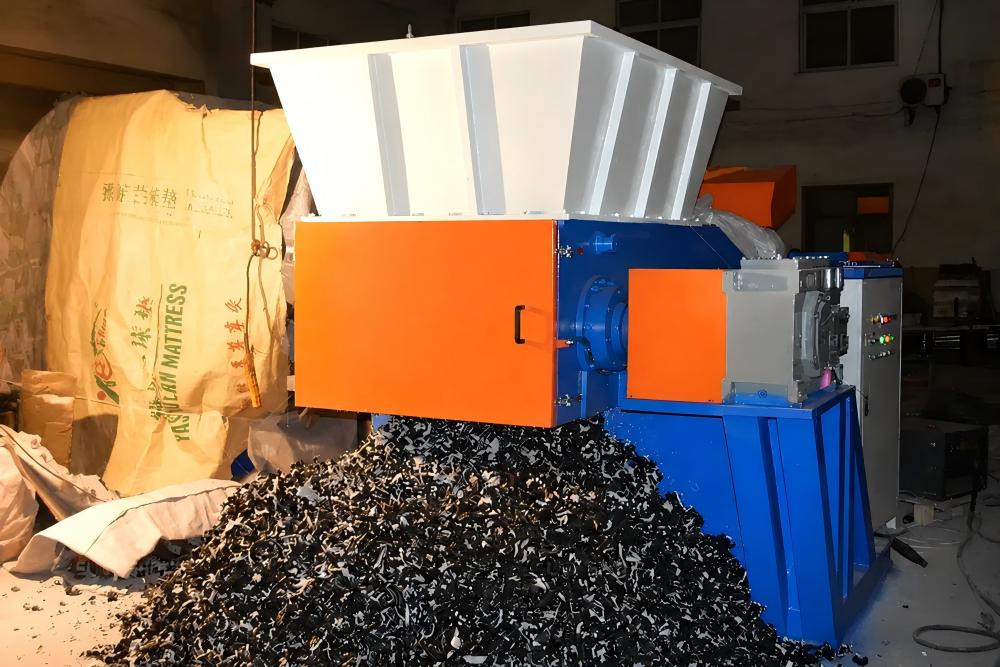
Material characteristics play a massive role in equipment selection. Fiber waste is notoriously difficult because it is often elastic, tough, and prone to tangling. Unlike rigid plastic or metal, fibers can wrap around the rotor, causing the machine to stall or triggering emergency stops. A successful Single-Shaft Shredder Case Study On Solving High-Volume Bag Fiber Waste Challenges often involves the selection of specific rotor geometries and knife configurations that are designed to shear rather than tear the material. This ensures that the shredder maintains a consistent output size while preventing mechanical strain.
Integration into existing workflows is another critical factor. A shredder should not exist in isolation; it must be part of a larger system that includes conveyors, dust extraction units, and baling presses. HARSLE engineers work closely with plant managers to ensure that the shredder’s discharge height, footprint, and control interface align with the facility’s current layout. This minimizes the need for expensive structural modifications and ensures a seamless transition from raw waste to processed material.
Finally, safety and maintenance accessibility cannot be overlooked. High-volume shredding generates significant dust and debris, which can accelerate wear on bearings and seals. A well-designed system includes automated lubrication, easy-access maintenance panels, and robust safety interlocks to protect operators. By prioritizing these considerations, facilities can ensure that their investment provides a long-term return, reducing the total cost of ownership while maximizing operational uptime.
Technical Details: How HARSLE Technology Solves Fiber Challenges
The core of the HARSLE single-shaft shredder lies in its advanced rotor design. Unlike dual-shaft shredders that rely on intermeshing blades, our single-shaft systems utilize a high-speed rotor that works in conjunction with a stationary counter-knife. This configuration is ideal for fiber and bag waste because it provides a clean, shearing action that prevents the material from wrapping around the shaft. The rotor is typically equipped with replaceable, hardened steel cutters that can be rotated or swapped out when they reach the end of their service life, ensuring consistent performance over years of operation.
Another technical advantage is the intelligent PLC control system. HARSLE shredders are equipped with sensors that monitor the load on the motor in real-time. If the machine detects a potential jam—a common occurrence with fibrous materials—the system automatically reverses the rotor direction to clear the obstruction before resuming normal operation. This “auto-reverse” feature is critical for high-volume applications, as it allows the machine to run unattended for longer periods, significantly increasing overall productivity.
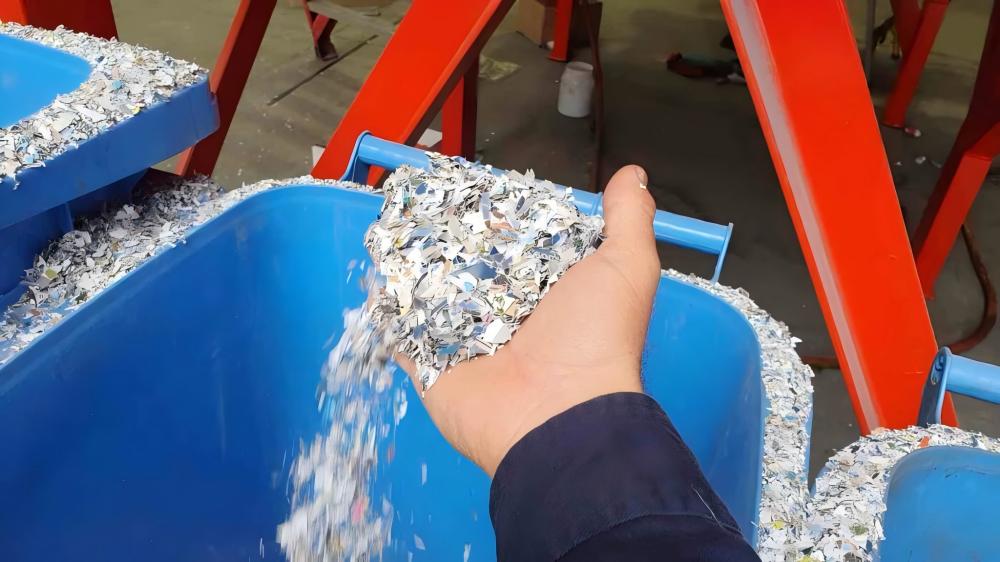
The screen size at the discharge point is the final arbiter of output quality. By selecting the appropriate screen aperture, operators can control the size of the shredded material to meet the requirements of downstream processes, such as pneumatic conveying or baling. For fiber waste, a smaller screen aperture ensures that the material is shredded into a uniform, manageable size, which is essential for efficient baling and storage. HARSLE offers a range of screen sizes that can be easily swapped, providing the flexibility needed to handle different types of waste streams.
Durability is built into every component of our metal fabrication equipment. The cutting chamber is constructed from high-strength, wear-resistant steel, and the drive train is engineered to handle high-torque loads without fatigue. This robust construction is the reason why our clients see such success in our Single-Shaft Shredder Case Study On Solving High-Volume Bag Fiber Waste Challenges. When the machinery is built to withstand the rigors of industrial use, the result is a reliable, high-output system that consistently meets the demands of modern recycling facilities.
Selection Advice: Choosing the Right Equipment for Your Facility
Selecting the right shredder is a strategic decision that requires a thorough analysis of your current waste stream. Start by conducting a waste audit to determine the volume, weight, and composition of the material you are processing. Are you dealing primarily with woven polypropylene bags, synthetic fibers, or a mix of materials? The answer to this question will dictate the required motor power and the type of cutting knives that will provide the most efficient results.
Consider the throughput requirements of your facility. If you are processing waste on a shift-based schedule, you need a machine that can handle the peak load of your busiest hours. It is often better to slightly oversize your shredder to account for future growth or fluctuations in waste volume. A machine running at 70% capacity will generally have a longer lifespan and require less maintenance than one constantly pushed to its 100% limit.
Don’t forget to evaluate the support and service capabilities of the manufacturer. Industrial shredders are complex machines that require periodic maintenance, such as knife sharpening, bearing lubrication, and electrical system checks. HARSLE provides comprehensive support, including spare parts availability and technical guidance, which is a vital part of our Single-Shaft Shredder Case Study On Solving High-Volume Bag Fiber Waste Challenges. Choosing a partner who understands the nuances of your industry is just as important as choosing the right machine.
Finally, look at the total cost of ownership rather than just the initial purchase price. A cheaper machine that requires frequent repairs, consumes excessive energy, or produces inconsistent output will end up costing more in the long run. Factor in energy efficiency, the cost of replacement parts, and the potential for downtime. By investing in high-quality HARSLE equipment, you are choosing a solution that is designed for reliability, efficiency, and long-term performance in the most demanding industrial environments.
Foire aux questions (FAQ)
What makes a single-shaft shredder better for fiber waste than a dual-shaft model?
Single-shaft shredders are generally better for fiber and bag waste because they provide a precise shearing action against a counter-knife. This design is less prone to the “wrapping” issues that plague dual-shaft shredders when processing long, flexible materials like fibers or plastic films.
How often do the blades need to be sharpened or replaced?
The frequency of blade maintenance depends on the volume and abrasiveness of the material being shredded. In a high-volume environment, we recommend a weekly inspection. HARSLE blades are designed for long life, and many of our cutters are indexable, meaning you can rotate them to a fresh edge before needing a full sharpening or replacement.
Can these shredders handle contaminated waste?
While our shredders are designed for industrial waste, heavy contamination (such as large metal objects or rocks) can damage the cutting chamber. We recommend installing a magnetic separator or a pre-sorting station to remove non-shreddable contaminants before the material enters the shredder.
What is the typical volume reduction ratio for bag waste?
Depending on the material type and the screen size used, you can expect a volume reduction of 5:1 to 10:1. This significantly lowers the cost of storage and transportation, which is a key highlight in our Single-Shaft Shredder Case Study On Solving High-Volume Bag Fiber Waste Challenges.
Does HARSLE provide installation support?
Yes, HARSLE offers comprehensive installation guidance and on-site support to ensure that your shredder is integrated correctly into your production line, optimizing both safety and throughput.
Conclusion
The transition to efficient waste management is a necessary step for any modern manufacturing facility. As demonstrated in our Single-Shaft Shredder Case Study On Solving High-Volume Bag Fiber Waste Challenges, the right technology can turn a logistical burden into a streamlined process. By focusing on robust engineering, intelligent control systems, and proper equipment selection, HARSLE helps businesses reduce their environmental footprint while simultaneously improving their bottom line.
Investing in a high-quality single-shaft shredder is more than just a purchase; it is a commitment to operational excellence. Whether you are dealing with high-volume bag waste or complex fiber materials, HARSLE has the expertise and the machinery to help you succeed. We invite you to contact our team to discuss your specific waste management needs and discover how our solutions can be tailored to your facility’s unique requirements. Together, we can build a more efficient, sustainable future for your manufacturing operations.