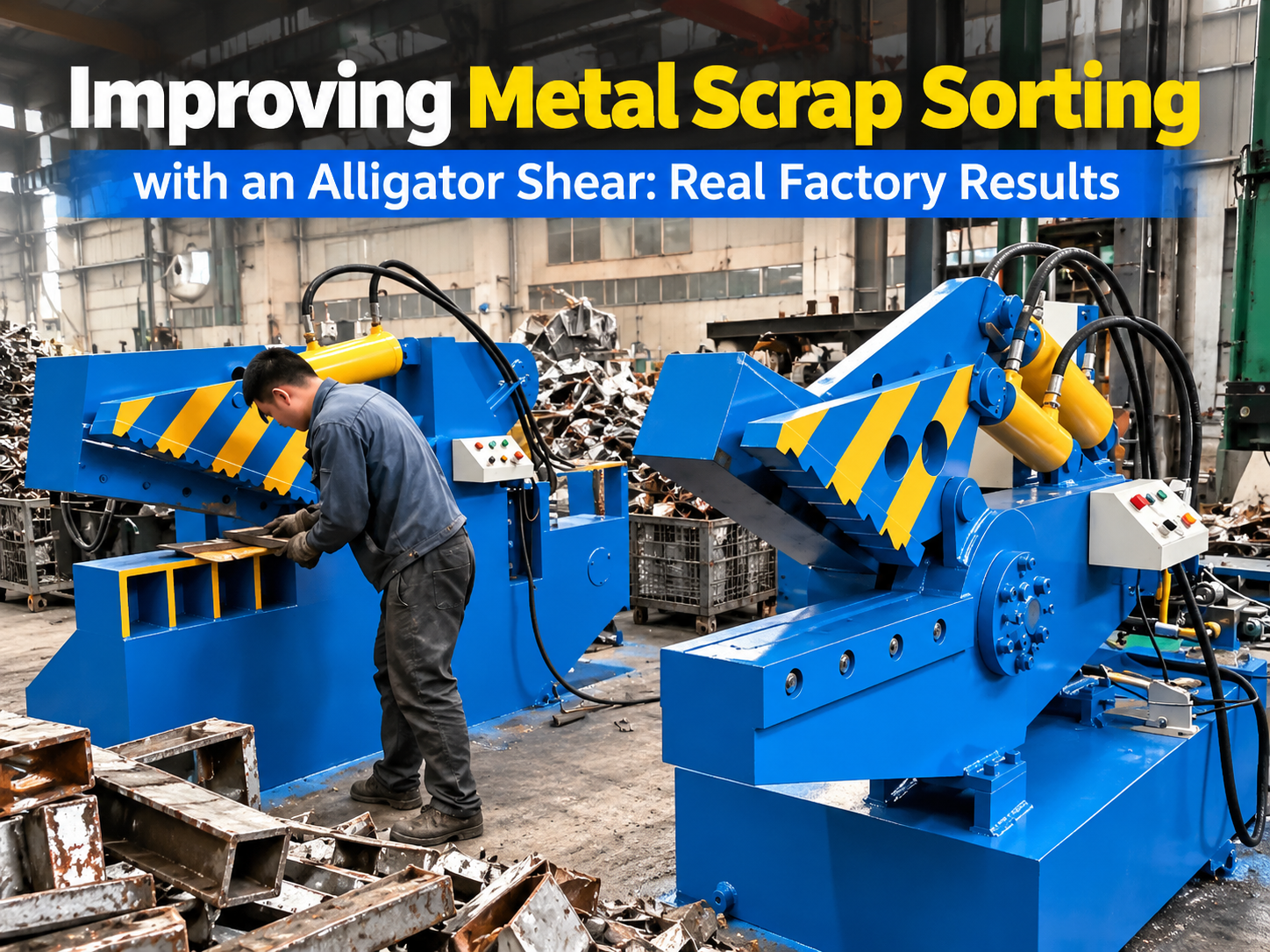
Improving Metal Scrap Sorting with an Alligator Shear: Real Factory Results

Introduction: The Critical Role of Scrap Processing
In the modern metal fabrication industry, the efficiency of your scrap management system is directly tied to your bottom line. Many facilities view scrap as a byproduct to be discarded, but industry leaders recognize it as a secondary revenue stream. Improving metal scrap sorting with an alligator shear: real factory results demonstrate that the transition from bulk disposal to processed, sorted scrap can increase material value by up to 40%. By reducing volume and separating alloys, manufacturers transform waste into high-grade, furnace-ready commodities.
HARSLE has observed that the primary bottleneck in most recycling operations is the inability to process oversized or mixed-metal components quickly. Manual torch cutting is slow, hazardous, and costly in terms of labor and gas consumption. Conversely, an industrial-grade alligator shear provides a clean, mechanical solution that operates with high precision and minimal downtime. This article explores how integrating this machinery changes the operational landscape of a metal fabrication plant.
The alligator shear, named for its jaw-like cutting action, is specifically engineered for high-torque, low-speed shearing of various metal profiles. Whether you are dealing with structural steel, pipes, or complex aluminum extrusions, the shear acts as a gatekeeper that ensures your scrap is sorted by size, weight, and material composition. This level of organization is what separates profitable recycling centers from those struggling with high overhead costs.
As we delve into the technical advantages and real-world results, it becomes clear that the investment in an alligator shear is not merely an equipment purchase; it is a strategic move toward lean manufacturing. By optimizing the scrap stream, factories reduce their logistics costs, as processed metal occupies significantly less space in transport containers, leading to lower freight expenses per ton of material shipped.
Key Considerations for Scrap Sorting Efficiency
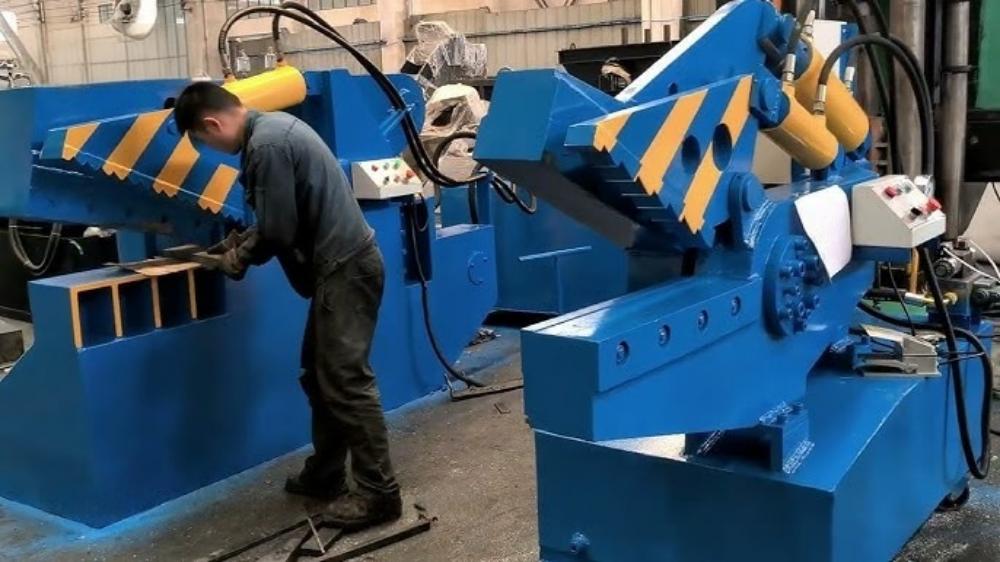
When evaluating the impact of an alligator shear on your facility, the first consideration is the reduction of material volume. Unprocessed scrap is often “fluffy,” meaning it contains a high percentage of air space. This inefficiency forces companies to pay for the transport of empty space. By shearing long beams and bulky frames into uniform, compact pieces, you maximize the density of your scrap bins, which is a primary metric for profitability in the recycling industry.
Secondly, the ability to perform precise sorting is paramount. Many scrap yards offer tiered pricing based on the cleanliness and size of the metal. An alligator shear allows operators to quickly remove contaminants—such as plastic, rubber, or non-ferrous attachments—from steel components. This “clean scrap” commands a premium price at the foundry, whereas mixed or contaminated loads are often subject to heavy deductions or outright rejection.
Safety is another critical factor. Traditional methods like oxy-fuel cutting introduce fire hazards, toxic fumes, and the risk of burns. An alligator shear is a cold-cutting process. It eliminates the need for open flames, significantly reducing the insurance premiums associated with fire risks in a scrap yard. Furthermore, the automated or semi-automated nature of modern shears keeps the operator at a safe distance from the cutting zone, minimizing workplace injuries.
Finally, consider the throughput requirements of your facility. A high-capacity alligator shear can process several tons of material per hour, depending on the thickness and hardness of the metal. By matching the shear capacity to your daily scrap generation, you ensure that the sorting process never becomes a bottleneck. This synchronization allows for a continuous flow of material from the fabrication floor to the shipping dock, maintaining a clean and organized workspace.
Technical Details: How Alligator Shears Transform Operations
The core of an alligator shear’s performance lies in its hydraulic power system. HARSLE shears utilize high-pressure hydraulic cylinders to drive the upper jaw, providing the immense force required to slice through heavy-duty steel. Unlike mechanical shears that rely on flywheels, hydraulic systems offer better control over the cutting speed and force, allowing for adjustments based on the material type being processed.
The blade geometry is another technical marvel. These blades are manufactured from high-carbon, high-chromium tool steel, heat-treated to withstand the extreme stresses of repeated impact. The clearance between the upper and lower blades is adjustable, which is essential for maintaining a clean cut across different material thicknesses. Proper blade maintenance, including regular sharpening and gap adjustment, is the secret to long-term operational success.
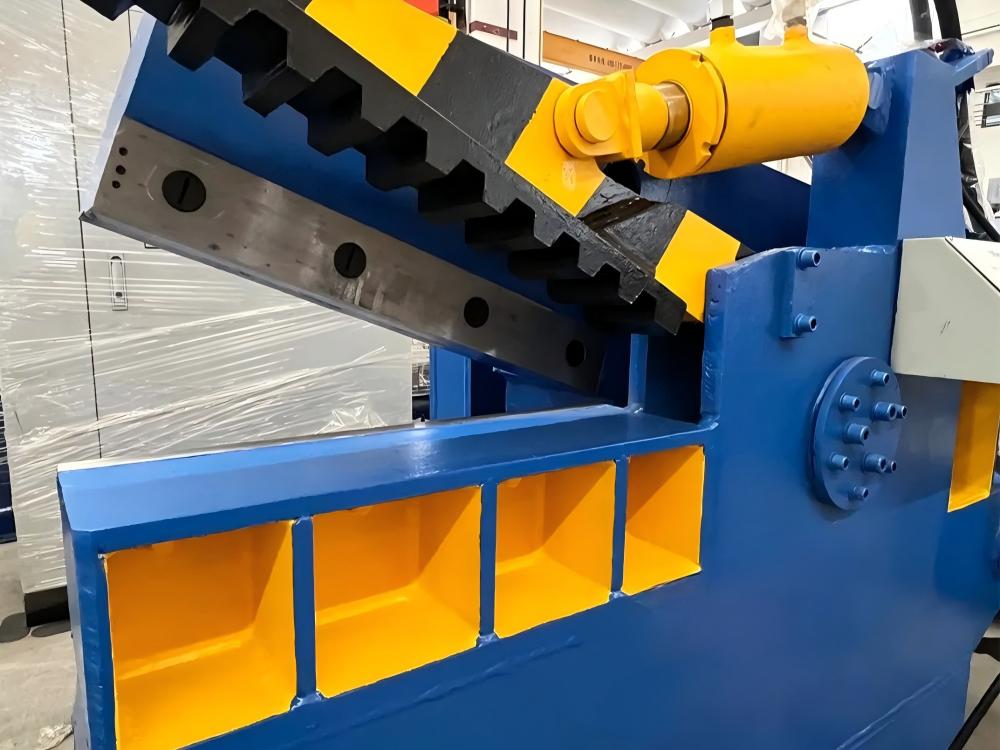
Modern alligator shears are equipped with advanced control panels that allow for variable stroke lengths. This feature is vital for improving metal scrap sorting with an alligator shear: real factory results show that operators who utilize shorter strokes for smaller pieces significantly increase their cycles-per-minute. This efficiency gain is cumulative, resulting in a substantial increase in daily output without increasing the energy consumption of the machine.
Durability is built into the frame construction. HARSLE machines feature reinforced steel housings designed to absorb the vibration and shock loads generated during the shearing process. This structural integrity prevents misalignment of the blades, which is the most common cause of poor cut quality. By investing in a robust machine, you ensure that the equipment remains operational for decades, providing a high return on investment through consistent performance.
Conseils de sélection : Choisir le bon équipement
Selecting the right alligator shear requires a thorough audit of your current scrap output. Start by analyzing the maximum thickness and the most common profile of the metal you process. If your facility primarily handles thin-gauge sheet metal, a smaller, high-speed shear is appropriate. However, if you are processing heavy structural beams or thick plate, you will need a machine with a larger jaw opening and higher tonnage capacity.
Consider the power source and energy efficiency. While electric motors are standard, some high-output environments benefit from variable frequency drives (VFDs) that adjust power consumption based on the load. This not only reduces electricity costs but also extends the lifespan of the hydraulic pump by preventing unnecessary strain during idle periods. HARSLE provides consultation services to help you determine the exact tonnage required for your specific material mix.
Ergonomics and operator interface should not be overlooked. Look for machines that offer foot-pedal controls, which allow the operator to hold the material with both hands for better positioning before initiating the cut. Additionally, safety guards and emergency stop buttons must be easily accessible. A machine that is easy to operate will lead to higher productivity and lower operator fatigue, which is essential for maintaining consistent sorting quality throughout an eight-hour shift.
Finally, evaluate the availability of spare parts and technical support. An alligator shear is a heavy-duty workhorse, and like any industrial machine, it requires periodic maintenance. Choosing a manufacturer like HARSLE, which offers comprehensive after-sales support and readily available replacement blades, ensures that your downtime is kept to an absolute minimum. A machine is only as good as the support system backing it up.
Foire aux questions (FAQ)
- Q: How does an alligator shear improve scrap value?
A: By cutting scrap into uniform sizes and removing contaminants, you produce “clean” scrap that is more desirable to foundries, allowing you to command higher market prices. - Q: What is the maintenance frequency for the blades?
A: Blade maintenance depends on the hardness of the material being cut. Generally, blades should be inspected weekly and sharpened or shimmed every few months to maintain a clean cut. - Q: Can an alligator shear handle non-ferrous metals?
A: Yes, alligator shears are excellent for processing aluminum, copper, and brass, provided the machine is set to the correct pressure and blade clearance for the specific alloy. - Q: Is operator training difficult?
A: Modern alligator shears are designed for intuitive operation. With basic safety training, an operator can become proficient in a matter of hours. - Q: How much space does an alligator shear require?
A: These machines have a relatively small footprint compared to other recycling equipment, making them ideal for factories with limited floor space.
Conclusion: Driving Profitability Through Efficiency
Improving metal scrap sorting with an alligator shear: real factory results prove that this equipment is a cornerstone of modern, profitable metal fabrication. By transforming chaotic scrap piles into organized, high-density commodities, factories can significantly reduce their operational costs while simultaneously increasing their revenue from recycling. The transition from manual, hazardous cutting methods to the precision and safety of a HARSLE alligator shear is a clear indicator of a forward-thinking manufacturing strategy.
As the global demand for recycled metal continues to rise, the ability to process scrap efficiently will become an even greater competitive advantage. Companies that invest in the right machinery today will be better positioned to navigate market fluctuations and capitalize on the value of their waste streams. Whether you are a small fabrication shop or a large-scale recycling center, the alligator shear offers a scalable, reliable, and highly effective solution for your scrap management needs.
HARSLE remains committed to providing the industrial machinery necessary to drive these results. Our alligator shears are engineered with the understanding that every cut counts toward your bottom line. By focusing on durability, precision, and ease of use, we help our clients turn their scrap yards into centers of efficiency. We invite you to review your current scrap processing workflow and consider how an alligator shear can elevate your factory’s performance to the next level.
Ultimately, the success of your scrap sorting operation is measured by the quality of the output and the safety of your team. With the right equipment, you can achieve both. The data is clear: when you optimize your scrap processing, you optimize your entire business. Take the step toward a more efficient future by integrating advanced shearing technology into your facility today.