How a Single-Shaft Shredder Improved Plastic Scrap Recycling Efficiency in a Manufacturing Plant

Introduction
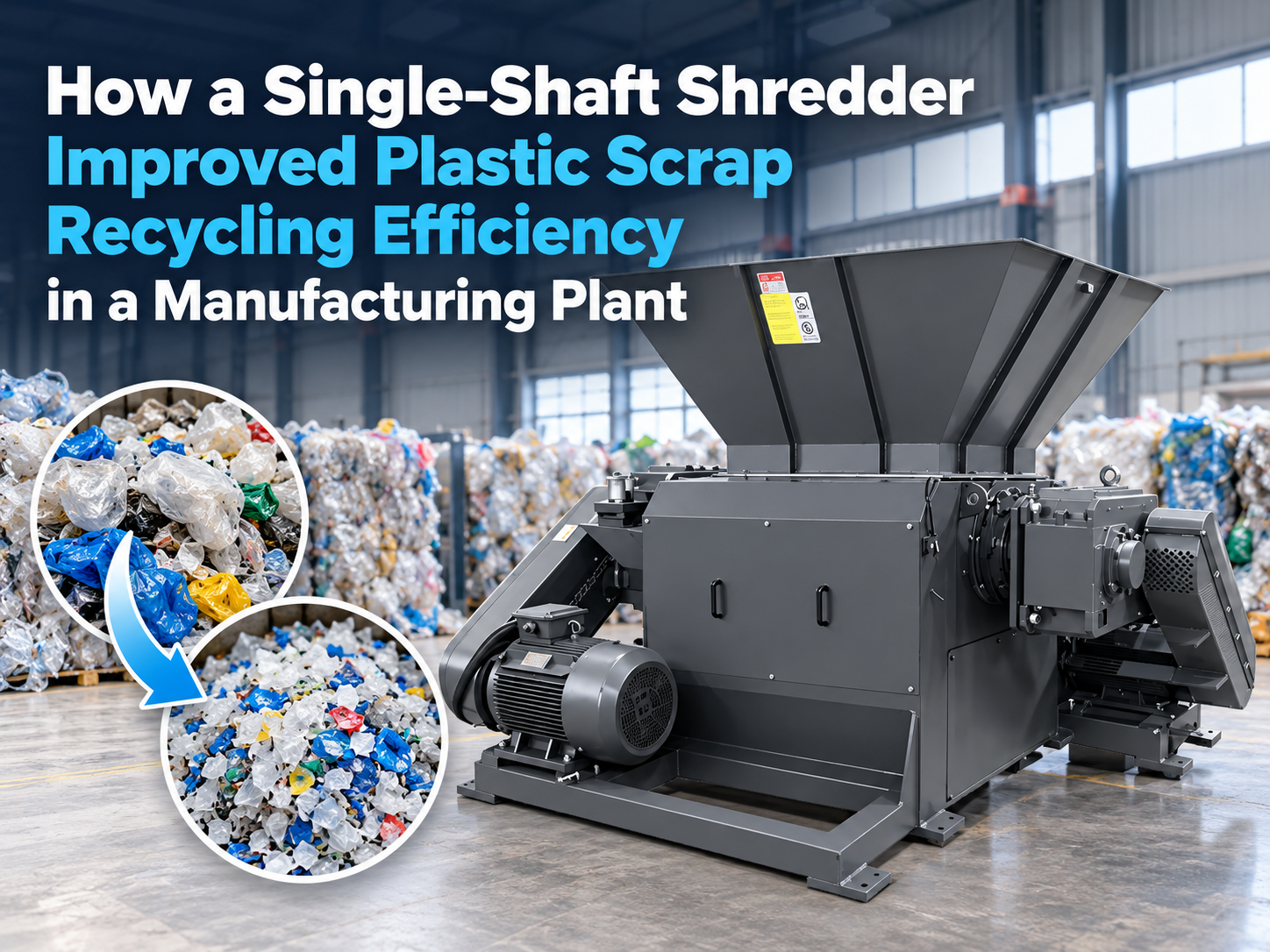
In the modern manufacturing landscape, waste management is no longer just a regulatory necessity; it is a critical component of operational profitability. For plants dealing with high volumes of plastic waste, the challenge lies in volume reduction, material handling, and the ability to repurpose scrap back into the production cycle. This is where the implementation of advanced machinery becomes transformative. Specifically, how a single-shaft shredder improved plastic scrap recycling efficiency in a manufacturing plant has become a benchmark for facilities looking to optimize their circular economy initiatives.
HARSLE has observed that many manufacturing plants struggle with bulky plastic waste—ranging from injection molding purges and defective parts to large-scale packaging materials. Without proper pre-processing, this waste occupies excessive floor space, increases logistics costs, and prevents the material from being re-fed into extruders or pelletizers. The integration of a high-performance single-shaft shredder acts as the primary gatekeeper in a recycling line, turning chaotic scrap into uniform, manageable feedstock.
This article explores the technical mechanics, strategic advantages, and operational improvements that occur when a facility upgrades its waste processing capabilities. By examining the transition from manual handling to automated shredding, we can quantify the efficiency gains that directly impact the bottom line. Whether you are a plant manager or an operations director, understanding the role of this equipment is essential for scaling your recycling operations.
The shift toward sustainable manufacturing is accelerating, and the ability to process plastic scrap in-house is a competitive advantage. By reducing the reliance on external waste disposal services and minimizing raw material procurement costs, plants that invest in shredding technology position themselves as leaders in industrial efficiency. Let us delve into the specific considerations that make this transition successful.
Key Considerations for Plastic Scrap Management
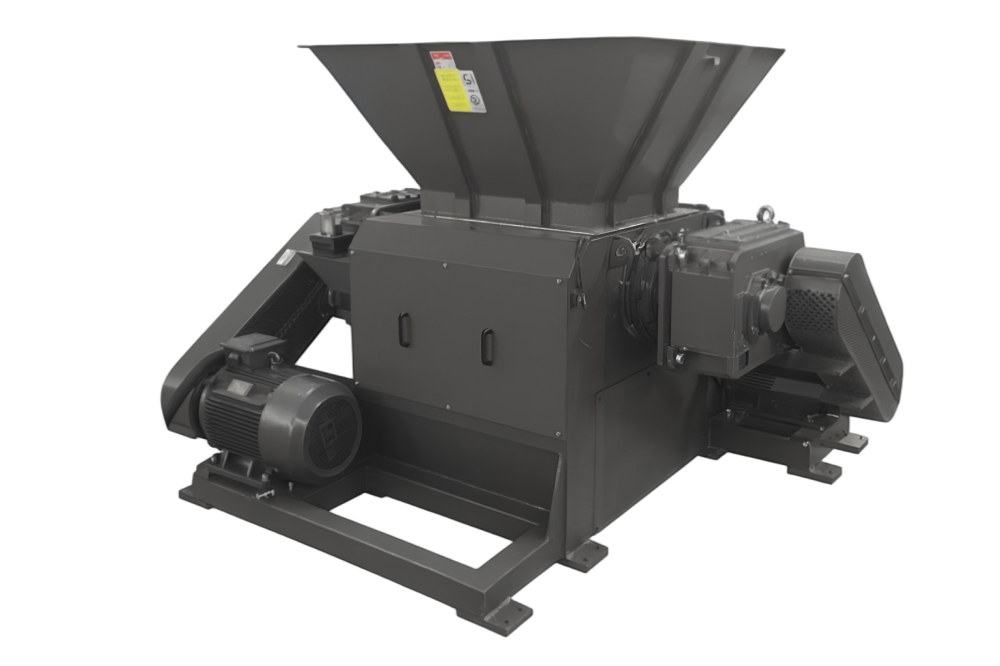
Before integrating a shredder, plant managers must evaluate the nature of their waste stream. Plastic scrap is not monolithic; it varies significantly in density, hardness, and contamination levels. A single-shaft shredder is uniquely suited for these variations because of its controlled feed mechanism. Unlike dual-shaft shredders that rely on tearing, single-shaft models use a rotor with cutting knives that work against a counter-knife, providing a precise, uniform output size.
Space optimization is another critical consideration. In many manufacturing plants, floor space is at a premium. Bulky plastic scrap often creates bottlenecks in production areas. By installing a compact, high-torque single-shaft shredder, plants can process waste at the source. This immediate reduction in volume means that storage bins fill up slower, forklift traffic is reduced, and the overall safety of the shop floor is improved by removing trip hazards and cluttered aisles.
Energy consumption and throughput requirements must also be balanced. A common mistake is selecting a machine that is either underpowered for the material density or oversized for the daily volume. HARSLE recommends conducting a waste audit to determine the average hourly throughput. This ensures that the shredder operates within its optimal efficiency range, preventing motor strain and reducing the frequency of maintenance cycles.
Finally, the downstream process dictates the required output size. If the shredded plastic is intended for a granulator or a direct-feed extruder, the screen size of the shredder is paramount. A single-shaft shredder allows for interchangeable screens, meaning the plant can adjust the output particle size based on the specific requirements of the secondary processing equipment. This versatility is a key reason why a single-shaft shredder improved plastic scrap recycling efficiency in a manufacturing plant so effectively.
Technical Details and Operational Mechanics
The core of a single-shaft shredder lies in its rotor design. The rotor is equipped with specialized cutting inserts that can be rotated or replaced when worn. This modularity is essential for maintaining consistent cutting performance over time. As the rotor turns, it pushes the plastic material against a stationary counter-knife, shearing the material into smaller pieces. This process is controlled by a hydraulic ram that pushes the material toward the rotor at a speed determined by the motor load, preventing jams and ensuring a steady flow.
Advanced control systems are the brains of the operation. Modern shredders from HARSLE feature PLC-based control panels that monitor motor amperage. If the material is too dense or the feed rate is too high, the system automatically reverses the rotor or adjusts the ram pressure to clear the obstruction. This intelligent feedback loop prevents downtime and protects the drivetrain from catastrophic failure, which is a significant upgrade over older, manual-feed systems.
The integration of a screen at the discharge point is what differentiates a shredder from a simple crusher. The screen acts as a filter; material cannot exit the shredding chamber until it has been reduced to a size smaller than the screen apertures. This ensures that the output is uniform, which is critical for downstream processes like melting or pelletizing. Uniformity reduces the load on secondary granulators, extending their blade life and reducing energy consumption.
Maintenance accessibility is another technical highlight. A well-designed shredder includes a hinged hopper or a maintenance door that allows operators to inspect the rotor and counter-knives easily. Quick-change screen systems allow for rapid adjustments when switching between different types of plastic scrap, such as switching from rigid HDPE buckets to flexible PP film. This flexibility is vital for plants that handle diverse waste streams.
Selection Advice for Manufacturing Facilities
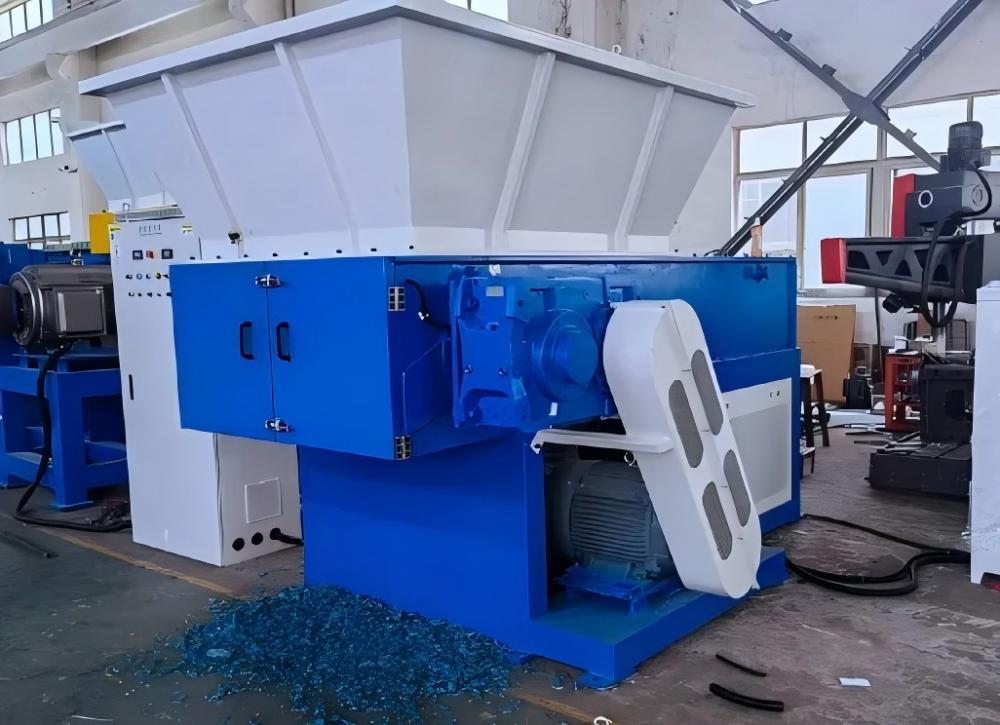
When selecting a shredder, the first step is to define the material characteristics. Are you processing rigid plastics, thin films, or a mix of both? Rigid plastics require higher torque and more robust cutting knives, while films may require specific rotor geometries to prevent wrapping. HARSLE advises clients to provide material samples for testing to ensure the machine configuration matches the specific density and melting point of the plastic.
Consider the throughput capacity in relation to your production cycle. If your plant operates on a 24/7 basis, the shredder must be rated for continuous duty. This involves looking at the gearbox cooling system, the motor insulation class, and the overall structural rigidity of the frame. A machine built for intermittent use will fail prematurely in a high-volume manufacturing environment, leading to costly downtime and repair bills.
Integration with existing material handling systems is also essential. Does the shredder need to be fed by a conveyor belt, or will it be hand-fed? Does the output need to be blown into a silo or collected in a bin? Planning the material flow around the shredder is just as important as the shredder itself. A well-integrated system minimizes manual handling, which is the primary driver of labor cost savings in recycling operations.
Lastly, consider the long-term support and availability of spare parts. Shredders are wear-intensive machines; knives, screens, and hydraulic components will eventually need replacement. Partnering with a manufacturer that provides comprehensive technical support and maintains a stock of critical wear parts ensures that your recycling line remains operational. HARSLE emphasizes the importance of a preventive maintenance schedule to maximize the lifespan of the equipment.
Case Study: Efficiency Gains in Practice
In a recent case study involving a mid-sized plastic injection molding facility, the implementation of a single-shaft shredder resulted in a 40% reduction in waste disposal costs within the first six months. Previously, the plant was paying for the removal of bulky, un-shredded plastic scrap that was mostly air. By shredding the material, the plant was able to increase the density of their waste containers, resulting in fewer pickups and lower transportation fees.
Furthermore, the plant began re-introducing the shredded material back into their production line. By using a high-quality single-shaft shredder, they achieved a particle size consistent enough to be mixed with virgin resin at a 15% ratio without compromising the structural integrity of their final products. This directly reduced their raw material procurement costs, providing a rapid return on investment (ROI) that exceeded initial projections.
The operational workflow also saw significant improvements. The production floor, which was previously cluttered with large waste bins, became organized and safer. The automated feed system of the shredder allowed operators to focus on production tasks rather than manually breaking down scrap. This shift in labor allocation improved overall plant productivity and employee morale.
Ultimately, the success of this project was attributed to the careful selection of the shredder specifications. By matching the rotor speed and knife configuration to the specific plastic types used in the plant, the facility achieved a balance of high throughput and low energy consumption. This case study serves as a clear example of how a single-shaft shredder improved plastic scrap recycling efficiency in a manufacturing plant.
FAQ
- What is the main advantage of a single-shaft shredder over a dual-shaft model? A single-shaft shredder provides a more uniform output size due to the screen system, making it ideal for applications where the material needs to be processed further, such as in extruders.
- How often should the cutting knives be sharpened or replaced? This depends on the abrasiveness of the plastic and the daily throughput. Generally, a preventive maintenance schedule involving inspection every 500 operating hours is recommended.
- Can a single-shaft shredder handle contaminated plastic? Yes, but it is important to remove large metal objects or stones before feeding, as these can damage the knives. Many HARSLE models include safety features to detect non-shreddable materials.
- How does the shredder affect the overall recycling ROI? By reducing waste volume, lowering disposal costs, and enabling the reuse of scrap material, the shredder creates multiple streams of cost savings that typically pay for the machine within 12 to 24 months.
- Is special training required for operators? While the machines are user-friendly, basic training on safety protocols, material feeding, and routine maintenance is essential for safe and efficient operation.
Conclusion
The evidence is clear: how a single-shaft shredder improved plastic scrap recycling efficiency in a manufacturing plant is a testament to the power of targeted industrial automation. By transforming bulky, problematic waste into a valuable, uniform resource, manufacturers can significantly reduce their environmental footprint while simultaneously boosting their bottom line. The transition from a linear “take-make-waste” model to a circular “reduce-reuse-recycle” approach is no longer optional in today’s competitive market.
HARSLE remains committed to providing the robust, reliable, and efficient machinery necessary for this transition. Whether you are looking to optimize your current waste management process or are planning a new recycling line, the single-shaft shredder is a foundational piece of equipment that delivers measurable results. By focusing on material characteristics, throughput requirements, and proper system integration, your facility can achieve the same level of efficiency and sustainability seen in leading manufacturing plants worldwide.
As you evaluate your options, remember that the best investment is one that aligns with your long-term operational goals. A high-quality shredder is not just a machine; it is a strategic asset that enhances your production capabilities and positions your company for future growth. Contact the HARSLE team today to discuss your specific plastic recycling needs and take the first step toward a more efficient, profitable, and sustainable manufacturing operation.