How a Horizontal Baler Helped a Plant Meet Recycling Targets Faster: A HARSLE Case Study

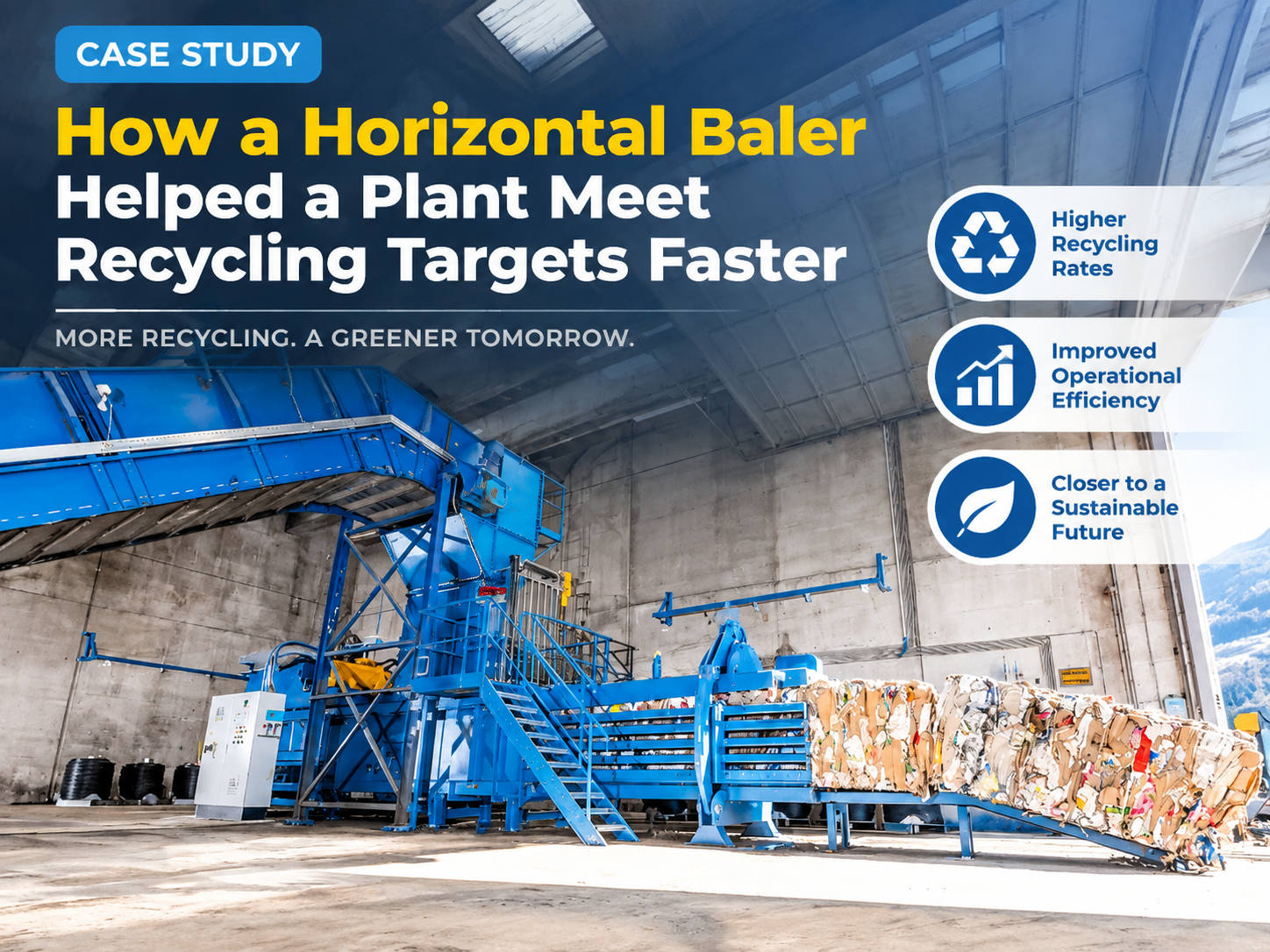
Introduction: The Growing Need for Efficient Waste Management
In the modern era of industrial manufacturing, the pressure to adopt sustainable practices has never been higher. For metal fabrication plants and large-scale distribution centers, the sheer volume of scrap metal, cardboard, and plastic waste can quickly become a logistical nightmare. When a facility struggles to manage its byproduct, it doesn’t just impact the bottom line; it hinders the ability to meet stringent environmental and recycling targets. This is where the implementation of advanced machinery, specifically a high-performance horizontal baler, becomes a game-changer.
Many plant managers find themselves overwhelmed by the manual labor required to sort, store, and transport loose waste. Loose materials occupy significant floor space, create fire hazards, and increase the frequency of waste collection pickups, which drives up operational costs. By transitioning to an automated baling system, facilities can transform their waste management from a cost center into a streamlined, efficient process. In this article, we explore how a horizontal baler helped a plant meet recycling targets faster and why this technology is essential for modern industrial operations.
HARSLE has been at the forefront of providing robust industrial machinery that addresses these exact pain points. Our horizontal balers are designed to handle high-volume throughput, ensuring that waste is compacted into dense, stackable, and transport-ready bales. This transition not only optimizes space but also significantly increases the market value of the recycled materials, as recyclers prefer uniform, high-density bales over loose scrap.
Throughout this guide, we will delve into the technical specifications, operational advantages, and strategic selection criteria for horizontal balers. Whether you are looking to reduce your carbon footprint or simply improve your facility’s workflow, understanding the impact of this equipment is the first step toward operational excellence.
Key Considerations for Industrial Waste Optimization
Before investing in a horizontal baler, it is crucial to assess the specific waste profile of your facility. Not all waste is created equal; the density, size, and material composition of your scrap will dictate the type of baler required. For instance, a plant dealing primarily with aluminum offcuts will require a different hydraulic force and chamber design than a facility processing corrugated cardboard or plastic film.
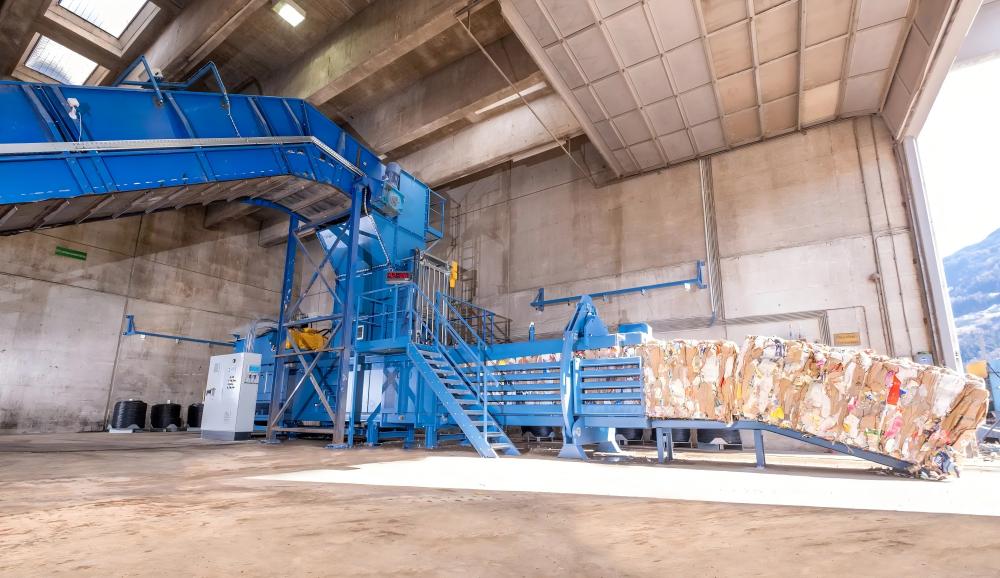
Space utilization is another critical factor. A horizontal baler is inherently larger than a vertical unit, but it offers the advantage of continuous feeding. This means your team can load waste into the hopper while the machine is actively compacting, eliminating downtime. When considering the layout of your plant, you must account for the footprint of the baler, the conveyor system, and the clearance required for forklift access to remove finished bales.
Operational safety and labor efficiency are paramount. Manual baling processes are labor-intensive and carry inherent risks of injury. A horizontal baler automates the compression cycle, reducing the need for manual handling. Furthermore, modern HARSLE balers are equipped with advanced safety sensors, emergency stop buttons, and automated bale-tying systems, ensuring that your workforce remains protected while productivity remains high.
Finally, consider the long-term scalability of your operation. As your plant grows, so will your waste output. Choosing a baler with a modular design or one that exceeds your current capacity requirements is a strategic move. It ensures that your investment remains relevant for years to come, allowing you to scale your recycling efforts without needing to replace your machinery prematurely.
Technical Details: How a Horizontal Baler Functions
At the core of the question, “How a horizontal baler helped a plant meet recycling targets faster,” lies the technical superiority of the hydraulic system. Unlike vertical balers that rely on gravity and manual loading, horizontal balers utilize a powerful hydraulic ram that moves horizontally to compress material against a back wall. This continuous horizontal motion allows for a much higher throughput, making it ideal for high-volume environments.
The hydraulic power unit (HPU) is the heart of the machine. HARSLE balers utilize high-pressure hydraulic pumps that deliver consistent force, ensuring that even the most resilient materials are compressed into dense, uniform bales. The control system, often featuring a Programmable Logic Controller (PLC), allows operators to adjust cycle times, pressure settings, and bale lengths with precision. This level of control is vital for meeting the specific requirements of different recycling centers.
Another technical advantage is the automated tying system. Once the material reaches the desired bale size, the machine alerts the operator or automatically initiates the tying process. This eliminates the need for manual wire threading, which is often the most time-consuming part of the baling process. By automating this step, the plant can process significantly more material in a single shift, directly contributing to the goal of meeting recycling targets faster.
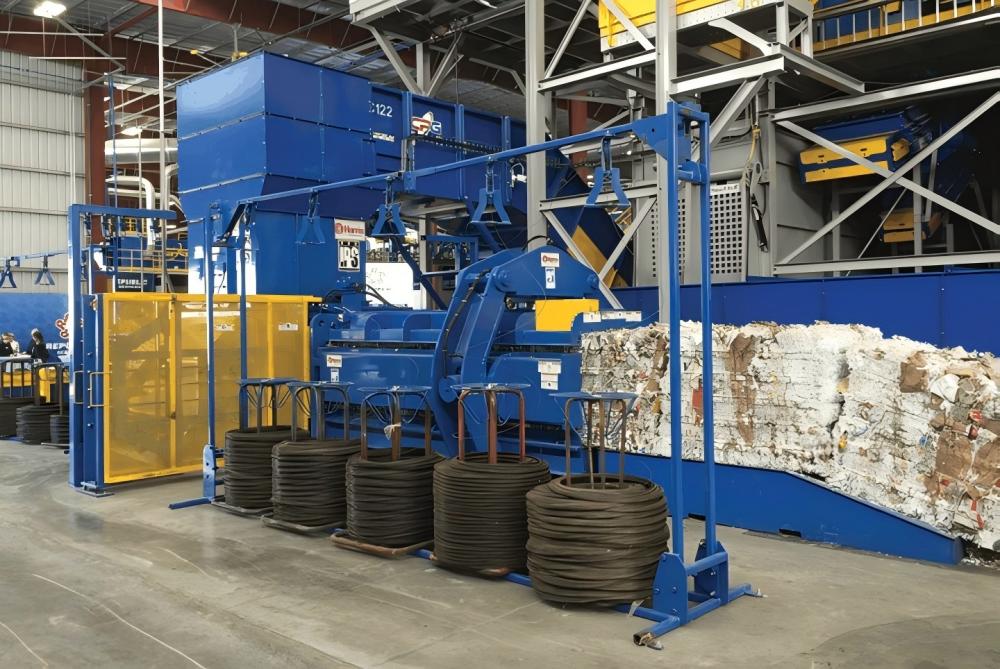
The structural integrity of the baler is also a technical highlight. HARSLE uses high-tensile steel for the chamber walls and ram face to withstand the immense pressure generated during compaction. This durability ensures that the machine can operate under heavy loads for extended periods without structural fatigue, minimizing maintenance downtime and maximizing the return on investment.
Conseils de sélection : Choisir le bon équipement
Selecting the right horizontal baler involves a thorough analysis of your facility’s throughput requirements. Start by measuring your daily waste volume in tons or cubic meters. If your output is consistent and high, a fully automatic horizontal baler is the most efficient choice. If your volume is moderate but growing, a semi-automatic model may provide the best balance between cost and performance.
Consider the material type. If you are processing metal scraps, you will need a baler with reinforced wear plates and a high-pressure rating to prevent damage to the chamber. For cardboard and paper, the focus should be on the feed opening size and the speed of the ram. HARSLE offers customizable feed hoppers, including conveyor-fed or air-conveyed systems, which can be tailored to your specific loading method.
Maintenance support is a non-negotiable factor. Industrial machinery requires regular servicing to remain in peak condition. When choosing a supplier, look for one that offers comprehensive after-sales support, including readily available spare parts, remote technical assistance, and a network of certified technicians. HARSLE prides itself on providing end-to-end support, ensuring that your baler remains operational throughout its lifecycle.
Finally, evaluate the total cost of ownership. While the initial purchase price is important, consider energy efficiency, wire consumption, and maintenance costs. A more energy-efficient motor or a baler that produces denser bales (reducing the number of transport trips required) can lead to significant savings over time. Always request a performance demonstration or a case study from the manufacturer to see the machine in action under conditions similar to your own.
Foire aux questions (FAQ)
1. How does a horizontal baler improve recycling efficiency?
A horizontal baler improves efficiency by automating the compaction process, allowing for continuous loading and high-density bale production. This reduces the frequency of waste pickups and maximizes the weight per transport load, which is a key metric for recycling facilities.
2. What materials can be processed in a HARSLE horizontal baler?
HARSLE balers are versatile and can process a wide range of materials, including corrugated cardboard, plastic film, PET bottles, aluminum cans, and various types of scrap metal. The specific model chosen will depend on the material density and volume.
3. How much space do I need for a horizontal baler?
The space requirement depends on the model. While horizontal balers have a larger footprint than vertical ones, they are designed to be integrated into existing production lines. We recommend a site assessment to determine the optimal placement for the baler and the necessary conveyor systems.
4. Is operator training required for these machines?
Yes, proper training is essential for safety and efficiency. HARSLE provides detailed operation manuals and can offer on-site or remote training sessions to ensure your team is proficient in operating the baler and performing basic maintenance.
5. How often does a horizontal baler require maintenance?
Regular maintenance should be performed according to the manufacturer’s schedule, typically involving hydraulic oil checks, filter replacements, and inspection of the ram and tying mechanism. Consistent maintenance prevents costly downtime and extends the machine’s lifespan.
Conclusion: Investing in a Sustainable Future
The journey toward a more sustainable and profitable plant begins with the right infrastructure. As we have explored, a horizontal baler is more than just a piece of equipment; it is a strategic asset that streamlines waste management, reduces operational costs, and directly enables a facility to meet its recycling targets faster. By consolidating waste into manageable, high-density bales, plants can reclaim valuable floor space and turn their byproduct into a revenue stream.
HARSLE remains committed to engineering solutions that empower manufacturers to achieve their environmental goals without compromising on productivity. Our horizontal balers are built to withstand the rigors of industrial use, offering the reliability and performance needed to stay ahead in a competitive market. When you choose HARSLE, you are choosing a partner dedicated to your long-term success in waste optimization and sustainable manufacturing.
If you are ready to transform your waste management process, we invite you to contact our technical team for a consultation. Together, we can assess your facility’s needs and identify the perfect baling solution to help you reach your recycling targets faster and more efficiently than ever before. The future of manufacturing is circular, and with the right machinery, your plant can lead the way.