
How a Hammer Shredder Helped Cut Downtime in a Metal Recycling Line: A HARSLE Case Study

Introduction: The Challenge of Metal Recycling Efficiency
In the high-stakes world of metal recycling, downtime is the silent killer of profitability. For many facility managers, the bottleneck often lies in the primary shredding stage, where outdated or underpowered equipment struggles to keep up with the volume and density of incoming scrap. When a facility faces constant mechanical failures, the entire downstream process—sorting, separation, and baling—comes to a grinding halt. This is exactly where the implementation of a modern, high-torque hammer shredder changes the game.
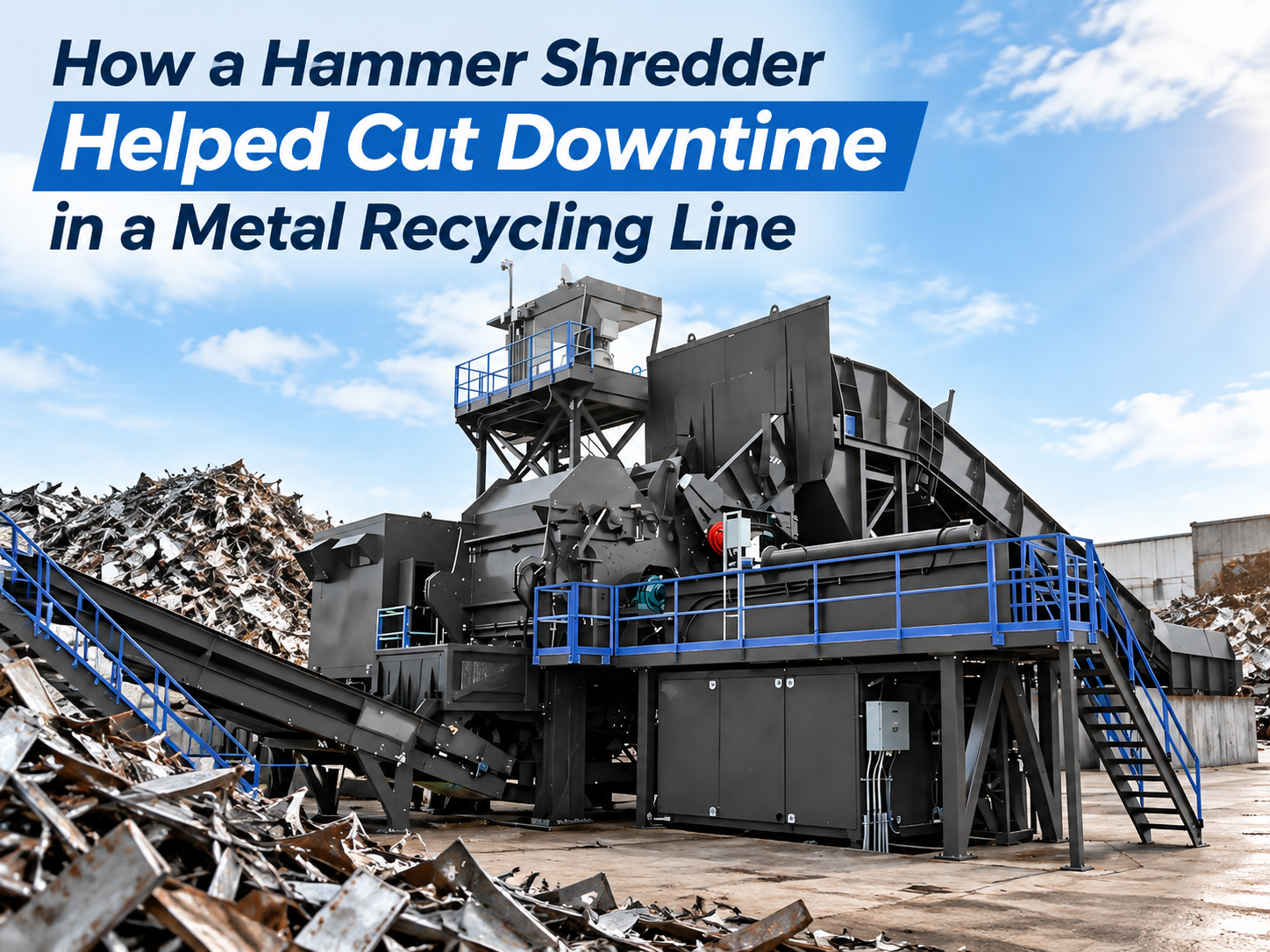
We recently worked with a mid-sized recycling facility that was plagued by frequent jams and motor burnout. By analyzing their workflow, we identified that their legacy shredding system was not designed for the modern mix of light-gauge steel and heavy automotive scrap. The solution was clear: upgrading to a HARSLE-engineered hammer shredder. In this article, we explore how a hammer shredder helped cut downtime in a metal recycling line, transforming a sluggish operation into a high-throughput powerhouse.
Efficiency in metal recycling is not just about speed; it is about consistency. When a machine operates reliably for 24 hours a day, the cost per ton of processed material drops significantly. By replacing aging, inefficient shredders with robust, modern hammer technology, facilities can achieve a level of operational stability that was previously unattainable. This article serves as a comprehensive guide for plant managers looking to optimize their lines and minimize costly interruptions.
Throughout this analysis, we will look at the technical specifications that make a difference, the maintenance protocols that prevent failure, and the strategic selection process for your next machinery investment. Whether you are processing aluminum, copper, or mixed ferrous scrap, understanding the mechanics of your shredder is the first step toward a more profitable recycling business.
Key Considerations for Shredding Efficiency
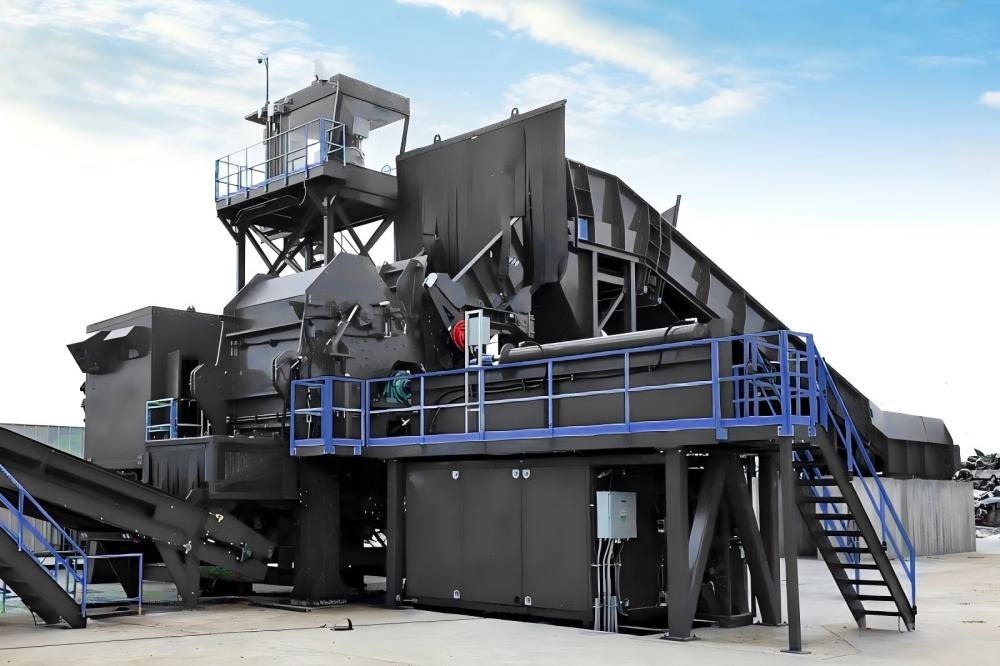
When evaluating why a hammer shredder helped cut downtime in a metal recycling line, one must first look at the material feed consistency. A common cause of downtime is the ‘bridging’ of scrap metal, where oversized or tangled pieces create a blockage at the intake. Modern hammer shredders are equipped with advanced feed control systems that regulate the flow of material, ensuring that the hammers are never overwhelmed by sudden surges in volume.
Another critical consideration is the wear-resistance of the internal components. In a recycling environment, the hammers, grates, and liners are subjected to extreme abrasive forces. If these parts are made of inferior alloys, they will require frequent replacement, leading to scheduled and unscheduled downtime. HARSLE utilizes high-manganese steel and specialized heat-treatment processes to ensure that these wear parts last significantly longer than industry standards, directly impacting the uptime of the entire line.
Motor efficiency and torque management also play a pivotal role. Many older shredders struggle when encountering high-density materials, leading to motor stalls. A well-engineered hammer shredder features a high-inertia rotor design that maintains momentum even when processing tough, thick-gauge steel. This inertia prevents the motor from stalling, which in turn reduces the stress on electrical components and drive belts, further extending the time between maintenance intervals.
Finally, the ease of access for maintenance is a non-negotiable factor. If a machine takes eight hours to open for a simple hammer inspection, the downtime is compounded. Modern designs prioritize modularity, allowing maintenance teams to access the shredding chamber, replace hammers, or clear blockages in a fraction of the time required by legacy equipment. This design philosophy is central to how a hammer shredder helped cut downtime in a metal recycling line for our clients.
Technical Details: The Mechanics of Reliability
The core of a hammer shredder is the rotor assembly. In a high-performance HARSLE unit, the rotor is dynamically balanced to minimize vibration. Vibration is the enemy of industrial machinery; it loosens bolts, damages bearings, and leads to structural fatigue. By ensuring perfect balance, we reduce the mechanical stress on the entire frame, which is a fundamental reason why our clients experience fewer breakdowns over the long term.
The hammers themselves are designed with a swing-away mechanism. This is a critical technical feature that protects the rotor from catastrophic damage. If a non-shreddable object—such as a large piece of hardened tool steel or a solid block of concrete—enters the chamber, the hammers swing back rather than impacting the object with full force. This prevents the rotor from snapping or the motor from burning out, allowing the operator to simply remove the object and resume production.
The discharge grate system is equally important. The size and shape of the grate openings determine the final output size of the shredded material. A high-quality shredder allows for quick-change grate configurations, enabling the facility to switch between different output requirements without significant downtime. This flexibility ensures that the shredder is always optimized for the specific material being processed, preventing unnecessary wear on the hammers.
Furthermore, the integration of smart sensors and PLC (Programmable Logic Controller) systems allows for real-time monitoring of the shredder’s health. These sensors track bearing temperature, vibration levels, and motor load. By utilizing predictive maintenance, operators can identify a potential issue—such as a worn bearing—before it leads to a total machine failure. This proactive approach is the ultimate way to ensure that a hammer shredder helped cut downtime in a metal recycling line.
Conseils de sélection : Choisir le bon équipement
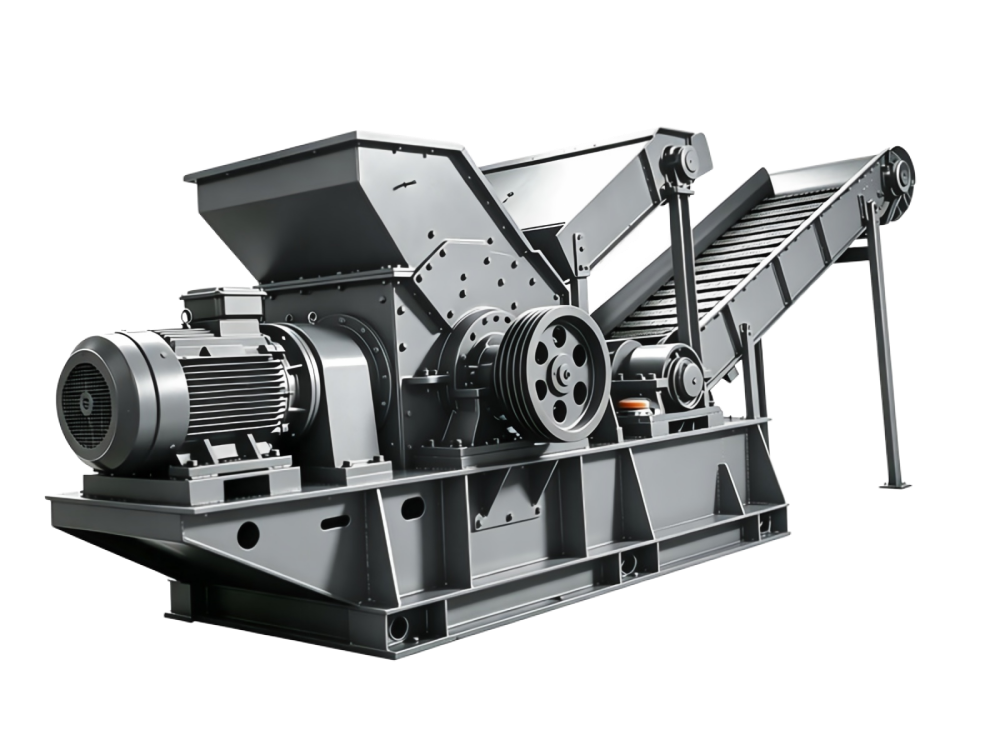
Selecting the right hammer shredder requires a deep understanding of your facility’s specific throughput requirements and material profile. Do not simply look for the highest horsepower rating; look for the best power-to-throughput ratio. An oversized motor on a machine with a weak frame will lead to structural failure, while an undersized motor will lead to constant stalls. Consult with HARSLE engineers to perform a material analysis before making your purchase.
Consider the environment in which the shredder will operate. If your facility processes highly abrasive materials like stainless steel or high-carbon alloys, you will need a shredder with reinforced liners and specialized hammer coatings. Investing in these upgrades upfront is significantly cheaper than the cost of replacing standard components every few months. Always prioritize equipment that offers a comprehensive warranty and local technical support.
Another factor is the integration capability. A shredder does not operate in a vacuum; it is part of a larger system including conveyors, magnetic separators, and eddy current separators. Ensure that the shredder you choose has a control interface that can communicate with your existing PLC network. This allows for automated feed control, where the conveyor speed is automatically adjusted based on the load detected in the shredder, preventing jams before they happen.
Lastly, look at the manufacturer’s track record regarding spare parts availability. A machine is only as good as the support behind it. If you have to wait weeks for a replacement hammer or a custom grate, your downtime will skyrocket regardless of how well the machine is built. HARSLE maintains a robust inventory of wear parts, ensuring that our clients can get back to work quickly if a component does reach the end of its service life.
FAQ: Common Questions About Shredder Maintenance
How often should I inspect the hammers in my shredder?
Inspection frequency depends on the material processed. For high-volume, abrasive scrap, we recommend a visual inspection every 40 to 80 operating hours. A proactive inspection schedule is the primary reason why a hammer shredder helped cut downtime in a metal recycling line for our most successful clients.
What are the signs that my shredder is struggling?
Common signs include increased vibration, unusual noise, a drop in throughput, or frequent motor load spikes. If you notice these symptoms, it is time to check the condition of your hammers and the alignment of your rotor.
Can I process mixed metals in a single hammer shredder?
Yes, but you must ensure that your shredder is equipped with the appropriate grate size and hammer configuration. Processing mixed metals requires a versatile machine that can handle varying densities without constant adjustment.
How does a hammer shredder compare to a shear shredder?
Shear shredders are better for precise sizing and low-speed, high-torque applications, while hammer shredders are designed for high-speed, high-throughput volume reduction. For most general metal recycling lines, the hammer shredder offers superior efficiency.
Conclusion: Investing in Long-Term Reliability
The journey to a more efficient recycling line begins with recognizing that equipment is an investment, not just an expense. By understanding how a hammer shredder helped cut downtime in a metal recycling line, you can see that the benefits extend far beyond simple volume increases. Reduced downtime means lower labor costs, higher throughput, and a more predictable revenue stream for your business.
At HARSLE, we are committed to providing metal fabrication equipment that stands the test of time. Our hammer shredders are built with the understanding that in the recycling industry, every minute of operation counts. By combining robust engineering, smart sensor technology, and a commitment to maintenance support, we help our clients turn their recycling lines into models of efficiency.
If you are tired of constant machine failures and the associated loss of productivity, it is time to evaluate your shredding technology. Contact our team today to discuss your specific recycling needs and learn how we can help you optimize your facility for the future. Remember, the right equipment doesn’t just process metal; it processes profit.












