
From Bulky Scrap to Uniform Output: A Hammer Shredder Success Story

Introduction
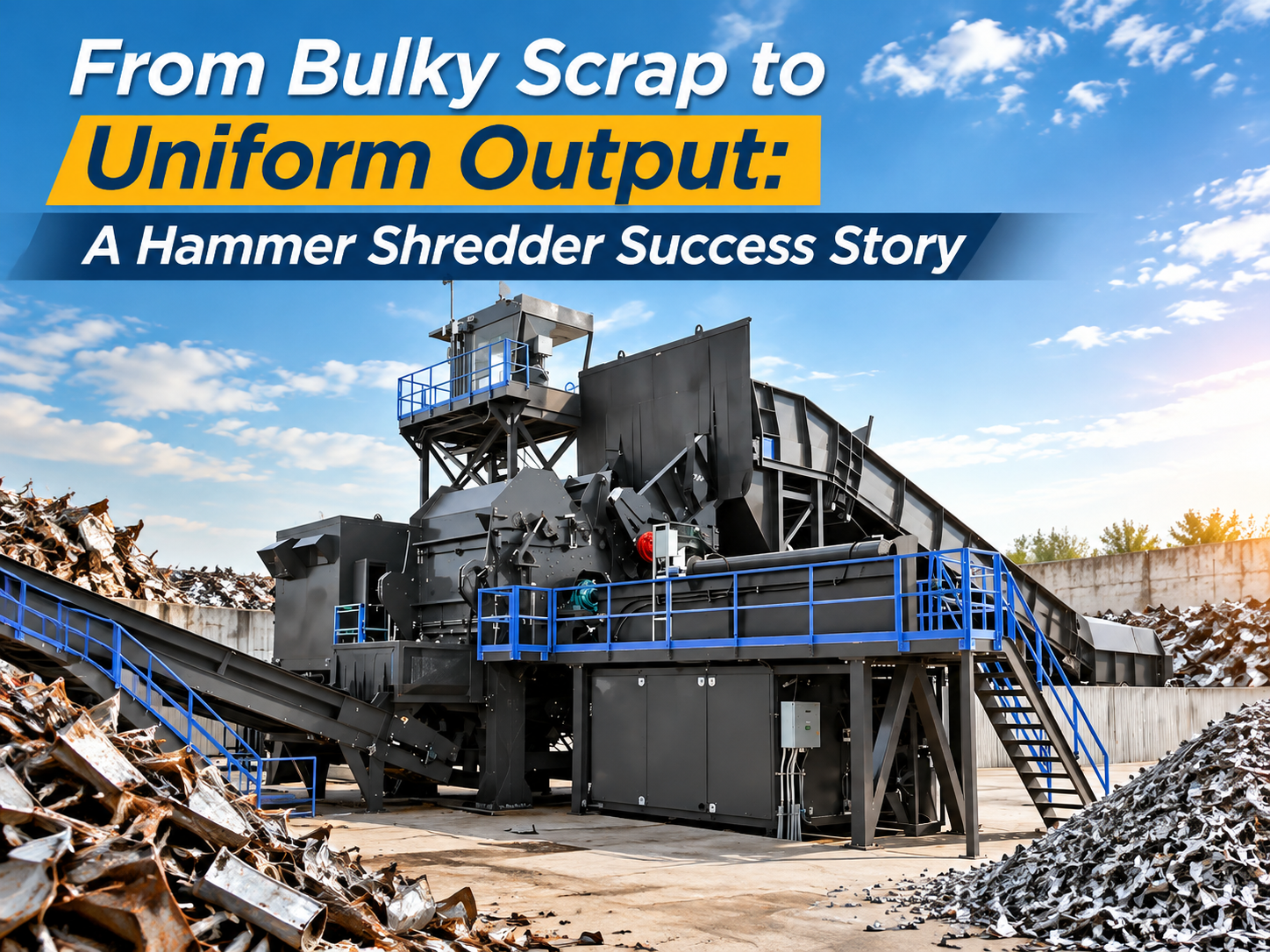
In the modern landscape of metal fabrication and industrial manufacturing, the management of scrap material is no longer just a logistical challenge—it is a critical component of operational profitability. For many facilities, the accumulation of bulky, irregular metal scrap represents a significant bottleneck. This is where the narrative of From Bulky Scrap to Uniform Output: A Hammer Shredder Success Story begins. By integrating advanced shredding technology, manufacturers can convert chaotic piles of waste into high-density, uniform raw materials ready for smelting or resale.
HARSLE has observed a growing trend among metal fabrication plants: the shift from manual scrap handling to automated, high-efficiency shredding systems. The transition from bulky scrap to uniform output is not merely about aesthetics; it is about maximizing the value of every kilogram of metal. When scrap is shredded into uniform pieces, it occupies less volume, reduces transportation costs, and increases the efficiency of downstream melting processes.
This article explores the technical prowess of the HARSLE hammer shredder, detailing how it serves as the backbone of modern scrap processing lines. We will examine the operational benefits, the engineering behind the machinery, and the strategic advantages of implementing such a system in your facility. Whether you are dealing with aluminum offcuts, steel skeletons, or mixed metal waste, understanding the mechanics of shredding is the first step toward operational excellence.
As we delve into this success story, we will look at how specific industrial clients have utilized HARSLE technology to overcome the limitations of traditional scrap handling. By replacing shears or manual sorting with a high-torque hammer shredder, these companies have seen a drastic reduction in labor costs and an increase in the purity of their output, setting a new standard for their respective sectors.
Key Considerations for Scrap Processing
Before investing in a hammer shredder, facility managers must evaluate the specific nature of their scrap stream. Not all metal is created equal, and the physical properties of your waste—such as thickness, alloy composition, and density—will dictate the requirements for your shredding equipment. The goal is to achieve a consistent output size that meets the specifications of secondary smelters or recycling centers.
One of the primary considerations is the throughput capacity. A facility processing five tons of scrap per day has vastly different requirements than a high-volume automotive stamping plant. HARSLE engineers emphasize that sizing the motor and the hammer assembly correctly is essential to prevent downtime. If the system is undersized, the hammers will wear prematurely; if it is oversized, energy consumption becomes an unnecessary overhead.
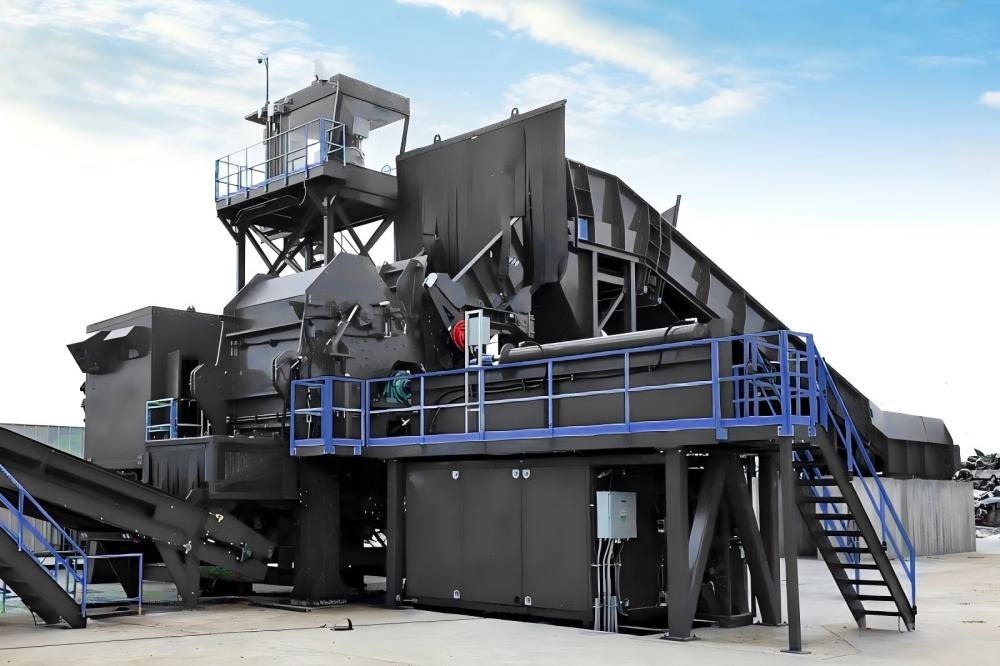
Space constraints and integration with existing material handling systems are also critical. A hammer shredder is rarely a standalone unit; it is usually part of a larger ecosystem that includes conveyors, magnetic separators, and dust collection systems. Planning the layout to ensure a smooth flow of material from the scrap pile to the shredder, and then to the collection bin, is vital for maintaining a clean and safe work environment.
Safety and environmental compliance cannot be overlooked. Metal shredding generates noise, dust, and vibration. Modern HARSLE hammer shredders are equipped with sound-dampening enclosures and advanced filtration systems to meet stringent industrial regulations. Furthermore, the inclusion of safety interlocks and emergency stop mechanisms is non-negotiable in any professional fabrication environment.
Finally, consider the long-term maintenance requirements. The hammers, grates, and liners of a shredder are wear parts. A successful operation is one that has a clear maintenance schedule and easy access to spare parts. By choosing a manufacturer that provides comprehensive support, you ensure that your investment remains productive for years to come, minimizing the total cost of ownership.
Technical Details of HARSLE Hammer Shredders
The core of the HARSLE hammer shredder lies in its robust rotor design. The rotor is equipped with a series of heavy-duty, hardened steel hammers that swing freely on pins. As the rotor spins at high speeds, these hammers strike the incoming scrap with immense kinetic energy, shattering it into smaller, uniform pieces. This impact-based reduction is significantly more effective than shearing for brittle or complex metal shapes.
The internal chamber is lined with replaceable wear plates made from high-manganese steel, which is known for its ability to work-harden under impact. This ensures that the machine can withstand the constant barrage of metal debris without compromising the structural integrity of the housing. The grates at the bottom of the shredder act as a sizing screen; material is only allowed to exit the chamber once it has been reduced to a size smaller than the grate openings.
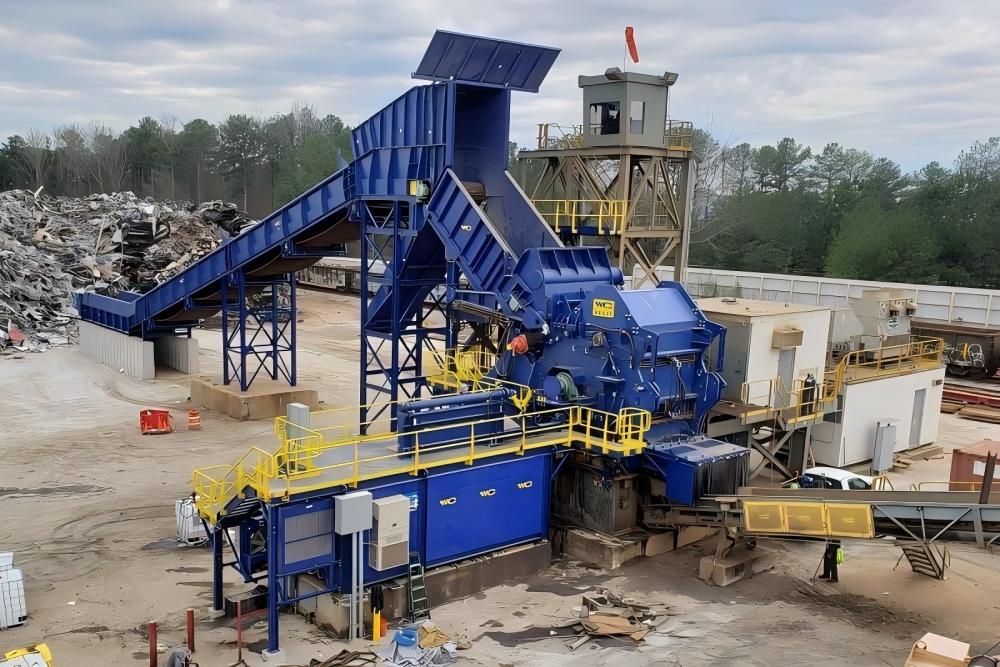
HARSLE’s drive systems are engineered for high torque and consistent speed. Utilizing heavy-duty gearboxes and high-efficiency electric motors, these shredders maintain performance even when processing dense, high-tensile materials. The integration of variable frequency drives (VFDs) allows operators to fine-tune the rotor speed based on the specific type of metal being processed, optimizing both energy usage and output quality.
Beyond the mechanical components, the control system is the brain of the operation. HARSLE shredders feature PLC-based controls that monitor motor load, temperature, and vibration in real-time. If the system detects a blockage or an overload, it can automatically reverse the rotor or adjust the feed rate to prevent damage. This level of automation is what truly distinguishes a modern shredder from legacy equipment.
The discharge mechanism is equally important. Once the metal is shredded, it is typically moved via a discharge conveyor. Many HARSLE installations include an over-belt magnetic separator, which pulls ferrous metals away from non-ferrous contaminants, further increasing the value of the output. This multi-stage processing ensures that the final product is not just uniform in size, but also high in purity.
Conseils de sélection : Choisir le bon équipement
Selecting the right hammer shredder requires a collaborative approach between the manufacturer and the end-user. Start by conducting a thorough audit of your scrap material. Are you processing thin-gauge sheet metal, or are you dealing with heavy structural beams? The thickness and hardness of the material will determine the required hammer weight and the power of the motor.
Consider the desired output size. Different smelters have different requirements for feedstock. If you are selling your scrap to a foundry, they may require a specific density or size range. HARSLE offers a variety of grate configurations, allowing you to customize the shredder to meet these specific market demands. Always consult with your end-buyers before finalizing your equipment specifications.
Evaluate the ease of maintenance. A machine that is difficult to service will eventually be neglected, leading to performance degradation. Look for features like hydraulic opening hoods, which provide quick and safe access to the rotor and hammers for inspection or replacement. HARSLE designs its equipment with the maintenance technician in mind, ensuring that downtime is kept to an absolute minimum.
Think about scalability. Your production volume may increase in the future. Investing in a modular system that allows for the addition of pre-shredders or secondary processing stages can save you from having to replace the entire line later. HARSLE’s modular design philosophy allows for seamless upgrades as your business grows, protecting your initial capital investment.
Finally, do not underestimate the importance of local support and training. Even the best machinery requires skilled operators. Ensure that your chosen supplier provides thorough training for your team, covering everything from daily inspections to emergency protocols. A well-trained team is the best defense against equipment failure and the key to achieving the consistent, uniform output that defines a successful shredding operation.
FAQ: Common Questions About Hammer Shredders
What is the main advantage of using a hammer shredder over a shear?
A hammer shredder excels at breaking down complex, bulky, and irregular shapes into a uniform, high-density product. While shears are excellent for cutting long pieces into shorter lengths, they often struggle with tangled or voluminous scrap. The hammer shredder provides a more consistent output size, which is ideal for automated feeding systems and smelting.
How often do the hammers need to be replaced?
The lifespan of the hammers depends on the type of metal processed and the volume of throughput. Harder, abrasive metals will wear the hammers faster than soft aluminum. HARSLE provides wear-monitoring guidelines, and we recommend regular inspections every 200–500 operating hours to ensure optimal performance.
Can a hammer shredder handle mixed metals?
Yes, but it is highly recommended to use a magnetic separator in conjunction with the shredder. The shredder will reduce the mixed material to a uniform size, and the magnetic separator will then effectively sort the ferrous from the non-ferrous components, allowing you to maximize the value of your scrap.
Is the noise level a concern for indoor installations?
Industrial shredding is inherently noisy. However, HARSLE offers sound-attenuation enclosures that significantly reduce noise levels, making it possible to operate the equipment within a standard fabrication facility without violating noise ordinances or creating an unsafe work environment.
What is the typical ROI for a hammer shredder?
The return on investment is achieved through three main channels: reduced transportation costs due to higher material density, higher market prices for uniform/clean scrap, and reduced labor costs associated with manual scrap handling. Many of our clients report a full ROI within 18 to 24 months of operation.
Conclusion
The journey From Bulky Scrap to Uniform Output: A Hammer Shredder Success Story is one that many HARSLE partners have successfully navigated. By moving away from the inefficiencies of manual scrap management and embracing the precision of industrial shredding, these companies have transformed a waste stream into a revenue stream. The ability to produce uniform, high-density metal scrap is a competitive advantage in today’s market, where efficiency and sustainability are paramount.
HARSLE remains committed to providing the metal fabrication industry with the tools necessary to thrive. Our hammer shredders are more than just machines; they are integrated solutions designed to solve the complex challenges of modern manufacturing. With robust engineering, advanced control systems, and a focus on long-term reliability, HARSLE equipment ensures that your facility remains at the forefront of productivity.
If you are ready to streamline your scrap processing and unlock the hidden value in your waste, we invite you to consult with our engineering team. Together, we can assess your specific needs, design a tailored shredding solution, and help you write the next chapter in your own success story. Let HARSLE be your partner in achieving operational excellence and sustainable growth in the metal fabrication sector.












